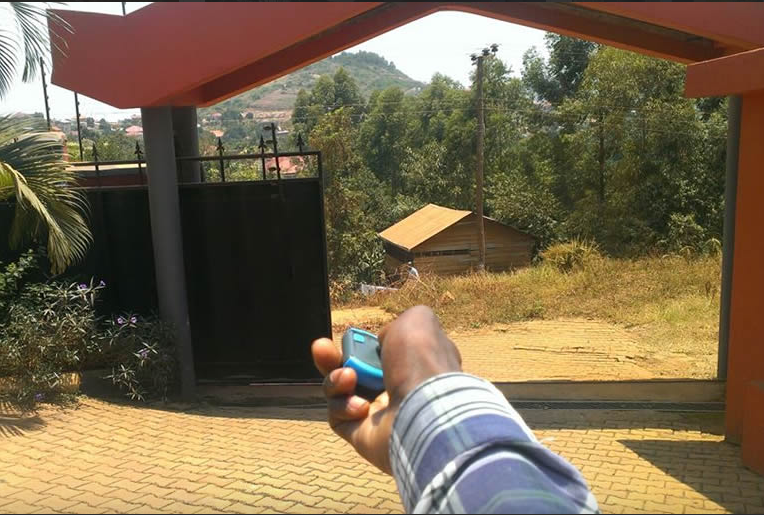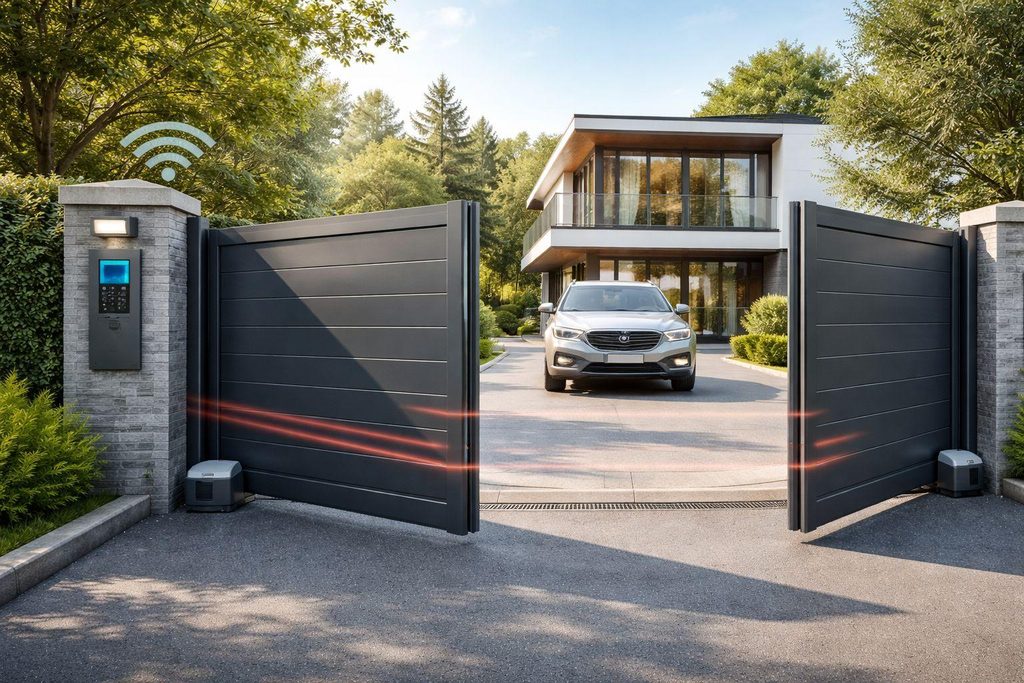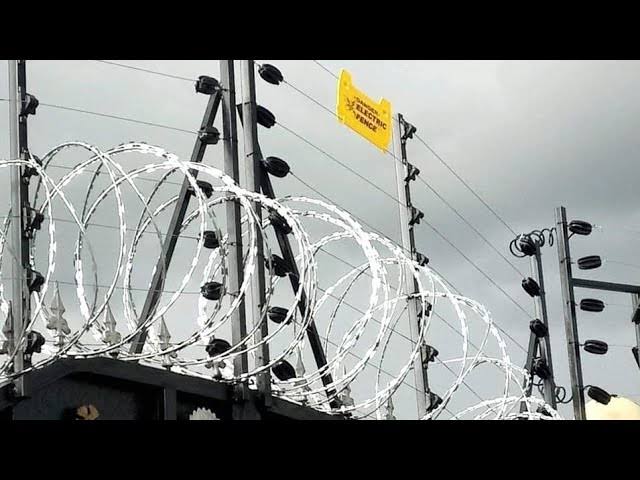
Electric fencing is an increasingly considered security solution for homeowners, businesses, warehouses, schools, factories and other properties across Uganda. It creates an additional perimeter-security barrier that can help deter intruders and alert occupants when the fence is interfered with.
However, before installing one, most property owners want to know: How much does an electric fence cost in Uganda?
The answer depends on several factors, including the length of the perimeter, number of electric wires, quality of the energiser, type of fence supports, site conditions and additional security features. A small residential property may require a relatively straightforward system, while a large commercial or industrial property may need more equipment, stronger energisers and a more complex installation.
This guide explains electric fence prices in Uganda, the main factors that determine installation costs, the equipment required and how to plan a system that suits your property and budget.
If you are looking for electric fencing equipment, Daltrev Co. Ltd provides perimeter-security products and fencing components for residential and commercial projects in Uganda.
How Much Do Electric Fence Prices in Uganda Cost?
There is no single price for installing an electric fence in Uganda. The final cost depends on the property and the security system selected.
Published local supplier estimates show that some standard residential installations may cost approximately UGX 2.5 million to UGX 5.5 million, while larger or more complex properties can require substantially higher budgets. Other advertised packages quote different figures depending on plot dimensions, wire strands, equipment and what is included in the installation.
These figures should be treated as indicative examples rather than guaranteed market prices. They are not Daltrev Co. Ltd quotations. The only reliable way to establish your actual cost is to assess the property and prepare a detailed bill of quantities.
Indicative electric fence installation budgets
| Property or installation | Indicative budget |
|---|---|
| Small residential installation | UGX 2.5M–5.5M |
| Medium residential property | UGX 5.5M–9.5M |
| Large residential compound | UGX 9.5M–18M |
| Commercial property | UGX 8M–30M+ |
| Industrial or warehouse perimeter | UGX 15M–100M+ |
These are broad examples drawn from publicly advertised supplier estimates, not standard industry rates. The categories overlap because actual costs depend on the perimeter length, design, equipment and site conditions. Obtain a current written quotation before budgeting or making a purchase.
1. The Size and Length of Your Property Perimeter
One of the biggest factors affecting electric fence prices in Uganda is the total length of the boundary that needs protection.
A property with a long perimeter requires more fencing wire, support brackets or stands, insulators, connectors and labour. It may also require a more powerful energiser depending on the fence design and electrical load.
For example, two properties may have the same land area but different boundary lengths because of their shapes. A narrow rectangular property may require a different amount of fencing material from a more compact square property.
For accurate budgeting, measure the actual boundary rather than relying only on the size of the land.
What to consider:
- Total perimeter length in metres.
- Number of sides requiring electric fencing.
- Existing boundary walls or fences.
- Areas that require additional supports.
- Gates and other access points.
A proper measurement helps prevent underestimating the materials needed for the project.
2. Number of Electric Fence Wire Strands
The number of electric wires installed along a perimeter also affects the total installation cost.
A system with more strands generally requires additional wire, insulators, supports and installation work. The spacing and arrangement of the wires should be selected according to the property’s security requirements and the fence manufacturer’s specifications.
For example, a residential boundary may require a different design from a warehouse, school, commercial facility or industrial compound.
The objective should not simply be to install as many wires as possible. A properly designed system should provide suitable coverage while remaining safe, practical and affordable.
3. Quality and Capacity of the Electric Fence Energiser
The energiser is one of the most important components of an electric fence system. It sends controlled electrical pulses along the fence wires to create a deterrent against unauthorised access.
The appropriate energiser depends on factors such as:
- Total fence length.
- Number of wire strands.
- Fence configuration.
- Expected electrical load.
- Manufacturer specifications.
- Power supply and backup requirements.
A small property may not need the same energiser capacity as a large commercial or industrial perimeter.
Choosing an unsuitable or poor-quality energiser can affect the reliability of the system. It is therefore important to select equipment that matches the actual fence design instead of choosing solely on the basis of the lowest purchase price.
4. Type of Fence Stands, Brackets and Supports
The support structure determines how the electric wires are held in position along the perimeter.
Some installations use brackets attached to an existing boundary wall, while others require independent fence stands or posts. The right option depends on the wall condition, fence design and available installation space.
The cost may increase when a property requires:
- Additional steel stands.
- Specialised brackets.
- Replacement of damaged supports.
- Custom fabrication.
- Additional mounting materials.
A strong support structure helps maintain the correct wire arrangement and reduces problems caused by loose or poorly supported fencing components.
5. Electric Fence Wires and Insulators
Electric fence wires carry the electrical pulses from the energiser around the protected perimeter. Their quality, length and number influence the amount spent on materials.
Insulators are equally important because they separate the live wires from the supporting metal structures. Without suitable insulation, electrical energy can leak into the supports and reduce fence performance.
Common electric fencing components include:
- High-tensile or multistrand fencing wires.
- W-type and other suitable insulators.
- Strainers and tensioners.
- Fence connectors.
- Under-gate cables.
- Earthing components.
Selecting compatible, durable components helps improve the reliability and lifespan of the installation.
6. Sirens, Strobe Lights and Gate Contacts
An electric fence can be combined with additional security accessories to improve monitoring and response.
For example, sirens and strobe lights can provide visible and audible alerts when the system detects an alarm condition. Gate contacts can help monitor access points, while suitable under-gate cables can maintain electrical continuity where the fence crosses a gate area.
These accessories add to the overall project cost, but they may be worthwhile for properties that require stronger perimeter monitoring.
The equipment should be selected according to the security objectives and the compatibility of the components.
7. Site Conditions and Installation Labour
The condition of the property can influence how much work is required to install an electric fence.
A property with a suitable existing wall may need fewer structural modifications than one with an uneven, damaged or incomplete boundary.
Installation costs can increase when the project involves:
- Uneven or difficult terrain.
- Weak or damaged boundary walls.
- Long distances between access points.
- Difficult equipment access.
- Additional support fabrication.
- Complex wiring routes.
- Electrical and earthing adjustments.
Labour costs also depend on the size and complexity of the project. A straightforward residential installation may require less time than a large commercial perimeter.
A site assessment helps identify these challenges before materials are purchased.
8. Power Supply and Backup Systems
Electric fence energisers require a suitable power source. Depending on the selected equipment, the system may use mains electricity, battery backup or a solar-supported arrangement.
For properties that experience frequent power interruptions, backup power may be an important consideration.
The total cost may therefore include:
- Suitable batteries.
- Battery charging equipment.
- Solar panels, where required.
- Power connections and cables.
- Compatible energiser equipment.
The best option depends on the location, availability of electricity, operating requirements and equipment specifications.
Before purchasing a backup system, confirm that it is compatible with the selected energiser.
9. Electric Fence Installation for Different Properties in Uganda
Different properties have different perimeter-security requirements. The design and budget should reflect the intended use of the property.
Residential homes
Homeowners commonly consider electric fencing to add another layer of protection around boundary walls and residential compounds.
The design should consider the wall structure, gates, neighbouring properties and safe access for residents and visitors.
Commercial buildings
Offices, shops, hotels and business premises may require perimeter protection that works alongside other security measures.
A system may be planned around the building layout, access gates and existing security infrastructure.
Warehouses and factories
Warehouses and industrial facilities can have long boundaries, loading areas and multiple access points. These features may require more extensive fencing materials and a carefully planned security layout.
Schools and institutions
Schools, hospitals and other institutions require particular attention to safety, controlled access and appropriate warning signage.
The system should be designed and installed by qualified personnel in accordance with applicable safety requirements.
Farms and agricultural properties
Electric fencing can also be used in suitable agricultural applications, including livestock management and boundary protection. The design must match the intended purpose, animal type and site conditions.
10. How to Reduce Electric Fence Installation Costs Without Compromising Quality
Installing an electric fence does not necessarily mean choosing the most expensive equipment. Careful planning can help control the budget while maintaining an effective security system.
Consider these practical steps:
Measure the perimeter accurately. Correct measurements help establish the required quantities of wire, stands, brackets and accessories.
Choose the right energiser. Select a unit suitable for the fence length and design rather than paying for unnecessary capacity or purchasing an undersized unit.
Use compatible materials. Ensure that wires, insulators, supports and accessories are appropriate for the selected system.
Inspect the existing boundary. A suitable wall or support structure may reduce the need for additional construction work.
Plan gates and access points early. This helps avoid unexpected changes to the design and wiring.
Compare complete quotations. Check whether each quotation includes materials, labour, testing, accessories, transport and any applicable taxes.
Consider long-term maintenance. Durable components and correct installation can help reduce avoidable repair costs.
11. Electric Fence Products Available Through Daltrev Co. Ltd
When planning an electric fence project, it is important to source suitable components for the intended installation.
Daltrev Co. Ltd lists a range of perimeter-security products under its utility products category. These include:
- Electric fence energisers.
- Fence stands.
- Multistrand wires.
- Sirens and strobe lights.
- Under-gate cables.
- Insulators.
- Strainers.
- Gate contacts.
- Razor wire.
These products support different perimeter-security requirements for residential and commercial properties.
Customers planning a new installation can share their project requirements with Daltrev to discuss suitable product options, specifications, quantities and quotation arrangements.
Explore the Daltrev Utility Products page for more information about perimeter-security and fencing products.
12. Why Request an Electric Fence Quotation Before Purchasing?
Buying fencing materials without understanding the full project requirements can result in unnecessary expenses, missing components or incompatible equipment.
A detailed quotation helps you understand what is required before committing to the project.
When requesting a quotation, prepare the following information:
- Your property location.
- Approximate perimeter measurements.
- Whether the property has an existing boundary wall.
- The intended number and arrangement of fence strands, if known.
- The number of gates and access points.
- Your preferred power or backup arrangement.
- Any additional security requirements.
Ask for a breakdown showing equipment, quantities, labour, transport and other applicable charges. Also confirm whether installation, testing, commissioning and after-sales support are included.
This makes it easier to compare quotations and understand the actual value of each proposed system.
Frequently Asked Questions About Electric Fence Prices in Uganda
How much does an electric fence cost in Uganda?
Electric fence installation prices vary according to perimeter length, wire strands, energiser capacity, materials, labour and site conditions. Publicly advertised residential estimates range from approximately UGX 2.5 million to UGX 5.5 million for some installations, but the final cost must be confirmed through a project-specific quotation.
What is the cost of installing an electric fence on a 50×100 plot in Uganda?
The price depends on the actual boundary dimensions, wall condition, fence design, number of strands and equipment selected. Some advertised supplier packages for a 50×100 plot fall around UGX 2.7 million to UGX 3.5 million. This is an indicative example, not a guaranteed price.
What determines the price of an electric fence?
The main factors include the perimeter length, number of wires, energiser, fence stands, brackets, insulators, sirens, gate contacts, backup power, site conditions and labour.
Is an electric fence cheaper than razor wire?
The costs depend on the materials, design, perimeter length and installation requirements. Electric fencing and razor wire serve different security purposes, and some property owners use them together. Compare complete quotations before deciding which option suits your property.
Does an electric fence work during a power outage?
A suitable electric fence system can continue operating during a mains power interruption if it has a compatible battery or solar backup arrangement. The backup equipment must be correctly selected and maintained.
How long does an electric fence installation take?
The installation period depends on the perimeter length, property condition, system design, equipment availability and amount of preparation required. A small, straightforward project may take less time than a large commercial or industrial installation. Ask the contractor for a project-specific timeline.
What materials are needed for an electric fence?
Common materials include an energiser, electric fence wires, insulators, stands or brackets, strainers, connectors, earthing components, under-gate cables and suitable warning signs. Sirens, strobe lights and gate contacts may also be included depending on the design.
Where can I get electric fence products in Uganda?
Daltrev Co. Ltd lists electric fence energisers, stands, multistrand wires, sirens, strobes, under-gate cables, insulators, strainers, gate contacts and razor wire in its utility products category. Contact the company to discuss product specifications, availability and quotation requirements.
Get a Quotation for Electric Fencing Products in Uganda
Choosing the right electric fencing equipment begins with understanding your property’s perimeter, security requirements and available budget.
Whether you are securing a residential home, commercial building, warehouse, school or industrial property, selecting suitable components is important for a dependable perimeter-security system.
Daltrev Co. Ltd provides electric fencing and perimeter-security products to support residential and commercial project requirements in Uganda. Contact the team to discuss the products, specifications and quantities needed for your project.
Daltrev Co. Ltd – Uganda
- Phone: +256 744 702 773
- Email: daltrevco@gmail.com
- Location: Kampala, Uganda
- Website: https://www.daltrevco.com/
- Utility Products: https://www.daltrevco.com/utility-products/
- Contact: https://www.daltrevco.com/contact-us/
Request a quotation from Daltrev Co. Ltd and plan your perimeter-security project with the right fencing products.