Choosing quality building materials is one of the most important decisions when planning a construction project. Whether you are building a residential house, commercial property, warehouse, apartment block or industrial facility, the quality of materials you purchase directly affects the strength, safety, durability and overall cost of your building.
In Uganda, the construction market offers a wide range of building materials from different manufacturers, distributors, hardware shops and suppliers. However, not all materials have the same quality. Some products may look similar but differ significantly in strength, composition, manufacturing standards and durability.
Purchasing poor-quality cement, sand, aggregates, steel reinforcement, roofing sheets, concrete blocks, timber or plumbing materials can lead to structural defects, water leakage, premature deterioration and expensive repairs.
Knowing how to identify quality building materials before purchasing helps homeowners, contractors and developers protect their investments and achieve better construction results.
This guide explains how to inspect different building materials, identify common warning signs, verify product quality, choose reliable suppliers and avoid costly purchasing mistakes when constructing in Uganda.
1. Why Is It Important to Buy Quality Building Materials?
Building materials form the foundation of every construction project. Their quality influences how well a building performs during construction and throughout its service life.
Purchasing quality materials provides several important benefits.
A. Improved Structural Strength
Quality cement, steel reinforcement, aggregates, concrete products and other structural materials help construction elements achieve their specified performance.
Using unsuitable or defective materials can compromise the strength of foundations, columns, beams, slabs and walls.
B. Increased Building Durability
Durable materials are better able to withstand normal use, weather exposure, moisture and environmental conditions when correctly specified and installed.
For example, suitable roofing sheets can provide long-term protection against rain, while quality concrete blocks can contribute to durable walls when properly manufactured and used.
C. Reduced Maintenance and Repair Costs
Poor-quality materials may deteriorate faster, requiring frequent repairs or replacement.
Although cheaper products may appear attractive initially, their long-term costs can be significantly higher.
D. Improved Construction Safety
Materials used in structural and building applications must meet the relevant performance requirements.
Selecting appropriate materials helps reduce the risk of construction defects and material failure.
E. Better Value for Money
Quality purchasing is not necessarily about selecting the most expensive product. It involves choosing materials that meet the project’s specifications, perform reliably and provide good value over their expected service life.
2. How to Identify Quality Cement Before Purchasing
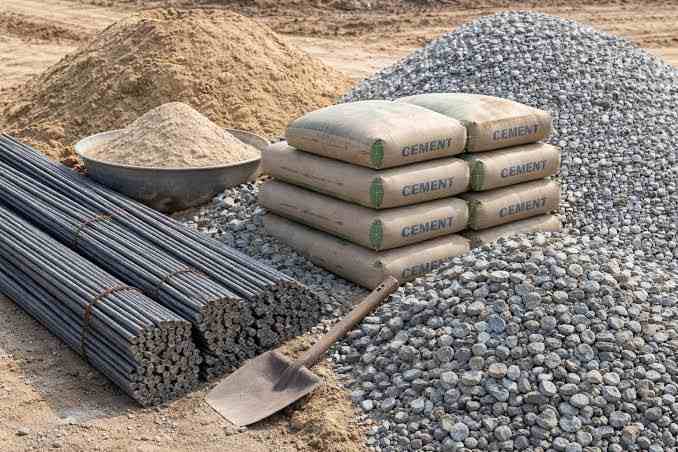
Cement is one of the most important materials in building construction. It is used in concrete, mortar, plastering, screeding and other construction applications.
Poor-quality or improperly stored cement can affect the strength and performance of construction work.
Before purchasing cement, consider the following checks.
Check the Manufacturer and Product Information
Buy cement from identifiable manufacturers and authorised or reputable suppliers.
Check the packaging for:
- Manufacturer’s name and branding.
- Product type and intended application.
- Declared net weight.
- Manufacturing or batch identification information, where provided.
- Applicable conformity or certification information.
- Storage and handling instructions.
The product should be traceable to its manufacturer and supplied with clear identification.
Inspect the Packaging
Cement bags should be properly sealed and free from significant tears, moisture damage or contamination.
Avoid bags that show signs of exposure to rain, damp storage conditions or damaged packaging.
Check for Lumps
Fresh, properly stored cement is generally a fine powder.
Hard lumps may indicate that the cement has absorbed moisture and begun to react. Cement containing hard lumps should not automatically be accepted for construction.
Check Storage Conditions
Cement should be stored in a dry, covered and well-ventilated environment, protected from moisture and direct contact with the ground.
Do not purchase cement that has clearly been stored in wet or unsuitable conditions.
Important: Appearance alone cannot establish cement strength or conformity. For critical construction work, verify the product specification and use appropriate testing where required.
3. How to Identify Quality Sand for Construction
Sand is widely used in concrete production, mortar preparation, plastering, screeding and other building activities.
However, the quality of sand can vary depending on its source, grading, cleanliness and moisture content.
Consider these factors before purchasing sand.
A. Check Sand Cleanliness
Quality construction sand should be reasonably clean and free from harmful quantities of:
- Clay.
- Silt.
- Organic matter.
- Roots and vegetation.
- Rubbish.
- Other unwanted contaminants.
Excessive clay and silt can interfere with bonding and increase water demand.
B. Examine the Sand Texture
Sand particles should have a grading and texture suitable for the intended construction application.
Different applications require different types of sand.
For example:
- Concrete production requires suitable fine aggregate that meets the specified grading and cleanliness requirements.
- Plastering requires sand suitable for producing a workable and consistent finish.
- Masonry mortar requires appropriately graded sand for good workability and bonding.
Do not assume that one type of sand is suitable for every construction activity.
C. Perform a Simple Visual Inspection
Look for visible contamination, excessive clay coatings, organic material and inconsistent particle sizes.
A simple jar test may help identify excessive fine material, but it is only an initial screening method and does not replace laboratory testing.
D. Consider the Source
Ask the supplier where the sand comes from and whether it is suitable for the intended use.
For important concrete and structural applications, request grading and quality test information where necessary.
4. How to Identify Quality Crushed Stone Aggregates
Crushed stone aggregates are used in concrete production, road construction, drainage works, foundations and other building applications.
Their quality affects concrete strength, workability and durability.
Before purchasing aggregates, check the following:
Check Aggregate Size
Aggregates are supplied in different sizes depending on the intended application.
The selected aggregate size should be compatible with the structural element, reinforcement spacing, concrete cover and approved mix design.
Inspect Particle Shape
Crushed aggregates generally have angular surfaces that can provide good mechanical interlock.
However, particle shape and grading must be suitable for the intended concrete application.
Check for Contamination
Avoid aggregates containing excessive:
- Clay and silt.
- Organic matter.
- Soil.
- Waste materials.
- Other harmful substances.
Contaminated aggregates may affect concrete quality.
Assess Strength and Durability
Aggregates used in important concrete works should have suitable mechanical properties and resistance to weathering.
For structural and high-performance applications, request relevant test results and ensure the materials comply with project specifications.
5. How to Identify Quality Steel Reinforcement Bars
Steel reinforcement provides tensile resistance in reinforced concrete structures.
It is commonly used in foundations, columns, beams, slabs, retaining walls and other structural components.
Using unsuitable reinforcement can compromise structural performance.
Before purchasing reinforcement bars, consider the following checks.
Verify the Required Steel Grade
Different reinforcement grades have different mechanical properties.
Always purchase steel that matches the grade and specifications stated in the approved structural drawings.
Do not select reinforcement based only on price or appearance.
Check Bar Diameter
Steel reinforcement is available in different nominal diameters.
Check that the supplied bars match the diameter specified by the structural engineer.
Where necessary, verify dimensions using suitable measuring equipment.
Inspect the Surface Condition
Inspect bars for:
- Excessive rust or corrosion.
- Deep pitting.
- Oil and grease.
- Mud and other contamination.
- Significant physical damage.
- Incorrect or inconsistent dimensions.
A thin layer of ordinary surface rust is not automatically grounds for rejecting reinforcement. However, severe corrosion, pitting and loss of cross-sectional area require technical assessment.
Verify Manufacturer Identification
Where applicable, check manufacturer markings, product identification and documentation.
Purchase from traceable suppliers and request relevant conformity documents and test certificates.
Confirm the Quantity and Length
Check the number, diameter and length of bars delivered against the purchase order and project requirements.
Important: Structural reinforcement should always be selected according to approved engineering drawings and specifications.
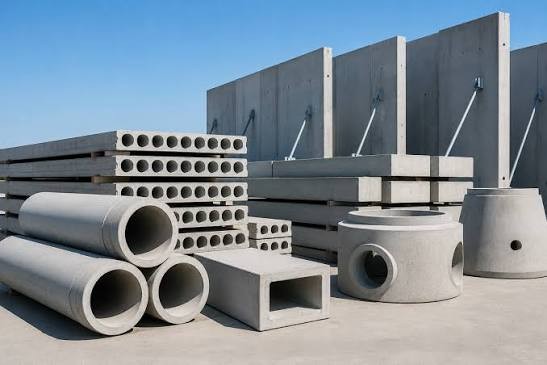
6. How to Identify Quality Concrete Blocks and Bricks
Concrete blocks and bricks are used for wall construction, boundary walls, partitions and other building applications.
Their quality affects wall strength, stability, appearance and durability.
Before purchasing concrete blocks or bricks, inspect the following:
A. Check Dimensions
Blocks should have reasonably consistent dimensions and shape.
Inconsistent sizes can create difficulties during wall construction and increase mortar consumption.
B. Inspect the Surface
Quality concrete blocks should generally have a reasonably uniform appearance without severe cracks, broken edges or obvious manufacturing defects.
C. Check for Cracks and Damage
Avoid products with significant cracks, excessive chipping or visible structural damage.
Minor surface variations may occur, but defective products should be assessed against the relevant specification.
D. Consider Strength Requirements
Different blocks are manufactured for different applications.
A block suitable for a non-load-bearing partition may not be appropriate for a load-bearing wall.
For structural masonry, verify the required compressive strength and relevant test documentation.
E. Check Manufacturing Consistency
Ask about the manufacturer’s production process, curing practices and quality-control procedures.
Concrete blocks require adequate curing to develop their intended properties.
Do not judge strength solely by tapping a block or looking at its colour.
7. How to Identify Quality Roofing Sheets
Roofing materials protect buildings against rain, sunlight, wind and other environmental conditions.
The quality of roofing sheets influences roof durability, weather resistance and maintenance requirements.
Before purchasing roofing sheets, check the following:
Check Material Type
Roofing sheets may be manufactured from coated steel, aluminium and other materials.
Choose a suitable material based on the building design, environmental exposure, budget and expected service life.
Verify Thickness and Coating Specifications
Check the declared material thickness and protective coating specifications.
Do not rely only on appearance or a supplier’s verbal description.
Confirm that the product meets the requirements stated in the quotation and project specifications.
Inspect the Surface
Look for:
- Scratches exposing the underlying metal.
- Damaged protective coatings.
- Dents and deformation.
- Uneven finishes.
- Rust or corrosion.
- Damaged edges.
Check Manufacturer’s Warranty
Ask whether the product comes with a written warranty and understand what it covers.
A warranty should be supported by clear product identification and purchasing documentation.
Confirm Sheet Dimensions
Verify sheet length, width, profile and quantity before placing an order.
This helps avoid shortages and unnecessary offcuts during installation.
8. How to Identify Quality Timber for Construction
Timber is used in roofing structures, doors, windows, formwork, flooring, furniture and other building applications.
Its quality depends on species, grading, moisture content, treatment and intended use.
Before purchasing timber, consider these factors.
A. Check for Cracks and Splits
Inspect timber for major cracks, splits and other defects that could affect its intended application.
B. Look for Warping
Timber should be reasonably straight and stable for the intended construction purpose.
Avoid severely twisted, bowed or warped pieces where dimensional accuracy is important.
C. Inspect for Insect Damage
Look for small holes, powdery residue and other signs of termite or wood-boring insect activity.
D. Check Moisture Content
Excessively wet timber may shrink, twist or crack as it dries.
For applications requiring dimensional stability, moisture content should be checked using an appropriate moisture meter and compared with the project requirements.
E. Confirm Treatment
Timber used in exposed or vulnerable locations may require appropriate preservative treatment.
Ask for evidence of treatment where specified.
9. How to Identify Quality Tiles and Flooring Materials
Tiles and flooring materials influence the appearance, safety, durability and maintenance requirements of a building.
When selecting tiles, consider the following:
Check the Intended Application
Floor tiles, wall tiles and outdoor paving tiles may have different performance requirements.
Select materials designed for the location where they will be installed.
Check Water Absorption
Water absorption is important in areas exposed to moisture, such as bathrooms, kitchens, balconies and outdoor spaces.
Verify the product’s technical specifications and suitability for the intended location.
Inspect Surface Finish
Check for cracks, chips, uneven glazing and manufacturing defects.
Compare Dimensions
Tiles should have consistent dimensions and suitable dimensional tolerances for the intended installation pattern.
Consider Slip Resistance
For bathrooms, entrances, external walkways and other wet areas, select a suitable slip-resistant surface.
Purchase from the Same Production Batch Where Possible
Different production batches may have slight variations in colour, shade or dimensions.
Purchasing sufficient material from the same batch helps maintain a consistent finish.
10. How to Identify Quality Plumbing and Electrical Materials
Plumbing and electrical materials are essential for the safe and reliable operation of residential and commercial buildings.
Their quality should never be assessed by price or appearance alone.
Plumbing Materials
Before purchasing plumbing pipes, fittings, valves and accessories, check:
- Material type.
- Diameter and pressure rating.
- Intended application.
- Manufacturer identification.
- Relevant conformity documentation.
- Compatibility with the plumbing system.
- Signs of cracks, deformation or damage.
For example, a pipe designed for drainage should not automatically be used in a pressurised water supply system.
Electrical Materials
For electrical products such as cables, switches, sockets, circuit breakers and distribution equipment, check:
- Rated voltage and current.
- Cable conductor size and material.
- Insulation specifications.
- Product markings.
- Manufacturer identification.
- Applicable conformity requirements.
- Compatibility with the electrical design.
Avoid unlabelled electrical products and materials with questionable specifications.
Electrical installations should comply with applicable regulations and be designed and installed by appropriately qualified professionals.
11. How to Check Whether Building Materials Meet Quality Standards in Uganda
Purchasing building materials that comply with applicable standards is important for construction quality and safety.
In Uganda, buyers should pay attention to product conformity requirements and relevant standards established or administered by the Uganda National Bureau of Standards (UNBS).
Before purchasing important construction materials:
- Identify the applicable product standard.
- Check the manufacturer’s product identification.
- Request relevant certificates or conformity documentation.
- Verify whether the product’s certification or approval is current and applicable.
- Check that the product matches the required technical specifications.
- Request laboratory test reports where the project requires them.
- Keep purchase receipts and delivery records.
Do not assume that every product carrying a certification logo is automatically suitable for every construction application. Certification, where applicable, must relate to the actual product and relevant requirements.
For critical structural materials, technical testing and professional verification may be necessary.
12. Warning Signs of Poor-Quality Building Materials
Recognising warning signs before purchasing can help prevent costly construction problems.
Watch out for:
| Warning sign | Possible concern |
|---|---|
| Cement with hard lumps | Moisture exposure or deterioration |
| Torn or wet cement bags | Poor storage and possible contamination |
| Sand containing excessive clay | Unsuitable fine aggregate quality |
| Aggregates mixed with soil or waste | Contamination |
| Reinforcement with deep pitting | Possible loss of steel section |
| Blocks with significant cracks | Manufacturing or handling defects |
| Severely warped timber | Poor dimensional stability |
| Roofing sheets with damaged coatings | Reduced corrosion protection |
| Unlabelled electrical products | Uncertain specifications and traceability |
| Plumbing pipes without clear ratings | Uncertain suitability for the intended system |
A single visual observation does not always prove that a product is defective. Where quality is uncertain, request technical verification or testing before accepting the materials.
13. Questions to Ask a Building Materials Supplier Before Purchasing
Choosing a supplier is just as important as choosing the material.
Before making a purchase, ask the following questions:
1. Who manufactures the product?
Knowing the manufacturer helps establish product identity and traceability.
2. Does the material meet the required specifications?
Ask for technical information and applicable conformity documentation.
3. Is the material suitable for my construction application?
A product may be suitable for one application but unsuitable for another.
4. Can you provide test reports or certificates?
This is particularly important for structural and safety-related materials.
5. How has the material been stored?
Poor storage can damage otherwise good products.
6. Is delivery included in the quoted price?
Transportation costs can significantly affect the total purchasing cost.
7. What happens if damaged or defective materials are delivered?
Understand the supplier’s replacement and return policy.
8. Can I inspect the materials before delivery?
Where possible, inspect materials before payment or acceptance.
14. Common Mistakes to Avoid When Buying Building Materials
Even experienced property owners and contractors can make purchasing mistakes.
Avoid these common problems:
Choosing the Cheapest Materials Without Checking Quality
Low prices may sometimes indicate reduced specifications, poor storage or questionable product origin.
Compare products based on specifications, not price alone.
Purchasing Materials Without Construction Specifications
Buying materials before understanding the project’s requirements can result in unsuitable products and unnecessary replacements.
Ignoring Storage Conditions
Materials can deteriorate before they reach the construction site if they are stored incorrectly.
Failing to Inspect Deliveries
Always compare delivered materials against the purchase order and inspect for damage, shortages and incorrect specifications.
Buying Structural Materials Based on Appearance
Steel, cement, concrete blocks and aggregates require appropriate technical verification. Appearance alone cannot establish structural suitability.
Failing to Keep Receipts and Product Records
Purchase documents help establish what was ordered, delivered and paid for. They are also useful when handling warranty or quality disputes.
Ordering Materials Too Early
Some materials deteriorate when stored for long periods under unsuitable conditions. Coordinate purchasing with the construction programme and available storage facilities.
15. How to Compare Building Materials Based on Quality and Price
The cheapest material is not always the most economical choice.
When comparing suppliers, assess the following:
| Evaluation factor | What to consider |
|---|---|
| Product specifications | Does it meet the project’s requirements? |
| Manufacturing quality | Is the product consistent and properly produced? |
| Certification | Is relevant conformity documentation available? |
| Durability | Is it suitable for the expected service conditions? |
| Supplier reliability | Can the supplier deliver the correct product consistently? |
| Storage and handling | Has the material been protected from damage? |
| Transportation | What is the delivered cost to the construction site? |
| Warranty | Are product guarantees clearly documented? |
| Availability | Can the supplier provide the required quantity on schedule? |
For example, when comparing roofing sheets, consider thickness, coating, profile, warranty and installation requirements rather than comparing prices alone.
For cement, check product type, manufacturer, storage condition and intended application.
For steel, compare the specified grade, diameter, product identification and supporting documentation.
A well-informed purchasing decision considers the full cost and expected performance of the material.
16. Building Material Purchasing Checklist Before Making Payment
Before purchasing materials for your construction project, use this checklist:
- Confirm the material type and required specifications.
- Check the manufacturer and product identification.
- Inspect the material for visible damage and defects.
- Verify relevant certification or test documentation.
- Confirm that the product is suitable for its intended application.
- Compare quotations from reliable suppliers.
- Check the total delivered cost.
- Confirm quantities, sizes and dimensions.
- Understand the supplier’s replacement and return policy.
- Arrange suitable transportation and storage.
- Keep receipts, warranties and delivery records.
- Have critical materials verified by a qualified professional where necessary.
Following these steps can help reduce purchasing mistakes and improve construction planning.
17. Choosing Quality Building Materials for Construction Projects in Uganda
Uganda’s construction sector uses a wide range of locally produced and imported building materials.
Buyers in Kampala, Wakiso, Mukono, Entebbe, Jinja, Mbarara, Gulu and other areas should consider product quality, availability, transportation and suitability for local construction conditions.
Some important purchasing considerations include:
Cement: Check the manufacturer, product type, packaging, storage condition and applicable conformity information.
Sand: Assess cleanliness, grading, moisture content and suitability for the intended use.
Aggregates: Check grading, particle characteristics, cleanliness and relevant test results.
Steel reinforcement: Verify grade, diameter, product identification and structural specifications.
Concrete products: Check dimensions, manufacturing consistency, curing and required strength.
Roofing materials: Verify material thickness, coating, profile, durability and warranty.
Timber: Check species, moisture content, treatment and visible defects.
Plumbing and electrical products: Confirm ratings, technical specifications, compatibility and relevant conformity requirements.
For large projects, it is advisable to prepare a detailed material schedule based on the approved construction drawings. This helps ensure that every material purchased is appropriate for the building’s design.
18. Why Professional Guidance Matters When Selecting Building Materials
Selecting quality materials involves more than inspecting products at a hardware shop. It requires understanding construction specifications, material properties, structural requirements and the conditions under which the materials will be used.
Professional construction guidance can help property owners and developers:
- Identify the correct materials for each construction stage.
- Interpret architectural and structural specifications.
- Estimate material quantities.
- Compare supplier quotations.
- Avoid unsuitable or substandard products.
- Plan material procurement and delivery.
- Reduce unnecessary construction expenditure.
- Maintain better quality control throughout the project.
Daltrevco provides construction-related solutions for residential, commercial and industrial projects in Uganda.
Whether you are planning a new home, commercial building, warehouse or property development, choosing appropriate materials is an important step towards achieving a durable and well-executed construction project.
Frequently Asked Questions About Identifying Quality Building Materials
1. How can I identify quality building materials before purchasing?
Check the manufacturer’s information, product specifications, physical condition, dimensions, conformity documentation and suitability for the intended construction application. For important materials, request relevant test reports and professional verification.
2. How can I identify quality cement in Uganda?
Inspect the packaging, manufacturer details, product identification and storage condition. Avoid cement bags that are wet, badly damaged or contain hard lumps. For important construction work, verify the product specification and applicable conformity information.
3. How do I know whether sand is suitable for concrete?
Check its grading, cleanliness and moisture content. Sand should not contain excessive clay, silt, organic matter or other harmful contaminants. Laboratory testing may be required for structural concrete.
4. How can I identify quality steel reinforcement bars?
Verify the specified steel grade, nominal diameter, manufacturer identification and relevant test documentation. Inspect for deep pitting, excessive corrosion, physical damage and contamination.
5. What should I check before buying concrete blocks?
Check dimensions, shape, visible cracks, manufacturing consistency and suitability for the intended wall application. Verify compressive strength where required, especially for load-bearing masonry.
6. How do I identify quality roofing sheets?
Check the material type, declared thickness, protective coating, profile, dimensions, surface condition and manufacturer’s warranty. Compare the actual specifications rather than relying on appearance alone.
7. Are cheap building materials always poor quality?
No. A lower-priced product may still meet the required specifications. However, buyers should verify quality, manufacturer information, product conformity and supplier reliability before purchasing.
8. Why should I buy building materials from reliable suppliers?
Reliable suppliers are more likely to provide traceable products, accurate specifications, consistent supply, proper documentation and support when handling damaged or defective deliveries.
9. What is the importance of UNBS standards in building materials?
Relevant Uganda National Bureau of Standards requirements help establish product quality and conformity expectations. Buyers should check which standards apply to the particular product and verify the relevant documentation.
10. How can poor-quality building materials affect a house?
Unsuitable materials can contribute to cracking, water leakage, weak masonry, corrosion, premature deterioration and expensive repairs. In serious cases, defective structural materials can compromise building safety.
11. Should I inspect building materials before delivery?
Yes. Inspecting materials before accepting delivery helps identify damage, incorrect sizes, shortages and products that do not match the purchase order.
12. How can I reduce building material costs without compromising quality?
Prepare a material schedule, compare quotations, purchase according to project specifications, reduce wastage, plan deliveries and work with reliable suppliers. Avoid selecting products based on the lowest price alone.
Conclusion: Choose Quality Building Materials for a Strong and Durable Building
Knowing how to identify quality building materials before purchasing is essential for anyone planning a construction project. From cement, sand and aggregates to steel reinforcement, concrete blocks, roofing sheets, timber, plumbing and electrical products, every material should meet the requirements of its intended application.
Before making a purchase, check product specifications, inspect physical condition, verify relevant conformity documents, compare reliable suppliers and seek professional guidance where necessary.
The best purchasing decision is not always the cheapest one. It is the decision that provides the right quality, suitability, durability and value for your construction investment.
Planning to build in Uganda? Contact Daltrevco for professional construction support and solutions. Make informed material choices, plan your project carefully and work towards achieving a durable, high-quality building.