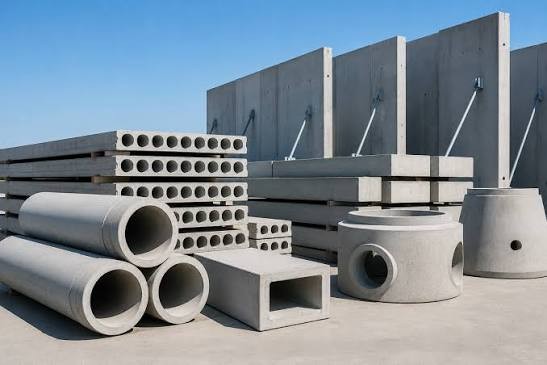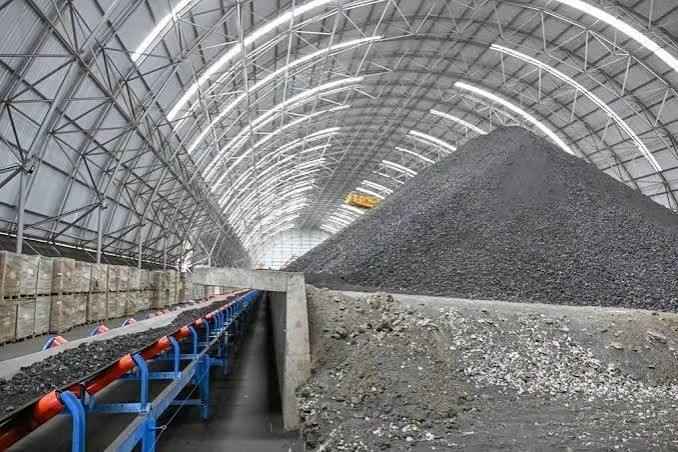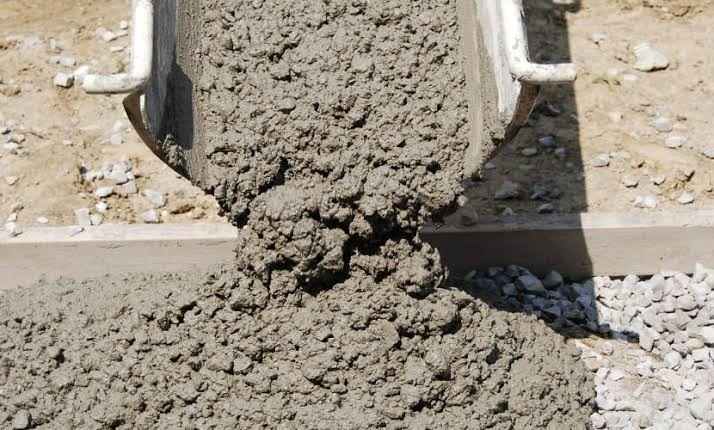
Proper storage of cement, sand and aggregates is essential for maintaining the quality of building materials and achieving reliable construction results. Whether you are constructing a residential house, commercial building, warehouse, road, foundation or concrete pavement, the way construction materials are stored before use can significantly affect their performance.
Cement can absorb moisture and deteriorate when exposed to unsuitable storage conditions. Sand can become contaminated with soil, organic matter and other unwanted materials, while aggregates can lose their quality when mixed with mud, debris or different material sizes.
In Uganda, construction sites experience different weather conditions, including heavy rainfall, high temperatures and periods of strong sunlight. Without proper material storage and handling procedures, cement, sand and aggregates can become unsuitable for their intended applications, resulting in material wastage, increased construction costs and poor-quality concrete.
Understanding the importance of proper storage of cement, sand and aggregates helps contractors, homeowners, developers and site managers protect their materials, reduce unnecessary expenses and maintain better construction quality.
This guide explains how to store cement, sand and aggregates correctly, the problems caused by poor storage, common mistakes to avoid and practical material management practices for building projects in Uganda.
1. Why Is Proper Storage of Building Materials Important?
Construction materials are valuable resources. Their quality must be protected from the time they are purchased or delivered until they are used in the construction process.
Proper storage helps maintain their original properties and ensures they remain suitable for their intended applications.
The main benefits include:
A. Maintaining Material Quality
Cement, sand and aggregates have different storage requirements. Protecting them from moisture, contamination and improper handling helps maintain their suitability for construction.
B. Preventing Material Wastage
Materials exposed to rain, soil contamination, spillage or poor handling may become unsuitable for use.
Proper storage reduces avoidable losses and helps contractors get better value from purchased materials.
C. Protecting Concrete Strength
Concrete quality depends on the properties and proportions of its ingredients.
Deteriorated cement, contaminated sand and unsuitable aggregates can interfere with concrete production and affect the strength and durability specified for a project.
D. Reducing Construction Costs
Replacing damaged materials increases procurement expenses, transportation costs and construction delays.
Proper storage helps prevent these unnecessary costs.
E. Improving Construction Site Organisation
A well-organised storage area makes it easier to identify materials, monitor stock levels, control consumption and coordinate construction activities.
F. Supporting Construction Safety
Properly stacked materials reduce the risk of falling bags, unstable stockpiles, blocked access routes and other site hazards.
2. Why Proper Cement Storage Is Important
Cement is a key ingredient in concrete and mortar. It reacts chemically with water through a process known as hydration to develop binding properties and strength.
Because cement is moisture-sensitive, it requires careful storage before use.
When cement absorbs moisture prematurely, some of its particles may begin to hydrate and form lumps. This can reduce its effectiveness and make it unsuitable for its intended application.
Problems Caused by Improper Cement Storage
1. Moisture absorption
Cement exposed to rain, damp floors or humid storage conditions can absorb moisture and deteriorate.
2. Formation of hard lumps
Moisture exposure can cause cement particles to form lumps. Hard lumps may indicate that the cement has partially reacted and should not automatically be accepted for construction.
3. Reduced performance
Deteriorated cement may not perform as expected, potentially affecting the quality of concrete and mortar.
4. Material wastage
Cement damaged by moisture or unsuitable storage may need to be discarded, increasing construction expenditure.
5. Construction delays
When cement becomes unsuitable, additional time may be required to obtain replacement materials and reorganise construction activities.
Proper storage is therefore essential for preserving cement quality and protecting the construction budget.
3. How to Store Cement Properly on a Construction Site
Cement should be stored in a dry, covered and protected location. The storage arrangement should prevent moisture from reaching the bags through the roof, walls, floor or surrounding environment.
Follow these practices when storing cement.
A. Use a Dry and Weatherproof Store
Store cement in a building or designated storage area protected from rain, water leakage and excessive moisture.
The roof should be watertight, and walls should provide adequate protection from wind-driven rain.
The storage area should also have suitable ventilation without exposing the bags to rain or damp conditions.
B. Keep Cement Bags Off the Ground
Never place cement bags directly on bare soil or a damp concrete floor.
Use raised wooden pallets or another suitable platform to prevent moisture transfer from the ground.
The platform should be stable, clean and dry.
C. Keep Bags Away from Walls
Leave a suitable inspection and ventilation gap between cement stacks and external walls.
This helps reduce exposure to damp surfaces and makes it easier to inspect the storage area.
D. Cover Cement Properly
Where additional protection is needed, use a waterproof covering.
The covering should protect cement from rain while allowing the storage arrangement to remain suitable for the surrounding conditions. Avoid trapping condensation or moisture around the bags.
E. Stack Cement Bags Safely
Arrange cement bags in stable, organised stacks.
Avoid excessive stack heights that could cause instability, damage packaging or create safety risks.
Follow the manufacturer’s storage guidance and applicable site safety procedures.
F. Use the First-In, First-Out Method
The first-in, first-out (FIFO) method means using older cement stock before newly delivered stock, provided the older bags remain in acceptable condition.
This reduces the risk of keeping cement in storage for unnecessarily long periods.
G. Inspect Cement Regularly
Check stored cement for:
- Torn or damaged bags.
- Signs of moisture exposure.
- Hard lumps.
- Wet floors.
- Roof leakage.
- Poor storage conditions.
Remove damaged packaging from the storage area and assess questionable cement before use.
H. Buy Cement According to Project Requirements
Avoid purchasing excessive quantities long before they are needed.
Coordinate deliveries with the construction programme to reduce storage time and protect material quality.
4. How to Store Sand Properly
Sand is an important construction material used in concrete production, masonry mortar, plastering, screeding and other building activities.
Although sand does not deteriorate in exactly the same way as cement, improper storage can introduce contaminants and change its moisture condition.
The quality of sand must be protected from soil, organic materials, waste and uncontrolled mixing with other aggregates.
A. Store Sand on a Clean Surface
Place sand on a prepared, firm and clean surface.
Avoid dumping sand directly onto muddy ground, loose soil or areas containing vegetation and construction waste.
A suitable hardstanding area helps prevent contamination from the underlying ground.
B. Separate Different Types of Sand
Different sand types may be required for concrete, masonry and plastering.
Keep materials separated according to their source, grading and intended application.
Mixing different sand types without proper assessment can change the grading and performance of the resulting concrete or mortar.
C. Protect Sand from Soil Contamination
Avoid stockpiling sand where runoff can wash soil and debris into it.
Where possible, use designated storage bays with suitable drainage and physical separation.
D. Manage Rainwater and Surface Runoff
Rainwater can change sand moisture content and wash away fine particles.
Prepare stockpile areas with suitable drainage so that water does not collect around or flow through the stored sand.
E. Cover Sand Where Necessary
Covering sand can help protect it from contamination, falling debris and uncontrolled water movement.
Use a suitable cover that does not introduce additional contaminants.
F. Prevent Mixing with Other Materials
Keep sand away from:
- Soil excavated from foundations.
- Cement waste.
- Construction rubbish.
- Organic matter.
- Crushed stone stockpiles.
- Chemicals and oils.
Proper separation makes material identification and quality control easier.
G. Check Sand Moisture Before Batching
Sand moisture can change significantly during rainy and dry periods.
Wet sand can also experience bulking, where moisture causes an increase in its apparent volume.
This is important when measuring sand by volume for concrete and mortar production.
Check aggregate moisture and make the necessary adjustments to the batching process rather than assuming that the sand is always dry.
5. How to Store Coarse Aggregates Properly
Coarse aggregates include crushed stone and gravel used in concrete, road construction, drainage works and other building applications.
Their quality depends on properties such as grading, cleanliness, particle shape and strength.
Proper storage helps prevent contamination and unnecessary changes in the aggregate grading.
A. Prepare a Suitable Storage Area
Store aggregates on a firm, clean and stable surface.
A properly prepared hardstanding area reduces contamination from soil and makes material handling easier.
B. Separate Aggregates by Size
Aggregates are supplied in different sizes depending on their intended applications.
Store different aggregate sizes in separate stockpiles or designated bays.
Mixing different sizes without proper control can change the grading required for concrete production.
C. Prevent Soil Contamination
Avoid storing aggregates directly on muddy or loose soil.
Soil contamination can introduce unwanted fine particles and affect the quality of concrete.
D. Provide Proper Drainage
Ensure that the storage area allows rainwater to drain away.
Standing water can create muddy conditions and increase the likelihood of contamination during loading.
E. Avoid Excessive Material Handling
Repeated handling can cause segregation, where particles of different sizes separate within a stockpile.
Use suitable loading and stockpiling procedures to maintain a reasonably uniform material supply.
F. Protect Aggregates from Construction Waste
Keep aggregates away from rubbish, timber offcuts, broken concrete, chemicals and other unwanted materials.
G. Inspect Aggregate Stockpiles
Before using aggregates, check for:
- Soil and mud contamination.
- Organic matter.
- Waste materials.
- Unexpected changes in particle size distribution.
- Excessive accumulation of fine particles.
- Other visible signs of contamination.
Where necessary, carry out appropriate grading and quality tests before using aggregates in important concrete works.
6. Differences Between Storing Cement, Sand and Aggregates
Although all three materials are used in concrete production, they have different storage requirements.
| Material | Main storage risk | Recommended storage practice |
|---|---|---|
| Cement | Moisture absorption and premature hydration | Store in a dry, weatherproof building on raised pallets |
| Sand | Soil contamination and changing moisture content | Store on a clean, drained surface and keep separate from other materials |
| Coarse aggregates | Contamination and segregation | Use separate, clean stockpile areas for different aggregate sizes |
Understanding these differences helps contractors establish appropriate storage arrangements for every material.
7. How Poor Material Storage Affects Concrete Quality
Concrete is produced by combining cement, water, fine aggregates and coarse aggregates in specified proportions.
The quality of the finished concrete depends on the quality of these ingredients and how they are measured, mixed, placed, compacted and cured.
Poor material storage can affect concrete production in several ways.
A. Reduced Cement Performance
Cement that has absorbed moisture may have already undergone partial hydration.
Using deteriorated cement can result in unpredictable concrete performance and may prevent the required strength from being achieved.
B. Changes in Water Demand
Sand containing moisture contributes water to the concrete mixture.
If this moisture is not considered during batching, the actual water content may exceed the specified amount.
This can increase the effective water-cement ratio and potentially reduce concrete strength and durability.
C. Poor Aggregate Grading
Mixing different aggregate sizes or allowing excessive contamination can change the overall particle-size distribution.
This may affect concrete workability, density and material consumption.
D. Increased Material Waste
Contaminated or damaged materials may need to be screened, cleaned, rejected or replaced.
This increases labour requirements and construction costs.
E. Inconsistent Concrete Batches
When material properties change because of poor storage, maintaining consistent concrete production becomes more difficult.
Proper storage therefore supports accurate batching and reliable concrete quality.
8. Common Mistakes to Avoid When Storing Cement, Sand and Aggregates
Even well-planned construction projects can experience material losses because of poor storage practices.
Avoid the following mistakes.
1. Storing cement directly on the ground
Ground moisture can enter cement bags and cause deterioration. Always use raised platforms.
2. Leaving cement exposed to rain
Rainwater can damage packaging and cause premature hydration.
3. Keeping sand on muddy ground
This can contaminate the material with soil and unwanted fine particles.
4. Mixing different sand types
Different materials should be stored separately unless their combination has been assessed and approved for the intended use.
5. Mixing aggregate sizes
Uncontrolled mixing changes the grading and can affect concrete batching.
6. Ignoring drainage around stockpiles
Poor drainage can cause muddy storage conditions and contaminate materials.
7. Buying more materials than can be stored properly
Excessive purchasing can increase storage periods and expose materials to avoidable damage.
8. Failing to inspect materials after delivery
Damaged or contaminated materials should be identified before they are mixed with existing stock.
9. Ignoring aggregate moisture content
Changes in moisture affect concrete batching and should be considered when determining the mixing water.
10. Using questionable materials without verification
Materials showing signs of deterioration or contamination should be assessed before use, particularly in structural construction.
9. Best Practices for Construction Material Storage in Uganda
Construction sites in Uganda must consider local weather, site conditions, transportation and material supply arrangements.
Rainfall can create storage challenges, especially where materials are kept outdoors or on poorly drained ground.
The following practices can help protect construction materials.
Prepare a Designated Storage Area
Before materials arrive, identify appropriate locations for cement, sand and aggregate storage.
Each area should be suitable for the material being stored.
Protect Materials During Rainy Periods
Ensure cement stores are weatherproof and outdoor stockpiles are protected from runoff and contamination.
Inspect roofs, drainage channels and storage covers regularly.
Maintain Proper Site Drainage
Provide suitable drainage around material storage areas to prevent standing water and muddy conditions.
Organise Material Deliveries
Coordinate deliveries with the construction schedule so that materials are not stored for unnecessarily long periods.
Use Suitable Handling Equipment
Use appropriate equipment for unloading and moving materials.
Avoid damaging cement bags and introducing soil or other contaminants during handling.
Maintain Material Records
Record material deliveries, quantities, storage locations and usage.
This makes it easier to monitor stock levels, identify losses and plan future purchases.
Inspect Materials Before Use
Do not assume that materials are still in acceptable condition simply because they were previously inspected during delivery.
Check them again before batching or installation.
For projects in Kampala, Wakiso, Mukono, Entebbe, Jinja, Mbarara and other parts of Uganda, storage arrangements should be adapted to the specific site conditions and weather exposure.
10. How Proper Storage Reduces Construction Costs
Material storage is not just a site management activity. It is also an important cost-control measure.
Poor storage can result in financial losses through damaged cement, contaminated sand, unsuitable aggregates, additional transportation and project delays.
Proper storage helps control costs in several ways.
Reduced Material Replacement
Protecting materials prevents avoidable deterioration and reduces the need to purchase replacements.
Lower Wastage
Organised stockpiles and suitable handling practices reduce spillage, contamination and unnecessary disposal.
Better Inventory Management
Knowing how much material is available helps prevent excessive purchasing and unexpected shortages.
Improved Labour Efficiency
Workers spend less time searching for materials, moving stock unnecessarily or cleaning contaminated materials.
Fewer Construction Interruptions
When materials remain in good condition and are available when required, construction activities can proceed more efficiently.
Better Budget Control
Accurate stock records help project managers compare planned material consumption with actual usage.
11. How to Organise a Construction Material Storage Area
A well-organised storage area makes it easier to protect materials and maintain construction site efficiency.
Consider these arrangements:
| Storage requirement | Recommended arrangement |
|---|---|
| Cement storage | Covered, dry store with raised pallets |
| Sand storage | Clean, firm surface with suitable drainage |
| Aggregate storage | Separate stockpile bays on prepared hardstanding |
| Material access | Clear access for delivery and loading equipment |
| Drainage | Prevent standing water and uncontrolled runoff |
| Safety | Stable stacking and clear pedestrian routes |
| Inventory | Clearly identified materials and delivery records |
Where space is limited, plan the storage layout carefully to prevent different materials from becoming mixed or contaminated.
12. What Should Be Checked Before Using Stored Cement, Sand and Aggregates?
Even when materials have been stored correctly, they should be inspected before use.
Cement Inspection
Check:
- Packaging condition.
- Signs of moisture exposure.
- Presence of hard lumps.
- Manufacturer and product identification.
- Storage history where available.
Cement with signs of deterioration should not automatically be used in structural work.
Sand Inspection
Check:
- Cleanliness.
- Grading suitability.
- Visible soil or organic contamination.
- Moisture condition.
- Suitability for the intended application.
Aggregate Inspection
Check:
- Aggregate size and grading.
- Cleanliness.
- Visible contamination.
- Particle condition.
- Moisture content where required.
For structural concrete and other critical applications, carry out appropriate testing and follow the approved material specifications.
13. The Role of Material Quality Control in Building Construction
Proper storage is one part of a wider construction material quality-control process.
A reliable system should cover the entire material management process, from purchasing and delivery to storage, inspection and use.
Important quality-control activities include:
Material selection: Choose products that meet the project’s technical requirements.
Supplier verification: Purchase from identifiable and reliable suppliers.
Delivery inspection: Check that supplied quantities and specifications match the purchase order.
Storage management: Protect materials from moisture, contamination and physical damage.
Material testing: Carry out relevant tests where required by the project specifications.
Batching control: Measure cement, water and aggregates accurately.
Site supervision: Monitor material use and construction procedures.
Record keeping: Maintain delivery notes, test reports and material consumption records.
A well-managed material quality-control system helps reduce construction defects and supports consistent project performance.
14. Why Professional Construction Planning Matters
Successful construction requires more than purchasing the correct materials. Contractors and property owners must also ensure that materials are delivered, stored, handled and used properly.
Professional construction planning can help with:
- Preparing material schedules.
- Estimating cement, sand and aggregate quantities.
- Planning material procurement.
- Organising construction site storage.
- Reducing material wastage.
- Coordinating deliveries.
- Monitoring construction quality.
- Managing project resources efficiently.
Daltrevco provides construction-related solutions for residential, commercial and industrial projects in Uganda.
Whether you are constructing a home, commercial property, warehouse or other development, proper material planning and storage can help protect your investment and improve construction efficiency.
Frequently Asked Questions About Proper Storage of Cement, Sand and Aggregates
1. Why is proper storage of cement important?
Proper cement storage protects it from moisture, premature hydration, lump formation and deterioration. This helps maintain its suitability for concrete and mortar production.
2. How should cement be stored on a construction site?
Store cement in a dry, weatherproof building on raised pallets. Keep it away from damp floors and walls, protect it from rain and arrange the bags in stable stacks.
3. Can cement be stored directly on a concrete floor?
It is not recommended. Concrete floors can transmit moisture, particularly when damp. Use raised pallets or another suitable moisture-protective platform.
4. What happens when cement gets wet?
Moisture can cause cement to begin hydrating prematurely and form lumps. Cement that has absorbed moisture may lose some of its intended performance and should be assessed before use.
5. How should sand be stored for construction?
Store sand on a clean, firm and well-drained surface. Protect it from soil, organic matter, construction waste and contamination from other materials.
6. Why should different types of sand be stored separately?
Different sand types have different grading and performance characteristics. Keeping them separate helps prevent uncontrolled changes in material composition and ensures the correct sand is used for each application.
7. How should coarse aggregates be stored?
Store coarse aggregates on clean, prepared surfaces with suitable drainage. Keep different aggregate sizes in separate stockpiles and protect them from soil and other contaminants.
8. Does rain affect stored sand and aggregates?
Yes. Rain can change their moisture content and may cause contamination through surface runoff. Sand moisture is particularly important because it affects volume measurements and concrete batching.
9. Can contaminated sand be used for concrete?
It depends on the type and extent of contamination and whether the material can be processed to meet the required specifications. Sand containing excessive clay, silt or organic matter should not be used in important concrete work without appropriate assessment.
10. What is the first-in, first-out method for cement storage?
It is a stock management method where older acceptable cement stock is used before newer deliveries. This helps avoid unnecessarily long storage periods.
11. How does poor material storage affect concrete strength?
Deteriorated cement, contaminated aggregates and unaccounted moisture in sand can interfere with concrete batching and performance. These problems may result in inconsistent concrete quality and reduced strength or durability.
12. How can construction companies reduce material wastage?
They can establish designated storage areas, protect cement from moisture, separate sand and aggregate stockpiles, organise deliveries, inspect materials and maintain accurate inventory records.
Conclusion: Protect Your Building Materials Through Proper Storage
Proper storage of cement, sand and aggregates is essential for maintaining construction material quality, reducing wastage and achieving reliable building results.
Cement must be protected from moisture to prevent premature hydration and deterioration. Sand should be stored on clean surfaces to prevent contamination, while coarse aggregates should be kept in separate, properly drained stockpiles to maintain their grading and cleanliness.
For construction projects in Uganda, weather protection, proper drainage, organised storage and regular material inspections are especially important.
By adopting good material storage practices, contractors, homeowners and developers can reduce unnecessary costs, improve site organisation and support the production of quality concrete and durable buildings.
Planning a building project in Uganda? Contact Daltrevco for professional construction support and solutions. Proper material selection, storage and project planning are important steps towards achieving a strong, durable and well-managed construction project.