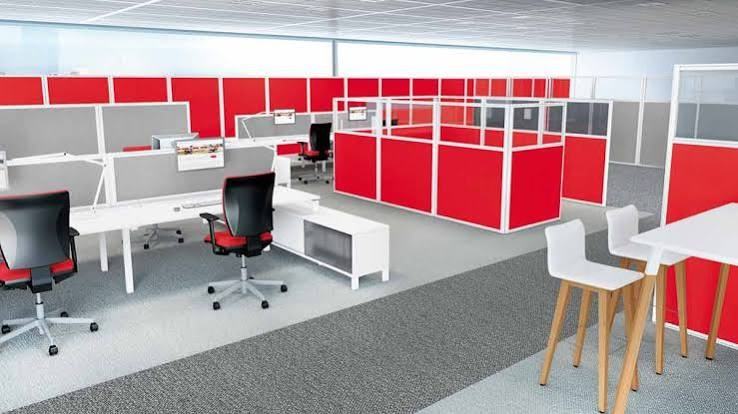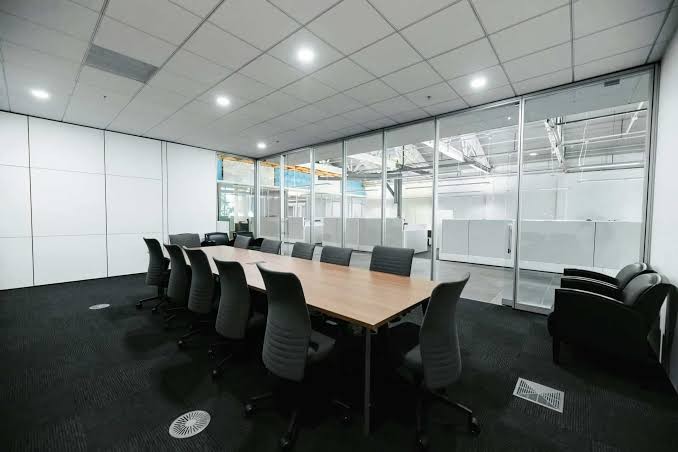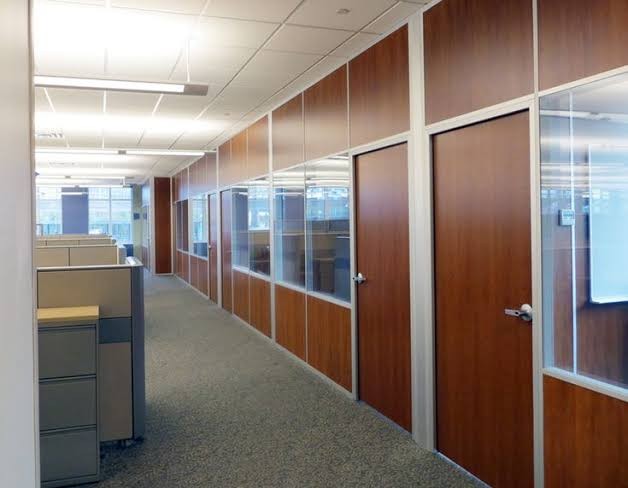
Modern offices require well-organised, functional and attractive working environments. As businesses grow and workplace requirements change, creating separate working areas without undertaking major structural construction has become increasingly important. One of the most effective ways to achieve this is through professional office partitioning.
Office partitioning involves dividing large interior spaces into smaller, organised sections using materials such as glass, aluminium, gypsum board and other partitioning systems. These partitions help businesses create private offices, meeting rooms, reception areas, conference rooms and collaborative workspaces.
In Uganda, office partitioning is becoming an important consideration for businesses, corporate organisations, hotels, educational institutions and commercial property developers looking to maximise available space and improve workplace functionality.
Whether you are setting up a new office in Kampala, renovating an existing workspace or expanding your business premises, choosing the right office partitioning system can improve privacy, productivity, appearance and space utilisation.
In this complete guide, Daltrevco explains the different types of office partitions, their benefits, installation processes, costs and important factors to consider when choosing professional office partitioning services in Uganda.
What Is Office Partitioning?
Office partitioning is the process of dividing an existing office interior into separate functional spaces using non-load-bearing walls or partition systems.
Unlike permanent brick walls, most modern office partitions are designed to provide flexible space division without significantly changing the building’s structural layout.
Office partitions can be constructed using different materials, including:
- Aluminium and glass.
- Frameless glass.
- Aluminium-framed glass.
- Gypsum board.
- Movable and demountable partition systems.
- Solid panels and mixed-material partitions.
The choice depends on the office layout, privacy requirements, budget, interior design and intended use.
For businesses in Uganda, office partitioning offers a practical way to create professional workspaces while making efficient use of available floor space.
1. Types of Office Partitioning Systems in Uganda
Different businesses have different workspace requirements. Understanding the available office partitioning options helps you select a suitable system for your premises.
1.1 Aluminium and Glass Office Partitions
Aluminium and glass partitions are among the most popular solutions for modern office interiors.
These systems combine strong aluminium framing with glass panels to create separate working areas while allowing natural light to pass through.
<AsyncImage query=”modern corporate office aluminium framed clear glass partition walls” aspectRatio=”16:9″ width=”100%”/>
Common applications include:
- Executive offices.
- Meeting rooms.
- Conference rooms.
- Reception areas.
- Management offices.
- General office workspaces.
Benefits of aluminium and glass partitions:
- Modern and professional appearance.
- Improved distribution of natural light.
- Durable aluminium framing.
- Flexible office layouts.
- Easy integration with glass doors.
- Options for clear, frosted and tinted glass.
These partitions are particularly suitable for organisations that want an open, bright and professional working environment.
1.2 Frameless Glass Office Partitions
Frameless glass partitions provide a clean, contemporary appearance by minimising visible framing around the glass panels.
<AsyncImage query=”luxury modern office frameless glass partition walls glass doors” aspectRatio=”16:9″ width=”100%”/>
They are commonly used in executive offices, boardrooms, conference rooms and premium commercial interiors.
Advantages include:
- Minimalist architectural appearance.
- Maximum visual openness.
- Excellent natural light distribution.
- Flexible design possibilities.
- Easy integration with modern office interiors.
Frameless glass partitions require suitable glass specifications, professional installation and appropriate hardware to ensure safety and stability.
1.3 Aluminium Office Partitions
Aluminium partitions use aluminium profiles and suitable infill materials to create separate office spaces.
Depending on the design, they can incorporate glass, solid panels or a combination of materials.
They are suitable for businesses that require durable, practical and professionally finished interior divisions.
1.4 Gypsum Board Office Partitions
Gypsum board partitions are constructed using a supporting framework covered with gypsum boards.
<AsyncImage query=”modern office interior gypsum board partition walls private offices” aspectRatio=”16:9″ width=”100%”/>
They are useful where businesses require greater visual privacy and a more solid wall appearance.
Common applications include:
- Private offices.
- Storage rooms.
- Staff changing rooms.
- Administrative departments.
- Internal service areas.
Gypsum partitions can also accommodate insulation materials and service installations, depending on the system design.
1.5 Movable and Demountable Office Partitions
Movable partitions are designed to allow office spaces to be reconfigured when requirements change.
They are suitable for organisations that frequently rearrange meeting rooms, training areas and collaborative spaces.
Benefits include:
- Flexible space management.
- Easier office reconfiguration.
- Reduced need for permanent construction.
- Adaptability to changing business needs.
1.6 Frosted Glass Office Partitions
Frosted glass partitions provide visual privacy while still allowing natural light into office spaces.
<AsyncImage query=”modern office frosted glass aluminium partition meeting room” aspectRatio=”16:9″ width=”100%”/>
They are particularly suitable for:
- Boardrooms.
- Human resource offices.
- Finance departments.
- Consultation rooms.
- Executive offices.
- Confidential meeting spaces.
Frosted glass can be achieved using frosted glass itself or suitable decorative films, depending on the required finish.
2. Benefits of Professional Office Partitioning Services
Installing office partitions offers several advantages for businesses and commercial property owners.
Better Space Utilisation
Office partitioning helps businesses organise large interior spaces into smaller functional areas.
Instead of constructing permanent walls throughout the building, partitions can create separate offices, meeting rooms and workstations within the existing floor area.
This helps businesses maximise available space and accommodate different departments.
Improved Employee Privacy
Employees often need dedicated spaces for confidential discussions, telephone calls, consultations and administrative activities.
Glass, solid and combination partitions can provide different levels of visual privacy depending on the material and design selected.
Increased Natural Lighting
Glass office partitions allow daylight to travel between different sections of an office.
This can reduce dark interior spaces and create a brighter working environment.
Properly designed layouts can also reduce dependence on artificial lighting during daylight hours.
Enhanced Professional Appearance
Modern office partitions create a neat and organised workplace.
Aluminium and glass partitions are particularly popular because they complement contemporary architectural styles and give commercial interiors a clean appearance.
Improved Workplace Productivity
A well-organised office makes it easier for employees to concentrate, collaborate and perform their responsibilities.
Partitions can help separate noisy areas from quieter working spaces, improving the overall working environment.
Flexibility for Future Expansion
Many modern partition systems can be modified, extended or reconfigured as business requirements change.
This is useful for growing companies that may need additional offices, meeting rooms or workstations.
Better Organisation of Departments
Partitions make it easier to establish dedicated areas for management, finance, customer service, administration and other departments.
This improves workplace organisation and helps create a more structured office environment.
3. Where Can Office Partitions Be Installed?
Office partitioning systems are suitable for different types of commercial and institutional buildings in Uganda.
Corporate offices: Create executive offices, meeting rooms and departmental workspaces.
Banks and financial institutions: Establish customer service areas, consultation rooms and private offices.
Hotels: Divide administrative offices, management areas and staff facilities.
Hospitals and medical facilities: Create administrative spaces, consultation areas and staff offices using suitable privacy-focused materials.
Educational institutions: Organise administration offices, staffrooms and meeting spaces.
Co-working spaces: Create flexible workstations, private offices and shared meeting rooms.
Commercial buildings: Help tenants organise office interiors according to their individual business requirements.
4. How to Choose the Right Office Partitioning Materials
Selecting the right materials is essential for achieving a functional and attractive office interior.
The following factors should guide your decision.
Glass Quality
If you are installing glass office partitions, choose appropriate safety glazing.
Tempered glass is commonly used in applications requiring improved resistance to impact. Laminated safety glass may also be suitable where retaining broken glass is an important consideration.
The correct glass specification depends on panel size, installation method, location and applicable safety requirements.
Aluminium Frame Quality
For aluminium-framed partitions, choose profiles with suitable strength, dimensions and surface finishes.
Quality aluminium profiles help support the glass or other infill materials and contribute to the stability and appearance of the partition.
Privacy Requirements
Consider how much privacy different office areas require.
Clear glass is suitable for open and collaborative spaces, while frosted glass, blinds or solid partitions may be better for confidential offices.
Sound Insulation
If noise reduction is important, consider partition systems designed with suitable acoustic performance.
The complete system matters, including the panels, framing, joints, doors and gaps. Standard glass partitions do not automatically provide high levels of sound insulation.
Durability and Maintenance
Choose materials that can withstand everyday office use and are easy to maintain.
Aluminium and glass partitions are popular because they offer a durable finish and are relatively straightforward to clean.
Office Design and Appearance
The partition design should complement your office furniture, flooring, lighting and overall interior architecture.
A consistent design creates a professional and attractive workspace.
5. Office Partitioning Installation Process
Professional office partitioning involves several stages to ensure that the final installation is stable, functional and visually appealing.
Step 1: Site Inspection and Assessment
The installation team assesses the available office space, existing building structure and intended partition layout.
This helps determine the most suitable partitioning system.
Step 2: Office Layout Planning
The office layout is planned according to the client’s requirements.
This includes determining:
- Number of private offices.
- Meeting room locations.
- Reception areas.
- Walkways and access points.
- Door positions.
- Glass and solid partition sections.
Step 3: Material Selection
Appropriate materials are selected based on the design, budget, privacy requirements and intended use.
These may include aluminium profiles, glass panels, gypsum boards and suitable accessories.
Step 4: Accurate Measurements
The installation team takes accurate measurements of the office space.
Correct measurements help minimise material wastage and ensure that partition components fit properly.
Step 5: Fabrication and Preparation
Where aluminium and glass systems are required, profiles and glass panels are prepared according to the approved specifications.
Step 6: Partition Installation
The supporting framework is installed, followed by the glass panels or other selected materials.
Doors, handles, locks and other hardware are also fitted where required.
Step 7: Finishing and Inspection
The completed installation is inspected to confirm proper alignment, secure fittings, appropriate sealing and smooth door operation.
The workspace is then cleaned and prepared for use.
6. How Much Do Office Partitioning Services Cost in Uganda?
The cost of office partitioning in Uganda varies depending on the materials, design, size of the workspace and complexity of installation.
There is no single price that applies to every office partitioning project because different buildings have different requirements.
The main factors affecting office partitioning costs include:
Type of Partitioning Material
Glass, aluminium, gypsum and movable partitions have different material and installation requirements.
The selected system has a direct influence on the total project cost.
Size of the Office Space
Larger office spaces generally require more partition materials, supporting profiles, glass panels and installation labour.
Glass Specifications
Glass thickness, type, finish and safety requirements influence the overall cost of glass partitioning.
Clear, frosted, tinted, tempered and laminated glass options may have different prices.
Aluminium Profile Specifications
The quality, dimensions, finish and design of aluminium profiles affect the final quotation.
Number of Doors and Accessories
Office partitioning projects may require glass doors, aluminium doors, handles, hinges, locks and other fittings.
These accessories contribute to the total installation cost.
Design Complexity
Simple straight partitions may require less fabrication and installation work than complex layouts involving multiple corners, custom glass panels and special door configurations.
Installation Requirements
Existing building conditions, access to the site, floor levels and preparation requirements can influence labour and installation expenses.
How to get an accurate office partitioning quotation
Before requesting a quotation, prepare your office layout, approximate measurements, preferred partition materials and intended room arrangement.
A professional site assessment will help determine the most appropriate design and provide a more accurate cost estimate.
7. Factors to Consider Before Hiring an Office Partitioning Company in Uganda
Choosing the right contractor is important for achieving quality workmanship and long-lasting results.
Consider the following factors before selecting an office partitioning company.
1. Experience and expertise
Choose a company with relevant experience in aluminium fabrication, glass installation and office partitioning.
2. Quality of materials
Confirm the quality of aluminium profiles, glass, accessories and other materials proposed for your project.
3. Installation standards
Professional installation is important for proper alignment, stability, safety and overall appearance.
4. Previous projects
Ask to see examples of completed office partitioning projects to assess the contractor’s workmanship and design capabilities.
5. Customisation options
Choose a company that can develop partitioning solutions according to your office layout and operational requirements.
6. Transparent quotations
Request a quotation that clearly explains materials, specifications, measurements, fabrication and installation costs.
7. After-installation support
Consider whether the company can assist with adjustments, maintenance and repairs when required.
8. Modern Office Partitioning Trends in Uganda
Office interior design continues to evolve as businesses seek more functional and attractive working environments.
Some popular office partitioning trends include:
Minimalist Glass Partitions
Minimalist glass partitions create open and bright interiors with clean architectural lines.
Black Aluminium-Framed Glass Partitions
Black aluminium frames provide a distinctive modern appearance and work well in contemporary office interiors.
Frosted Glass Privacy Designs
Frosted glass provides privacy without completely blocking natural light.
Combination Glass and Solid Partitions
Combining glass and solid panels allows businesses to balance openness, privacy and sound management.
Branded Glass Partitions
Businesses can incorporate logos, decorative films and corporate branding into glass partitions to reinforce their identity.
Flexible Office Layouts
Demountable partition systems allow companies to reorganise their workplaces as their teams and operations expand.
9. Maintenance Tips for Office Partitions
Regular maintenance helps preserve the appearance, safety and functionality of office partition systems.
For aluminium and glass partitions:
- Clean glass panels using suitable glass-cleaning products.
- Wipe aluminium frames with a soft cloth and appropriate cleaning solutions.
- Inspect glass panels for cracks or damage.
- Check door hinges, handles and locking systems.
- Tighten or repair loose fittings where appropriate.
- Inspect seals and joints for deterioration.
- Avoid harsh cleaning chemicals that may damage finishes.
For gypsum and solid partitions:
- Inspect surfaces for cracks.
- Repair damaged paint and finishes.
- Address moisture problems promptly.
- Avoid excessive impact on partition surfaces.
Any cracked safety glass or unstable partition should be assessed by a qualified professional before continued use.
10. Why Aluminium and Glass Partitions Are Ideal for Modern Offices
Aluminium and glass partitions offer an effective combination of functionality, durability and contemporary design.
Unlike permanent masonry walls, they can create separate working spaces while preserving visual connections between different office areas.
Their main advantages include:
- Modern architectural appearance.
- Efficient use of existing office space.
- Natural light distribution.
- Durable aluminium framing.
- Multiple glass design options.
- Compatibility with glass doors.
- Flexible office configurations.
For organisations in Uganda looking to modernise their workspaces, aluminium and glass partitions provide a practical solution for creating professional office environments.
Professional Office Partitioning Services in Uganda – Daltrevco
At Daltrevco, we understand that a well-designed office environment contributes to productivity, organisation and the professional image of a business.
We provide aluminium works, glass installations and partitioning solutions for residential, commercial and institutional buildings in Uganda.
Whether you are creating a new office layout, renovating an existing workspace or developing a commercial property, we can help you explore suitable partitioning solutions based on your space requirements and design preferences.
Our services include:
- Aluminium and glass office partitions.
- Frameless glass partitions.
- Aluminium-framed glass partitions.
- Frosted glass partitions.
- Glass office doors.
- Custom aluminium fabrication.
- Commercial glass installations.
- Aluminium window and door installations.
We focus on suitable materials, accurate measurements, professional workmanship and carefully finished installations.
Our solutions are suitable for:
- Corporate offices.
- Banks and financial institutions.
- Hotels and hospitality businesses.
- Hospitals and healthcare facilities.
- Educational institutions.
- Retail and commercial buildings.
- Private businesses and office developments.
Planning to divide or modernise your office space? Contact Daltrevco for professional office partitioning and aluminium installation solutions in Uganda.
Visit our website: https://www.daltrevco.com/
Frequently Asked Questions About Office Partitioning Services in Uganda
1. What are office partitioning services?
Office partitioning services involve designing, supplying, fabricating and installing systems that divide office interiors into separate functional areas. These systems may use glass, aluminium, gypsum board and other partition materials.
2. How much does office partitioning cost in Uganda?
Office partitioning costs depend on the materials, glass specifications, aluminium profiles, size of the office, number of doors, design complexity and installation requirements. A site assessment is recommended for an accurate quotation.
3. Which material is best for office partitioning?
Aluminium and glass are popular choices for modern offices because they provide a professional appearance, allow natural light and offer flexible design options. Gypsum board is useful where greater visual privacy is required.
4. Are glass partitions suitable for offices?
Yes. Glass partitions are suitable for many office environments, including meeting rooms, executive offices, reception areas and collaborative workspaces. Suitable safety glazing and professional installation are important.
5. Do office partitions provide sound insulation?
Some partition systems can reduce sound transmission, but performance varies significantly. Specialist acoustic glass or insulated solid partition systems may be required where confidentiality and noise control are important.
6. Can office partitions be customised?
Yes. Office partitions can be customised according to the office layout, dimensions, privacy requirements, branding and interior design preferences.
7. How long does office partitioning installation take?
The installation period depends on the size of the office, design complexity, materials, fabrication requirements and site conditions. Smaller projects may take less time than large commercial installations.
8. Can glass office partitions be installed in an existing office?
Yes. Glass partitions can be installed in many existing offices without major structural alterations, provided the building conditions and proposed fixing arrangements are suitable.
9. Are aluminium and glass office partitions easy to maintain?
Yes. They are generally easy to maintain through regular glass cleaning, aluminium frame cleaning and inspection of doors, handles, seals and fittings.
10. Where can I get professional office partitioning services in Uganda?
Daltrevco provides aluminium works and installation solutions for commercial and other building projects in Uganda. Contact the company through https://www.daltrevco.com/ to discuss your office partitioning requirements.
Conclusion
Office partitioning is an effective way to transform large and underutilised office spaces into organised, functional and professional working environments.
Whether you choose aluminium and glass partitions, frameless glass systems, frosted glass or gypsum board partitions, selecting the right materials and installation company is essential for achieving lasting results.
Professional office partitioning improves space utilisation, privacy, natural lighting, workplace organisation and the overall appearance of commercial interiors.
For businesses, property developers and organisations in Uganda, investing in quality office partitioning can create a more efficient and attractive workplace.
Looking for professional office partitioning services in Uganda? Contact Daltrevco today for quality aluminium, glass and partitioning solutions tailored to your business requirements.