The hospitality industry in Uganda continues to grow, with hotels, lodges, resorts, restaurants, guesthouses and other accommodation facilities competing to attract and retain guests. As customer expectations evolve, providing comfortable accommodation and quality services is no longer enough. The appearance, functionality and atmosphere of a hospitality space also play an important role in shaping the guest experience.
Professional interior design solutions for hotels and hospitality businesses in Uganda help transform ordinary spaces into attractive, comfortable and functional environments. From hotel reception areas and guest rooms to restaurants, conference facilities and lounges, thoughtful interior design can improve customer satisfaction, strengthen brand identity and create a lasting impression.
Whether you are developing a new hotel, renovating an existing property or upgrading a hospitality business, choosing the right interior design approach can make a significant difference.
In this guide, we explore modern hotel interior design solutions, important design considerations, suitable materials, current trends and how to create welcoming hospitality spaces that meet the expectations of guests in Uganda.
1. Why Interior Design Is Important for Hotels and Hospitality Businesses
Interior design is an important part of hotel management and hospitality property development. It influences how guests experience a facility from the moment they enter until they leave.
A well-designed hospitality environment should combine attractive appearance, comfort, convenience, safety and durability.
Some of the main benefits include:
Creates a Positive First Impression
The reception area, entrance and lobby are often the first spaces guests experience. An attractive and organised environment helps establish a positive impression and communicates professionalism.
Modern reception counters, stylish lighting, quality flooring, attractive wall finishes and comfortable seating can make a hotel appear welcoming and well organised.
Improves Guest Comfort
Guests expect hotel rooms, lounges, restaurants and other spaces to provide comfort and convenience. Appropriate furniture, lighting, ventilation, colour schemes and space planning contribute to a more enjoyable stay.
Strengthens Hotel Brand Identity
Interior design can communicate the identity and character of a hospitality business. A luxury hotel may use elegant finishes and sophisticated furniture, while a safari lodge may incorporate natural textures, timber finishes and locally inspired decorative elements.
Consistent design across different spaces helps guests recognise and remember the brand.
Makes Better Use of Available Space
Professional space planning helps hospitality businesses maximise the use of available floor space. This is particularly important for hotels operating in urban areas where space may be limited.
Good planning improves movement, furniture arrangement, storage and the relationship between different functional areas.
Supports Maintenance and Long-Term Value
Hotels experience regular use of their facilities. Selecting durable materials, practical furniture and easy-to-maintain finishes helps reduce frequent repairs and replacement costs.
2. Hotel Reception and Lobby Interior Design
The reception and lobby are among the most important areas in any hotel. They serve as the main welcoming spaces where guests check in, wait, meet visitors and obtain information.
A professional reception design should be attractive, functional and easy to navigate.
Important design elements include:
- Modern reception desks: Well-designed counters that provide sufficient working space for reception staff.
- Comfortable waiting areas: Quality sofas, lounge chairs and coffee tables for guests.
- Decorative wall finishes: Feature walls, textured surfaces, decorative panels and attractive colour combinations.
- Professional lighting: A combination of ambient, accent and task lighting.
- Clear circulation: Sufficient space for guests, luggage and staff to move comfortably.
- Branding elements: Appropriate placement of hotel names, logos and decorative features.
For hotels in Kampala, Entebbe, Jinja and other busy destinations, an organised reception area can help create a professional and welcoming atmosphere.
3. Modern Hotel Guest Room Interior Design
Guest rooms are central to the hospitality experience. Their design should prioritise comfort, privacy, functionality and visual appeal.
A well-designed hotel room should make guests feel relaxed while providing the facilities they need during their stay.
Comfortable and Functional Furniture
Hotel rooms should have appropriately selected beds, bedside tables, wardrobes, desks, chairs and luggage storage. Furniture should match the room size and allow guests to move freely.
Attractive Wall and Floor Finishes
Wall finishes contribute to the overall appearance of a guest room. Options include quality paint, decorative wall panels, wallpaper and selected textured finishes.
Flooring should be comfortable, durable and easy to clean. The most suitable choice depends on the room’s intended use, maintenance requirements and design concept.
Effective Lighting Design
Guest rooms benefit from layered lighting, including:
- General ceiling lighting.
- Bedside reading lights.
- Desk or work-area lighting.
- Decorative feature lighting.
- Natural light through appropriately designed windows.
Lighting should allow guests to perform different activities comfortably.
Storage and Space Planning
Wardrobes, drawers, luggage racks and shelves should be positioned conveniently. Good storage planning helps keep rooms organised without making them feel crowded.
Bathroom Design and Finishing
Hotel bathrooms should combine attractive finishes with practical functionality. Important considerations include water-resistant materials, suitable flooring, proper drainage, ventilation, quality fittings and adequate lighting.
4. Restaurant and Hotel Dining Area Interior Design
Restaurants and dining areas are important hospitality spaces that influence how guests enjoy meals and socialise.
Their design should support comfortable dining, efficient service and a pleasant atmosphere.
Professional restaurant interior design may include:
- Comfortable dining tables and chairs.
- Attractive wall and ceiling finishes.
- Appropriate lighting above dining tables.
- Well-planned circulation for guests and serving staff.
- Durable and easy-to-clean flooring.
- Decorative features that complement the hotel’s identity.
- Suitable separation between dining, waiting and service areas.
For hotels that serve both residents and external customers, the dining environment should reflect the quality and character of the establishment.
5. Hotel Bar, Lounge and Entertainment Area Design
Bars, lounges and entertainment spaces provide guests with opportunities to relax, socialise and enjoy additional hospitality services.
These areas should have an inviting atmosphere while maintaining functionality and appropriate safety standards.
Important design features include:
- Stylish bar counters.
- Comfortable lounge seating.
- Decorative wall panels.
- Feature lighting and carefully selected fixtures.
- Practical flooring materials.
- Suitable acoustic treatments.
- Attractive shelving and display units.
- Well-planned seating arrangements.
Hotels, resorts and lodges can also incorporate outdoor lounges, terraces and garden seating where the property layout permits.
6. Conference Room and Meeting Facility Interior Design
Many hotels in Uganda provide conference rooms, boardrooms, training facilities and meeting spaces. These facilities require interior design solutions that support productivity, communication and comfort.
A professionally designed conference room should consider:
Furniture and seating: Conference tables and chairs should suit the room’s size and intended capacity.
Lighting: Adequate lighting should support reading, presentations and video conferencing.
Acoustics: Acoustic ceiling systems, wall treatments and appropriate furnishings can help control unwanted sound and improve speech clarity.
Technology integration: The design should accommodate screens, projectors, presentation equipment, electrical outlets and communication systems.
Ventilation and comfort: Appropriate ventilation and temperature control are important, particularly in rooms used by large groups.
Flexible layouts: Where possible, furniture arrangements should support different meeting formats and events.
7. Hotel Ceiling Design and Installation Solutions
Ceilings are an important part of hospitality interior design. They influence the appearance, lighting, acoustics and overall character of a space.
The right ceiling design can make hotel interiors appear more modern, elegant and professionally finished.
Common ceiling options include:
Gypsum Ceilings
Gypsum ceilings are suitable for hotel reception areas, guest rooms, restaurants, conference rooms and corridors. They allow different design possibilities, including recessed lighting, decorative features and concealed service installations.
Suspended Ceilings
Suspended ceiling systems are useful in commercial hospitality spaces where access to electrical installations, ventilation systems and other building services may be required.
They can also support acoustic and lighting requirements when suitable materials are selected.
Acoustic Ceilings
Acoustic ceiling solutions help manage sound within conference rooms, restaurants, meeting areas and other busy spaces.
Their effectiveness depends on the acoustic properties of the selected materials and the overall room design.
Decorative Ceiling Designs
Decorative ceilings can create visual interest in hotel lobbies, restaurants, lounges and reception areas. They may incorporate layered gypsum designs, feature lighting and other architectural details.
8. Hotel Wall Finishing and Decorative Interior Solutions
Wall finishes help establish the style and atmosphere of hospitality spaces. The right combination of colours, textures and materials can make hotel interiors more attractive and distinctive.
Popular wall finishing options include:
- Quality interior paint finishes.
- Decorative wall panels.
- Wallpaper and textured finishes.
- Timber-look and natural-material accents.
- Feature walls behind reception desks and beds.
- Glass and mirror features in selected areas.
- Decorative cladding and carefully selected stone finishes.
When selecting wall finishes, hospitality businesses should consider durability, cleaning requirements, moisture exposure and consistency with the overall design theme.
9. Office and Administrative Area Interior Design for Hotels
Hotels also require functional administrative spaces for management, accounting, reservations, human resources and other operations.
These spaces should provide a professional working environment while maintaining consistency with the hotel’s overall interior design.
Useful design solutions include:
- Practical office furniture.
- Ergonomic workstations.
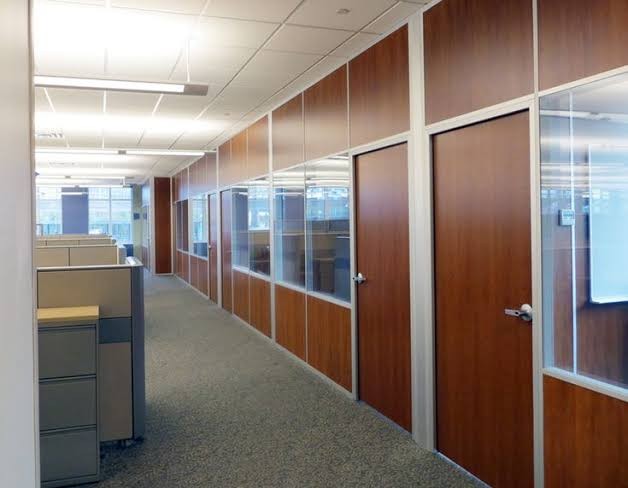
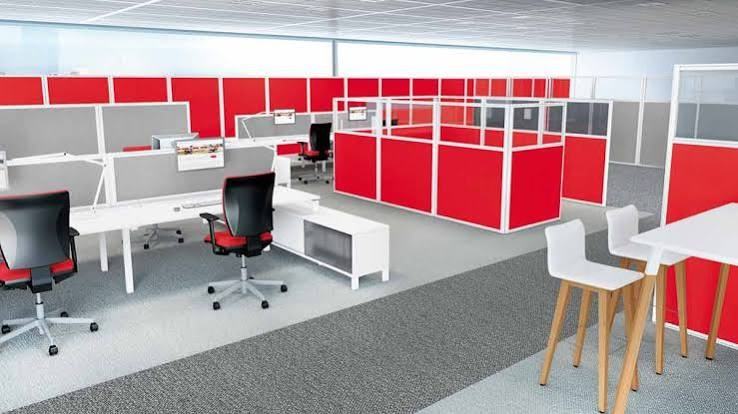
- Glass or gypsum office partitions.
- Suitable lighting.
- Storage cabinets and shelving.
- Cable management systems.
- Comfortable meeting spaces.
Well-planned administrative areas support staff productivity and improve the organisation of hotel operations.
10. Hotel Interior Design Solutions for Different Hospitality Businesses
Different hospitality facilities have different operational needs. Interior design should reflect the type of business, target guests, available space and expected level of service.
Luxury Hotels
Luxury hotels often require elegant finishes, custom furniture, sophisticated lighting, spacious reception areas and carefully coordinated guest room designs.
Boutique Hotels
Boutique hotels can benefit from distinctive design themes, unique furniture, artistic features and personalised interior details that help differentiate the property.
Safari Lodges and Eco-Lodges
Safari lodges and eco-lodges can incorporate natural materials, locally inspired decorative features, warm colours and design elements that complement their surroundings.
In destinations such as Bwindi, Queen Elizabeth National Park, Murchison Falls and other tourism areas, interior design can help connect the accommodation experience with the natural environment.
Budget Hotels and Guesthouses
Budget accommodation should focus on practical layouts, comfortable furniture, durable finishes and attractive designs that are economical to maintain.
Resorts and Holiday Facilities
Resorts may require coordinated interior design across guest rooms, restaurants, lounges, swimming pool facilities, reception areas and outdoor relaxation spaces.
Restaurants and Cafés
Restaurants and cafés need attractive dining spaces, comfortable seating, practical service routes, suitable lighting and easy-to-maintain surfaces.
11. Modern Interior Design Trends for Hotels in Uganda
Hospitality interior design continues to evolve as businesses respond to changing guest expectations and improvements in building materials and technology.
Some design approaches worth considering include:
Contemporary Minimalist Design
Minimalist interiors use simple forms, balanced colours, uncluttered layouts and carefully selected furniture. This approach can create a clean and organised environment.
Natural Materials and Textures
Timber finishes, stone features, natural fabrics and earthy colour palettes can create warm and welcoming hospitality spaces.
Locally Inspired Interior Design
Hotels can incorporate Ugandan artwork, crafts, patterns and locally made decorative products to create a distinctive sense of place.
Such features should be integrated thoughtfully to maintain a coordinated and professional appearance.
Modern Lighting Solutions
LED lighting, recessed ceiling lights, decorative pendants and accent lighting can improve the appearance and functionality of hospitality interiors.
Glass and Aluminium Features
Glass partitions, aluminium-framed doors and windows, and selected glass features can help create modern interiors while allowing light to move through suitable spaces.
Flexible Multi-Purpose Spaces
Hotels increasingly benefit from spaces that can accommodate different activities, such as meetings, private dining, small events and social gatherings.
Sustainable Design Considerations
Selecting durable materials, using efficient lighting, maximising natural light and considering responsible material sourcing can support more sustainable property operations.
12. Choosing the Right Interior Design Materials for Hospitality Properties
Material selection is important because hotel interiors experience frequent use and require regular cleaning and maintenance.
The best materials should balance appearance, durability, comfort, safety and cost.
| Interior area | Suitable design considerations |
|---|---|
| Hotel reception | Durable flooring, decorative wall finishes and quality counters |
| Guest rooms | Comfortable flooring, washable wall finishes and durable furniture |
| Bathrooms | Moisture-resistant finishes, non-slip flooring and suitable fittings |
| Restaurants | Easy-to-clean surfaces, durable flooring and comfortable furniture |
| Conference rooms | Acoustic materials, practical furniture and suitable lighting |
| Corridors | Hard-wearing flooring, durable paint and appropriate lighting |
| Hotel offices | Functional furniture, partitions and efficient lighting |
| Lounges | Comfortable upholstery, decorative finishes and layered lighting |
Materials should always be selected according to the specific environment. For example, bathroom finishes must be suitable for moisture exposure, while restaurant flooring should withstand frequent cleaning and foot traffic.
13. Important Factors to Consider Before Renovating or Designing a Hotel Interior
Before starting an interior design project, hotel owners and developers should evaluate several important factors.
Understand Your Target Guests
The design of a luxury hotel may differ significantly from that of a budget guesthouse or business hotel. Identify the needs and expectations of the people your facility intends to serve.
Establish a Clear Design Concept
A consistent design concept helps coordinate colours, furniture, materials, lighting and decorative elements throughout the property.
Plan the Available Space
Space planning should consider guest movement, staff operations, accessibility, furniture placement and the relationship between different functional areas.
Set a Realistic Budget
Establish a budget that accounts for materials, labour, furniture, lighting, installation, finishing and any necessary building modifications.
Prioritise Durability
Select materials that can withstand frequent use and are practical to maintain. Attractive but unsuitable finishes may create unnecessary long-term costs.
Consider Lighting and Ventilation
Natural and artificial lighting should be considered alongside ventilation and other building services.
Work With Qualified Professionals
Professional planning and installation help ensure that design elements are coordinated and that materials are properly installed.
14. Common Hotel Interior Design Mistakes to Avoid
Poor design decisions can affect guest comfort, maintenance costs and the overall appearance of a hospitality property.
Avoid these common mistakes:
- Overcrowding spaces with furniture: Too much furniture can restrict movement and make rooms uncomfortable.
- Ignoring lighting requirements: Poor lighting can make otherwise attractive interiors appear dull or impractical.
- Choosing unsuitable materials: Materials that cannot withstand frequent use may deteriorate quickly.
- Using inconsistent design themes: Uncoordinated colours, furniture and finishes can make the hotel appear disorganised.
- Neglecting acoustics: Excessive noise can affect guest comfort, especially in restaurants, conference rooms and corridors.
- Ignoring maintenance requirements: Difficult-to-clean materials can increase operational costs.
- Failing to plan electrical installations: Poorly positioned sockets, switches and lighting points can create inconvenience.
- Ignoring accessibility: Hotel interiors should consider the needs of guests with different mobility requirements and applicable accessibility standards.
- Focusing only on appearance: Attractive interiors must also support daily hotel operations.
- Skipping professional planning: Lack of coordination between design, electrical, ceiling, partitioning and finishing works can result in costly alterations.
15. How Much Does Hotel Interior Design Cost in Uganda?
The cost of hotel interior design in Uganda varies depending on the size of the property, the number of rooms, the design concept, materials, furniture requirements and complexity of the work.
A small guesthouse renovation will generally have different requirements from a large hotel development involving reception areas, restaurants, conference facilities, guest rooms and recreational spaces.
Some of the main factors affecting project costs include:
- Size and number of spaces to be designed.
- Quality and type of finishing materials.
- Complexity of the interior design.
- Custom-made furniture and fittings.
- Gypsum and suspended ceiling installations.
- Office and glass partitioning requirements.
- Lighting and electrical work.
- Flooring and wall finishing.
- Plumbing and bathroom upgrades.
- Labour, transportation and site conditions.
- Renovation, demolition and preparation work.
How to Manage Hotel Interior Design Costs
Hospitality businesses can manage project expenses by:
- Establishing a clear project budget before work begins.
- Prioritising guest-facing and operationally important spaces.
- Selecting durable materials that are appropriate for each area.
- Comparing detailed quotations from qualified contractors.
- Avoiding unnecessary design changes during installation.
- Planning different project phases where appropriate.
- Allowing for maintenance and future replacement costs.
For an accurate quotation, arrange a site assessment and discuss the property’s requirements, preferred finishes and available budget with the relevant professionals.
16. Why Choose Professional Interior Design and Installation Services?
Hotel interior design involves more than selecting colours and furniture. It requires coordination of space planning, materials, lighting, ceilings, partitions, wall finishes, flooring and other interior elements.
Professional services can help hospitality businesses achieve:
- Better space utilisation.
- Consistent interior finishes.
- Appropriate material selection.
- Improved lighting and ceiling coordination.
- Functional reception, office and guest areas.
- Better planning of installation activities.
- Reduced avoidable design and construction errors.
- Interiors that support daily maintenance and operations.
For new hotel developments and renovation projects, coordinating interior finishing works with the wider construction programme can also help reduce disruption and improve project organisation.
17. Interior Design Solutions for Hotels and Hospitality Businesses by Daltrevco
Creating an attractive and functional hospitality environment requires careful planning and quality interior finishing.
Daltrevco provides a point of contact for businesses and property owners seeking to discuss construction and interior finishing requirements for commercial spaces in Uganda.
Whether you are planning a hotel renovation, upgrading a guesthouse, improving a restaurant or developing a new hospitality facility, it is important to select solutions that reflect your property’s needs, design concept and operational requirements.
Your project may involve:
- Modern interior finishing solutions.
- Office and commercial partitioning.
- Gypsum ceiling designs and installation.
- Suspended ceiling systems.
- Aluminium works and installation.
- Wall finishing and decorative interior features.
- Space planning and functional interior improvements.
Contact Daltrevco to discuss your hotel, restaurant or hospitality property requirements and explore suitable construction and interior finishing solutions.
18. Frequently Asked Questions About Hotel Interior Design in Uganda
What are the best interior design solutions for hotels in Uganda?
The best solutions depend on the hotel’s category, target guests and available budget. Common options include modern reception designs, comfortable guest rooms, attractive restaurant interiors, gypsum ceilings, decorative wall finishes, suitable lighting and durable flooring.
Why is interior design important in the hospitality industry?
Interior design improves guest comfort, creates a positive first impression, strengthens brand identity and supports the efficient use of space. It also helps hospitality businesses create environments that guests can enjoy and remember.
What materials are suitable for hotel interior design?
Suitable materials include durable flooring, quality paint, decorative wall panels, gypsum boards, suspended ceiling systems, glass, aluminium, timber finishes and appropriate bathroom fittings. Material selection should depend on the function and conditions of each space.
How can I make a small hotel look modern?
A small hotel can look modern through effective space planning, appropriate furniture, coordinated colours, layered lighting, attractive wall finishes and well-designed ceilings. Avoid overcrowding rooms with unnecessary furniture.
What ceiling designs are suitable for hotels?
Gypsum ceilings, suspended ceilings, acoustic ceiling systems and decorative ceilings are common options. The best choice depends on the room’s appearance, acoustic requirements, lighting arrangement and maintenance needs.
How can hotels reduce interior design and maintenance costs?
Hotels can control costs by choosing durable materials, planning installations properly, prioritising important spaces and avoiding unnecessary design changes. Regular maintenance also helps prevent minor problems from becoming expensive repairs.
Can existing hotels be renovated without closing the entire facility?
In some cases, renovation can be organised in phases so that selected rooms or sections remain operational. The approach depends on the scale of the work, safety requirements, noise, dust and the hotel’s ability to separate construction activities from guests.
What should I consider when choosing a hotel interior design contractor?
Consider relevant project experience, workmanship, material knowledge, ability to coordinate different finishing activities, quotation detail, project planning and references from previous clients where available.
Conclusion
Interior design plays an important role in creating attractive, comfortable and functional hotels and hospitality businesses. From reception areas and guest rooms to restaurants, conference facilities and lounges, every space should be designed to support guest satisfaction and efficient operations.
For hospitality businesses in Uganda, the right combination of modern design, durable materials, suitable lighting, effective space planning and professional installation can improve the overall appearance and usability of a property.
Whether you are developing a new hotel or renovating an existing hospitality facility, invest in interior design solutions that reflect your brand, meet your guests’ expectations and support long-term property value.
Contact Daltrevco to discuss your construction and interior finishing requirements for hotels, restaurants and other commercial hospitality facilities in Uganda.