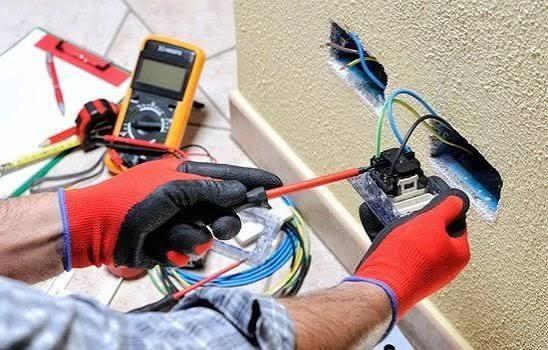
Electrical installation is an essential part of every residential, commercial and industrial building. Whether you are constructing a new house, developing an office building, renovating a commercial property or setting up an industrial facility, a properly designed and installed electrical system is important for safety, efficiency and reliable power supply.
In Uganda, the demand for professional electrical installation services continues to grow as residential developments, commercial buildings, factories, hotels, schools and other infrastructure projects expand. Property owners and developers increasingly require reliable electrical systems that can support modern appliances, lighting, machinery, security equipment and other electrical installations.
However, electrical installation involves much more than connecting wires and installing sockets. It requires proper planning, electrical load calculations, suitable materials, compliance with applicable safety standards and professional workmanship.
This guide explains everything you need to know about electrical installation services in Uganda, including the different types of electrical installations, the installation process, essential materials, safety considerations and how to choose the right electrical contractor.
What Are Electrical Installation Services?
Electrical installation services involve the planning, design, installation, testing and maintenance of electrical systems within buildings and other facilities. These systems distribute electricity safely and efficiently to different areas of a property.
Professional electrical installation contractors work on electrical infrastructure that allows buildings to operate lighting systems, power outlets, appliances, machinery, heating and cooling equipment, communication systems and other electrical devices.
Depending on the building’s requirements, electrical installation services may include:
- Electrical wiring and cable installation.
- Installation of distribution boards and consumer units.
- Lighting installation and control systems.
- Power socket and switch installation.
- Electrical earthing and bonding.
- Circuit breaker and protective device installation.
- Indoor and outdoor electrical installations.
- Generator and backup power connections.
- Solar power system integration.
- Electrical testing, inspection and maintenance.
A professionally installed electrical system provides reliable power distribution, reduces electrical risks and supports the long-term functionality of a building.
Types of Electrical Installation Services in Uganda
Electrical installation requirements vary depending on the purpose, size and design of a building. Residential properties generally require different electrical systems from commercial buildings, factories and industrial facilities.
Below are the main types of electrical installation services available in Uganda.
1. Residential Electrical Installation Services
Residential electrical installation involves designing and installing electrical systems in houses, apartments, villas and other residential properties.
A reliable residential electrical system ensures that occupants can safely use lighting, household appliances, entertainment equipment and other electrical devices.
Common residential electrical installation services include:
- House wiring and electrical cable installation.
- Installation of lighting fixtures and ceiling lights.
- Power socket and switch installation.
- Distribution board installation.
- Circuit breaker installation.
- Bathroom and kitchen electrical installations.
- Outdoor security and garden lighting.
- Earthing and electrical protection systems.
- Electrical installations for water heaters and pumps.
For new houses, electrical installation should be planned during the construction stage. This allows electricians to position conduits, wiring routes, sockets and switches before walls and ceilings are completed.
Proper planning also makes it easier to accommodate future electrical appliances and additional power requirements.
2. Commercial Electrical Installation Services
Commercial buildings require reliable electrical systems to support daily business operations. Offices, shopping centres, supermarkets, hotels, restaurants, banks and educational institutions depend on properly installed electrical infrastructure.
Commercial electrical installation services may include:
- Office lighting and power installations.
- Commercial distribution boards.
- Electrical wiring for shops and retail spaces.
- Conference room power and lighting systems.
- Emergency and security lighting.
- Electrical installations for lifts and escalators.
- Power connections for air conditioning systems.
- Electrical installations for kitchens and commercial equipment.
- Backup generator connections.
Commercial electrical installations must account for the building’s electrical demand, occupancy levels, equipment requirements and future expansion.
An appropriately designed system improves operational efficiency while helping reduce electrical faults and unnecessary energy consumption.
3. Industrial Electrical Installation Services
Industrial facilities have more complex electrical requirements because they operate heavy machinery, production equipment, motors and specialised systems.
Factories, warehouses, workshops, processing plants and manufacturing facilities require electrical installations that can support demanding working environments.
Industrial electrical installation services include:
- Industrial power distribution systems.
- Three-phase electrical installations.
- Machinery and equipment connections.
- Motor control systems.
- Industrial lighting installations.
- Electrical control panels.
- Cable trays and industrial cable management.
- Generator and backup power installations.
- Earthing and lightning protection systems.
- Electrical testing and commissioning.
Industrial electrical installations require careful load assessment, appropriate equipment selection and coordination with other building services.
A properly installed industrial electrical system helps minimise equipment downtime, improve workplace safety and support continuous production.
4. New Building Electrical Installation
Electrical installation should be integrated into the construction process from the early planning stages.
For new residential, commercial and industrial developments, electrical contractors work with architects, engineers, construction managers and other professionals to establish the building’s electrical requirements.
The installation may involve preparing electrical layouts, installing conduits, pulling cables, fitting distribution boards, installing lighting and power outlets, and testing the completed system.
Planning electrical installations before construction is completed helps prevent unnecessary alterations, reduces installation complications and improves coordination with plumbing, HVAC and interior finishing works.
5. Electrical Renovation and Upgrading Services
Existing buildings may require electrical upgrades to accommodate additional equipment, modern appliances or increased power demand.
Older electrical systems may also contain damaged wiring, outdated distribution boards or insufficient protective devices.
Electrical renovation services can include:
- Replacing old electrical wiring.
- Upgrading distribution boards.
- Installing additional sockets and switches.
- Replacing outdated lighting systems.
- Improving electrical earthing.
- Installing modern circuit protection.
- Increasing electrical capacity where technically and legally permitted.
- Reorganising electrical circuits.
- Upgrading installations during building renovations.
Electrical upgrades should begin with a professional assessment to determine the condition and capacity of the existing system.
Common Electrical Installation Components and Materials
A safe and reliable electrical installation depends on selecting suitable materials and components. The quality of these materials directly affects system performance, durability and safety.
Some of the most important electrical installation components include:
1. Electrical Cables and Wires
Electrical cables carry electricity from the main supply to different circuits and equipment within a building.
Different cable sizes and types are used depending on the electrical load, installation method, circuit requirements and environmental conditions.
Proper cable selection helps prevent overheating, excessive voltage drop and electrical faults.
2. Distribution Boards
A distribution board receives electrical power and distributes it to different circuits within a building.
It normally contains protective devices that help isolate circuits and protect electrical installations against faults.
Distribution boards should be appropriately sized and installed in accessible, suitable locations.
3. Circuit Breakers
Circuit breakers are protective devices designed to interrupt electrical supply when certain fault conditions occur, such as overloads and short circuits.
Selecting the correct circuit breakers is important for protecting cables, equipment and electrical circuits.
4. Switches and Power Sockets
Switches control lighting and other electrical equipment, while sockets provide connection points for electrical appliances.
Their positioning should consider convenience, safety, room layouts and the intended use of each space.
5. Conduits and Cable Trunking
Electrical conduits and trunking protect cables and help organise electrical wiring.
They may be installed within walls, ceilings, floors or exposed areas depending on the building design and installation requirements.
6. Earthing and Bonding Materials
Earthing and bonding systems help reduce the risk of electric shock and provide a suitable path for fault currents.
These systems are essential components of safe electrical installations and should be designed and tested by qualified professionals.
7. Lighting Fixtures
Lighting installations include indoor lights, outdoor security lights, emergency lighting, decorative fixtures and specialised commercial or industrial lighting.
Energy-efficient LED lighting is commonly used because it can reduce electricity consumption and maintenance requirements.
The Electrical Installation Process
Professional electrical installation follows a systematic process to ensure that the completed system is safe, functional and suitable for the building.
Although the exact process varies depending on the project, the main stages generally include the following.
Step 1: Site Assessment and Electrical Requirements
The first stage involves assessing the building and identifying its electrical requirements.
The contractor considers the building layout, intended use, number of rooms, electrical appliances, machinery, lighting requirements and expected power demand.
For industrial and large commercial projects, the assessment may also consider specialised equipment and future expansion requirements.
Step 2: Electrical Design and Planning
After assessing the requirements, an electrical installation plan is prepared.
This may include:
- Electrical wiring layouts.
- Lighting layouts.
- Socket and switch locations.
- Distribution board positions.
- Circuit arrangements.
- Cable routing.
- Earthing and protection requirements.
- Electrical load calculations.
Proper planning helps ensure that the electrical system meets the building’s needs while reducing unnecessary material wastage and installation changes.
Step 3: Selection of Electrical Materials
The next stage involves selecting suitable electrical cables, conduits, distribution boards, circuit breakers, sockets, switches and other components.
Materials should meet relevant technical requirements and be appropriate for the intended installation environment.
Using unsuitable or substandard electrical materials can increase the risk of electrical faults and premature system failure.
Step 4: Conduit Installation and Wiring Preparation
Electrical conduits and cable routes are installed according to the approved electrical layout.
For concealed installations, conduits are normally positioned before plastering and other wall-finishing works.
The installation team then prepares the routes through which electrical cables will pass.
Step 5: Electrical Wiring Installation
Electrical cables are installed through the prepared conduits or suitable cable management systems.
Different circuits are connected according to their intended functions and electrical load requirements.
Proper cable identification, connections and installation techniques are important for ensuring system reliability and simplifying future maintenance.
Step 6: Installation of Electrical Accessories
After the main wiring is completed, electrical accessories are installed.
These may include:
- Lighting fixtures.
- Switches.
- Power sockets.
- Distribution boards.
- Circuit breakers.
- Control panels.
- Electrical isolators.
- Other specialised electrical equipment.
All components should be securely installed and correctly connected.
Step 7: Electrical Testing and Inspection
Testing is one of the most important stages of electrical installation.
Before a system is put into operation, it should undergo appropriate inspections and electrical tests to verify that it has been installed correctly.
Depending on the installation, these may include continuity testing, insulation resistance testing, polarity checks, earthing tests and verification of protective devices.
Any identified faults should be corrected before the system is energised or handed over.
Step 8: Commissioning and Handover
The final stage involves confirming that the completed electrical system operates as intended.
The contractor should provide relevant installation information, test results and maintenance guidance.
A properly documented handover makes it easier for property owners and facility managers to operate and maintain their electrical systems.
Electrical Installation Requirements and Safety Standards in Uganda
Electrical safety is a major consideration for property owners, developers and contractors in Uganda.
Electrical installations should be undertaken by appropriately qualified and authorised personnel and should comply with applicable Ugandan laws, technical requirements and electrical safety standards.
The Electricity Regulatory Authority (ERA) plays an important role in regulating Uganda’s electricity sector, including electrical installation licensing and related regulatory requirements.
Before engaging an electrical contractor, property owners should establish whether the contractor and personnel responsible for the work hold the appropriate authorisations for the type and scope of installation.
Important electrical safety considerations include:
Proper earthing: Electrical systems should have correctly designed and tested earthing arrangements to reduce electric shock risks.
Circuit protection: Appropriate circuit breakers and other protective devices should be installed to protect electrical circuits and equipment.
Correct cable sizing: Cables must be selected according to the expected load, installation conditions and applicable technical requirements.
Safe electrical connections: Loose, exposed or poorly terminated connections can cause overheating, arcing and electrical fires.
Moisture protection: Electrical equipment installed in bathrooms, kitchens and outdoor environments should have protection appropriate to its location.
Professional testing: Electrical installations should be inspected and tested before being put into service.
Avoiding overloading: Electrical circuits should not be overloaded by connecting equipment beyond their designed capacity.
Property owners should never attempt complex electrical installations without appropriate professional qualifications. Electrical work involving the main supply, distribution boards and permanent wiring should be handled by qualified professionals.
Factors That Affect Electrical Installation Costs in Uganda
The cost of electrical installation services in Uganda varies depending on the size, design and complexity of the project.
There is no single installation price that applies to every property because residential houses, office buildings, shopping centres and industrial facilities have different electrical requirements.
The following factors influence the overall cost.
1. Size of the Building
The size of a building is one of the main factors affecting electrical installation costs.
Larger buildings generally require more electrical cables, conduits, sockets, switches, lighting fixtures and distribution equipment.
A multi-storey commercial building will normally require a more extensive electrical installation than a small residential house.
2. Type of Building
The intended use of a property affects the electrical design and materials required.
Residential buildings may need standard lighting and power circuits, while commercial and industrial facilities may require specialised distribution systems, three-phase power and additional protection equipment.
3. Quality of Electrical Materials
The cost of electrical materials varies depending on their quality, specifications, manufacturer and technical suitability.
Using reliable cables, protective devices and electrical accessories may require a higher initial investment but can contribute to long-term safety and reliability.
4. Electrical Load Requirements
Buildings with high electrical demand require appropriately designed electrical infrastructure.
Air conditioning systems, water heaters, lifts, industrial machinery, commercial kitchen equipment and other high-power appliances can increase installation requirements.
5. Complexity of the Installation
Complex electrical layouts, concealed wiring, specialised lighting systems, automation and industrial control installations may require additional labour and technical expertise.
6. Labour and Professional Expertise
Electrical installation costs also depend on the skills, experience and qualifications of the installation team.
Complex commercial and industrial projects may require specialised electrical professionals and additional supervision.
7. Existing Electrical Infrastructure
New buildings generally allow electrical systems to be installed during construction.
Renovation projects may involve removing old wiring, repairing damaged conduits, replacing distribution boards and modifying existing circuits, which can increase labour and material requirements.
How to Obtain an Accurate Electrical Installation Quotation
Property owners should request a detailed assessment before accepting an electrical installation quotation.
A professional quotation should consider:
- The building’s size and purpose.
- Electrical installation drawings.
- Estimated electrical load.
- Number of sockets, switches and lighting points.
- Type and quantity of electrical materials.
- Distribution board and protective equipment requirements.
- Labour and installation costs.
- Testing and commissioning requirements.
Comparing quotations based on the same scope of work helps property owners make informed decisions rather than selecting a contractor based on price alone.
Benefits of Hiring Professional Electrical Installation Contractors in Uganda
Electrical installation is a technical activity that requires appropriate knowledge, experience and equipment.
Hiring professional electrical installation contractors offers several important benefits.
1. Improved Electrical Safety
Professional electricians understand electrical protection, cable sizing, circuit arrangements and proper installation procedures.
Their expertise helps reduce the risk of electric shocks, short circuits, overheating and electrical fires.
2. Reliable Power Distribution
A properly designed electrical system distributes power efficiently to different parts of a building.
This helps ensure that lighting, appliances and equipment receive the electricity they require.
3. Compliance with Applicable Standards
Professional contractors understand the importance of meeting relevant electrical regulations and technical requirements.
This helps property owners avoid unsafe installations and potential compliance problems.
4. Reduced Maintenance Problems
Correctly installed electrical systems are less likely to experience avoidable faults caused by poor connections, unsuitable cables and improper circuit protection.
This can reduce repair requirements and operational interruptions.
5. Better Energy Efficiency
Professional electrical installation can incorporate energy-efficient lighting, suitable circuit arrangements and appropriate electrical equipment.
These measures can help reduce unnecessary electricity consumption.
6. Support for Future Expansion
A properly planned electrical system can account for future appliances, additional rooms, equipment and building extensions.
This reduces the need for major electrical modifications when a property’s requirements change.
Common Electrical Installation Mistakes to Avoid
Poor electrical installation can create serious safety hazards and increase long-term maintenance costs.
Property owners and developers should avoid the following common mistakes.
1. Using undersized electrical cables: Cables that cannot safely carry the intended electrical load may overheat and create fire risks.
2. Hiring unqualified electricians: Electrical work performed without the necessary expertise and authorisation can result in unsafe installations.
3. Overloading electrical circuits: Connecting too many appliances to a circuit can exceed its designed capacity.
4. Using substandard materials: Poor-quality electrical accessories and cables can deteriorate prematurely and increase the likelihood of faults.
5. Ignoring earthing requirements: Inadequate earthing can increase the risk of electric shock and equipment damage.
6. Poor electrical planning: Failing to plan socket positions, lighting points and equipment connections can result in expensive alterations during or after construction.
7. Skipping electrical testing: An installation should not be considered complete simply because the lights and sockets appear to work. Appropriate inspection and testing are essential.
8. Neglecting electrical maintenance: Even properly installed electrical systems require periodic inspection and maintenance.
Avoiding these mistakes helps improve electrical safety, system performance and long-term building functionality.
Electrical Installation for Residential, Commercial and Industrial Projects
Different properties require different electrical installation solutions.
For residential developments, the main priorities include safe wiring, convenient socket placement, appropriate lighting and reliable power for household appliances.
For commercial properties, electrical installations should support lighting, office equipment, air conditioning, security systems and business operations.
For industrial facilities, electrical systems must be designed around machinery, production equipment, motor loads and specialised power distribution requirements.
At Daltrevco, electrical installation should be approached as an important part of the overall building services process, with proper coordination between electrical works, construction, HVAC, interior finishes and other building utilities.
This integrated approach helps deliver buildings that are functional, safe and suitable for their intended use.
How to Choose the Best Electrical Installation Company in Uganda
Selecting the right electrical installation contractor is important for achieving a safe and reliable electrical system.
Before hiring a contractor, consider the following factors.
1. Check Qualifications and Licensing
Verify that the company and the personnel undertaking regulated electrical installation work have the appropriate qualifications and ERA authorisations for the work involved.
2. Evaluate Relevant Experience
Look for a contractor with experience in projects similar to yours.
Residential electrical installation requires different expertise from commercial office installations and industrial electrical systems.
3. Assess Material Quality
Ask about the electrical cables, circuit breakers, distribution boards, switches and other components proposed for your project.
Ensure that the materials are suitable and meet relevant technical specifications.
4. Request a Detailed Quotation
A reliable contractor should provide a clear quotation explaining the proposed work, materials, labour and other project requirements.
5. Confirm Testing and Inspection Procedures
Ask how the contractor will inspect, test and commission the completed electrical installation.
6. Consider Project Coordination
For larger developments, choose a contractor who can coordinate electrical works with other construction and building services.
7. Review Workmanship and Communication
Good communication, proper supervision and attention to detail are important throughout an electrical installation project.
A dependable contractor should be able to explain the installation process, identify potential challenges and provide guidance on system maintenance.
Why Professional Electrical Installation Matters for Your Building
Electrical systems are among the most important components of modern buildings. From powering lighting and household appliances to supporting commercial operations and industrial machinery, reliable electrical installations contribute directly to a property’s functionality.
Poorly planned electrical systems can result in frequent power interruptions, equipment damage, unnecessary repair costs and serious safety hazards.
Investing in professional electrical installation from the beginning helps ensure that the building has an appropriate electrical infrastructure for its intended use.
Whether you are constructing a new house, developing commercial premises, renovating an office or establishing an industrial facility, electrical installation should be treated as a priority rather than an afterthought.