
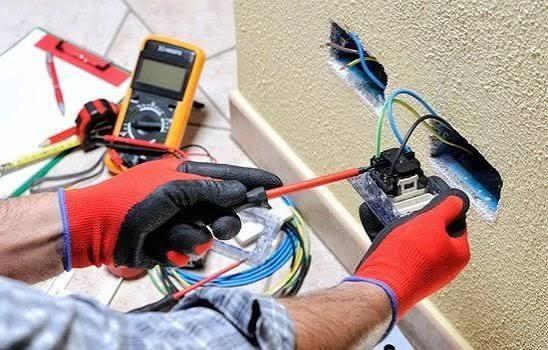
Residential electrical installation is one of the most important stages of building a safe, comfortable and functional home. Whether you are constructing a new house, renovating an existing property or upgrading an outdated electrical system, proper electrical installation ensures that your home has a reliable power supply for lighting, appliances, security systems and other electrical equipment.
In Uganda, modern homes increasingly depend on electricity for everyday activities, including cooking, water heating, entertainment, air conditioning, internet connectivity and home security. As a result, homeowners need well-designed electrical systems that can accommodate their current requirements while allowing for future improvements.
However, residential electrical installation involves more than connecting wires, switches and sockets. It requires careful planning, appropriate electrical materials, professional workmanship, correct circuit protection and compliance with applicable electrical safety regulations.
Poor electrical installation can lead to frequent power interruptions, damaged appliances, electric shocks and electrical fires. Investing in professional residential electrical installation from the beginning helps protect your family, property and electrical equipment.
This guide explains everything homeowners need to know about residential electrical installation in Uganda, including electrical wiring, essential components, installation procedures, costs, safety requirements and how to choose a reliable electrical contractor.
What Is Residential Electrical Installation?
Residential electrical installation refers to the design, installation, connection, testing and maintenance of electrical systems within houses, apartments, villas, townhouses and other residential properties.
The purpose of a residential electrical system is to distribute electricity safely throughout a home and provide power to different electrical appliances, lighting fixtures and equipment.
A typical residential electrical installation includes:
- Main electrical supply connections.
- Electrical wiring and cable installation.
- Distribution boards and consumer units.
- Circuit breakers and protective devices.
- Lighting fixtures and switches.
- Power sockets and electrical outlets.
- Earthing and bonding systems.
- Indoor and outdoor lighting.
- Electrical connections for household appliances.
- Backup power and solar system connections.
A properly installed electrical system ensures that different areas of a home receive reliable electricity while providing suitable protection against electrical faults.
Why Is Proper Electrical Installation Important for Homeowners?
Electrical installation affects the safety, comfort, functionality and long-term value of a residential property.
A poorly designed system may struggle to support modern electrical appliances, while incorrectly installed wiring can create serious safety hazards.
Here are the main reasons why professional residential electrical installation is important.
1. Protects Your Family from Electrical Hazards
Electrical faults can cause electric shocks, burns and fires. Proper installation incorporates suitable protective devices, correct wiring practices and effective earthing arrangements to reduce these risks.
Professional electricians also ensure that electrical installations in potentially hazardous areas, such as bathrooms and kitchens, receive appropriate protection.
2. Provides Reliable Power Distribution
A well-designed electrical system distributes electricity to different rooms and appliances according to their requirements.
This reduces problems associated with overloaded circuits, poorly distributed electrical loads and unsuitable wiring.
3. Supports Modern Household Appliances
Modern homes use various electrical appliances, including refrigerators, washing machines, televisions, microwaves, water heaters, air conditioners and electric cooking equipment.
A properly planned electrical system provides suitable circuits and connections for these appliances.
4. Improves Energy Efficiency
Professional electrical installation allows homeowners to incorporate energy-efficient lighting, appropriate electrical equipment and well-planned lighting controls.
LED lighting, for example, can help reduce electricity consumption compared with less efficient lighting technologies.
5. Reduces Future Repair and Maintenance Costs
Correctly installed electrical systems are less likely to develop avoidable problems associated with poor connections, inappropriate cable sizes and inadequate protection.
This can reduce unexpected repair expenses and electrical interruptions.
6. Increases Property Functionality and Value
A modern and professionally installed electrical system makes a house more convenient and attractive to prospective buyers or tenants.
Well-positioned sockets, adequate lighting and provision for modern appliances improve the overall usability of residential spaces.
Types of Residential Electrical Installation
Residential electrical installation requirements vary depending on the size, design and intended use of a house.
The following are common types of electrical installation services required in residential properties.
1. New House Electrical Installation
New house electrical installation involves designing and installing a complete electrical system during the construction of a residential property.
This work normally begins during the planning and structural construction stages.
It includes installing conduits, electrical cables, distribution boards, lighting points, sockets, switches and protective devices.
Planning electrical installations before plastering and ceiling installation makes it easier to conceal wiring and position electrical accessories correctly.
2. House Rewiring Services
House rewiring involves replacing old, damaged or unsuitable electrical wiring with a properly designed modern system.
Older residential properties may have deteriorated cables, outdated distribution boards or electrical circuits that cannot safely support modern appliances.
Rewiring may involve:
- Removing or isolating unsuitable existing wiring.
- Installing new electrical cables.
- Replacing damaged conduits.
- Upgrading distribution boards.
- Installing modern circuit protection.
- Repositioning sockets and switches.
- Testing the completed electrical system.
A professional inspection should determine whether a house requires complete rewiring or only selected electrical upgrades.
3. Lighting Installation
Lighting installation involves fitting indoor and outdoor lighting systems to improve visibility, convenience, security and the appearance of a home.
Common residential lighting installations include:
- Living room lighting.
- Bedroom lighting.
- Kitchen lighting.
- Bathroom lighting.
- Corridor and staircase lighting.
- Exterior security lighting.
- Garden and landscape lighting.
- Decorative ceiling lights.
- LED strip lighting.
- Outdoor entrance lighting.
The lighting design should consider room size, ceiling height, natural light, intended activities and the desired atmosphere.
4. Socket and Switch Installation
Sockets and switches provide convenient access to electrical power and allow homeowners to control different electrical circuits.
Their locations should be planned according to furniture arrangements, room functions and appliance requirements.
For example, kitchens may require strategically positioned outlets for refrigerators, microwaves, cookers and other appliances.
Bedrooms and living rooms may require additional outlets for televisions, charging devices and entertainment equipment.
5. Distribution Board Installation
A distribution board receives electrical power and distributes it to the various circuits within a home.
It contains protective devices that help control and isolate individual electrical circuits.
A properly selected distribution board should accommodate the electrical requirements of the property and allow for suitable circuit protection and future expansion.
6. Earthing and Electrical Protection Installation
Earthing and bonding are essential parts of residential electrical safety.
An earthing system provides an appropriate path for fault current, while protective devices help disconnect electrical supply when dangerous fault conditions occur.
A properly designed installation should include suitable earthing arrangements, protective conductors and other required electrical protection measures.
7. Outdoor Electrical Installation
Outdoor electrical installations provide power and lighting around the exterior of a residential property.
They may include:
- Compound security lighting.
- Garden lighting.
- Gate motor connections.
- Outdoor sockets.
- Water pump connections.
- External building lighting.
- Security system power connections.
Outdoor electrical equipment must be selected and installed with appropriate protection against moisture, dust and other environmental conditions.
Essential Electrical Components Used in Residential Installation
A safe and reliable residential electrical system depends on selecting appropriate electrical materials and accessories.
Understanding these components helps homeowners make better decisions when discussing their electrical installation requirements with contractors.
1. Electrical Cables and Wires
Electrical cables carry electricity from the main supply to different circuits within the house.
Different cable sizes are used depending on the electrical load, circuit type, installation method and other technical requirements.
Using correctly sized cables is important because undersized wiring can overheat when carrying excessive current.
2. Distribution Boards
Distribution boards organise and distribute electrical power to individual circuits.
They also provide locations for circuit breakers and other protective devices.
The board should be properly sized, securely installed and positioned where authorised persons can access it safely.
3. Miniature Circuit Breakers (MCBs)
MCBs protect electrical circuits against overloads and short circuits.
When a fault occurs, the breaker interrupts the electrical supply to help prevent damage to wiring and equipment.
4. Residual Current Devices (RCDs)
Residual Current Devices detect certain leakage currents and disconnect electricity when dangerous conditions are detected.
They provide important additional protection against electric shock.
The appropriate type and rating should be selected according to the installation design and applicable standards.
5. Electrical Switches and Sockets
Switches control lighting and other electrical equipment, while sockets provide connection points for appliances.
Homeowners should consider the number, location, quality and suitability of electrical accessories before installation begins.
6. Electrical Conduits
Conduits protect electrical cables and provide organised routes for wiring.
They may be installed inside walls, ceilings and floors or used in exposed installations where appropriate.
7. Earthing Materials
Earthing materials include earth conductors, electrodes, clamps and associated accessories.
They form part of the electrical protection system and should be installed and tested according to the approved design.
8. Lighting Fixtures
Lighting fixtures include ceiling lights, wall lights, downlights, outdoor lights and other illumination equipment.
LED lighting is a popular residential option because of its energy efficiency and generally long service life.
Step-by-Step Residential Electrical Installation Process
Professional residential electrical installation follows a planned process to ensure that the system meets the homeowner’s requirements and applicable safety standards.
Although individual projects may differ, the following stages are commonly involved.
Step 1: Assessing the House and Homeowner’s Requirements
The first stage involves evaluating the house and identifying the homeowner’s electrical needs.
The electrician considers:
- Number of bedrooms and living spaces.
- Kitchen and bathroom requirements.
- Lighting preferences.
- Number of electrical appliances.
- Water heating requirements.
- Air conditioning installations.
- Outdoor lighting requirements.
- Security and communication systems.
- Potential future electrical upgrades.
This assessment helps determine the electrical capacity and installation requirements of the property.
Step 2: Preparing an Electrical Installation Plan
After the initial assessment, an electrical layout is developed.
The plan identifies the proposed locations of lighting points, sockets, switches, distribution boards and electrical equipment.
It also considers cable routes, circuit arrangements, electrical loads and protection requirements.
Proper planning prevents unnecessary changes during construction and helps coordinate electrical installation with plumbing, ceiling works and interior finishes.
Step 3: Selecting Electrical Materials
The next stage involves selecting suitable electrical cables, conduits, circuit breakers, sockets, switches and other components.
Materials should meet relevant technical specifications and be appropriate for their intended applications.
Homeowners should avoid choosing electrical materials based only on the lowest purchase price.
Step 4: Installing Electrical Conduits
Conduits are installed according to the approved electrical layout.
For concealed wiring, conduits are normally positioned before wall plastering and ceiling finishing.
Their routes should be properly coordinated with other building services to prevent interference with plumbing pipes and structural elements.
Step 5: Installing Electrical Cables
Electrical cables are drawn through the prepared conduits or suitable cable management systems.
Different circuits are arranged according to their intended functions and calculated electrical loads.
Correct cable identification and professional termination are important for reliable operation and future maintenance.
Step 6: Installing the Distribution Board
The distribution board and associated protective devices are installed in the designated location.
Individual circuits are arranged and connected according to the approved electrical design.
Appropriate labelling helps homeowners and maintenance professionals identify circuits when isolation or repairs are necessary.
Step 7: Installing Sockets, Switches and Lighting Fixtures
Electrical accessories are fitted after the relevant construction and finishing works have progressed sufficiently.
This stage includes installing switches, power sockets, light fittings and other electrical equipment.
The electrician should ensure that accessories are correctly positioned, securely fixed and properly connected.
Step 8: Earthing and Protective Device Installation
The electrical earthing and bonding arrangements are completed and connected as required by the installation design.
Protective devices are installed and checked to ensure that the system provides the required protection against electrical faults.
Step 9: Electrical Testing and Inspection
Before the electrical system is put into service, it must undergo appropriate inspection and testing.
Depending on the installation, tests may include:
- Continuity testing.
- Insulation resistance testing.
- Polarity verification.
- Earthing and protective conductor testing.
- Verification of circuit protection.
- Testing of RCD operation.
- Functional testing of electrical accessories.
Any identified defects should be corrected before the installation is handed over.
Step 10: Commissioning and Handover
The final stage involves confirming that the completed electrical system operates correctly and meets the applicable requirements.
The homeowner should receive relevant documentation, including the completion certificate, test information and maintenance guidance.
Residential Electrical Installation Requirements in Uganda
Homeowners undertaking electrical installation in Uganda should understand the applicable electrical regulations and safety requirements.
The Electricity Regulatory Authority (ERA) regulates electrical installation work and issues permits to appropriately qualified installation personnel.
Under Uganda’s Electricity Act, electrical wiring or an extension to existing wiring requires an installation permit issued by the Authority.
The Electricity (Installation Permits) Regulations, 2025 provide different permit categories according to the type and complexity of electrical work.
For domestic residential installations up to 240 volts, the Class D permit category covers the relevant residential installation work and repairs. Homeowners should verify that the electrician holds a valid permit appropriate to the work being undertaken.
Important requirements include:
Qualified and authorised electricians: Electrical installation work should be performed by personnel holding the appropriate ERA permits.
Quality electrical materials: Cables, circuit breakers, switches and other accessories should meet applicable technical requirements.
Proper earthing: The electrical system should have correctly designed and tested earthing arrangements.
Suitable circuit protection: Appropriate protective devices should be installed to reduce the risk of electric shock, overloads and short circuits.
Electrical inspection and testing: The installation should be inspected and tested before connection and commissioning.
Completion certification: The authorised permit holder should issue the required certificate of completion following successful inspection and testing.
Periodic inspection: Under the 2025 regulations, domestic and residential electrical installations are subject to periodic testing and inspection at intervals not exceeding ten years.
For additional guidance, homeowners can consult the Electricity Regulatory Authority’s official information on electrical installation permits.
How Much Does Residential Electrical Installation Cost in Uganda?
The cost of residential electrical installation in Uganda depends on several factors, including the size of the house, electrical requirements, materials selected and complexity of the installation.
A small residential house will generally require a different electrical installation budget from a large bungalow, multi-storey home or luxury villa.
Rather than relying on a single standard price, homeowners should request a project-specific quotation.
The following factors influence the total installation cost.
1. Size and Design of the House
The size and architectural design of a house affect the amount of electrical wiring, conduits, sockets, switches and lighting fixtures required.
Larger houses normally require more electrical circuits and additional distribution infrastructure.
2. Number of Electrical Points
The number of sockets, switches, lighting points and appliance connections directly affects the quantity of materials and labour required.
A house with extensive lighting and numerous electrical outlets may cost more to wire than a property with basic electrical requirements.
3. Quality of Electrical Materials
Electrical material prices vary according to manufacturer, specifications, quality and technical performance.
Using suitable, reliable materials is important for long-term electrical safety and system reliability.
4. Type of Lighting System
Basic lighting installations may have different costs from decorative lighting, recessed LED downlights, smart lighting and specialised outdoor lighting.
The homeowner’s preferred lighting design therefore affects the overall budget.
5. Electrical Appliance Requirements
Homes with electric cookers, water heaters, air conditioning units, water pumps and other high-demand appliances may require additional circuits and appropriately designed electrical infrastructure.
6. Concealed or Surface Wiring
Concealed wiring generally requires coordination with wall and ceiling construction.
Surface wiring may involve different materials and installation methods.
The choice depends on building design, appearance, accessibility and technical requirements.
7. Labour and Installation Complexity
The experience and qualifications of the installation team, the project location and the complexity of the electrical layout can influence labour costs.
8. Electrical Upgrades and Additional Features
Additional installations such as solar connections, generator integration, CCTV power supplies, electric gates and smart home systems can increase the overall project budget.
How to Get an Accurate Electrical Installation Quotation
To obtain an accurate quotation, homeowners should provide the contractor with the house plans and details of their electrical requirements.
A detailed quotation should indicate:
- Scope of electrical work.
- Estimated number of electrical points.
- Cable types and quantities.
- Distribution board specifications.
- Protective devices.
- Lighting and socket accessories.
- Labour costs.
- Testing and commissioning.
- Additional electrical requirements.
Comparing quotations with similar specifications helps homeowners understand the actual value offered by different contractors.
Electrical Installation Mistakes Homeowners Should Avoid
Electrical installation mistakes can create safety risks and lead to expensive repairs.
Homeowners should pay attention to the following common problems.
1. Hiring Unqualified Electricians
Employing individuals without the necessary qualifications and permits can result in unsafe electrical installations.
Always verify the electrician’s relevant ERA authorisation.
2. Using Poor-Quality Electrical Materials
Substandard cables, sockets and protective devices may fail prematurely and compromise electrical safety.
Choose suitable products that meet the required technical standards.
3. Installing Too Few Power Sockets
Insufficient sockets can lead to excessive extension cable use and overloaded outlets.
Plan socket positions according to furniture layouts and expected appliance requirements.
4. Ignoring Future Electrical Needs
A house may eventually require additional appliances, air conditioning, security systems or other electrical equipment.
Consider future electrical requirements during the initial design.
5. Poor Distribution Board Planning
A distribution board that is inadequately sized or poorly organised can complicate circuit management and future expansion.
Ensure that the electrical design provides suitable capacity and protection.
6. Neglecting Earthing and Electrical Protection
Earthing and protective devices are essential components of residential electrical safety.
They should never be treated as optional additions.
7. Failing to Test the Installation
An electrical system should not be approved simply because the lights and sockets appear to work.
Appropriate inspection and testing are necessary to identify hidden faults.
8. Poor Coordination with Other Construction Works
Electrical conduits and wiring routes should be coordinated with plumbing, structural elements, HVAC installations and ceiling designs.
Poor coordination can result in unnecessary alterations and additional expenses.
Residential Electrical Installation for Different Areas of the Home
Each area of a house has different electrical requirements. A good electrical layout should consider how occupants use each space.
Living Room Electrical Installation
Living rooms generally require a combination of lighting, power outlets and entertainment connections.
Important considerations include:
- Main ceiling lighting.
- Decorative wall lighting.
- Television power outlets.
- Internet and entertainment connections.
- Convenient socket positions.
- Provision for air conditioning where required.
Bedroom Electrical Installation
Bedrooms require convenient electrical access for lighting and personal appliances.
Common requirements include bedside sockets, ceiling lights, switches near entrances and suitable connections for televisions or other equipment.
Kitchen Electrical Installation
Kitchens often contain several appliances that may require dedicated circuits depending on their electrical ratings.
Electrical planning should consider refrigerators, microwaves, electric cookers, extractor fans, dishwashers and other kitchen equipment.
Electrical accessories must be appropriately positioned and protected against moisture and other kitchen conditions.
Bathroom Electrical Installation
Bathrooms require particular attention because of the presence of water and moisture.
Electrical installations should comply with applicable bathroom electrical safety requirements, including suitable equipment selection, protective measures and appropriate positioning of electrical accessories.
Staircase and Corridor Electrical Installation
Staircases and corridors require adequate lighting to improve visibility and reduce the risk of accidents.
Suitable switching arrangements can make it easier to control lighting from different access points.
Outdoor and Compound Electrical Installation
Outdoor electrical systems may include security lights, garden lighting, gate motors, water pumps and other external equipment.
All outdoor installations should be suitable for their environmental exposure and installed with appropriate electrical protection.
How to Maintain Your Home’s Electrical System
Even a professionally installed electrical system requires regular attention.
Proper maintenance helps identify developing problems before they cause major faults or safety hazards.
Homeowners should consider the following practices:
- Arrange periodic electrical inspections by appropriately authorised professionals.
- Investigate frequently tripping circuit breakers.
- Replace damaged sockets and switches through qualified electricians.
- Avoid overloading power outlets.
- Keep electrical equipment away from water unless designed for the relevant environment.
- Maintain access to distribution boards.
- Investigate burning smells, unusual buzzing and signs of overheating immediately.
- Avoid using damaged extension cables.
- Ensure outdoor electrical fittings remain appropriately protected.
- Keep records of electrical repairs, inspections and upgrades.
If you notice sparks, smoke, burning smells or exposed electrical wiring, keep people away from the affected area and arrange urgent professional assistance. Do not attempt to repair live electrical equipment yourself.
How to Choose the Best Residential Electrical Installation Contractor in Uganda
Choosing a reliable electrical contractor is one of the most important decisions homeowners make during construction or renovation.
The quality of the installation affects the safety and functionality of the entire house.
Consider the following factors before hiring an electrical installation company.
1. Verify ERA Permits and Qualifications
Confirm that the electrician has a valid ERA permit for the type of residential electrical work required.
Do not assume that a company permit automatically replaces the individual permit required for the personnel undertaking the installation.
2. Check Residential Installation Experience
Choose a contractor who understands residential electrical systems and has experience with houses similar to yours.
3. Request a Detailed Quotation
A professional quotation should clearly explain the installation scope, materials, labour and testing requirements.
4. Assess Material Quality
Ask about the specifications and suitability of proposed electrical materials.
5. Confirm Testing and Certification
Ensure that the contractor will conduct the necessary electrical inspections and tests and provide the required completion documentation.
6. Evaluate Communication and Project Management
A dependable contractor should communicate clearly, explain technical requirements and coordinate electrical installation with other construction activities.
7. Consider Future Maintenance
Ask whether the contractor can provide installation records, maintenance guidance and assistance with future electrical upgrades.
Frequently Asked Questions About Residential Electrical Installation
1. How much does it cost to wire a house in Uganda?
The cost depends on the size of the house, number of electrical points, cable specifications, quality of materials, lighting requirements and complexity of the installation. The best way to establish the cost is to request a detailed quotation based on your house plans.
2. How long does residential electrical installation take?
The installation period depends on the size and complexity of the house. Basic wiring in a smaller house may take considerably less time than a large multi-storey property with extensive lighting and additional electrical systems.
3. When should electrical wiring be installed during house construction?
Electrical conduits and concealed wiring routes should generally be planned and installed during the relevant construction stages before plastering and ceiling finishing. Final electrical accessories are normally fitted later when the building finishes are sufficiently complete.
4. What size electrical cable is required for a house?
Cable size depends on the electrical load, circuit type, installation method, cable length and applicable technical requirements. A qualified electrician should calculate and select the correct cable sizes for individual circuits.
5. Is earthing necessary in residential electrical installation?
Yes. Proper earthing and bonding arrangements are important parts of residential electrical safety. They help provide protection against electrical faults and reduce the risk of electric shock.
6. Can I add more sockets to an existing house?
Additional sockets can be installed after a professional assessment of the existing electrical system. The electrician should check circuit capacity, wiring condition and protective devices before making changes.
7. How often should residential electrical systems be inspected in Uganda?
Under Uganda’s Electricity (Installation Permits) Regulations, 2025, domestic and residential electrical installations are subject to periodic testing and inspection at intervals not exceeding ten years. Homeowners should also arrange earlier inspections whenever there are signs of damage, repeated electrical faults or significant alterations.
8. Should I install solar power during house construction?
Planning for solar power during construction can make future installation easier. It allows appropriate space, cable routes, equipment locations and electrical integration requirements to be considered early.
Conclusion
Residential electrical installation is an essential part of constructing a safe, comfortable and functional home. From electrical wiring and lighting installation to distribution boards, sockets, earthing and protective devices, every component must be carefully selected and professionally installed.
For homeowners in Uganda, proper electrical planning is particularly important because modern residential properties increasingly depend on electricity for appliances, security systems, entertainment and other household requirements.
Whether you are constructing a new house, renovating an existing property or upgrading your electrical system, working with appropriately qualified and authorised electrical professionals helps protect your family, property and investment.
At Daltrevco, we recognise the importance of properly coordinated building services in modern construction projects. Our focus on quality construction and building solutions supports the development of functional, efficient and well-planned properties.
Planning a residential construction or renovation project in Uganda? Contact Daltrevco to discuss your building requirements and explore suitable construction and building services solutions for your home.

