
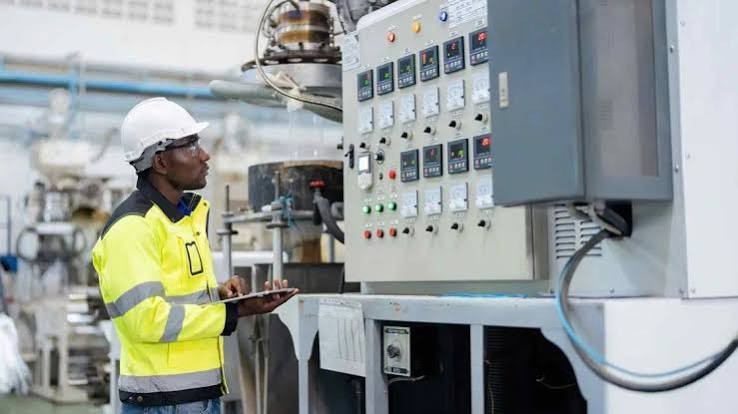
Industrial electrical installation is one of the most important aspects of developing a safe, reliable and productive industrial facility. Factories, manufacturing plants, warehouses, processing facilities and other industrial buildings depend on properly designed electrical systems to power machinery, lighting, production equipment, control systems and essential services.
Unlike ordinary residential wiring, industrial electrical installation involves complex power distribution networks, heavy-duty equipment, specialised protection systems and careful coordination between electrical and mechanical operations. A poorly designed installation can lead to equipment damage, production interruptions, electrical fires, workplace accidents and expensive repairs.
For businesses investing in industrial construction or upgrading existing facilities in Uganda, professional electrical planning is therefore essential.
This guide explains industrial electrical installation, the main systems involved, important requirements, installation procedures, safety considerations and best practices for achieving a reliable industrial electrical infrastructure.
What Is Industrial Electrical Installation?
Industrial electrical installation refers to the design, supply, installation, testing and commissioning of electrical systems used in factories, manufacturing plants, warehouses, workshops, processing facilities and other industrial environments.
These installations are designed to distribute electricity safely and efficiently to equipment that may require substantial electrical power.
Industrial electrical installation services may include:
- Electrical system design and planning.
- Main power distribution and switchgear installation.
- Industrial wiring and cable installations.
- Transformer and distribution equipment connections.
- Generator and backup power installations.
- Industrial lighting systems.
- Motor control and machinery connections.
- Earthing and lightning protection systems.
- Electrical control panels and automation infrastructure.
- Testing, inspection and commissioning.
The complexity of an installation depends on the facility’s size, electrical load, machinery requirements, operating conditions and future expansion plans.
Types of Industrial Electrical Systems
An industrial facility requires several interconnected electrical systems. Each performs a specific function in ensuring that electricity reaches equipment safely and reliably.
1. Industrial Power Distribution Systems
Power distribution systems receive electricity from the available supply and distribute it throughout the industrial facility.
They are designed to deliver the correct electrical capacity to machinery, production lines, lighting, ventilation systems and other equipment.
Important components include:
- Main distribution boards.
- Sub-distribution boards.
- Circuit breakers.
- Switchgear.
- Busbar systems.
- Distribution cables.
- Isolators and protective devices.
A properly designed distribution system helps prevent overloading, improves operational reliability and makes electrical maintenance easier.
2. Industrial Wiring and Cable Installations
Industrial wiring connects electrical distribution equipment to machines, motors, lighting systems and other electrical loads.
Industrial environments often require cables with suitable current-carrying capacity, insulation, mechanical protection and environmental resistance.
Cable selection should consider:
- Electrical load and operating current.
- Cable length and voltage drop.
- Installation method.
- Ambient temperature.
- Exposure to moisture, chemicals or heat.
- Mechanical damage risks.
- Short-circuit withstand requirements.
- Applicable electrical standards.
Cables may be installed in conduits, trunking, cable trays, ducts or underground routes, depending on the facility’s design.
3. Industrial Motor Control Systems
Electric motors are widely used in manufacturing and processing facilities. They power pumps, compressors, conveyors, fans, mixers and other machinery.
Motor control systems regulate how motors start, stop and operate.
Common components include:
- Motor control centres (MCCs).
- Motor starters.
- Contactors.
- Overload protection devices.
- Variable frequency drives (VFDs).
- Control relays.
- Emergency stop circuits.
Correctly designed motor control systems help protect machinery, manage energy consumption and support efficient production operations.
4. Industrial Lighting Systems
Lighting is essential for safe and productive industrial operations.
Factories, warehouses, workshops and production areas require lighting suitable for their activities. Lighting design should consider working heights, visibility, equipment layouts, operating schedules and environmental conditions.
Common industrial lighting solutions include:
- LED high-bay lighting for warehouses and factories.
- General-purpose industrial LED fixtures.
- Task lighting for inspection and assembly areas.
- Outdoor security lighting.
- Emergency lighting.
- Exit signs and illuminated escape-route indicators.
Energy-efficient lighting can reduce electricity consumption while improving visibility and working conditions.
5. Backup Power Systems
Power interruptions can disrupt production, damage sensitive equipment and affect essential operations.
Industrial facilities may therefore require backup power solutions depending on their operational needs.
These may include:
- Standby generators.
- Automatic transfer switches.
- Uninterruptible power supply (UPS) systems.
- Battery energy storage systems.
- Solar power systems where technically suitable.
Critical loads should be identified before selecting backup power equipment. Not every machine needs to operate during an outage, so a properly prepared load schedule helps determine the required backup capacity.
6. Earthing and Electrical Protection Systems
Earthing is a critical part of industrial electrical safety. It provides an appropriate path for fault currents and supports the operation of protective devices.
Industrial electrical protection may include:
- Protective earthing conductors.
- Earth electrodes and bonding systems.
- Residual current protection where appropriate.
- Overcurrent protection.
- Short-circuit protection.
- Surge protection devices.
- Lightning protection systems.
The earthing arrangement must be designed for the electrical installation and verified through appropriate testing.
7. Industrial Automation and Control Systems
Modern industrial facilities increasingly depend on automated equipment to improve production efficiency and consistency.
Electrical infrastructure may support:
- Programmable logic controllers (PLCs).
- Sensors and monitoring devices.
- Control panels.
- Human-machine interfaces (HMIs).
- Variable frequency drives.
- Industrial communication networks.
- Automated production lines.
Power and control wiring should be properly planned to minimise electrical interference and make troubleshooting easier.
Industrial Electrical Installation Requirements in Uganda
Industrial electrical installations in Uganda must be planned and executed with attention to applicable laws, regulatory requirements, electrical standards and workplace safety obligations.
The following are important considerations.
1. Use Qualified and Authorised Electrical Installers
Electrical installation work should be undertaken by competent professionals holding the appropriate permits for the work involved.
Uganda’s Electricity Regulatory Authority (ERA) regulates persons and companies undertaking electrical installation work. The Electricity (Installation Permits) Regulations, 2025 provide the current permit framework and classify installation work according to technical competence, voltage levels and specialised fields.
For industrial projects, the contractor and technical personnel must have permits appropriate to the installation’s scope. A domestic electrical permit should not be assumed to authorise complex industrial work.
Before engaging an electrical contractor, verify the relevant permit status and technical experience.
2. Comply with Applicable Electrical Standards
Electrical equipment, materials and installation methods should comply with applicable Ugandan requirements and standards adopted or issued by the Uganda National Bureau of Standards (UNBS).
Depending on the project, the design team may also reference recognised international standards, such as relevant IEC standards, where applicable.
Compliance helps ensure that electrical systems are properly designed, installed, tested and maintained.
3. Conduct an Electrical Load Assessment
Before installation begins, the electrical load requirements of the industrial facility should be established.
A load assessment identifies the power required by machinery, lighting, ventilation, office equipment, pumps, compressors and other electrical systems.
The assessment should consider:
- Connected electrical loads.
- Maximum demand.
- Motor starting currents.
- Operating schedules.
- Power factor.
- Expected future expansion.
- Critical and non-critical loads.
Accurate load calculations help determine suitable cable sizes, distribution equipment, transformer requirements and protective devices.
4. Obtain the Required Approvals and Inspections
Electrical installation projects should follow applicable regulatory and supply-connection procedures.
Under Uganda’s electricity installation framework, electrical work must be undertaken by appropriately permitted persons, and the required completion certification and inspections should be arranged before the installation is connected to the electricity network.
ERA’s 2025 permit framework also provides for periodic inspection of commercial and industrial electrical installations at intervals not exceeding five years.
Project owners should confirm the applicable inspection, certification and connection requirements with ERA and the relevant electricity distribution licensee.
5. Observe Workplace Safety Requirements
Industrial electrical work must be coordinated with workplace health and safety procedures.
Uganda’s Occupational Safety and Health Act, 2006 provides the wider legal framework for workplace safety.
Industrial project owners and contractors should establish suitable safety procedures covering electrical isolation, access control, protective equipment, work permits and emergency response.
The Industrial Electrical Installation Process
A successful industrial electrical project requires careful planning, professional execution and thorough testing.
The following stages provide a general overview.
Step 1: Site Assessment and Project Planning
The first stage involves assessing the industrial facility and understanding its electrical requirements.
The electrical team reviews the building layout, machinery specifications, available power supply, production processes and operating conditions.
Important considerations include:
- Size and layout of the facility.
- Location of production equipment.
- Existing electrical infrastructure.
- Available power supply.
- Machinery specifications.
- Environmental conditions.
- Safety and access requirements.
- Future expansion plans.
This assessment provides the information needed to develop an appropriate installation design.
Step 2: Electrical Load Calculations and System Design
After the site assessment, electrical engineers prepare the installation design.
This may include load schedules, single-line diagrams, cable schedules, equipment layouts, protection coordination and earthing designs.
The design should establish the correct capacity of distribution equipment and ensure that electrical systems can support the facility’s operational requirements.
Planning for future expansion is also important because industrial facilities may introduce additional machinery or production lines over time.
Step 3: Selection of Electrical Materials and Equipment
The next stage involves selecting suitable electrical components and materials.
These may include:
- Power and control cables.
- Distribution boards.
- Circuit breakers.
- Industrial switchgear.
- Motor control equipment.
- Transformers.
- Cable trays and conduits.
- Industrial sockets and isolators.
- Lighting fixtures.
- Earthing materials.
- Backup power equipment.
Equipment should be selected according to the approved design, operating environment and applicable standards.
Using unsuitable or low-quality electrical materials can increase the risk of equipment failure, overheating and expensive maintenance.
Step 4: Installation of Distribution Equipment
The main distribution equipment is installed in the designated electrical rooms or approved locations.
This may involve installing switchgear, distribution boards, transformers, busbar systems and associated protective devices.
Equipment must be positioned with suitable access for operation, inspection and maintenance.
Step 5: Cable Routing and Wiring
Power and control cables are installed according to the approved drawings and cable schedules.
Cable routes should be planned to protect cables from mechanical damage, excessive heat, moisture and other environmental hazards.
Proper cable identification and separation of power and control circuits, where required, improve safety and simplify future maintenance.
Step 6: Machinery and Motor Connections
Electrical connections are made to industrial machinery, motors, pumps, compressors, conveyors and other equipment.
Each connection should follow the manufacturer’s instructions and the approved electrical design.
Motor protection, isolation arrangements and control functions should be checked before equipment is placed into service.
Step 7: Installation of Earthing and Protection Systems
The earthing and protective systems are installed and connected to the relevant electrical equipment.
Protective devices must be correctly selected and coordinated to ensure that electrical faults can be detected and safely isolated.
Step 8: Testing and Commissioning
Before an industrial electrical installation is put into operation, it should undergo appropriate inspection and testing.
Depending on the installation, testing may include:
- Continuity testing of protective conductors.
- Insulation resistance testing.
- Earth electrode resistance testing.
- Polarity checks.
- Verification of phase sequence.
- Protective device testing.
- Functional testing of control systems.
- Verification of emergency stop arrangements.
- Operational checks of installed equipment.
Testing should be performed by competent personnel using suitable instruments and documented procedures.
Any defects identified should be corrected before commissioning and handover.
Best Practices for Industrial Electrical Installation
Following good installation practices improves safety, reliability and long-term performance.
1. Plan for Future Industrial Expansion
Industrial businesses may increase production capacity, install additional machinery or expand their buildings.
Electrical designs should therefore consider reasonable future demand.
This may involve providing suitable distribution capacity, reserving space in electrical rooms and planning cable routes for future equipment.
2. Use High-Quality Electrical Components
Industrial equipment operates under demanding conditions. Poor-quality cables, breakers, switchgear and accessories can increase the likelihood of electrical failures.
Choose materials that meet the design specifications and applicable standards.
3. Ensure Proper Cable Sizing
Incorrect cable sizing can cause overheating, excessive voltage drop and equipment malfunction.
Cable calculations should account for load current, installation conditions, cable length, ambient temperature and protective device coordination.
4. Install Suitable Overload and Short-Circuit Protection
Industrial machinery may experience high starting currents and changing operating loads.
Protective devices should be selected and coordinated to provide appropriate protection without causing unnecessary interruptions.
5. Separate Power and Control Systems Where Necessary
Sensitive control equipment can be affected by electrical interference.
Proper cable routing, shielding, grounding and separation of power and control circuits can improve system performance.
6. Provide Safe Access to Electrical Equipment
Electrical rooms, switchboards and distribution panels should have suitable access for authorised personnel.
Equipment should not be obstructed by stored materials, machinery or other building services.
Clear labels and warning signs also help workers identify electrical hazards.
7. Maintain Accurate Electrical Documentation
Industrial facilities should retain updated electrical drawings and equipment records.
Important documents include:
- Single-line diagrams.
- Electrical layout drawings.
- Cable schedules.
- Equipment specifications.
- Testing and commissioning reports.
- Protection settings.
- Maintenance records.
- Completion certificates.
Accurate documentation makes future upgrades, inspections and troubleshooting easier.
8. Carry Out Regular Electrical Maintenance
Electrical systems should be inspected and maintained according to their operating conditions, equipment manufacturers’ recommendations and applicable regulatory requirements.
Maintenance may include checking electrical connections, inspecting distribution boards, testing protective devices, examining cables and monitoring equipment temperatures.
Any maintenance requiring electrical isolation should follow approved safety procedures.
Common Industrial Electrical Installation Mistakes to Avoid
Industrial electrical problems often result from inadequate planning, poor workmanship or failure to follow the approved design.
Common mistakes include:
1. Inadequate electrical load assessment: Underestimating demand can result in overloaded equipment, nuisance tripping and expensive system upgrades.
2. Incorrect cable sizing: Undersized cables may overheat and create serious electrical hazards.
3. Poor earthing arrangements: Inadequate earthing can compromise the effectiveness of protective systems.
4. Using unsuitable electrical equipment: Equipment must be appropriate for the facility’s voltage, load and operating environment.
5. Poor cable management: Unorganised cable routes make maintenance difficult and can expose cables to damage.
6. Ignoring future expansion: A system designed only for current demand may become inadequate as production increases.
7. Skipping electrical testing: Failure to test an installation before use can leave dangerous defects undetected.
8. Using unauthorised installers: Electrical work carried out by persons without the appropriate permits can create safety and regulatory problems.
Avoiding these mistakes helps industrial businesses achieve safer and more reliable electrical infrastructure.
Factors That Affect the Cost of Industrial Electrical Installation in Uganda
The cost of industrial electrical installation varies depending on the facility’s electrical requirements, building design, equipment specifications and project complexity.
Important cost factors include:
1. Size of the Industrial Facility
Large factories and warehouses generally require more cables, distribution equipment, lighting fixtures and electrical accessories than smaller facilities.
2. Electrical Load Requirements
Facilities operating heavy machinery or large production lines may require higher-capacity distribution equipment, specialised protection and more extensive electrical infrastructure.
3. Type of Machinery
Different machines have different power, control and protection requirements. Specialised manufacturing equipment may require dedicated electrical circuits and control systems.
4. Quality of Electrical Materials
The cost of cables, switchgear, circuit breakers, distribution boards and other equipment varies according to specifications, ratings and manufacturer.
5. Backup Power Requirements
Generators, UPS systems, automatic transfer switches and battery storage solutions can increase the overall project cost.
6. Installation Complexity
Difficult site conditions, long cable routes, high installation levels and specialised industrial environments may increase labour and equipment costs.
7. Testing and Commissioning
Professional inspection, testing, documentation and commissioning are important parts of the project and should be included in the budget.
For an accurate quotation, an industrial electrical contractor should assess the facility, review machinery requirements and prepare a detailed electrical scope of work.
Why Professional Industrial Electrical Installation Matters
Professional industrial electrical installation offers important benefits to manufacturers, factory owners and industrial property developers.
- Improved workplace safety: Properly designed electrical systems reduce the risk of electrical faults, shocks and fire hazards.
- Reliable production: Appropriate power distribution supports machinery and helps reduce avoidable interruptions.
- Better equipment protection: Correctly selected protective devices help safeguard expensive industrial equipment.
- Energy efficiency: Efficient lighting, motor controls and well-planned distribution can help reduce unnecessary energy consumption.
- Simplified maintenance: Organised electrical systems and accurate documentation make inspection and repairs easier.
- Support for business growth: A properly planned installation can accommodate future machinery and production expansion.
- Regulatory compliance: Working with appropriately permitted professionals helps businesses meet applicable electrical installation requirements.
Industrial Electrical Installation for Different Facilities
Industrial electrical requirements vary depending on the type of business and the activities carried out.
Manufacturing Plants
Manufacturing facilities require reliable electrical distribution for production machinery, conveyors, motors, automated systems and industrial lighting.
Warehouses and Storage Facilities
Warehouses require suitable lighting, power distribution, ventilation systems, security equipment and electrical connections for handling machinery.
Food Processing Facilities
Food processing plants may require specialised equipment connections, suitable electrical enclosures, reliable refrigeration power and installations designed for their operating and cleaning environments.
Workshops and Engineering Facilities
Engineering workshops often require power for welding equipment, compressors, cutting machines, lifting equipment and specialised tools.
Agricultural Processing Facilities
Agricultural processing facilities may require electrical systems for milling machines, pumps, dryers, packaging equipment, refrigeration and storage operations.
Each facility should receive an electrical design based on its actual operational requirements.
How to Choose an Industrial Electrical Installation Contractor in Uganda
Choosing the right contractor is essential for the success of an industrial electrical project.
Before hiring an electrical installation company, consider the following:
1. Verify permits and qualifications: Confirm that the company and relevant technical personnel hold the appropriate ERA permits for the proposed work.
2. Assess industrial experience: Choose a contractor with experience in industrial power distribution, machinery connections, control systems and electrical installations.
3. Review technical capabilities: The contractor should be able to assess electrical loads, interpret technical drawings and develop appropriate installation solutions.
4. Check material quality: Confirm that proposed cables, switchgear, circuit breakers and accessories meet the project’s specifications.
5. Review safety procedures: The contractor should have appropriate procedures for electrical isolation, working at height, equipment handling and site safety.
6. Request a detailed quotation: The quotation should explain the scope of work, materials, labour, testing, commissioning and exclusions.
7. Confirm testing and documentation: Ensure the project includes inspection, testing, commissioning records and the required completion documentation.
A reliable contractor should prioritise safety, technical quality, regulatory compliance and long-term system performance.
Frequently Asked Questions About Industrial Electrical Installation
1. What is industrial electrical installation?
Industrial electrical installation involves designing, installing, testing and commissioning electrical systems that supply power to factories, manufacturing plants, warehouses, workshops and other industrial facilities.
2. What are the main components of an industrial electrical system?
The main components include power distribution boards, switchgear, cables, circuit breakers, transformers, motor control centres, lighting systems, earthing equipment and backup power systems.
3. How long does industrial electrical installation take?
The installation period depends on the facility’s size, electrical load, machinery requirements, equipment availability and project complexity. Smaller installations may take less time, while large industrial projects can require several stages of work over an extended period.
4. Is industrial electrical installation different from residential wiring?
Yes. Industrial installations generally involve higher electrical loads, larger distribution systems, specialised machinery, motor controls and more complex protection requirements. They require technical planning and personnel with permits appropriate to the work.
5. How often should industrial electrical installations be inspected?
Inspection and maintenance should follow the applicable regulatory requirements and the facility’s risk and maintenance plan. Under Uganda’s Electricity (Installation Permits) Regulations, 2025, periodic inspections for commercial and industrial premises are required at intervals not exceeding five years. Additional inspections and routine maintenance may be necessary depending on operating conditions.
6. Can industrial facilities use solar power?
Yes. Solar power can support suitable industrial loads and may be integrated with the existing electrical infrastructure. The system must be properly designed to match energy demand, operating schedules, available roof or ground space and backup requirements.
7. What causes industrial electrical failures?
Common causes include overloaded circuits, damaged cables, poor connections, inadequate protection, moisture exposure, incorrect installation and insufficient maintenance.
8. Why is earthing important in industrial electrical installations?
Earthing supports electrical safety by providing a suitable path for fault currents and helping protective devices operate as intended. It also forms an important part of the overall electrical protection design.
Professional Industrial Electrical Installation Services in Uganda
A safe and reliable electrical system is essential for the successful operation of factories, warehouses, manufacturing plants and other industrial facilities.
From initial electrical planning and load assessment to power distribution, industrial wiring, machinery connections, protection systems and commissioning, every stage must be handled with technical care.
Daltrevco provides building and construction solutions for residential, commercial and industrial developments in Uganda. If you are planning a new industrial facility, upgrading an existing building or coordinating electrical works as part of a wider construction project, professional planning and competent installation are essential.
Contact Daltrevco to discuss your industrial construction and electrical installation project requirements and identify suitable solutions for your facility.
Conclusion
Industrial electrical installation is a critical investment in the safety, productivity and long-term performance of an industrial facility. A properly designed system provides reliable power distribution, supports machinery operation, protects equipment and creates a safer working environment.
Businesses in Uganda should prioritise professional electrical design, appropriate ERA permits, quality materials, proper installation, testing and regular maintenance.
By following recognised engineering practices and working with qualified electrical professionals, industrial property owners can develop electrical systems that support efficient operations today and future business growth.

