
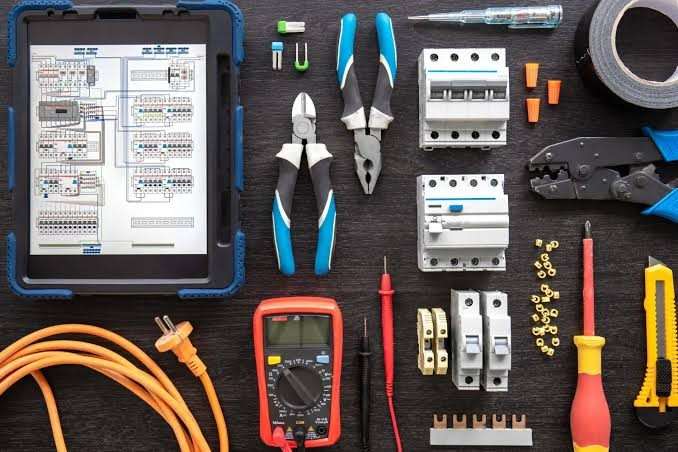
Electrical installation is an essential part of every residential, commercial and industrial construction project. From wiring a new house in Kampala to installing power distribution systems in an office building, the quality and cost of electrical work can significantly affect the overall construction budget.
One of the most common questions property owners ask is: How much does electrical installation cost in Uganda?
The answer depends on several factors, including the size of the building, the number of electrical points, cable specifications, labour requirements, the type of electrical accessories and the complexity of the installation.
A small residential house will generally require a different electrical installation budget from a multi-storey commercial building, factory, warehouse or hotel. Additional systems such as solar power, generators, backup power and specialised equipment can also increase the total cost.
Understanding these factors before construction begins helps property owners plan their budgets, compare contractor quotations and avoid unexpected expenses.
In this guide, we explain the major factors that determine electrical installation costs in Uganda, the materials involved, differences between residential and commercial installations, and practical ways to manage your electrical installation budget without compromising safety.
1. Size and Design of the Building
The size of a building is one of the most important factors influencing electrical installation costs.
Larger buildings generally require more electrical cables, conduits, switches, socket outlets, lighting points and distribution equipment. They may also require more labour and additional electrical circuits.
For example:
- A small residential house may require a relatively straightforward electrical installation.
- A large family home may need more lighting, socket outlets, dedicated appliance circuits and additional distribution capacity.
- An office building may require extensive power distribution, lighting, data infrastructure and equipment connections.
- An industrial facility may need specialised electrical systems to support machinery and production equipment.
Building design also matters. Multi-storey buildings, properties with complex layouts and structures with long cable routes may require additional installation work.
How to manage the cost: Prepare an electrical layout before construction begins. This allows the electrician to estimate the required materials, labour and installation activities more accurately.
2. Number of Lighting Points, Sockets and Switches
The number of electrical points required throughout a building directly affects the installation budget.
Each additional lighting point, socket outlet or switch requires materials, wiring, accessories and installation labour.
For a residential property, electrical points may include:
- Bedroom lighting and socket outlets.
- Living room lighting and entertainment connections.
- Kitchen sockets for appliances.
- Bathroom lighting and suitable electrical accessories.
- Outdoor security lighting.
- Garage and compound lighting.
- Additional power points for specialised equipment.
Commercial buildings may require more extensive arrangements for computers, printers, office equipment, display lighting, air conditioning and other electrical appliances.
The positioning of these points also influences the cost. Long cable routes and difficult installation locations can increase labour and material requirements.
How to manage the cost: Identify the intended use of every room and determine where electrical points will be needed. A practical electrical layout helps avoid unnecessary additions and expensive modifications after construction.
3. Type and Quality of Electrical Cables
Electrical cables are among the most important materials in any installation. Their specifications and quality can have a considerable impact on the overall cost.
Different electrical circuits require cables with different conductor sizes, insulation properties and ratings. The appropriate cable depends on the current demand, installation conditions, circuit length and applicable electrical standards.
Common considerations include:
- Cable conductor material.
- Cable size and current-carrying capacity.
- Insulation type and voltage rating.
- Cable length and routing requirements.
- Suitability for concealed or exposed installation.
- Environmental conditions.
Using high-quality, correctly specified cables may cost more initially, but it helps support a safe and reliable electrical system.
Choosing undersized or unsuitable cables to reduce expenses can result in overheating, voltage drop, damaged equipment and electrical hazards.
How to manage the cost: Ask the electrician to provide a detailed cable schedule showing the types, sizes and quantities required. Compare quotations based on equivalent cable specifications rather than price alone.
4. Type and Quality of Electrical Accessories
Electrical accessories are another important part of electrical installation costs in Uganda.
These include the components used to control and distribute electricity throughout the building.
Common accessories include:
- Switches.
- Socket outlets.
- Distribution boards.
- Circuit breakers.
- Residual current protection devices.
- Junction boxes.
- Conduits and trunking.
- Cable connectors and terminals.
- Lighting fittings.
- Earthing accessories.
Prices vary depending on the manufacturer, specifications, design, quality and technical requirements.
For example, a property using premium switches, decorative lighting fittings and specialised electrical accessories may have a higher installation budget than one using standard products.
However, accessories should not be selected based on appearance or price alone. They must be suitable for their intended electrical load and installation environment.
How to manage the cost: Select accessories according to the building’s functional requirements. Use reliable products that meet the necessary specifications, and request a materials schedule before approving purchases.
5. Complexity of the Electrical Installation
Not all electrical installations require the same level of technical work.
A straightforward residential wiring project may involve standard lighting, socket outlets and a distribution board. More complex installations may require specialised circuits, multiple distribution boards, control systems and additional protective equipment.
Factors that increase installation complexity include:
- Multi-storey building designs.
- Long electrical cable routes.
- Complex lighting arrangements.
- Three-phase power requirements.
- Specialised machinery connections.
- Automated electrical control systems.
- Backup power integration.
- Solar and battery storage systems.
The more complex the installation, the greater the need for detailed planning, specialised equipment, technical expertise and testing.
How to manage the cost: Ensure the electrical design is completed before installation begins. Early coordination between architects, engineers, builders and electrical installers helps reduce costly changes during construction.
6. Labour Costs and Electrician Expertise
Labour is a significant component of electrical installation costs in Uganda.
The amount charged for electrical work depends on the project’s size, complexity, duration, location and the technical expertise required.
Some projects may involve straightforward wiring, while others require several electricians and technicians working over an extended period.
Labour costs may also increase where the installation involves:
- Concealed wiring in completed walls.
- Multi-storey electrical distribution.
- Industrial electrical systems.
- Specialised lighting installations.
- Generator and solar integration.
- Testing and commissioning.
- Repairs to existing electrical installations.
Hiring qualified and appropriately permitted electrical professionals is important. Cheaper labour is not necessarily better if it results in poor workmanship, unsafe connections or repeated repairs.
How to manage the cost: Request a clear labour quotation that explains the work included, project duration, supervision arrangements and responsibilities for correcting installation defects.
7. Type of Building: Residential, Commercial or Industrial
The intended use of a building has a major influence on its electrical installation requirements.
Different property types have different power demands, safety considerations and equipment requirements.
Residential Electrical Installation
Residential electrical installation is designed to support everyday household activities.
Typical requirements include:
- Lighting circuits.
- Socket outlets.
- Kitchen appliance connections.
- Water heater connections.
- Air conditioning circuits where required.
- Distribution boards.
- Earthing and protective systems.
- Outdoor and security lighting.
The cost depends on the size of the house, number of rooms, electrical points and quality of materials.
Commercial Electrical Installation
Commercial buildings generally require more extensive electrical systems to support business operations.
Examples include offices, hotels, restaurants, retail shops, schools, hospitals and shopping complexes.
Their electrical requirements may include:
- Office power distribution.
- Commercial lighting systems.
- Air conditioning connections.
- Emergency lighting.
- Security and access control systems.
- Data and communication infrastructure.
- Specialised equipment connections.
Commercial installations may also require additional distribution equipment and more detailed coordination.
Industrial Electrical Installation
Industrial electrical installation is usually more technically demanding because it must support machinery, production processes and heavy electrical equipment.
Typical requirements include:
- Three-phase power distribution.
- Industrial control panels.
- Machinery connections.
- Motor control systems.
- Industrial lighting.
- Earthing and protective systems.
- Generator and backup power integration.
- Specialised monitoring and control equipment.
Industrial installations should be designed according to the facility’s operational requirements and the technical specifications of the equipment being connected.
8. Installation of Distribution Boards and Circuit Protection
The distribution board is an important component of an electrical installation. It receives electrical power and distributes it to different circuits within the building.
The cost of this part of the installation depends on:
- Number of circuits.
- Size and type of distribution board.
- Circuit breaker specifications.
- Required protective devices.
- Internal wiring and accessories.
- Installation and testing requirements.
A small house may require a relatively simple distribution arrangement, while a large commercial or industrial facility may require several distribution boards.
Appropriate circuit protection is essential for reducing risks associated with overloads, short circuits and certain electrical faults.
How to manage the cost: Have the distribution system designed according to the expected electrical load. Avoid reducing costs by using unsuitable circuit breakers or omitting necessary protective devices.
9. Earthing and Electrical Safety Requirements
Earthing and electrical protection are essential parts of a safe installation. Their requirements should be included in the original electrical budget.
An appropriate earthing system helps provide a path for fault current and supports the operation of protective devices.
Depending on the project, the installation may require:
- Earthing conductors.
- Earth electrodes.
- Earthing connections and accessories.
- Protective bonding.
- Appropriate circuit protection.
- Inspection and electrical testing.
The cost depends on the building design, soil conditions, electrical system requirements and the earthing arrangement specified by the qualified designer or installer.
How to manage the cost: Include earthing and protective systems in the initial quotation. Do not treat them as optional additions that can be removed to reduce the budget.
10. Solar Power and Backup Electricity Systems
Some property owners in Uganda choose to integrate solar power and backup electricity systems into their buildings.
These systems can provide additional electricity options and support operations during interruptions to the normal power supply.
However, they increase the overall electrical installation budget.
A solar installation may require:
- Solar panels.
- Inverters.
- Batteries.
- Mounting structures.
- DC and AC protection.
- Solar cables and connectors.
- Earthing and bonding.
- Monitoring equipment.
Generator installations may require generator connections, changeover arrangements, protective equipment and other electrical components.
The cost depends on the required capacity, equipment specifications, backup duration and complexity of integration with the building’s electrical system.
How to manage the cost: Determine whether solar or backup power is needed during the planning stage. Proper system sizing helps avoid purchasing equipment that is either insufficient or unnecessarily expensive.
11. New Electrical Installation Versus Rewiring an Existing Building
The condition of a building can significantly affect electrical installation costs.
Installing wiring in a new building is often easier because electrical conduits and cable routes can be planned before plastering, flooring and ceiling installation.
Rewiring an existing property may require additional work, including:
- Removing old cables.
- Opening walls and ceilings.
- Replacing damaged conduits.
- Relocating sockets and switches.
- Upgrading distribution boards.
- Repairing walls and finishes.
- Testing existing electrical circuits.
Older properties may also require improvements to their earthing and protective systems.
How to manage the cost: Arrange an electrical assessment before beginning renovation work. This helps identify the condition of the existing installation and determine whether partial upgrades or complete rewiring are necessary.
12. Location and Accessibility of the Building
The location of a project can influence electrical installation costs, particularly where materials and labour need to be transported over long distances.
Projects located far from major supply centres may involve additional transport and logistics expenses.
Accessibility can also affect labour requirements. For example, installing electrical systems in high-rise buildings or structures with restricted access may require specialised equipment and additional time.
Other considerations include:
- Distance from material suppliers.
- Site accessibility.
- Availability of qualified electricians.
- Storage and handling of materials.
- Working conditions on site.
- Project scheduling.
How to manage the cost: Discuss transport, site access and material delivery arrangements with the contractor before work begins. Include these expenses in the initial project budget.
13. Electrical Testing, Inspection and Certification
Electrical installation costs should include the necessary testing, inspection and completion documentation.
Testing helps confirm that the electrical installation has been completed correctly and that important safety requirements have been met.
Depending on the installation, verification may include:
- Continuity testing.
- Insulation resistance testing.
- Polarity checks.
- Earthing verification.
- Protective device checks.
- Functional testing.
- Inspection of completed electrical connections.
Uganda’s Electricity (Installation Permits) Regulations, 2025 provide requirements relating to installation permits, completion certificates and periodic inspection.
The regulations require an appropriately permitted installer to inspect and test completed installation work and issue the relevant completion certificate after successful testing.
Property owners should therefore clarify the cost and responsibility for testing and completion documentation before approving a quotation.
For further information, consult the Electricity Regulatory Authority (ERA) and its current installation permit requirements.
14. Compliance with Electrical Installation Regulations in Uganda
Electrical installation work in Uganda must be undertaken in accordance with applicable legal and technical requirements.
The Electricity Regulatory Authority (ERA) regulates persons and entities undertaking electrical installation work.
Under the Electricity (Installation Permits) Regulations, 2025, electrical installation work must be carried out by persons holding the appropriate valid permits for the work involved.
The permit category depends on the nature and technical scope of the installation. For example, residential, commercial, industrial and specialised installations may have different permit requirements.
When preparing your project budget, consider the costs associated with engaging appropriately permitted professionals, inspection, testing and required documentation.
Do not assume that a company permit automatically replaces the individual permit required by the electrician undertaking the work.
You can review the official information through the ERA website:
- ERA Installation Permits: https://www.era.go.ug/about-installation-permits/
- Electricity (Installation Permits) Regulations, 2025: https://www.era.go.ug/download/the-electricity-installation-permits-regulations-2025/
15. How to Estimate Electrical Installation Costs in Uganda
There is no single price that applies to every electrical installation project. The most reliable way to estimate the cost is to prepare a detailed project-specific bill of quantities and labour quotation.
A useful estimate should consider the following cost components:
| Cost component | What it covers |
|---|---|
| Electrical cables | Cable types, sizes and quantities |
| Conduits and trunking | Cable protection and routing |
| Switches and sockets | Electrical accessories and fittings |
| Lighting equipment | Lamps, fittings and controls |
| Distribution boards | Boards, circuit breakers and protection |
| Earthing system | Earthing conductors and related materials |
| Labour | Installation, supervision and technical work |
| Specialised equipment | Solar, generators and other systems |
| Testing and inspection | Electrical verification and documentation |
| Transport and logistics | Delivery and movement of materials |
The final cost should be based on the actual building drawings, electrical layout, site conditions and project specifications.
Should Electrical Installation Be Quoted Per Square Metre?
Some contractors may use building size as an initial budgeting reference. However, quoting electrical installation solely by square metre can be misleading.
Two buildings with the same floor area may have very different electrical requirements.
For example, a house with standard lighting and socket outlets may require less electrical work than a similarly sized property with extensive air conditioning, water heating, security systems and specialised lighting.
A detailed quotation based on the actual electrical design is generally more useful than a price based only on floor area.
16. How to Reduce Electrical Installation Costs Without Compromising Safety
Managing electrical installation costs does not mean choosing the cheapest materials or reducing essential safety measures.
The best approach is to improve planning, avoid unnecessary changes and use resources efficiently.
Here are practical ways to control your budget.
Plan the Electrical Layout Early
Prepare electrical drawings before construction reaches the wiring stage. Early planning reduces unnecessary changes and helps contractors estimate materials accurately.
Choose Appropriate Electrical Materials
Select materials according to the project’s technical requirements. Premium products may be appropriate for some applications, while reliable standard accessories may be sufficient for others.
Compare Detailed Contractor Quotations
Obtain quotations from qualified electrical professionals. Compare the scope of work, materials, quantities, labour, testing and documentation rather than comparing the final totals alone.
Avoid Unnecessary Electrical Points
Plan socket outlets, switches and lighting according to the intended use of each room. This reduces unnecessary expenditure without sacrificing convenience.
Coordinate Electrical Work with Other Construction Activities
Coordinate wiring with plumbing, ceiling installation, plastering and other building works. This helps reduce damage to installed cables and avoids reopening completed surfaces.
Consider Future Electrical Requirements
Plan for likely future appliances and equipment. Appropriate capacity and cable routes can reduce the need for expensive modifications later.
Use Professional Installation Services
Poor workmanship can result in repeated repairs, damaged materials and additional costs. Qualified installation helps reduce these risks and supports long-term reliability.
17. What Should Be Included in an Electrical Installation Quotation?
Before accepting an electrical installation quotation, property owners should check that it clearly explains what is included in the price.
A professional quotation should ideally contain:
- Project description: The building type, location and scope of electrical work.
- Electrical layout: The drawings or installation plan used to prepare the quotation.
- Materials schedule: Types, specifications and quantities of cables, accessories and equipment.
- Labour charges: The cost of installation and supervision.
- Distribution equipment: Distribution boards, circuit breakers and protective devices.
- Earthing and safety: The proposed earthing and protection arrangements.
- Specialised systems: Solar, generator, backup power and other additional installations, where applicable.
- Testing and inspection: The testing and completion documentation included.
- Project timeline: Expected start date and duration.
- Payment terms: Deposit requirements, progress payments and final payment arrangements.
- Exclusions: Items that are not included in the quotation.
- Variation procedure: How additional work and changes will be priced and approved.
A detailed quotation makes it easier to compare contractors and reduces misunderstandings during the project.
18. When Should You Budget for Electrical Installation During Construction?
Electrical installation should be considered during the early stages of building design rather than after construction is nearly complete.
The electrical layout needs to be coordinated with architectural drawings, structural plans, plumbing arrangements and interior design requirements.
A typical construction sequence includes:
Stage 1: Design and planning
Determine electrical requirements, appliance locations, lighting arrangements, distribution needs and future expansion requirements.
Stage 2: First-fix electrical works
Install conduits, cable routes, back boxes and other components that need to be concealed within walls, floors and ceilings.
Stage 3: Cable installation
Install the specified electrical cables and complete the necessary connections in accordance with the approved design.
Stage 4: Second-fix electrical works
Install switches, socket outlets, lighting fittings, distribution boards and other accessories as appropriate.
Stage 5: Testing and commissioning
Carry out the required inspections and electrical tests before the installation is put into service.
Planning for these stages helps property owners coordinate payments, material purchases and construction schedules.
Frequently Asked Questions About Electrical Installation Costs in Uganda
1. How much does electrical installation cost in Uganda?
Electrical installation costs in Uganda vary depending on the size of the building, number of electrical points, cable specifications, accessories, labour and installation complexity. A detailed quotation based on the actual building plans is the most reliable way to determine the price.
2. What is the biggest factor affecting electrical installation costs?
The building’s electrical requirements are among the biggest cost factors. The number of circuits, sockets, lighting points, cable quantities and specialised equipment can significantly influence the overall budget.
3. Is electrical installation more expensive in commercial buildings?
Commercial electrical installation can cost more than basic residential wiring because offices, hotels, retail buildings and other business premises may require more circuits, lighting systems, distribution equipment and specialised electrical services. However, the actual cost depends on the project specifications.
4. Does the quality of electrical cables affect installation costs?
Yes. Cable specifications, conductor material, insulation quality and required sizes influence material costs. Choosing appropriate, quality cables is important for electrical safety and long-term performance.
5. Does electrical installation include lighting fittings?
Not necessarily. Some quotations include lighting fittings, while others cover only wiring, switches, socket outlets and related installation work. Always check the quotation to establish which fittings and accessories are included.
6. Is rewiring an old house more expensive than wiring a new house?
It can be. Rewiring may require removing old cables, opening walls, replacing conduits, repairing finishes and upgrading distribution equipment. However, the cost depends on the existing condition of the building and the extent of work required.
7. Should solar installation be included in the electrical installation budget?
If you plan to use solar power, it is advisable to consider it during the initial electrical design. This allows the installer to coordinate the solar system with the building’s power distribution and protection arrangements.
8. How can I compare electrical installation quotations?
Compare the scope of work, cable specifications, material quantities, accessories, labour, testing, documentation, project duration and exclusions. A cheaper quotation may not offer the same quality or scope as a more detailed one.
9. Are electrical installation permits required in Uganda?
Yes. The Electricity (Installation Permits) Regulations, 2025 require persons undertaking electrical installation work to hold valid permits appropriate to the work. Property owners should verify the qualifications and permit scope of the professionals they engage.
10. How can I avoid unexpected electrical installation expenses?
Prepare an electrical design before installation, agree on a detailed bill of quantities, confirm material specifications, coordinate with other contractors and obtain approval for additional work before costs are incurred.
Conclusion
Electrical installation costs in Uganda depend on several factors, including building size, electrical design, number of wiring points, cable quality, accessories, labour, safety requirements and specialised systems.
Whether you are constructing a residential house, commercial building, office, hotel, warehouse or industrial facility, understanding these factors helps you prepare a realistic budget and make informed decisions.
The most effective way to control electrical installation costs is to plan early, use suitable materials, obtain detailed quotations and engage qualified, appropriately permitted professionals.
Avoid reducing costs by compromising on cable specifications, earthing, circuit protection or electrical testing. A properly designed and installed electrical system provides better safety, reliability and long-term value.
Planning a construction or building project in Uganda? Contact Daltrevco to discuss your building and construction requirements and how electrical works can be properly coordinated with your project.

