
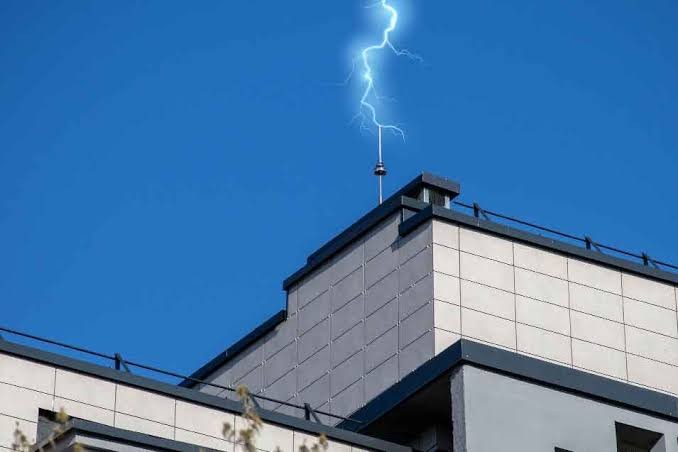
Lightning is a powerful natural phenomenon that can cause serious damage to buildings, electrical installations, electronic equipment and other property. A single lightning strike can result in roof damage, electrical fires, equipment failure, structural damage and dangerous electric shocks to people inside or around a building.
In Uganda, where thunderstorms and heavy rainfall occur in many parts of the country, protecting buildings against lightning is an important consideration for property owners, developers, architects, contractors and facilities managers.
A properly designed lightning protection system for buildings helps intercept lightning strikes, provide a controlled path for the electrical current to reach the ground and reduce the risk of damage to the structure and its occupants. It can also be combined with surge protection devices and other electrical safety measures to protect sensitive equipment and internal building systems.
Whether you are constructing a residential house, apartment block, office building, school, hospital, hotel, warehouse or industrial facility, understanding how lightning protection works can help you make better decisions about building safety.
This guide explains the importance of lightning protection systems, their main components, different protection methods, installation procedures, maintenance requirements and factors to consider when choosing a professional installation contractor in Uganda.
What Is a Lightning Protection System?
A lightning protection system is an engineered arrangement of conductive components installed on and around a building to intercept lightning and provide a controlled route for the electrical discharge to reach the earth.
Its main purpose is to reduce the risk of fire, structural damage and injury associated with lightning strikes.
A complete lightning protection design may include external and internal protection measures.
External lightning protection is designed to intercept lightning, carry the current safely down the building and disperse it through an earthing system.
Internal lightning protection helps reduce dangerous electrical surges and differences in electrical potential within the building. It may include surge protection devices, equipotential bonding and appropriate separation or shielding measures.
These two forms of protection work together. Installing a lightning rod alone does not necessarily provide complete protection for a building, its electrical installations or connected electronic equipment.
Why Are Lightning Protection Systems Important for Buildings in Uganda?
Lightning protection is an important part of building safety, particularly for properties that are exposed to thunderstorms, have large roof areas, contain sensitive electrical equipment or accommodate many occupants.
The following are some of the major benefits.
1. Protects Buildings Against Lightning Damage
A direct lightning strike can damage roofing materials, structural components, electrical installations and other parts of a building.
Without a suitable protection system, lightning current may travel through unintended paths, including metal roofing, electrical cables, pipes and structural components.
A properly designed lightning protection system provides an intentional route for the lightning current, helping reduce the likelihood of uncontrolled electrical discharge through vulnerable parts of the building.
This is particularly important for tall buildings, schools, hospitals, hotels, warehouses, factories and commercial developments.
2. Reduces the Risk of Electrical Fires
Lightning carries extremely high electrical energy. When it strikes a building or enters through connected services, it can produce sparks, overheating and electrical arcing.
These effects can ignite combustible materials and cause fires, particularly where electrical installations are poorly protected.
A properly designed lightning protection system helps control the lightning current and reduce the risk of dangerous discharges through the building.
However, lightning protection should be supported by suitable electrical protection, proper wiring, protective devices and appropriate fire safety arrangements.
3. Helps Protect People and Building Occupants
The safety of people inside and around a building is one of the most important reasons to install lightning protection.
Lightning can create dangerous electrical potential differences between metal surfaces, structural components and the ground. These differences can result in hazardous touch and step voltages.
A properly engineered system, including suitable bonding and earthing arrangements, helps manage these electrical risks.
This is especially important in buildings occupied by large numbers of people, including:
- Schools and educational institutions.
- Hospitals and healthcare facilities.
- Churches, mosques and worship centres.
- Hotels and accommodation facilities.
- Shopping malls and commercial buildings.
- Office blocks and public facilities.
- Factories and industrial premises.
Building occupants should also follow appropriate thunderstorm safety procedures. A lightning protection system does not make it safe to touch exposed conductors or metalwork during a storm.
4. Protects Electrical and Electronic Equipment
Modern buildings depend on electrical and electronic equipment for communication, security, lighting, power distribution and daily operations.
Lightning-related surges can damage equipment such as:
- Computers and office equipment.
- CCTV cameras and security systems.
- Routers and network equipment.
- Television and communication systems.
- Fire alarm control panels.
- Access control systems.
- Lift and elevator control equipment.
- HVAC control systems.
- Industrial machinery and automation equipment.
- Solar power inverters and monitoring systems.
Surge protection devices help limit transient overvoltages that may enter through power, telecommunications and other connected services.
For this reason, a building’s lightning protection design should consider both external lightning protection and protection of internal electrical and electronic systems.
5. Reduces the Risk of Expensive Repairs and Business Disruption
Lightning damage can result in costly repairs, equipment replacement, electrical system restoration and interruption of business operations.
For commercial and industrial buildings, equipment failure can affect productivity, customer service, manufacturing and other essential activities.
Installing an appropriate lightning protection system during construction can help reduce exposure to these risks and avoid more complicated retrofitting work later.
6. Supports Building Safety and Regulatory Compliance
Lightning protection is an important building safety consideration in Uganda.
The National Building (Standards for Electrical Installations in Buildings) Code, 2019 includes requirements for lightning protection installations. Its provisions identify components such as roof conductors, down conductors and earth terminations.
The National Building Regulations and applicable Uganda Standards should be considered when planning the system. The design must also take account of the relevant technical standards and requirements applicable to the particular building.
Main Components of a Lightning Protection System
A complete lightning protection system consists of several interconnected components. Each component has a specific role in intercepting, conducting and safely dispersing lightning current.
1. Air Terminals (Lightning Rods)
<image-placeholder: professional copper lightning air terminals installed along the roof ridge of a modern commercial building>
Air terminals, commonly known as lightning rods, are conductive components installed at selected positions on a building’s roof or other exposed areas.
Their purpose is to provide suitable interception points for lightning.
Air terminals may include:
- Vertical lightning rods.
- Roof-mounted air terminals.
- Conductive roof-edge arrangements.
- Conductors installed along roof ridges.
- Designed air-termination meshes.
The number, height, spacing and positioning of air terminals should be determined by the lightning protection design.
A single rod placed at the highest point of a building should not automatically be assumed to protect the entire structure. The designer must establish the required protection coverage using an appropriate engineering method.
2. Down Conductors
<image-placeholder: copper down conductor securely installed along the external wall of a building>
Down conductors connect the air-termination system to the earth-termination system.
They provide the intended conductive path for lightning current to travel from the roof towards the ground.
Common materials include suitable copper and aluminium conductors, selected according to the system design and applicable requirements.
During installation, down conductors should be:
- Installed along suitable routes.
- Mechanically secured to the building.
- Protected against physical damage where necessary.
- Connected using compatible and approved fittings.
- Arranged to minimise unnecessary bends and sharp changes in direction.
- Coordinated with the building’s bonding and earthing arrangements.
The number and arrangement of down conductors depend on the building design, dimensions and applicable lightning protection requirements.
3. Earth Termination System
<image-placeholder: copper earth rods connected to an inspection chamber and earthing conductor>
The earth-termination system provides the connection between the lightning protection network and the ground.
Its purpose is to disperse lightning current into the surrounding soil through an appropriately designed electrode arrangement.
Common components include:
- Copper-bonded earth rods.
- Copper earth tapes.
- Buried earthing conductors.
- Earth electrode connections.
- Inspection chambers.
- Earth bars and suitable connectors.
The type and arrangement of earth electrodes should be determined by site conditions, soil resistivity, the building’s design and the required electrical performance.
An effective earth-termination system is essential. However, simply installing an earth rod does not guarantee that the building is adequately protected.
4. Bonding Conductors
Bonding conductors connect suitable conductive parts of the building and its services to the lightning protection and earthing arrangements.
Their purpose is to reduce dangerous potential differences that may occur during a lightning event.
Depending on the design, bonding may involve:
- Metallic structural components.
- Metal service pipes.
- Cable trays.
- Electrical earthing systems.
- Other accessible conductive building components.
- Relevant equipment enclosures.
Bonding must be properly designed. Unplanned connections can create additional hazards or interfere with electrical and lightning protection arrangements.
5. Surge Protection Devices (SPDs)
<image-placeholder: surge protection devices installed inside a building electrical distribution board>
Surge protection devices help protect electrical installations and connected equipment against transient overvoltages.
They are particularly important because lightning-related surges can enter buildings through power supply lines, telecommunications cables and other connected services.
Common SPD classifications include:
- Type 1 SPDs: Designed to handle partial lightning currents associated with direct lightning current effects and installed where required by the protection design.
- Type 2 SPDs: Used to limit transient overvoltages within electrical distribution systems.
- Type 3 SPDs: Provide additional protection close to sensitive equipment.
The appropriate combination and coordination of SPDs depend on the building’s electrical system and lightning protection design.
Surge protection devices should be correctly selected, installed and coordinated with the electrical installation’s earthing and protective arrangements.
6. Test Clamps and Inspection Points
Test clamps allow sections of the lightning protection system to be isolated where necessary for inspection and testing.
Inspection points also make it easier to assess the condition of connections, conductors and earth termination arrangements.
They should be positioned where they remain accessible to qualified personnel.
Types of Lightning Protection Systems for Buildings
Different buildings require different lightning protection arrangements. The correct solution depends on the building’s height, shape, location, construction materials, occupancy, electrical systems and assessed lightning risk.
The following are common protection approaches.
1. Conventional Rod-Based Lightning Protection
This system uses vertical air terminals positioned at suitable points on a roof.
The terminals connect to down conductors and an earth-termination network.
It is commonly considered for residential houses, commercial buildings, schools and other structures where the design supports this arrangement.
The protection coverage must be properly assessed rather than assumed from the presence of a single rod.
2. Roof Conductor or Mesh System
A roof conductor system uses interconnected conductors installed along roof ridges, edges and other selected positions.
A mesh arrangement may also be used where required by the design.
The conductors form an air-termination network that helps intercept lightning over the building’s roof area.
This approach may be suitable for large buildings, warehouses, industrial facilities and structures with extensive roof surfaces.
3. Structural Lightning Protection System
In some buildings, suitable structural metalwork or reinforced concrete components may be incorporated into the lightning protection design as natural components.
However, this is only acceptable where their electrical continuity, connections, dimensions and suitability have been properly verified.
The use of structural components must be planned and documented during design and construction.
4. Internal Lightning and Surge Protection
Internal protection focuses on reducing the effects of lightning electromagnetic impulses and transient overvoltages within a building.
It may involve:
- Surge protection devices.
- Equipotential bonding.
- Appropriate cable routing and separation.
- Shielding where required.
- Coordinated protection of incoming electrical and communication services.
This is especially important in buildings with computers, data networks, security systems, automation, solar equipment and sensitive electronic installations.
Lightning Protection Requirements for Different Types of Buildings
The appropriate lightning protection solution depends on the building’s intended use and exposure to lightning.
Residential Buildings and Homes
Residential properties may require lightning protection depending on their location, height, design, surrounding environment and assessed risk.
A residential lightning protection design may include roof air terminals, down conductors, earth electrodes, bonding and surge protection devices.
Homeowners should pay particular attention to protecting electrical distribution boards, appliances, communication equipment and solar installations where applicable.
Commercial Buildings and Office Blocks
Commercial buildings contain electrical, communication and security systems that may be affected by lightning-related surges.
A suitable protection design may include an external lightning protection network, coordinated SPDs, bonding and appropriate earthing arrangements.
This is important for office computers, servers, CCTV systems, access control, networking infrastructure and other business equipment.
Schools and Educational Institutions
Schools accommodate many occupants and often have large roof areas, classrooms, administrative offices and electrical installations.
Lightning protection should be considered as part of the institution’s overall electrical and building safety strategy.
The design should also consider outdoor areas, communication equipment and other exposed installations.
Hospitals and Healthcare Facilities
Hospitals rely on electrical equipment and systems that support essential healthcare services.
Lightning protection planning should consider the building’s external protection, internal surge protection, electrical distribution and sensitive medical equipment.
The system should be coordinated with the facility’s electrical engineers and relevant safety requirements.
Hotels and Hospitality Buildings
Hotels may have multiple floors, rooftop equipment, lighting systems, communication networks, lifts, security installations and other electrical services.
A suitable lightning protection system helps reduce the risk of lightning-related damage and supports the protection of guests, staff and building infrastructure.
Warehouses and Industrial Facilities
Warehouses and factories may have large roof areas, exposed metal structures, machinery, control systems and valuable stored materials.
Lightning protection design should consider the structure, the activities taking place inside it and the potential consequences of a lightning strike.
Industrial facilities may also require coordinated protection for process equipment, automation systems and incoming electrical and communication services.
Lightning Protection System Installation in Uganda: Step-by-Step Process
Installing a lightning protection system requires proper assessment, engineering design, suitable materials, competent installation and testing.
The following are the main stages involved.
Step 1: Conduct a Building and Site Assessment
The first step is to evaluate the building and its surrounding environment.
A qualified professional should assess:
- Building height and dimensions.
- Roof shape and construction materials.
- Site exposure and surrounding structures.
- Soil conditions.
- Existing earthing arrangements.
- Electrical installations.
- Incoming power and communication services.
- Sensitive equipment and building operations.
- Occupancy and potential consequences of a lightning strike.
This assessment helps establish the protection requirements for the project.
Step 2: Carry Out a Lightning Risk Assessment
A lightning risk assessment helps determine the level of protection required for a particular building.
It considers factors such as lightning exposure, building characteristics, occupancy, the contents of the structure and the potential consequences of damage.
The assessment helps the designer determine whether protection is necessary and which measures should be implemented.
It also provides a technical basis for selecting the appropriate lightning protection level and system arrangement.
Step 3: Prepare the Lightning Protection Design
After the assessment, the engineer prepares a design showing the required protection components and their positions.
The design should identify:
- Air-terminal locations.
- Roof conductor arrangements.
- Down conductor routes.
- Earth electrode positions.
- Bonding connections.
- Surge protection requirements.
- Inspection and testing points.
- Material specifications.
The design should be coordinated with architectural, structural and electrical drawings.
This is particularly important for new buildings because lightning protection components can be integrated more efficiently during construction.
Step 4: Select Suitable Materials and Equipment
The performance and durability of a lightning protection system depend partly on the quality and compatibility of the materials used.
Common materials include:
- Copper air terminals.
- Copper conductors and tapes.
- Suitable aluminium conductors.
- Copper-bonded earth rods.
- Approved clamps and connectors.
- Inspection chambers.
- Earth bars.
- Surge protection devices.
- Test clamps and accessories.
Materials should be selected according to the design specifications and applicable standards.
The designer and installer must also consider corrosion, moisture, environmental exposure and compatibility between different metals.
Step 5: Install Air Terminals on the Roof
Air terminals are installed at the positions specified in the approved design.
Depending on the building, these may be placed along roof ridges, at roof edges or at other exposed locations.
Installation should ensure that terminals are mechanically secure and connected correctly to the roof conductor network.
Care must be taken when working on elevated roof surfaces, particularly during construction and in wet or windy conditions.
Step 6: Install Down Conductors
Down conductors are routed from the air-termination network towards the earth-termination system.
They should follow the planned routes and be installed using suitable supports and connectors.
The installation should minimise unnecessary bends and avoid arrangements that could expose occupants or building services to additional electrical hazards.
Where necessary, conductors should be protected against accidental impact and physical damage.
Step 7: Install the Earth Termination System
The earth termination system is installed according to the approved design and site conditions.
This may involve driving earth rods into suitable locations, installing buried conductors and connecting the electrodes into the required earthing arrangement.
Soil resistivity and other site conditions should be considered when determining the electrode configuration.
Inspection chambers should be installed where specified to allow access for testing and maintenance.
Step 8: Complete Bonding and Electrical Connections
The lightning protection system must be coordinated with the building’s electrical earthing and bonding arrangements.
Suitable conductive components and services should be bonded where required by the design.
Connections must be secure, mechanically sound and electrically continuous.
Special attention should be given to connections between different metals because unsuitable combinations can accelerate corrosion and affect long-term reliability.
Step 9: Install Surge Protection Devices
Suitable surge protection devices should be installed in the relevant distribution boards and other locations identified by the electrical protection design.
Where required, protection should also be considered for telecommunications, data, security and other incoming services.
The selected SPDs must be appropriate for the electrical installation and coordinated with the building’s protective devices and earthing system.
Step 10: Inspect, Test and Commission the System
Testing and inspection are essential before the system is handed over.
A qualified professional should verify:
- Continuity of lightning protection conductors.
- Condition and security of connections.
- Correct installation of air terminals.
- Down conductor routing.
- Earth electrode and earthing system performance.
- Bonding continuity.
- Installation and coordination of surge protection devices.
- Compliance with the approved design.
Appropriate testing methods should be selected according to the system and applicable standards.
Test results and inspection records should be documented for future maintenance.
Step 11: Provide Handover Documentation
After installation and commissioning, the property owner should receive relevant documentation.
This may include:
- As-installed drawings.
- System component details.
- Inspection and test reports.
- Earthing test results.
- Surge protection device information.
- Maintenance recommendations.
- Inspection schedules.
- Relevant warranties and product documentation.
Proper documentation makes future inspection, repair and system upgrades easier.
Factors That Determine the Cost of Lightning Protection Installation in Uganda
The cost of installing a lightning protection system varies depending on the building and the technical requirements of the project.
There is no single price that applies to every property.
The following factors commonly influence the overall installation cost.
1. Building Size and Height
Large and tall buildings may require more air terminals, longer conductors, additional down conductors and a more extensive earthing network.
This can increase material and labour requirements.
2. Type of Roofing
The roof design and construction materials influence how the air-termination network is installed.
Complex roofs, multiple roof levels and buildings with rooftop equipment may require additional design and installation work.
3. Type of Lightning Protection System
The selected system affects the quantity and type of materials required.
For example, a building requiring an extensive roof conductor network and coordinated internal protection may have different costs from a smaller building with simpler protection requirements.
4. Soil Conditions
Soil resistivity influences the design of the earth-termination system.
Some sites may require additional electrodes, buried conductors or other engineering measures to achieve the required performance.
5. Quality of Materials
The cost of copper conductors, aluminium components, earth rods, clamps, inspection chambers and surge protection devices varies according to specifications, quality and supplier.
Using suitable, certified and compatible materials is important for system reliability.
6. Electrical and Electronic Equipment
Buildings with sensitive electronic equipment, server rooms, communication networks, solar installations and industrial automation may require more extensive internal surge protection.
This can increase the overall project cost.
7. Accessibility and Installation Conditions
Installing lightning protection on high-rise buildings, complex roofs and occupied properties may require additional equipment, access arrangements and safety measures.
These conditions can affect labour and project duration.
8. Testing and Commissioning Requirements
The project budget should include appropriate inspections, electrical testing, documentation and commissioning.
These activities are essential for confirming that the system has been installed correctly.
The best way to determine the cost of lightning protection installation in Uganda is to arrange a professional site assessment and request a quotation based on the building’s actual requirements.
Common Lightning Protection Installation Mistakes to Avoid
Even when suitable materials are purchased, poor installation can reduce the effectiveness of a lightning protection system.
Property owners and developers should avoid the following mistakes.
1. Installing Only One Lightning Rod Without Proper Design
A single lightning rod does not automatically protect an entire building.
The required number and positioning of air terminals should be determined through an appropriate engineering design.
2. Using Poor-Quality Conductors and Accessories
Substandard conductors, unsuitable clamps and weak connections may deteriorate or fail to perform as intended.
Always use materials that meet the project specifications and relevant standards.
3. Ignoring the Earthing System
The air terminals and down conductors must connect to an appropriately designed earth-termination system.
Without suitable earthing, the lightning current may not be safely dispersed as intended.
4. Neglecting Surge Protection
External lightning protection alone does not provide complete protection for electrical and electronic equipment.
Surge protection devices should be considered as part of the overall building protection strategy.
5. Poor Bonding Arrangements
Failure to provide the bonding required by the design can result in dangerous potential differences between conductive parts of a building.
Bonding should be properly planned and installed.
6. Using Incompatible Metals
Direct contact between unsuitable combinations of metals can lead to galvanic corrosion.
This may weaken connections and affect system performance over time.
Suitable connectors and approved transition arrangements should be used.
7. Failing to Test the Completed System
A system should not be assumed to be effective simply because all visible components have been installed.
Inspection, continuity checks and appropriate earthing tests are necessary.
8. Ignoring Maintenance
Lightning protection components are exposed to weather, corrosion, physical damage and other environmental conditions.
Regular inspections help identify problems before they compromise the system.
Lightning Protection and Surge Protection: What Is the Difference?
Lightning protection and surge protection are related but perform different functions.
| Feature | Lightning protection system | Surge protection system |
|---|---|---|
| Main purpose | Intercepts lightning and provides a controlled current path to earth | Limits transient overvoltages in electrical and electronic systems |
| Main components | Air terminals, down conductors, bonding and earth electrodes | Surge protection devices and coordinated protective components |
| Main area of protection | Building structure and people around the system | Electrical equipment and connected systems |
| Installation locations | Roof, building exterior, bonding network and earth termination | Distribution boards and suitable power, data or communication entry points |
| Main benefit | Reduces lightning-related structural and safety risks | Reduces the risk of damage to connected equipment |
Both systems may be needed to provide a more comprehensive approach to building protection.
A properly designed installation should coordinate external lightning protection, internal surge protection, bonding and earthing rather than treating them as unrelated systems.
How to Maintain a Lightning Protection System
Installing a lightning protection system is not the final step. The system should be inspected and maintained throughout the building’s service life.
The following practices help support long-term performance.
1. Carry Out Regular Visual Inspections
Inspect accessible air terminals, roof conductors, down conductors and connections for visible damage, corrosion or looseness.
2. Check Earth Termination Components
Inspection chambers and accessible earth connections should be checked for damage, deterioration, water ingress and other conditions that could affect inspection or testing.
3. Inspect After a Known Lightning Strike
After a significant lightning event or suspected direct strike, arrange a professional inspection to identify possible damage to conductors, connections, earthing components and surge protection devices.
4. Check Surge Protection Devices
Many surge protection devices have status indicators. These should be checked according to the manufacturer’s instructions.
Devices that have reached the end of their service life or suffered damage should be replaced with suitable equipment.
5. Test Electrical Continuity and Earthing Performance
Qualified personnel should carry out the appropriate tests at the intervals recommended by the design, applicable standards and the building’s maintenance programme.
6. Keep Maintenance Records
Maintain records of inspections, test results, repairs, component replacements and any lightning-related incidents.
These records help track the system’s condition and support future maintenance decisions.
When Should a Building Have a Lightning Protection System Installed?
Lightning protection should be considered early in the design and construction of a building.
It is particularly important to assess the need for protection when:
- Constructing a new multi-storey building.
- Developing a school, hospital or institutional facility.
- Building a hotel or large commercial property.
- Constructing a warehouse or industrial facility.
- Installing sensitive electrical and electronic equipment.
- Developing a property in an exposed location.
- Adding rooftop equipment or changing the roof structure.
- Renovating a building with an outdated or damaged lightning protection system.
- Experiencing repeated lightning-related electrical damage.
For existing buildings, a professional assessment can establish whether additional protection, repairs or upgrades are necessary.
How to Choose the Best Lightning Protection Installation Company in Uganda
Choosing a competent installation contractor is essential because lightning protection involves electrical safety, engineering design and specialised installation work.
Before hiring a company, consider the following factors.
1. Verify Technical Competence and Relevant Permits
Confirm that the professionals responsible for electrical installation work have the appropriate qualifications and permits required by Uganda’s regulatory framework.
Electrical installation work should be undertaken by appropriately authorised personnel.
2. Look for Relevant Project Experience
Choose a contractor with experience in building electrical installations, earthing, bonding and lightning protection projects.
Experience with the type of building being developed is also valuable.
3. Request a Proper Site Assessment
A professional contractor should assess the property before recommending a system.
Be cautious of quotations based only on building size or a standard package without considering the actual site conditions.
4. Ask for Technical Drawings and Specifications
The contractor should explain the proposed arrangement, including air terminals, down conductors, earth electrodes, bonding and surge protection where required.
5. Confirm Material Quality
Ask for details of the proposed conductors, earth rods, connectors, clamps and surge protection devices.
Materials should meet the project specifications and relevant standards.
6. Confirm Testing and Commissioning
The contractor should explain how the completed installation will be inspected and tested.
Request written test results and relevant handover documents.
7. Consider Maintenance and After-Installation Support
A reliable contractor should be able to explain the recommended inspection schedule and how future repairs or replacements can be managed.
Lightning Protection Standards and Regulations in Uganda
Lightning protection installations should comply with applicable building requirements and relevant technical standards.
Important references include:
1. National Building (Standards for Electrical Installations in Buildings) Code, 2019
Uganda’s electrical installation code contains provisions relating to lightning protection. These include requirements concerning air-termination arrangements, down conductors and earth terminations.
2. Uganda Standards Based on IEC 62305
The IEC 62305 series provides internationally recognised guidance and requirements for lightning protection. Relevant parts address:
- General principles of lightning protection.
- Lightning risk management.
- Physical damage to structures and protection of people.
- Protection of electrical and electronic systems against lightning electromagnetic effects.
The relevant Uganda-adopted standards should be checked for their current editions and applicability to the project.
3. Applicable Electrical Installation Permit Requirements
Electrical installation work should be carried out by personnel holding the appropriate permits under Uganda’s applicable electrical installation regulations.
The project team should verify the relevant requirements with the Electricity Regulatory Authority and other responsible authorities.
Important: Lightning protection design should be undertaken by competent professionals who can interpret the applicable standards and building requirements. A generic installation arrangement should not be substituted for a project-specific engineering design.
Why Include Lightning Protection in Your Building Construction Budget?
Lightning protection should be considered during the early stages of project planning rather than treated as an optional last-minute addition.
Including it in the construction budget can provide several practical advantages:
- Allows the system to be integrated with the roof and structural design.
- Makes it easier to coordinate down conductors and earthing routes.
- Reduces the need for disruptive modifications after construction.
- Helps plan for surge protection within electrical distribution boards.
- Supports compliance with applicable building requirements.
- Provides an opportunity to coordinate electrical, structural and architectural work.
Developers should discuss lightning protection requirements with their architects, electrical engineers and contractors before construction progresses too far.
Frequently Asked Questions About Lightning Protection Systems
1. What is the purpose of a lightning protection system in a building?
A lightning protection system is designed to intercept lightning and provide a controlled path for the electrical current to reach the earth. It helps reduce the risk of structural damage, fire and injury associated with lightning strikes.
2. Is lightning protection necessary for buildings in Uganda?
Lightning protection is an important building safety consideration in Uganda. The National Building (Standards for Electrical Installations in Buildings) Code, 2019 includes provisions requiring lightning protection for buildings within its scope. The specific design and applicable requirements should be confirmed by qualified professionals.
3. What are the main components of a lightning protection system?
The main components include air terminals, roof conductors, down conductors, earth electrodes, bonding conductors, inspection points and, where required, surge protection devices.
4. Does a lightning rod protect the entire building?
Not necessarily. The protection coverage depends on the building’s design, the position and arrangement of air terminals, the down conductor network and the applicable engineering criteria. A single lightning rod should not be assumed to protect every part of a structure.
5. How does a lightning protection system work?
The air-termination system provides suitable points for intercepting lightning. Down conductors then provide a controlled route for the current to travel towards the earth-termination system, where it is dispersed into the ground.
6. What is the difference between lightning protection and earthing?
Lightning protection is the complete arrangement designed to manage lightning current and reduce the associated risks. Earthing provides an electrical connection to the ground and forms an important part of the protection arrangement. The two systems must be properly coordinated.
7. Are surge protection devices necessary if a building has lightning rods?
External lightning protection does not automatically protect all internal electrical and electronic equipment from lightning-related surges. Suitable surge protection devices should be considered as part of a coordinated protection design.
8. How much does lightning protection installation cost in Uganda?
The cost depends on building size, height, roof design, materials, soil conditions, system complexity, surge protection requirements and installation conditions. A professional site assessment is the best way to obtain an accurate quotation.
9. How often should a lightning protection system be inspected?
Inspection frequency should follow the system design, applicable standards, manufacturer’s guidance and the building’s maintenance requirements. Additional inspection is advisable after a known lightning strike, significant building alterations or suspected damage.
10. Can lightning protection be installed on an existing building?
Yes. A suitable system can be designed for an existing building after assessing its structure, roof, electrical installations, earthing arrangements and site conditions. The installation may require additional planning to route conductors safely and minimise disruption.
11. Can solar power systems be affected by lightning?
Yes. Solar panels, inverters, monitoring equipment and connected cables can be affected by direct lightning events and transient overvoltages. Solar installations should be assessed for suitable bonding, earthing and coordinated surge protection.
12. Who should install a lightning protection system?
Lightning protection should be designed and installed by competent professionals with appropriate technical experience. Electrical installation work must also comply with applicable Ugandan permit and regulatory requirements.
Professional Building Utilities and Electrical Installation Solutions by Daltrev Co. Ltd
Planning a safe and functional building requires careful coordination of electrical installations, utilities and other essential building systems.
Daltrev Co. Ltd provides building utilities and installation solutions for residential, commercial, institutional and industrial projects across Uganda. Its utilities works cover electrical installations, security and internet systems, fire protection, plumbing, lifts and other building installations.
For developers and property owners planning new construction or building improvements, coordinating electrical and utility requirements early can help create a more organised and functional project.
Whether you are developing a home, office block, school, hotel, apartment building, warehouse or industrial facility, it is important to consider electrical safety and appropriate building protection measures as part of the overall project.
Explore Daltrev’s Utilities Works and Building Installation Services or visit the Daltrev Co. Ltd website to learn more about its building solutions.
For a lightning protection project, confirm the specific design, installation and testing scope with the technical team before engagement.
Conclusion: Invest in Proper Lightning Protection for Your Building
Lightning protection systems play an important role in reducing the risks associated with lightning strikes. By providing suitable air terminals, down conductors, earthing arrangements, bonding and coordinated surge protection, a properly designed system helps protect buildings, occupants and essential equipment.
For property owners and developers in Uganda, lightning protection should be considered during the planning and construction stages of residential, commercial, institutional and industrial buildings.
The most effective approach is to work with competent professionals who can assess the building, prepare an appropriate design, install suitable materials and carry out the necessary inspection and testing.
Planning a construction or building utilities project in Uganda? Contact Daltrev Co. Ltd to discuss your building installation requirements and explore suitable solutions for your development.
Daltrev Co. Ltd – Building Solutions. Delivering Excellence.

