
Electrical systems are essential to the safety, comfort and daily operation of residential, commercial and industrial buildings. From lighting and power sockets to air conditioning systems, machinery and security equipment, almost every modern building depends on a reliable electrical installation.
However, electrical installations can deteriorate over time. Loose connections, damaged cables, overloaded circuits, faulty protective devices and poor earthing can create serious safety risks if they are not identified and corrected early.
This is why electrical inspection and testing should be an essential part of every building’s safety and maintenance programme. Regular inspections help identify electrical faults, prevent avoidable breakdowns, reduce fire risks and ensure that electrical installations remain suitable for their intended use.
For property owners, developers, landlords, facility managers and business operators in Uganda, professional electrical inspection and testing provides an important way to protect people, buildings, equipment and business operations.
This guide explains what electrical inspection and testing involves, why it is important, what electrical components should be checked and how to maintain a safe and reliable electrical system.
1. What Is Electrical Inspection and Testing?
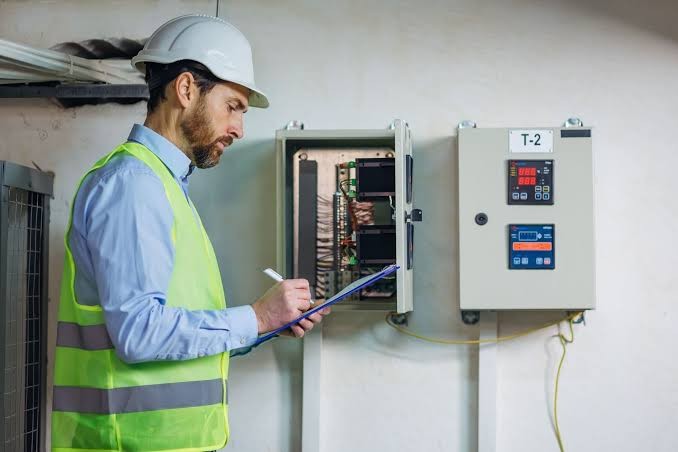
Electrical inspection and testing is the professional assessment of an electrical installation to determine whether it is safe, functional and suitable for continued operation.
An electrical inspection involves examining the visible condition of electrical components, connections, cables, distribution boards, sockets, switches and protective devices. Electrical testing goes further by using specialised equipment to measure and verify important electrical characteristics.
Together, these procedures help identify faults that may not be visible during an ordinary visual examination.
A professional electrical inspection and testing exercise may assess:
- Electrical wiring and cable installations.
- Distribution boards and consumer units.
- Circuit breakers and protective devices.
- Earthing and bonding systems.
- Electrical sockets, switches and outlets.
- Lighting circuits and fittings.
- Insulation resistance.
- Circuit continuity.
- Earth resistance and fault protection.
- Electrical loading and circuit performance.
- Residual current devices where installed.
The purpose is to identify unsafe conditions, confirm that protective measures work correctly and recommend corrective action where necessary.
2. Why Every Building Needs Electrical Inspection and Testing
Electrical inspections are not only necessary when a building develops a fault. They are an important preventive measure that helps property owners identify risks before they become serious problems.
Prevent Electrical Fires
Faulty wiring, loose connections, overloaded circuits and damaged electrical equipment can generate excessive heat and potentially cause electrical fires.
Regular inspection helps identify deteriorating cables, overheating connections, damaged sockets and other conditions that may increase fire risk.
Early detection allows property owners to arrange repairs before minor electrical defects develop into dangerous situations.
Protect Occupants from Electric Shock
Damaged insulation, exposed conductors, poor earthing and faulty electrical equipment can expose people to electric shock.
Electrical testing helps assess whether protective measures are functioning correctly and whether the installation provides appropriate protection against electrical hazards.
This is particularly important in homes, offices, schools, hospitals, hotels and other buildings used by many people.
Identify Hidden Electrical Faults
Not every electrical problem is visible. Some faults occur inside walls, distribution boards, cable connections and electrical equipment.
Professional testing can reveal problems such as deteriorating insulation, poor continuity, inadequate earthing and other electrical defects.
Identifying these issues early helps prevent unexpected failures and costly repairs.
Reduce Unexpected Electrical Breakdowns
Electrical faults can interrupt lighting, power supply, communication systems, security equipment, production machinery and other essential services.
Regular inspection helps identify components that require repair or replacement before they cause unexpected interruptions.
For businesses, this can help reduce downtime and protect productivity.
Improve Electrical System Reliability
A properly maintained electrical installation is more dependable and better suited to the building’s power requirements.
Testing helps confirm that circuits, protective devices and connections are operating as intended.
This is particularly important for commercial and industrial buildings with high electrical demand.
Support Safety and Regulatory Compliance
Building owners and operators should ensure that electrical installations are designed, installed, inspected and maintained in accordance with applicable safety requirements and relevant electrical standards.
Professional inspection helps identify conditions that may require corrective action and provides documentation that can support maintenance and safety management.
3. What Does Electrical Inspection and Testing Involve?
A professional electrical inspection and testing exercise should be appropriate to the building, the type of installation and the risks involved.
The specific tests required depend on the electrical system and applicable standards.
Visual Electrical Inspection
Visual inspection is an important first stage. An electrician examines accessible parts of the electrical installation for visible damage, poor workmanship, deterioration and unsafe conditions.
This may include checking:
- Exposed or damaged electrical cables.
- Loose or poorly secured connections.
- Burn marks and signs of overheating.
- Damaged sockets and switches.
- Distribution board condition.
- Cable routing and support.
- Suitability of electrical enclosures.
- Signs of moisture entering electrical equipment.
- Missing protective covers.
- Visible earthing and bonding arrangements.
Electrical Continuity Testing
Continuity testing checks whether electrical conductors and protective connections provide an appropriate continuous path.
It helps identify broken conductors, loose connections and interruptions that may affect the safe operation of an electrical circuit.
Protective conductor continuity is particularly important because it helps ensure that fault currents can follow the intended protective path.
Insulation Resistance Testing
Insulation resistance testing evaluates the condition of insulation between conductors and between conductors and earth, using an appropriate test instrument.
Poor insulation can allow unwanted current leakage and increase the risk of electric shock, equipment damage and electrical faults.
Testing helps identify deteriorating insulation before it causes serious problems.
Earthing and Grounding Testing
Earthing provides an important protective path for electrical fault currents.
An inspection may assess the condition and effectiveness of the earthing and bonding arrangements, including relevant connections and earth electrodes.
Depending on the installation, appropriate measurements may include earth resistance and other tests required to verify the effectiveness of the protective system.
Circuit Breaker and Protective Device Testing
Circuit breakers and other protective devices are designed to help protect electrical circuits against faults such as overloads and short circuits.
An inspection checks whether the installed devices are suitable for the circuits they protect and whether they are in good condition.
Where necessary, appropriate testing is carried out to assess their operation and protective performance.
Residual Current Device Testing
Residual Current Devices (RCDs) provide additional protection by detecting certain forms of current leakage and disconnecting the supply under specified conditions.
Where RCDs are installed, appropriate testing can help confirm that they operate within their required performance limits.
Electrical Load Assessment
Electrical load assessment examines whether circuits and distribution equipment are suitable for the electrical demand placed on them.
This is especially important in buildings where additional appliances, air conditioning units, machinery or other equipment have been installed over time.
An assessment can identify overloaded circuits and help determine whether the installation needs upgrading.
4. Electrical Components That Should Be Inspected and Tested
Different parts of an electrical installation contribute to the overall safety and reliability of a building.
| Electrical component | What should be checked |
|---|---|
| Electrical wiring | Cable condition, insulation, routing and connections |
| Distribution boards | Enclosures, connections, circuit identification and signs of overheating |
| Circuit breakers | Correct suitability, condition and protective operation |
| Earthing system | Protective conductors, bonding and earth connections |
| Sockets and switches | Damage, loose fittings, overheating and secure installation |
| Lighting systems | Wiring, connections, fittings and circuit condition |
| Electrical connections | Loose terminals, corrosion and overheating |
| RCDs | Correct installation and appropriate operation |
| Electrical equipment | Cable condition, connections and visible damage |
| Surge protection devices | Condition, status indicators and suitability where installed |
The inspection should consider the complete electrical installation rather than focusing on individual components in isolation.
5. Electrical Inspection and Testing for Residential Buildings
Residential buildings require safe and reliable electrical installations to protect occupants and household appliances.
Homes may develop electrical problems as wiring ages, appliances increase and additional electrical equipment is installed.
Professional residential electrical inspection can help identify:
- Damaged or deteriorating wiring.
- Overloaded socket circuits.
- Faulty switches and electrical outlets.
- Poor earthing arrangements.
- Defective circuit breakers.
- Loose connections.
- Inadequate electrical protection.
- Unsafe modifications to existing wiring.
- Electrical problems affecting water heaters, pumps and other appliances.
Homeowners should consider professional inspection when purchasing an existing property, completing renovations, adding major appliances or experiencing repeated electrical faults.
Rental property owners should also include electrical inspections in their property maintenance programmes to help protect tenants and maintain safe installations.
6. Electrical Inspection and Testing for Commercial Buildings
Commercial buildings often have more complex electrical installations because they support offices, retail shops, restaurants, hotels, schools, hospitals and other business activities.
These buildings may have multiple distribution boards, extensive lighting systems, air conditioning equipment, communication systems and specialised electrical appliances.
Professional commercial electrical inspection helps assess:
- Main electrical distribution systems.
- Sub-distribution boards.
- Office power circuits.
- Lighting and emergency lighting installations.
- Air conditioning electrical connections.
- Socket outlets and power distribution.
- Earthing and bonding systems.
- Electrical equipment in kitchens and service areas.
- Backup power connections.
- Electrical protection devices.
For commercial property owners and facility managers, regular inspections help reduce operational interruptions, protect employees and visitors, and support the safe operation of business facilities.
7. Electrical Inspection and Testing for Industrial Buildings
Industrial buildings require particular attention because they may contain heavy machinery, motors, production equipment, high electrical loads and specialised distribution systems.
An electrical fault in an industrial facility can result in equipment damage, production delays, workplace hazards and financial losses.
Industrial electrical inspections may cover:
- Main electrical distribution equipment.
- Industrial control panels.
- Motor control centres.
- Machinery power connections.
- Industrial sockets and outlets.
- Cable installations and containment.
- Earthing and bonding systems.
- Circuit protection.
- Generator and backup power connections.
- Electrical equipment operating in demanding environments.
Industrial inspection programmes should be planned around the facility’s operations, equipment requirements and risk assessments.
8. How Often Should Electrical Inspections Be Carried Out?
There is no single inspection interval that is suitable for every building. The appropriate frequency depends on factors such as the building’s use, age, electrical demand, environmental conditions, installation condition and applicable regulatory requirements.
A building with heavy electrical equipment or demanding operating conditions may require more frequent attention than a small residential property.
Inspections should also be considered when significant changes occur.
| Situation | Recommended action |
|---|---|
| New building construction | Inspect and test before electrical installation handover and use |
| Building renovation | Inspect affected circuits and installations before returning them to service |
| Property purchase | Arrange an electrical condition assessment before or soon after occupation |
| Repeated electrical faults | Arrange a professional inspection promptly |
| Installation of major equipment | Assess circuit capacity and protective arrangements |
| Older electrical installation | Arrange an assessment to establish its condition |
| Commercial or industrial operation | Establish a planned inspection and maintenance programme |
| Flooding, fire or physical damage | Arrange an appropriate specialist inspection before re-energising affected equipment |
The inspection schedule should be determined by a competent electrical professional in accordance with applicable requirements and the building’s risk profile.
9. Warning Signs That a Building Needs Electrical Inspection
Some electrical problems provide warning signs before a serious incident occurs.
Property owners, tenants and facility managers should not ignore the following:
- Circuit breakers that trip repeatedly.
- Burning smells near sockets or distribution boards.
- Flickering or frequently dimming lights.
- Warm or discoloured sockets and switches.
- Sparks when connecting electrical appliances.
- Buzzing or crackling sounds from electrical equipment.
- Exposed, damaged or deteriorating cables.
- Frequent power interruptions affecting individual circuits.
- Electrical equipment that overheats unexpectedly.
- Tingling sensations when touching electrical appliances or metal fittings.
These symptoms may indicate dangerous electrical faults.
If there is smoke, sparking, burning, unusual heat or a suspected electric shock hazard, keep people away from the affected area. Isolate the supply only if it is safe to do so, and contact a qualified electrical professional. Do not open distribution boards or attempt live electrical repairs yourself.
10. Why Electrical Testing Is Important After Building Construction
Electrical inspection and testing should be included in the construction process before a new building is handed over for occupation.
Even a newly installed electrical system can contain defects caused by poor workmanship, incorrect connections, unsuitable materials or installation errors.
Testing before handover helps verify that:
- Electrical circuits have been installed correctly.
- Cables and connections are in suitable condition.
- Protective conductors provide the intended continuity.
- Insulation resistance meets applicable requirements.
- Earthing and bonding arrangements are appropriate.
- Protective devices are correctly selected and tested.
- Distribution boards are properly installed and labelled.
- Electrical installations are suitable for their intended loads.
Proper inspection and testing provide greater confidence that the electrical installation is safe and ready for use.
11. Electrical Inspection During Renovations and Building Upgrades
Renovation projects often involve changes to electrical installations.
Property owners may add new rooms, install air conditioning systems, upgrade lighting, introduce additional sockets or increase the electrical capacity of existing buildings.
These changes can affect the safety and performance of the existing installation.
Electrical inspection should be considered when:
- Replacing old electrical wiring.
- Adding new electrical circuits.
- Installing additional distribution boards.
- Upgrading lighting systems.
- Installing air conditioning equipment.
- Adding water heaters and electric cooking appliances.
- Expanding commercial or industrial facilities.
- Changing the use of a building.
- Installing backup generators or other power systems.
A professional assessment helps determine whether existing circuits and protective devices can safely support the proposed changes.
12. Benefits of Professional Electrical Inspection and Testing
Investing in professional electrical inspection and testing offers several important benefits.
Improved Building Safety
Identifying electrical defects helps reduce the risk of fire, electric shock and other electrical hazards.
Early Fault Detection
Testing helps identify hidden electrical problems before they develop into major failures.
Reduced Repair Costs
Correcting minor defects early can help prevent expensive damage to electrical equipment and building infrastructure.
Better Equipment Protection
A properly assessed electrical installation helps protect appliances, machinery, lighting systems and other connected equipment.
Improved Business Continuity
For commercial and industrial properties, identifying potential electrical failures can help reduce unexpected downtime.
Better Maintenance Planning
Inspection reports provide useful information for planning repairs, upgrades and future maintenance.
Increased Property Confidence
A documented electrical condition assessment can help property owners, buyers, landlords and facility managers understand the condition of an installation.
13. Equipment Used for Electrical Inspection and Testing
Professional electricians use specialised instruments to assess different parts of an electrical installation.
Common testing equipment includes:
- Digital multimeters: Used to measure electrical values such as voltage, current and resistance.
- Insulation resistance testers: Used to assess the insulation condition of electrical circuits.
- Continuity testers: Used to check electrical continuity in conductors and connections.
- Earth resistance testers: Used to measure earth electrode resistance where applicable.
- Loop impedance testers: Used to assess relevant fault-loop impedance conditions.
- RCD testers: Used to evaluate the operation of residual current devices.
- Clamp meters: Used to measure current without disconnecting the conductor.
- Thermal imaging cameras: Used to identify abnormal heat patterns in accessible electrical equipment.
The instruments selected depend on the installation and the tests required. Testing should be performed by competent personnel using suitable, properly maintained equipment and appropriate safety procedures.
14. What Should an Electrical Inspection Report Include?
After an inspection, property owners should receive clear documentation showing what was assessed, what was tested and what action may be required.
A useful electrical inspection report should include:
- Building information: The property name, location and type of building.
- Inspection details: The inspection date and scope of work.
- Installation description: Relevant information about the electrical system.
- Inspection findings: Visible defects and unsafe conditions identified.
- Testing results: Relevant measurements and test outcomes.
- Protective equipment assessment: Findings relating to circuit breakers, RCDs and other protective devices.
- Earthing and bonding assessment: Relevant observations and test results.
- Identified risks: Electrical defects that require attention.
- Recommended corrective action: Repairs, replacements or upgrades required.
- Follow-up recommendations: Further inspection or testing where necessary.
Reports should distinguish between observations, measured results and professional recommendations. Any limitations that affected the inspection should also be recorded.
15. Common Electrical Inspection and Maintenance Mistakes
Some property owners only consider electrical inspections after a serious fault has occurred. This reactive approach can leave dangerous defects undetected.
Common mistakes include:
| Mistake | Why it is a problem |
|---|---|
| Waiting for an electrical fault | Dangerous defects may remain unnoticed |
| Ignoring repeated breaker trips | The underlying electrical problem may continue |
| Using unqualified electricians | Incorrect testing and repairs may create further hazards |
| Overlooking earthing systems | Important protective arrangements may be ineffective |
| Ignoring old wiring | Deteriorating insulation and connections can become dangerous |
| Overloading existing circuits | Excessive electrical demand can cause overheating |
| Failing to test after renovations | New work may introduce defects or overload existing circuits |
| Not keeping inspection records | It becomes difficult to track defects and maintenance history |
| Using unsuitable electrical materials | Poor-quality components can reduce installation safety and reliability |
A planned inspection programme helps avoid these mistakes and supports better electrical maintenance.
16. Choosing a Professional Electrical Inspection and Testing Company in Uganda
Choosing the right electrical service provider is important because inspection and testing require technical knowledge, suitable equipment and an understanding of electrical safety requirements.
Before engaging a company, consider the following factors.
Relevant Qualifications and Authorisation
Choose a service provider with appropriately qualified and authorised electrical personnel for the work being undertaken.
Experience with Different Building Types
A company with experience in residential, commercial and industrial electrical installations is better positioned to understand different electrical requirements.
Professional Testing Equipment
Confirm that the company uses suitable testing instruments for the inspection and testing procedures required.
Understanding of Electrical Standards
The service provider should understand applicable Ugandan requirements and relevant electrical standards for the installation.
Detailed Inspection Reports
Choose a company that provides clear findings, test results, identified defects and practical recommendations.
Ability to Recommend Corrective Work
Inspection is most useful when identified problems can be addressed through appropriate repairs, replacements or electrical upgrades.
Commitment to Safety and Quality
The company should follow safe working procedures and demonstrate a commitment to quality workmanship.
For property owners and developers in Uganda, selecting a reliable electrical service provider helps support safer buildings and more dependable electrical installations.
17. Electrical Inspection Checklist for Property Owners
Property owners and facility managers can use this checklist to identify issues that may require professional attention.
- Electrical distribution boards are accessible and properly enclosed.
- Circuit breakers and protective devices are in suitable condition.
- Electrical cables show no visible damage or deterioration.
- Sockets and switches are securely fitted.
- There are no visible signs of overheating or burning.
- Electrical circuits are properly identified.
- Earthing and bonding arrangements are maintained.
- There are no exposed live electrical parts.
- Electrical equipment is suitable for its operating environment.
- Repeated circuit interruptions have been investigated.
- Electrical changes and renovations have been professionally assessed.
- Inspection and maintenance records are available.
This checklist is not a substitute for professional electrical inspection or instrument-based testing. It is intended to help identify visible concerns and encourage timely maintenance.
18. Make Electrical Inspection Part of Your Building Maintenance Plan
Electrical inspection should not be treated as a one-time activity. It should form part of a broader building maintenance strategy.
Property owners should maintain records of electrical installations, inspections, repairs, equipment upgrades and testing results.
A practical maintenance programme should include:
- Scheduled electrical condition assessments.
- Inspection of accessible electrical components.
- Testing of relevant protective devices.
- Monitoring of recurring electrical faults.
- Prompt repair of identified defects.
- Assessment of electrical capacity before adding new equipment.
- Inspection after major renovations or electrical modifications.
- Proper documentation of completed maintenance work.
For commercial and industrial buildings, maintenance planning should also consider operational demands, critical equipment and the consequences of electrical failure.
A proactive approach helps improve safety, reduce avoidable disruptions and extend the useful life of electrical installations.
Frequently Asked Questions About Electrical Inspection and Testing
1. What is the purpose of electrical inspection and testing?
The purpose is to assess the safety and condition of an electrical installation, identify faults, verify relevant protective measures and determine whether repairs or improvements are necessary.
2. Why is electrical inspection important for buildings?
Electrical inspection helps identify problems such as damaged wiring, poor earthing, loose connections, overloaded circuits and faulty protective devices. This helps reduce electrical risks and improve system reliability.
3. How often should a building undergo electrical inspection?
The appropriate frequency depends on the building’s use, age, electrical demand, condition, environment and applicable requirements. A competent electrical professional can recommend a suitable inspection schedule.
4. What happens during electrical testing?
Testing may include continuity testing, insulation resistance testing, earthing assessments, protective device testing and other measurements appropriate to the installation.
5. Can electrical inspection prevent electrical fires?
Inspection cannot eliminate every possible fire risk, but it can help identify electrical defects that may contribute to overheating, short circuits and electrical fires.
6. Is electrical inspection necessary for newly constructed buildings?
Yes. New electrical installations should undergo appropriate inspection and testing before handover and use to identify installation defects and verify relevant safety measures.
7. Should electrical systems be inspected after renovations?
Yes. Renovations can introduce new circuits, additional electrical loads and changes to existing wiring. Inspection and testing help verify that the modified installation remains suitable and safe.
8. Who should carry out electrical inspection and testing?
Inspection and testing should be carried out by appropriately qualified and authorised electrical professionals using suitable equipment and safe working procedures.
9. What are the signs that an electrical installation needs inspection?
Warning signs include repeated circuit breaker trips, burning smells, flickering lights, warm sockets, sparks, buzzing sounds, damaged cables and unexplained electrical interruptions.
10. What is the difference between electrical inspection and electrical testing?
Electrical inspection mainly involves examining the visible condition and arrangement of an electrical installation. Electrical testing uses appropriate instruments to measure and verify electrical performance and safety characteristics. Both are important for a thorough assessment.
Conclusion: Protect Your Building with Professional Electrical Inspection and Testing
Electrical inspection and testing are essential for maintaining safe, reliable and efficient electrical installations in residential, commercial and industrial buildings.
From identifying damaged wiring and overloaded circuits to assessing earthing systems and protective devices, professional inspections help property owners detect electrical problems before they develop into serious hazards.
For homeowners, landlords, developers, business owners and facility managers in Uganda, regular electrical inspection is a practical investment in building safety, equipment protection and operational reliability.
Do not wait until an electrical fault disrupts your property or puts occupants at risk. Make professional electrical inspection and testing part of your building maintenance plan.
Looking for reliable electrical inspection and testing services in Uganda? Contact Daltrevco to discuss your building’s electrical inspection, testing, maintenance and installation requirements.

