
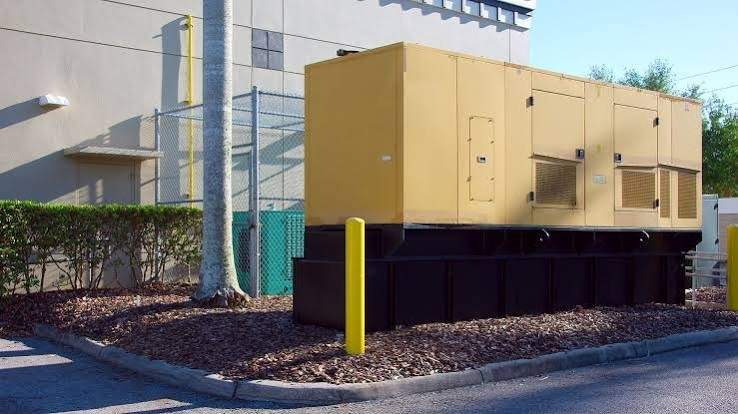
Reliable electricity is essential for the smooth operation of commercial buildings. Offices, factories, hotels, hospitals, shopping centres, warehouses, schools and other business premises depend on electrical power to operate equipment, maintain security, serve customers and support daily activities.
However, power interruptions can disrupt business operations, damage sensitive equipment, interrupt production, affect customer service and result in financial losses. For organisations that depend on continuous electricity, having a dependable backup power system is an important part of effective building and facility management.
Generator installation in Uganda provides commercial property owners with a practical way to maintain electricity supply when the main power source becomes unavailable. A properly selected and installed standby generator can support essential electrical loads, reduce operational interruptions and improve business continuity.
However, installing a generator involves more than purchasing equipment and connecting it to a building. The generator must be correctly sized, positioned, connected, protected and tested. The installation should also include suitable automatic or manual changeover equipment, fuel arrangements, ventilation, exhaust management and a maintenance plan.
At Daltrevco, we understand the importance of reliable electrical infrastructure in commercial and industrial properties. This guide explains how commercial generator systems work, the types available, the installation process, important safety considerations and how to choose a suitable backup power solution for your building.
What Is a Commercial Backup Power Generator?
A commercial backup power generator is an electrical generating system designed to supply electricity when the normal utility supply is interrupted or unavailable.
Most conventional standby generators use an internal combustion engine powered by diesel, petrol or gas, depending on the equipment selected. The engine drives an alternator, which produces electrical energy for the building.
A generator installation may operate as a standby system that starts during a power failure or as part of a more complex arrangement supporting critical operations.
A typical commercial generator installation includes:
- Generator set comprising an engine and alternator.
- Generator control panel.
- Automatic transfer switch or manual changeover equipment.
- Fuel storage and supply arrangements.
- Starting battery and charging system.
- Electrical cables and connections.
- Circuit breakers and protective devices.
- Earthing and bonding arrangements.
- Exhaust system.
- Ventilation and cooling provisions.
- Generator foundation or mounting base.
- Monitoring and safety equipment where required.
The design depends on the building’s electrical demand, the importance of its operations, the expected backup duration and the available installation space.
Why Commercial Buildings Need Backup Power Solutions
Power interruptions can affect businesses in different ways. The impact depends on the type of organisation, the equipment being used and the length of the interruption.
A properly designed backup power system helps address several operational challenges.
1. Maintaining Business Operations
Offices and commercial facilities depend on electricity for computers, communication systems, lighting, air conditioning, security equipment and other essential services.
When electricity fails, these systems may stop operating and employees may be unable to perform their duties.
A standby generator can restore power to selected building circuits, allowing important activities to continue during an interruption.
2. Protecting Business Equipment
Sudden power interruptions can disrupt equipment operation and may create risks for certain electrical and electronic systems.
A generator, together with suitable switching and electrical protection, can help maintain a stable supply arrangement for the loads it supports.
Sensitive equipment may also require additional protection, such as an appropriately designed uninterruptible power supply (UPS), voltage regulation or surge protection.
A generator should not be treated as a complete replacement for every form of electrical protection.
3. Supporting Commercial Security Systems
Commercial buildings use security systems such as CCTV cameras, access control equipment, alarm systems, electric gates and security lighting.
A power interruption can affect these systems if they do not have independent backup arrangements.
A generator can support selected security circuits, helping maintain visibility, access management and surveillance during an outage.
4. Reducing Operational Downtime
Factories, warehouses, hotels and other businesses may experience significant disruption when electricity becomes unavailable.
Production equipment may stop, computer systems may become inaccessible, refrigeration may be interrupted and customer services may be affected.
A properly planned generator installation can reduce the duration of power-related interruptions, although the actual continuity achieved depends on generator starting time, changeover arrangements and the equipment being supported.
5. Supporting Critical Building Services
Some commercial buildings depend on electrical systems that must remain available for safety, comfort and essential operations.
Depending on the building, these may include:
- Emergency lighting.
- Fire detection and alarm systems.
- Selected lifts or essential accessibility equipment.
- Security and access control.
- Water pumps.
- Critical communication equipment.
- Refrigeration and essential cooling.
- Medical or laboratory equipment.
The backup arrangements for life-safety systems must follow the applicable design and safety requirements. A general standby generator installation should not automatically be assumed to satisfy the requirements for emergency or legally required safety power.
6. Improving Business Continuity Planning
Backup power is an important consideration in business continuity planning.
Organisations can identify essential equipment, determine how much electrical capacity is required and establish how operations should continue during an interruption.
A generator installation designed around these requirements helps businesses prepare for power supply disruptions instead of responding only after an outage occurs.
Types of Generators Used in Commercial Buildings
Different generator types are available for commercial and industrial applications. The correct choice depends on power requirements, fuel availability, operating hours, installation conditions and budget.
1. Diesel Generators
Diesel generators are widely used for commercial standby and industrial backup power applications.
They are available in different capacities and configurations, making them suitable for a range of buildings, from smaller business premises to large industrial facilities.
Advantages of diesel generators include:
- Availability in a wide range of power capacities.
- Suitability for many commercial standby applications.
- Ability to support substantial electrical loads when correctly sized.
- Established servicing and maintenance practices.
- Availability of different control and monitoring options.
Diesel generators require appropriate fuel storage, ventilation, exhaust arrangements and regular maintenance. Fuel quality and storage conditions also affect reliability.
2. Petrol Generators
Petrol generators are generally associated with smaller power requirements and selected portable applications.
They may be suitable for certain small commercial premises or temporary backup needs, depending on the electrical load and required operating duration.
For large commercial buildings and extended backup requirements, the generator’s capacity, fuel consumption, operating rating and maintenance requirements should be carefully evaluated before selection.
3. Gas Generators
Gas generators use a suitable gaseous fuel, depending on the generator design and available fuel infrastructure.
They may be considered for commercial installations where a reliable fuel supply is available and the equipment is appropriate for the site’s operating requirements.
The project must account for fuel availability, supply pressure, safety provisions, ventilation and the manufacturer’s installation requirements.
4. Standby Generators
Standby generators are designed to provide backup power when the normal electricity supply fails.
They are commonly installed in offices, hotels, commercial buildings, schools and other facilities that need an alternative electricity source.
The generator starts either automatically or manually, depending on the control and changeover arrangement.
5. Prime Power Generators
Prime-rated generators are designed for applications where the generator serves as a primary or regular source of electrical power under the manufacturer’s specified operating conditions.
They may be appropriate for sites with limited or unreliable utility electricity supply.
A generator’s prime rating should not be confused with its standby rating. The intended operating duty must be established before purchasing the equipment.
6. Portable and Fixed Generators
Portable generators can be moved between locations and are often used for temporary or smaller power requirements.
Fixed generators are installed at a designated location and connected to the building through an appropriately designed electrical system.
Commercial properties that require dependable backup for substantial electrical loads will generally need a carefully planned fixed installation.
How to Choose the Right Generator Capacity for a Commercial Building
Choosing the correct generator size is one of the most important parts of a backup power project.
An undersized generator may struggle to start equipment, experience overloads or fail to support the required loads. An unnecessarily oversized generator can increase the purchase price, installation costs and operating expenses.
Generator sizing should be based on a proper electrical load assessment rather than the building’s floor area alone.
1. Identify the Electrical Loads
Start by identifying the equipment and electrical circuits that need backup power.
These may include:
- Lighting systems.
- Computers and office equipment.
- Air conditioning systems.
- Refrigeration equipment.
- Water pumps.
- Lifts where appropriate.
- Security systems.
- Production machinery.
- Communication equipment.
- Essential building services.
Not every electrical load necessarily needs to be connected to the generator. Separating essential and non-essential circuits can help control the required generator capacity.
2. Calculate the Total Power Demand
The expected electrical demand must be calculated using equipment ratings, actual operating conditions and the number of devices that may operate simultaneously.
The design should distinguish between kilowatts (kW), which represent real power, and kilovolt-amperes (kVA), which represent apparent power.
For many three-phase generator applications, the relationship is:
kW = kVA × Power Factor
For example, at a power factor of 0.8, a 100 kVA generator corresponds to 80 kW of real power at its rated operating conditions.
This does not mean that every 100 kVA generator can automatically supply any 80 kW building load. The generator’s rating, power factor, load characteristics, temperature, altitude and operating conditions must all be considered.
3. Consider Starting Currents
Some equipment draws considerably more current when starting than it uses during normal operation.
This is particularly important for:
- Electric motors.
- Air conditioning compressors.
- Water pumps.
- Refrigeration equipment.
- Industrial machinery.
- Certain workshop equipment.
The generator must be capable of handling the starting requirements of the connected equipment without unacceptable voltage or frequency disturbances.
Motor starting methods, such as soft starters or variable frequency drives, may help manage starting demand where appropriate.
4. Consider Three-Phase and Single-Phase Loads
Commercial buildings may contain both single-phase and three-phase electrical equipment.
The generator and distribution arrangement must be compatible with the building’s electrical system. The design should also consider phase loading and avoid excessive imbalance.
5. Allow for Future Expansion
A commercial building may add equipment, expand operations or increase its electrical demand in the future.
Generator selection should consider realistic future requirements without purchasing an unnecessarily large unit.
6. Check the Generator’s Operating Rating
Generators may have different ratings, including standby and prime power ratings.
These ratings describe the operating conditions and duty for which the generator is designed. They are not interchangeable.
The selected generator should match the expected frequency, duration and nature of use.
A qualified electrical professional should review the load calculations and manufacturer data before the final generator size is selected.
Automatic Transfer Switches and Generator Changeover Systems
A generator needs a suitable arrangement for transferring the building’s electrical supply between the utility source and the generator.
This is achieved using changeover equipment.
What Is an Automatic Transfer Switch?
An automatic transfer switch (ATS) is a device that monitors the normal electricity supply and transfers the connected loads to the generator when a qualifying power failure occurs.
When the normal supply returns and meets the required conditions, the ATS can transfer the loads back to the utility supply and initiate the generator’s shutdown sequence, depending on the system configuration.
A typical automatic standby sequence works as follows:
- The ATS monitors the incoming utility supply.
- A qualifying supply failure is detected.
- A start signal is sent to the generator.
- The generator starts and reaches acceptable operating conditions.
- The transfer switch connects the selected building loads to the generator.
- When utility power returns and stabilises, the system transfers the loads back.
- The generator runs through its programmed cool-down period and stops.
The actual sequence and timing depend on the equipment settings and manufacturer.
Benefits of Automatic Generator Changeover
An automatic changeover system offers several advantages:
- Reduces the need for manual intervention.
- Helps restore power to selected circuits after an outage.
- Supports business continuity.
- Provides controlled transfer between power sources.
- Can reduce disruption to building occupants.
- Supports scheduled generator testing and monitoring when the system provides these functions.
Manual Changeover Systems
Manual changeover systems require an authorised person to operate the switching equipment when the normal supply fails.
They may be suitable for smaller facilities or installations where automatic operation is not required.
The changeover equipment must be correctly rated and designed to prevent unsafe connection between the utility supply and generator.
Important: A generator must never be connected to a building through an improvised cable arrangement that could energise the utility network. Correct changeover equipment and protection are essential for the safety of occupants, electrical workers and utility personnel.
Generator Installation Process for Commercial Buildings
Professional generator installation involves several stages, from initial site assessment to testing and handover.
Step 1: Site Inspection and Electrical Assessment
The installation begins with an assessment of the building and its electrical requirements.
The inspection should establish:
- Existing electrical supply arrangement.
- Main distribution board configuration.
- Connected and maximum demand loads.
- Essential and non-essential circuits.
- Available generator installation space.
- Fuel storage requirements.
- Ventilation and exhaust requirements.
- Cable routes and installation distances.
- Access for delivery and maintenance.
- Noise and environmental considerations.
This information helps determine the generator capacity, installation location and associated electrical equipment.
Step 2: Generator Selection and System Design
After the assessment, a suitable generator is selected.
The design considers the required kVA and kW ratings, generator duty, fuel type, voltage, phase configuration, control system and expected operating conditions.
The design should also determine whether an automatic transfer switch, manual changeover, load management system or more advanced control arrangement is required.
Step 3: Selecting the Installation Location
The generator should be installed in a location that provides adequate access, ventilation, exhaust discharge and maintenance space.
The location should also consider:
- Distance from occupied areas.
- Noise transmission.
- Exhaust gas exposure.
- Fire safety.
- Fuel delivery and storage.
- Weather protection.
- Security.
- Access for maintenance and replacement.
An unsuitable location can create overheating, noise, exhaust and safety problems even when the generator itself is correctly selected.
Step 4: Preparing the Generator Foundation
Fixed commercial generators require a suitable supporting base or foundation.
The foundation must accommodate the generator’s weight, dimensions, vibration characteristics and installation conditions.
The installation may also require appropriate vibration isolation, drainage and protection against water accumulation.
Foundation design should follow the generator manufacturer’s requirements and relevant engineering considerations.
Step 5: Installing the Generator and Fuel System
The generator is positioned and secured according to the approved installation design.
Fuel storage and supply arrangements should be suitable for the generator type and expected operating duration.
For diesel installations, fuel tanks, pipes, connections and associated equipment must be installed with appropriate attention to leakage prevention, fire safety, access and environmental protection.
Fuel storage arrangements should comply with applicable requirements and manufacturer guidance.
Step 6: Installing the Changeover and Electrical Connections
The generator is connected to the building’s electrical distribution system through suitable switching and protective equipment.
This stage may include:
- Automatic transfer switch installation.
- Manual changeover installation where specified.
- Generator output circuit breaker.
- Power cable installation.
- Control cable installation.
- Earthing and bonding.
- Distribution board modifications.
- Protection coordination and system labelling.
Cable sizes and protective devices must be selected according to the generator rating, installation method, cable length, fault conditions and applicable electrical requirements.
Step 7: Ventilation and Exhaust Installation
Generators produce heat and exhaust gases during operation.
The installation must provide adequate airflow for engine cooling and combustion while safely discharging exhaust gases away from occupied areas, air intakes and other sensitive locations.
Exhaust pipes should be correctly supported and installed according to manufacturer requirements. Suitable measures should be taken to manage exhaust heat and prevent exposure to harmful gases.
Step 8: Testing and Commissioning
Before the generator is handed over, the installation should be inspected and tested.
Commissioning may include:
- Inspection of mechanical installation.
- Verification of electrical connections.
- Earthing and bonding checks.
- Battery and starting system checks.
- Fuel system inspection.
- Control panel configuration.
- Automatic or manual changeover testing.
- Voltage and frequency verification.
- Load testing where appropriate.
- Inspection of ventilation and exhaust arrangements.
- Verification of protective devices.
Testing should follow the manufacturer’s instructions and the approved commissioning procedure.
Step 9: Handover and Operating Instructions
The property owner or facility manager should receive instructions covering normal operation, emergency procedures, routine inspections and maintenance requirements.
The handover should also identify the equipment ratings, control settings, maintenance intervals and relevant technical documentation.
Generator Installation Requirements for Different Commercial Buildings
Different commercial properties have different backup power requirements. The generator should be designed around the building’s actual operations.
Generator Installation for Office Buildings
Offices require electricity for computers, servers, lighting, communication systems, access control, networking equipment and air conditioning.
A suitable backup arrangement may prioritise:
- Essential office lighting.
- IT and communication equipment.
- Selected air conditioning systems.
- Security systems.
- Essential lifts or accessibility systems where included in the design.
- Critical office equipment.
Servers and other sensitive electronic systems may require UPS support to maintain uninterrupted power during the period between utility failure and generator supply becoming available.
Generator Installation for Hotels
Hotels depend on electricity for guest comfort, kitchen equipment, water pumping, lighting, lifts, security, laundry and refrigeration.
A generator installation should identify the services that must remain available during an outage.
Load assessment is especially important because several high-demand systems may operate at the same time.
Generator Installation for Hospitals and Healthcare Facilities
Healthcare facilities have particularly important backup power requirements.
Different electrical loads may have different levels of criticality, and some medical and life-safety systems may be subject to specific emergency power requirements.
A hospital backup power design should be developed by competent professionals who understand the applicable healthcare electrical and safety requirements.
It may include generators, UPS systems, dedicated distribution arrangements, monitoring and carefully designed transfer sequences.
Generator Installation for Factories and Industrial Buildings
Factories may operate heavy machinery, production lines, pumps, compressors and other high-demand equipment.
Industrial generator selection must consider motor starting currents, load sequencing, power quality, operating duty and the consequences of production interruptions.
Some facilities may require multiple generators operating in parallel, load management or synchronisation systems.
These arrangements require specialised design, protection and control engineering.
Generator Installation for Shopping Centres and Retail Buildings
Shopping centres depend on electricity for lighting, lifts, escalators, ventilation, security, refrigeration and tenant operations.
A backup power design should distinguish between essential shared services and individual tenant loads.
This helps ensure that the generator supports the most important building functions without unnecessary capacity requirements.
Generator Installation for Schools and Educational Institutions
Schools, universities and training institutions may require backup power for administration offices, computer laboratories, security, water pumping, lighting and selected teaching facilities.
The system should be designed according to the institution’s operational priorities and the expected backup duration.
Generator Installation for Warehouses and Storage Facilities
Warehouses may require electricity for security lighting, CCTV, access control, loading equipment, ventilation and selected refrigeration systems.
Cold storage facilities need particular attention because a prolonged power interruption may affect stored products.
The generator capacity should account for refrigeration compressor starting requirements and the need for continuous or controlled operation.
Generator Installation Costs in Uganda: What Determines the Price?
The cost of installing a commercial generator in Uganda depends on the generator specification and the complexity of the installation.
A small standby installation will have different requirements from a large industrial generator project.
The main cost factors include:
1. Generator Capacity
Generator capacity is one of the main factors affecting the purchase price.
Higher-capacity generators generally cost more because they require larger engines, alternators and supporting systems.
The capacity should be based on a load assessment rather than selecting the largest generator within the available budget.
2. Generator Brand and Build Quality
Different manufacturers offer different engine designs, alternator specifications, control systems, warranties and service support.
The cost should be assessed alongside reliability, parts availability, technical support and maintenance requirements.
3. Fuel Type
Diesel, petrol and gas generators have different purchase, installation and operating considerations.
Fuel availability, consumption, storage and delivery arrangements should be considered when comparing options.
4. Automatic Transfer Switch and Control Equipment
An automatic transfer switch, generator controller, monitoring system and additional control equipment can increase the overall project cost.
The final specification depends on the required level of automation and the building’s electrical arrangement.
5. Foundation and Civil Works
The installation may require a reinforced concrete base, equipment housing, drainage improvements, access preparation or other civil works.
These costs vary according to the generator size and site conditions.
6. Electrical Cabling and Distribution Modifications
Long cable routes, large cable sizes, distribution board upgrades and additional protective devices can influence the project budget.
The electrical installation must be designed to handle the generator’s rated output safely.
7. Ventilation and Exhaust Requirements
Some installations require specialised ventilation, exhaust ducting, acoustic treatment or weather-protective structures.
The cost depends on the location and the generator’s heat and airflow requirements.
8. Fuel Storage and Installation
The fuel system may require storage tanks, pipework, monitoring equipment, containment measures and other accessories.
The required arrangement depends on the generator type and expected backup operating duration.
9. Installation Labour and Commissioning
Professional installation includes assessment, design, equipment positioning, electrical connections, testing and handover.
The budget should account for all these activities rather than considering the generator purchase price alone.
For an accurate quotation, commercial property owners should arrange a site inspection and electrical load assessment.
Generator vs Solar Backup Power: Which Is Better for Commercial Buildings?
Generators and solar power systems can both provide alternative electricity supplies, but they operate differently and serve different needs.
A generator produces electricity using fuel, while a solar power system generates electricity from sunlight and may store surplus energy in batteries.
| Consideration | Generator system | Solar and battery system |
|---|---|---|
| Energy source | Fuel | Sunlight |
| Operation at night | Yes, while fuel and operating conditions allow | Yes, when sufficient stored energy is available |
| Fuel requirement | Requires suitable fuel | Does not require generator fuel |
| Noise | Produces engine noise | Normally operates quietly |
| Maintenance | Engine, fuel and electrical servicing | Panel, battery and electrical system maintenance |
| Long-duration backup | Can operate with suitable fuel supply and servicing | Depends on solar generation and battery capacity |
| Starting and surge loads | Depends on generator rating and response | Depends on inverter and battery capability |
| Initial investment | Depends on generator capacity and installation | Depends on panels, inverter, batteries and installation |
Can Generators and Solar Systems Work Together?
Yes. Some commercial properties use hybrid backup arrangements combining solar panels, battery storage, inverters and generators.
In a properly designed system:
- Solar panels generate electricity during daylight hours.
- Batteries store energy for later use.
- The inverter supplies compatible electrical loads.
- The generator can provide backup when solar and battery capacity are insufficient or when additional power is required.
The system must be designed so that the generator, inverter, batteries and building distribution equipment operate together safely.
Not every inverter supports generator integration, and not every hybrid system can supply every building load. Compatibility, control settings, power ratings and transfer arrangements must be checked.
For some businesses, a generator-only system may be appropriate. Others may benefit from combining solar and battery storage with a generator to reduce fuel consumption and improve energy flexibility.
Essential Safety Considerations for Commercial Generator Installation
Generator installations involve fuel, electrical energy, moving machinery, heat, noise and exhaust gases. Safety must be considered throughout the design and installation process.
Proper Earthing and Bonding
The generator and associated electrical installation must have an appropriate earthing and bonding arrangement.
The correct configuration depends on the generator design, changeover equipment, neutral switching arrangement and building electrical system.
Earthing should be designed and tested by competent electrical personnel.
Electrical Protection
Suitable circuit breakers and protective devices must be selected for the generator and connected circuits.
Protection coordination should consider overloads, short circuits, earth faults and the characteristics of the generator.
Safe Exhaust Discharge
Generator exhaust contains harmful gases, including carbon monoxide.
Exhaust gases must be discharged safely away from occupied spaces, windows, doors, ventilation intakes and pedestrian areas.
Generators should never be operated in enclosed or poorly ventilated spaces unless the installation is specifically designed for safe operation under the applicable requirements.
Adequate Ventilation and Cooling
The generator room or enclosure must provide sufficient airflow for combustion and cooling.
Inadequate ventilation can cause overheating, reduced performance and equipment damage.
Fire Safety and Fuel Management
Fuel storage and handling require appropriate precautions.
The installation should consider fuel leakage prevention, suitable containment, safe access, fire protection and emergency procedures.
Smoking and ignition sources must be controlled around fuel storage and generator operating areas.
Noise and Vibration Control
Generators can create noise and vibration that affect nearby offices, homes and other occupied areas.
Appropriate positioning, vibration isolation, acoustic enclosures and exhaust silencers can help manage these effects.
Weather and Environmental Protection
Outdoor installations should protect electrical components and control equipment against rain, dust, moisture and other environmental exposure.
The enclosure should also provide suitable ventilation and should not obstruct required maintenance access.
Professional Installation and Testing
Generator connections and changeover equipment should be installed and tested by competent professionals.
Improvised connections can create serious risks, including electric shock, fire and dangerous back-feeding into the utility network.
Generator Maintenance for Reliable Backup Power
Installing a generator is only the beginning. Regular maintenance is essential for ensuring that the system remains ready when needed.
A generator that has not been inspected or tested may fail to start during a power interruption.
Important maintenance activities include:
Engine Oil and Filter Inspection
Engine oil lubricates moving components and helps reduce wear.
Oil levels, oil condition and filter replacement should follow the manufacturer’s maintenance schedule.
Fuel System Inspection
Fuel quality and storage conditions affect generator reliability.
The fuel system should be checked for leaks, contamination, water accumulation and other problems.
Battery and Starting System Checks
The starting battery, charging arrangement and electrical connections should be inspected regularly.
A weak battery can prevent the generator from starting when required.
Cooling System Maintenance
Cooling systems should be inspected to ensure that the generator operates within the manufacturer’s specified temperature range.
Coolant levels, hoses, radiators, fans and airflow arrangements should be checked as applicable.
Air Filter Inspection
Air filters prevent dust and other particles from entering the engine.
Dirty or damaged filters can affect performance and should be serviced according to the manufacturer’s recommendations.
Electrical System Inspection
The alternator, output connections, control panel, circuit breakers and associated wiring should be inspected by competent personnel.
Any unusual readings, loose connections or signs of overheating should be investigated.
Routine Generator Testing
Generators should be tested periodically according to the manufacturer’s instructions and the building’s maintenance plan.
Testing may include starting checks, automatic changeover operation and controlled load testing.
Where a generator regularly operates under very light loads, the maintenance plan should address the manufacturer’s recommendations for operating conditions and periodic load testing.
Record Keeping
Facility managers should maintain records of:
- Operating hours.
- Maintenance dates.
- Oil and filter changes.
- Fuel system inspections.
- Battery replacements.
- Faults and repairs.
- Test results.
- Load testing.
- Parts replaced.
Good maintenance records help identify recurring problems and plan future servicing.
Common Generator Installation Mistakes to Avoid
A poorly designed generator installation can lead to unreliable operation, excessive costs and safety problems.
Avoid these common mistakes:
- Choosing the wrong generator size: An undersized generator may not support the required loads, while an oversized unit may increase purchase and operating costs.
- Ignoring motor starting currents: Pumps, compressors and industrial motors can have high starting demands.
- Installing unsuitable changeover equipment: The transfer switch must be compatible with the generator and building electrical system.
- Poor generator positioning: Restricted access, inadequate ventilation and unsafe exhaust discharge can create serious problems.
- Ignoring earthing and electrical protection: Incorrect earthing and unsuitable protective devices can expose people and equipment to danger.
- Underestimating fuel requirements: The fuel arrangement should support the expected backup duration.
- Failing to plan for maintenance: The generator must remain accessible for inspection, servicing and repairs.
- Ignoring noise and vibration: Poor positioning can create disturbance and structural problems.
- Connecting sensitive equipment without considering power quality: Some electronic equipment may require UPS systems or additional protection.
- Failing to test the installation: Commissioning is necessary to verify generator operation, changeover performance and electrical safety.
How to Choose a Generator Installation Company in Uganda
Selecting a competent installation company is important because the quality of the installation affects generator safety, performance and long-term operating costs.
Before engaging an installer, consider the following:
Technical Experience
Look for a company with relevant experience in electrical installations and generator backup systems for commercial properties.
The installer should understand generator ratings, electrical load calculations, changeover systems, protection and commissioning.
Proper Site Assessment
A professional company should inspect the building and establish its electrical requirements before recommending a generator.
Be cautious of recommendations based only on building size or a brief visual assessment.
Generator Sizing and Design Capability
The installer should be able to explain how the generator capacity was selected and which building loads will be supported.
Safety and Installation Standards
The company should demonstrate an understanding of electrical safety, fuel handling, ventilation, exhaust arrangements, earthing and protective equipment.
After-Installation Support
Ask about commissioning, maintenance schedules, warranty arrangements, technical support and availability of replacement parts.
Clear Project Quotation
A quotation should identify the generator specification, changeover equipment, cables, foundation work, fuel arrangements, installation labour, testing and other relevant items.
A clear quotation helps property owners understand the full scope of the project.
Why Choose Daltrevco for Generator Installation and Backup Power Solutions?
Daltrevco provides construction, electrical and building-related solutions for residential, commercial and industrial properties in Uganda.
We recognise that every commercial building has different power requirements. An office may need backup for IT equipment and essential lighting, while a factory may require a higher-capacity system capable of supporting selected production machinery.
Our approach focuses on understanding the property’s electrical needs and identifying a suitable installation arrangement.
Daltrevco can assist with generator and backup power projects involving:
- Commercial electrical installation planning.
- Assessment of backup power requirements.
- Generator capacity and equipment selection.
- Generator installation coordination.
- Electrical cabling and connections.
- Changeover and distribution arrangements.
- Earthing and electrical protection considerations.
- Testing and commissioning.
- Backup power maintenance planning.
Whether you are installing a standby generator for an office, upgrading the backup system in a hotel, supporting an industrial facility or planning power resilience for a commercial development, Daltrevco can help you assess the requirements of your project.
Visit https://www.daltrevco.com/ to contact Daltrevco and discuss your generator installation and backup power requirements.

