
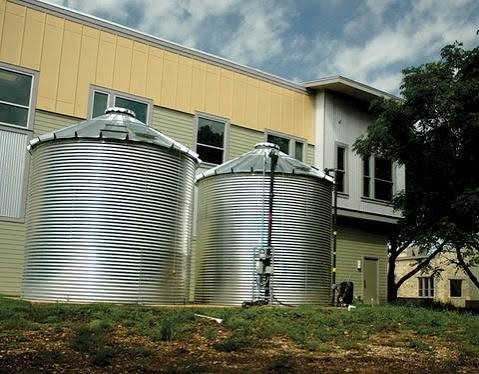
A reliable water supply system is one of the most important components of any residential or commercial building. Whether constructing a family home, apartment complex, office block, hotel, hospital, school, shopping centre or industrial facility, a properly designed water supply system ensures consistent access to clean water for drinking, cooking, cleaning, sanitation and daily operations.
In Uganda, reliable water distribution is essential for modern building construction. Residential developments, commercial properties and industrial facilities require efficient water supply infrastructure that can meet daily consumption demands, maintain adequate pressure and provide dependable service even when the main water supply becomes inconsistent.
A professionally installed water supply system goes beyond connecting pipes to a water source. It involves assessing water demand, selecting appropriate pipe materials, determining storage capacity, installing pumps, managing water pressure and distributing water efficiently throughout the building.
Poorly designed water supply systems can result in low water pressure, frequent interruptions, leaking pipes, inadequate storage, water contamination and expensive maintenance problems. These challenges can be avoided through proper planning, quality materials and professional installation.
At Daltrevco, we understand the importance of properly planned building utility infrastructure in creating functional and dependable properties. This guide explains the different types of water supply systems, their components, design considerations, installation procedures, maintenance requirements and factors affecting installation costs in Uganda.
What Is a Building Water Supply System?
A building water supply system is an arrangement of pipes, storage tanks, pumps, valves, fittings and distribution equipment designed to deliver water from an approved source to different points within a property.
The system ensures that water reaches bathrooms, kitchens, laundry areas, cleaning points, offices, production areas and other facilities where it is required.
Depending on the building’s design and water consumption requirements, a water supply system may include:
- Main water supply connections.
- Underground water distribution pipes.
- Water meters and control valves.
- Water storage tanks.
- Booster pumps.
- Pressure control equipment.
- Hot and cold water distribution pipes.
- Water filtration and treatment equipment where required.
- Distribution manifolds and pipe fittings.
- Backflow prevention devices.
- Plumbing fixtures and connection points.
The design must ensure that water is delivered at suitable pressure and in sufficient quantities to meet the building’s operational requirements.
Importance of Reliable Water Supply Systems in Buildings
Water supply infrastructure plays a fundamental role in the functionality, hygiene and long-term performance of residential and commercial properties.
1. Consistent Access to Clean Water
A properly designed water supply system ensures that occupants have access to water for drinking, cooking, washing, cleaning and sanitation.
For commercial properties, a reliable water supply is essential for maintaining business operations and providing appropriate facilities for employees, customers and visitors.
2. Improved Hygiene and Sanitation
Reliable water distribution supports handwashing, toilet flushing, bathing, cleaning and other essential sanitation activities.
This is particularly important in hospitals, schools, hotels, restaurants and other buildings that accommodate large numbers of people.
3. Adequate Water Pressure
A properly designed distribution network ensures that water reaches all required outlets at suitable pressure.
This is particularly important in multi-storey buildings where water must be distributed to upper floors without compromising performance on lower levels.
4. Reduced Water Supply Interruptions
Water storage tanks and suitable pumping arrangements can provide backup capacity when the main supply is interrupted.
This helps homes and businesses maintain access to water during temporary supply disruptions.
5. Improved Building Efficiency
Efficient water distribution reduces unnecessary water losses, improves plumbing performance and supports the smooth operation of building facilities.
6. Protection of Building Infrastructure
Correct pipe installation, pressure management and leak detection help prevent water damage to walls, ceilings, floors and structural elements.
7. Increased Property Value
Buildings with dependable water infrastructure, suitable storage facilities and professionally installed plumbing systems are more attractive to buyers, tenants and commercial investors.
Types of Water Supply Systems for Residential and Commercial Buildings
Different buildings require different water supply arrangements depending on their size, location, water source, height and consumption requirements.
1. Direct Water Supply Systems
A direct water supply system distributes water directly from the main supply network to plumbing fixtures within the building.
This arrangement depends on sufficient pressure and consistent availability from the incoming water source.
Advantages include:
- Simple system configuration.
- Reduced dependence on storage tanks.
- Fewer mechanical components.
- Potentially lower initial installation costs.
Limitations:
- Dependent on the reliability of the main supply.
- May experience low pressure during peak demand.
- May not be suitable for tall buildings without additional pressure management.
Direct supply is suitable where the incoming supply has sufficient capacity and pressure for the building’s requirements.
2. Indirect Water Supply Systems
An indirect water supply system uses storage tanks to hold water before distributing it to different areas of the building.
Water may enter the storage tank from a municipal connection, borehole or another approved source.
The stored water is then distributed through gravity or pumping equipment.
Advantages include:
- Provides reserve water during supply interruptions.
- Helps manage fluctuations in incoming water pressure.
- Supports buildings with higher water consumption.
- Allows additional water treatment where necessary.
Indirect systems are commonly considered for residential developments, hotels, commercial buildings and properties with inconsistent incoming water supply.
3. Gravity-Fed Water Supply Systems
Gravity-fed systems distribute water from an elevated storage tank to lower parts of a building.
Water flows through the pipe network under gravitational pressure.
Advantages include:
- Can operate without continuous pump operation.
- Provides water during certain electrical outages.
- Has relatively simple operating requirements.
- Can reduce dependence on mechanical pumping.
However, the available pressure depends on the vertical distance between the tank’s water level and the outlets.
Gravity-fed systems may require additional pressure management or pumping equipment in larger buildings.
4. Pumped Water Supply Systems
Pumped water supply systems use mechanical pumps to move water from storage tanks or other sources into the building distribution network.
They are particularly useful in multi-storey buildings and properties where gravity alone cannot provide sufficient pressure.
Advantages include:
- Supports higher buildings.
- Helps maintain suitable water pressure.
- Can accommodate large distribution networks.
- Provides flexibility in system design.
Pump selection must consider required flow rate, pressure, building height, pipe losses and expected water demand.
5. Combined Water Supply Systems
Combined systems use a combination of storage tanks, pumps and gravity distribution.
For example, water may be pumped into an elevated tank and then supplied to the building through gravity.
Other arrangements may use break tanks, booster pumps and pressure-controlled distribution zones.
These systems are useful where buildings require reliable supply, adequate pressure and backup storage.
Main Components of a Building Water Supply System
Every water supply system consists of interconnected components that work together to distribute water safely and efficiently.
1. Water Source
The water source is the starting point of the supply system.
Common sources in Uganda include:
- National or municipal water supply networks.
- Boreholes.
- Protected springs.
- Other approved water sources.
The suitability of the source should be assessed based on availability, water quality, supply capacity and applicable regulatory requirements.
2. Water Storage Tanks
Water storage tanks provide reserve capacity for buildings that experience inconsistent water supply or have significant daily consumption.
Common tank options include:
- Plastic polyethylene tanks.
- Steel storage tanks.
- Reinforced concrete water reservoirs.
- Other appropriately designed commercial storage systems.
Storage capacity should be determined according to expected demand, supply reliability, available space and operational requirements.
Tanks should be properly covered, protected from contamination and accessible for inspection and cleaning.
3. Water Pumps
Water pumps move water from the source or storage tank into the building distribution system.
Common options include:
Centrifugal pumps: Used in many building water supply and transfer applications.
Booster pumps: Increase pressure within distribution networks.
Submersible pumps: Used in suitable borehole and submerged water transfer applications.
Multistage pumps: Suitable for applications requiring higher pressure.
The pump must be selected according to the required flow rate, pressure, suction conditions and operating requirements.
4. Water Supply Pipes
Pipes distribute water from the main supply or storage tanks to the building’s outlets.
Common materials include:
- PPR pipes.
- HDPE pipes.
- uPVC pipes where appropriately rated.
- Copper pipes.
- Approved multilayer piping systems.
The selected pipe material should be suitable for the intended water supply application, pressure, temperature and installation environment.
5. Valves and Fittings
Valves regulate water flow and allow different sections of the system to be isolated during maintenance.
Common components include:
- Gate valves.
- Ball valves.
- Check valves.
- Pressure-reducing valves.
- Float valves.
- Isolation valves.
- Pipe connectors and fittings.
Proper valve placement makes maintenance easier and reduces unnecessary water interruptions.
6. Water Filtration and Treatment Equipment
Water treatment equipment improves water quality where the source requires additional treatment.
Depending on the water quality assessment, treatment may include sediment filtration, activated carbon filtration, disinfection or other appropriate processes.
Treatment systems should be selected according to laboratory water quality results and the intended use of the water.
7. Pressure Control Equipment
Pressure control equipment helps maintain suitable water pressure throughout the building.
It may include pressure switches, pressure sensors, pressure-reducing valves, expansion vessels and booster pump controllers.
Correct pressure management protects the plumbing network and improves the performance of connected fixtures.
Water Supply System Design for Residential Buildings
Residential water supply systems must provide reliable water for household activities while remaining efficient and easy to maintain.
The design depends on the size of the house, number of occupants, number of bathrooms, kitchen facilities, available water source and expected daily consumption.
Water Supply for Single-Family Homes
A typical residential water supply system provides water to:
- Kitchen sinks.
- Bathroom showers.
- Washbasins.
- Toilets.
- Laundry areas.
- Outdoor taps.
- Garden irrigation points where required.
The system may connect directly to the main water supply or incorporate storage tanks and pumps where necessary.
Water Supply for Apartments
Apartment buildings require more complex distribution networks because several households may use water simultaneously.
Important design considerations include:
- Shared or individual storage arrangements.
- Water meters where required.
- Vertical distribution pipes.
- Pressure management between floors.
- Individual isolation valves.
- Adequate water storage capacity.
Proper design helps ensure that upper-floor apartments receive sufficient water pressure without creating excessive pressure in lower-level units.
Water Supply for Multi-Storey Residential Buildings
Tall residential buildings may require booster pumps, pressure zoning, break tanks and specialised distribution arrangements.
These systems should be designed to provide reliable water pressure while protecting pipes and fixtures from excessive pressure.
Water Supply Systems for Commercial Buildings
Commercial buildings generally require larger and more sophisticated water supply infrastructure because of their higher occupancy and operational demands.
1. Office Buildings
Office complexes require water for washrooms, kitchenettes, cleaning, staff facilities and other building operations.
Their systems may include storage tanks, booster pumps, distribution risers and pressure control equipment.
2. Hotels and Resorts
Hotels require reliable water supply for guest bathrooms, restaurants, kitchens, laundries, swimming pools and staff facilities.
Hot water distribution is especially important in hospitality facilities.
3. Hospitals and Healthcare Facilities
Hospitals require carefully designed water supply systems to support patient care, handwashing, sanitation, cleaning and specialised clinical activities.
Water quality management, backflow prevention, appropriate hot water controls and continuity of supply are particularly important.
Some healthcare facilities may require dedicated water treatment or specialist distribution systems depending on their services.
4. Schools and Universities
Educational institutions require water supply systems that can serve students, teachers, kitchens, laboratories, washrooms and cleaning facilities.
Designers should consider peak usage periods and sufficient storage to support daily activities.
5. Shopping Malls and Commercial Centres
Shopping centres require water distribution for public washrooms, restaurants, food courts, retail facilities and cleaning operations.
Their systems must accommodate fluctuating visitor numbers and varying water consumption demands.
6. Industrial Buildings and Factories
Industrial properties may require water for production, equipment cooling, cleaning, sanitation and other specialised operations.
The water quality, pressure and quantity requirements depend on the manufacturing process.
Some industrial facilities may need separate process water networks and dedicated treatment systems.
Step-by-Step Water Supply System Installation Process
Professional water supply installation requires proper planning, suitable materials, experienced personnel and careful coordination with other construction activities.
Step 1: Site Assessment and Water Source Evaluation
The first stage involves examining the construction site and identifying the available water source.
The assessment considers:
- Availability of municipal water.
- Borehole or alternative water sources.
- Existing water pressure.
- Expected daily water consumption.
- Building dimensions and number of floors.
- Location of storage tanks and pump rooms.
- Water quality requirements.
This information provides the foundation for developing an appropriate water supply design.
Step 2: Water Demand Calculations and System Design
The plumbing design team estimates the building’s expected water consumption and determines the required system capacity.
The design establishes:
- Pipe diameters.
- Storage tank capacity.
- Pump specifications.
- Distribution routes.
- Required water pressure.
- Valve positions.
- Water treatment requirements.
- Hot and cold water connections.
For large developments, the design should be prepared or reviewed by appropriately qualified building services professionals.
Step 3: Selection of Plumbing Materials and Equipment
Suitable pipes, fittings, tanks, pumps and control equipment are selected according to the approved design.
Materials should meet relevant specifications and be appropriate for the operating pressure, temperature and water quality.
Step 4: Installation of Underground Water Pipes
Underground supply pipes are installed during the appropriate stages of construction.
Installation should include suitable bedding, protection, connection methods and provision for maintenance.
Pipes should be inspected and tested before trenches are backfilled.
Step 5: Installation of Water Storage Tanks
Storage tanks are installed in suitable locations such as designated ground-level tank areas, plant rooms or properly designed elevated platforms.
The supporting structure must be designed for the full operating load of the tank.
Inlet, outlet, overflow, drain and access arrangements should be properly installed.
Step 6: Installation of Water Pumps
Pumps are installed according to the system design and manufacturer recommendations.
Installation should consider:
- Correct pump positioning.
- Suitable foundations.
- Electrical supply and protection.
- Isolation valves.
- Check valves.
- Pressure controls.
- Appropriate suction and discharge pipework.
Where continuous water supply is critical, a standby pump may be considered.
Step 7: Internal Water Distribution Installation
Internal pipework is installed through designated service routes, walls, ceilings and floor spaces.
Water distribution lines are connected to bathrooms, kitchens, washrooms, equipment and other outlets.
The installation should be coordinated with electrical and structural services.
Step 8: Installation of Water Treatment and Pressure Control Equipment
Where required, filtration units, water treatment equipment, pressure-reducing valves and booster control systems are installed.
These components should be configured according to the building’s water quality and pressure requirements.
Step 9: System Testing and Inspection
Before pipework is concealed or the building is occupied, the water supply installation should undergo appropriate inspection and testing.
This may include:
- Pressure testing.
- Leak detection.
- Pump operation testing.
- Tank and float valve inspection.
- Water flow verification.
- Pressure control checks.
- Water quality testing where required.
Any defects identified should be corrected before commissioning.
Step 10: Commissioning and Handover
The final stage involves confirming that the complete water supply system operates as designed.
Relevant test records, equipment manuals, as-built drawings and maintenance instructions should be provided to the building owner or facility manager.
Water Storage Tank Installation: What Should Property Owners Consider?
Water storage tanks are important in buildings where the main supply is inconsistent or where demand requires reserve capacity.
However, selecting and installing a tank requires more than choosing a container of a particular size.
1. Correct Tank Capacity
Tank capacity should be based on expected consumption, supply interruptions, occupancy and available replenishment rates.
Oversized storage can increase costs and create water quality management challenges if water remains stagnant for long periods.
2. Suitable Installation Location
The tank should be located where it can be safely supported, inspected, cleaned and maintained.
Elevated tanks require structurally adequate support designed for the full tank load.
3. Tank Material and Quality
The tank material should be suitable for water storage and should not adversely affect water quality.
4. Proper Inlet and Outlet Connections
The tank should have correctly installed inlet, outlet, overflow and drain connections.
Float valves and suitable level controls help regulate water replenishment.
5. Protection Against Contamination
Storage tanks should be covered and protected from insects, dust, surface runoff and other contamination sources.
Routine cleaning and inspection are essential.
Water Pump Installation for Residential and Commercial Buildings
Water pumps are essential where the incoming supply cannot deliver the required flow or pressure.
Choosing the correct pump is important for system efficiency and reliability.
Factors to Consider When Selecting a Water Pump
Required flow rate: The pump must deliver sufficient water for the building’s expected demand.
Total pumping head: This includes the vertical lift and pressure losses through pipes, valves and fittings.
Building height: Multi-storey properties may require higher pumping pressure and pressure zoning.
Power supply: Pump selection should consider the available electrical supply and operational requirements.
Energy efficiency: Efficient pump selection and control reduce long-term electricity consumption.
Standby requirements: Critical commercial facilities may require backup pumping arrangements.
Proper pump sizing prevents problems such as inadequate pressure, excessive energy use and frequent equipment failure.
Common Water Supply Problems in Residential and Commercial Buildings
Even well-designed water systems require proper installation and maintenance. Several problems can affect their performance.
1. Low Water Pressure
Low pressure may be caused by undersized pipes, leaking connections, blocked filters, inadequate pump capacity or insufficient incoming pressure.
Solution: Inspect the distribution system, assess water demand and verify pump and pressure control performance.
2. Frequent Water Supply Interruptions
Interruptions may result from unreliable municipal supply, insufficient storage capacity or pump breakdowns.
Solution: Assess water storage requirements, consider suitable alternative approved water sources and provide reliable pumping arrangements where necessary.
3. Water Leakage
Leaks may develop due to poor pipe connections, damaged fittings, excessive pressure or unsuitable materials.
Solution: Identify and isolate the affected section, replace defective components and investigate the underlying cause.
4. Pump Failure
Pump failures may result from mechanical wear, electrical problems, dry running, overheating or poor maintenance.
Solution: Conduct regular pump servicing, install appropriate protection devices and ensure that the equipment is correctly selected.
5. Water Contamination
Contamination can occur through poorly protected tanks, defective connections, backflow or unsuitable water treatment.
Solution: Protect storage tanks, maintain proper separation from contamination sources, install appropriate backflow prevention and conduct water quality testing.
6. Excessive Water Consumption
High water bills may result from leaking pipes, faulty toilets, inefficient fixtures or poor water management.
Solution: Monitor consumption, inspect plumbing fixtures and repair leaks promptly.
Maintenance of Building Water Supply Systems
Regular maintenance is necessary to preserve water quality, ensure reliable distribution and extend equipment lifespan.
A preventive maintenance programme should include the following activities.
Inspect Pipes and Connections
Check exposed pipework, joints and fittings for leaks, corrosion and physical damage.
Clean Water Storage Tanks
Inspect and clean tanks at suitable intervals to prevent sediment accumulation and contamination.
Service Water Pumps
Inspect pump operation, pressure settings, seals, vibration, electrical connections and control equipment according to manufacturer recommendations.
Check Valves and Pressure Controls
Ensure isolation valves, float valves, check valves and pressure control equipment function correctly.
Monitor Water Quality
Where required, conduct water quality testing to verify that the supply remains suitable for its intended use.
Inspect Water Filters
Clean or replace filter elements according to manufacturer recommendations and actual water quality conditions.
Monitor Water Consumption
Compare water consumption records and investigate unexpected increases that may indicate leakage or inefficient operation.
How to Improve Water Efficiency in Residential and Commercial Buildings
Water efficiency helps reduce operating expenses, conserve water resources and improve building sustainability.
Property owners can improve water efficiency through several measures.
- Install water-efficient taps and showerheads.
- Use dual-flush or other suitable water-efficient toilets.
- Repair leaking pipes and plumbing fixtures promptly.
- Install water meters to monitor consumption.
- Use efficient pumps and suitable automatic controls.
- Consider rainwater harvesting for appropriate non-potable uses.
- Install suitable filtration systems where necessary.
- Maintain water storage tanks and distribution equipment.
- Use automatic shut-off valves in suitable applications.
- Educate occupants and facility staff about responsible water use.
For large commercial buildings, a water management programme can identify major consumption areas and opportunities for reducing waste.
Factors Affecting Water Supply System Installation Costs in Uganda
The cost of installing a water supply system depends on the size, design and operational requirements of the building.
Important cost factors include:
Building size: Larger buildings require more extensive pipework and distribution infrastructure.
Number of occupants: Higher occupancy increases expected water demand and storage requirements.
Water source: Municipal connections, boreholes and alternative sources have different installation requirements.
Storage tank capacity: Larger tanks and specialised storage arrangements increase material and installation costs.
Pump requirements: The number, type and capacity of pumps influence project expenditure.
Pipe materials: Different materials have different supply and installation costs.
Building height: Multi-storey properties may require additional pumping equipment, pressure zoning and distribution risers.
Water treatment requirements: Filtration and treatment equipment add to installation costs where necessary.
Installation complexity: Underground pipework, difficult site conditions and specialised building requirements can increase labour costs.
How to Obtain an Accurate Water Supply Installation Quotation
Property owners and developers should provide contractors with architectural drawings, building dimensions, expected occupancy and details of the available water source.
A professional quotation should specify the required pipes, tanks, pumps, valves, fittings, labour, testing and commissioning activities.
Comparing quotations based on technical specifications, material quality and installation scope helps ensure value for money.
Why Professional Water Supply System Installation Matters
Water supply systems are essential building infrastructure and should not be treated as ordinary pipe-fitting work.
Professional installation offers several advantages:
- Proper water demand calculations.
- Correct pipe sizing and distribution design.
- Appropriate water storage capacity.
- Reliable pump selection and installation.
- Better water pressure management.
- Reduced risk of leakage and contamination.
- Improved water efficiency.
- Easier maintenance and equipment servicing.
- Better coordination with other building services.
- Long-term system reliability.
For residential homeowners, professional installation improves household convenience and protects property infrastructure.
For commercial property developers, it supports operational continuity, sanitation and efficient building management.
Why Choose Daltrevco for Building Construction and Utility Projects?
A reliable building requires properly planned construction and utility installations that work together effectively.
Daltrevco provides construction-related solutions for property owners, developers and businesses in Uganda.
When developing a residential or commercial property, water supply requirements should be incorporated into the initial construction plans. This helps ensure that the building has suitable water distribution, storage, pumping and plumbing arrangements.
Whether you are planning a residential house, apartment complex, hotel, office block, school, hospital, shopping centre or industrial facility, proper building utility planning is essential.
Contact Daltrevco to discuss your building and construction requirements and explore solutions for your next project.
Website: https://www.daltrevco.com/
Frequently Asked Questions About Water Supply Systems
1. What Is a Water Supply System in a Building?
A building water supply system is a network of pipes, tanks, pumps, valves and other equipment used to deliver water from an approved source to different fixtures and facilities within a property.
2. What Are the Different Types of Building Water Supply Systems?
Common arrangements include direct supply systems, indirect supply systems, gravity-fed systems, pumped systems and combined water supply systems.
3. What Is the Best Water Supply System for a Residential Building?
The best system depends on water availability, incoming pressure, household demand, building height and budget. A direct system may work where supply is reliable, while a storage-based system may be more appropriate where interruptions are common.
4. How Do Water Supply Systems Work in Multi-Storey Buildings?
Multi-storey buildings typically use storage tanks, booster pumps, distribution risers and pressure management equipment to deliver water to different floors at suitable pressure.
5. How Do I Calculate Water Storage Tank Capacity for a Building?
Tank capacity is determined by expected daily consumption, number of occupants, supply reliability, replenishment rates and the required reserve period. Commercial and specialised facilities may require additional calculations based on their operations.
6. Which Pipes Are Best for Building Water Supply?
PPR, HDPE, appropriately rated uPVC, copper and approved multilayer piping systems can be used for different water supply applications. Selection depends on pressure, temperature, water quality and installation conditions.
7. Why Does a Building Experience Low Water Pressure?
Common causes include undersized pipes, pump problems, blocked filters, leaks, inadequate incoming supply and incorrect pressure control settings.
8. How Often Should Water Storage Tanks Be Cleaned?
Cleaning frequency should be based on water quality, tank condition, usage and applicable public health guidance. Tanks should be inspected regularly and cleaned whenever necessary to maintain water quality.
9. Can Rainwater Be Used in Building Water Supply Systems?
Yes. Properly collected, stored and treated rainwater can be used for suitable non-potable purposes such as toilet flushing, irrigation and external cleaning. Potable use requires appropriate treatment and verification of water quality.
10. How Can Water Supply Systems Reduce Building Operating Costs?
Buildings can reduce water-related expenses by installing efficient fixtures, repairing leaks, using appropriately sized pumps, monitoring consumption and maintaining storage and distribution equipment.
Conclusion
Water supply systems are fundamental to the functionality, safety and efficiency of residential and commercial buildings. From the initial water source and storage arrangements to pumps, distribution pipes, pressure controls and treatment equipment, every component must be properly selected, designed and installed.
In Uganda, property developers, homeowners and businesses need reliable water supply infrastructure that can accommodate changing demand, maintain suitable pressure and support long-term building operations.
Investing in professional water supply system design, quality materials, proper installation and preventive maintenance helps reduce water interruptions, prevent costly repairs and improve overall building performance.
Whether constructing a residential home, apartment complex, hotel, office building, hospital, school or industrial facility, make water supply planning an essential part of your construction project.
Choose the right water supply system, install it professionally and maintain it consistently to ensure reliable water distribution for years to come.

