
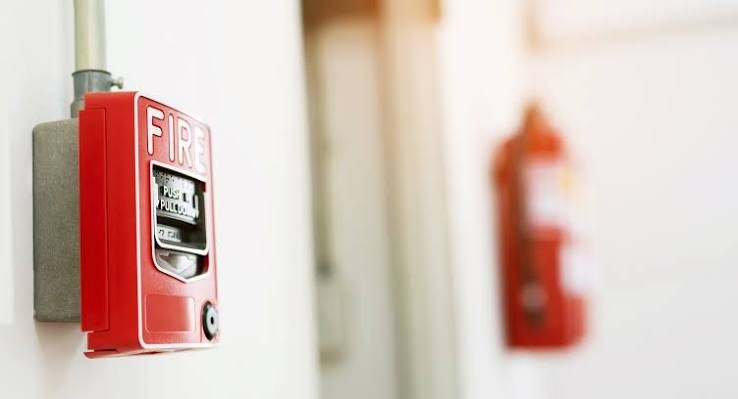
Fire safety is a critical requirement in buildings that accommodate large numbers of people, valuable equipment and essential business operations. Hotels, hospitals and shopping centres have different fire risks, building layouts and occupancy requirements. However, they all need reliable fire protection systems to help detect fires early, alert occupants, support safe evacuation and reduce potential property damage.
A fire in a hotel can put guests and employees at risk, particularly when people are sleeping or unfamiliar with the building. In hospitals, fires can threaten patients who may have limited mobility or require medical assistance during evacuation. Shopping centres also present significant fire safety challenges because they accommodate large numbers of visitors, retail businesses, restaurants, storage facilities and electrical installations.
Installing suitable fire protection systems for hotels, hospitals and shopping centres is therefore an important part of building design, construction, maintenance and safety management.
In Uganda, property developers, hotel operators, hospital administrators, shopping centre owners and facility managers should consider fire protection from the earliest stages of project planning.
Daltrev Co. Ltd supports building projects through utilities works, building installations and fire protection-related product solutions. Its utility product categories include fire alarm panels, smoke detectors, heat detectors, fire extinguishers, water hydrants, fire pumps, fire hose reels and sprinkler heads.
This guide explains the essential fire protection systems required in hotels, hospitals and shopping centres, how they work, installation considerations, maintenance requirements and factors that influence fire protection costs in Uganda.
What Are Fire Protection Systems?
Fire protection systems are equipment, installations and safety arrangements designed to detect, control, contain or help extinguish fires and protect people and property.
A complete fire protection strategy combines different systems that perform specific functions.
These systems may include:
- Fire alarm and detection systems.
- Smoke detection systems.
- Heat detection systems.
- Automatic fire sprinkler systems.
- Fire hydrant systems.
- Fire hose reels.
- Portable fire extinguishers.
- Emergency exit lighting.
- Fire safety signage.
- Smoke control and ventilation systems.
- Fire doors and compartmentation.
- Emergency evacuation arrangements.
The exact combination depends on the building’s size, occupancy, use, fire hazards, construction and applicable fire safety requirements.
A hotel, hospital and shopping centre should not automatically use identical fire protection designs. Each property requires an assessment of its specific risks and operational needs.
Why Fire Protection Systems Are Important in Hotels, Hospitals and Shopping Centres
Fire protection systems provide several important benefits for buildings that accommodate many people.
1. Protect Human Life
The most important purpose of fire protection is to protect occupants, employees, visitors, patients and emergency responders.
Early warning, effective alarm systems, suitable firefighting equipment and clearly marked escape routes help people respond to fire emergencies.
2. Provide Early Fire Detection
Fire detection systems identify signs of fire, such as smoke or heat, and communicate warnings through the building’s alarm arrangement.
Early detection gives occupants and responsible personnel more time to initiate emergency procedures.
3. Support Safe Evacuation
Emergency lighting, exit signs, fire alarms and evacuation plans help occupants identify escape routes and move towards designated safe areas.
This is especially important in large buildings with several floors, multiple exits and unfamiliar visitors.
4. Help Limit Fire Damage
Appropriately selected firefighting systems can help control fires and reduce the risk of extensive damage to buildings, equipment, furniture, stock and other assets.
5. Protect Business Operations
Fire incidents can interrupt hotel operations, hospital services and shopping centre businesses.
A well-planned fire protection strategy helps improve emergency preparedness and protect essential operations.
6. Support Regulatory and Safety Requirements
Building owners and operators must consider applicable fire safety, building and occupational safety requirements.
The specific systems, design standards, approvals, inspections and testing arrangements should be confirmed for each property.
Essential Fire Protection Systems for Hotels
Hotels accommodate guests, employees, visitors and service providers. They also operate at different times of the day and night, meaning fire safety must be considered throughout the building.
A hotel fire protection design should consider guest rooms, kitchens, restaurants, laundry areas, conference facilities, storage rooms, plant rooms, parking areas and escape routes.
1. Hotel Fire Alarm Systems
Fire alarm systems provide warnings when a fire is detected or manually reported.
A hotel fire alarm installation may include:
- Fire alarm control panels.
- Smoke detectors.
- Heat detectors.
- Manual call points.
- Alarm sounders.
- Visual alarm devices.
- Backup power supplies.
The system should provide appropriate warning coverage throughout designated areas of the hotel.
For larger hotels, an addressable fire alarm system may be considered because it can identify the individual device that activates, depending on the system configuration.
2. Smoke Detection Systems for Hotels
Smoke detectors identify smoke particles and provide early warning of potential fire conditions.
They may be installed in suitable locations such as:
- Guest accommodation areas.
- Corridors.
- Reception areas.
- Meeting rooms.
- Offices.
- Selected service areas.
Detector selection is important because kitchens, laundry rooms and other environments may produce steam, dust or fumes that can cause unwanted alarms with unsuitable devices.
3. Fire Sprinkler Systems for Hotels
Automatic sprinkler systems are designed to discharge water when individual sprinkler heads activate under specified heat conditions.
Depending on the hotel’s size, design, occupancy and applicable requirements, sprinklers may be required in designated areas.
They can form part of a wider fire protection strategy covering guest accommodation, corridors, public areas and other protected spaces.
4. Fire Extinguishers for Hotels
Portable fire extinguishers provide first-response firefighting equipment for suitable fire risks.
Different types are designed for different fire classes.
Hotel management should ensure that extinguishers are selected according to the hazards present, correctly positioned, clearly identified and maintained.
5. Fire Hose Reels and Hydrant Systems
Fire hose reels and hydrant systems provide access to firefighting water in suitable applications.
Hose reels may be provided in designated building areas, while hydrants can provide firefighting water access inside or outside larger properties.
Their design should consider water supply, pressure, accessibility and compatibility with the overall fire protection arrangement.
6. Emergency Exit Lighting and Fire Safety Signage
Hotels must provide clear evacuation information for guests who may be unfamiliar with the building.
Emergency lighting helps illuminate designated escape routes during power failures, while illuminated exit signs and directional signs help occupants locate safe exits.
7. Kitchen Fire Protection
Hotel kitchens contain cooking equipment, heat sources, electrical appliances and potentially combustible cooking oils.
The fire protection design should consider suitable detection, appropriate extinguishers and any required specialised cooking equipment suppression arrangements.
Ordinary water-based firefighting equipment should not be used indiscriminately on cooking oil fires.
8. Fire Doors and Compartmentation
Fire doors and fire-resistant building elements help limit the spread of fire and smoke between designated areas.
Hotel fire safety planning should ensure that fire doors are correctly installed, maintained and not obstructed or improperly held open.
Essential Fire Protection Systems for Hospitals
Hospitals have some of the most demanding fire safety requirements because they accommodate patients, healthcare workers, visitors and specialised medical equipment.
Some patients may be unable to evacuate independently because of illness, disability, surgery or other medical needs.
For this reason, hospital fire protection planning must consider both fire prevention and the safe movement of patients during emergencies.
1. Hospital Fire Detection and Alarm Systems
Hospitals require suitable fire detection and alarm arrangements that provide reliable warning while supporting the building’s operational requirements.
These systems may include:
- Smoke detectors.
- Heat detectors.
- Fire alarm control panels.
- Manual call points.
- Audible alarm devices.
- Visual alarm devices.
- System monitoring equipment.
The design should consider patient rooms, corridors, offices, laboratories, stores, utility rooms and other protected spaces.
2. Smoke Detection for Patient Areas
Smoke detection helps identify potential fires in suitable hospital areas.
Detector selection should consider the environment, ventilation arrangements and the possibility of unwanted alarms.
Specialist assessment may be necessary for areas with medical gases, sensitive equipment or unusual environmental conditions.
3. Fire Sprinkler Systems in Hospitals
Automatic sprinkler systems may be required in designated hospital areas depending on the building design and applicable fire safety requirements.
The system should be designed around the hospital’s occupancy, fire risks, room functions and operational needs.
Particular attention should be given to protecting critical areas without compromising essential medical operations.
4. Fire Extinguishers for Healthcare Facilities
Hospitals should have suitable portable fire extinguishers positioned according to identified fire risks.
Potential areas requiring consideration include:
- Electrical and equipment rooms.
- Laboratories.
- Kitchens.
- Maintenance workshops.
- Storage areas.
- Administrative offices.
Staff should receive appropriate training on emergency procedures and the safe use of firefighting equipment.
5. Fire Hydrant Systems
Hydrant systems provide access to firefighting water for trained responders and emergency personnel.
Hospital hydrant arrangements should consider external access, internal distribution where required, water storage, fire pumps and designated hydrant locations.
6. Emergency Lighting and Evacuation Signage
Emergency lighting and clear signage are essential in hospital corridors, staircases, exits and designated evacuation routes.
Hospital evacuation planning should also account for patients who require assistance, specialised equipment or movement to protected areas.
7. Smoke Control and Ventilation Systems
Smoke can create serious risks in hospitals because it affects visibility, breathing and the operation of medical facilities.
Where required, smoke control and ventilation systems should be designed to manage smoke movement and support the building’s fire safety strategy.
8. Fire Safety for Medical and Technical Equipment Rooms
Hospitals contain electrical distribution rooms, server rooms, imaging equipment, medical equipment and other specialised installations.
These areas may require specific fire detection and suppression considerations based on their hazards and operational importance.
Essential Fire Protection Systems for Shopping Centres
Shopping centres accommodate large numbers of people, including shoppers, employees, restaurant customers, security personnel and service providers.
They may contain many individual businesses, restaurants, supermarkets, entertainment areas, storage facilities and parking spaces.
A shopping centre fire protection system should consider both common areas and individual tenant spaces.
1. Shopping Centre Fire Alarm Systems
Fire alarm systems alert occupants when smoke or another fire condition is detected.
A shopping centre may require a coordinated fire alarm arrangement covering:
- Retail units.
- Corridors.
- Food courts.
- Restaurants.
- Offices.
- Storage areas.
- Parking facilities.
- Service and plant rooms.
The alarm arrangement should support clear emergency communication across the development.
2. Smoke and Heat Detection Systems
Smoke and heat detectors should be selected according to the risks and conditions in each area.
For example, smoke detection may be suitable for offices and selected retail spaces, while heat detection may be more appropriate in certain kitchens or areas where dust, fumes or steam can cause unwanted smoke alarms.
3. Automatic Fire Sprinkler Systems
Shopping centres may require sprinkler systems to protect retail units, common spaces, storage areas and other designated locations.
Sprinkler design should account for ceiling height, storage arrangements, building layout and the fire hazards associated with different tenants.
4. Fire Hydrant Systems
Large shopping centres may require external and internal hydrant arrangements depending on the approved design.
Hydrants should be positioned to support emergency access and remain clear of vehicles, stored goods and other obstructions.
5. Fire Hose Reels and Extinguishers
Fire hose reels and extinguishers provide firefighting equipment at designated locations.
Equipment should be selected for the relevant hazards, clearly marked and accessible to authorised personnel.
6. Emergency Exit Lighting and Signage
Shopping centres require clear escape route information because visitors may not know the building layout.
Exit signs, directional indicators, emergency lighting and assembly point signs help occupants navigate the evacuation process.
7. Fire Protection for Restaurants and Food Courts
Restaurants and food courts may contain cooking appliances, electrical equipment, extraction systems and combustible cooking oils.
Their fire protection arrangements should include appropriate detection and suitable extinguishing equipment. Commercial cooking operations may require specialised kitchen suppression systems.
8. Parking Area Fire Safety
Basement and multi-level parking facilities may require suitable fire detection, ventilation, emergency lighting, signage and firefighting provisions.
The design should consider vehicle fire risks, access for emergency responders and safe evacuation routes.
Comparing Fire Protection Requirements in Hotels, Hospitals and Shopping Centres
Although these buildings share several fire protection needs, their operational requirements differ.
| Fire protection requirement | Hotels | Hospitals | Shopping centres |
|---|---|---|---|
| Fire alarm systems | Essential | Essential | Essential |
| Smoke detection | Guest and service areas | Patient and clinical areas | Retail and common areas |
| Heat detection | Kitchens and selected service areas | Selected specialist areas | Kitchens and selected high-risk areas |
| Sprinkler systems | As required by design | As required by design | As required by design |
| Fire extinguishers | Guest and service areas | Clinical and support areas | Retail and common areas |
| Hydrant systems | Depending on building design | Depending on building design | Depending on development size and design |
| Emergency lighting | Corridors and escape routes | Corridors and evacuation routes | Public areas and escape routes |
| Fire safety signage | Guest and staff areas | Patient, staff and public areas | Retail and public areas |
| Smoke control | Selected protected areas | Particularly important where required | Important in large enclosed spaces |
The table provides a general planning guide, not a substitute for a project-specific fire safety assessment.
How to Design a Complete Fire Protection System for Large Buildings
A reliable fire protection system begins with a proper assessment and coordinated design.
The following stages help guide the process.
Step 1: Conduct a Fire Risk Assessment
The first step is to identify possible fire hazards and assess the risks associated with the building.
This should consider:
- Building occupancy.
- Number of floors.
- Building size and layout.
- Electrical installations.
- Cooking and heating equipment.
- Storage of combustible materials.
- Machinery and industrial equipment.
- Emergency access.
- Evacuation requirements.
- Occupants who may need assistance.
The assessment helps determine the level and type of protection required.
Step 2: Review Building Plans and Activities
Building plans should be reviewed to identify the different spaces and their uses.
For example, a hotel may include guest rooms, kitchens, conference halls and laundry facilities. A hospital may contain patient wards, laboratories and medical equipment rooms. A shopping centre may contain shops, restaurants, supermarkets and parking facilities.
Each space may require different fire protection equipment.
Step 3: Develop the Fire Protection Design
A competent fire protection professional should prepare the system design based on the assessment and applicable standards.
The design may include:
- Fire detection layouts.
- Alarm device locations.
- Sprinkler coverage.
- Hydrant positions.
- Fire pump specifications.
- Water storage arrangements.
- Emergency lighting.
- Evacuation signage.
- Smoke control requirements.
- Equipment access and maintenance provisions.
Step 4: Select Suitable Fire Protection Equipment
Equipment should be selected according to the approved specifications and the conditions in which it will operate.
Daltrev’s fire protection-related utility product categories include smoke detectors, heat detectors, fire alarm panels, fire extinguishers, water hydrants, fire pumps, hose reels and sprinkler heads.
Explore the Daltrev Utility Products page for the company’s available product categories.
Step 5: Install the Systems
Installation should follow approved drawings, manufacturer instructions and applicable technical requirements.
Electrical and mechanical fire protection installations should be carried out by competent personnel.
Step 6: Integrate the Building Safety Systems
Where required, fire protection equipment should be coordinated with other building systems.
This may include ventilation controls, fire doors, emergency lighting, lift controls, building management systems and other approved interfaces.
Step 7: Test and Commission the Installation
Before handover, the installed systems should undergo suitable inspection, testing and commissioning.
Testing may include:
- Smoke and heat detector activation.
- Fire alarm panel operation.
- Manual call point activation.
- Sounder and visual alarm tests.
- Sprinkler system inspections and testing.
- Hydrant flow and pressure tests.
- Fire pump performance checks.
- Emergency lighting tests.
- System interface verification.
All relevant test results should be documented.
Step 8: Train Building Personnel
Hotel employees, hospital staff, shopping centre management and security teams should understand the fire alarm procedures, evacuation arrangements and emergency responsibilities.
Training should be supported by suitable evacuation drills and periodic reviews.
Factors Affecting the Cost of Fire Protection Systems in Uganda
The cost of installing fire protection systems varies depending on the building, equipment specifications and required protection level.
There is no standard price that applies to every hotel, hospital or shopping centre.
Important cost factors include:
1. Size of the Building
Larger properties generally require more detectors, alarm devices, sprinklers, hydrants, pipework and supporting equipment.
2. Building Height and Number of Floors
Multi-storey developments may require additional detection coverage, risers, pumps, pipework and emergency evacuation equipment.
3. Type of Fire Protection Systems
Fire alarm systems, sprinklers, hydrants, extinguishers and smoke control systems have different equipment and installation requirements.
4. Water Storage and Fire Pump Requirements
Hydrant and sprinkler systems may require dedicated water storage and pumping arrangements.
The capacity and specifications depend on the approved hydraulic design.
5. Building Occupancy and Fire Risks
Hospitals, hotels and shopping centres have different occupancy patterns and fire hazards, which influence equipment selection and system design.
6. Quality and Specifications of Equipment
Equipment brands, technical ratings, certifications, compatibility and performance requirements can influence the project budget.
7. Existing Building Infrastructure
Retrofitting an existing property may require additional work to accommodate cables, pipes, control equipment and installation access.
8. Testing, Commissioning and Maintenance
The project budget should include inspection, testing, commissioning, documentation, training and ongoing maintenance.
For an accurate quotation, property owners should provide building drawings, site information, the intended building use and available technical specifications.
Common Fire Protection Mistakes in Hotels, Hospitals and Shopping Centres
Poor planning and maintenance can affect the effectiveness of a building’s fire protection arrangements.
The following mistakes should be avoided:
- Installing systems without a fire risk assessment: Equipment selection should be based on actual building hazards.
- Using unsuitable detectors: Smoke and heat detectors should be selected according to the environment.
- Poor equipment positioning: Detectors, alarms, extinguishers and hydrants must be positioned according to the approved design.
- Ignoring water supply requirements: Hydrant and sprinkler systems require appropriately designed water supplies.
- Inadequate emergency lighting: Escape routes must be considered when planning emergency illumination.
- Blocked fire exits: Emergency exits and evacuation routes should remain accessible.
- Poor fire safety signage: Signs should be visible, understandable and consistent with the evacuation plan.
- Ignoring staff training: Occupants and employees should understand what to do when an alarm activates.
- Failing to test equipment: Systems should undergo scheduled inspection and testing.
- Neglecting maintenance: Faulty detectors, damaged hoses, weak batteries and defective pumps should be addressed promptly.
Fire Protection System Maintenance and Inspection
Regular maintenance is essential to ensure that fire protection equipment remains in working condition.
A building’s maintenance programme should follow the manufacturer’s instructions, applicable standards and approved inspection schedules.
Fire Alarm and Detection System Maintenance
- Inspect smoke and heat detectors.
- Test manual call points.
- Check fire alarm control panel indicators.
- Test audible and visual alarm devices.
- Inspect wiring and connections.
- Check backup batteries.
- Review alarm and fault records.
Fire Sprinkler System Maintenance
- Inspect sprinkler heads for damage or obstruction.
- Check valves and associated components.
- Inspect pipework for leakage or corrosion.
- Verify water supply arrangements.
- Carry out required system tests.
Fire Hydrant and Hose Reel Maintenance
- Inspect hydrant outlets and caps.
- Check hose condition and couplings.
- Inspect valves for correct operation.
- Confirm that hydrants are accessible.
- Conduct scheduled flow and pressure tests.
Fire Extinguisher Maintenance
- Check extinguisher condition.
- Confirm that equipment is accessible.
- Inspect pressure indicators where fitted.
- Verify service dates.
- Arrange servicing and replacement according to applicable requirements.
Emergency Lighting and Signage Maintenance
- Test emergency lighting.
- Check exit sign visibility.
- Replace damaged or faded signs.
- Inspect battery performance.
- Ensure escape routes remain unobstructed.
Maintenance records should be retained and available for relevant inspections.
Fire Protection Equipment Available Through Daltrev Co. Ltd
A complete fire protection strategy requires suitable equipment selected for the building’s specific needs.
Daltrev Co. Ltd lists several fire protection-related product categories through its utility products offering.
These include:
Fire Alarm Panels: Control equipment used to receive and process signals from connected fire detection devices.
Smoke Detectors: Devices that identify smoke and provide early warning of possible fire conditions.
Heat Detectors: Devices that respond to specified temperature conditions.
Fire Extinguishers: Portable firefighting equipment selected according to the fire risks present.
Water Hydrants: Designated firefighting water access points for suitable building and site applications.
Fire Pumps: Pumps used in appropriately designed firefighting water supply systems.
Fire Hose Reels: Hose-based firefighting equipment for suitable building applications.
Sprinkler Heads: Components of automatic sprinkler systems that discharge water when activated under specified conditions.
For product information and project discussions, visit Daltrev Utility Products.
Why Choose Daltrev Co. Ltd for Building Utilities and Fire Protection Solutions?
Choosing suitable building utilities and fire protection products is an important part of developing safe and functional properties.
Daltrev Co. Ltd provides building utilities and installation solutions for residential, commercial, institutional and industrial projects in Uganda.
Our utilities works cover essential building systems, including electrical installations, plumbing, security and internet systems, fire protection, lifts and other building utility solutions.
What Daltrev Offers
1. Building Utilities Solutions
We support projects involving essential building installations and utilities that contribute to the functionality of modern properties.
2. Fire Protection Product Categories
Our utility products include equipment used in fire detection, firefighting and wider building fire protection arrangements.
3. Solutions for Different Building Types
Our building utilities solutions support developments involving hotels, hospitals, shopping centres, offices, schools, warehouses, factories and residential properties.
4. Project-Focused Support
We encourage developers, contractors and property owners to share their project requirements so that suitable products and solutions can be discussed.
5. Integrated Building Systems
We recognise the importance of coordinating fire protection with electrical, plumbing, security and other building systems.
Learn more about Daltrev Utilities Works and Installation Solutions.
Frequently Asked Questions About Fire Protection Systems
1. What are the main fire protection systems required in hotels?
Hotel fire protection may include fire alarm systems, smoke detectors, heat detectors, extinguishers, sprinkler systems, hydrants, hose reels, emergency lighting, fire safety signage and fire doors. The final requirements depend on the building’s design and applicable safety regulations.
2. Why are fire protection systems important in hospitals?
Hospitals accommodate patients who may have difficulty evacuating independently. Fire detection, alarms, suppression equipment and carefully planned evacuation arrangements help protect patients, medical personnel and visitors.
3. What fire protection systems are needed in shopping centres?
Shopping centres may require fire alarms, smoke and heat detectors, sprinklers, hydrants, hose reels, extinguishers, emergency lighting and evacuation signage, depending on their size, layout and fire risk.
4. What is the difference between fire detection and fire suppression?
Fire detection systems identify signs of fire and provide warnings. Fire suppression systems are designed to control or extinguish fires using suitable agents such as water or other approved extinguishing media.
5. Are sprinkler systems necessary in hotels and shopping centres?
The need for sprinkler systems depends on the building’s design, occupancy, size, fire risk and applicable requirements. A competent fire protection designer should determine the required arrangement.
6. Do hospitals require smoke detectors?
Smoke detection is an important consideration in hospital fire safety planning. Detector types and locations should be selected according to the function and environmental conditions of each area.
7. How often should fire protection systems be inspected?
Inspection and testing frequency depends on the equipment, applicable standards, manufacturer recommendations and approved maintenance programme. Records should be maintained for all required inspections and tests.
8. Can fire protection systems be installed in existing buildings?
Yes. Existing hotels, hospitals and shopping centres can be assessed and upgraded with suitable fire protection systems. The work should consider the building’s current layout, existing infrastructure and applicable requirements.
9. What determines the cost of fire protection installation in Uganda?
Costs depend on building size, equipment types, system specifications, water storage, fire pump requirements, installation complexity, testing and maintenance needs.
10. Where can I source fire protection equipment in Uganda?
Daltrev Co. Ltd lists fire alarm panels, smoke detectors, heat detectors, fire extinguishers, water hydrants, fire pumps, hose reels and sprinkler heads among its utility product categories. Contact the company to discuss your requirements.
Conclusion: Invest in Reliable Fire Protection Systems for Your Building
Fire protection systems are essential for hotels, hospitals and shopping centres because these properties accommodate large numbers of people and contain valuable facilities, equipment and assets.
A well-planned fire protection strategy combines early detection, reliable alarms, appropriate firefighting equipment, safe evacuation arrangements and regular maintenance.
For developers, contractors, hotel operators, hospital administrators and shopping centre managers in Uganda, fire safety should be considered from the beginning of a construction project and maintained throughout the building’s operational life.
Whether you are developing a new hotel, upgrading a hospital, constructing a shopping centre or improving the fire safety of an existing property, selecting suitable equipment and coordinating the different building systems are important steps.
Daltrev Co. Ltd supports building projects through utilities works, fire protection solutions and related utility product categories.
Contact Daltrev to discuss your building utilities and fire protection product requirements.
Daltrev Co. Ltd — Building Solutions. Delivering Excellence.

