
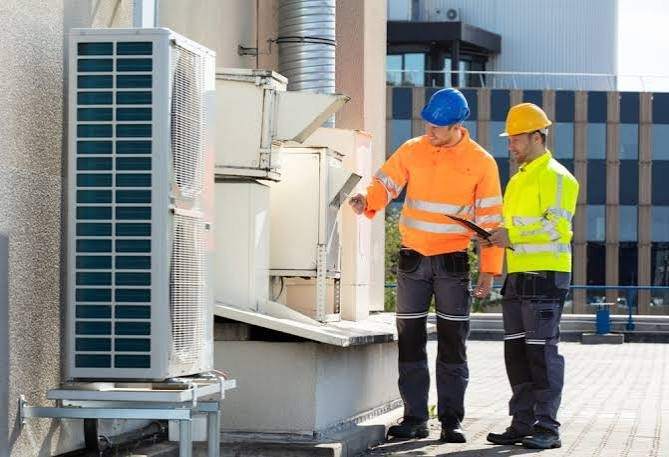
Electricity is an essential operating requirement for modern commercial buildings. Offices, hotels, hospitals, shopping centres, factories, warehouses and other business facilities depend on electrical systems to power lighting, air conditioning, ventilation, machinery, computers, security equipment and other building services.
However, many commercial property owners spend more on electricity than necessary because of inefficient equipment, outdated electrical installations, poor energy management and unnecessary power consumption.
One of the most effective ways to identify these problems is through a professional energy audit.
Energy audits for commercial buildings help businesses understand how electricity is consumed, identify areas of energy wastage and determine practical opportunities to improve efficiency. By examining electrical equipment, lighting, HVAC systems, operating schedules and energy consumption patterns, an energy audit provides valuable information for reducing operating costs and improving building performance.
In Uganda, where businesses need to manage operating expenses while maintaining reliable building services, energy audits can support better investment decisions and more efficient commercial property management.
This guide explains what an energy audit is, how the process works, its major benefits, the systems examined, common energy inefficiencies and how commercial property owners can use audit findings to improve energy performance.
What Is an Energy Audit for a Commercial Building?
An energy audit is a systematic assessment of how energy is used within a building. It examines electricity consumption, equipment performance, operating practices and building services to identify inefficiencies and opportunities for improvement.
For commercial buildings, an energy audit generally focuses on electricity-consuming systems such as:
- Lighting installations.
- Air conditioning and HVAC systems.
- Electrical distribution equipment.
- Pumps and electric motors.
- Office equipment and appliances.
- Industrial machinery.
- Ventilation systems.
- Water heating equipment.
- Refrigeration systems.
- Solar power and other energy installations, where applicable.
The assessment may involve reviewing electricity bills, inspecting equipment, measuring electrical loads, analysing operating schedules and evaluating energy consumption patterns.
The objective is to understand where energy is being used, determine whether it is being used efficiently and recommend improvements that suit the building’s operational and financial requirements.
An energy audit is not simply an inspection of electricity bills. It is a technical assessment that connects energy consumption with the equipment, systems and activities responsible for it.
Why Are Energy Audits Important for Commercial Buildings in Uganda?
Commercial buildings often operate for long hours and contain several energy-consuming systems. Without proper monitoring, inefficient equipment and unnecessary electricity use can increase monthly operating expenses.
An energy audit helps businesses make informed decisions about their electrical installations and energy management practices.
In Uganda, commercial property owners can use energy audits to understand their consumption patterns, identify practical energy-saving opportunities and plan improvements according to available budgets.
Energy audits are particularly valuable for:
- Office buildings.
- Hotels and lodges.
- Hospitals and healthcare facilities.
- Shopping centres and retail buildings.
- Factories and industrial facilities.
- Warehouses and storage facilities.
- Educational institutions.
- Restaurants and commercial kitchens.
- Apartment buildings with shared services.
Whether a business operates a small commercial property or a large industrial facility, understanding its energy consumption is an important part of effective facilities management.
10 Major Benefits of Energy Audits for Commercial Buildings
A properly conducted energy audit provides several advantages beyond identifying high electricity bills.
1. Identifying Energy Wastage
One of the main benefits of an energy audit is identifying where electricity is being used unnecessarily.
Common examples include:
- Lights operating in unoccupied rooms.
- Air conditioning running outside working hours.
- Equipment left on overnight.
- Inefficient motors and pumps.
- Poorly maintained cooling systems.
- Excessive artificial lighting during daylight hours.
- Equipment operating at higher capacity than necessary.
By identifying these problems, businesses can introduce targeted improvements instead of making unnecessary investments.
2. Reducing Electricity Bills
Electricity expenses can represent a significant part of commercial building operating costs.
An energy audit identifies opportunities to reduce consumption through efficient lighting, improved HVAC operation, equipment upgrades and better operating schedules.
For example, replacing inefficient lighting with suitable LED systems and introducing occupancy sensors can help reduce unnecessary lighting consumption.
Similarly, optimising air conditioning schedules can reduce electricity use without compromising occupant comfort.
The actual savings depend on the building’s existing condition, operating hours, equipment and improvements implemented.
3. Improving Electrical System Efficiency
Energy audits examine how effectively electrical systems operate.
The assessment may identify problems involving:
- Electrical distribution.
- Equipment loading.
- Motor performance.
- Power factor.
- Lighting efficiency.
- Electrical losses.
- Power quality.
- Equipment operating schedules.
These findings can help businesses prioritise electrical improvements that support reliable and efficient building operation.
4. Supporting Better Investment Decisions
Commercial property owners often have limited budgets for electrical upgrades and building improvements.
An energy audit helps identify which investments are most appropriate based on the building’s actual energy consumption.
For example, an audit may reveal that lighting upgrades offer a more practical starting point than replacing an entire electrical distribution system.
It can also help compare different solutions according to installation cost, expected savings, maintenance requirements and equipment lifespan.
5. Improving Equipment Performance and Reliability
Poorly maintained equipment can operate inefficiently and develop faults that affect building operations.
An energy audit can reveal abnormal consumption patterns or equipment conditions that require further technical investigation.
Recommendations may include servicing HVAC equipment, replacing inefficient motors, improving control settings and repairing faulty electrical components.
These improvements can support more reliable building operations and reduce avoidable maintenance problems.
6. Supporting Environmental Sustainability
Reducing unnecessary electricity consumption can help lower the environmental impact associated with energy use.
Businesses can support sustainability objectives by improving equipment efficiency, using intelligent controls, reducing energy wastage and adopting renewable energy where appropriate.
Energy audits provide a starting point for identifying and measuring these opportunities.
7. Improving Occupant Comfort and Productivity
An energy-efficient building should also provide a comfortable environment for employees, visitors, customers and other occupants.
Energy audits can identify issues such as poorly distributed lighting, inefficient cooling, inadequate ventilation and unsuitable operating schedules.
Addressing these problems can help improve the indoor environment while supporting more efficient building operations.
8. Supporting Preventive Maintenance
Energy monitoring and equipment assessments can help identify unusual operating conditions before they develop into more serious problems.
For example, an air conditioning system that consumes more electricity than expected may require servicing or further inspection.
Regular energy performance reviews can therefore support preventive maintenance programmes.
9. Establishing Energy Performance Benchmarks
An energy audit provides information that businesses can use to establish a baseline for measuring future energy performance.
Depending on available data, performance indicators may include:
- Monthly electricity consumption.
- Energy use per square metre.
- Energy consumption per occupied room.
- Electricity use per production unit.
- Consumption during non-operating hours.
- Energy consumption by department or building section.
These measurements help businesses evaluate whether energy-saving improvements are delivering the expected results.
10. Improving Commercial Property Management
Energy audits provide useful information for facility managers, building owners and property developers.
The findings can support decisions about equipment replacement, building renovations, electrical upgrades, maintenance schedules and future construction projects.
This makes energy auditing an important tool for long-term commercial property management.
Types of Energy Audits for Commercial Buildings
The level of detail required depends on the size of the building, the complexity of its electrical systems and the objectives of the assessment.
The following are commonly used categories of energy audits.
1. Preliminary Energy Audit
A preliminary energy audit is an initial review of a building’s energy consumption and major energy-using systems.
It generally involves:
- Reviewing electricity bills.
- Examining available meter readings.
- Inspecting major electrical equipment.
- Identifying obvious energy wastage.
- Reviewing operating hours.
- Highlighting potential energy-saving opportunities.
This type of assessment is useful for businesses that need an initial understanding of their energy performance before undertaking a more detailed investigation.
2. Detailed Energy Audit
A detailed energy audit involves a more comprehensive technical assessment of the building’s energy consumption.
It may include:
- Detailed electrical load measurements.
- Equipment performance assessments.
- Lighting surveys.
- HVAC system evaluations.
- Power quality measurements where appropriate.
- Energy consumption analysis.
- Identification of specific improvement opportunities.
- Cost and savings estimates.
- Prioritised recommendations.
A detailed audit is particularly useful for large offices, hotels, hospitals, factories and shopping centres where energy systems are more complex.
3. Investment-Grade Energy Audit
An investment-grade energy audit provides more detailed technical and financial information to support significant energy-efficiency investments.
It may involve detailed equipment analysis, engineering calculations, project costing, financial evaluation and more precise savings estimates.
This type of assessment is useful when a business is considering substantial upgrades such as large HVAC replacements, major lighting retrofits, industrial equipment improvements or integrated energy management projects.
The exact scope and level of certainty depend on the agreed audit methodology and available information.
Energy Audit Process for Commercial Buildings: Step-by-Step Guide
A professional energy audit follows a structured process to ensure that the assessment produces useful and practical recommendations.
Step 1: Initial Consultation and Audit Planning
The process begins with discussions between the energy auditor and the building owner or facility management team.
The objective is to understand the building’s operations, energy concerns and audit requirements.
Important information includes:
- Building size and layout.
- Type of commercial activity.
- Operating hours.
- Occupancy levels.
- Major electrical equipment.
- Existing energy management practices.
- Previous electrical upgrades.
- Areas experiencing high energy costs.
The auditor uses this information to determine the appropriate assessment scope.
Step 2: Review Electricity Bills and Historical Consumption
The next step involves reviewing available electricity bills and consumption records.
These records help establish how much electricity the building uses and how consumption changes over time.
The review may identify:
- Monthly electricity consumption.
- Changes in electricity usage.
- Seasonal consumption patterns.
- Unusual increases in energy use.
- Consumption during weekends and holidays.
- Available tariff and demand information.
Where possible, electricity consumption should be reviewed over a sufficiently representative period to understand the building’s normal operating patterns.
Step 3: Conduct a Site Inspection
The auditor visits the building to inspect the main energy-consuming systems.
Areas commonly examined include:
Lighting systems: Assessment of lighting technologies, fittings, brightness, control systems and operating schedules.
HVAC systems: Inspection of air conditioning, ventilation, temperature controls, filters and operating conditions.
Electrical distribution: Examination of distribution boards, major loads, electrical connections and relevant protection arrangements.
Motors and pumps: Review of motor specifications, operating schedules, loading and maintenance condition.
Office equipment: Assessment of computers, printers, appliances and other electrical devices.
Building envelope: Review of windows, shading, insulation and other factors that influence cooling and lighting demand.
The site inspection helps connect electricity consumption data with actual building operations.
Step 4: Measure Electrical Loads and Equipment Performance
Where necessary, the energy audit includes measurements using appropriate electrical and energy monitoring instruments.
Depending on the audit scope, these may include:
- Power analysers.
- Clamp meters.
- Portable energy loggers.
- Lux meters.
- Temperature sensors.
- Smart energy meters.
- Equipment monitoring devices.
Measurements can help establish how much electricity major systems consume and how their performance changes during operation.
For example, monitoring air conditioning equipment over different operating periods may reveal unnecessary running hours or abnormal electrical demand.
All measurements should be conducted safely by competent personnel using suitable instruments.
Step 5: Analyse Energy Consumption Patterns
After collecting the necessary information, the auditor analyses the building’s energy consumption.
The objective is to identify which systems contribute most to electricity use and where improvements may be possible.
Analysis may include:
- Lighting consumption.
- HVAC electricity demand.
- Equipment operating hours.
- Electrical load distribution.
- Consumption outside working hours.
- Peak demand patterns.
- Equipment performance.
- Energy use by department or building section.
The findings provide a basis for identifying the most important energy-saving opportunities.
Step 6: Identify Energy-Saving Opportunities
The auditor develops recommendations based on the identified inefficiencies.
Potential improvements may include:
- Replacing inefficient lights with LED fittings.
- Installing occupancy sensors.
- Introducing automated lighting controls.
- Improving HVAC maintenance.
- Installing programmable thermostats.
- Using variable speed drives for suitable motors.
- Improving electrical load management.
- Installing smart energy monitoring.
- Implementing suitable power factor correction.
- Introducing solar photovoltaic systems.
- Upgrading inefficient electrical equipment.
Recommendations should reflect the building’s actual needs rather than relying on generic energy-saving solutions.
Step 7: Evaluate Costs and Expected Savings
Businesses need to understand the financial implications of recommended improvements.
The auditor may estimate:
- Equipment and material costs.
- Installation expenses.
- Expected electricity savings.
- Maintenance requirements.
- Equipment lifespan.
- Potential financial payback.
- Implementation priorities.
For larger projects, a life-cycle cost assessment can help compare different investment options.
Savings estimates should be based on documented assumptions and actual building operating conditions. They should not be treated as guaranteed results.
Step 8: Prepare the Energy Audit Report
The findings are documented in an energy audit report.
A comprehensive report generally includes:
- Executive summary.
- Description of the building.
- Energy consumption history.
- Main energy-consuming systems.
- Site inspection findings.
- Equipment and electrical measurements.
- Identified energy inefficiencies.
- Recommended energy-saving measures.
- Estimated investment costs.
- Expected energy and financial savings.
- Implementation priorities.
- Recommended monitoring arrangements.
The report gives building owners and facility managers a practical reference for planning energy-efficiency improvements.
Step 9: Implement Recommended Improvements
Once the recommendations have been reviewed and approved, the business can begin implementing the selected improvements.
Implementation may involve:
- Electrical installation upgrades.
- LED lighting replacement.
- Automated lighting controls.
- HVAC improvements.
- Energy monitoring installations.
- Building automation systems.
- Solar electrical installations.
- Equipment replacement.
- Maintenance and repairs.
Improvements can be implemented in phases according to available budgets and operational priorities.
Step 10: Monitor Results and Review Energy Performance
An energy audit should lead to measurable improvements rather than simply producing a report.
After implementation, businesses should monitor electricity consumption and compare the results with the established baseline.
Regular monitoring helps determine whether the improvements are working as intended and whether additional measures are necessary.
Major Systems Examined During a Commercial Energy Audit
A commercial energy audit considers the different systems responsible for electricity consumption.
1. Lighting Systems
Lighting assessments examine the type, quantity and efficiency of installed lighting equipment.
Auditors may review:
- Traditional versus LED lighting.
- Lighting levels.
- Operating hours.
- Occupancy sensors.
- Daylight availability.
- Automated controls.
- Lighting distribution.
The findings can help identify opportunities to reduce unnecessary lighting consumption.
2. Heating, Ventilation and Air Conditioning Systems
HVAC systems are often important energy consumers in commercial properties.
The assessment may examine:
- Air conditioning equipment.
- Ventilation fans.
- Temperature settings.
- Programmable controls.
- Filters and maintenance condition.
- Operating schedules.
- Motor efficiency.
- Cooling requirements.
The aim is to identify ways to maintain suitable indoor conditions while reducing unnecessary energy use.
3. Electrical Distribution Systems
Electrical distribution equipment supplies power throughout the building.
An audit may examine:
- Main distribution boards.
- Sub-distribution boards.
- Circuit loading.
- Cable sizing information.
- Electrical connections.
- Power factor.
- Power quality.
- Equipment protection.
The assessment can reveal whether further technical investigation or improvements are needed.
4. Motors, Pumps and Industrial Equipment
Commercial and industrial buildings may operate numerous motors and pumps.
Auditors may evaluate equipment ratings, operating schedules, loading conditions and control methods.
Variable speed drives may be recommended for suitable applications where motor speed can be adjusted according to actual demand.
5. Office Equipment and Appliances
Computers, printers, photocopiers, refrigerators, water dispensers and other appliances can contribute to overall electricity consumption.
An audit may identify equipment that operates unnecessarily, has high energy demand or could be replaced with more efficient alternatives.
6. Solar and Backup Power Systems
Where installed, solar photovoltaic systems, inverters, batteries and backup generators may also be assessed.
The review can examine system performance, energy contribution, operating schedules, monitoring and maintenance requirements.
The objective is to determine how effectively these systems support the building’s energy requirements.
Energy Audits for Different Types of Commercial Buildings
Energy consumption patterns differ according to the purpose and operation of a building.
Energy Audits for Office Buildings
Office buildings use electricity for computers, lighting, air conditioning, lifts, printers and communication equipment.
An energy audit can identify opportunities to improve office lighting, optimise HVAC schedules, introduce automated controls and reduce unnecessary equipment operation.
Energy Audits for Hotels
Hotels have complex energy requirements because they provide services throughout the day and night.
An audit may assess guest room air conditioning, lighting, laundry equipment, kitchens, water heating, lifts and common areas.
Guest room occupancy controls, efficient equipment and energy monitoring can help improve operational efficiency without reducing guest comfort.
Energy Audits for Hospitals
Hospitals require reliable electricity for medical equipment, lighting, ventilation, laboratories, refrigeration and other essential services.
Energy audits can identify efficiency improvements in non-critical systems and building services while maintaining the required safety and continuity of critical operations.
Any recommendations must respect clinical requirements, infection prevention, ventilation needs and backup power arrangements.
Energy Audits for Shopping Centres
Shopping centres operate lighting, escalators, lifts, air conditioning, restaurants, retail equipment and common-area facilities.
An audit can help property managers understand consumption across shared facilities and individual tenant areas.
Submetering, automated lighting and HVAC improvements may provide useful opportunities for reducing unnecessary electricity consumption.
Energy Audits for Factories
Factories may have significant electrical loads from production machinery, compressors, motors, pumps, lighting and ventilation systems.
An industrial energy audit can identify inefficient machinery, excessive operating hours, poor motor control and opportunities for equipment upgrades.
Recommendations should be designed around production requirements and operational safety.
Energy Audits for Warehouses
Warehouses often consume electricity through lighting, ventilation, material-handling equipment, refrigeration and security systems.
An audit may recommend LED high-bay lighting, occupancy sensors, improved equipment schedules and suitable solar installations.
Common Energy Inefficiencies Identified During Commercial Energy Audits
Commercial energy audits frequently reveal problems that are not immediately obvious to building owners.
| Energy inefficiency | Possible improvement |
|---|---|
| Traditional inefficient lighting | Install suitable LED lighting |
| Lights operating in empty rooms | Install occupancy sensors |
| Air conditioning running unnecessarily | Introduce smart HVAC controls |
| Poorly maintained cooling systems | Implement regular servicing |
| Inefficient motors and pumps | Evaluate efficient motors and variable speed drives |
| Lack of energy monitoring | Install smart meters and submeters |
| Unnecessary equipment operation | Establish operating schedules |
| Poor power factor | Assess suitable power factor correction |
| Excessive heat entering the building | Improve shading and insulation |
| Lack of energy management procedures | Establish an energy management plan |
The best solution depends on the building’s condition, equipment specifications and energy consumption patterns.
What Is Included in a Commercial Energy Audit Report?
An energy audit report provides a record of the assessment findings and recommended improvements.
For commercial property owners, it should be practical, understandable and supported by relevant technical information.
A well-prepared report may include:
Building information: Location, building type, floor area, occupancy and operating hours.
Energy consumption analysis: Historical electricity usage and available consumption trends.
Equipment assessment: Details of major electricity-consuming systems and their operating conditions.
Technical findings: Identified inefficiencies, electrical issues and opportunities for improvement.
Recommended solutions: Suitable technologies, maintenance activities and operational changes.
Financial assessment: Estimated investment costs, potential savings and payback considerations.
Implementation plan: Suggested priorities, timelines and monitoring requirements.
The report should help decision-makers understand what needs to be improved, why the improvement is recommended and how its performance can be evaluated.
How Much Does an Energy Audit Cost in Uganda?
The cost of conducting an energy audit in Uganda depends on the size, complexity and energy requirements of the commercial building.
A small office may require a relatively straightforward assessment, while a hospital, shopping centre, hotel or industrial facility may need more detailed measurements and technical analysis.
Important cost factors include:
- Building size and number of floors.
- Number of electrical systems and equipment.
- Complexity of HVAC installations.
- Number of distribution boards and major loads.
- Level of electrical measurement required.
- Availability of electricity bills and historical data.
- Audit scope and reporting requirements.
- Site accessibility and operational conditions.
- Specialist equipment and technical expertise required.
A preliminary assessment and a detailed engineering audit will not necessarily have the same cost.
Commercial property owners should request a quotation that clearly explains the audit scope, deliverables, measurement requirements and expected report content.
When Should a Commercial Building Conduct an Energy Audit?
An energy audit is useful at different stages of a building’s operation.
Businesses should consider conducting one when:
- Electricity bills increase unexpectedly.
- The building uses outdated electrical equipment.
- Air conditioning and lighting consume significant electricity.
- The business is planning electrical upgrades.
- A new commercial property is being developed.
- Building occupancy or operating hours change.
- The business wants to introduce solar power.
- The facility has expanded its operations.
- Energy consumption is not being properly monitored.
- Management wants to establish an energy-efficiency programme.
Energy audits should also be repeated when significant changes occur in building operations or equipment, and at intervals appropriate to the organisation’s energy management needs.
How to Choose an Energy Audit and Electrical Solutions Provider in Uganda
Selecting a suitable professional is important because the quality of the assessment determines how useful its recommendations will be.
Before engaging a service provider, consider the following:
1. Relevant Technical Qualifications
Choose professionals with appropriate qualifications and competence in electrical systems, energy management and the technologies being assessed.
2. Commercial Building Experience
Commercial buildings have different energy requirements from ordinary residential properties. Look for experience relevant to offices, hotels, hospitals, shopping centres or industrial facilities.
3. Appropriate Measurement Equipment
A reliable technical assessment may require power analysers, energy loggers, electrical meters and other suitable measurement instruments.
4. Clear Audit Scope
The provider should explain which systems will be assessed, what measurements will be taken and what information will be included in the final report.
5. Practical Recommendations
An effective energy audit should provide realistic solutions that address the building’s actual energy inefficiencies.
6. Financial and Technical Evaluation
Recommendations should consider installation costs, expected savings, maintenance requirements, equipment life and operational suitability.
7. Implementation and Support
Where required, choose a provider that can also support the planning and installation of recommended electrical and building technology improvements.
How Daltrevco Company Supports Energy-Efficient Commercial Buildings
Daltrevco Company provides electrical, building utility and modern building technology solutions for commercial and other building projects in Uganda.
Energy efficiency requires more than identifying high electricity consumption. It involves implementing appropriate improvements that help building owners use electrical systems more effectively.
Depending on project requirements, Daltrevco can support related solutions such as:
- Commercial electrical installations.
- Energy-efficient lighting systems.
- Automated lighting control systems.
- Smart energy monitoring solutions.
- Building Management Systems.
- Building automation systems.
- HVAC electrical controls.
- Solar electrical installations.
- Electrical maintenance and system upgrades.
For property developers, facility managers, business owners and organisations planning to improve building performance, Daltrevco can help explore suitable electrical and building technology solutions.
Whether you are managing an office building, hotel, hospital, shopping centre, warehouse or industrial facility, an informed energy-efficiency strategy can help you identify improvements that support long-term operational performance.
Contact Daltrevco Company to discuss your commercial electrical and energy-efficiency requirements in Uganda.
Frequently Asked Questions About Energy Audits for Commercial Buildings
1. What is the main purpose of an energy audit?
The main purpose of an energy audit is to understand how a building consumes energy, identify inefficiencies and recommend improvements that can reduce unnecessary consumption and improve energy performance.
2. How is an energy audit conducted in a commercial building?
An energy audit generally involves reviewing electricity bills, inspecting electrical equipment, measuring selected loads, assessing lighting and HVAC systems, analysing consumption patterns and preparing recommendations in an energy audit report.
3. How long does a commercial energy audit take?
The duration depends on the building’s size, complexity, number of electrical systems and level of measurement required. A small office may need less time than a large hospital, factory or shopping centre.
4. Can an energy audit reduce electricity bills?
An energy audit can identify opportunities to reduce electricity consumption. Actual bill reductions depend on which recommendations are implemented, the building’s operating conditions and the electricity tariff.
5. Which systems are examined during an energy audit?
Common systems include lighting, air conditioning, ventilation, electrical distribution, pumps, motors, office equipment, industrial machinery and renewable energy installations where applicable.
6. Is an energy audit necessary for a small commercial building?
Yes. Small offices, shops, restaurants and other businesses can benefit from identifying inefficient equipment, unnecessary lighting and avoidable electricity consumption.
7. What is the difference between an energy audit and an electrical inspection?
An energy audit focuses on how energy is consumed and identifies opportunities to improve efficiency. An electrical inspection focuses primarily on the condition, safety and compliance of electrical installations. The two activities can complement each other but are not interchangeable.
8. What is the difference between a preliminary and detailed energy audit?
A preliminary audit provides an initial review of energy consumption and obvious inefficiencies. A detailed audit involves more extensive inspections, measurements, technical analysis and financial evaluation.
9. Can an energy audit help determine whether solar power is suitable?
Yes. An energy audit can provide useful information about electricity consumption, operating schedules and major loads. This information helps inform the assessment of an appropriate solar installation, although a dedicated solar feasibility study may also be required.
10. Who should conduct an energy audit for a commercial building in Uganda?
The assessment should be conducted by appropriately qualified and competent energy or electrical professionals with experience relevant to the building and the required audit scope.
Conclusion: Improve Commercial Building Performance Through Professional Energy Audits
Energy audits are an important tool for commercial property owners who want to understand electricity consumption, identify energy wastage and improve building efficiency.
By examining lighting, HVAC systems, electrical distribution, motors, pumps and other energy-consuming equipment, an audit provides a clearer picture of how a commercial building operates.
The findings can help businesses reduce unnecessary electricity consumption, prioritise electrical upgrades, improve equipment performance and develop effective energy management strategies.
For businesses in Uganda, investing in an energy audit is a practical step towards better electricity management and more sustainable commercial property operations.
Whether you manage an office, hotel, hospital, shopping centre, warehouse or factory, understanding your building’s energy performance can help you make better decisions about future improvements.
Looking to improve electricity efficiency in your commercial building? Contact Daltrevco Company to discuss professional electrical installations, smart energy solutions and modern building technology services in Uganda.

