
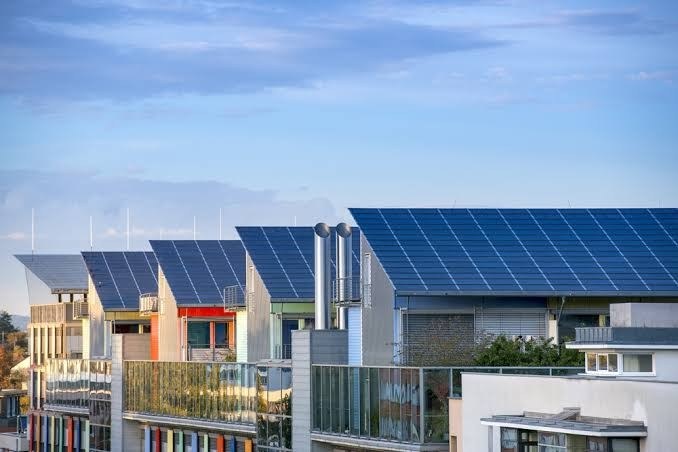
Modern buildings require more than strong foundations, attractive architectural designs and quality construction materials. They also need reliable, efficient and environmentally responsible building utility systems that support everyday activities while reducing operating costs and unnecessary energy consumption.
From electricity and water supply to heating, ventilation, air conditioning, drainage, lighting and building automation, utilities play an important role in the performance of residential, commercial and industrial properties.
However, poorly designed building utilities can result in high electricity bills, water wastage, uncomfortable indoor environments, frequent maintenance problems and unnecessary environmental impact.
Sustainable building utilities provide a practical approach to addressing these challenges. By integrating energy-efficient electrical systems, water-saving technologies, efficient HVAC installations, renewable energy and intelligent building controls, property owners can create buildings that are more efficient, comfortable and cost-effective to operate.
In Uganda, sustainable building utilities are becoming increasingly important as property developers, businesses and homeowners look for practical ways to manage energy and water consumption while improving building performance.
This guide explains what sustainable building utilities are, their main components, their benefits, the technologies involved and how to incorporate them into modern building projects.
What Are Sustainable Building Utilities?
Sustainable building utilities are the essential systems and services designed to make buildings operate efficiently while reducing unnecessary consumption of energy, water and other resources.
These systems support the daily operation of buildings while considering long-term performance, maintenance requirements, occupant comfort and environmental responsibility.
Unlike conventional installations that may focus mainly on providing basic services, sustainable utility systems consider how efficiently those services operate throughout the building’s lifespan.
Common sustainable building utilities include:
- Energy-efficient electrical installations.
- LED lighting and automated lighting controls.
- Solar photovoltaic systems.
- Solar water heating systems.
- Efficient plumbing and water supply installations.
- Water-saving sanitary fixtures.
- Rainwater harvesting systems.
- Efficient heating, ventilation and air conditioning systems.
- Sustainable drainage and wastewater management.
- Smart energy monitoring systems.
- Building Management Systems (BMS).
- Automated building control technologies.
When these systems are properly designed and integrated, they can help reduce operating costs, improve resource management and support more sustainable property development.
Why Are Sustainable Building Utilities Important?
Building utilities influence how much electricity and water a property consumes, how comfortable occupants feel and how much money is required to maintain the building.
For property developers and building owners in Uganda, investing in efficient utility systems can provide several long-term advantages.
1. Reducing Electricity Consumption
Electrical systems power lighting, cooling, ventilation, appliances, machinery, communication equipment and security installations.
When these systems use outdated equipment or operate without appropriate controls, they may consume more electricity than necessary.
Energy-efficient lighting, smart controls, efficient motors and solar installations can help reduce unnecessary electricity consumption.
2. Reducing Water Wastage
Water is essential for residential, commercial and industrial buildings.
Poorly designed plumbing systems, leaking pipes, inefficient fixtures and uncontrolled water usage can increase operating expenses.
Sustainable water utilities incorporate efficient plumbing installations, low-flow fixtures, rainwater harvesting and appropriate water management technologies.
3. Lowering Long-Term Operating Costs
Although sustainable utility systems may require additional initial investment, they can reduce some long-term operating expenses.
For example, LED lighting can reduce lighting electricity consumption, while water-saving fixtures can reduce unnecessary water usage.
The financial benefits depend on installation costs, equipment quality, operating conditions, maintenance and actual resource consumption.
4. Improving Indoor Comfort
Efficient ventilation, lighting, cooling and water systems help create better indoor environments.
For offices, hotels, hospitals, schools and residential properties, properly designed utilities support occupant comfort, productivity and the effective use of building spaces.
5. Supporting Environmental Sustainability
Using electricity and water more efficiently helps reduce unnecessary resource consumption.
Renewable energy, water conservation, efficient equipment and responsible wastewater management can contribute to more environmentally responsible building operations.
6. Improving Building Value and Market Appeal
Properties with modern, efficient and well-maintained utilities may be more attractive to buyers, tenants, investors and businesses.
Efficient building systems can also support long-term property management by reducing avoidable operating and maintenance expenses.
10 Essential Sustainable Building Utility Systems for Modern Properties
A sustainable building requires a coordinated combination of utility systems rather than relying on one energy-saving technology.
The following are important systems to consider when planning a new building or upgrading an existing property.
1. Energy-Efficient Electrical Systems
Electrical installations are among the most important components of modern building utilities.
They supply power to lighting, appliances, air conditioning, pumps, security equipment, communication systems and other building services.
Sustainable electrical systems focus on reducing unnecessary energy consumption while maintaining safety, reliability and performance.
Important components include:
- Properly designed electrical distribution systems.
- Energy-efficient LED lighting.
- Automated lighting controls.
- Smart meters and energy monitoring.
- Efficient motors and pumps.
- Appropriate power factor correction.
- Surge protection and suitable circuit protection.
- Energy management technologies.
Professional electrical design is essential to ensure that installations meet the building’s actual requirements and applicable safety standards.
2. Solar Power Systems
Solar photovoltaic systems convert sunlight into electricity that can be used within a building.
They can supplement electricity supplied by the national grid and help reduce grid electricity consumption when generation is appropriately matched to demand.
A typical solar installation includes:
- Solar panels.
- Solar inverters.
- Mounting structures.
- Electrical cables and protection devices.
- Monitoring equipment.
- Battery storage where required.
Solar power can be useful for homes, offices, hotels, schools, hospitals, warehouses and industrial facilities in Uganda.
Before installation, property owners should assess electricity consumption, available installation space, solar exposure, grid connection requirements and backup power needs.
3. Solar Water Heating Systems
Water heating can contribute to electricity consumption in buildings, particularly in hotels, hospitals, residential apartments and commercial facilities.
Solar water heating systems use solar energy to heat water, reducing reliance on conventional electric water heaters when conditions are suitable.
Common applications include:
- Residential bathrooms.
- Hotel guest rooms.
- Hospital facilities.
- Staff accommodation.
- Commercial kitchens.
- Apartment buildings.
- Swimming pool heating where suitable.
A suitable system should be selected according to hot water demand, storage requirements, installation space and expected operating conditions.
4. Energy-Efficient Lighting and Automated Controls
Lighting is necessary in every building, but unnecessary lighting can increase electricity consumption.
LED technology provides an efficient lighting option for many residential and commercial applications.
Energy efficiency can be improved further through automated lighting controls.
These include:
Occupancy sensors: Automatically control lighting according to room occupancy.
Daylight sensors: Adjust artificial lighting according to available natural light.
Programmable timers: Operate selected lights according to predetermined schedules.
Smart lighting systems: Allow authorised users to control lighting across different building areas.
Combining LED fittings with appropriate controls can improve lighting efficiency and convenience.
5. Water-Efficient Plumbing Systems
Sustainable plumbing systems are designed to supply water efficiently while reducing leakage, wastage and unnecessary consumption.
Important components include:
- Properly sized water supply pipes.
- Quality plumbing fittings.
- Low-flow taps.
- Water-efficient showerheads.
- Dual-flush toilets.
- Leak detection arrangements.
- Efficient water pumps.
- Appropriate water storage systems.
Professional plumbing design and installation help maintain suitable water pressure, reliable supply and effective water distribution.
6. Rainwater Harvesting Systems
Rainwater harvesting involves collecting and storing rainwater from suitable roof surfaces for appropriate uses.
A typical system may include:
- Roof catchment surfaces.
- Gutters and downpipes.
- Leaf screens.
- First-flush diversion.
- Filtration equipment.
- Storage tanks.
- Distribution pipes and pumps.
Depending on water quality and treatment, harvested rainwater may be suitable for irrigation, cleaning, toilet flushing and other non-potable applications.
Water intended for drinking or food preparation must meet the relevant water quality requirements and receive appropriate treatment.
Rainwater harvesting can help reduce reliance on other water sources, especially when properly sized and maintained.
7. Efficient Heating, Ventilation and Air Conditioning Systems
HVAC systems regulate indoor temperature, air movement and ventilation.
They are important in commercial buildings, hotels, hospitals, offices, shopping centres and other facilities where indoor environmental conditions need to be controlled.
Sustainable HVAC installations may include:
- Energy-efficient air conditioning units.
- Programmable thermostats.
- Variable speed drives for suitable motors.
- Occupancy-based controls.
- Efficient ventilation fans.
- Properly designed ductwork.
- Regular filter maintenance.
- Zoned temperature control.
HVAC systems should be designed according to building size, occupancy, heat gain, ventilation requirements and the activities carried out inside the property.
In hospitals and other specialised buildings, ventilation and indoor air quality requirements must take priority over energy-saving adjustments.
8. Sustainable Drainage and Wastewater Management Systems
Drainage systems remove wastewater and stormwater safely from buildings and surrounding areas.
Sustainable drainage solutions aim to manage water effectively while reducing flooding risks, pollution and unnecessary pressure on conventional drainage infrastructure.
Important systems may include:
- Properly designed stormwater drainage.
- Roof water collection systems.
- Surface water channels.
- Suitable soakaways where site conditions permit.
- Wastewater treatment systems.
- Grease traps for appropriate commercial applications.
- Greywater reuse systems where properly designed.
For new developments, drainage design should consider soil conditions, rainfall, site levels, building layout and applicable local requirements.
9. Building Management Systems (BMS)
A Building Management System helps monitor and control selected building services from a central platform.
Depending on the building’s design, a BMS can integrate:
- Lighting systems.
- HVAC installations.
- Energy monitoring equipment.
- Environmental sensors.
- Selected water pumping systems.
- Generator status.
- Alarm and fault monitoring.
By coordinating building services, a BMS can help facility managers identify inefficiencies and improve operational control.
It is particularly useful in large offices, hotels, hospitals, shopping centres and other buildings with multiple interconnected utility systems.
10. Smart Water and Energy Monitoring Systems
Monitoring is essential for effective resource management.
Smart energy monitoring systems help building owners understand electricity consumption across different equipment and building sections.
Water monitoring systems can help identify unusual consumption patterns, possible leaks and areas where water is being used unnecessarily.
These technologies may include:
- Smart electricity meters.
- Electrical submeters.
- Water meters.
- Leak detection sensors.
- Automated monitoring software.
- Remote monitoring platforms.
- Building management dashboards.
With reliable monitoring information, facility managers can make more informed decisions about maintenance, equipment upgrades and resource-saving measures.
Sustainable Building Utilities for Different Types of Properties
Different buildings have different utility requirements. Sustainable solutions should be selected according to the purpose, size, location and operating conditions of each property.
Sustainable Utilities for Residential Buildings
Residential buildings require reliable electricity, water, lighting, ventilation, drainage and hot water systems.
Suitable sustainable solutions include:
- Solar power installations.
- Solar water heaters.
- LED lighting.
- Water-saving sanitary fittings.
- Rainwater harvesting.
- Efficient water pumps.
- Smart lighting controls.
- Properly designed drainage systems.
These installations can help homeowners manage household resource consumption and improve everyday convenience.
Sustainable Utilities for Office Buildings
Office buildings require electricity for computers, lighting, air conditioning, lifts, communication equipment and other services.
Recommended solutions include:
- Energy-efficient electrical distribution.
- LED lighting systems.
- Automated lighting controls.
- Smart energy monitoring.
- Efficient HVAC systems.
- Building Management Systems.
- Water-saving plumbing installations.
- Solar power where suitable.
These technologies can help businesses manage operating costs while supporting comfortable working environments.
Sustainable Utilities for Hotels
Hotels have complex utility requirements because they provide accommodation, food services, laundry, recreation and other facilities.
Suitable sustainable systems include:
- Solar water heating.
- Solar photovoltaic installations.
- Energy-efficient guest room lighting.
- Occupancy-based room controls.
- Efficient air conditioning.
- Water-saving showers and taps.
- Rainwater harvesting.
- Smart energy monitoring.
- Efficient laundry and kitchen equipment.
Energy and water management systems should be designed to maintain guest comfort and service quality.
Sustainable Utilities for Hospitals
Hospitals require dependable electrical, water, ventilation, drainage and wastewater systems.
Important considerations include:
- Reliable electrical distribution.
- Appropriate emergency backup power.
- Energy-efficient lighting.
- Efficient HVAC systems.
- Water-efficient plumbing.
- Reliable water storage and pumping.
- Suitable wastewater management.
- Monitoring of essential building services.
Hospitals have specialised requirements involving clinical safety, hygiene, ventilation, water quality and critical equipment. Sustainable improvements must not compromise these requirements.
Sustainable Utilities for Schools and Educational Institutions
Schools, colleges and universities use electricity and water for classrooms, laboratories, offices, kitchens, accommodation and sanitation facilities.
Useful sustainable solutions include:
- LED lighting.
- Solar power systems.
- Solar water heating where required.
- Water-saving fixtures.
- Rainwater harvesting.
- Efficient water pumps.
- Proper drainage systems.
- Smart energy monitoring.
These improvements can also support practical environmental awareness among students and staff.
Sustainable Utilities for Factories and Industrial Facilities
Industrial facilities may have high electricity and water requirements due to machinery, motors, pumps, production equipment and processing activities.
Sustainable utility solutions may include:
- Efficient motors.
- Variable speed drives.
- Industrial LED lighting.
- Smart energy monitoring.
- Efficient water pumping.
- Water recycling systems where appropriate.
- Wastewater treatment.
- Solar power installations.
- Building automation and process controls.
Industrial utility systems should be designed around production processes, safety requirements and the facility’s actual resource needs.
How to Design Sustainable Building Utilities for a New Property
Sustainability should be considered from the earliest stages of building planning and construction.
Installing efficient utility systems during the design and construction stages can reduce the need for expensive modifications later.
Step 1: Assess the Building’s Requirements
Start by identifying the building’s purpose, size, occupancy, operating hours and expected electricity and water demand.
For example, a hotel may require substantial hot water, while an office building may require more extensive lighting, cooling and communication systems.
Step 2: Develop an Integrated Utility Design
Electrical, plumbing, HVAC, drainage and automation systems should be planned together.
Coordination between architects, structural engineers, electrical engineers, mechanical engineers and plumbing professionals helps prevent design conflicts and unnecessary installation costs.
Step 3: Select Energy- and Water-Efficient Equipment
Choose equipment according to efficiency, quality, reliability, maintenance requirements and compatibility with the building’s design.
Consider the total cost of ownership rather than focusing only on initial purchase price.
Step 4: Incorporate Renewable Energy Where Suitable
Evaluate whether solar photovoltaic systems, solar water heating or other appropriate renewable energy technologies can support the building’s requirements.
The assessment should consider available space, energy demand, installation costs and expected performance.
Step 5: Install Smart Controls and Monitoring
Include appropriate meters, sensors, automated controls and building management technologies.
These systems can help property owners understand how resources are being used and improve operational efficiency.
Step 6: Ensure Proper Installation and Commissioning
All utility systems should be installed, inspected, tested and commissioned by appropriately qualified professionals.
Commissioning helps confirm that equipment and controls operate according to the design requirements.
Step 7: Establish Maintenance and Monitoring Procedures
Sustainable building utilities require regular inspection and maintenance.
Building managers should monitor electricity and water consumption, service equipment and address leaks, faults and inefficiencies promptly.
How to Upgrade Existing Buildings with Sustainable Utilities
Sustainable building improvements are not limited to new developments. Existing residential and commercial properties can also benefit from utility upgrades.
A practical upgrade process includes:
- Conducting an energy and water consumption assessment.
- Inspecting existing electrical and plumbing installations.
- Identifying inefficient or outdated equipment.
- Prioritising improvements according to expected benefits.
- Replacing inefficient lighting with LED systems.
- Improving HVAC controls and equipment maintenance.
- Installing suitable water-saving fixtures.
- Considering solar power and water heating.
- Introducing energy and water monitoring.
- Reviewing performance after implementation.
A phased approach allows property owners to introduce improvements according to available budgets and operational priorities.
What Are the Main Benefits of Sustainable Building Utilities?
Sustainable building utilities offer long-term advantages for building owners, occupants, property managers and businesses.
| Benefit | How it helps |
|---|---|
| Lower electricity consumption | Efficient lighting, equipment and controls reduce unnecessary energy use |
| Reduced water wastage | Water-saving fixtures and monitoring help manage water demand |
| Lower operating costs | Efficient systems can reduce utility and maintenance expenses |
| Improved occupant comfort | Better lighting, ventilation and temperature control |
| Better resource management | Smart meters help identify consumption patterns |
| Improved building performance | Integrated utilities support reliable operations |
| Environmental responsibility | Reduced resource wastage supports sustainability objectives |
| Long-term property appeal | Modern utility systems can make buildings more attractive to occupants and investors |
Actual benefits depend on the design, quality, operation and maintenance of the installed systems.
Common Mistakes to Avoid When Installing Sustainable Building Utilities
Although sustainable utility technologies offer many advantages, poor planning and installation can reduce their effectiveness.
Avoid the following mistakes:
- Focusing only on installation costs: Low-cost equipment may have higher operating and maintenance expenses.
- Ignoring building-specific requirements: Utility systems must be designed according to the actual needs of the property.
- Installing solar systems without assessing energy demand: Incorrect system sizing can reduce performance and financial value.
- Neglecting water efficiency: Sustainable buildings should manage water as well as electricity.
- Ignoring maintenance requirements: Poorly maintained systems may lose efficiency or fail prematurely.
- Installing automation without proper integration: Incompatible systems can create operational difficulties.
- Failing to monitor resource consumption: Without monitoring, it is difficult to identify inefficiencies.
- Overlooking drainage and wastewater management: Poor water management can create environmental and property problems.
- Ignoring electrical and plumbing safety: All installations must meet applicable safety and technical requirements.
- Waiting until construction is complete to consider sustainability: Early planning usually allows better coordination and more cost-effective integration.
What Determines the Cost of Sustainable Building Utilities in Uganda?
The cost of installing sustainable building utilities varies according to the property’s size, design, location and technical requirements.
A residential house may require a relatively straightforward combination of efficient lighting, solar water heating and water-saving plumbing fixtures.
A hotel, hospital, shopping centre or industrial facility may require more extensive electrical, HVAC, water management and automation systems.
Important cost factors include:
- Building size and number of floors.
- Electrical installation requirements.
- Solar panel and battery capacity.
- Type and quantity of lighting equipment.
- HVAC system specifications.
- Plumbing materials and fittings.
- Water tank and pumping requirements.
- Rainwater harvesting capacity.
- Drainage and wastewater treatment requirements.
- Building automation and monitoring technology.
- Installation labour and commissioning.
- Maintenance and future replacement requirements.
Property owners should obtain a technical assessment and detailed quotation before starting major utility installations.
A life-cycle cost assessment can help compare initial investment against expected operating and maintenance expenses.
Why Professional Building Utility Installation Matters
Sustainable utility systems involve interconnected electrical, mechanical, plumbing, drainage and automation installations.
Professional planning and installation are essential to ensure that these systems function safely and effectively.
An experienced building utility contractor can help with:
- Electrical system design and installation.
- Energy-efficient lighting.
- Automated lighting controls.
- Solar electrical installations.
- Water supply and plumbing systems.
- Water pumping installations.
- Drainage and wastewater systems.
- HVAC electrical controls.
- Building automation.
- Energy monitoring and system upgrades.
Professional coordination also helps prevent installation conflicts, unsuitable equipment selection and avoidable maintenance problems.
All work should be undertaken by appropriately qualified professionals in accordance with applicable Ugandan requirements and relevant technical standards.
Sustainable Building Utilities by Daltrevco Company
Daltrevco Company supports building and construction projects with electrical, building utility and modern building technology solutions.
For property developers, homeowners, businesses, contractors and facility managers in Uganda, sustainable building performance begins with properly planned utility installations.
Daltrevco can support relevant project requirements involving:
- Electrical installations.
- Energy-efficient electrical systems.
- Lighting and automated lighting controls.
- Solar electrical solutions.
- Plumbing and water supply installations.
- Water pumping systems.
- Drainage installations.
- HVAC-related electrical systems.
- Building Management Systems.
- Building automation and smart building technologies.
Whether you are constructing a new residential property, developing a commercial building or upgrading an existing facility, the right utility solutions can help improve efficiency, reliability and long-term property performance.
Daltrevco’s approach should be based on the specific requirements of each project, ensuring that selected systems are appropriate for the building’s design, use and operating conditions.
Contact Daltrevco Company to discuss your building utility installation requirements and explore suitable solutions for creating efficient, modern and sustainable properties in Uganda.
Frequently Asked Questions About Sustainable Building Utilities
1. What are sustainable building utilities?
Sustainable building utilities are building services designed to use electricity, water and other resources efficiently. They include energy-efficient electrical systems, solar power, efficient plumbing, water-saving fixtures, HVAC systems, drainage and building automation.
2. Why are sustainable utilities important in modern buildings?
They help reduce unnecessary resource consumption, improve building performance, support occupant comfort and manage long-term operating expenses.
3. What are examples of sustainable building utility systems?
Examples include LED lighting, solar photovoltaic systems, solar water heaters, efficient HVAC systems, rainwater harvesting, water-saving plumbing fixtures, smart energy monitoring and Building Management Systems.
4. Can existing buildings be upgraded with sustainable utilities?
Yes. Existing properties can be improved through electrical upgrades, LED lighting, automated controls, efficient HVAC equipment, solar installations, water-saving fixtures and improved water management systems.
5. How does solar power support sustainable buildings?
Solar photovoltaic systems generate electricity from sunlight and can reduce reliance on grid electricity when generation matches building demand. Solar water heating systems can also reduce the electricity required for heating water.
6. What is the role of a Building Management System in sustainable buildings?
A Building Management System helps monitor and control selected building services, such as lighting, HVAC and energy monitoring equipment. It can improve operational control and help identify opportunities to reduce unnecessary energy consumption.
7. How can sustainable plumbing systems reduce water consumption?
They use efficient fixtures, properly designed pipes, leak detection, efficient pumps and suitable water management technologies to reduce water wastage.
8. Are sustainable building utilities expensive to install?
The initial cost depends on the building’s size, design, selected equipment and installation requirements. Although some technologies require higher upfront investment, they may reduce long-term operating expenses. A life-cycle cost assessment helps determine their financial value.
9. What is the difference between a sustainable building and an energy-efficient building?
An energy-efficient building focuses mainly on reducing energy consumption while maintaining performance. A sustainable building considers a wider range of factors, including energy, water, materials, indoor environmental quality, waste management and environmental impact.
10. Who can install sustainable building utilities in Uganda?
Building utility installations should be carried out by appropriately qualified electrical, mechanical, plumbing and other technical professionals. Daltrevco Company can be contacted to discuss relevant electrical and building utility solutions for projects in Uganda.
Conclusion: Build More Efficient and Sustainable Properties with Modern Utilities
Sustainable building utilities are essential for creating modern properties that are efficient, reliable, comfortable and environmentally responsible.
By integrating energy-efficient electrical systems, solar power, efficient lighting, water-saving plumbing, modern HVAC installations, sustainable drainage and intelligent building controls, property owners can improve how their buildings use essential resources.
For developers and businesses in Uganda, the best approach is to consider sustainability from the planning and design stages, select appropriate technologies and ensure that all installations are professionally completed and maintained.
Existing buildings can also benefit from phased upgrades that address inefficient equipment, unnecessary electricity consumption and water wastage.
Planning a new building or upgrading an existing property? Contact Daltrevco Company for professional electrical, building utility and modern building technology solutions in Uganda.

