
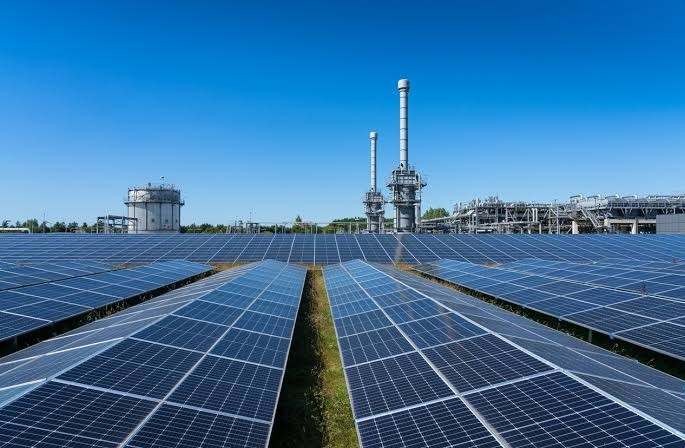
Renewable energy solutions are becoming increasingly important for commercial and industrial properties seeking to reduce electricity costs, improve energy reliability and support sustainable business operations. From office buildings and hotels to factories, warehouses, hospitals and shopping centres, businesses in Uganda are exploring alternative energy sources to meet their electricity and heating requirements.
Electricity is a major operating expense for many businesses. Commercial buildings require power for lighting, air conditioning, refrigeration, computers, water pumps, security systems and other essential equipment. Industrial facilities may have even higher energy demands because of machinery, production lines, compressors, processing equipment and storage systems.
Depending entirely on conventional electricity supplies can expose businesses to rising operating expenses and power interruptions. Renewable energy technologies provide opportunities to diversify energy sources, improve energy management and reduce dependence on conventional power.
Renewable energy solutions for commercial and industrial properties include solar photovoltaic systems, battery energy storage, solar water heating, biogas, biomass and other technologies suited to specific locations and operational requirements.
However, selecting the right solution requires more than purchasing solar panels or installing a backup system. Businesses need to assess their energy consumption, understand their operating requirements, choose appropriate equipment and ensure that the renewable energy installation is properly designed.
This guide explores the best renewable energy solutions for commercial and industrial properties in Uganda, their benefits, applications, installation requirements and the factors that determine project costs.
What Are Renewable Energy Solutions?
Renewable energy solutions are technologies that generate or use energy from naturally replenished sources such as sunlight, wind, flowing water and organic materials.
Unlike conventional energy sources that depend on finite fuels, renewable energy technologies use resources that are replenished through natural processes.
For commercial and industrial buildings, renewable energy can be used to generate electricity, provide heating, support cooling systems and supply energy for selected business operations.
Common renewable energy solutions include:
- Solar photovoltaic electricity systems.
- Solar battery storage systems.
- Hybrid solar and grid electricity systems.
- Solar water heating systems.
- Biogas energy systems.
- Biomass heating and power systems.
- Small hydropower installations where suitable resources exist.
- Wind energy systems where local conditions support their use.
The most appropriate technology depends on the building’s energy demand, location, available resources, installation space and project budget.
Why Commercial and Industrial Properties in Uganda Should Consider Renewable Energy
Businesses require dependable and affordable energy to operate efficiently. Electricity powers essential services, equipment and production processes, making energy management an important part of business planning.
Renewable energy can help commercial and industrial property owners address several operational challenges.
1. Reducing Electricity Expenses
Electricity consumption can account for a significant proportion of business operating expenses, particularly in buildings that use air conditioning, refrigeration, pumps and industrial machinery.
A properly designed renewable energy system can supply part of the building’s electricity demand and reduce the amount purchased from the grid.
For example, a commercial building with suitable rooftop space may install solar panels to generate electricity during daylight hours.
The amount saved depends on the building’s consumption pattern, solar system capacity, available sunlight, equipment efficiency and electricity tariff structure.
2. Improving Energy Reliability
Power interruptions can affect business activities, equipment operation, refrigeration, security and customer services.
Solar systems combined with appropriately sized battery storage can provide electricity to selected loads when grid power is unavailable.
This can be particularly valuable for:
- Hotels and hospitality facilities.
- Hospitals and healthcare institutions.
- Commercial offices.
- Data and communication facilities.
- Manufacturing plants.
- Cold storage facilities.
- Retail and supermarket operations.
The backup capacity must be designed around the equipment that needs continuous power.
3. Supporting Sustainable Business Operations
Renewable energy can help businesses reduce their dependence on fossil-fuel-based electricity generation and support broader sustainability objectives.
Companies seeking to improve their environmental performance can incorporate renewable energy into their building and operational strategies.
4. Supporting Long-Term Energy Planning
Renewable energy systems provide businesses with another option for managing future electricity demand.
When combined with energy monitoring and efficient equipment, renewable technologies can help businesses plan their energy use more effectively.
5. Improving Property Appeal
Commercial tenants and investors may consider energy efficiency, operating expenses and sustainability when selecting or developing properties.
Buildings with well-designed renewable energy infrastructure may become more attractive to businesses looking for efficient premises.
10 Renewable Energy Solutions for Commercial and Industrial Properties
Different renewable energy technologies serve different purposes. The following are important options for businesses and property developers in Uganda.
1. Solar Photovoltaic Systems
<AsyncImage query=”large commercial industrial rooftop solar photovoltaic panels installation warehouse” aspectRatio=”16:9″ width=”100%”/>
Solar photovoltaic systems convert sunlight directly into electricity using solar panels.
They are among the most practical renewable energy options for many commercial and industrial properties in Uganda because they can be installed on suitable rooftops, carports and available ground space.
A typical solar PV system includes:
- Solar panels.
- Solar inverters.
- Mounting structures.
- DC and AC cables.
- Isolation equipment.
- Protection devices.
- Energy monitoring equipment.
- Battery storage where required.
Solar panels generate electricity during daylight hours. The electricity can supply building loads, while surplus generation may be stored or managed according to the system configuration and applicable grid arrangements.
Common applications include:
- Office buildings.
- Hotels and lodges.
- Shopping centres.
- Warehouses.
- Factories.
- Hospitals.
- Schools and universities.
- Commercial farms.
- Cold storage facilities.
For industrial properties, solar PV can help supply selected daytime production loads, lighting, ventilation, pumping and office equipment.
The system must be designed around actual electricity consumption rather than simply installing as many panels as possible.
2. Solar Systems with Battery Energy Storage
<AsyncImage query=”commercial solar battery energy storage system industrial lithium battery inverter installation room” aspectRatio=”16:9″ width=”100%”/>
Battery energy storage systems store electricity for use when solar generation is insufficient or when grid power is unavailable.
A solar and battery installation can help businesses use more of their generated solar electricity and provide backup power for selected equipment.
Important components include:
- Solar panels.
- Hybrid or compatible inverters.
- Battery storage units.
- Battery management systems.
- Electrical protection.
- Monitoring and control equipment.
Battery storage is particularly useful for businesses that require electricity outside daylight hours or need backup for critical operations.
Potential applications include:
- Hospitals and healthcare facilities.
- Hotels.
- Offices.
- Telecommunications facilities.
- Security systems.
- Commercial refrigeration.
- Selected manufacturing equipment.
Battery systems must be sized according to the required backup duration, equipment demand, operating conditions and charging arrangements.
Businesses should also consider battery location, ventilation or temperature management requirements, fire safety and manufacturer installation instructions.
3. Hybrid Solar Energy Systems
<AsyncImage query=”commercial hybrid solar power system rooftop panels inverter utility grid connection” aspectRatio=”16:9″ width=”100%”/>
A hybrid solar energy system combines two or more electricity sources, commonly solar panels, grid electricity and battery storage.
This arrangement allows businesses to use solar energy when available while retaining access to other power sources when necessary.
Depending on the design, a hybrid system can:
- Supply building loads from solar generation.
- Store surplus electricity in batteries.
- Draw electricity from the grid when needed.
- Provide backup power during grid interruptions.
- Manage selected loads according to available energy.
Hybrid systems are useful for commercial buildings with varying electricity demand and businesses that need a combination of energy savings and backup capability.
For larger facilities, the system should be designed with suitable power ratings, protection arrangements, load priorities and control settings.
4. Solar Water Heating Systems
<AsyncImage query=”commercial hotel rooftop solar water heating collectors storage tanks installation” aspectRatio=”16:9″ width=”100%”/>
Solar water heating systems use solar energy to heat water for building operations.
They can reduce the electricity or fuel required by conventional water heating equipment.
Solar water heating is particularly suitable for businesses with significant hot-water demand.
Common applications include:
- Hotels and lodges.
- Hospitals.
- Restaurants.
- Laundry facilities.
- Staff accommodation.
- Sports and recreational facilities.
- Residential apartment developments.
A solar water heating installation may include solar collectors, storage tanks, circulation systems, pumps and backup heating equipment.
The system should be sized according to the building’s daily hot-water demand, usage schedule and available installation space.
5. Biogas Energy Systems
<AsyncImage query=”industrial biogas digester renewable energy plant agricultural organic waste” aspectRatio=”16:9″ width=”100%”/>
Biogas is produced when organic materials decompose under controlled anaerobic conditions.
Suitable feedstock may include agricultural waste, animal manure, food processing waste and certain organic commercial waste streams.
Biogas can be used for heating, cooking and electricity generation when processed and supplied through appropriate equipment.
Potential applications include:
- Food processing facilities.
- Agricultural businesses.
- Large farms.
- Abattoirs.
- Food markets.
- Institutions with substantial organic waste.
- Industrial facilities with suitable organic by-products.
Biogas can offer two benefits: energy production and improved management of suitable organic waste.
However, the feasibility of a biogas project depends on the quantity and consistency of available feedstock, gas production potential, waste handling requirements and the cost of operating the system.
6. Biomass Energy Systems
<AsyncImage query=”industrial biomass boiler renewable energy wood agricultural residues heating plant” aspectRatio=”16:9″ width=”100%”/>
Biomass energy uses organic materials such as agricultural residues, wood waste and other suitable biomass resources to produce heat or electricity.
Biomass boilers are commonly considered where businesses have consistent heat requirements and access to suitable fuel.
Possible applications include:
- Agricultural processing plants.
- Food manufacturing facilities.
- Industrial drying operations.
- Selected manufacturing processes.
- Institutions with substantial hot-water requirements.
Biomass systems require careful planning of fuel supply, storage, combustion efficiency, emissions management and ash disposal.
Sustainable sourcing is essential. Biomass should not be treated as automatically environmentally beneficial if its production or use causes deforestation or unacceptable pollution.
7. Small Hydropower Systems
<AsyncImage query=”small hydroelectric renewable energy turbine generator river power plant” aspectRatio=”16:9″ width=”100%”/>
Small hydropower systems generate electricity from flowing water.
They may be suitable for businesses or facilities located near water resources with adequate flow and elevation differences.
Potential applications include:
- Rural industrial facilities.
- Agricultural processing operations.
- Remote commercial developments.
- Selected community and institutional projects.
A hydropower project requires a detailed assessment of water availability, seasonal flow, site conditions, environmental considerations and relevant permissions.
It is not suitable for every property, but it can provide a useful renewable energy option where the natural conditions support it.
8. Wind Energy Systems
<AsyncImage query=”small commercial wind turbine renewable electricity generation open landscape” aspectRatio=”16:9″ width=”100%”/>
Wind turbines generate electricity by converting the movement of air into mechanical and electrical energy.
They may be considered for properties in locations with sufficient and consistent wind resources.
Before investing in a wind system, businesses should conduct a site-specific wind resource assessment.
Important considerations include:
- Average wind speed.
- Seasonal wind patterns.
- Turbine location.
- Mounting and structural requirements.
- Noise and environmental considerations.
- Maintenance access.
- Grid or battery integration.
Wind energy should not be selected based on general assumptions about local weather. Actual site measurements and feasibility studies are necessary.
9. Solar-Powered Water Pumping Systems
<AsyncImage query=”commercial solar water pumping system agricultural industrial water storage tanks” aspectRatio=”16:9″ width=”100%”/>
Solar-powered pumping systems use solar electricity to operate water pumps.
They can be useful for businesses that require water supply for production, cleaning, irrigation, cooling and other operations.
Applications include:
- Agricultural processing facilities.
- Commercial farms.
- Hotels.
- Industrial compounds.
- Warehouses with water storage facilities.
- Institutions.
- Commercial developments in locations with limited grid access.
The pump should be selected according to the required flow rate, pumping head, operating schedule and water source.
Water storage tanks can also help businesses store pumped water for use when solar generation is unavailable.
10. Renewable Energy Integrated with Smart Energy Management
<AsyncImage query=”commercial building energy management control system dashboard electricity monitoring solar building automation” aspectRatio=”16:9″ width=”100%”/>
Renewable energy becomes more effective when integrated with smart energy management technologies.
Energy management systems help businesses monitor electricity consumption, solar generation, battery performance and the operation of major electrical equipment.
Depending on the installed technology, these systems can:
- Monitor electricity consumption.
- Track solar generation.
- Monitor battery charge levels.
- Identify high-energy-consuming equipment.
- Schedule selected electrical loads.
- Provide performance reports.
- Support energy-saving decisions.
- Coordinate renewable energy with building operations.
For large commercial and industrial properties, energy monitoring can help facility managers identify inefficiencies and improve operational planning.
Renewable Energy Solutions for Different Commercial Properties
Every building has different energy requirements. The best renewable energy solution depends on how the property is used, when electricity is consumed and which operations require reliable power.
Renewable Energy for Office Buildings
Office buildings consume electricity through lighting, computers, printers, communication equipment, air conditioning and other office services.
Suitable renewable energy solutions may include:
- Rooftop solar PV systems.
- Battery storage for selected loads.
- Solar-powered outdoor lighting.
- Solar water heating where required.
- Smart energy monitoring.
- Automated lighting controls.
An office building with high daytime electricity consumption may be able to use a significant proportion of its solar generation directly.
Renewable Energy for Hotels and Lodges
Hotels have continuous energy requirements because they serve guests throughout the day and night.
Major energy consumers may include air conditioning, hot-water systems, kitchens, laundry equipment, refrigeration, lighting and water pumping.
Suitable renewable energy solutions include:
- Solar PV systems.
- Solar water heating.
- Battery storage.
- Hybrid solar systems.
- Solar-powered water pumping.
- Energy monitoring systems.
Solar water heating can be particularly useful in hotels with substantial hot-water demand.
Renewable Energy for Hospitals
Hospitals require reliable electricity for medical equipment, lighting, refrigeration, ventilation, communication systems and essential building services.
Potential renewable energy solutions include:
- Solar PV installations.
- Battery storage for selected critical loads.
- Hybrid electricity systems.
- Solar water heating.
- Smart energy monitoring.
Renewable energy should complement, not replace, appropriately designed emergency and essential power systems.
Medical equipment and other critical hospital loads require carefully engineered backup arrangements, appropriate redundancy and compliance with applicable healthcare electrical requirements.
Renewable Energy for Factories and Manufacturing Facilities
Manufacturing facilities may consume large amounts of electricity through machinery, motors, compressors, pumps, cooling systems and production equipment.
Renewable energy solutions can help reduce grid electricity consumption where the generation profile matches the factory’s operating schedule.
Possible solutions include:
- Large rooftop solar PV systems.
- Ground-mounted solar installations.
- Battery storage for selected loads.
- Hybrid energy systems.
- Biomass boilers where suitable.
- Biogas systems for facilities with suitable organic waste.
- Energy monitoring and load management.
Industrial projects require detailed electrical and energy assessments because machinery may have high starting currents, variable operating schedules and specialised power requirements.
Renewable Energy for Warehouses and Distribution Centres
Warehouses often have large roof areas that may be suitable for solar panel installation, subject to structural assessment.
Their electricity requirements may include lighting, security, ventilation, refrigeration, office equipment and material-handling equipment.
Potential solutions include:
- Rooftop solar panels.
- LED lighting.
- Battery backup.
- Smart lighting controls.
- Solar-powered security systems.
- Energy monitoring.
Cold storage warehouses should receive particular attention because refrigeration may operate continuously and require carefully designed backup arrangements.
Renewable Energy for Shopping Centres
Shopping centres have electricity demands from lighting, air conditioning, lifts, escalators, refrigeration, shops and shared facilities.
Renewable energy options may include:
- Rooftop solar PV.
- Solar carports.
- Battery storage.
- Solar water heating for selected facilities.
- Smart energy management.
- Efficient HVAC systems.
A shopping centre can benefit from combining renewable energy generation with energy efficiency improvements.
How to Choose the Right Renewable Energy Solution for Your Property
Selecting a renewable energy system requires a clear understanding of the building’s electricity consumption and operating requirements.
The following steps help property owners make informed decisions.
1. Conduct an Energy Audit
An energy audit identifies how much electricity a building consumes and where the largest energy demands occur.
It may examine:
- Monthly electricity consumption.
- Electricity bills.
- Peak demand.
- Operating schedules.
- Lighting systems.
- Air-conditioning equipment.
- Motors and machinery.
- Refrigeration systems.
- Water pumps.
- Existing backup power.
The findings help identify opportunities to reduce consumption before investing in renewable energy generation.
2. Analyse the Building’s Energy Consumption Pattern
Total monthly electricity consumption is important, but the timing of energy use is equally important.
For example, a factory that operates mainly during daylight hours may be able to use solar generation directly.
A hotel operating around the clock may require battery storage or a hybrid arrangement to support evening and night-time demand.
Understanding when electricity is consumed helps determine the appropriate system configuration.
3. Assess Available Installation Space
Solar projects require suitable areas for mounting panels and installing associated equipment.
Assess:
- Available rooftop space.
- Roof orientation and shading.
- Structural capacity.
- Ground-mounted installation opportunities.
- Equipment room availability.
- Cable routes.
- Access for maintenance.
A structural assessment should be completed before installing a substantial solar array on an existing roof.
4. Determine the Required System Capacity
System capacity should be based on the building’s electricity demand, available installation space and project objectives.
For solar installations, designers consider:
- Expected energy generation.
- Solar resource availability.
- Panel specifications.
- Inverter capacity.
- System losses.
- Battery requirements.
- Electrical load characteristics.
- Future demand.
Avoid choosing a system based only on the number of panels or the available budget.
5. Decide Whether Battery Storage Is Necessary
Battery storage may be valuable where the building needs backup electricity or wants to use solar energy outside daylight hours.
However, batteries increase the initial project cost and require appropriate installation and maintenance.
Businesses should identify which equipment genuinely requires backup and how long it must operate.
6. Compare Renewable Energy Technologies
Different technologies provide different benefits.
For example, solar PV generates electricity, solar water heating supplies hot water, and biogas may provide heat or electricity from suitable organic waste.
A feasibility assessment helps determine whether one technology or a combination is appropriate.
7. Evaluate Long-Term Financial Benefits
Compare the initial investment with expected savings, maintenance costs, equipment replacement requirements and system operating life.
The financial assessment should consider realistic energy generation and actual electricity consumption patterns rather than optimistic assumptions.
The Renewable Energy Installation Process
A commercial or industrial renewable energy project should follow a structured process to ensure that the system is safe, technically suitable and capable of meeting the property’s requirements.
Step 1: Initial Consultation and Site Assessment
The project begins with understanding the building’s energy requirements and assessing the available installation space.
Step 2: Energy Audit and Load Analysis
The design team reviews electricity consumption, operating schedules, peak demand and equipment requirements.
Step 3: Feasibility Study and System Design
The appropriate renewable energy technology is selected based on the site’s resources, energy demand and project objectives.
For solar projects, this includes panel layout, inverter selection, battery sizing where required and electrical protection.
Step 4: Cost Estimation and Project Planning
A detailed quotation should identify equipment, installation requirements, labour, testing and any additional building modifications.
Step 5: Equipment Procurement
Solar panels, inverters, batteries, cables, mounting structures and other components should be selected according to the approved specifications.
Step 6: Installation
The installation team carries out mounting, wiring, equipment connections, protection arrangements and integration with the building’s electrical system.
Step 7: Testing and Commissioning
The system is inspected and tested to verify that it operates correctly and safely.
Testing may include electrical checks, inverter configuration, battery operation, protection devices, monitoring and performance verification.
Step 8: Handover and Monitoring
The property owner should receive relevant system information, operating guidance, equipment documentation and maintenance recommendations.
What Determines the Cost of Renewable Energy Installation in Uganda?
The cost of renewable energy systems varies according to the building, technology, system capacity and installation requirements.
A small commercial rooftop solar installation will have different requirements from a large industrial solar and battery project.
Important cost factors include:
1. System Capacity
Larger systems require more panels, inverters, cables and associated equipment.
2. Technology Selected
Solar PV, battery storage, solar water heating, biogas and biomass systems have different equipment and installation requirements.
3. Battery Storage Requirements
Battery capacity and the required backup duration can significantly influence project costs.
4. Quality of Equipment
Solar panels, inverters, batteries and protection equipment differ in specifications, performance, warranties and manufacturer support.
5. Installation Location
Roof height, accessibility, mounting requirements and distance between equipment can influence labour and installation expenses.
6. Electrical Infrastructure
Existing electrical installations may require upgrades to accommodate renewable energy equipment safely.
7. Structural Requirements
Roof reinforcement or additional mounting structures may be required for certain installations.
8. Monitoring and Automation
Advanced energy monitoring and control systems may add to the initial investment.
9. Testing and Commissioning
Professional installation, inspection, configuration and commissioning contribute to the overall project cost.
How to Obtain an Accurate Renewable Energy Quotation
Businesses should request a site assessment and a detailed proposal.
A useful quotation should include:
- Recommended renewable energy technology.
- Proposed system capacity.
- Equipment specifications.
- Expected energy generation where applicable.
- Battery storage capacity where applicable.
- Installation materials.
- Electrical protection.
- Installation labour.
- Monitoring arrangements.
- Testing and commissioning.
- Warranty information.
- Maintenance recommendations.
For larger projects, request an energy yield estimate and a financial assessment showing the assumptions behind projected savings.
Common Mistakes to Avoid When Installing Renewable Energy Systems
Poor planning can reduce the performance and financial benefits of renewable energy investments.
Avoid these common mistakes:
1. Installing a system without an energy audit: Without understanding actual consumption, the system may be incorrectly sized.
2. Choosing equipment based only on price: Low-cost equipment may have unsuitable specifications, limited support or poor long-term reliability.
3. Ignoring battery requirements: Businesses that need night-time backup should assess whether storage is necessary and how much capacity is required.
4. Overlooking roof condition: Existing roofs should be assessed before installing solar mounting structures.
5. Ignoring shading: Trees, nearby buildings and rooftop structures can affect solar generation.
6. Failing to consider future electricity demand: Expansion and additional equipment may increase energy requirements.
7. Neglecting electrical protection: Renewable energy installations require suitable isolation, overcurrent protection, surge protection and earthing arrangements.
8. Ignoring system monitoring: Without monitoring, performance problems may go unnoticed.
9. Failing to maintain equipment: Panels, inverters, batteries and other components require appropriate inspection and maintenance.
10. Making unrealistic savings estimates: Financial projections should use realistic energy generation, operating costs and electricity consumption assumptions.
11. Ignoring regulatory requirements: Grid-connected systems and electrical installations must follow applicable approval, safety and connection requirements.
12. Overlooking energy efficiency: Reducing unnecessary electricity consumption before installing renewable energy can help avoid purchasing a larger system than necessary.
Renewable Energy and Energy Efficiency: Why They Should Work Together
Renewable energy generation is only one part of a successful energy strategy.
A commercial or industrial property can improve its results by reducing electricity waste before or alongside installing renewable energy equipment.
Important energy-efficiency measures include:
- Replacing inefficient lighting with LED systems.
- Installing efficient air-conditioning equipment.
- Improving building insulation.
- Using efficient motors and pumps.
- Installing variable-speed drives where appropriate.
- Improving refrigeration efficiency.
- Introducing automated lighting controls.
- Monitoring major electrical loads.
- Optimising equipment operating schedules.
For example, reducing unnecessary electricity consumption may allow a business to install a smaller solar system while still meeting its energy objectives.
Combining energy efficiency, renewable generation and smart energy management can therefore provide a more comprehensive solution.
Renewable Energy Maintenance for Commercial and Industrial Properties
Renewable energy systems require maintenance to maintain safe and reliable operation.
A suitable maintenance programme should follow equipment manufacturer recommendations and consider the operating environment.
Solar Panel Maintenance
Solar panels should be inspected for dust, dirt, physical damage, shading and mounting problems.
Cleaning should be carried out safely and according to the manufacturer’s recommendations.
Inverter Inspection
Inverters should be checked for alarms, ventilation problems, abnormal operating conditions and performance issues.
Battery Maintenance
Battery systems require monitoring of operating temperatures, charge levels, alarms and battery management functions.
Maintenance requirements depend on the battery technology and manufacturer.
Electrical Inspection
Cables, connectors, isolators, protective devices and earthing arrangements should be inspected by competent professionals.
Performance Monitoring
Energy monitoring systems can help identify unexpected drops in solar generation, unusual electricity consumption and equipment faults.
Regular maintenance helps businesses identify problems early and protect their investment.
Why Professional Renewable Energy Design and Installation Matter
Commercial and industrial renewable energy installations are more complex than small residential systems.
They may involve high electrical loads, multiple inverters, battery storage, large rooftop installations, grid connections and integration with existing building services.
Professional planning helps ensure that:
- Energy demand is properly assessed.
- Equipment is correctly sized.
- Solar layouts are suitable for the site.
- Electrical protection is coordinated.
- Batteries are appropriately selected.
- Structural requirements are considered.
- Grid integration is properly planned.
- Systems are tested and commissioned.
- Maintenance requirements are understood.
For industrial properties, additional attention may be necessary for motor loads, machinery starting currents, production schedules and power quality.
Businesses should engage appropriately qualified and authorised professionals for the design, installation and inspection work involved.
Why Consider Daltrevco Company for Building Energy Solutions?
Modern commercial and industrial properties need building systems that support efficiency, reliability and long-term operational performance.
Renewable energy should be considered alongside electrical distribution, lighting, HVAC, water systems, automation and energy management.
Daltrevco Company recognises the importance of efficient building utilities and well-planned infrastructure for modern properties.
Whether you are planning a new commercial development, upgrading an industrial facility or exploring renewable energy options for an existing building, contact Daltrevco Company to discuss your project requirements and suitable building solutions.
Frequently Asked Questions About Renewable Energy Solutions for Commercial and Industrial Properties
1. What are the best renewable energy solutions for commercial buildings?
Solar photovoltaic systems are a common option for commercial buildings. Depending on the building’s requirements, they can be combined with battery storage, solar water heating and smart energy management systems.
2. Can solar energy power an entire industrial facility?
It can supply a substantial proportion of an industrial facility’s electricity demand where the system is properly designed and sufficient installation space and solar resources are available. Whether it can meet the entire demand depends on consumption, operating schedules, system capacity and storage or alternative power arrangements.
3. How much does commercial solar installation cost in Uganda?
The cost depends on system capacity, equipment quality, battery requirements, installation conditions, electrical infrastructure and project complexity. A site assessment and energy analysis are necessary to prepare an accurate quotation.
4. Are renewable energy systems suitable for factories?
Yes. Solar PV, battery storage, biomass and biogas may be suitable for different industrial applications. The best option depends on the factory’s energy demand, operating schedule, available resources and production requirements.
5. Do commercial solar systems require batteries?
Not always. A solar system may be designed to supply electricity during daylight hours without batteries, depending on its configuration and grid arrangements. Batteries are useful when backup or energy storage is required.
6. Can renewable energy reduce electricity bills?
Yes. Renewable energy systems can reduce the amount of electricity purchased from the grid when they generate energy that can be used by the property. Actual savings depend on system performance, energy consumption patterns and applicable electricity tariffs.
7. Is solar water heating suitable for hotels?
Yes. Hotels with significant hot-water demand may benefit from solar water heating. System capacity should be based on guest occupancy, daily hot-water use and available installation space.
8. What is a hybrid renewable energy system?
A hybrid energy system combines two or more energy sources, such as solar panels, grid electricity and battery storage. It can provide flexibility in electricity supply and backup arrangements.
9. How long do commercial solar panels last?
Solar panels are generally designed for long operating lives, often with performance warranties extending over 20 years or more. Actual performance depends on product quality, installation conditions, maintenance and environmental exposure. Other system components may require replacement sooner.
10. Can renewable energy be integrated into an existing commercial building?
Yes. Existing buildings can be assessed for solar PV, battery storage, solar water heating and other suitable technologies. The electrical infrastructure, roof condition and energy demand should be evaluated before installation.
11. What maintenance do commercial renewable energy systems require?
Maintenance may include inspecting solar panels, cleaning where necessary, checking inverters, monitoring batteries, inspecting electrical connections and reviewing system performance. The exact schedule depends on the technology and manufacturer.
12. Can renewable energy provide backup power during electricity interruptions?
Yes. Systems designed with suitable battery storage and compatible backup equipment can supply selected loads during grid interruptions. The system must be designed to provide the required power and operating duration.
13. Is renewable energy suitable for warehouses?
Yes. Warehouses often have large rooftops that may be suitable for solar PV, subject to structural assessment. Solar energy can support lighting, offices, ventilation, security systems and selected warehouse equipment.
14. How can a business choose the right renewable energy system?
A business should begin with an energy audit, analyse its electricity consumption patterns, assess available installation space and compare suitable technologies. A professional feasibility assessment helps identify the most practical and cost-effective solution.
Conclusion: Invest in Renewable Energy for More Efficient Commercial and Industrial Properties
Renewable energy solutions provide commercial and industrial property owners in Uganda with opportunities to reduce electricity expenses, improve energy reliability and support sustainable business operations.
From rooftop solar photovoltaic systems and battery storage to solar water heating, biogas, biomass and smart energy management, different technologies can address different building and operational requirements.
The most effective renewable energy investment begins with understanding the property’s energy demand, selecting the right technology and ensuring professional design, installation and maintenance.
For offices, hotels, hospitals, factories, warehouses and shopping centres, combining renewable energy with efficient electrical systems, lighting, HVAC and energy monitoring can create more economical and sustainable buildings.
If you are planning a new development or looking to improve the energy performance of an existing commercial or industrial property, contact Daltrevco Company to discuss your building utility and energy project requirements.
Invest in smarter energy solutions today and build a more efficient and sustainable future for your business.

