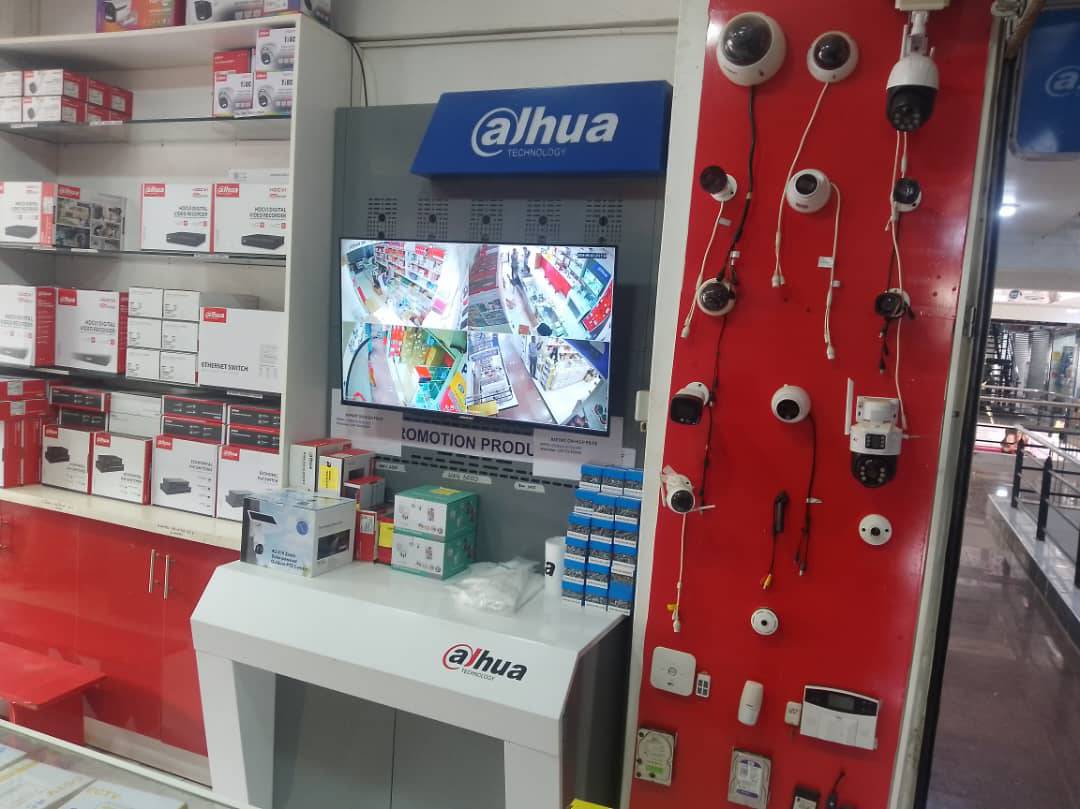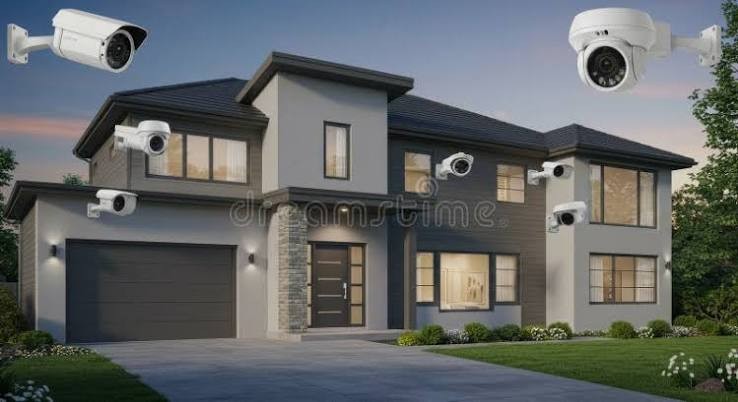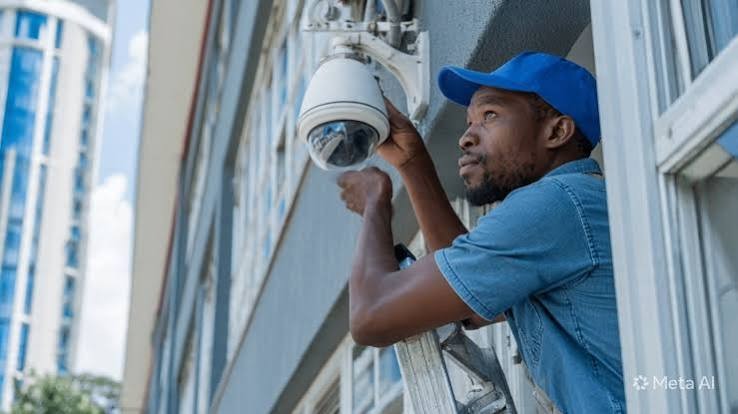
Security is an important consideration for homeowners, business owners, property developers and organisations across Uganda. Whether you own a residential property, manage a commercial building, operate a factory or run a retail business, protecting people, property and valuable assets should be a priority.
As security concerns continue to influence property management and business operations, CCTV surveillance systems have become an increasingly important security solution. Modern CCTV cameras allow property owners to monitor activities, record security footage, identify suspicious behaviour and remotely observe their premises.
However, installing an effective surveillance system requires more than simply purchasing cameras and mounting them on walls. It involves selecting suitable equipment, planning camera positions, installing the correct cabling, configuring recording devices and ensuring reliable monitoring.
Professional CCTV installation services in Uganda help property owners establish reliable surveillance systems that meet their security requirements. From residential CCTV cameras to advanced commercial and industrial surveillance solutions, the right installation can significantly improve property security.
This complete guide explains everything you need to know about CCTV installation in Uganda, including camera types, installation procedures, benefits, costs, maintenance and how to choose the right CCTV installation company.
What Are CCTV Installation Services?
CCTV installation services involve the professional supply, installation, configuration and maintenance of Closed-Circuit Television (CCTV) surveillance systems.
These systems use strategically positioned cameras to capture video footage of specific areas within or around a property. The footage is transmitted to a recording device or network storage system, allowing authorised users to monitor live activities and review recorded events.
Professional CCTV installation typically includes:
- Assessing the property’s security requirements.
- Designing a suitable CCTV surveillance system.
- Selecting appropriate security cameras.
- Installing cameras in strategic positions.
- Installing network cables and power connections.
- Setting up Digital Video Recorders (DVRs) or Network Video Recorders (NVRs).
- Configuring remote viewing through computers and smartphones.
- Testing the entire surveillance system.
- Providing maintenance and technical support.
In Uganda, CCTV systems are suitable for residential homes, offices, shopping centres, hotels, hospitals, schools, warehouses, factories, commercial premises and other properties that require reliable security monitoring.
Why CCTV Installation Is Important in Uganda
Investing in a professionally installed CCTV surveillance system provides several security and operational benefits.
Here are some of the main reasons why property owners and businesses should consider CCTV installation.
1. Improved Property Security
CCTV cameras help property owners monitor activities around their premises and identify suspicious behaviour.
Visible surveillance cameras can also discourage opportunistic theft, vandalism and unauthorised access.
Installing cameras around entrances, parking areas, perimeter boundaries and other vulnerable locations helps improve overall property security.
2. 24-Hour Security Monitoring
Modern CCTV systems can operate throughout the day and night, allowing property owners to monitor their premises even when they are away.
Depending on the selected equipment, cameras can provide infrared night vision, low-light recording and colour night surveillance.
This makes CCTV installation particularly useful for businesses that operate outside normal working hours and properties that require continuous monitoring.
3. Remote Monitoring Through Smartphones
Modern IP CCTV systems allow authorised users to access live camera footage remotely.
Using compatible mobile applications or computer software, property owners can monitor their homes, offices, shops and other facilities from different locations.
Remote monitoring is especially useful for business owners, landlords, property managers and organisations responsible for multiple locations.
4. Evidence and Incident Investigation
Recorded CCTV footage can help establish what happened during security incidents.
Video recordings may assist in investigating theft, vandalism, accidents, disputes and unauthorised entry.
Depending on the recording quality, camera position and available footage, surveillance recordings may provide useful evidence when reviewing security incidents.
5. Better Business Management
CCTV systems are not only useful for security. They can also support the management of business operations.
Business owners can monitor entrances, customer service areas, stockrooms, loading bays and other operational locations.
This helps improve visibility, support internal investigations and identify operational problems.
6. Protection of Employees, Customers and Visitors
Installing CCTV cameras in appropriate public and operational areas can help improve the safety of employees, customers and visitors.
For example, businesses can monitor reception areas, corridors, parking facilities and building entrances.
Camera placement should always respect privacy and applicable data protection requirements.
Types of CCTV Cameras Available in Uganda
Choosing the right CCTV camera is one of the most important stages of planning a surveillance system.
Different cameras are designed for different environments, lighting conditions and monitoring requirements.
Below are common CCTV camera types used in residential, commercial and industrial installations.
1. Dome CCTV Cameras
Dome cameras have a rounded protective housing that makes them suitable for indoor surveillance.
They are commonly installed in:
- Offices and reception areas.
- Shopping centres.
- Hotels and restaurants.
- Hospitals and schools.
- Retail shops.
- Residential buildings.
Their compact design makes them suitable for locations where discreet surveillance is preferred.
2. Bullet CCTV Cameras
Bullet cameras have a cylindrical design and are commonly used for outdoor surveillance.
They are suitable for monitoring:
- Building entrances.
- Perimeter boundaries.
- Parking areas.
- Gates and access roads.
- Warehouses.
- Industrial facilities.
Many outdoor bullet cameras include weather-resistant housings and infrared night vision.
3. IP CCTV Cameras
Internet Protocol cameras transmit video through an IP network.
They are commonly used in modern surveillance installations because they support high-resolution video, network connectivity and remote monitoring.
Depending on the system design, IP cameras can connect to an NVR through Ethernet cabling or a suitable wireless network.
They are suitable for homes, offices, commercial buildings and large industrial facilities.
4. Wireless CCTV Cameras
Wireless CCTV cameras transmit video through a wireless network rather than requiring a dedicated video cable between every camera and the recording device.
They can be useful in locations where installing network cables is difficult.
However, wireless cameras still require a reliable power source unless they are designed with suitable battery or solar power options.
A stable network connection is also important for reliable monitoring.
5. PTZ CCTV Cameras
Pan-Tilt-Zoom cameras allow operators to adjust the camera’s direction and zoom remotely.
They are suitable for monitoring larger areas such as:
- Industrial compounds.
- Large parking facilities.
- Warehouses.
- Commercial properties.
- Institutional premises.
- Large outdoor environments.
PTZ cameras provide greater monitoring flexibility, although they may require complementary fixed cameras to ensure continuous coverage of important locations.
6. Night Vision CCTV Cameras
Night vision cameras are designed to capture footage in low-light or dark environments.
Most use infrared technology, while other models provide colour recording under suitable lighting conditions.
They are useful for monitoring building entrances, outdoor spaces, perimeter boundaries and parking facilities at night.
7. Thermal CCTV Cameras
Thermal cameras detect heat patterns rather than relying entirely on visible light.
They can be useful in specialised industrial, perimeter security and monitoring applications where detecting people or objects in darkness, smoke or challenging visibility conditions is important.
Types of CCTV Surveillance Systems
Besides selecting the camera type, property owners must choose a suitable surveillance system.
The main options include:
Analogue CCTV Systems
Analogue CCTV systems transmit video signals through coaxial cables to a Digital Video Recorder (DVR).
They are commonly used in traditional surveillance installations and can provide a practical solution for properties with existing CCTV cabling.
Modern HD analogue systems support considerably improved image quality compared with older standard-definition systems.
IP CCTV Systems
IP surveillance systems transmit digital video through network connections.
They commonly use Network Video Recorders (NVRs) to store and manage footage.
IP CCTV systems offer several advantages, including:
- High-resolution video recording.
- Flexible network-based installation.
- Remote monitoring capabilities.
- Integration with other security technologies.
- Easier expansion in appropriately designed networks.
- Advanced camera analytics on supported models.
For many new commercial and industrial projects, IP CCTV systems are worth considering because of their flexibility and scalability.
Hybrid CCTV Systems
Hybrid CCTV systems combine compatible analogue and IP cameras within one surveillance setup.
They are useful for property owners who want to upgrade an existing surveillance installation without necessarily replacing every camera and cable immediately.
The compatibility of cameras, DVRs and other equipment should be checked before installation.
CCTV Installation for Different Properties in Uganda
Every property has unique security requirements. A CCTV system should therefore be designed according to the building layout, property size, security risks and monitoring needs.
Residential CCTV Installation
Homeowners can install CCTV cameras to improve security around their houses and residential compounds.
Important camera locations include:
- Main entrances and doors.
- Driveways and parking areas.
- Perimeter walls and gates.
- Backyards and outdoor spaces.
- Garages and storage areas.
- Other vulnerable access points.
Residential CCTV systems can include mobile phone monitoring, motion detection and night vision.
Commercial CCTV Installation
Commercial buildings often require surveillance systems that cover multiple entrances, floors and operational areas.
CCTV installation in commercial properties may include:
- Reception areas.
- Office entrances.
- Corridors and staircases.
- Parking facilities.
- Lifts and common areas.
- Storage rooms.
- Loading and delivery zones.
A professionally designed system helps improve security visibility throughout the property.
CCTV Installation for Shopping Centres and Retail Shops
Shopping centres and retail businesses experience frequent customer, employee and supplier movements.
CCTV cameras can help monitor customer areas, entrances, payment points, stockrooms and loading areas.
For larger shopping centres, centralised surveillance and monitoring systems can make it easier to manage multiple cameras from one location.
CCTV Installation for Factories and Industrial Facilities
Factories and industrial facilities often contain expensive machinery, equipment, raw materials and finished products.
A properly planned CCTV system can help monitor production areas, warehouses, loading bays, perimeter boundaries and restricted access points.
Industrial installations may require weather-resistant cameras, specialised mounting equipment and surveillance systems designed for demanding operating environments.
CCTV Installation for Schools and Educational Institutions
Schools, colleges and universities can use CCTV systems to monitor entrances, corridors, parking areas and selected common spaces.
Surveillance cameras can support campus security and help administrators review reported incidents.
Camera placement should respect the privacy of learners, staff and visitors.
CCTV Installation for Hotels and Hospitality Facilities
Hotels, lodges and hospitality businesses require security systems that cover public and operational areas.
CCTV cameras may be installed around:
- Reception areas.
- Main entrances.
- Parking facilities.
- Corridors.
- Service entrances.
- Storage and staff-only areas.
- External property boundaries.
The system should be designed to maintain appropriate privacy in guest rooms and other private spaces.
The CCTV Installation Process
Professional CCTV installation involves several important stages to ensure that the system operates effectively.
Understanding the installation process helps property owners know what to expect when hiring a CCTV installation company.
Step 1: Site Assessment and Security Evaluation
The installation process begins with an assessment of the property.
The installer examines the building layout, entrances, potential security risks, lighting conditions and areas requiring surveillance.
This assessment helps determine the number of cameras needed, suitable camera types and the best installation locations.
Step 2: CCTV System Design
After assessing the property, the installer develops a surveillance system design.
The design identifies camera positions, recording equipment, cabling routes, network requirements and monitoring locations.
For larger buildings, a detailed camera coverage plan helps minimise blind spots and avoid unnecessary equipment costs.
Step 3: Selection of CCTV Equipment
The next stage involves selecting cameras and supporting equipment according to the project’s requirements.
Typical equipment includes:
- CCTV cameras.
- DVR or NVR recording devices.
- Hard drives for video storage.
- Power supply units.
- Network switches.
- Ethernet or coaxial cables.
- Monitors and display equipment.
- Connectors and mounting accessories.
- Uninterruptible Power Supply (UPS) equipment where required.
Equipment should be selected according to the required recording quality, storage period, network capacity and operating environment.
Step 4: Camera Positioning and Mounting
Cameras are installed in strategic locations to provide the required surveillance coverage.
The installation team considers camera height, viewing angles, lighting, potential obstructions and exposure to weather.
Outdoor cameras should use suitable weather-resistant equipment and secure mounting arrangements.
Step 5: Cabling and Power Installation
The installer establishes the necessary power and communication connections.
IP cameras may use Power over Ethernet (PoE), which allows compatible network cables to carry both data and electrical power.
Other systems may require separate power supplies and video cables.
All cables should be properly routed and protected against accidental damage and environmental exposure.
Step 6: DVR or NVR Configuration
The recording equipment is configured to receive and store video footage from the installed cameras.
The installer sets up recording schedules, camera names, recording quality, motion detection and other supported functions.
Storage capacity should be selected according to the number of cameras, recording resolution, frame rate and desired retention period.
Step 7: Remote Viewing Configuration
Where remote monitoring is required, the installer configures the CCTV system for access through compatible smartphones, tablets or computers.
Authorised users can then monitor live footage and review recordings remotely, subject to internet availability and the system’s capabilities.
Strong passwords and appropriate network security settings should be established during configuration.
Step 8: Testing and Commissioning
Before completing the installation, the CCTV system should be tested.
The installer checks:
- Camera image quality.
- Camera viewing angles.
- Night vision performance.
- Recording and playback.
- Network connectivity.
- Storage functionality.
- Remote viewing.
- Power backup arrangements.
- Motion detection and other configured features.
A final inspection helps confirm that the surveillance system meets the agreed installation requirements.
How Much Does CCTV Installation Cost in Uganda?
The cost of CCTV installation in Uganda varies depending on the type of cameras, number of installation points, property size and complexity of the surveillance system.
A small residential installation will generally require a different budget from a large commercial or industrial CCTV project.
There is no single price that applies to every CCTV installation because each property has different requirements.
The following factors influence the total installation cost.
1. Number of CCTV Cameras
The number of cameras is one of the main factors affecting the overall project budget.
A small home may require only a few cameras, while a shopping centre, warehouse or factory may require dozens of surveillance points.
More cameras generally mean additional equipment, cabling, storage capacity and installation work.
2. Type and Quality of Cameras
Different cameras have different technical capabilities and prices.
For example, standard dome cameras, high-resolution IP cameras, PTZ cameras and thermal cameras have different equipment requirements and costs.
Higher-resolution cameras may also require additional network bandwidth and storage capacity.
3. Type of CCTV System
Analogue, IP and hybrid CCTV systems have different equipment and installation requirements.
IP surveillance systems may require network switches, structured cabling and network configuration, while analogue systems may use compatible coaxial infrastructure.
The most suitable option depends on the property’s needs and existing infrastructure.
4. Building Size and Layout
Large properties generally require more cameras and longer cable routes.
Multi-storey buildings, industrial compounds and properties with complex layouts may also require additional installation materials and labour.
5. Storage Capacity
CCTV recording systems require sufficient storage to retain video footage.
The required hard drive capacity depends on:
- Number of cameras.
- Video resolution.
- Recording frame rate.
- Compression technology.
- Continuous or motion-based recording.
- Desired footage retention period.
Properties requiring longer recording periods may need larger storage systems.
6. Remote Monitoring and Networking
Some CCTV installations require internet connectivity, network configuration and remote access.
More advanced systems may also integrate with access control, alarms and other security technologies.
These additional requirements can influence the total project cost.
7. Backup Power Requirements
Power interruptions can affect surveillance systems.
Depending on the security requirements, installations may include UPS equipment, backup batteries or alternative power arrangements.
These components help maintain surveillance during suitable power interruptions, depending on their capacity and configuration.
8. Installation Complexity
The cost of installation also depends on the work required to mount cameras, route cables, install conduits, configure equipment and commission the system.
A professional site assessment is the best way to establish an accurate CCTV installation quotation.
How to Choose the Best CCTV Installation Company in Uganda
Selecting the right CCTV installation company is important because the quality of installation affects the performance, reliability and lifespan of the surveillance system.
Before hiring an installer, consider the following factors.
1. Technical Experience and Expertise
Choose a company with relevant experience in CCTV installation and security system integration.
The installer should understand different surveillance technologies, camera configurations, recording equipment and networking requirements.
2. Quality of CCTV Equipment
Ask about the equipment proposed for your project.
A reliable installation should use compatible cameras, recording devices, cables, storage equipment and power supplies.
The installer should also explain the technical specifications of the recommended products.
3. Site Assessment and System Design
A professional CCTV installation company should assess your property before recommending equipment.
Avoid choosing a system based only on the number of cameras without considering coverage requirements and potential blind spots.
4. Installation Standards
Proper camera positioning, secure mounting, organised cabling and correct equipment configuration are essential.
Poor installation can result in unclear footage, unreliable connections and areas without adequate surveillance coverage.
5. After-Installation Support
Choose an installer that can provide technical support, troubleshooting and maintenance after the project is completed.
This is particularly important for businesses and institutions that depend on continuous surveillance.
6. Transparent Pricing
Request a detailed quotation explaining the equipment, installation work and any additional services included.
Compare quotations based on equipment quality, coverage, technical specifications and after-sales support rather than price alone.
7. Warranty and Maintenance
Ask about equipment warranties, installation workmanship guarantees and maintenance arrangements.
A reliable CCTV installation company should explain the available support and warranty terms before work begins.
Essential Features to Consider When Installing CCTV Cameras
Modern CCTV systems offer several advanced features that can improve surveillance performance.
Before selecting a system, consider the following:
High-Resolution Recording: Cameras with suitable resolution help capture clearer images and important details. Select resolution according to the distance, field of view and level of detail required.
Infrared Night Vision: This feature allows cameras to capture footage in dark environments using infrared illumination.
Motion Detection: Supported cameras and recording systems can detect movement and trigger alerts or event-based recording.
Mobile Phone Monitoring: Remote viewing allows authorised users to monitor their properties using compatible mobile devices.
Wide Dynamic Range (WDR): WDR helps cameras handle scenes with contrasting bright and dark areas, such as entrances exposed to strong sunlight.
Weather Resistance: Outdoor cameras should have suitable Ingress Protection (IP) ratings to withstand dust and water exposure.
Video Storage: Sufficient storage is essential for retaining footage over the required recording period.
Power Backup: UPS systems and other suitable backup arrangements can help maintain surveillance during power interruptions.
Common CCTV Installation Mistakes to Avoid
Even good-quality CCTV equipment may perform poorly when installed incorrectly.
Here are common mistakes property owners should avoid.
Installing Too Few Cameras
Installing an insufficient number of cameras can leave important areas unmonitored.
A proper site assessment helps determine the number of cameras required for suitable coverage.
Poor Camera Positioning
Incorrect camera angles may result in blind spots, glare or unclear footage.
Cameras should be positioned according to the intended surveillance area and lighting conditions.
Choosing Low-Quality Equipment
Cheap, incompatible or unsuitable equipment may result in poor image quality, unreliable connections and increased maintenance requirements.
Prioritise equipment that meets the property’s security needs.
Ignoring Night-Time Surveillance
Some cameras perform well during daylight but provide poor footage at night.
Always evaluate night vision capabilities and lighting conditions before selecting cameras.
Inadequate Video Storage
Insufficient storage can result in recordings being overwritten sooner than expected.
Storage should be calculated according to the number of cameras, recording settings and required retention period.
Poor Cable Management
Exposed or poorly installed cables can be damaged by weather, accidental interference or unauthorised access.
Proper cable routing and protection help improve system reliability.
Failing to Secure the CCTV Network
CCTV systems connected to the internet can be vulnerable when configured with weak passwords or outdated software.
Use strong unique passwords, update supported firmware and restrict access to authorised users.
CCTV System Maintenance and Servicing
Regular maintenance helps ensure that CCTV surveillance systems continue operating effectively.
Even professionally installed systems require periodic inspection and servicing.
Important CCTV maintenance activities include:
- Cleaning camera lenses and protective housings.
- Checking camera mounting brackets.
- Inspecting cables and electrical connections.
- Testing night vision performance.
- Checking DVR and NVR recording functionality.
- Reviewing hard drive health and available storage.
- Testing remote viewing applications.
- Updating supported firmware.
- Checking UPS batteries and backup power equipment.
- Reviewing user access permissions.
For commercial buildings, factories, hotels and other large facilities, scheduled CCTV maintenance can help identify problems before they cause significant surveillance interruptions.
CCTV Installation and Integration with Other Security Systems
CCTV surveillance systems can also be integrated with other building security technologies to create a more comprehensive security solution.
CCTV and Access Control Systems
Integrating CCTV with access control allows security personnel to monitor entrances while managing who can enter restricted areas.
For example, cameras can monitor access-controlled doors, staff entrances and visitor reception areas.
CCTV and Intruder Alarm Systems
CCTV systems can complement intruder alarms by providing visual information when an alarm is triggered.
Depending on the equipment, alarm events can be associated with relevant camera footage to support incident investigation.
CCTV and Building Management Systems
In selected commercial and institutional projects, CCTV systems can form part of a wider building security and management infrastructure.
This may involve coordination with access control, monitoring platforms and other building technologies.
An integrated approach can improve security management and operational visibility.
Privacy and Legal Considerations When Installing CCTV in Uganda
CCTV installation should consider the privacy rights of employees, customers, visitors, neighbours and other individuals who may be recorded.
Property owners and organisations should consider Uganda’s applicable data protection and privacy requirements when collecting, storing and accessing surveillance footage.
Important considerations include:
- Install cameras for legitimate security purposes.
- Avoid recording private spaces such as toilets, changing rooms and private residential interiors.
- Position cameras to minimise unnecessary recording of neighbouring properties.
- Inform relevant people about surveillance through appropriate notices where required.
- Restrict access to recorded footage.
- Protect stored recordings against unauthorised access.
- Establish appropriate footage retention and deletion procedures.
- Use recordings only for legitimate and lawful purposes.
Organisations handling personal data through CCTV should assess their obligations under applicable Ugandan data protection laws and seek professional guidance where necessary.
Why Choose Professional CCTV Installation Services from Daltrevco?
Choosing the right CCTV installation provider is an important step towards establishing a reliable security environment.
Daltrevco recognises the importance of professionally planned building security and surveillance solutions for modern properties.
Whether you are securing a residential building, office, commercial facility or industrial property, a suitable CCTV installation should be designed around the property’s security requirements.
When planning a CCTV project, property owners should prioritise:
- Proper assessment of security requirements.
- Appropriate camera selection.
- Strategic surveillance coverage.
- Reliable cabling and equipment installation.
- Correct recording and storage configuration.
- Remote monitoring capabilities where required.
- System testing and commissioning.
- Ongoing maintenance and technical support.
For professional building security and surveillance solutions, visit Daltrevco to explore the company’s services and make an enquiry.
Frequently Asked Questions About CCTV Installation Services in Uganda
1. How much does CCTV installation cost in Uganda?
CCTV installation costs in Uganda depend on the number of cameras, camera quality, recording equipment, cabling requirements, storage capacity and installation complexity. A site assessment is recommended to obtain an accurate quotation.
2. How many CCTV cameras do I need for my house?
The number depends on the size and layout of your property, entrances, perimeter boundaries and security requirements. A small house may need fewer cameras than a large residential compound.
3. Which CCTV cameras are best for homes in Uganda?
IP dome cameras, bullet cameras and suitable wireless cameras are common options for residential properties. The best choice depends on the location, lighting conditions, network availability and required image quality.
4. Can I monitor my CCTV cameras using my phone?
Yes. Many modern IP CCTV systems support remote monitoring through compatible smartphone applications. This allows authorised users to view live footage and access recordings remotely when the system and internet connection are available.
5. Can CCTV cameras work at night?
Yes. Many CCTV cameras include infrared night vision or low-light technology that allows them to record in dark environments. Performance depends on the camera specifications and surrounding lighting conditions.
6. How long can CCTV cameras store recorded footage?
The recording period depends on hard drive capacity, camera resolution, frame rate, compression settings and recording schedules. Storage should be calculated according to the desired footage retention period.
7. Is wired or wireless CCTV better?
Wired CCTV systems generally provide dependable connections and are suitable for permanent installations. Wireless systems can be easier to install in certain locations but depend on network reliability and still require an appropriate power source.
8. Can CCTV systems operate during power outages?
CCTV systems can continue operating during power interruptions when supported by appropriately sized UPS equipment, batteries or alternative backup power solutions. The backup duration depends on the capacity and power consumption of the equipment.
9. How often should CCTV systems be maintained?
CCTV systems should be inspected periodically, with the maintenance frequency depending on the installation environment and operational requirements. Commercial and industrial systems may benefit from scheduled professional servicing.
10. Why should I hire a professional CCTV installation company in Uganda?
A professional installer can assess your property, recommend suitable cameras, design coverage, install equipment correctly, configure recording systems and provide technical support. This helps improve the reliability and effectiveness of your surveillance system.
Conclusion: Invest in Professional CCTV Installation Services in Uganda
CCTV surveillance is an important investment for homeowners, businesses, commercial property owners and institutions seeking to improve security and monitor their premises.
However, the effectiveness of a CCTV system depends on more than the quality of the cameras. Proper system design, strategic camera positioning, reliable cabling, adequate storage, secure network configuration and regular maintenance all contribute to successful surveillance.
Whether you need CCTV installation for a residential home, office, shopping centre, hotel, warehouse, factory or institutional building, choosing the right equipment and professional installation approach is essential.
Daltrevco is committed to helping property owners explore suitable building security and surveillance solutions.
Visit www.daltrevco.com to learn more about professional building and security solutions and make an enquiry about your project.
Protect your property, improve security visibility and invest in a CCTV surveillance system designed around your needs.