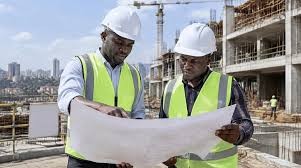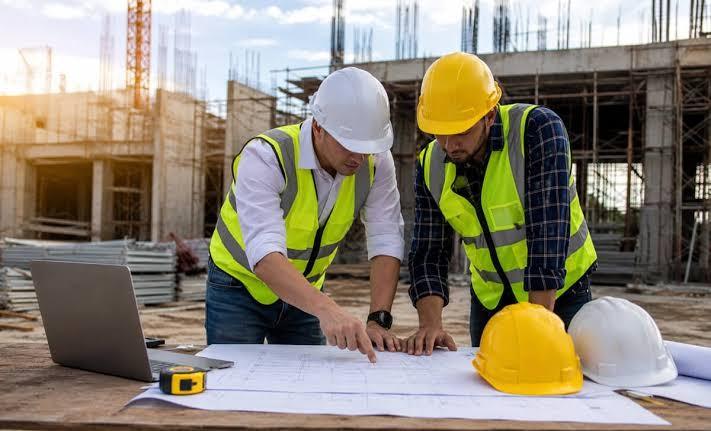
Starting a building project is a major investment that requires careful planning, financial preparation, technical knowledge and effective coordination. Whether you intend to construct a residential house, commercial building, office block, warehouse, factory, school, hotel or apartment complex, the decisions made before construction begins can significantly influence the project’s cost, quality, safety and eventual success.
Many property owners focus on finding contractors, purchasing construction materials and beginning site activities. However, starting construction without adequate professional advice can expose a project to unnecessary expenses, design problems, construction delays, poor workmanship and costly changes.
This is where professional construction consultancy becomes important.
Construction consultancy provides property owners and developers with professional guidance during the early stages of a building project. Depending on the appointed professionals and agreed scope of work, consultancy services can support feasibility assessments, project planning, cost estimation, design coordination, contractor selection, procurement, risk management and construction supervision.
In Uganda, where construction projects must respond to different site conditions, development requirements, material availability, labour considerations and approval processes, professional advice before construction begins can help developers make informed decisions.
At Daltrevco, we recognise the importance of proper preparation when undertaking construction and development projects. Understanding the role of construction consultancy can help you approach your next project with greater clarity, confidence and control.
What Is Professional Construction Consultancy?
Professional construction consultancy is the provision of technical, financial, planning and management advice to clients undertaking building and construction projects.
A construction consultant helps a property owner or developer understand what is required to deliver a project successfully. The consultant may assess project requirements, review proposed designs, advise on construction costs, coordinate professional input, evaluate contractors and support the management of construction activities.
The exact services depend on the consultant’s professional qualifications, competence and contractual appointment.
A construction consultancy team may include different specialists, such as:
- Architects responsible for architectural design and spatial planning.
- Structural engineers responsible for structural design and related engineering assessments.
- Civil engineers responsible for relevant civil engineering and infrastructure works.
- Quantity surveyors responsible for construction cost planning, measurement and financial management.
- Mechanical and electrical engineers responsible for building services design.
- Construction project managers responsible for coordinating project activities within their agreed authority.
- Other specialists appointed according to the project’s requirements.
Not every construction consultant provides all these services. Clients should establish which professionals are required and confirm that regulated work is undertaken by appropriately qualified and registered practitioners.
Why Construction Consultancy Is Important Before Starting a Building Project
The early stages of a construction project involve decisions that affect almost every subsequent activity. Professional consultancy helps property owners examine these decisions before committing significant financial resources.
The following are some of the most important reasons to seek construction consultancy before starting a building project.
1. Helps Establish Whether the Project Is Feasible
Before investing in architectural designs, construction materials and labour, it is important to establish whether the proposed development is practical.
A feasibility assessment examines whether a project can reasonably be developed within the available site, budget, resources and intended purpose.
Depending on the project, a feasibility assessment may consider:
- The suitability and accessibility of the proposed site.
- The intended use of the building.
- Available land and site conditions.
- Preliminary construction cost expectations.
- Access to utilities and infrastructure.
- Planning and development considerations.
- Expected project duration.
- Potential technical and financial challenges.
- Environmental and operational considerations where applicable.
For example, a developer planning an apartment building in Kampala may need to assess the site’s access, proposed building arrangement, parking requirements, utility connections and development restrictions before committing to construction.
Similarly, a business planning a warehouse in Wakiso should consider access for delivery vehicles, storage requirements, drainage, loading areas and the suitability of the site.
Early feasibility assessments help identify significant problems before they become expensive construction issues.
2. Improves Construction Budgeting and Cost Planning
One of the biggest challenges in building projects is controlling expenditure.
Without proper cost planning, property owners may underestimate the amount required to complete their developments. They may also overlook expenses such as professional fees, statutory charges, utility connections, external works, equipment, transportation and finishing materials.
Professional construction consultancy can help establish a more realistic project budget.
Depending on the appointment, cost planning may involve:
- Reviewing the proposed building design.
- Preparing preliminary construction cost estimates.
- Identifying major cost components.
- Assessing material and labour requirements.
- Reviewing construction specifications.
- Preparing or reviewing bills of quantities.
- Identifying potential cost-saving opportunities.
- Allowing for appropriate contingencies.
- Monitoring expenditure against the approved budget.
For example, a person planning to construct a residential house in Uganda may initially concentrate on the cost of bricks, cement, roofing materials and labour. However, a complete project budget should also consider site preparation, foundations, structural works, electrical installations, plumbing, finishes, external works and other relevant expenses.
Professional cost planning helps property owners understand the wider financial requirements before construction begins.
3. Helps Prevent Expensive Design Mistakes
Building designs determine how a property will function, how much it may cost to construct and how effectively the available space will be used.
Design mistakes can result in unnecessary construction costs, poor space utilisation, structural complications and expensive modifications.
Professional consultancy helps identify design concerns before construction activities begin.
Depending on the project and appointed professionals, design reviews may examine:
- Whether the proposed layout meets the client’s requirements.
- Whether the building design is appropriate for the site.
- Whether structural requirements have been adequately addressed.
- Whether electrical and plumbing services are properly coordinated.
- Whether circulation and accessibility have been considered.
- Whether construction materials are suitable.
- Whether the proposed design is consistent with the project budget.
- Whether relevant approval requirements have been considered.
For example, a commercial building may require adequate staircases, service areas, ventilation, sanitary facilities, parking and emergency access. If these requirements are not considered early enough, correcting the design during construction may become expensive.
Engaging the appropriate professionals before construction helps reduce avoidable design-related problems.
4. Supports Proper Construction Project Planning
A successful construction project requires more than a building design and an available budget. It also needs a clear implementation plan.
Construction planning establishes how project activities will be organised, sequenced, resourced and monitored.
Professional consultancy can help develop a project plan covering:
- Project objectives and expected outcomes.
- Design and documentation requirements.
- Procurement arrangements.
- Contractor appointment.
- Construction activities and sequencing.
- Material procurement schedules.
- Labour and equipment requirements.
- Project milestones.
- Quality monitoring arrangements.
- Reporting and communication procedures.
- Project completion and handover requirements.
For instance, constructing a multi-storey commercial building involves several interdependent activities, including excavation, foundation works, structural construction, roofing, electrical installations, plumbing, plastering and finishing.
These activities must be properly coordinated to reduce unnecessary interruptions and conflicting work.
A construction plan provides a framework for managing these activities and monitoring progress.
5. Helps Identify and Manage Construction Risks
Every building project faces risks. These may relate to technical requirements, finances, site conditions, procurement, labour, weather, safety, regulations or contractor performance.
If potential risks are not identified early, they may result in delays, additional expenses, disputes or quality problems.
Professional construction consultancy can help identify and assess risks before construction starts.
Common construction risks include:
Site-related risks: Unstable ground, poor drainage, difficult access, existing structures and unexpected underground conditions.
Financial risks: Inaccurate estimates, inadequate funding, material price changes and uncontrolled variations.
Design risks: Incomplete drawings, conflicting specifications and insufficient coordination between disciplines.
Procurement risks: Delayed materials, unreliable suppliers and unsuitable product specifications.
Contractor risks: Inadequate resources, poor planning, weak supervision and unclear contractual responsibilities.
Regulatory risks: Failure to identify applicable planning, building, environmental or other approval requirements.
A risk management plan can identify potential problems, assess their possible impact and establish measures for reducing their likelihood or consequences.
Although professional advice cannot eliminate every construction risk, early identification makes it easier to prepare for foreseeable challenges.
6. Helps Property Owners Choose Suitable Contractors
Choosing a construction contractor is one of the most important decisions in a building project.
A contractor may offer an attractive quotation, but the lowest price does not necessarily represent the best value. An incomplete quotation, inadequate resources or poor understanding of the project can lead to problems after work begins.
Professional consultancy can help clients establish objective contractor selection criteria.
The evaluation process may consider:
- Relevant construction experience.
- Previous projects of a similar nature.
- Technical capacity.
- Availability of qualified personnel.
- Labour and equipment resources.
- Understanding of project drawings and specifications.
- Proposed construction methodology.
- Project programme.
- Financial and operational capacity.
- References and relevant documentation.
- Quotation completeness and contractual conditions.
A structured tender evaluation helps property owners compare contractors using consistent criteria instead of relying exclusively on price.
For example, a developer constructing an industrial warehouse may need a contractor with relevant experience in foundations, structural systems, roofing, drainage and industrial floor construction.
The selected contractor should have the resources and competence required for the actual project.
7. Improves Construction Quality
Construction quality should be considered from the earliest planning and design stages.
Poor workmanship, unsuitable materials and failure to follow approved specifications can affect a building’s safety, durability, functionality and maintenance requirements.
Professional consultancy helps establish quality expectations before construction begins.
Depending on the agreed professional responsibilities, quality-related activities may include:
- Reviewing construction specifications.
- Establishing material requirements.
- Identifying inspection and testing requirements.
- Reviewing construction methods.
- Coordinating technical documentation.
- Monitoring workmanship.
- Recording defects and non-conforming work.
- Following up on corrective actions.
- Reviewing completion documentation.
For example, the quality of concrete works depends on several factors, including the specified mix, material quality, reinforcement arrangement, formwork, placement, compaction and curing.
Appropriate professional design, construction procedures and inspection arrangements help ensure that work is assessed against the relevant specifications and requirements.
Quality management is not simply about inspecting completed work. It begins with proper preparation, clear specifications and appropriate construction controls.
8. Helps Identify Suitable Construction Materials
Material selection has a direct impact on construction costs, building performance, durability and maintenance requirements.
Choosing materials based only on their purchase price can lead to problems if they are unsuitable for the intended application.
Professional consultants can help evaluate materials based on:
- Technical specifications.
- Structural and functional requirements.
- Durability.
- Environmental exposure.
- Availability in the local market.
- Transportation requirements.
- Installation methods.
- Maintenance requirements.
- Compatibility with other building components.
- Overall lifecycle costs.
For example, a building located in an area exposed to heavy rainfall may require careful consideration of roofing materials, waterproofing systems, drainage and external finishes.
Likewise, a commercial property with heavy pedestrian traffic may require flooring materials selected for durability, safety and ease of maintenance.
Professional material advice helps property owners balance initial expenditure with long-term building performance.
9. Helps Coordinate Different Construction Professionals
Building projects involve several technical disciplines that must work together.
Architectural, structural, civil, mechanical and electrical designs may be prepared by different professionals. Their work must be coordinated to ensure that the building can be constructed as intended.
Poor coordination may result in:
- Conflicting drawings.
- Electrical services interfering with structural components.
- Plumbing routes requiring unnecessary modifications.
- Insufficient equipment space.
- Poor coordination of ceiling and service installations.
- Inadequate access for maintenance.
- Delays caused by missing technical information.
Professional construction consultancy can help establish coordination procedures and communication channels among the appointed specialists.
For example, the architectural layout of an office building should be coordinated with its electrical installations, air-conditioning systems, plumbing, fire-safety provisions and structural arrangement.
Identifying coordination issues before construction is generally easier and less disruptive than correcting them after installation.
10. Helps Identify Applicable Approvals and Compliance Requirements
Construction projects in Uganda must consider the relevant legal, planning, building, environmental and safety requirements applicable to the proposed development.
Requirements can vary depending on the project’s location, size, intended use and technical characteristics.
Before construction begins, property owners should establish which approvals, permits, inspections and professional documentation may be required.
These may involve relevant local authorities, building control processes and other competent regulatory bodies.
Professional advice can help identify the requirements that need to be investigated and the documentation that may be necessary.
Depending on the development, considerations may include:
- Land ownership and development rights.
- Planning and land-use considerations.
- Building plan approval.
- Structural design documentation.
- Environmental requirements where applicable.
- Fire and life-safety provisions.
- Public health and sanitation requirements.
- Utility connections.
- Construction safety obligations.
- Relevant professional approvals and certifications.
Property owners should confirm the specific requirements with the responsible authorities and appoint appropriately qualified professionals for regulated work.
Starting construction before establishing the applicable approval requirements can expose a project to delays, enforcement action, redesign costs and other complications.
11. Helps Establish Realistic Construction Timelines
Construction delays can increase labour costs, equipment expenses, financing costs and other project overheads.
A realistic construction programme helps property owners understand how long different activities may take and what resources are needed.
Professional project planning can consider:
- Design completion.
- Approval processes.
- Contractor procurement.
- Material lead times.
- Site preparation.
- Foundation and structural works.
- Roofing and enclosure.
- Electrical and mechanical installations.
- Internal and external finishes.
- Testing and commissioning.
- Inspections and handover.
The programme should also consider possible disruptions such as heavy rainfall, material supply problems, equipment breakdowns and design changes.
For example, a warehouse project may require structural steel fabrication before installation. If procurement and fabrication are not planned early enough, the construction programme may be affected.
Professional planning helps identify important dependencies and establish a more practical schedule.
However, no consultant can guarantee that every project will finish on a specific date. Actual performance depends on funding, contractor capacity, site conditions, approvals, weather, procurement and other factors.
12. Helps Control Construction Changes and Variations
Changes during construction are sometimes unavoidable. A client may request additional facilities, discover a site condition that requires a design adjustment or identify a technical issue that needs correction.
However, uncontrolled changes can significantly increase project costs and delay completion.
Professional consultancy helps establish a structured process for reviewing proposed changes.
A variation management process may involve:
- Identifying the proposed change.
- Establishing why it is necessary.
- Reviewing its technical implications.
- Estimating the additional or reduced cost.
- Assessing the effect on the project programme.
- Obtaining the required approvals.
- Recording the change in the project documentation.
- Monitoring implementation.
For example, adding additional office rooms to a commercial building during construction may affect foundations, structural elements, electrical installations, plumbing and finishing costs.
Evaluating such changes before implementation helps the client understand their financial and technical implications.
13. Helps Improve Procurement and Material Purchasing
Procurement involves obtaining the materials, equipment, labour and services needed to complete a construction project.
Poor procurement planning can result in material shortages, excessive purchases, unsuitable products and construction delays.
Professional consultancy can help establish procurement requirements and schedules.
Depending on the appointment, this may involve:
- Identifying materials and equipment required.
- Reviewing technical specifications.
- Preparing procurement schedules.
- Comparing supplier quotations.
- Evaluating product suitability.
- Coordinating delivery schedules.
- Monitoring procurement expenditure.
- Identifying long-lead items.
- Reviewing supplier documentation.
For example, a commercial building may require specialised electrical equipment, lifts, air-conditioning systems, fire-safety equipment and other products that need to be ordered well in advance.
Planning procurement before construction begins helps reduce the risk of avoidable delays.
14. Helps Improve Communication and Accountability
Poor communication is a common source of construction misunderstandings.
Property owners, architects, engineers, contractors, suppliers and other stakeholders need clear information about their responsibilities and project decisions.
Professional consultancy can help establish communication and reporting procedures.
These may include:
- Defining stakeholder responsibilities.
- Establishing reporting arrangements.
- Organising project coordination meetings.
- Recording important decisions.
- Tracking outstanding issues.
- Communicating design changes.
- Reviewing progress reports.
- Escalating unresolved technical matters.
Clear communication makes it easier to establish who is responsible for specific tasks and how decisions should be approved.
It also helps property owners receive regular information about project performance.
15. Supports Long-Term Building Performance
A building should not only be affordable to construct. It should also be functional, durable, safe and manageable throughout its useful life.
Some design and material decisions that appear inexpensive initially can result in higher maintenance and operating expenses later.
Professional consultancy can help property owners consider long-term performance during project planning.
Important considerations may include:
- Building layout and functionality.
- Energy efficiency.
- Natural lighting and ventilation.
- Water efficiency.
- Drainage and moisture protection.
- Material durability.
- Maintenance access.
- Electrical and mechanical system efficiency.
- Future expansion possibilities.
- Replacement and maintenance requirements.
For example, a commercial building with properly coordinated mechanical and electrical systems may be easier to operate and maintain than one where service access was not adequately considered during design.
Considering lifecycle requirements before construction can help protect the long-term value of the investment.
16. Helps Protect Property Owners’ Financial Interests
Construction projects involve substantial financial commitments. Property owners need to understand how money will be spent, what work is being delivered and whether payments are consistent with the agreed contractual arrangements.
Professional consultancy can support financial oversight through appropriate cost management and reporting procedures.
Depending on the consultant’s appointment, this may include:
- Reviewing project budgets.
- Monitoring expenditure.
- Evaluating contractor quotations.
- Reviewing proposed variations.
- Assessing interim payment applications.
- Maintaining cost records.
- Preparing financial progress reports.
- Monitoring outstanding financial commitments.
The authority to certify work, approve payments or issue contractual instructions must be clearly established in the relevant appointment and construction contract.
Proper financial oversight helps clients make informed decisions and maintain better visibility of project expenditure.
17. Reduces the Risk of Costly Rework
Rework occurs when completed construction activities must be corrected, removed or repeated because they do not meet the required design, specification or quality standards.
It can increase expenditure through additional materials, labour, equipment use and project delays.
Examples include:
- Reconstructing poorly executed masonry.
- Correcting incorrectly positioned electrical installations.
- Removing and replacing unsuitable flooring.
- Repairing inadequate waterproofing.
- Modifying drainage systems.
- Correcting structural or construction defects.
Professional preparation can help reduce rework by ensuring that designs are coordinated, specifications are clear and inspection requirements are established.
It is generally more efficient to identify and resolve problems before work is executed than to correct them after completion.
18. Makes Construction Project Monitoring More Effective
Once construction begins, property owners need to know whether the project is progressing according to the agreed requirements.
Professional consultancy can help establish a monitoring framework for tracking project performance.
Monitoring may cover:
- Physical progress.
- Programme performance.
- Budget expenditure.
- Material availability.
- Quality issues.
- Contractor performance.
- Health and safety matters.
- Outstanding technical decisions.
- Variations and claims.
- Completion requirements.
Regular reporting helps property owners identify problems early and understand where corrective action may be required.
The extent of monitoring and the consultant’s authority should be clearly defined in the professional appointment and construction contract.
Types of Building Projects That Benefit from Professional Construction Consultancy
Professional construction consultancy can be valuable for different types of developments.
Residential Building Projects
Homeowners planning to construct houses, bungalows, maisonettes, apartments and multi-storey residential developments can benefit from early professional advice.
Consultancy can help with project feasibility, design coordination, budgeting, contractor selection, construction planning and quality management.
Commercial Building Projects
Commercial developments such as offices, shopping complexes, retail centres and business premises involve several technical and operational requirements.
Professional advice can help developers consider building functionality, parking, circulation, utilities, safety provisions, construction costs and long-term operating requirements.
Industrial and Warehouse Projects
Factories, warehouses, workshops and industrial facilities often have specialised requirements.
These may include loading and unloading areas, vehicle circulation, structural capacity, industrial flooring, ventilation, drainage, utilities and equipment access.
Early coordination is particularly important because changes to industrial layouts and technical installations can be expensive.
Institutional Building Projects
Schools, hospitals, hotels, churches and other institutional developments may involve specialised operational, accessibility, safety and service requirements.
Professional consultancy helps identify these requirements and coordinate the appropriate technical input during project planning.
Renovation and Building Extension Projects
Existing buildings may require structural alterations, additional rooms, improved facilities or changes in use.
Before work begins, property owners should establish the condition of the existing structure, the feasibility of proposed modifications and the approvals that may apply.
When Should You Hire a Construction Consultant?
The best time to seek professional construction advice is during the initial planning stage, before major financial commitments or construction activities begin.
However, consultancy can also be useful at later stages if a project has encountered technical, financial or management difficulties.
Consider engaging appropriate construction professionals when:
- You have land and want to establish what can be developed.
- You are preparing to construct a residential or commercial building.
- You need a realistic construction budget.
- You want to review architectural and engineering designs.
- You need assistance evaluating contractor quotations.
- You are planning a multi-storey or technically complex building.
- You need a construction programme.
- You want to establish quality control procedures.
- You need support managing variations and project costs.
- You are planning an industrial, institutional or commercial development.
- You want to assess risks before committing your investment.
Engaging professionals early can help resolve important questions before they become expensive problems.
What Information Should You Prepare Before Meeting a Construction Consultant?
Property owners can make the initial consultancy process more productive by preparing relevant project information.
Where available, provide:
- Land information: Location, plot details and available ownership documentation.
- Project description: The intended building type and purpose.
- Preliminary drawings: Existing architectural concepts or proposed layouts.
- Budget expectations: The approximate amount available for development.
- Project requirements: Number of rooms, floors, facilities and intended building functions.
- Site information: Access, topography, drainage and known ground conditions.
- Preferred timeline: Your anticipated project start and completion periods.
- Special requirements: Any technical, operational or design considerations.
- Existing approvals: Relevant permissions or correspondence already obtained.
- Development priorities: Important considerations such as affordability, durability, space utilisation and future expansion.
Not every project will have all these documents at the beginning. A consultant can help identify the additional information and investigations needed.
Professional Construction Consultancy vs Starting Construction Without Professional Advice
The difference between properly planned construction and an uncoordinated project can be significant.
| Area | With professional consultancy | Without adequate professional advice |
|---|---|---|
| Project planning | Activities are planned and coordinated | Work may begin without a clear implementation plan |
| Budgeting | Costs are assessed and monitored | Important expenses may be overlooked |
| Design | Technical issues can be identified early | Design conflicts may appear during construction |
| Contractor selection | Bids can be evaluated against clear criteria | Selection may depend mainly on the lowest price |
| Procurement | Materials and equipment can be planned | Shortages and rushed purchases may occur |
| Quality | Specifications and inspection arrangements can be established | Workmanship may be assessed inconsistently |
| Risk management | Potential problems are considered in advance | Problems may only be addressed after they occur |
| Variations | Changes can be evaluated and documented | Uncontrolled changes may increase expenditure |
| Communication | Responsibilities and reporting can be defined | Misunderstandings may affect progress |
| Completion | Handover requirements can be planned | Important completion documents or defects may be overlooked |
Professional consultancy does not eliminate every challenge, but it gives property owners a more organised basis for making construction decisions.
How to Choose the Right Construction Consultancy Professionals in Uganda
Selecting suitable professionals is essential because construction consultancy involves technical and financial decisions that can influence the entire development.
Before making an appointment, consider the following factors.
1. Verify Professional Qualifications
Confirm that the professionals responsible for architectural, engineering, quantity surveying and other regulated work have the relevant qualifications and professional registration where required.
2. Consider Relevant Project Experience
Look for experience related to your proposed development. A consultant familiar with residential buildings may not necessarily have the same experience as one working on large industrial facilities.
3. Understand the Scope of Services
Ask for a clear explanation of the services being offered. Establish whether the appointment covers feasibility, design coordination, cost planning, procurement, project management, supervision or only selected activities.
4. Review Previous Work and References
Where possible, examine relevant project examples and request references from previous clients.
5. Understand the Fee Structure
Consultancy fees may depend on the scope of work, project complexity, duration, professional disciplines and contractual responsibilities.
Request a written fee proposal showing the services included, exclusions, payment arrangements and any additional expenses.
6. Assess Communication and Reporting
A suitable consultant should explain how project information will be communicated, how decisions will be recorded and how progress will be reported.
7. Confirm Professional Independence and Conflicts of Interest
Understand whether the consultant has any financial or commercial relationship with contractors, suppliers or other parties involved in the project.
Potential conflicts should be disclosed and appropriately managed.
8. Sign a Clear Professional Appointment
The appointment should identify the parties, services, deliverables, responsibilities, fees, exclusions, reporting arrangements and procedures for additional work.
It should also establish the consultant’s authority and limitations.
Common Mistakes Property Owners Should Avoid Before Starting Construction
Even with a good development idea, poor early decisions can create unnecessary challenges.
Avoid these common mistakes:
Starting construction before establishing project requirements: Beginning site activities without a clear scope can lead to incomplete work and expensive modifications.
Underestimating the project budget: Focusing only on the main building works may result in insufficient funds for professional fees, services, external works and completion requirements.
Choosing a contractor based only on price: A low quotation may exclude important work or fail to reflect the project’s actual requirements.
Using incomplete drawings: Contractors need adequate technical information to price and execute work properly.
Ignoring site conditions: Ground conditions, drainage and access can affect construction methods and costs.
Overlooking approvals: Confirm the applicable requirements before starting regulated development activities.
Changing the design frequently: Poorly managed changes can increase costs and extend the programme.
Buying materials without specifications: Materials should be selected according to their intended use and technical requirements.
Failing to define responsibilities: Unclear authority can lead to disputes and delayed decisions.
Ignoring quality and maintenance: A building should be planned for long-term functionality, not just initial construction expenditure.
How Daltrevco Can Help You Prepare for Your Construction Project
Proper preparation is an important part of achieving a successful building development.
Whether you are planning a residential property, commercial building, warehouse, industrial facility or institutional development, understanding your project requirements before construction begins can help you make better decisions.
Daltrevco encourages property owners and developers to approach construction with proper planning, realistic budgeting and attention to technical requirements.
Before committing to construction, consider discussing your proposed development, project objectives and requirements with Daltrevco. This can help establish the appropriate next steps and the professional input your project may need.
Planning a building project in Uganda? Contact Daltrevco through www.daltrevco.com to discuss your construction and development requirements.
Frequently Asked Questions About Professional Construction Consultancy
1. Why is construction consultancy important before starting a building project?
Construction consultancy is important because it helps property owners assess project feasibility, prepare budgets, coordinate designs, evaluate contractors, identify risks and establish a practical construction plan before committing significant resources.
2. What does a construction consultant do before construction begins?
Depending on their appointment, a construction consultant may review project requirements, assess feasibility, coordinate professional input, evaluate proposed designs, prepare or review cost estimates, advise on procurement and help establish a construction programme.
3. When should I hire a construction consultant in Uganda?
Ideally, hire the appropriate construction professionals during the initial planning stage, before finalising major design decisions, appointing contractors or beginning site activities.
4. Can a construction consultant help reduce building costs?
Yes. Professional cost planning, design review, procurement advice, contractor evaluation and variation management can help identify unnecessary expenditure and improve financial control. Actual savings depend on the project and the measures available.
5. Do I need a construction consultant to build a residential house?
Not every residential project requires the same consultancy arrangement. However, professional architectural, structural, engineering and cost advice can help homeowners plan properly and address technical requirements.
6. What is the difference between a construction consultant and a building contractor?
A construction consultant provides professional advice or management services within an agreed scope, while a building contractor is appointed to execute construction work. Their responsibilities should be clearly defined in separate or appropriately structured agreements.
7. Can a construction consultant prepare a building budget?
A suitably qualified and appointed professional, such as a quantity surveyor or cost consultant, can prepare or review construction cost estimates and budgets based on the available project information.
8. Does construction consultancy help prevent project delays?
It can help reduce avoidable delays through better planning, procurement coordination, risk identification and communication. However, delays may still arise from weather, funding, approvals, contractor performance and other external factors.
9. What documents should I provide to a construction consultant?
Useful information includes land details, site location, preliminary drawings, project requirements, budget expectations, existing approvals and any relevant technical reports.
10. Is construction consultancy necessary for commercial buildings?
Professional consultancy is particularly valuable for commercial buildings because they often involve complex structural, electrical, mechanical, safety, accessibility and operational requirements.
11. Can a construction consultant help me choose a contractor?
Yes. Where included in the appointment, the consultant can help establish tender requirements, review quotations, evaluate technical proposals and compare contractors against agreed selection criteria.
12. How does construction consultancy improve building quality?
It can help establish appropriate specifications, coordinate technical designs, define inspection requirements and monitor work against agreed quality standards.
13. Can a construction consultant identify problems with building designs?
Yes. Appropriately qualified professionals can review designs within their areas of competence and identify potential technical, functional, cost or coordination issues.
14. Does construction consultancy include site supervision?
Not automatically. Site supervision must be included in the consultant’s agreed scope, with the responsible professional, inspection frequency, reporting requirements and authority clearly defined.
15. What is the difference between construction consultancy and project management?
Construction consultancy is a broad term covering professional advice and specialist services. Construction project management focuses on coordinating project activities, resources, communication, schedules and delivery within an agreed scope.
16. Can a construction consultant help with building approvals in Uganda?
A consultant can help identify relevant approval requirements and coordinate the necessary professional documentation where included in their appointment. The property owner should confirm applicable requirements with the responsible authorities.
17. How much does construction consultancy cost in Uganda?
Fees vary according to the project size, complexity, required professional disciplines, duration and scope of services. Property owners should request a written proposal rather than rely on a general fee estimate.
18. Can construction consultancy help with warehouse and factory projects?
Yes. Appropriate consultancy services can support planning for warehouses and factories, including structural requirements, access, circulation, drainage, utilities, industrial flooring and operational layouts.
19. What happens if I start construction without professional advice?
Starting without adequate professional input can increase the risk of inaccurate budgeting, design conflicts, unsuitable materials, poor contractor selection, compliance problems and costly rework. The actual risks depend on the project.
20. Can I hire a construction consultant after construction has started?
Yes. A consultant may be appointed during construction to assist with specific challenges, review project information or provide agreed management and technical services. However, some early planning opportunities may already have been lost.
21. Does a construction consultant guarantee that my project will be completed within budget?
No. A consultant can help prepare and monitor budgets, evaluate changes and identify financial risks, but cannot guarantee final costs. Project outcomes depend on several factors, including design decisions, site conditions, procurement and contractor performance.
22. Should I hire different consultants for architecture, engineering and quantity surveying?
That depends on the project’s complexity and the consultancy arrangement. A multidisciplinary firm may coordinate several disciplines, while other projects may require separate specialist appointments. All regulated work must be handled by appropriately qualified professionals.
23. Is construction consultancy useful for building renovations?
Yes. Consultancy can help assess existing building conditions, evaluate proposed alterations, identify structural or service-related considerations and plan renovation work appropriately.
24. What should a construction consultancy agreement include?
It should clearly state the services, deliverables, professional responsibilities, fees, exclusions, reporting procedures, duration, payment terms, liability arrangements and procedures for additional services.
25. What is the biggest benefit of hiring a construction consultant before building?
One of the biggest benefits is informed decision-making. Professional advice helps property owners understand the technical, financial and management requirements of a development before committing substantial resources.
Conclusion: Seek Professional Construction Advice Before You Build
Starting a building project without adequate preparation can expose property owners to unnecessary financial, technical and management challenges. Proper planning, professional advice and coordinated decision-making are important for achieving a functional, durable and financially manageable development.
Professional construction consultancy helps property owners assess feasibility, prepare realistic budgets, coordinate designs, select suitable contractors, manage risks and establish appropriate quality controls before construction begins.
Whether you are planning a house, apartment block, commercial building, warehouse, factory or institutional facility in Uganda, obtaining the right professional advice at the beginning can make a significant difference to how effectively your project is planned and delivered.
Before you start building, make professional preparation part of your construction strategy. Contact Daltrevco through www.daltrevco.com to discuss your proposed development and the next steps for your project.