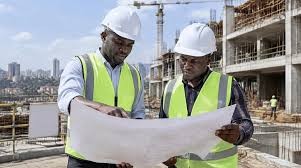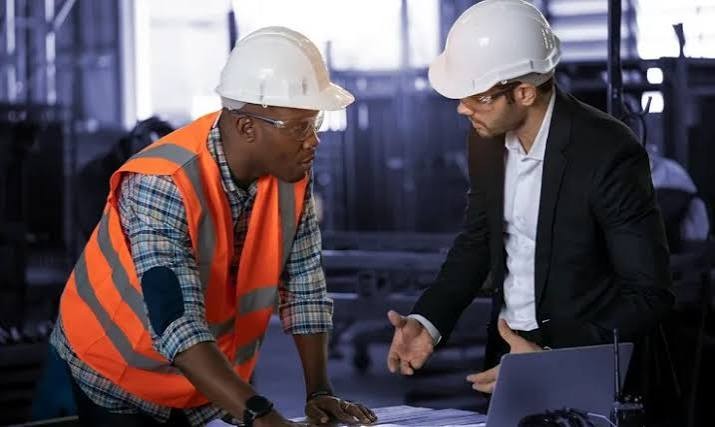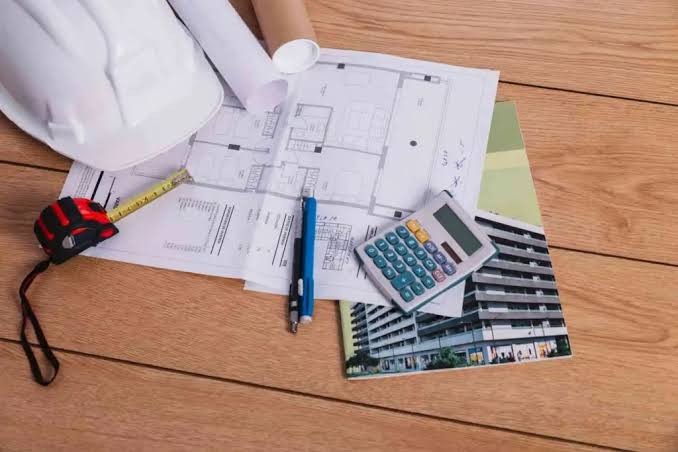
Building a house, commercial property, office block, warehouse or industrial facility is a major financial investment. Every property owner wants to complete their construction project within budget while achieving a safe, durable and attractive building. However, rising material prices, labour expenses, poor planning, construction delays and unexpected changes can make building projects more expensive than anticipated.
For many property developers in Uganda, the challenge is finding ways to reduce construction costs without sacrificing structural strength, workmanship, functionality or long-term performance.
The good news is that reducing construction expenses does not necessarily mean purchasing the cheapest materials or cutting essential construction activities. Significant savings can be achieved through proper planning, accurate cost estimation, efficient design, responsible material selection, professional supervision and effective project management.
Whether you are constructing a residential house in Kampala, developing rental apartments in Wakiso, building commercial premises in Entebbe or establishing an industrial facility, understanding how to manage construction costs can help you get better value from your investment.
This guide explains practical ways to reduce construction costs in Uganda without compromising building quality, safety or durability.
1. Start with Proper Construction Planning
One of the most effective ways to reduce construction costs is to plan the project carefully before work begins.
Poor planning often results in design changes, material wastage, construction delays, unnecessary labour expenses and budget overruns. These problems can be avoided by establishing clear project requirements and preparing the necessary documentation before construction starts.
Proper planning should address:
- The purpose and intended use of the building.
- The required floor area and number of rooms.
- The architectural layout and building design.
- Structural requirements and foundation considerations.
- Electrical, plumbing and mechanical installations.
- The available construction budget.
- Expected project completion period.
- Required approvals and statutory considerations.
- The availability of construction materials and labour.
For example, someone planning a residential house should determine the required bedrooms, bathrooms, kitchen, living spaces, parking and future expansion needs before approving the architectural drawings.
Making these decisions early reduces the likelihood of expensive modifications during construction.
How this saves money: Proper planning helps prevent unnecessary construction activities, reduces design changes and allows accurate estimation of the resources required.
2. Establish a Realistic Construction Budget
A construction budget provides a financial framework for the entire project. Without one, property owners may struggle to monitor spending or identify expenses that are becoming excessive.
A realistic budget should account for more than the cost of bricks, cement, sand and labour. It should include the complete range of activities required to deliver a functional building.
Typical construction budget components include:
- Architectural and engineering design fees.
- Site investigations and preparation.
- Excavation and foundation construction.
- Structural materials and labour.
- Roofing and waterproofing.
- Walling and plastering.
- Doors, windows and glazing.
- Electrical installations.
- Plumbing and drainage.
- Flooring, painting and finishing.
- External works and landscaping.
- Statutory approvals and applicable fees.
- Project supervision and professional services.
- Contingency provisions for unforeseen circumstances.
The budget should be based on the approved design, specifications, project location and realistic material and labour estimates.
It is also advisable to include a contingency allowance. This provides financial flexibility when unforeseen ground conditions, price changes or other legitimate project requirements arise.
How this saves money: A detailed budget helps identify potential financial pressures early, prioritise essential activities and prevent uncontrolled spending.
3. Choose a Cost-Effective Building Design
Building design has a significant influence on construction costs. A complicated design with unnecessary structural features, irregular layouts and excessive decorative elements may require more materials, labour and construction time.
A cost-effective design should balance appearance, functionality, structural requirements and construction efficiency.
Consider the following approaches:
Adopt a simple and practical building layout
Simple rectangular or square layouts are often easier to set out and construct than complicated building shapes with numerous projections, recesses and irregular corners.
A practical layout can reduce unnecessary walling, roofing complexity and construction detailing.
Avoid unnecessary structural complexity
Features such as long unsupported spans, complicated roof structures and unusual architectural projections may increase structural and construction costs.
These features should be included when they serve a genuine functional or architectural purpose and have been properly designed by qualified professionals.
Use space efficiently
A well-planned building can provide the required functionality without unnecessarily increasing its floor area.
For example, a residential property can use a practical circulation layout to reduce wasted corridor space while maintaining comfortable room sizes.
Consider future expansion
If you intend to extend the building later, discuss this with the architect and structural engineer during the design stage.
The foundation and structural system may need to accommodate the planned expansion. This should be professionally assessed rather than assuming that an existing building can safely support additional floors.
How this saves money: An efficient design can reduce material quantities, simplify construction and minimise unnecessary structural and finishing expenses.
4. Prepare an Accurate Bill of Quantities (BOQ)
A Bill of Quantities (BOQ) is an important construction document that identifies and measures the work and materials required for a project.
It helps property owners understand the scope of construction work and obtain more consistent contractor quotations.
A properly prepared BOQ may include:
- Excavation and earthworks.
- Concrete works.
- Reinforcement and structural steel.
- Foundation construction.
- Blockwork and brickwork.
- Roofing materials.
- Plastering and rendering.
- Floor and wall finishes.
- Plumbing installations.
- Electrical installations.
- Doors and windows.
- Painting and decoration.
- External works.
The BOQ should be prepared using the relevant drawings, specifications and measurement rules.
Without an accurate BOQ, contractors may estimate different quantities or exclude important activities from their quotations. This makes it difficult to compare prices fairly and increases the risk of additional costs during construction.
Property owners should also ensure that quotations are based on the same scope and specifications.
How this saves money: A BOQ improves cost visibility, supports competitive tendering, reduces omissions and provides a basis for monitoring expenditure.
5. Compare Construction Material Prices Before Purchasing
Construction materials account for a significant portion of many building project budgets. However, purchasing materials without comparing suppliers can result in unnecessary expenditure.
Before making large purchases, obtain quotations from different reputable suppliers and compare the total value offered.
Materials to compare may include:
- Cement.
- Reinforcement bars.
- Roofing sheets.
- Roofing timber or structural components.
- Bricks and concrete blocks.
- Sand and aggregates.
- Tiles.
- Plumbing materials.
- Electrical fittings.
- Aluminium and glazing products.
- Paints and protective coatings.
When comparing prices, consider more than the initial purchase cost.
Check the manufacturer’s specifications, product quality, dimensions, suitability, delivery charges, availability and supplier reliability.
For example, purchasing roofing sheets at a lower unit price may not produce savings if the sheets have unsuitable specifications or require frequent replacement.
Likewise, buying cement from an unreliable supplier can expose a project to quality and performance problems.
How this saves money: Comparing suppliers helps identify competitive prices while ensuring that selected materials meet the project’s required specifications.
6. Select Materials Based on Quality and Long-Term Value
Choosing the cheapest construction materials is not always the best way to reduce building costs.
Low-quality materials may deteriorate quickly, require frequent repairs or compromise the safety and durability of the building.
Instead, select materials based on their performance, suitability, availability, maintenance requirements and expected service life.
For example:
- Use cement that meets the relevant project specifications.
- Select reinforcement steel with the required grade and properties.
- Choose suitable roofing materials for the building’s design and exposure conditions.
- Use appropriate waterproofing systems in areas exposed to moisture.
- Select plumbing pipes and fittings designed for their intended applications.
- Use durable floor finishes appropriate for the expected traffic.
- Select suitable external paints and coatings for the local environment.
Material substitutions should be evaluated by the relevant design professional before implementation.
A contractor should not independently replace specified structural materials with cheaper alternatives without proper technical approval.
How this saves money: Durable, suitable materials reduce premature deterioration, repair expenses and the likelihood of expensive replacements.
7. Reduce Material Wastage on the Construction Site
Material wastage is a common source of avoidable construction expenses.
Poor storage, careless handling, inaccurate measurements, excessive cutting and weak site supervision can result in materials being damaged or used inefficiently.
Effective material management can reduce these losses.
Practical measures include:
Store materials correctly
Cement should be stored in a dry, protected environment and handled according to manufacturer recommendations.
Timber should be protected from excessive moisture, while steel reinforcement should be stored and handled to minimise contamination and damage.
Sand, aggregates and other loose materials should be stored in designated areas to reduce contamination and unnecessary loss.
Plan material deliveries
Materials should be ordered according to the construction programme rather than purchasing everything without considering storage capacity and work requirements.
This reduces damage, theft, deterioration and unnecessary handling.
Measure before cutting
Timber, reinforcement, pipes, tiles and other materials should be measured carefully before cutting or installation.
Proper setting out and cutting plans can reduce offcuts and unnecessary material consumption.
Monitor daily material usage
Site supervisors should compare actual material consumption with the quantities allowed in the BOQ.
Significant differences should be investigated to identify wastage, inaccurate estimates or changes in the work.
How this saves money: Reducing wastage means more of the purchased materials contribute directly to completed construction work.
8. Hire Qualified and Experienced Construction Professionals
Attempting to save money by avoiding professional involvement can create expensive problems later.
Architects, structural engineers, quantity surveyors and other relevant specialists contribute different skills to the planning, design, costing and delivery of a construction project.
Their involvement should reflect the size, complexity and legal requirements of the development.
For example:
- Architects develop functional and coordinated building designs.
- Structural engineers design and assess structural systems.
- Quantity surveyors prepare cost estimates, BOQs and cost reports.
- Civil and services engineers address relevant infrastructure and building systems.
- Construction project managers coordinate project activities within their appointed responsibilities.
- Qualified contractors organise labour, materials and construction operations.
Before engaging professionals, verify their qualifications, registration and practising status where applicable.
Clearly define their scope of work, deliverables, fees and responsibilities.
How this saves money: Professional input can help identify design problems, improve cost planning, reduce technical errors and prevent avoidable rework.
9. Obtain and Compare Multiple Contractor Quotations
Contractor selection has a direct effect on construction expenditure and project quality.
Rather than accepting the first quotation, invite suitably qualified contractors to price the same approved drawings, specifications and BOQ.
When comparing quotations, examine:
- Total contract price.
- Scope of included work.
- Material specifications.
- Labour provisions.
- Construction programme.
- Payment terms.
- Exclusions and provisional sums.
- Contractor experience with similar projects.
- Site management arrangements.
- Defect correction responsibilities.
- Contractual terms and conditions.
A significantly cheaper quotation should be examined carefully.
It may exclude essential activities, use lower material specifications, underestimate quantities or contain unrealistic assumptions.
The objective should be to select a contractor who offers good value, technical competence and a clear approach to quality management.
How this saves money: Competitive and transparent tendering helps property owners identify reasonable prices without overlooking important construction requirements.
10. Use Efficient Construction Methods
Construction methods influence the amount of labour, materials, equipment and time required to complete a project.
Selecting appropriate methods can improve productivity and reduce unnecessary expenditure.
Depending on the project, useful approaches may include:
- Standardising dimensions where practical.
- Coordinating structural and architectural layouts.
- Using suitable prefabricated building components.
- Planning repetitive activities to improve productivity.
- Selecting construction equipment appropriate to the site.
- Using efficient formwork systems.
- Planning concrete placement to minimise delays and waste.
- Coordinating deliveries with the construction programme.
For example, repetitive building layouts in apartment developments may allow more efficient use of formwork, labour and material procurement.
However, construction methods should be selected based on engineering requirements, site conditions, available skills and applicable building standards.
How this saves money: Efficient construction methods can reduce labour hours, material waste, equipment downtime and unnecessary construction activities.
11. Avoid Unnecessary Design Changes During Construction
Changes made after construction has started can significantly increase project costs.
A change to the room layout, window positions, structural arrangement, plumbing routes or electrical installations may require completed work to be removed or modified.
For example, relocating a bathroom after plumbing pipes have been installed may require breaking floors, changing pipe routes and repairing finishes.
To reduce these expenses:
- Finalise the architectural design before construction.
- Obtain the necessary structural and engineering details.
- Coordinate plumbing and electrical layouts.
- Confirm material and finish selections early.
- Review drawings before issuing them for construction.
- Use a documented procedure for approving variations.
Sometimes changes are unavoidable because of site conditions, regulatory requirements or technical discoveries.
When this happens, the cost, programme and technical implications should be assessed before the change is authorised.
How this saves money: Reducing unnecessary variations prevents demolition, rework, additional labour and unexpected material purchases.
12. Manage Labour Costs Through Proper Supervision
Labour expenses can increase when workers are poorly coordinated, construction activities are not properly scheduled or materials are unavailable when needed.
Effective site supervision helps ensure that workers perform the correct activities in the right sequence.
Useful labour management practices include:
- Assigning clear responsibilities to workers.
- Scheduling activities according to the construction programme.
- Ensuring materials are available before work begins.
- Monitoring daily productivity.
- Avoiding unnecessary idle time.
- Coordinating different trades.
- Checking workmanship before proceeding to subsequent activities.
- Providing appropriate tools and equipment.
- Maintaining safe working conditions.
For example, plastering should not begin before the relevant walling and service installation activities have been properly completed and inspected.
Poor coordination can force workers to repeat activities or wait unnecessarily.
How this saves money: Effective supervision improves productivity and reduces avoidable labour expenses, rework and delays.
13. Plan Construction Activities to Avoid Delays
Construction delays can increase project costs through extended labour arrangements, equipment hire, site overheads, security expenses and additional financing costs.
Some delays are caused by external factors, but many can be reduced through proper scheduling and coordination.
A practical construction programme should identify:
- Major construction activities.
- Activity durations.
- Work dependencies.
- Material procurement dates.
- Labour requirements.
- Equipment requirements.
- Inspection and approval points.
- Expected completion milestones.
For example, roofing materials should be ordered early enough to avoid unnecessary delays after the structural framework is completed.
Similarly, plumbing and electrical installations should be coordinated with walling, plastering and finishing activities.
Regular progress meetings can help identify problems before they affect the overall programme.
How this saves money: Better scheduling reduces downtime, improves resource utilisation and helps prevent avoidable increases in project overheads.
14. Consider Building Energy Efficiency
Construction costs should not be assessed only by looking at the initial amount required to complete a building.
Operating expenses such as electricity, water consumption, cooling and maintenance can affect the long-term cost of owning a property.
Energy-efficient design choices can help reduce these expenses.
Consider:
Natural lighting
Well-positioned windows and suitable building orientation can improve daylight access and reduce dependence on artificial lighting during daytime.
Natural ventilation
Appropriate window placement and building layout can improve airflow and reduce reliance on mechanical cooling where climatic and security conditions permit.
Roof insulation
Suitable insulation can help reduce unwanted heat transfer through the roof, depending on the building design and selected materials.
Efficient lighting
Energy-efficient lighting systems can reduce electricity consumption.
Water-efficient installations
Suitable taps, shower fittings and plumbing systems can reduce unnecessary water use.
Durable building materials
Materials with suitable durability and maintenance characteristics can reduce future replacement expenses.
Energy-efficient features should be evaluated against their initial costs, expected savings and maintenance requirements.
How this saves money: A building designed for efficient resource use can reduce operating expenses throughout its service life.
15. Avoid Compromising Structural Safety
Reducing construction costs should never involve weakening essential structural components.
The foundation, columns, beams, slabs, reinforcement and other structural elements must be designed and constructed according to approved engineering requirements.
Unsafe cost-cutting practices include:
- Reducing reinforcement without engineering approval.
- Using unsuitable concrete materials.
- Changing foundation dimensions without technical assessment.
- Ignoring soil conditions.
- Removing structural elements without professional approval.
- Using substandard structural steel.
- Reducing concrete cover below specified requirements.
- Proceeding with construction despite unresolved structural defects.
These decisions can create serious safety risks and lead to expensive remedial works.
If a structural design appears unnecessarily expensive, request a qualified structural engineer to review it and identify technically acceptable alternatives.
How this saves money: Proper structural design avoids dangerous shortcuts, reduces the likelihood of structural defects and protects the long-term value of the property.
16. Carry Out Regular Construction Quality Inspections
Quality inspections help identify problems before they become more expensive to correct.
If defects are discovered after plastering, painting, tiling or other finishing activities, repairing them may require removing completed work.
Inspections should therefore be incorporated into the construction programme.
Important inspection stages may include:
- Site setting out.
- Excavation and foundation preparation.
- Foundation reinforcement.
- Concrete placement.
- Reinforcement before casting structural elements.
- Walling and masonry workmanship.
- Roofing installation.
- Plumbing pipework before concealment.
- Electrical installations before concealment.
- Waterproofing before covering.
- Floor preparation and finishing.
- Final building inspection.
Inspection responsibilities should be assigned to appropriately qualified professionals under the project arrangements.
Any identified defects should be documented, assigned for correction and checked before subsequent work proceeds.
How this saves money: Early defect identification reduces rework, protects workmanship quality and prevents minor problems from developing into expensive failures.
17. Purchase Materials in the Right Quantities
Bulk purchasing can sometimes reduce the unit price of construction materials. However, purchasing excessive quantities can create other expenses.
Too much material may lead to:
- Storage costs.
- Damage and deterioration.
- Theft.
- Unnecessary handling.
- Tied-up project funds.
- Disposal costs for unused materials.
On the other hand, ordering too little can result in repeated deliveries, transport expenses and construction interruptions.
The best approach is to base procurement on accurate quantities and the construction programme.
For materials with changing market prices or long lead times, the project team should evaluate appropriate purchasing arrangements.
How this saves money: Accurate procurement balances competitive purchasing with storage capacity, cash flow and actual construction requirements.
18. Manage Construction Cash Flow Carefully
A project may have an adequate overall budget but still experience difficulties when money is not available at the right time.
Poor cash flow management can delay material purchases, labour payments and contractor activities.
Before construction begins, develop a cash flow forecast showing when major project expenses are expected.
This should consider:
- Advance payments where contractually agreed.
- Material procurement schedules.
- Labour payments.
- Contractor progress claims.
- Professional fees.
- Equipment hire.
- Statutory and approval-related expenses.
- Contingency funds.
Payments to contractors should follow the agreed contract and be supported by appropriate assessment of completed work.
Property owners should avoid paying for substantial quantities of work that have not been completed or otherwise secured under the contract.
How this saves money: Cash flow planning helps prevent avoidable interruptions, supports timely procurement and improves financial control.
19. Use Value Engineering to Find Better Solutions
Value engineering is a structured approach to improving the value of a construction project by examining its required functions, performance and cost.
It does not simply mean choosing cheaper materials. Instead, it identifies opportunities to achieve the required performance more efficiently.
For example, a project team may review:
- Alternative roofing systems.
- Different floor finishes.
- More efficient building layouts.
- Suitable construction methods.
- Material specifications.
- Building services arrangements.
- Repetitive design components.
- Maintenance requirements.
Any proposed alternative should be assessed against safety, durability, performance, appearance, compliance and life-cycle cost.
Structural and technical changes must be reviewed by the relevant qualified professionals.
How this saves money: Value engineering can eliminate unnecessary expenditure while preserving the essential functions and performance of the building.
20. Monitor Actual Construction Costs Against the Budget
Preparing a construction budget is not enough. Project owners must regularly compare actual spending with the approved estimates.
Cost monitoring helps identify financial problems before they become difficult to control.
A construction cost report may include:
- Original approved budget.
- Approved variations.
- Actual expenditure.
- Outstanding contractual commitments.
- Forecast cost to complete.
- Material price changes.
- Labour expenses.
- Unplanned costs.
- Remaining contingency.
For example, if the project has spent more than expected on foundation construction, the quantity surveyor or relevant cost professional should investigate the reasons and assess the effect on the remaining budget.
Possible causes include unexpected ground conditions, inaccurate estimates, changes in design or material wastage.
Any proposed savings elsewhere should be assessed carefully to ensure they do not compromise quality or safety.
How this saves money: Regular cost monitoring provides early warning of budget overruns and supports informed financial decisions.
21. Consider the Cost of Maintenance and Repairs
A building that is inexpensive to construct may become expensive to maintain if unsuitable materials or poor workmanship are used.
Property owners should consider the long-term maintenance requirements of the building when making construction decisions.
For example:
- Poor waterproofing may lead to persistent roof and wall leaks.
- Inadequate drainage can contribute to water damage.
- Low-quality plumbing installations may require frequent repairs.
- Unsuitable exterior finishes may deteriorate quickly.
- Poorly installed windows and doors may create security and weatherproofing problems.
A life-cycle cost assessment compares initial construction expenses with expected maintenance, operation and replacement costs.
This is especially important for commercial properties, rental developments, factories and other buildings expected to operate for many years.
How this saves money: Selecting durable systems and ensuring good workmanship can reduce long-term maintenance and repair expenses.
22. Avoid Common Cost-Cutting Mistakes
Some cost-saving decisions create larger financial problems than the expenses they were intended to avoid.
Property owners should avoid the following mistakes:
Buying materials based on price alone
Cheap materials may fail to meet the required specifications or may have a shorter service life.
Starting construction without complete drawings
Incomplete drawings increase the risk of misunderstandings, design changes and additional work.
Ignoring professional advice
Unapproved changes to structural or building services designs can create technical and financial problems.
Selecting contractors solely because they are the cheapest
An unusually low quotation may exclude essential work or underestimate project requirements.
Skipping inspections
Unidentified defects may become more expensive to correct after additional construction activities have covered the affected areas.
Using an unrealistic construction budget
An inadequate budget can lead to stalled work, unfinished buildings and poor procurement decisions.
Making frequent changes
Late decisions can result in demolition, additional labour and material wastage.
Failing to document variations
Uncontrolled changes can cause disagreements over additional costs, responsibilities and completion dates.
The best cost-saving approach is to eliminate waste and inefficiency rather than reduce essential construction quality.
23. How Daltrevco Can Help You Make Better Construction Decisions
Successful construction requires more than purchasing materials and hiring workers. It requires proper planning, cost awareness, coordination and informed decisions throughout the project.
Daltrevco provides a point of contact for property owners and developers seeking to discuss construction-related project requirements in Uganda.
If you are planning a residential, commercial or industrial development, consider engaging the appropriate construction professionals early to help evaluate your project requirements, identify cost considerations and establish a practical approach to delivery.
Before starting your project, you should understand:
- The scope of work.
- The proposed design and specifications.
- The estimated construction cost.
- The materials and labour required.
- The expected construction programme.
- The key quality and inspection requirements.
- The financial risks that may affect the project.
Contact Daltrevco through www.daltrevco.com to discuss your construction project requirements and explore suitable ways to achieve value without compromising building quality.
24. Frequently Asked Questions About Reducing Construction Costs in Uganda
1. How can I reduce construction costs in Uganda without compromising quality?
You can reduce construction costs through proper planning, accurate budgeting, efficient building design, competitive material sourcing, reduced material wastage, professional supervision and effective project management. Focus on eliminating unnecessary expenses rather than reducing essential quality requirements.
2. What is the most effective way to reduce building costs?
One of the most effective approaches is to finalise the design and prepare an accurate BOQ before construction starts. This helps establish realistic material quantities, identify project costs and reduce expensive changes during construction.
3. Does a simple building design reduce construction costs?
Yes. A practical design with efficient room layouts and straightforward structural arrangements can reduce material requirements, labour and construction complexity. However, the design must still satisfy functional, architectural and structural requirements.
4. Are cheaper construction materials always a good way to save money?
No. Cheaper materials may have unsuitable specifications, poor durability or higher maintenance requirements. Material selection should consider quality, performance, suitability and long-term value rather than purchase price alone.
5. What is a Bill of Quantities in construction?
A Bill of Quantities is a document that measures and describes construction work items and their quantities. It helps contractors prepare comparable quotations and allows project owners to understand and monitor construction costs.
6. How does proper construction planning reduce expenses?
Planning helps identify project requirements, coordinate professionals, estimate material quantities, schedule activities and anticipate potential problems. This reduces unnecessary changes, delays, material wastage and additional labour expenses.
7. Can I reduce construction costs by using fewer materials?
Material quantities should be based on approved designs and specifications. Reducing required quantities without technical approval can compromise structural strength and building performance. Savings should instead come from accurate measurement and reduced wastage.
8. How does a quantity surveyor help reduce construction costs?
A quantity surveyor helps prepare cost estimates, BOQs, tender documents, cost reports and assessments of variations. These services support informed financial decisions and help control construction expenditure.
9. Why should I compare contractor quotations?
Comparing quotations helps identify competitive prices and differences in scope, specifications, exclusions and payment terms. It allows property owners to evaluate value rather than choosing a contractor based only on the lowest price.
10. How can I reduce material wastage on a construction site?
Use accurate measurements, proper storage, controlled deliveries, organised material handling and regular site supervision. Monitor actual consumption against estimated quantities to identify unnecessary losses.
11. Does hiring professional construction consultants increase project costs?
Professional services involve fees, but their input can help identify design issues, improve cost planning, coordinate activities and reduce avoidable mistakes. Their value should be assessed against the scope and complexity of the project.
12. How can I prevent construction budget overruns?
Prepare a realistic budget, use an accurate BOQ, monitor expenditure, document variations, control procurement and review project costs regularly. Maintain a contingency allowance for unforeseen expenses.
13. What is value engineering in construction?
Value engineering is a systematic process of improving project value by reviewing design, materials, construction methods and building systems. It aims to achieve the required performance at an appropriate cost without compromising essential quality.
14. Is it cheaper to build a simple house?
A simple house can be more economical because it may require fewer complex structural details, simpler roofing arrangements and more efficient use of materials. Actual costs still depend on location, size, specifications, ground conditions and workmanship.
15. How can I reduce labour costs during construction?
Improve labour productivity through proper scheduling, supervision, coordination, material availability and clear work instructions. Avoid unnecessary idle time and rework while maintaining safe working conditions and appropriate workmanship standards.
16. Should I buy all construction materials at once?
Not necessarily. Material procurement should follow the construction programme and available storage facilities. Buying everything at once can increase storage costs, damage risks and unnecessary use of project funds.
17. How can I reduce roofing costs without compromising quality?
Use an efficient roof design, accurate measurements and suitable roofing materials. Compare supplier quotations and ensure the roof structure, waterproofing and installation details are appropriate for the building.
18. Why do construction projects become more expensive than expected?
Common causes include incomplete designs, inaccurate estimates, material price changes, poor contractor coordination, construction delays, material wastage, unexpected site conditions and uncontrolled variations.
19. Can energy-efficient buildings reduce long-term costs?
Yes. Appropriate natural lighting, ventilation, insulation, efficient lighting and water-saving installations can reduce operating expenses. Their initial costs should be compared with expected long-term savings.
20. How do I choose quality building materials in Uganda?
Identify the required specifications, compare reputable suppliers, check product documentation and select materials suitable for their intended applications. Obtain technical advice where material performance affects structural safety or building durability.
21. How can I reduce foundation construction costs?
Foundation costs should be managed through appropriate site investigations, accurate structural design, efficient planning and controlled material use. Foundation dimensions and reinforcement must never be reduced without approval from the responsible structural engineer.
22. What is the importance of construction supervision in cost control?
Supervision helps monitor workmanship, material usage, construction progress and compliance with approved drawings. It can identify problems early and reduce the likelihood of expensive rework.
23. Is it possible to reduce construction costs during an ongoing project?
Yes. Review remaining work, material procurement, labour productivity, construction methods and outstanding design decisions. Any proposed changes should be evaluated for cost, quality, safety and programme implications before approval.
24. What should I include in a construction contingency budget?
A contingency allowance should account for reasonably foreseeable uncertainties, such as unforeseen site conditions, design development and other project risks. Its size should reflect the project’s complexity and uncertainty rather than being chosen arbitrarily.
25. How can I get better value from my construction investment?
Invest in good planning, suitable materials, efficient design, qualified professionals, competent contractors and regular quality inspections. Consider both initial construction costs and the long-term expenses of operating and maintaining the building.
26. Should I compromise on finishing materials to reduce construction costs?
Finishing specifications can sometimes be adjusted to suit the available budget, provided the alternatives remain suitable, durable and fit for purpose. Avoid changes that create moisture, safety, hygiene or maintenance problems.
27. How can construction delays increase project costs?
Delays can extend labour and equipment costs, increase site overheads, disrupt procurement and affect financing arrangements. A realistic construction programme and regular coordination help minimise avoidable delays.
28. What is the difference between reducing construction costs and compromising quality?
Reducing construction costs means eliminating waste, improving efficiency and selecting appropriate solutions. Compromising quality means lowering essential standards, using unsuitable materials or ignoring technical requirements. Responsible cost management focuses on the first approach.
29. When should I start planning how to reduce construction costs?
Cost management should begin before design approval and construction procurement. Early planning creates more opportunities to review layouts, specifications, material choices and construction methods before expensive commitments are made.
30. How can Daltrevco help with my construction project?
You can contact Daltrevco to discuss your construction project requirements and determine suitable next steps. The appropriate professional support will depend on the project’s scope, location, technical requirements and agreed responsibilities.
Conclusion
Reducing construction costs without compromising building quality requires careful planning, informed decision-making and effective management throughout the construction process.
Property owners in Uganda can achieve better value by preparing realistic budgets, choosing efficient building designs, using accurate BOQs, comparing material suppliers, controlling wastage, engaging qualified professionals and monitoring construction activities.
The most important principle is to distinguish between unnecessary expenses and essential construction requirements. Cutting costs by weakening foundations, reducing reinforcement or purchasing unsuitable materials can create serious safety risks and expensive problems in the future.
Instead, focus on improving efficiency, preventing mistakes and selecting solutions that deliver reliable long-term performance.
Whether you are constructing a home, rental apartments, office building, warehouse or industrial facility, a well-managed construction project can help you use available resources more effectively while protecting the quality and value of your investment.
Planning a construction project in Uganda? Contact Daltrevco through www.daltrevco.com to discuss your project requirements and explore suitable construction solutions.