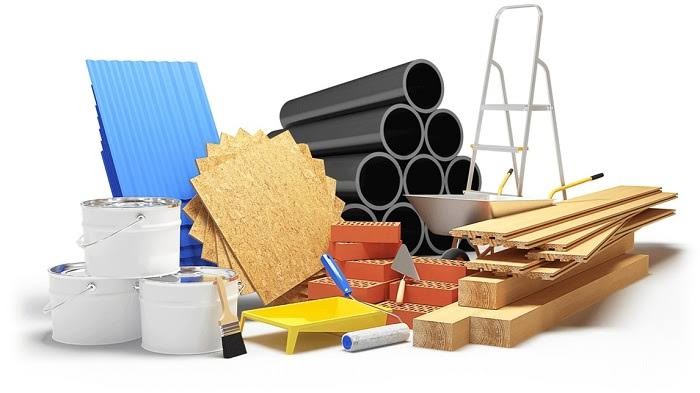
Construction materials account for a significant portion of the total cost of building a house, commercial property, warehouse, factory or infrastructure project. In Uganda, the prices of essential materials such as cement, steel, roofing sheets, timber, sand, aggregates, bricks, tiles and plumbing supplies can change over time due to market conditions, transportation expenses, exchange rates, supply availability and changes in demand.
For property owners, developers, contractors and construction professionals, understanding construction material costs is essential for preparing realistic budgets, controlling project expenses and avoiding unexpected financial challenges.
A construction budget prepared using outdated material prices can quickly become unreliable. Materials may become more expensive between the planning and procurement stages, while shortages or transportation disruptions can affect the availability of important supplies. These changes can lead to budget overruns, delayed procurement and interruptions to construction activities.
Whether you are planning a residential house in Kampala, a commercial development in Wakiso, an industrial facility in Entebbe or a building project elsewhere in Uganda, understanding how construction material prices are determined can help you make better financial and procurement decisions.
This guide explains the main construction materials used in Uganda, the factors that influence their prices, why costs fluctuate, how to estimate material expenses and practical ways to manage price changes throughout a construction project.
1. What Are Construction Material Costs?
Construction material costs refer to the money required to purchase, transport, store and prepare the materials needed to complete a building or infrastructure project.
These expenses may include the purchase price of materials as well as additional costs associated with delivering them to the construction site and making them available for use.
Common construction material expenses include:
- Cement for concrete, mortar, plastering and other building activities.
- Reinforcement steel for structural concrete elements.
- Sand for concrete, mortar, plastering and other applications.
- Aggregates such as crushed stone and gravel.
- Bricks and concrete blocks for walls.
- Roofing sheets, timber and structural roofing components.
- Tiles and other floor and wall finishes.
- Glass and aluminium products.
- Plumbing pipes, fittings and sanitary installations.
- Electrical cables, conduits and accessories.
- Paints, waterproofing products and protective coatings.
- Doors, windows and other building fittings.
The total material cost depends on the type, quantity, quality, specification and source of the products selected.
It is also important to distinguish the purchase price from the complete delivered cost. A material may appear affordable at the supplier’s premises but become more expensive after transportation, handling, unloading, storage and wastage are included.
2. Common Construction Materials and Their Cost Considerations in Uganda
Different construction materials have different pricing structures. Understanding these differences helps developers and contractors prepare more accurate estimates.
2.1 Cement
Cement is one of the most important materials in building construction. It is used in concrete production, masonry, plastering, screeding and other construction activities.
Its cost is influenced by:
- Brand and product specification.
- Cement type and intended application.
- Manufacturing and distribution expenses.
- Packaging and supplier pricing.
- Transportation distance.
- Market demand and availability.
When purchasing cement, contractors should consider the specified cement type, applicable product standards, packaging condition and storage requirements rather than selecting products based on price alone.
Cement should be stored in a dry, protected area to prevent moisture damage and loss of quality.
2.2 Reinforcement Steel
Reinforcement steel is used in reinforced concrete foundations, columns, beams, slabs, staircases and other structural elements.
Its price can be affected by:
- International steel market conditions.
- Raw material and energy costs.
- Manufacturing and processing expenses.
- Importation and exchange-rate movements.
- Local distribution and transportation.
- Steel diameter, grade and required specifications.
The quantity and type of reinforcement steel should be determined from approved structural drawings and specifications.
Substituting smaller bars or changing reinforcement grades simply to reduce costs can compromise structural safety. Any proposed material substitution should be reviewed and approved by the responsible structural engineer.
2.3 Sand
Sand is used in concrete, mortar, plastering and other building applications.
Its cost depends on:
- Source and location.
- Material quality and grading.
- Moisture content.
- Transportation distance.
- Availability and demand.
- Loading and delivery arrangements.
Not all sand is suitable for every construction activity. The material should meet the relevant project specifications, including cleanliness and grading requirements.
2.4 Aggregates and Crushed Stone
Aggregates are important components of concrete and other construction works.
Their prices are influenced by:
- Aggregate size and grading.
- Quarry or supplier location.
- Production and crushing expenses.
- Transportation costs.
- Availability.
- Order volume and delivery requirements.
The correct aggregate specification is important because aggregate quality affects concrete workability, strength and durability.
2.5 Bricks and Concrete Blocks
Bricks and concrete blocks are commonly used for wall construction and other masonry applications.
Their prices may vary depending on:
- Manufacturing method.
- Material composition.
- Dimensions and thickness.
- Strength and quality.
- Supplier location.
- Transportation and handling.
- Production capacity and availability.
When comparing suppliers, property owners should consider consistency in dimensions, strength, quality and delivery quantities.
2.6 Roofing Materials
Roofing materials may include iron sheets, tiles, structural timber, steel trusses, insulation products, gutters and accessories.
Prices vary according to:
- Roofing material type.
- Sheet thickness and coating.
- Profile, finish and colour.
- Brand and manufacturing quality.
- Roof design and complexity.
- Imported components.
- Installation accessories.
The total roofing cost should include more than the visible roofing sheets. Fasteners, ridges, valleys, flashing, underlays, gutters and supporting structures can contribute significantly to the final expense.
2.7 Timber and Joinery Materials
Timber may be required for roof structures, formwork, doors, windows, cabinetry and finishing works.
Its cost depends on:
- Timber species.
- Dimensions and grade.
- Moisture content.
- Treatment requirements.
- Availability and source.
- Cutting and processing.
- Transportation.
Properly specified and treated timber can help reduce premature deterioration and replacement expenses.
2.8 Tiles, Paints and Finishing Materials
Finishing materials influence the appearance, comfort and durability of a building.
These include ceramic tiles, porcelain tiles, paints, ceiling materials, decorative finishes, adhesives and waterproofing products.
Prices depend on:
- Product quality and brand.
- Material dimensions and design.
- Surface finish.
- Technical performance.
- Imported or locally manufactured status.
- Availability and distribution costs.
Finishing materials should be selected according to the intended use of each space. For example, floors in high-traffic commercial buildings may require different performance characteristics from those used in bedrooms.
2.9 Plumbing and Electrical Materials
Plumbing and electrical materials are essential for building services installations.
Examples include pipes, fittings, valves, cables, switches, sockets, distribution boards, conduits and protective devices.
Their costs depend on technical specifications, product standards, dimensions, brands, supply availability and installation requirements.
Choosing cheaper materials without checking their suitability can increase maintenance costs and create safety risks.
3. Factors That Influence Construction Material Prices in Uganda
Construction material prices do not change randomly. They are influenced by several economic, commercial, technical and logistical factors.
Understanding these factors makes it easier to anticipate price movements and prepare appropriate project budgets.
3.1 Exchange Rate Fluctuations
The exchange rate between the Uganda shilling and foreign currencies can influence the cost of imported construction materials and locally produced materials that depend on imported inputs.
For example, a supplier importing specialised tiles, electrical equipment, aluminium components or steel products may incur higher purchasing costs when the Uganda shilling weakens against the relevant foreign currency.
Even local manufacturers may experience cost increases when their production depends on imported machinery, spare parts, packaging or raw materials.
Exchange-rate movements can therefore affect both imported and domestically supplied construction products.
3.2 Transportation and Fuel Costs
Transportation is an important part of construction material pricing, particularly when materials must travel long distances from manufacturers, quarries, factories or distribution centres.
Fuel price increases can raise the cost of delivering:
- Cement.
- Sand.
- Aggregates.
- Bricks.
- Steel.
- Roofing materials.
- Finishing products.
Heavy materials such as aggregates and sand can be particularly sensitive to transportation distances because of their weight and delivery requirements.
For projects outside major commercial centres, delivery expenses may represent a substantial part of the total material cost.
3.3 Supply and Demand
Material prices can increase when demand exceeds available supply.
For example, a rise in construction activity in Kampala, Wakiso or other growing urban areas may increase demand for cement, steel, aggregates, roofing materials and finishing products.
If suppliers cannot increase their stock or deliveries quickly enough, shortages may occur and prices may rise.
Conversely, when demand decreases or supply improves, competition among suppliers may place downward pressure on prices.
3.4 Importation Costs
Some construction materials and specialised products used in Uganda are imported.
Their final prices may be affected by:
- International product prices.
- Freight and shipping charges.
- Insurance.
- Port and inland transportation costs.
- Applicable taxes and duties.
- Customs clearance expenses.
- Exchange-rate movements.
- Local distribution margins.
A change in any of these expenses can affect the final price paid by contractors and property owners.
3.5 Manufacturing and Production Costs
Locally manufactured construction materials are also affected by production expenses.
These may include:
- Electricity and other energy costs.
- Labour expenses.
- Raw materials.
- Machinery maintenance.
- Packaging.
- Factory operations.
- Distribution and administration.
When production costs rise, manufacturers and suppliers may adjust their selling prices to maintain commercial viability.
3.6 Seasonal Demand and Weather Conditions
Weather conditions can influence construction activity, transportation and the availability of certain materials.
During periods of heavy rainfall, construction sites may experience access difficulties, while delivery vehicles may face delays on poor or unpaved roads.
Some construction activities may also slow down because of unsuitable site conditions.
When several projects reschedule their activities or procurement around similar weather conditions, demand for certain materials may change.
Seasonal effects are not identical every year, so project teams should use current supplier quotations and actual delivery conditions rather than assume a fixed seasonal price pattern.
3.7 Supplier Competition and Distribution Networks
Different suppliers may charge different prices for similar materials because of variations in their purchasing arrangements, operating costs, stock levels and distribution networks.
A supplier with a large distribution network may offer competitive prices for certain products, while a smaller supplier may have advantages in a particular location or product category.
Comparing several suppliers can help identify competitive offers, but the comparison should consider quality, specifications, delivery terms and reliability.
3.8 Government Policies, Taxes and Regulatory Changes
Changes in taxation, import requirements, trade policies, product standards and other government regulations may affect material costs.
For example, changes affecting imported goods or transportation operations can influence the final price of some construction products.
Developers should verify applicable tax treatment and regulatory requirements when preparing estimates, particularly for large projects or specialised imported materials.
3.9 Material Quality and Product Specifications
Two products that appear similar may have different prices because their technical specifications and quality levels are not the same.
For example:
- Steel bars may differ in grade, diameter and compliance with specifications.
- Roofing sheets may differ in thickness, coating and durability.
- Tiles may differ in material composition, dimensions and performance.
- Pipes may differ in pressure rating and intended application.
- Paints may differ in coverage, formulation and durability.
A fair price comparison must therefore involve products with equivalent specifications.
Choosing materials based only on the lowest quotation can create quality problems, additional maintenance expenses and premature replacement costs.
4. Why Construction Material Prices Fluctuate During a Building Project
A construction project may take several months or even years to complete. During this period, material prices can change significantly.
A price quotation obtained during the planning stage may no longer represent the market price when the materials are finally purchased.
The main reasons include the following.
4.1 Changes in Market Conditions
Construction material markets respond to changes in economic conditions, production costs, international trade and consumer demand.
When the cost of production or distribution increases, suppliers may adjust their prices.
4.2 Currency Depreciation or Appreciation
A change in the Uganda shilling’s value can affect imported materials and products that rely on imported inputs.
A weaker shilling may increase the local-currency cost of certain imported goods, while a stronger shilling may reduce some import-related expenses.
However, the effect may not be immediate or equal across all suppliers because of stock already purchased, existing contracts and different pricing arrangements.
4.3 Supply Chain Disruptions
Delays in manufacturing, shipping, importation or local distribution can reduce the availability of construction materials.
When contractors cannot obtain the required products from their usual suppliers, they may need to purchase from alternative sources at different prices.
4.4 Unexpected Changes in Project Requirements
Material costs can also increase because of changes to the project itself.
Examples include:
- Changes to architectural designs.
- Revised structural specifications.
- Additional building works.
- Changes in finishing selections.
- Increased material quantities.
- Replacement of unsuitable products.
- New client requirements.
These changes should be distinguished from market price fluctuations because they may increase the overall quantity or specification of materials required.
4.5 Delayed Procurement
Waiting too long to purchase essential materials can expose a project to price changes and supply shortages.
However, purchasing everything too early can create storage, security, damage and working-capital challenges.
The appropriate procurement timing should consider construction schedules, supplier lead times, available storage and the financial position of the project.
5. How to Estimate Construction Material Costs Accurately
Accurate material cost estimation is essential for developing a realistic construction budget.
A reliable estimate should be based on project drawings, specifications, measured quantities and current supplier quotations.
The following steps can help improve the accuracy of material cost estimates.
Step 1: Review the Architectural and Engineering Drawings
Begin by reviewing the approved or current project drawings.
These may include:
- Architectural drawings.
- Structural drawings.
- Electrical drawings.
- Plumbing and drainage drawings.
- Mechanical drawings, where applicable.
- Finishing schedules and material specifications.
The drawings help establish the materials required and the areas or quantities involved.
Step 2: Prepare a Detailed Bill of Quantities
A Bill of Quantities (BOQ) provides a structured breakdown of construction work items and their measured quantities.
Depending on the project and BOQ structure, it may include materials, labour, plant, overheads and other construction costs.
A properly prepared BOQ helps identify the quantities required for different activities and provides a consistent basis for obtaining and comparing quotations.
For example, a BOQ may contain separate sections for:
- Site preparation.
- Excavation and earthworks.
- Foundation construction.
- Concrete works.
- Reinforcement.
- Masonry.
- Roofing.
- Plumbing.
- Electrical installations.
- Plastering and finishes.
The BOQ should be prepared or reviewed by an appropriately qualified construction professional, such as a quantity surveyor, where the project’s requirements call for that expertise.
Step 3: Identify Material Specifications
Before requesting quotations, define the required material specifications.
For example, instead of requesting a quotation for steel, identify the required bar diameters, grades and quantities based on the structural design.
Similarly, roofing quotations should state the required profile, thickness, coating and accessories.
Clear specifications reduce misunderstandings and make supplier quotations easier to compare.
Step 4: Obtain Current Supplier Quotations
Request quotations from several reputable suppliers.
Where possible, obtain at least three comparable quotations for important materials.
Each quotation should identify:
- Product description.
- Brand or manufacturer, where relevant.
- Technical specifications.
- Unit of measurement.
- Unit price.
- Available quantity.
- Delivery cost.
- Applicable taxes.
- Payment terms.
- Quotation validity period.
- Expected delivery date.
A quotation should not be treated as a permanent price guarantee unless the supplier has explicitly agreed to the relevant terms.
Step 5: Calculate Total Material Costs
The basic calculation is:
Total material cost = Required quantity × Unit price
For a delivered material cost, include additional expenses such as transportation, handling and other applicable charges.
For example, if a project requires 500 units of a particular material and the quoted unit price is UGX 20,000:
500 × UGX 20,000 = UGX 10,000,000.
This is an illustrative calculation only, not a current Ugandan market price.
The estimate should also account for project-specific wastage allowances where appropriate. Such allowances should be based on the material, construction method, site conditions and professional assessment rather than applying an arbitrary percentage to every item.
Step 6: Review the Estimate Before Approving the Budget
Check that the estimate reflects:
- Current drawings and specifications.
- Correct quantities.
- Comparable supplier quotations.
- Transportation and delivery expenses.
- Applicable taxes and charges.
- Appropriate wastage allowances.
- Procurement timing.
- Potential price risks.
The resulting estimate should be incorporated into the overall construction budget.
6. Understanding the Difference Between Material Prices and Total Construction Costs
One common budgeting mistake is treating the price of construction materials as the total cost of building.
Materials are only one component of construction expenditure.
A complete construction budget may also include:
| Cost category | Examples |
|---|---|
| Materials | Cement, steel, sand, bricks, tiles and roofing sheets |
| Labour | Skilled and unskilled construction workers |
| Plant and equipment | Excavators, concrete mixers, scaffolding and other equipment |
| Transportation | Delivery of materials, equipment and supplies |
| Professional fees | Architects, engineers, quantity surveyors and other consultants |
| Site operations | Temporary facilities, utilities, security and site management |
| Regulatory expenses | Applicable permits, inspections and statutory charges |
| Overheads | Administration, supervision and business operating expenses |
| Contingency | Provision for identified uncertainties and unforeseen events |
A material price increase may affect the overall project budget, but the final impact depends on how much of the total project cost is exposed to that material.
For example, an increase in steel prices may have a greater financial effect on a reinforced concrete structure with substantial steel requirements than on a project where steel represents a smaller proportion of the total cost.
7. How Construction Material Price Fluctuations Affect Project Budgets
Price fluctuations can create several financial and operational challenges.
7.1 Construction Budget Overruns
If material prices rise after the budget has been prepared, the project may require additional funding.
This is particularly challenging where the original budget has little flexibility or the client has already committed the available funds to other expenses.
7.2 Procurement Delays
When material prices increase unexpectedly, clients may delay purchases while reviewing their budgets or seeking additional funding.
These delays can interrupt construction activities, particularly where the materials are required for critical work.
7.3 Changes to Project Cash Flow
Higher material prices mean that the project may need more money at the procurement stage.
This can affect cash flow forecasts, payment schedules and the timing of other project expenses.
7.4 Reduced Profitability for Contractors
Contractors working under fixed-price arrangements may face reduced profit margins when material prices increase and the contract does not provide an applicable price-adjustment mechanism.
The financial effect depends on the contract terms, procurement strategy and allocation of price risk.
7.5 Design and Specification Changes
When material costs rise, developers may consider alternative materials or construction methods.
Such changes should be assessed carefully to ensure that the proposed alternatives meet the required structural, functional, safety and durability standards.
7.6 Reduced Construction Quality
Poorly managed cost pressures may encourage the use of substandard materials or unauthorised substitutions.
This can create serious problems, including structural defects, water leakage, electrical hazards and premature building deterioration.
Cost management should therefore focus on efficiency and informed procurement rather than compromising essential quality requirements.
8. Practical Ways to Manage Construction Material Price Fluctuations in Uganda
Although developers cannot control the entire construction materials market, they can reduce their exposure to price changes through proper planning and procurement management.
8.1 Prepare a Realistic Construction Budget
A reliable budget should be based on current project information and market quotations.
Avoid preparing a construction budget using old supplier prices or rough assumptions without verifying whether the figures remain relevant.
The budget should identify major material categories and the expected procurement periods.
8.2 Update Material Price Information Regularly
Construction teams should periodically review supplier prices, especially for materials that represent a substantial proportion of the project budget.
This allows project managers and quantity surveyors to identify significant changes before they become serious financial problems.
Price reviews should be more frequent when market conditions are unstable or major purchases are approaching.
8.3 Compare Multiple Suppliers
Requesting quotations from different suppliers helps identify competitive prices and available alternatives.
However, the comparison must consider:
- Product quality.
- Technical specifications.
- Delivery reliability.
- Transportation expenses.
- Payment terms.
- Warranty arrangements, where applicable.
- Supplier reputation.
- Quotation validity.
The cheapest quotation is not always the most economical option.
8.4 Purchase Materials According to the Construction Programme
Procurement should be coordinated with the construction schedule.
Materials should be available when required, without purchasing excessive quantities too early.
For example, reinforcement steel, cement, roofing products and finishing materials should be ordered according to the planned sequence of work, storage conditions and supplier lead times.
This approach reduces unnecessary storage expenses and helps minimise exposure to supply disruptions.
8.5 Consider Bulk Purchasing Carefully
Bulk purchasing may provide better commercial terms or reduce repeated delivery expenses.
It can be useful for materials with predictable quantities and suitable storage arrangements.
However, large purchases should only be made after considering:
- Available project funds.
- Storage capacity.
- Security.
- Risk of damage or deterioration.
- Changes in project design.
- Supplier reliability.
- Delivery arrangements.
Bulk purchasing is not automatically cheaper when storage and financing costs are included.
8.6 Establish Supplier Relationships
Building reliable relationships with suppliers can improve communication, quotation management and procurement coordination.
Contractors and developers should maintain records of supplier performance, product quality, delivery reliability and pricing history.
Where suitable, written supply agreements can clarify quantities, specifications, delivery dates, payment arrangements and price validity.
8.7 Consider Price Agreements for Major Materials
For significant purchases, developers may negotiate arrangements that provide greater price certainty.
Depending on the supplier and contract, these may include:
- Fixed-price quotations for a defined validity period.
- Agreed prices for specified quantities.
- Scheduled deliveries.
- Framework supply arrangements.
- Contractual price-adjustment provisions.
The terms should clearly state when prices can change and who bears the associated risk.
8.8 Include an Appropriate Contingency Allowance
Construction budgets should make reasonable provision for uncertainty.
The contingency amount should reflect project size, design maturity, market conditions, procurement strategy and the level of risk.
It should not be treated as an unrestricted fund for unnecessary design changes or uncontrolled spending.
A contingency allowance also does not automatically cover every possible increase in material prices. Where price escalation is a significant risk, it should be assessed separately.
8.9 Avoid Unnecessary Design Changes
Frequent changes to architectural layouts, structural details and finishing specifications can increase material requirements and create additional procurement expenses.
Before construction begins, developers should aim to finalise important design decisions and coordinate the relevant drawings.
Where a change becomes necessary, its financial and programme implications should be assessed before implementation.
8.10 Monitor Material Usage and Reduce Wastage
Poor material handling and uncontrolled usage increase construction expenses.
Practical measures include:
- Accurate measurement and ordering.
- Proper material storage.
- Controlled issuing of materials.
- Protection against rain and moisture.
- Correct cutting and installation procedures.
- Regular stock checks.
- Reuse of suitable offcuts where permitted.
- Monitoring material consumption against measured work.
Reducing wastage helps control project costs even when market prices remain unchanged.
9. The Importance of Quantity Surveying in Managing Material Costs
Quantity surveyors play an important role in estimating, monitoring and controlling construction costs.
Their responsibilities may include preparing Bills of Quantities, evaluating supplier quotations, assessing material quantities, monitoring project expenditure and advising on cost implications.
For construction material cost management, a quantity surveyor can assist with:
9.1 Material Quantity Measurement
Accurate measurement helps determine how much material is required for the project.
This reduces the risk of excessive ordering, shortages and inaccurate budgeting.
9.2 Cost Estimation
Quantity surveyors can use measured quantities, specifications and relevant market information to prepare material cost estimates.
9.3 Supplier Quotation Analysis
They can compare quotations to identify differences in pricing, specifications, quantities and commercial terms.
9.4 Cost Monitoring
During construction, actual material expenditure can be compared with the approved budget to identify variations.
9.5 Financial Advice on Material Alternatives
Where material costs increase, a quantity surveyor may assess the cost implications of alternative products or construction methods in coordination with the relevant designers and engineers.
9.6 Cost Reporting
Regular cost reports help property owners understand how material expenditure affects the overall project budget and remaining funds.
Professional responsibilities and authority should be established through the project’s appointment and contractual arrangements.
10. The Role of Construction Project Management in Material Cost Control
Effective project management helps coordinate procurement, construction activities, suppliers and project finances.
Material cost management is not simply a purchasing function. It requires coordination between the design team, quantity surveyor, contractor, suppliers and client.
Important project management activities include:
- Preparing procurement schedules.
- Coordinating material deliveries.
- Monitoring supplier commitments.
- Reviewing construction progress.
- Tracking material consumption.
- Managing changes to specifications.
- Identifying potential procurement delays.
- Updating cost forecasts.
- Coordinating payments with project requirements.
For example, a delay in completing foundation works may affect the planned timing of reinforcement, concrete and masonry procurement.
A coordinated project programme helps ensure that materials are purchased and delivered in line with actual construction needs.
11. How to Monitor Material Price Changes During Construction
Monitoring should continue throughout the project rather than ending when the initial budget is approved.
A practical monitoring system can include the following steps.
Step 1: Establish a Baseline Material Cost Schedule
Record the original estimated quantities, unit rates and total costs for the major materials.
Include the source and date of each quotation so that future comparisons are meaningful.
Step 2: Maintain a Material Price Register
A material price register can contain:
| Information | Purpose |
|---|---|
| Material description | Identifies the product |
| Specification | Confirms required quality and dimensions |
| Unit of measurement | Allows consistent comparison |
| Estimated quantity | Shows the expected requirement |
| Budgeted unit rate | Records the original estimate |
| Latest quoted rate | Shows current supplier pricing |
| Supplier | Identifies the quotation source |
| Quotation date | Establishes when the price was obtained |
| Delivery cost | Captures transportation expenses |
| Price validity | Shows how long the offer remains valid |
Step 3: Compare Budgeted and Current Prices
Calculate the difference between the original budgeted price and the latest quotation.
The percentage price change can be calculated using:
Percentage price change = ((New price − Original price) ÷ Original price) × 100
For example, if a material was originally estimated at UGX 100,000 per unit and a later quotation is UGX 110,000:
((110,000 − 100,000) ÷ 100,000) × 100 = 10%.
This is an illustrative calculation, not a statement about current market prices in Uganda.
Step 4: Assess the Financial Impact
A price increase should be evaluated against the remaining quantity to be purchased.
For example, an increase affecting a material that has already been fully purchased may have a different budget impact from the same increase affecting a large outstanding quantity.
The project team should distinguish between:
- Materials already purchased.
- Materials ordered but not yet delivered.
- Materials covered by valid price agreements.
- Materials still requiring procurement.
Step 5: Update the Cost Forecast
Use the latest information to update the expected final project cost.
Where necessary, identify the funding implications and recommend appropriate actions to the client or authorised project decision-makers.
12. How to Choose Cost-Effective Construction Materials Without Compromising Quality
Reducing material expenses should not mean choosing products that fail to meet project requirements.
The best material selection balances purchase price, quality, durability, maintenance requirements and suitability for the intended application.
Consider the following practices.
12.1 Compare Equivalent Specifications
Compare products with similar technical specifications before deciding which supplier offers the best value.
12.2 Consider Lifecycle Costs
A cheaper material may require frequent maintenance or early replacement.
For example, selecting a roofing product based only on its initial purchase price may overlook its expected durability, maintenance requirements and suitability for the building environment.
Lifecycle cost assessment considers the cost of acquiring, operating, maintaining and replacing a product over its expected service life.
12.3 Buy From Reliable Suppliers
Check supplier reputation, product documentation, stock availability and delivery arrangements.
Where relevant, confirm that materials comply with applicable Uganda National Bureau of Standards (UNBS) requirements and project specifications.
12.4 Obtain Technical Approval for Substitutions
Alternative products should be reviewed by the responsible architect, engineer or other relevant professional before being accepted.
This is particularly important for structural, electrical, plumbing and fire-safety materials.
12.5 Coordinate Material Selection With the Design
Selecting materials early helps designers and project teams assess availability, suitability and cost before procurement begins.
It can also reduce late changes that may increase project expenses.
13. Common Mistakes to Avoid When Managing Construction Material Costs
Several mistakes can make construction budgets unreliable and increase project expenses.
13.1 Using Outdated Material Prices
Old quotations may no longer reflect current supplier prices.
Always verify important prices before approving procurement.
13.2 Failing to Specify Material Quality
A quotation that simply states cement, steel, tiles or roofing sheets may be too vague for accurate comparison.
Specify the required product and technical characteristics.
13.3 Ignoring Transportation Costs
The purchase price alone may not represent the full delivered cost.
Include delivery and handling expenses when comparing suppliers.
13.4 Ordering Incorrect Quantities
Poor measurement can lead to shortages, over-ordering and wastage.
Use coordinated drawings, accurate measurements and appropriate material schedules.
13.5 Purchasing Too Much Too Early
Excessive early procurement can tie up project funds and create storage, security and deterioration risks.
Purchase according to the construction programme and actual requirements.
13.6 Selecting Materials Based Only on the Lowest Price
Cheap materials may fail to meet technical requirements or create higher maintenance expenses.
Evaluate overall value rather than initial cost alone.
13.7 Ignoring Quotation Expiry Dates
Some supplier quotations are valid only for a limited period.
Confirm validity before relying on a quoted price in a construction budget.
13.8 Failing to Monitor Material Consumption
Without proper records, it becomes difficult to identify excessive usage, theft, damage or wastage.
Maintain stock and material issue records throughout construction.
13.9 Making Unauthorised Material Substitutions
Changing specified materials without appropriate technical approval can compromise quality, performance and compliance.
Follow the project’s approval procedures.
13.10 Failing to Update the Construction Budget
A budget that is never reviewed may become disconnected from actual market conditions and project progress.
Update cost forecasts using verified procurement information.
14. Construction Material Cost Planning for Different Types of Projects in Uganda
Material requirements and price risks differ depending on the type of construction project.
14.1 Residential Building Projects
Residential construction may involve cement, reinforcement steel, bricks, blocks, roofing sheets, timber, tiles, plumbing products, electrical fittings and paints.
Homeowners should prioritise accurate estimates, appropriate material specifications and careful procurement planning.
Where a house is being constructed in phases, material purchases should be coordinated with the funding plan and construction schedule.
14.2 Commercial Building Projects
Commercial developments may require larger quantities of concrete, steel, glazing, aluminium products, flooring, electrical systems, plumbing materials and finishing products.
Material price changes can have a significant financial effect because of the scale and technical requirements of the development.
Developers should use detailed procurement schedules and regular cost reporting to manage expenditure.
14.3 Industrial Construction Projects
Industrial buildings may require specialised structural steel, reinforced concrete, industrial flooring, mechanical equipment, electrical installations and fire-protection materials.
Some products may have longer procurement lead times or depend on specialised suppliers.
Early technical coordination and procurement planning are particularly important for these projects.
14.4 Infrastructure and Road Construction Projects
Road and infrastructure projects may use aggregates, murram, cement, bitumen, steel, drainage materials and other specialised products.
Transportation distances, material source availability, testing requirements and site conditions can significantly affect overall costs.
Material sourcing should be supported by appropriate technical assessments and compliance with project specifications.
15. How to Prepare for Future Construction Material Price Increases
Although future material prices cannot be predicted with complete certainty, project teams can prepare for possible changes.
Useful measures include:
- Obtain current quotations for major materials before finalising the project budget.
- Identify materials with significant exposure to imported inputs or volatile supply conditions.
- Monitor exchange rates and supplier announcements where relevant.
- Confirm supplier quotation validity periods.
- Identify long-lead materials early.
- Assess whether price agreements are commercially appropriate.
- Maintain an appropriate contingency and funding plan.
- Update cost forecasts as procurement information changes.
- Avoid unnecessary delays between design approval and procurement.
- Document material price changes and their effect on the project.
The purpose is not to predict every market movement but to make the project financially prepared for reasonable uncertainty.
16. Construction Material Cost Management Checklist
Before starting or continuing a building project, property owners and project teams can use the following checklist.
- Have the current architectural and engineering drawings been reviewed?
- Are material quantities based on accurate measurements?
- Has a detailed BOQ or material schedule been prepared where appropriate?
- Are material specifications clearly defined?
- Have current supplier quotations been obtained?
- Have comparable products been used when comparing prices?
- Are delivery and transportation costs included?
- Have applicable taxes and other charges been considered?
- Are quotation validity periods recorded?
- Have supplier reliability and product quality been assessed?
- Is procurement coordinated with the construction programme?
- Are storage and security arrangements adequate?
- Is material wastage being monitored?
- Are actual material expenses compared with the budget?
- Are price changes reflected in updated cost forecasts?
- Is there an appropriate contingency and funding plan?
- Are material substitutions reviewed and approved by the relevant professionals?
Using this checklist can help reduce avoidable procurement problems and improve financial control.
17. How Daltrevco Can Help You Plan Your Construction Project
Understanding construction material costs is an important part of successful project planning. Without reliable estimates and effective cost monitoring, changing material prices can make it difficult to maintain control of construction expenditure.
Daltrevco provides a point of contact for property owners, developers and organisations looking to discuss their construction project requirements in Uganda.
Whether you are planning a residential building, commercial development, industrial facility or another construction project, it is important to establish a realistic budget, understand material requirements and coordinate procurement with the construction programme.
Contact Daltrevco to discuss your project requirements and explore appropriate approaches to construction planning, material cost considerations and project cost management.
Frequently Asked Questions About Construction Material Costs in Uganda
1. What determines construction material prices in Uganda?
Construction material prices in Uganda are influenced by manufacturing costs, transportation, fuel prices, exchange rates, importation expenses, supplier competition, market demand, product specifications and material availability.
2. Why do building material prices change frequently in Uganda?
Prices can change because of currency movements, changes in production expenses, supply shortages, transportation costs, importation expenses and fluctuations in demand. Individual suppliers may also revise prices when their stock is replenished at a different cost.
3. Which construction materials are commonly used in Uganda?
Common materials include cement, reinforcement steel, sand, aggregates, bricks, concrete blocks, roofing sheets, timber, tiles, glass, aluminium products, plumbing supplies, electrical materials and paints.
4. How can I estimate the cost of construction materials?
Start with the architectural and engineering drawings, establish material quantities, define product specifications and obtain current supplier quotations. Multiply the required quantities by the relevant unit prices and include delivery, handling and other applicable expenses.
5. Does cement price affect the total cost of building a house?
Yes. Cement is used in several construction activities, including concrete, masonry, plastering and screeding. A significant change in cement prices can therefore affect the overall construction budget, depending on the quantities required.
6. How do exchange rates affect building material costs?
Exchange-rate changes can influence the local-currency cost of imported materials and products that rely on imported raw materials or production inputs. The impact depends on supplier purchasing arrangements, existing stock and the origin of the product.
7. Is it cheaper to buy construction materials in bulk?
Bulk purchasing may reduce unit prices or delivery expenses, depending on supplier terms and order quantities. However, buyers should consider storage, security, financing, damage and deterioration risks before placing large orders.
8. When is the best time to buy construction materials?
Materials should generally be purchased according to the construction programme, supplier lead times, available funding and storage arrangements. For products exposed to significant price or availability risks, early procurement may be appropriate after technical specifications and project requirements have been confirmed.
9. How can I avoid overspending on construction materials?
Use accurate measurements, compare equivalent supplier quotations, purchase according to the construction schedule, monitor material consumption, prevent wastage and maintain updated cost records.
10. What is the difference between material cost and construction cost?
Material cost refers to expenses associated with construction products. Total construction cost also includes labour, equipment, transportation, professional fees, site operations, overheads, applicable statutory expenses and other project-related costs.
11. What is a Bill of Quantities in construction?
A Bill of Quantities is a document that describes construction work items and their measured quantities. It provides a structured basis for estimating costs, obtaining tenders and monitoring project expenditure, depending on how it is prepared and used.
12. Why are supplier quotations important in construction budgeting?
Supplier quotations provide current pricing information for specified products. They help project teams estimate material expenses, compare suppliers and assess procurement costs before making purchasing decisions.
13. Should I always choose the cheapest construction material supplier?
No. The lowest price does not necessarily provide the best value. Buyers should consider product quality, technical specifications, delivery reliability, supplier reputation, payment conditions and long-term performance.
14. How do transportation costs affect construction material prices?
Transportation adds to the delivered cost of materials. Heavy products such as sand, aggregates, bricks and cement may become more expensive to deliver when the supplier is located far from the construction site or when road access is difficult.
15. What is material price escalation in construction?
Material price escalation refers to an increase in the cost of construction materials over a period of time. It may result from inflation, currency movements, supply disruptions, increased demand or higher production and transportation expenses.
16. How can contractors manage rising material prices?
Contractors can manage price risks through accurate estimating, supplier comparisons, procurement planning, appropriate supply agreements, material monitoring and timely communication with clients. Contractual price-adjustment provisions should also be reviewed where applicable.
17. What is the role of a quantity surveyor in managing material costs?
A quantity surveyor can measure material quantities, prepare cost estimates and Bills of Quantities, assess supplier quotations, monitor project expenditure and advise on the financial implications of material changes.
18. Can changing construction materials reduce building costs?
Yes, suitable alternatives may reduce costs. However, every proposed substitution should be assessed against the project’s structural, functional, safety, durability and regulatory requirements and approved by the relevant professional.
19. Why is material wastage a problem in construction?
Wastage increases the quantity of materials that must be purchased and can create unnecessary project expenses. It may result from inaccurate measurements, poor storage, careless handling, incorrect installation or inadequate supervision.
20. How often should construction material prices be reviewed?
Prices should be reviewed before major procurement decisions and periodically throughout the project. Reviews may need to be more frequent for high-value materials, long-duration projects or periods of significant market volatility.
21. Do construction material prices differ between Kampala and other parts of Uganda?
Yes. Prices may vary because of differences in supplier availability, transportation distances, distribution networks, demand and local market competition. Delivered quotations for the actual construction location provide a more reliable basis for budgeting.
22. How does weather affect construction material costs?
Weather can affect transportation, site access, construction schedules and material delivery. Heavy rainfall may cause delays or increase logistical difficulties, potentially affecting procurement costs and project timelines.
23. What is a construction contingency allowance?
A contingency allowance is a planned provision for uncertainties and unforeseen project expenses. Its appropriate size depends on project conditions, design maturity and risk exposure. It should be managed separately from routine spending and should not replace proper cost estimation.
24. Can construction material prices be fixed throughout a project?
Some suppliers may agree to fixed prices for defined quantities and periods, subject to written terms. However, a fixed quotation does not automatically cover unlimited quantities or an entire construction period. The validity, exclusions and conditions should be confirmed before entering an agreement.
25. How can I prepare a reliable building material budget in Uganda?
Review project drawings, prepare accurate material quantities, specify the required products, obtain current supplier quotations, include delivery expenses, assess price risks and monitor expenditure throughout construction. Professional quantity surveying and project cost management can improve the reliability of the budget.
Conclusion
Understanding construction material costs and price fluctuations in Uganda is essential for anyone planning a building or infrastructure project. Material prices are influenced by several factors, including exchange rates, transportation expenses, importation costs, supply and demand, production expenses, product quality and market conditions.
Although these factors cannot all be controlled, their financial effects can be managed through accurate cost estimation, detailed Bills of Quantities, supplier comparisons, planned procurement, material quality control and regular budget reviews.
Property owners and developers should avoid relying on outdated material prices or making purchasing decisions based only on the lowest quotation. Instead, they should consider the complete delivered cost, technical suitability and long-term performance of the materials selected.
With proper planning and professional cost management, construction projects can become more financially predictable, efficient and easier to manage, even when market prices change.
For guidance on planning your next construction project in Uganda, contact Daltrevco to discuss your requirements and appropriate project cost management considerations.