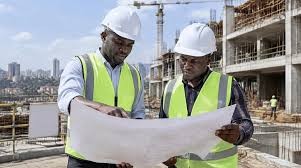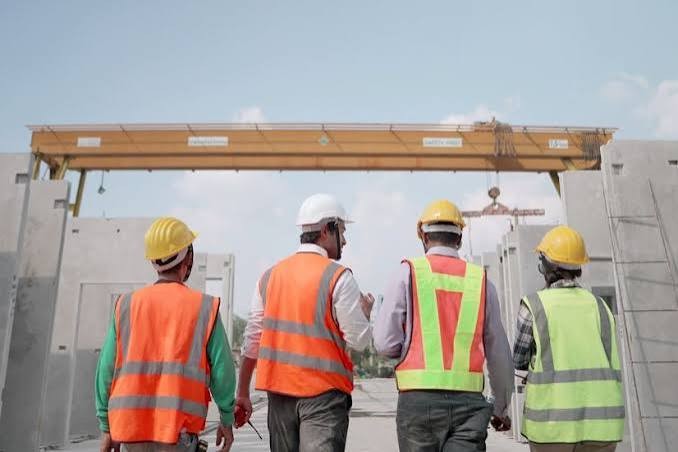
Monitoring construction progress is one of the most important responsibilities in successfully managing a building project. Whether constructing a residential house, commercial property, industrial facility or institutional building, regular monitoring helps ensure that construction activities are completed according to the approved schedule, budget, architectural drawings, structural designs and technical specifications.
Without proper construction progress monitoring, projects can experience delays, cost overruns, poor workmanship, material wastage and deviations from approved designs. These challenges can compromise building quality, increase construction expenses and affect the overall success of a development.
For property owners and developers in Uganda, understanding how to monitor construction progress and ensure work meets specifications is essential for protecting investments and achieving successful project outcomes.
Effective construction monitoring involves more than visiting a building site and checking how much work has been completed. It requires systematic inspections, progress reporting, quality verification, material monitoring, contractor coordination and comparison of actual site performance against established project requirements.
At Daltrevco, we recognise that professional construction supervision, effective project management and consistent quality monitoring are essential for delivering safe, durable and properly executed buildings.
This guide explains the most effective ways to monitor construction progress, verify workmanship, control project performance and ensure that construction activities meet the required standards.
What Is Construction Progress Monitoring?
Construction progress monitoring is the systematic process of tracking, measuring, inspecting and evaluating construction activities to determine whether a project is progressing according to its approved programme, budget, drawings, specifications and contractual requirements.
It involves regularly comparing actual construction performance against planned project targets to identify delays, quality problems, resource shortages and other issues that may affect successful project delivery.
Construction progress monitoring begins before physical construction starts and continues until project completion and handover.
It helps property owners, project managers, consultants, engineers and contractors understand:
- Whether construction activities are progressing according to schedule.
- Whether completed work meets approved drawings and specifications.
- Whether construction materials meet the required standards.
- Whether contractors are delivering the agreed scope of work.
- Whether project expenditure remains within the approved budget.
- Whether defects and non-compliant work are being corrected.
- Whether potential construction risks are being addressed.
A well-managed monitoring system provides reliable information that supports timely decision-making and helps prevent small construction problems from becoming expensive project failures.
Why Is Monitoring Construction Progress Important?
Construction projects involve several interconnected activities that require proper coordination, technical supervision and resource management.
When construction progress is not monitored effectively, problems may remain unnoticed until they affect project costs, timelines or quality.
The following are important reasons to monitor construction progress throughout a building project.
1. Preventing Construction Delays
Construction delays can arise from poor planning, inadequate materials, labour shortages, equipment breakdowns, weather conditions and coordination problems.
Regular progress monitoring helps identify activities that are falling behind schedule so that corrective measures can be introduced early.
For example, if foundation construction is delayed because reinforcement steel has not been delivered, the project manager can coordinate with the supplier and contractor to reduce further disruption.
2. Ensuring Compliance With Approved Construction Drawings
Building construction should follow approved architectural drawings, structural designs and technical specifications.
Monitoring helps identify deviations such as incorrect wall positions, unsuitable foundation dimensions, improperly installed reinforcement and unauthorised changes to building layouts.
Identifying these problems early helps ensure that corrective action is taken before the affected work progresses to subsequent stages.
3. Maintaining Construction Quality
A building may appear to be progressing quickly while important quality requirements are being overlooked.
Progress monitoring should therefore include inspections to verify that materials, workmanship and construction methods meet the required standards.
This helps prevent defects that could compromise structural integrity, durability, safety and building functionality.
4. Controlling Construction Costs
Unmonitored construction projects are more vulnerable to unnecessary expenditure, material wastage, rework and unplanned variations.
By tracking completed work against the approved budget and scope, project managers can identify cost-related problems and take appropriate action.
For example, monitoring material consumption can reveal excessive wastage of cement, reinforcement steel, timber and other construction materials.
5. Improving Contractor Accountability
Construction contractors are expected to deliver work according to agreed contractual requirements.
Regular site inspections, progress reports and documented performance reviews make it easier to evaluate contractor performance.
This promotes accountability and provides a clearer basis for discussing delays, defects and incomplete activities.
6. Supporting Better Project Coordination
Building projects involve different professionals, including architects, structural engineers, quantity surveyors, electrical engineers, plumbing contractors and construction workers.
Monitoring construction progress helps identify activities that require coordination between different teams.
For example, plumbing and electrical installations should be properly coordinated with masonry and finishing activities to avoid unnecessary alterations.
7. Protecting the Client’s Investment
Property development involves substantial financial resources.
Monitoring construction progress provides clients with better visibility into how their money is being used and whether the project is delivering the expected results.
It also helps identify construction risks before they cause significant financial losses.
12 Effective Ways to Monitor Construction Progress and Ensure Work Meets Specifications
Successful construction monitoring requires a structured approach that combines progress tracking, technical inspections, quality control, documentation and project coordination.
The following methods can help property owners, developers, project managers and construction consultants maintain control over building projects.
1. Start With Approved Construction Drawings and Specifications
Before monitoring construction activities, it is important to understand exactly what the project is supposed to deliver.
Approved architectural drawings, structural designs, engineering details, technical specifications and bills of quantities provide the basis for evaluating construction work.
These documents establish the expected dimensions, materials, construction methods, workmanship requirements and technical standards.
During construction, site observations should be compared against the latest approved project documents.
For example, when inspecting a residential building, the supervising professional may verify:
- Foundation dimensions and positioning.
- Wall thickness and building layout.
- Door and window opening dimensions.
- Reinforcement details.
- Concrete specifications.
- Roof design and structural arrangements.
- Electrical and plumbing installation layouts.
- Finishing material specifications.
Any discrepancy should be documented and referred to the responsible architect, engineer or consultant for clarification.
Construction changes should follow the established approval procedures rather than being implemented informally on site.
2. Develop a Detailed Construction Programme
A construction programme outlines the activities required to complete a project and establishes when each activity should take place.
It provides an essential reference for monitoring project progress.
A typical building construction programme may include:
- Site preparation and setting out.
- Excavation and foundation construction.
- Ground floor structural works.
- Walling and masonry.
- Roofing and structural installations.
- Electrical and plumbing installations.
- Plastering and internal finishes.
- Floor and wall tiling.
- Painting and decoration.
- External works and landscaping.
- Final inspections and handover.
Each activity should have an estimated duration, planned start date, completion date and relevant dependencies.
Project managers can then compare actual progress against the programme to determine whether activities are ahead of schedule, on schedule or delayed.
For more complex projects, scheduling tools such as Gantt charts and critical path analysis can help identify activities that have a significant influence on the overall completion date.
3. Conduct Regular Construction Site Inspections
Site inspections are among the most effective ways of monitoring construction progress and workmanship.
Regular inspections allow project professionals to observe actual construction activities rather than relying entirely on contractor reports.
During inspections, attention should be given to:
- Work completed since the previous inspection.
- Quality of workmanship.
- Material usage and storage.
- Compliance with approved drawings.
- Availability of labour and equipment.
- Construction methods being used.
- Defects and incomplete work.
- Activities planned for the next inspection period.
Inspection frequency should depend on the project size, complexity, construction stage and contractual requirements.
Certain activities require inspection at specific stages because they will become inaccessible once subsequent work is completed.
For example, reinforcement should be inspected before concrete is poured, while plumbing pipes and electrical conduits should be checked before being concealed within walls or floors.
4. Compare Actual Progress Against Planned Progress
Monitoring construction progress requires measuring what has actually been completed and comparing it with the original programme.
This helps identify delays and determine whether the project is maintaining its intended pace.
For example, consider a residential building project with a planned masonry completion target of 60% by the end of a particular reporting period.
If the actual completed masonry work is only 40%, the project team should investigate the reasons for the difference.
Possible causes may include:
- Shortage of construction materials.
- Insufficient workers.
- Poor contractor coordination.
- Delayed preceding activities.
- Equipment breakdown.
- Unfavourable weather.
- Design changes.
Once the cause has been identified, the responsible team can develop corrective measures.
Progress should be measured using appropriate units for each activity, such as square metres of plastering, cubic metres of concrete, metres of installed piping or the number of completed building elements.
5. Monitor Construction Materials and Their Quality
The quality of construction materials has a direct influence on the performance and durability of a building.
Monitoring should therefore include checking materials delivered to the site, their storage conditions and whether they meet approved project specifications.
Important materials to monitor include:
- Cement.
- Reinforcement steel.
- Sand and aggregates.
- Concrete and masonry units.
- Roofing materials.
- Structural timber.
- Plumbing pipes and fittings.
- Electrical cables and accessories.
- Tiles, paints and finishing materials.
The monitoring process should establish whether materials are approved, correctly identified, properly stored and suitable for their intended applications.
Where necessary, material certificates, technical data sheets and laboratory test reports should be reviewed.
For example, cement should be stored in dry conditions to prevent moisture damage, while reinforcement steel should be protected from contamination and stored appropriately.
Materials that do not meet the specified requirements should not be used until their suitability has been established by the responsible professional.
6. Implement Construction Quality Assurance and Quality Control Procedures
Quality Assurance (QA) and Quality Control (QC) are essential components of construction monitoring.
Although they perform different functions, both help ensure that building activities meet the required standards.
Quality Assurance focuses on establishing procedures and processes that prevent construction defects.
This may include:
- Preparing quality management plans.
- Establishing construction procedures.
- Defining workmanship requirements.
- Approving materials and suppliers.
- Establishing inspection and testing requirements.
- Training construction personnel.
Quality Control focuses on inspecting and testing actual construction work to identify defects and verify compliance.
Examples include:
- Concrete slump tests.
- Concrete compressive strength tests.
- Soil compaction tests.
- Reinforcement inspections.
- Masonry workmanship inspections.
- Plumbing pressure tests.
- Electrical installation tests.
- Waterproofing inspections.
Combining QA and QC ensures that construction quality is considered before, during and after individual building activities.
7. Verify Construction Workmanship at Every Stage
A construction project can use approved materials and still produce poor results if workmanship is inadequate.
Regular workmanship inspections help identify problems before they affect other activities.
For example:
Foundation works: Check excavation dimensions, reinforcement arrangement, concrete placement and relevant curing procedures.
Structural works: Inspect reinforcement positioning, formwork, concrete placement and structural dimensions.
Masonry: Check wall alignment, verticality, mortar joints and block or brick quality.
Roofing: Inspect structural connections, roofing sheet installation, flashing and waterproofing details.
Plumbing: Check pipe positioning, connections, drainage gradients and leakage.
Electrical installations: Verify visible installation arrangements, cable routing, conduits and required testing.
Finishing works: Inspect plastering, tiling, painting, ceiling installation, doors and windows.
Inspections should be conducted against defined acceptance criteria rather than subjective opinions.
8. Monitor Labour, Equipment and Construction Resources
Construction progress depends on the availability and proper use of labour, equipment and other resources.
A project may fall behind schedule when there are insufficient workers, inadequate equipment or poor allocation of resources.
During site monitoring, the project team should assess:
- Number of workers available.
- Skills and experience of workers.
- Labour productivity.
- Availability of equipment.
- Equipment operating conditions.
- Material availability.
- Subcontractor performance.
- Resource allocation across activities.
For example, if masonry work is behind schedule because the contractor has insufficient skilled workers, the project manager can discuss an appropriate resource adjustment.
Resource monitoring helps identify operational challenges that could affect project completion.
9. Maintain Accurate Construction Progress Reports
Construction progress reports provide a documented record of project activities, achievements, challenges and outstanding issues.
They help project owners and consultants understand what is happening on site without relying solely on informal updates.
A useful construction progress report should include:
- Project name and reporting period.
- Activities planned.
- Activities completed.
- Percentage of work completed where measurable.
- Comparison of actual and planned progress.
- Materials delivered and used.
- Labour and equipment status.
- Quality inspection findings.
- Identified defects and corrective actions.
- Construction delays and their causes.
- Photographic evidence.
- Activities planned for the next reporting period.
Reports should be accurate, consistent and supported by verifiable site information.
They also provide an important record for reviewing contractor performance and making project management decisions.
10. Identify and Correct Construction Defects Immediately
Defects should be identified and addressed as early as possible.
Allowing defective work to continue can increase repair costs and affect other construction activities.
For example, if a wall is constructed in the wrong position, correcting the problem before roofing and finishing is completed will generally be less disruptive than discovering it after the building is nearly finished.
An effective defect management process involves:
- Identifying the defect.
- Recording the location and nature of the problem.
- Comparing the work against the approved requirements.
- Reporting the non-conformity to the responsible party.
- Determining the appropriate corrective action.
- Implementing the approved correction.
- Re-inspecting the corrected work.
- Recording closure of the issue.
This approach helps ensure that identified defects are not simply reported and forgotten.
11. Monitor Project Costs and Material Consumption
Construction progress should be assessed alongside financial performance.
A project may appear to be progressing according to schedule while expenditure is increasing beyond the approved budget.
Monitoring costs helps identify differences between planned and actual expenditure.
Important areas include:
- Material purchases.
- Labour expenses.
- Equipment hire.
- Subcontractor payments.
- Transport costs.
- Variations and additional work.
- Material wastage.
- Rework expenses.
The project team should compare expenditure with the value of completed work and the approved budget.
Where unexpected costs arise, the reasons should be investigated and appropriate approvals obtained before additional expenditure is committed.
12. Conduct Regular Project Review Meetings
Project review meetings provide an opportunity for the client, consultants, contractors and other stakeholders to evaluate construction performance.
Meetings may cover:
- Progress against the construction programme.
- Quality inspection findings.
- Material supply challenges.
- Labour and equipment requirements.
- Outstanding defects.
- Design clarifications.
- Financial performance.
- Safety concerns.
- Upcoming construction activities.
- Corrective actions and responsible parties.
Each meeting should produce clear action points with assigned responsibilities and target completion dates.
This improves accountability and supports effective coordination throughout construction.
How to Ensure Construction Work Meets Approved Specifications
Monitoring progress alone is not enough. Construction teams must also verify that the work being completed meets the required technical and contractual standards.
The following practices help ensure compliance.
1. Use the Latest Approved Drawings
Construction teams should work from the latest approved versions of architectural, structural and building services drawings.
Outdated drawings can lead to incorrect dimensions, unsuitable installations and costly rework.
Any design revisions should be properly documented and communicated to all relevant parties.
2. Establish Clear Material Specifications
Every construction material should have clearly defined quality requirements.
For example, concrete should meet the specified strength and mix requirements, while reinforcement steel should meet the required grade, dimensions and applicable standards.
Material approvals should be documented before products are incorporated into the building.
3. Use Inspection and Test Plans
An Inspection and Test Plan (ITP) identifies construction activities that require inspection, testing or approval.
It should specify:
- The activity being inspected.
- Applicable drawings and specifications.
- Inspection or testing requirements.
- Acceptance criteria.
- Responsible personnel.
- Inspection frequency.
- Required documentation.
- Hold points and witness points where applicable.
Hold points are particularly important because work should not proceed beyond designated stages until the required inspection or approval has taken place.
4. Inspect Work Before It Is Concealed
Some construction components become inaccessible after subsequent work is completed.
Important inspection points include:
- Foundation reinforcement before concrete placement.
- Column and beam reinforcement before casting.
- Plumbing installations before wall finishes.
- Electrical conduits before plastering.
- Waterproofing before tiling.
- Roof structural connections before covering.
These inspections help reduce the risk of hidden defects.
5. Conduct Appropriate Material and Workmanship Tests
Testing provides evidence that materials and completed work meet specified requirements.
Depending on the project, testing may include:
- Soil investigation and compaction tests.
- Concrete slump tests.
- Concrete compressive strength tests.
- Reinforcement verification.
- Plumbing pressure tests.
- Electrical installation tests.
- Waterproofing and leakage checks.
Tests should be performed by competent personnel using suitable procedures and equipment.
6. Maintain Proper Construction Documentation
Quality documentation makes it easier to demonstrate that construction work has been inspected and verified.
Important records include:
- Approved drawings.
- Technical specifications.
- Material approval records.
- Inspection checklists.
- Test certificates.
- Site inspection reports.
- Non-conformance reports.
- Corrective action records.
- Approved variation instructions.
- Handover documentation.
Accurate records help improve transparency, accountability and quality management.
Construction Progress Monitoring Checklist for Building Projects
A structured checklist helps project managers and site supervisors monitor important construction activities consistently.
The following checklist can be adapted to suit residential, commercial and industrial building projects.
| Construction Stage | What to Monitor |
|---|---|
| Site preparation | Site clearance, setting out, access and site organisation |
| Excavation | Dimensions, depth and founding conditions |
| Foundations | Reinforcement, formwork, concrete and curing |
| Ground floor works | Filling, compaction, damp-proofing and concrete works |
| Structural works | Columns, beams, slabs and reinforcement |
| Masonry | Wall dimensions, alignment and workmanship |
| Roofing | Roof structure, connections, sheets and waterproofing |
| Plumbing | Pipe routes, fittings, drainage and leakage tests |
| Electrical | Conduits, cable routes, accessories and testing |
| Plastering | Surface preparation, alignment and finish quality |
| Flooring | Screeding, levels, tiling and workmanship |
| Painting | Surface preparation, coating application and finish |
| Doors and windows | Dimensions, installation, operation and sealing |
| External works | Drainage, paving, access roads and landscaping |
| Final inspection | Defects, incomplete work and handover requirements |
The checklist should be supported by detailed project specifications and activity-specific inspection criteria.
Tools and Technologies Used to Monitor Construction Progress
Modern construction projects can benefit from digital tools that improve progress tracking, documentation and communication.
Although traditional site inspections remain essential, technology can make construction monitoring more efficient.
1. Construction Scheduling Software
Scheduling software helps project teams develop construction programmes, assign activities, track deadlines and monitor delays.
Examples include Microsoft Project and Primavera P6.
These tools are particularly useful for managing complex construction programmes involving multiple contractors and interdependent activities.
2. Digital Inspection Checklists
Digital checklists allow site professionals to record inspection findings, attach photographs and monitor corrective actions.
They help reduce paperwork and improve the organisation of construction quality records.
3. Mobile Progress Reporting
Mobile devices can be used to record construction progress, capture site photographs and share inspection findings with relevant stakeholders.
This makes it easier to provide timely updates and maintain accurate project records.
4. Building Information Modelling (BIM)
Building Information Modelling supports the coordination and visualisation of building information.
When properly implemented, BIM can help project teams compare construction activities with coordinated design information, identify clashes and improve communication.
5. Drones and Site Photography
Drones may be used on suitable projects to capture aerial images and monitor large construction sites.
Regular photographic records can also help compare site conditions and visible progress over time.
Drone operations should comply with applicable aviation and privacy requirements.
6. Cost Monitoring and Reporting Tools
Digital cost management tools help project teams track expenditure, procurement, material consumption and budget performance.
They can support early identification of financial risks.
Common Mistakes to Avoid When Monitoring Construction Progress
Even projects with experienced professionals can encounter problems when monitoring procedures are poorly implemented.
Avoid the following mistakes:
1. Relying Only on Contractor Progress Reports
Contractor reports are useful, but they should be verified through site inspections and supporting documentation.
Independent verification provides a more reliable picture of actual progress.
2. Conducting Irregular Site Inspections
Infrequent inspections can allow construction defects and deviations to remain unnoticed.
Inspection frequency should be appropriate to the project stage and the importance of the work being undertaken.
3. Focusing on Speed Instead of Quality
Completing construction activities quickly does not necessarily mean that the work meets the required standards.
Quality checks should be incorporated into the construction programme rather than treated as an optional final activity.
4. Ignoring Small Construction Defects
Minor defects can develop into larger problems if left uncorrected.
Construction teams should document and address quality concerns as soon as they are identified.
5. Failing to Document Design Changes
Informal changes to building layouts, dimensions or construction materials can create serious coordination and compliance problems.
All relevant changes should be reviewed, approved and recorded through the appropriate project procedures.
6. Poor Communication Between Project Stakeholders
A lack of coordination can result in duplicated work, incorrect installations and construction delays.
Regular communication and clearly assigned responsibilities help prevent these challenges.
7. Failing to Follow Up on Corrective Actions
Identifying a defect is only the first step.
The project team must also ensure that corrective action is implemented, verified and properly documented.
Who Is Responsible for Monitoring Construction Progress?
Construction progress monitoring involves several professionals, although their responsibilities differ depending on the project structure and contractual arrangements.
1. Construction Project Manager
The project manager coordinates overall project performance, including programme monitoring, resource management, stakeholder communication, risk management and cost control.
They use progress information to identify challenges and coordinate appropriate responses.
2. Clerk of Works
A Clerk of Works monitors workmanship, construction materials and compliance with approved drawings and specifications.
The professional provides site observations and reports quality concerns to the client or appointed consultant.
3. Site Engineer
A Site Engineer monitors technical construction activities and helps ensure that work follows approved engineering drawings, technical requirements and construction procedures.
4. Site Supervisor
A Site Supervisor oversees daily construction activities, coordinates workers and monitors the execution of work on site.
5. Quantity Surveyor
A Quantity Surveyor monitors construction costs, evaluates quantities, assesses payment applications and provides advice on financial aspects of the project.
6. Architect and Consulting Engineers
Architects and engineers provide professional design guidance and review construction work within their respective areas of responsibility.
They may inspect specific construction elements, clarify design details and assess proposed changes.
7. Main Contractor
The main contractor is responsible for executing the construction work according to the contract, approved drawings, specifications and applicable requirements.
The contractor should also monitor its own workmanship, labour, materials and construction activities.
Effective progress monitoring requires coordination among all these parties.
Why Professional Construction Supervision Matters in Uganda
Building projects in Uganda involve technical, financial and regulatory requirements that must be carefully managed.
Whether constructing a residential property in Kampala, a commercial building in Wakiso, an industrial facility or an institutional development elsewhere in the country, professional construction supervision helps ensure that work is properly monitored.
Professional supervision provides several important advantages:
- Better monitoring of contractor performance.
- Improved construction quality.
- Early identification of defects.
- Better compliance with approved project documents.
- Improved coordination between contractors and consultants.
- More effective construction progress reporting.
- Reduced risk of unnecessary rework.
- Better protection of property development investments.
Professional construction supervision is particularly important for clients who cannot spend sufficient time on site or who require independent technical monitoring.
Working with experienced construction consultants and project management professionals can help property owners maintain greater control over construction activities.
How Daltrevco Can Help Monitor Your Construction Project
Successful construction requires effective planning, technical oversight, quality management and continuous monitoring.
At Daltrevco, we understand that property owners and developers need more than contractors who simply complete construction activities. They need confidence that their projects are progressing according to approved plans, specifications, budgets and timelines.
Professional construction consultancy and supervision help provide the necessary oversight throughout project implementation.
Depending on the agreed scope of services, construction professionals can assist with:
- Reviewing architectural and structural drawings.
- Monitoring construction progress against project schedules.
- Inspecting workmanship and construction materials.
- Monitoring compliance with technical specifications.
- Coordinating site inspections.
- Reviewing construction quality documentation.
- Identifying and reporting construction defects.
- Monitoring corrective actions.
- Supporting contractor and consultant coordination.
- Assisting with project completion and handover inspections.
Whether you are constructing a residential home, commercial property, warehouse, factory or institutional building, effective monitoring can help reduce construction risks and improve project delivery.
Daltrevco is committed to supporting better construction outcomes through professional construction consultancy, site supervision and project management services.
Frequently Asked Questions About Construction Progress Monitoring
1. What is the best way to monitor construction progress?
The best approach combines regular site inspections, construction schedule tracking, progress reports, material monitoring, quality checks and comparison of actual work against approved drawings and specifications.
2. How often should a construction site be inspected?
Inspection frequency depends on the project size, complexity and construction stage. Critical activities such as reinforcement installation, concrete placement, waterproofing and concealed building services should be inspected at the appropriate stages before work proceeds.
3. How do you measure construction progress?
Construction progress can be measured using completed quantities, activity milestones, percentage completion, labour productivity and comparison against the approved construction programme.
4. How can I ensure a contractor follows approved building plans?
Use qualified construction professionals to review drawings, conduct regular site inspections, document deviations and ensure that proposed changes follow the appropriate approval procedures.
5. What documents are needed to monitor construction progress?
Important documents include approved architectural and structural drawings, technical specifications, bills of quantities, construction programmes, inspection reports, material approval records, test results and contractor progress reports.
6. What is a construction progress report?
A construction progress report is a document showing the activities completed during a specific reporting period, progress against the programme, quality observations, material status, challenges and planned activities.
7. How can construction delays be prevented?
Construction delays can be reduced through proper planning, realistic scheduling, early procurement, resource monitoring, regular coordination meetings and timely identification of problems affecting critical activities.
8. Why is construction quality control important?
Construction quality control verifies whether materials, workmanship and completed activities meet the specified requirements. It helps identify defects, prevent non-compliant work from progressing and improve building performance.
9. Who should monitor a building construction project?
Depending on the project’s size and contractual arrangements, monitoring may involve a project manager, Clerk of Works, site engineer, site supervisor, architect, quantity surveyor and other appointed consultants.
10. Can construction monitoring reduce building costs?
Yes. Effective monitoring helps identify defects early, reduce material wastage, minimise rework, control unnecessary variations and improve resource utilisation.
11. What happens when construction work does not meet specifications?
The non-compliant work should be documented, assessed by the responsible professional and corrected through an appropriate corrective action process. The work should then be re-inspected or retested where necessary.
12. Is construction progress monitoring necessary for small residential projects?
Yes. Even relatively small residential projects can experience poor workmanship, material wastage, delays and cost overruns. Appropriate professional monitoring helps homeowners protect their investments and achieve the expected building standards.
Conclusion: Effective Construction Monitoring Leads to Better Building Projects
Knowing how to monitor construction progress and ensure work meets specifications is essential for delivering successful building projects.
Effective monitoring involves reviewing approved drawings, tracking construction schedules, inspecting workmanship, checking materials, verifying technical requirements, documenting site activities and addressing defects promptly.
These practices help property owners and developers minimise construction risks, control project costs, reduce delays and achieve better-quality buildings.
For construction projects in Uganda, professional supervision and consultancy provide valuable support in maintaining quality, accountability and compliance throughout the building process.
At Daltrevco, we believe that successful construction is achieved through proper planning, professional oversight, effective coordination and consistent quality management.
Whether you are planning a residential, commercial or industrial development, investing in professional construction monitoring can help protect your investment and ensure that your building is completed according to the required standards.
Contact Daltrevco today to discuss your construction consultancy, project management, site supervision and building construction requirements in Uganda.