Construction defects are among the biggest risks facing property owners, developers and investors. Poor workmanship, unsuitable building materials, inadequate site management and failure to follow approved construction drawings can result in cracks, leaking roofs, damp walls, uneven floors and serious structural problems.
In Uganda, where residential, commercial and industrial construction projects vary significantly in design, site conditions and construction methods, preventing defects requires more than hiring a contractor and purchasing quality materials. Every stage of construction must be properly planned, monitored, inspected and documented.
Some construction defects are visible immediately after completion, while others develop gradually due to hidden workmanship problems or inadequate quality control. If they are not identified early, they can lead to expensive repairs, project delays, safety risks and reduced property value.
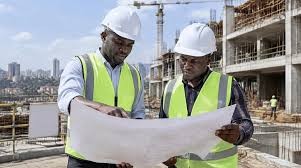
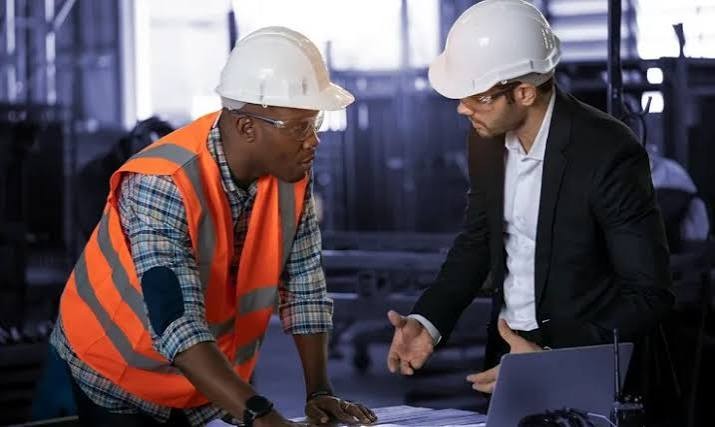
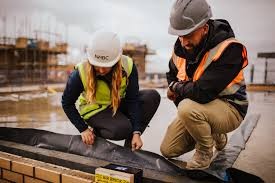
Professional construction supervision plays an important role in preventing these problems. By monitoring workmanship, checking materials, verifying construction activities against approved drawings and coordinating inspections, qualified construction professionals help ensure that building work meets the required standards.
At Daltrevco, we recognise the importance of proper construction supervision, quality control and project management in delivering durable and reliable buildings.
This guide explores the most common construction defects, their causes, their consequences and how professional supervision helps prevent them.
What Are Construction Defects?
Construction defects are faults, deficiencies or failures in a building that occur because of inadequate design, poor workmanship, unsuitable materials, incorrect construction methods or failure to comply with project specifications.
They may affect the structural strength, appearance, functionality, safety or durability of a building.
Construction defects generally fall into four main categories:
- Structural defects: Problems affecting the strength and stability of a building, including foundation settlement, structural cracks and defective concrete.
- Workmanship defects: Problems resulting from poor construction practices, such as uneven plastering, poorly installed tiles and incorrectly fitted doors.
- Material defects: Failures caused by unsuitable, substandard, damaged or improperly stored construction materials.
- Building performance defects: Problems affecting how a building functions, including water leakage, dampness, poor drainage and inadequate ventilation.
Not every visible imperfection is a serious structural problem. However, defects should be assessed by appropriately qualified professionals to establish their cause, severity and suitable corrective action.
Why Do Construction Defects Occur?
Construction defects rarely have only one cause. They often result from several weaknesses in the planning, procurement, execution and supervision of a project.
Common causes include:
- Poor interpretation or implementation of architectural and structural drawings.
- Inadequate construction supervision.
- Use of substandard or unsuitable building materials.
- Poor workmanship by contractors and subcontractors.
- Incorrect concrete mixing, placement and curing.
- Failure to conduct inspections before covering up completed work.
- Inadequate site preparation and foundation construction.
- Poor drainage and waterproofing arrangements.
- Weak coordination between construction teams.
- Failure to follow approved specifications and construction procedures.
- Rushed construction activities and unrealistic project schedules.
- Inadequate maintenance after building completion.
One of the most important causes is the failure to identify problems while construction activities are still in progress. Many defects become difficult and expensive to correct once subsequent work covers the affected areas.
15 Common Construction Defects and How Professional Supervision Prevents Them
Understanding common building defects helps property owners and developers know what to look for and why professional supervision is necessary.
1. Foundation Cracks and Uneven Settlement
Foundation problems are among the most serious construction defects because they can affect the stability of the entire building.
Uneven settlement occurs when different parts of a building’s foundation move by different amounts. This movement can cause cracks in walls, floors, columns and other structural elements.
Common causes include:
- Inadequate soil investigation.
- Incorrect foundation design for the ground conditions.
- Insufficient foundation depth or unsuitable foundation dimensions.
- Poor excavation and foundation preparation.
- Weak or inadequately compacted ground.
- Poor drainage around the building.
- Construction that does not follow the structural engineer’s design.
How professional supervision prevents foundation defects
A qualified site supervisor or engineer helps ensure that foundation construction follows approved structural drawings and engineering specifications.
Supervision includes checking excavation dimensions and depths, assessing whether the exposed ground is consistent with the design assumptions, verifying reinforcement placement and inspecting formwork before concrete is poured.
Where ground conditions differ from those anticipated, the appropriate design professional should review the situation before construction proceeds.
These checks help identify problems before the foundation is covered or the building’s structural load increases.
2. Structural Cracks in Walls, Columns and Beams
Cracks can appear in different parts of a building. Some are associated with normal material movement or plaster shrinkage, while others may indicate structural distress.
The location, direction, width, pattern and development of a crack all matter when determining its significance.
Common causes include:
- Foundation movement.
- Incorrect structural design or detailing.
- Poor concrete quality.
- Inadequate reinforcement.
- Excessive structural loading.
- Poor workmanship.
- Temperature changes and material shrinkage.
- Inadequate movement joints where required.
How professional supervision prevents cracking
Professional supervision helps ensure that structural elements are constructed according to approved engineering drawings.
The supervisor checks reinforcement sizes, spacing, positioning, concrete cover, formwork stability and concrete placement procedures.
They also monitor construction sequencing and ensure that structural elements are not loaded prematurely.
When cracks develop, a qualified professional should investigate their cause rather than simply covering them with plaster or paint.
3. Poor Concrete Quality and Honeycombing
Concrete is a fundamental material in many building projects. It is used in foundations, columns, beams, suspended slabs, staircases and other structural elements.
Poor concrete quality can reduce structural performance and durability.
Honeycombing occurs when voids and exposed aggregate appear in hardened concrete, often because the concrete has not properly filled the formwork or surrounded the reinforcement.
Common causes include:
- Incorrect concrete mix proportions.
- Poor-quality aggregates.
- Excessive or insufficient water.
- Inadequate mixing.
- Poor concrete placement.
- Insufficient compaction.
- Leaking or poorly constructed formwork.
- Incorrect reinforcement arrangement that restricts concrete flow.
How professional supervision prevents concrete defects
A construction supervisor monitors concrete preparation, delivery, placement and curing.
Important checks include:
- Confirming that the approved concrete mix or specified strength is used.
- Checking the quality and condition of materials.
- Ensuring concrete is properly mixed and placed.
- Monitoring compaction using appropriate equipment and methods.
- Checking formwork for stability and leakage.
- Arranging concrete sampling and testing where specified.
- Ensuring appropriate curing procedures are followed.
Concrete defects should be assessed by a structural engineer where they affect or may affect structural performance. Repair methods should be selected based on the actual condition, not appearance alone.
4. Damp Walls and Rising Damp
Dampness is a common building problem that can damage finishes, create unpleasant indoor conditions and contribute to mould growth.
Rising damp occurs when moisture moves upwards through porous building materials from the ground, particularly where an effective damp-proof course is absent, damaged or incorrectly installed.
Common causes include:
- Missing or defective damp-proof courses.
- Poor site drainage.
- Inadequate waterproofing.
- Leaking water pipes.
- Poor external ground levels.
- Water penetration through walls.
- Inadequate protection of foundations against moisture.
How professional supervision prevents dampness
Supervision ensures that damp-proof courses and waterproofing systems are installed in the correct positions and according to the specified details.
Supervisors also check drainage arrangements, external ground levels, wet-area waterproofing and the quality of plumbing installations.
These inspections should take place before plastering, tiling or other finishes conceal important waterproofing work.
5. Roof Leaks and Defective Roofing
Roof leakage can damage ceilings, electrical installations, walls, insulation and other building components.
It can also cause timber deterioration and encourage mould growth where moisture remains trapped.
Common causes include:
- Incorrect roof pitch.
- Poor roof sheet installation.
- Inadequate fixing and fastening.
- Poor flashing around roof intersections.
- Defective gutters and downpipes.
- Damaged roofing materials.
- Poor workmanship around valleys, ridges and roof penetrations.
- Inadequate roof drainage.
How professional supervision prevents roofing defects
Professional supervision helps confirm that roof construction follows approved drawings, specifications and manufacturers’ installation instructions.
Inspection should cover roof framing, truss alignment, connections, bracing, roof covering, fasteners, flashing, gutters and downpipes.
The supervisor should also verify that roof drainage directs water safely away from the building.
Where practical and appropriate, completed roofing work should be checked for leakage before ceilings and other concealed finishes are completed.
6. Uneven Floors and Defective Floor Finishes
Uneven floors affect the appearance, comfort and usability of a building. They can also create trip hazards and cause problems with furniture, doors and drainage.
Common causes include:
- Poor screeding.
- Incorrect floor levels.
- Inadequate surface preparation.
- Poor concrete finishing.
- Incorrect tile installation.
- Uneven substrate thickness.
- Inadequate setting-out.
- Failure to provide the required floor falls in wet areas.
How professional supervision prevents floor defects
Supervisors check floor levels, screed thickness, surface preparation and finished floor alignment.
Before tiles or other finishes are installed, the substrate should be inspected for flatness, stability and suitability.
In bathrooms, kitchens, balconies and other wet areas, the supervisor should verify that the specified falls direct water towards the appropriate drainage points.
These checks reduce the likelihood of uneven finishes, loose tiles and water pooling.
7. Poor Plastering and Wall Finishing
Poor plastering affects the appearance of a building and may conceal underlying masonry or moisture problems.
Typical defects include uneven surfaces, cracks, peeling plaster, hollow sections and inconsistent finishes.
Common causes include:
- Incorrect mortar proportions.
- Poor surface preparation.
- Excessive plaster thickness.
- Inadequate curing.
- Application under unsuitable conditions.
- Poor workmanship.
- Moisture penetration.
- Incompatible materials.
How professional supervision prevents plastering defects
A supervisor checks the condition of the wall before plastering begins.
They verify mortar preparation, surface cleaning, application thickness, alignment, corner details and finishing quality.
They also ensure that plastering does not begin before important concealed services and wall inspections have been completed.
Proper curing and protection of finished surfaces should be included in the site quality-control process.
8. Defective Masonry and Poor Wall Alignment
Masonry defects can affect the appearance, stability and performance of walls.
Examples include walls that are out of plumb, uneven mortar joints, weak bonding, poorly aligned corners and inadequate connections between masonry and structural elements.
Common causes include:
- Poor setting-out.
- Incorrect mortar preparation.
- Inconsistent block or brick quality.
- Poor bonding patterns.
- Inadequate wall reinforcement where specified.
- Failure to follow construction details.
- Rushed workmanship.
How professional supervision prevents masonry defects
Professional supervision involves checking wall positions, dimensions, alignment, verticality and mortar joints during construction.
Supervisors also confirm that openings, lintels, connections and reinforcement are installed according to approved drawings.
Regular checks while walls are being built make it easier to correct alignment problems before the masonry reaches full height.
9. Defective Plumbing and Drainage Installations
Plumbing defects can cause water damage, unpleasant odours, blocked drainage systems and expensive repairs.
Common problems include leaking pipes, poorly connected fittings, inadequate water pressure, incorrect pipe gradients and blocked drainage lines.
Common causes include:
- Incorrect pipe sizes.
- Poor jointing and connections.
- Inadequate pipe supports.
- Incorrect drainage gradients.
- Poor installation of sanitary fittings.
- Failure to test pipework.
- Inadequate coordination between plumbing and structural works.
How professional supervision prevents plumbing defects
Supervisors check pipe routes, sizes, connections, supports and installation details against the approved services drawings.
They also coordinate inspections and ensure that appropriate pressure tests, leakage checks and drainage tests are completed before pipes are concealed.
Drainage systems should be checked for suitable gradients and unobstructed flow.
Testing before closing walls, floors or service ducts is particularly important because concealed plumbing defects can be expensive to access later.
10. Electrical Installation Defects
Electrical defects can create serious safety risks, including electric shock, equipment damage and fire.
Common causes include:
- Incorrect cable sizes.
- Poor electrical connections.
- Inadequate earthing and bonding.
- Overloaded circuits.
- Incorrect circuit protection.
- Poor cable routing.
- Inadequate protection of electrical installations.
- Failure to conduct electrical testing.
How professional supervision prevents electrical defects
Electrical work should be installed and tested by appropriately qualified electrical professionals.
Construction supervision helps ensure that electrical installations follow approved drawings, specifications and applicable safety requirements.
Checks include cable routing, containment, distribution boards, earthing, bonding, circuit protection and installation coordination.
The supervisor should ensure that required electrical inspections and tests are documented before the installation is commissioned.
11. Poor Installation of Doors and Windows
Defective doors and windows can result in water leakage, air infiltration, difficulty opening and closing, security weaknesses and poor building appearance.
Common causes include:
- Incorrect opening dimensions.
- Poor frame alignment.
- Inadequate fixing.
- Incorrect sealing.
- Poor-quality hardware.
- Improper installation of glazing.
- Failure to provide appropriate drainage details.
- Use of unsuitable materials.
How professional supervision prevents these defects
Supervisors check opening dimensions, frame positioning, alignment, fixing arrangements and sealing details.
They also verify that installed doors and windows match the approved specifications.
For aluminium installations, particular attention should be given to frame alignment, glazing, hardware, drainage provisions and weather seals.
Completed installations should be checked to confirm that doors and windows operate smoothly and provide the intended performance.
12. Waterproofing Failures in Bathrooms, Balconies and Roofs
Waterproofing defects can lead to leaks, damp ceilings, damaged finishes and deterioration of building components.
They are especially common where waterproofing is poorly installed or not inspected before being covered.
Common causes include:
- Poor surface preparation.
- Incorrect application of waterproofing products.
- Inadequate membrane thickness.
- Poor treatment of corners and joints.
- Missing or defective drainage outlets.
- Inadequate curing or protection.
- Failure to test the waterproofing system.
How professional supervision prevents waterproofing failures
A supervisor checks that the substrate is properly prepared and that the specified waterproofing system is installed according to the manufacturer’s instructions and project details.
Particular attention should be given to corners, pipe penetrations, joints, drainage outlets and changes in surface level.
Where specified and appropriate, water-retention or other approved waterproofing tests should be completed before tiles, screed or protective finishes are installed.
13. Defective Ceiling Installation
Ceiling defects may include sagging boards, visible joints, cracks, uneven surfaces and poorly finished edges.
Common causes include:
- Incorrect framing spacing.
- Poor suspension systems.
- Inadequate fixing.
- Use of unsuitable ceiling materials.
- Water leakage from roof or plumbing installations.
- Failure to coordinate ceiling work with electrical and mechanical services.
How professional supervision prevents ceiling defects
Supervisors check the ceiling framework, suspension arrangements, fixing methods and alignment before boards are installed.
They also confirm that concealed electrical, plumbing and other services have been inspected and tested where required.
Ceiling materials should be suitable for the environment in which they are installed, especially in areas exposed to moisture.
14. Poor External Drainage and Site Grading
Poor drainage can cause water to collect around buildings, damage foundations, erode surrounding ground and affect access roads and paved areas.
Common causes include:
- Incorrect site grading.
- Poorly positioned drainage channels.
- Inadequate stormwater capacity.
- Blocked drainage outlets.
- Incorrect ground levels.
- Poor coordination between building and external works.
How professional supervision prevents drainage defects
Supervisors check external levels, drainage gradients, channel positions and discharge arrangements against the project design.
They also verify that paved areas and surrounding ground direct water away from buildings and towards suitable drainage points.
Completed drainage works should be inspected and tested as appropriate to confirm that water flows as intended.
15. Peeling Paint and Premature Finish Deterioration
Paint defects can make a newly completed building appear poorly constructed. They may include peeling, blistering, flaking, discolouration and uneven finishes.
Common causes include:
- Painting over damp surfaces.
- Poor surface preparation.
- Incorrect primer selection.
- Use of unsuitable paint.
- Inadequate drying time.
- Application of paint under unsuitable conditions.
- Underlying water leakage.
How professional supervision prevents painting defects
Supervision ensures that surfaces are clean, dry, stable and properly prepared before painting begins.
The supervisor checks primer application, product compatibility, specified coating systems and the required number of coats.
Painting should not be used to conceal unresolved dampness, cracks or other underlying defects.
How Professional Construction Supervision Prevents Building Defects
Identifying common construction defects is important, but preventing them requires a systematic approach throughout the project.
Professional construction supervision helps control the quality of construction activities from site preparation to final handover.
1. Reviewing Construction Drawings and Specifications
Before construction begins, supervisors review relevant architectural, structural and building services drawings.
This helps identify inconsistencies, missing information and coordination issues that could lead to defects.
The construction team must understand the approved dimensions, material requirements, installation details and workmanship standards.
Where clarification or a design change is necessary, it should be referred to the responsible consultant for approval before implementation.
2. Inspecting Construction Materials
The quality of materials directly affects the durability and performance of a building.
Professional supervision helps verify that materials delivered to the site meet project specifications.
Materials that may require inspection include:
- Cement and aggregates.
- Reinforcement steel.
- Bricks and concrete blocks.
- Roofing materials.
- Timber and structural components.
- Plumbing pipes and fittings.
- Electrical cables and accessories.
- Tiles, paints and finishing products.
- Waterproofing materials.
- Aluminium profiles, glass and hardware.
Supervisors also monitor storage and handling to prevent damage, contamination and deterioration.
3. Monitoring Workmanship and Construction Methods
Even good materials can produce poor results when installed incorrectly.
Supervisors monitor construction activities to confirm that contractors follow approved methods and project specifications.
This includes checking masonry alignment, reinforcement installation, concrete placement, roofing, waterproofing, plumbing, electrical works and finishing activities.
Any work that does not meet the required standards should be recorded and corrected through the appropriate quality-control process.
4. Conducting Regular Site Inspections
Regular inspections help identify construction problems before they become expensive defects.
Inspections should take place at important stages, including:
- Site preparation and setting out.
- Excavation and foundation construction.
- Reinforcement and formwork installation.
- Concrete placement.
- Structural frame construction.
- Masonry and roofing.
- Plumbing and electrical installations.
- Waterproofing.
- Plastering and finishing.
- External works.
- Final completion and handover.
Some inspections must occur before work is covered. For example, reinforcement should be inspected before concrete placement, while concealed pipes and electrical installations should be checked before walls or floors are closed.
5. Checking Construction Work Against Approved Drawings
One of the responsibilities of professional supervision is ensuring that construction follows the approved design.
Supervisors compare actual site work with architectural, structural and building services drawings.
They check dimensions, levels, positioning, materials and construction details.
This helps prevent unauthorised alterations, incorrect measurements and deviations that could affect building performance.
Any proposed changes should be reviewed and approved by the appropriate design professional.
6. Monitoring Concrete Quality and Structural Works
Structural construction requires careful inspection because errors can affect the safety and durability of the entire building.
Supervision should cover reinforcement placement, concrete mix requirements, formwork, compaction, curing and structural sequencing.
Where required by the project specifications, supervisors coordinate concrete sampling, testing and the recording of results.
Structural concerns should be referred to the responsible structural engineer for assessment and direction.
7. Coordinating Contractors and Subcontractors
Construction projects often involve several teams working on different activities.
Poor coordination can result in damaged installations, incorrect service routes, construction delays and defects.
Professional supervision helps coordinate contractors, subcontractors, consultants and suppliers to ensure that activities are completed in the correct sequence.
For example, plumbing and electrical installations should be properly coordinated with structural and architectural works before walls, ceilings and floors are closed.
8. Maintaining Construction Inspection Reports
A professional supervision process should be supported by proper documentation.
Inspection reports provide a record of construction progress, workmanship, identified defects and corrective actions.
A good construction inspection report may include:
- Project name and location.
- Inspection date.
- Construction stage.
- Work inspected.
- Observations and identified defects.
- Photographs where relevant.
- Required corrective actions.
- Responsible contractor or team.
- Target completion date.
- Follow-up inspection results.
Documentation makes it easier to track recurring problems and verify whether corrective work has been completed.
9. Ensuring Defects Are Corrected Before Progress Continues
Identifying a defect is not enough. The problem must be properly addressed.
Professional supervisors record non-conforming work, communicate the required corrective action and arrange follow-up inspections.
Where necessary, the responsible consultant or engineer should determine the appropriate repair method.
Work should not be concealed or treated as accepted until the required checks and approvals have been completed.
10. Conducting Final Inspections Before Handover
Before a building is handed over, a final inspection should assess the overall condition, functionality and completeness of the project.
The inspection should cover:
- Structural elements and visible defects.
- Roofing and rainwater drainage.
- Walls, floors and ceilings.
- Doors and windows.
- Plumbing and sanitary installations.
- Electrical installations and test documentation.
- Waterproofing and wet areas.
- External drainage and paved surfaces.
- Painting and finishing.
- Building services and equipment.
- Outstanding works and defects.
A snag list should be prepared, assigning responsibility for each outstanding item and recording when it has been rectified.
The relevant completion documents, test records, warranties and operating information should also be collected as required by the project.
Construction Defect Prevention Checklist for Property Owners and Developers
Property owners and developers can use the following checklist to understand the main quality checks required during construction.
| Construction stage | Important checks |
|---|---|
| Pre-construction | Approved drawings, specifications, site conditions and construction planning |
| Site preparation | Clearing, setting out, levels and site drainage |
| Excavation | Foundation dimensions, depth and ground conditions |
| Foundations | Reinforcement, formwork, concrete quality and curing |
| Structural works | Columns, beams, slabs, reinforcement and concrete testing |
| Masonry | Wall alignment, bonding, openings and mortar quality |
| Roofing | Roof framing, fixing, flashing, gutters and drainage |
| Plumbing | Pipe sizes, connections, pressure tests and drainage gradients |
| Electrical | Cable routes, connections, earthing and testing |
| Waterproofing | Surface preparation, application and specified testing |
| Plastering | Surface preparation, thickness, alignment and curing |
| Flooring | Levels, screed quality, tile alignment and floor falls |
| Doors and windows | Dimensions, fixing, sealing and operation |
| Painting | Surface preparation, primer and finishing coats |
| External works | Ground levels, drainage, paving and access |
| Final handover | Snagging, functional tests, documentation and outstanding defects |
This checklist is a general guide. The actual inspection requirements should be determined by the building design, specifications, applicable regulations and the advice of the responsible professionals.
Why Property Owners Should Invest in Professional Construction Supervision
Some property owners view construction supervision as an additional project expense. However, inadequate supervision can expose a project to much greater costs.
Professional supervision provides several important benefits.
Reduced Repair and Maintenance Costs
Identifying defects during construction is generally more practical than correcting them after a building has been completed.
For example, correcting poorly installed reinforcement before concrete placement is easier than investigating and repairing a defective structural element later.
Early inspection helps reduce avoidable rework and repair expenses.
Improved Building Safety
Professional supervision helps ensure that structural and building services installations follow approved designs and relevant safety requirements.
It supports the identification of potentially dangerous workmanship and construction practices before they affect building occupants.
Better Construction Quality
Regular monitoring helps contractors maintain consistent workmanship and comply with project specifications.
This improves the overall quality, appearance and functionality of the completed building.
Better Control of Construction Costs
Defects often lead to material wastage, labour costs, delays and additional contractor expenses.
By identifying non-compliant work early, professional supervision helps limit unnecessary expenditure and supports better cost control.
Improved Project Completion Timelines
Reworking defective construction can disrupt the project schedule.
Professional supervision helps identify problems early, coordinate construction teams and reduce delays caused by avoidable mistakes.
Increased Property Value and Durability
A well-constructed building is more likely to remain functional, attractive and durable over time.
Proper supervision supports better workmanship and helps protect the owner’s investment.
Who Is Responsible for Preventing Construction Defects?
Preventing construction defects requires cooperation among all parties involved in a building project.
Property owner or developer: Provides project requirements, appoints qualified professionals and ensures that appropriate resources are available.
Architect: Prepares and coordinates architectural designs and provides clarification on design matters within their professional scope.
Structural engineer: Designs structural elements and provides technical guidance on structural matters.
Quantity surveyor: Supports cost planning, measurement, valuation and financial control.
Main contractor: Executes construction work according to approved drawings, specifications and contractual requirements.
Site engineer: Monitors technical construction activities and helps ensure that work follows approved engineering requirements.
Clerk of Works or construction supervisor: Inspects workmanship, checks materials, monitors compliance and reports defects and non-conforming work within the agreed scope of responsibility.
Specialist subcontractors: Carry out plumbing, electrical, roofing, waterproofing and other specialist installations using appropriate materials and methods.
The exact responsibilities depend on the project contract, professional appointments and applicable regulations. Supervision does not remove the contractor’s responsibility for executing work correctly, nor does it replace the duties of the architect or engineers.
When Should You Hire a Professional Construction Supervisor?
Professional supervision is valuable throughout construction, but it is especially important before activities that will conceal critical work or make future repairs difficult.
You should consider engaging a qualified construction supervisor when:
- Building a new residential house.
- Developing apartments or commercial buildings.
- Constructing warehouses, factories or industrial facilities.
- Managing a project involving several contractors.
- Building on a site with challenging ground conditions.
- Undertaking major renovations or structural alterations.
- Managing a construction project remotely.
- Experiencing repeated workmanship problems.
- Seeking independent monitoring of contractor performance.
- Wanting documented quality checks before making progress payments.
Engaging a supervisor before construction begins allows inspections and reporting procedures to be incorporated into the project from the start.
How to Choose the Right Construction Supervision Company in Uganda
The quality of construction supervision depends on the competence, experience and approach of the professionals involved.
When selecting a construction supervision company, consider the following:
1. Relevant professional experience
Choose a company with experience in projects similar to yours, whether residential, commercial, industrial or institutional construction.
2. Qualified technical personnel
Confirm that the professionals assigned to the project have appropriate qualifications and experience for their responsibilities.
3. Knowledge of construction standards
The supervision team should understand relevant building requirements, technical specifications, construction methods and applicable Ugandan regulations.
4. Clear inspection procedures
Ask how often inspections will take place, which construction stages will be checked and how defects will be documented.
5. Reporting and communication
A reliable supervision company should provide clear reports, communicate site issues and follow up on corrective actions.
6. Contractor coordination
The team should be able to coordinate effectively with contractors, consultants, suppliers and the property owner.
7. Transparent scope of services
Before appointing a company, agree on its responsibilities, reporting arrangements, inspection frequency and professional authority.
Choosing the right supervision partner helps establish accountability and supports better construction outcomes.
Professional Construction Supervision Services by Daltrevco
At Daltrevco, we understand that successful building projects require more than construction labour and materials. They require proper planning, technical oversight, quality control and effective coordination.
Our construction consultancy and supervision approach focuses on helping property owners, developers and organisations monitor construction activities and maintain the required project standards.
We support construction projects through services that may include:
- Construction project supervision.
- Site inspections and quality monitoring.
- Workmanship and material checks.
- Construction progress monitoring.
- Contractor and subcontractor coordination.
- Review of construction activities against approved drawings and specifications.
- Identification and reporting of construction defects.
- Monitoring of corrective actions.
- Construction project management and consultancy.
- Support with project completion inspections and handover.
Whether you are constructing a residential house, commercial building, industrial facility or institutional development, proper supervision can help reduce construction risks and improve the quality of the finished project.
Planning a construction project in Uganda? Contact Daltrevco to discuss professional construction supervision and consultancy services that can help protect your investment and support quality construction.
Frequently Asked Questions About Construction Defects and Professional Supervision
1. What are the most common construction defects?
Common construction defects include foundation settlement, structural cracks, poor concrete quality, honeycombing, damp walls, roof leaks, uneven floors, defective plastering, poor masonry, plumbing leaks, electrical installation problems and waterproofing failures.
Many of these defects result from poor workmanship, unsuitable materials, inadequate inspections or failure to follow approved construction specifications.
2. What is the main cause of construction defects?
There is no single cause of all construction defects. Common contributing factors include inadequate design coordination, poor workmanship, substandard materials, incorrect construction methods and insufficient quality control.
Inadequate supervision can allow these problems to continue unnoticed.
3. How does professional construction supervision prevent defects?
Professional construction supervision helps prevent defects through regular site inspections, material checks, workmanship monitoring, verification of construction activities against approved drawings and documentation of non-conforming work.
Supervisors also follow up on corrective actions before defective work is covered or accepted.
4. Can construction defects be prevented completely?
Not every construction defect can be eliminated, but many can be prevented or significantly reduced through proper design, suitable materials, competent contractors, effective supervision and systematic quality control.
Early inspections are particularly important for identifying problems before they become difficult to correct.
5. Why is construction supervision important in Uganda?
Construction supervision is important in Uganda because building projects must address different site conditions, material requirements, workmanship standards and regulatory obligations.
Professional supervision helps property owners monitor contractors, identify defects, check compliance with project specifications and improve construction quality.
6. Who should inspect a building during construction?
Building inspections should be undertaken by appropriately qualified professionals according to their areas of responsibility. These may include site engineers, architects, structural engineers, building services professionals, Clerks of Works and other appointed supervisors.
Specialist inspections and statutory approvals should be undertaken by the relevant authorised professionals or authorities.
7. When should construction defects be identified?
Construction defects should be identified throughout the project, beginning with pre-construction reviews and continuing through foundation work, structural construction, roofing, services installation, finishes and final handover.
Critical work should be inspected before it is concealed by subsequent construction activities.
8. What is the difference between construction supervision and quality control?
Construction supervision involves monitoring and overseeing construction activities to ensure they follow approved drawings, specifications and project requirements.
Quality control refers to the specific inspections, tests and procedures used to verify that materials and completed work meet the required standards.
Both are important for preventing construction defects.
9. Can construction defects reduce property value?
Yes. Serious or recurring defects can reduce a property’s market appeal, increase maintenance expenses and affect buyer confidence.
Structural problems, persistent dampness, roof leaks and defective installations may also create safety and functionality concerns.
10. How can I prevent defects when building a house in Uganda?
Start with suitable designs, qualified professionals and a reliable contractor. Use materials that meet project specifications, arrange professional construction supervision and inspect important work before it is covered.
Maintain proper records of inspections, tests, variations and corrective actions throughout construction.
Conclusion: Prevent Construction Defects Through Professional Supervision
Construction defects can compromise building safety, durability, appearance and value. Problems such as foundation settlement, structural cracks, poor concrete, damp walls, roof leaks and defective installations often result from inadequate planning, poor workmanship and insufficient quality control.
The most effective way to reduce these risks is to address them before they become expensive problems.
Professional construction supervision provides the inspections, technical monitoring, coordination and documentation needed to maintain construction quality throughout a building project.
For property owners and developers in Uganda, investing in professional supervision is an important step towards achieving safer, stronger and more durable buildings.
Choose Daltrevco for construction consultancy, supervision and project quality monitoring. Contact our team to discuss how professional oversight can help you achieve better construction results.