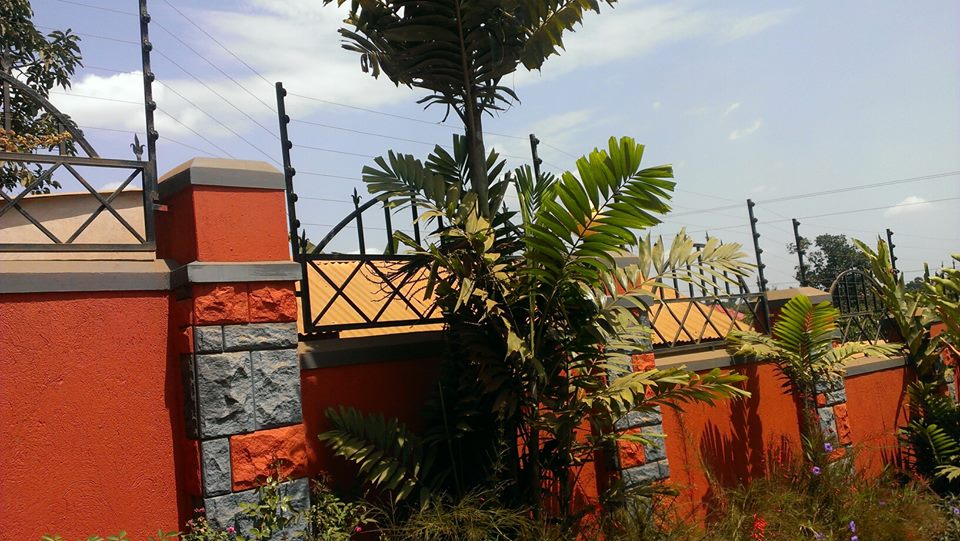
Electric fencing is an increasingly popular perimeter security option for property owners who want to strengthen protection around homes, businesses, warehouses, factories, farms and other facilities in Uganda. Unlike an ordinary fence, which relies mainly on a physical barrier, an electric fence uses controlled electrical pulses to create an additional deterrent against unauthorised access.
But how does an electric fence actually work? What happens when someone touches an electrified wire? What is the purpose of the energiser, and why is proper earthing essential? Can an electric fence operate using solar power?
An electric fence works by using a specialised energiser to send short, controlled electrical pulses through insulated fence conductors. When a person or animal touches an electrified wire and completes the electrical circuit through the ground or an appropriate earth-return conductor, a brief electric shock is delivered. The shock is intended to discourage further contact with the fence.
For property owners in Uganda, understanding how electric fencing works is important when selecting suitable security equipment, planning a perimeter protection system and maintaining reliable operation.
This comprehensive guide explains the working principle of electric fencing, the main components, power options, common faults, safety requirements and factors to consider before purchasing electric fence products.
1. What Is an Electric Fence?
An electric fence is a barrier that uses controlled electrical pulses carried by wires or other suitable conductors to discourage people or animals from crossing a protected boundary.
The system is powered by an electric fence energiser. The energiser converts electricity from a compatible power source into short electrical pulses and delivers them to the fence conductors.
The fence wires are supported by suitable stands or posts and separated from conductive structures using insulators. An earthing arrangement provides the return path required for the electrical circuit.
Unlike a conventional fence, an electric fence does not depend entirely on physical strength or height to discourage contact. Its electrical deterrent is an additional layer of protection.
Electric fencing can be considered for:
- Residential homes and private compounds.
- Commercial buildings, offices and business premises.
- Factories and industrial facilities.
- Warehouses and storage compounds.
- Farms, ranches and agricultural properties.
- Selected infrastructure and restricted-access facilities.
An electric fence is most effective when its components are compatible and the complete installation is properly designed, installed, tested and maintained.
2. How Does an Electric Fence Work?
The working principle of an electric fence is based on an electrical circuit controlled by an energiser.
The energiser sends a controlled pulse along the live fence conductor. When a person or animal touches the live wire while also making contact with the ground, the pulse can pass through the contact point and return through the earthing system.
This completes the electrical circuit and produces a brief shock.
Here is how the process works:
Step 1: The Power Source Supplies Electricity
Every electric fence requires a suitable source of power.
Depending on the installation, the energiser may receive electricity from:
- A mains electricity supply.
- A compatible rechargeable battery.
- A properly designed solar-powered battery arrangement.
The selected power source must meet the energiser manufacturer’s specifications. An unsuitable or unreliable supply can affect fence performance.
Step 2: The Energiser Converts Power into Electrical Pulses
The energiser is the central operating unit of an electric fence.
It converts the incoming electrical power into controlled, short-duration high-voltage pulses. These pulses are delivered to the fence conductor at regular intervals.
The energiser is specifically designed for electric-fence operation. It does not simply send ordinary household mains electricity directly into the wires.
When selecting an energiser, important considerations include the fence length, conductor arrangement, expected electrical load, vegetation and power availability.
Step 3: The Fence Wires Carry the Electrical Pulses
The electrified conductors carry pulses around the protected perimeter.
Insulators prevent unwanted electrical contact between the live conductors and supporting structures. This helps reduce electrical leakage and maintain the fence’s performance.
The conductors must be properly connected and supported. Broken wires, loose connections and damaged insulation can interfere with the electrical circuit.
Step 4: Contact Completes the Electrical Circuit
When a person or animal touches an electrified conductor while also contacting the ground, the electrical circuit may be completed.
The pulse travels from the live wire through the contact point and returns through the soil and earthing arrangement to the energiser in a conventional earth-return system.
Some systems use dedicated earth-return conductors instead, depending on the design.
The resulting shock acts as an electrical deterrent. It is not a guarantee that an intruder cannot cross the fence, which is why electric fencing should form part of a wider security strategy.
Step 5: The Energiser Continues Sending Pulses
After delivering a pulse, the energiser repeats the process at intervals determined by its design.
This maintains an active electrical deterrent along the fence line.
For reliable operation, the power supply, energiser, wires, insulators, connections and earthing arrangement must all function correctly.
3. What Are the Main Components of an Electric Fence?
A properly functioning electric fence depends on several components working together. Understanding these parts helps property owners select appropriate products and understand what may need maintenance.
3.1 Electric Fence Energiser
The energiser is the main control unit of the system. It converts electricity from a compatible source into controlled electrical pulses and delivers them to the fence.
Important factors when choosing an energiser include:
- Total fence length.
- Number and arrangement of conductors.
- Expected vegetation and other electrical loads.
- Type of property being protected.
- Available electricity supply.
- Manufacturer specifications and safety requirements.
Energisers have different output and energy ratings. The appropriate unit should be selected for the complete installation rather than simply choosing the highest advertised voltage or the cheapest model.
3.2 Electric Fence Wires
Fence wires carry electrical pulses around the protected perimeter.
The conductor must be suitable for the intended fence design, required durability and operating conditions.
Multistrand wires are among the products used in perimeter fencing. Their electrical performance depends on conductor material, connections, length and the condition of the complete fence.
3.3 Fence Insulators
Insulators separate electrified conductors from fence stands, posts and other conductive structures.
They are important because unwanted contact can allow electricity to escape from the fence circuit.
Cracked, worn or damaged insulators can cause electrical leakage and reduce the effectiveness of the system.
3.4 Fence Stands
Fence stands support the conductors and help maintain their position and spacing.
They must be suitable for the fence design, site conditions and intended application.
A stable support structure helps prevent unnecessary movement, sagging and contact between conductors and other objects.
3.5 Earthing System
The earthing system provides the return path required to complete the circuit in a conventional earth-return electric fence.
When a person or animal touches a live conductor while standing on the ground, the electrical pulse travels through the contact point and soil towards the earth electrodes, then back to the energiser.
Poor earthing can make an otherwise functioning fence ineffective.
The earthing arrangement must be designed according to the energiser manufacturer’s instructions, site conditions and applicable safety requirements.
3.6 Under-Gate Cables
Gates can interrupt the continuity of a fence conductor.
Suitable under-gate cables are used in some installations to maintain electrical continuity across gate openings while protecting the connection.
Their specification and installation must match the fence design.
3.7 Gate Contacts and Strainers
Gate contacts help maintain electrical continuity where conductors meet an opening or gate arrangement.
Strainers help maintain suitable tension in fence wires. Correct tension helps keep conductors properly positioned and reduces unnecessary movement.
3.8 Sirens and Strobes
Some electric perimeter security systems incorporate sirens and flashing warning lights.
These devices can provide audible or visual alerts when connected to compatible alarm or monitoring equipment.
They are supplementary security components. They should not be assumed to activate automatically whenever a person touches an electric fence; their operation depends on the monitoring and alarm design.
4. Why Is Earthing So Important in Electric Fencing?
Earthing is one of the most important factors affecting electric fence performance.
In a conventional earth-return system, the energiser sends a pulse through the live conductor. When a person or animal touches that conductor while standing on the ground, the pulse travels through the contact point and soil to the earth electrodes.
The earthing system then provides a return path to the energiser, completing the electrical circuit.
If the earthing arrangement is inadequate, the pulse may not return efficiently. This can result in reduced fence performance even when the energiser appears to be operating normally.
Several factors can affect earthing performance:
- Soil type and electrical conductivity.
- Soil moisture conditions.
- Condition and suitability of earth electrodes.
- Connections between the electrodes and energiser.
- The design and power requirements of the energiser.
- Corrosion or damage to earthing components.
Some electric fence designs use dedicated earth-return wires rather than relying entirely on the soil.
The correct arrangement should be determined by a qualified technician. Property owners should not attempt to modify high-voltage connections or improvise an earthing system.
5. What Powers an Electric Fence in Uganda?
Electric fences can operate using different power arrangements. The best option depends on the property location, electricity availability, energiser specifications and operating requirements.
Mains-Powered Electric Fencing
A mains-powered energiser uses a compatible electricity supply.
This option can be suitable for homes, commercial premises and industrial properties with a dependable electricity connection.
Potential advantages include:
- Continuous power availability when the supply is reliable.
- No routine battery charging for a directly mains-powered unit.
- Suitability for permanent installations with appropriate equipment.
However, the energiser must be specifically designed for the intended power supply and installed according to the manufacturer’s instructions.
Battery-Powered Electric Fencing
Battery-powered energisers use compatible batteries to provide the energy required for operation.
They can be useful where mains electricity is unavailable or where an independent power arrangement is preferred.
Battery capacity, charging arrangements, operating duration and maintenance should all be considered before selecting this option.
Solar-Powered Electric Fencing
Solar electric fencing uses a solar panel and compatible charging equipment to supply energy to a battery. The battery then powers a suitable electric fence energiser.
A typical solar-powered arrangement may include:
- Solar panel.
- Compatible charge controller, where required.
- Suitable battery.
- Electric fence energiser.
- Fence conductors and supporting components.
- Earthing arrangement.
Solar-powered electric fencing can be useful for remote farms, agricultural properties and locations where access to mains electricity is limited.
However, the solar panel and battery must be sized for the energiser’s energy requirements and local weather conditions. Prolonged cloudy weather, poor battery condition or inadequate charging capacity can affect performance.
Not every solar panel, battery or charge controller is compatible with every energiser. The complete system should be checked against the manufacturer’s specifications.
6. Electric Fence vs Ordinary Fence: Which Is Better?
Electric fencing and ordinary fencing provide different types of perimeter protection.
An ordinary fence creates a physical barrier. An electric fence uses controlled electrical pulses as a deterrent. Depending on the property and security requirements, the two approaches may also be combined.
| Feature | Electric Fence | Ordinary Fence |
|---|---|---|
| Main purpose | Provides an electrical deterrent | Creates a physical boundary |
| Operating principle | Controlled electrical pulses | Physical obstruction |
| Main components | Energiser, conductors, insulators and earthing | Posts, mesh, panels, masonry or other materials |
| Power requirement | Requires a suitable power source | Usually requires no electricity |
| Maintenance | Electrical and physical inspection | Structural inspection and repairs |
| Security integration | Can form part of an integrated perimeter system | Can be combined with separate security equipment |
The best choice depends on the property layout, intended use, budget, safety considerations and applicable regulations.
For many properties, electric fencing is considered as an additional layer rather than a replacement for strong gates, physical barriers, lighting, CCTV and access control.
7. Where Can Electric Fencing Be Used in Uganda?
Electric fencing can be considered for different types of properties, provided the system is suitable for the location and application.
Residential Homes and Private Compounds
Homeowners may use electric fencing as an additional perimeter deterrent around boundary walls and private compounds.
It can complement other security measures such as CCTV cameras, security lighting, alarm systems and controlled gates.
The design must consider neighbouring properties, visitors, children and public access.
Commercial Buildings and Business Premises
Shops, offices, business compounds and commercial developments may use electric fencing to strengthen perimeter protection.
The fence should be planned around vehicle entrances, pedestrian access points, loading areas and other operational requirements.
Factories and Industrial Facilities
Factories and industrial premises may have large perimeters, equipment storage areas and restricted-access zones.
Electric fencing can be considered as one layer of a broader security arrangement that may also include surveillance, access control and security personnel.
Warehouses and Storage Facilities
Warehouses and storage compounds may contain valuable stock, machinery and supplies.
A suitable perimeter security system can help discourage unauthorised entry and complement internal security measures.
Farms and Agricultural Properties
Electric fencing is also used in agricultural settings to manage livestock movement and protect selected areas.
The system must be designed for the animals, land conditions and intended purpose. Animal-control fencing and security fencing have different requirements and should not automatically be treated as interchangeable.
8. What Makes an Electric Fence Weak or Ineffective?
A fence may appear to be switched on but still deliver poor performance.
The cause is often not the energiser alone. Problems can develop anywhere along the electrical circuit.
| Problem | Possible cause | What should be checked |
|---|---|---|
| Weak fence output | Poor earthing or electrical leakage | Earthing arrangement and fence condition |
| Fence not operating | Power failure or disconnected wiring | Power supply, energiser and connections |
| Frequent power fluctuations | Unstable supply or battery problems | Power source and manufacturer specifications |
| Vegetation touching wires | Poor vegetation management | Fence-line clearance |
| Faults near gates | Damaged contacts or under-gate cables | Gate connections |
| Repeated conductor damage | Loose wires or physical interference | Wire condition and supporting structures |
| Solar fence loses performance | Insufficient charging or battery deterioration | Panel, battery and charging equipment |
A qualified technician should use suitable electric-fence testing equipment to identify faults. Never touch the live wire to test whether it is working.
9. How to Maintain an Electric Fence in Good Condition
Regular inspection helps maintain electric fence performance and identify developing faults before they cause major problems.
Property owners should arrange checks that include:
Inspect the conductors: Look for broken, loose, corroded or damaged wires.
Check the insulators: Replace cracked, deteriorated or damaged insulation components.
Control vegetation: Prevent grass, branches and other vegetation from touching live conductors.
Inspect connections: Check connectors, gate contacts and under-gate cables for damage and looseness.
Check the energiser: Ensure that the unit is operating according to the manufacturer’s instructions.
Inspect the power supply: Check the mains connection, battery condition or solar charging arrangement, depending on the system.
Test fence performance: Use a suitable electric-fence tester and follow the manufacturer’s recommended procedure.
Arrange professional maintenance: Have qualified personnel inspect the earthing arrangement, energiser, connections and overall electrical safety.
The frequency of maintenance depends on fence length, vegetation, weather exposure, equipment condition and the manufacturer’s recommendations.
10. Electric Fence Safety Requirements Property Owners Should Understand
Electric fences are security and animal-control systems that must be designed and installed responsibly.
Although approved energisers deliver controlled pulses rather than continuous household mains electricity, electric fences can still cause injury. They must never be treated as completely harmless.
Important safety requirements include:
- Use an energiser specifically designed and approved for electric fencing.
- Follow the manufacturer’s installation and operating instructions.
- Use suitable warning signs where required.
- Consider the position of the fence in relation to public access and neighbouring properties.
- Design gates and access points appropriately.
- Avoid unsafe contact between electric fence conductors and other electrical systems.
- Never connect fence wires directly to ordinary mains wiring.
- Do not bypass safety features or modify the energiser.
- Arrange professional installation, inspection and maintenance.
- Check applicable Ugandan requirements and relevant technical standards.
International safety standards such as IEC 60335-2-76 address particular safety requirements for electric fence energisers. Property owners and installers should confirm the applicable current Ugandan requirements and use equipment that meets the relevant specifications.
11. How Much Does an Electric Fence Cost in Uganda?
The cost of an electric fence in Uganda depends on the property, perimeter length, equipment specifications and complexity of the installation.
There is no single price that applies to every property. A small residential compound may require a different system from a large warehouse, industrial facility or agricultural property.
The following factors influence the total budget:
Fence Length and Property Size
A longer perimeter generally requires more conductors, supporting components and connections. The property layout also affects the quantity of equipment required.
Type of Energiser
Energisers vary in capacity, power source, specifications and intended application. The correct unit should be selected according to the installation requirements.
Fence Wires and Supporting Components
The quantity and type of conductors, stands, insulators, strainers and connectors influence the materials budget.
Power Supply
Mains, battery and solar-powered arrangements have different equipment and operating requirements.
A solar-powered arrangement may require additional investment in a panel, battery and compatible charging equipment.
Gates and Access Points
Properties with multiple entrances may need additional gate contacts, under-gate cables and suitable connections.
Site Conditions
Uneven terrain, vegetation, existing boundary structures and difficult access can affect the project requirements.
Installation and Maintenance
Professional installation, testing, warning signs and future maintenance should be considered when planning the overall budget.
How to obtain an accurate quotation: Provide the supplier or qualified installer with the approximate perimeter length, property type, preferred power arrangement, number of gates and any existing fence details. This information makes it easier to assess the equipment required and prepare a relevant quotation.
12. How to Choose the Right Electric Fence Products
Choosing electric fence products should begin with the security requirements of the property, not simply the price of individual components.
Before purchasing, consider these eight points:
- Identify the application: Determine whether the system is for a home, business, warehouse, industrial facility or agricultural property.
- Establish the perimeter length: The fence layout affects the required conductors and energiser specifications.
- Select a suitable energiser: Match the unit to the fence design and power requirements.
- Choose the power arrangement: Decide whether mains, battery or a properly designed solar system is most suitable.
- Confirm component compatibility: Ensure that the wires, insulators, connectors, gate contacts and other accessories are appropriate for the installation.
- Consider site conditions: Assess vegetation, soil, weather exposure, gates and access points.
- Prioritise safety: Ensure that the proposed design follows applicable requirements and manufacturer instructions.
- Plan for maintenance: Select equipment that can be inspected, tested and serviced appropriately.
Requesting a quotation based on actual project specifications is usually more useful than relying on a general price estimate.
13. Electric Fence Products Available from Daltrev Co. Ltd
Daltrev Co. Ltd supplies utility products for residential, commercial and industrial project requirements in Uganda.
Its listed perimeter security and fencing products include:
- Electric fence energisers.
- Fence stands.
- Multistrand wires.
- Sirens and strobes.
- Under-gate cables.
- Insulators.
- Strainers.
- Gate contacts.
- Razor wire.
These products support different parts of an electric perimeter fencing arrangement. The exact equipment required depends on the fence design, property layout and technical specifications.
Daltrev also lists solar products and power solutions, including solar panels, solar batteries and charge controllers. Any proposed combination of solar equipment and electric fence energiser should be checked for electrical compatibility and correct sizing before purchase.
Whether you are planning perimeter security for a residential property, commercial building, warehouse or industrial facility, it is important to identify the correct components before placing an order.
Explore the available products on the official Daltrev Co. Ltd Utility Products page.
For product enquiries, specifications and quotations, visit the Daltrev Co. Ltd Contact Page.
14. Frequently Asked Questions About How Electric Fencing Works
How does an electric fence work?
An electric fence uses a specialised energiser to send controlled electrical pulses through insulated conductors. When a person or animal touches a live wire and completes the circuit through the ground or an appropriate earth-return conductor, a brief electric shock is delivered.
What is the main purpose of an electric fence energiser?
The energiser converts electricity from a compatible power source into controlled electrical pulses and sends them through the fence wires. It is the main operating component of the electric fence.
Does an electric fence use normal electricity?
An electric fence uses electricity from a suitable power source, but a purpose-designed energiser converts it into controlled pulses. Fence wires must never be connected directly to ordinary household mains wiring.
Can an electric fence work without mains electricity?
Yes. Depending on the energiser specifications, an electric fence can operate using a compatible battery or a properly designed solar-powered arrangement.
Can solar power operate an electric fence in Uganda?
Yes. A solar panel can charge a compatible battery that supplies power to a suitable electric fence energiser. The panel and battery must be correctly sized for the energiser and local weather conditions.
Why is earthing important in an electric fence?
Earthing provides the return path needed to complete the electrical circuit in a conventional earth-return arrangement. Poor earthing can reduce the effectiveness of the fence even when the energiser is operating.
Why is my electric fence not giving a strong shock?
Possible causes include poor earthing, damaged conductors, faulty insulators, vegetation touching wires, loose connections, an unsuitable energiser or power supply problems. A qualified technician should test the system with appropriate equipment.
Does rain affect electric fence performance?
Rain does not automatically stop an electric fence from working. However, weather conditions can affect soil conductivity, vegetation growth, equipment condition and solar charging performance. The system should be designed and maintained for its operating environment.
Can an electric fence be connected to CCTV or an alarm system?
Electric perimeter fencing can form part of a wider security arrangement that includes CCTV, access control and alarm equipment. Integration depends on compatible monitoring equipment and the design of the security system.
How often should an electric fence be inspected?
Inspection frequency depends on the installation, vegetation, weather conditions and manufacturer’s recommendations. Regular checks are important, and any suspected fault or damage should be addressed promptly.
Is an electric fence suitable for residential properties?
An appropriately designed electric fence can be used as an additional security measure around residential properties. Its placement, warning signs, gates and access arrangements must account for children, visitors, neighbours and public safety.
What components are needed for an electric fence?
A typical system requires an energiser, suitable power source, conductors, insulators, supporting structures and an earthing arrangement. Depending on the installation, additional components may include strainers, gate contacts, under-gate cables, warning devices and connectors.
Where can I buy electric fence products in Uganda?
Daltrev Co. Ltd lists electric fence energisers, fence stands, multistrand wires, sirens and strobes, under-gate cables, insulators, strainers, gate contacts and razor wire. Visit its Utility Products page to explore the listed product categories.
Conclusion: Understanding How Electric Fencing Works Helps You Choose the Right Security System
An electric fence works by delivering controlled electrical pulses through insulated conductors using a specialised energiser. When contact completes the electrical circuit, the resulting brief shock acts as a deterrent against crossing the protected boundary.
However, reliable electric fencing depends on much more than the energiser alone. Correct conductor selection, suitable insulators, proper earthing, a compatible power supply and regular maintenance all contribute to the system’s performance.
For property owners in Uganda, understanding these components makes it easier to plan a suitable perimeter security arrangement and source the right equipment.
Daltrev Co. Ltd provides a range of perimeter security products for residential, commercial and industrial project requirements.
Planning an electric fence project in Uganda? Contact Daltrev Co. Ltd to discuss your product requirements and request a quotation.
Visit: https://www.daltrevco.com/
Explore Utility Products: https://www.daltrevco.com/utility-products/
Contact Daltrev Co. Ltd: https://www.daltrevco.com/contact-us/