Solar electric fencing is an effective perimeter-security option for property owners in Uganda who want additional protection without depending entirely on the national electricity grid. By combining solar panels, a rechargeable battery and an electric fence energiser, the system uses solar energy to power an electrified fence that helps deter unauthorised access.
Whether you own a residential property, manage a commercial building, operate a farm or oversee an industrial facility, solar electric fencing can provide an additional layer of security when properly designed and maintained.
Uganda’s growing interest in solar energy makes solar-powered security systems worth considering, particularly for properties in remote locations or areas where electricity supply is unreliable. However, selecting the right equipment is essential. The solar panel, battery, energiser, fence wires and earthing system must work together to deliver reliable performance.
At Daltrev Co. Ltd, we supply electric-fencing components and solar-power products for residential, commercial and industrial applications in Uganda. Our product range includes electric fence energisers, fence stands, wires, insulators, solar panels, solar batteries and charge controllers.
In this guide, you will discover how solar electric fencing works, its benefits, the factors affecting its cost, where it can be used and what to consider when choosing the right equipment for your property.
What Is Solar Electric Fencing?
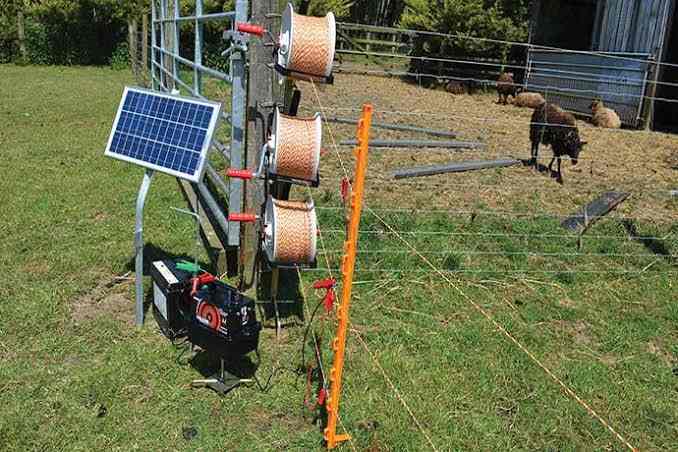
Solar electric fencing is a perimeter-security system powered by solar energy. It uses a solar panel to generate electricity, a rechargeable battery to store energy and an electric fence energiser to deliver controlled electrical pulses through connected fence wires.
When a person or animal touches an electrified wire while completing the electrical circuit through the ground, they receive a short electric pulse. This acts as a deterrent and discourages further contact with the fence.
Unlike an ordinary boundary fence, which mainly provides a physical barrier, an electric fence provides an additional active security deterrent.
Solar electric fencing can be installed as part of a wider security arrangement that may include:
- Perimeter walls and chain-link fences.
- CCTV cameras.
- Security alarm systems.
- Security lighting.
- Electric gates and access-control systems.
- Warning signs and fence-monitoring equipment.
The system must be properly designed, installed and maintained to operate safely and effectively.
How Does Solar Electric Fencing Work?
A solar electric fence uses several connected components to generate, store and deliver electricity to the fence.
The operating process is straightforward:
- Solar energy generation: Solar panels capture sunlight and convert it into electrical energy.
- Battery charging: A compatible charge controller regulates the charging process.
- Energy storage: The rechargeable battery stores electricity for use when sunlight is unavailable.
- Energiser operation: The battery supplies power to an electric fence energiser designed for the system.
- Electrical pulses: The energiser sends controlled, intermittent pulses along the live fence wires.
- Circuit completion: When contact occurs, the earthing arrangement provides the necessary return path for the electrical circuit.
A correctly sized battery allows the fence to continue operating at night. During prolonged cloudy or rainy periods, however, solar charging may decrease. The panel and battery must therefore be selected according to the energiser’s energy requirements and the expected operating conditions.
Main Components of a Solar Electric Fencing System
Understanding the components of a solar electric fence helps property owners choose appropriate equipment and avoid unnecessary expenses.
1. Solar Panels
Solar panels collect sunlight and convert it into electricity for charging the system’s battery.
The required panel capacity depends on the energiser’s power consumption, battery size, available sunlight and the amount of energy required each day.
A panel that is too small may not generate enough electricity to replace the energy consumed by the energiser. Proper sizing is therefore important for reliable operation.
2. Solar Charge Controller
A solar charge controller regulates the electricity flowing from the solar panel to the battery.
It helps manage the charging process and protects the battery against certain charging-related problems. The controller must be compatible with the selected panel and battery specifications.
3. Rechargeable Battery
The battery stores electricity generated during the day and supplies power to the energiser when sunlight is unavailable.
When selecting a battery, consider:
- The energiser’s power consumption.
- The number of hours or days of backup required.
- Battery capacity and chemistry.
- Charging requirements.
- Expected weather conditions.
- Battery lifespan and replacement costs.
The battery must be large enough for the intended operating period, while the solar panel must be capable of recharging it adequately.
4. Electric Fence Energiser
The energiser is the central operating component of an electric fence.
It converts the available electrical energy into controlled high-voltage pulses that travel along the fence conductors.
When choosing an energiser, consider the fence length, number of wires, expected vegetation contact, output specifications and intended application.
Always use an energiser designed for electric fencing. Ordinary household electrical equipment must never be connected directly to electric fence wires.
5. Electric Fence Wires
Electric fence wires carry the electrical pulses around the property boundary.
The number of strands and their arrangement depend on the security requirements, boundary design, type of property and manufacturer’s recommendations.
Quality wires and secure connections help maintain reliable electrical performance.
6. Fence Stands and Insulators
Fence stands support the wires, while insulators prevent unwanted electrical contact between live wires and supporting structures.
Damaged or poorly fitted insulators can cause electrical leakage and reduce fence performance. Appropriate materials should be selected for the installation environment.
7. Earthing System
An effective earthing arrangement is essential for an electric fence to work correctly.
It provides the return path needed to complete the electrical circuit when contact occurs. Poor earthing can significantly reduce the effectiveness of an otherwise functional system.
The earthing system should be designed and tested according to the energiser manufacturer’s instructions and the site’s soil conditions.
8. Security Accessories
Depending on the project, additional accessories can improve monitoring and security response.
These may include:
- Fence sirens.
- Strobe lights.
- Gate contacts.
- Under-gate cables.
- Warning signs.
- Fence-monitoring equipment.
The accessories should be selected according to the system design and security requirements.
10 Benefits of Solar Electric Fencing in Uganda
Solar electric fencing offers several benefits for property owners when the system is correctly selected and maintained.
1. Reduced Dependence on Grid Electricity
One of the biggest advantages is that the system uses solar energy instead of relying entirely on the national electricity grid.
This makes it useful for properties where electricity connections are unavailable, unreliable or expensive to extend.
2. Continued Operation at Night
Solar panels generate electricity during daylight hours, while the battery stores energy for later use.
With sufficient battery capacity, the energiser can continue powering the fence after sunset.
3. Suitable for Remote Properties
Farms, ranches and rural properties may have long boundaries located far from existing power connections.
Solar-powered electric fencing can provide a practical alternative where extending grid electricity would be difficult.
4. Additional Perimeter Security
Electric fencing provides an additional deterrent against unauthorised access.
It can complement existing security barriers such as walls, gates and chain-link fences.
5. Useful for Agricultural Properties
Farm owners can consider solar electric fencing for selected livestock-management applications, farm boundaries and agricultural areas.
The design must be appropriate for the animals being contained or excluded, with suitable wire spacing and energiser specifications.
6. Integration with Other Security Systems
Solar electric fencing can work alongside other security equipment, including CCTV cameras, alarms, security lighting and access-control systems.
Each system performs a different function, providing a more comprehensive approach to property protection.
7. Suitable for Long Fence Boundaries
Solar-powered systems can be considered for selected long or remote boundaries where grid power is difficult to access.
The installation must account for fence length, energiser capacity, electrical performance and maintenance access.
8. Reduced Dependence on Monthly Grid Electricity
Once installed, a properly designed solar-powered system can use sunlight as its primary energy source.
Property owners should still budget for battery replacement, equipment servicing, repairs and routine maintenance.
9. Flexible Applications
Depending on the design, solar electric fencing can be used around homes, farms, ranches, commercial premises, warehouses and selected industrial properties.
10. Supports Renewable Energy Use
Solar electric fencing provides another way to use renewable energy for property security.
It can form part of a wider solar-power strategy for properties seeking to reduce dependence on conventional electricity.
Applications of Solar Electric Fencing in Uganda
Different properties have different security requirements. A suitable electric fence should be designed around the property’s size, location, boundary structure and intended use.
Solar Electric Fencing for Residential Homes
Homeowners can use electric fencing as an additional perimeter-security measure around houses, estates, country homes and residential compounds.
A residential system may include:
- Electric fence energiser.
- Fence wires and stands.
- Solar panel and battery.
- Insulators and strainers.
- Warning signs.
- Gate contacts.
- Alarm integration.
The design should consider children, visitors, neighbours, domestic animals and public access to ensure the system is appropriately positioned.
Solar Electric Fencing for Farms
Farmers may use solar electric fencing to protect selected farm boundaries and agricultural areas.
It can be useful where properties have long boundaries and limited access to grid electricity.
The fence must be designed for its intended purpose. Livestock containment, crop protection and high-security perimeter fencing have different requirements and should not automatically use the same design.
Solar Electric Fencing for Ranches
Ranches may require extensive boundary fencing and internal sections for livestock management.
Solar-powered energisers can be useful in locations without convenient electricity connections. Larger projects may require multiple energising points and carefully planned fence sections.
Terrain, vegetation, soil conditions and maintenance access should be considered before installation.
Solar Electric Fencing for Warehouses and Factories
Warehouses, factories and industrial compounds often require additional perimeter-security measures to protect buildings, equipment, inventory and restricted areas.
An electric fence can complement perimeter walls, CCTV cameras, alarm systems, lighting and controlled entry points.
The installation should account for employees, contractors, visitors, emergency exits and daily operations.
Solar Electric Fencing for Remote Infrastructure
Selected infrastructure and conservation projects may use solar-powered electric fencing where conventional electricity is impractical.
Such projects require careful equipment selection, regular inspection and vegetation management to maintain performance.
How Much Does Solar Electric Fencing Cost in Uganda?
The cost of solar electric fencing in Uganda depends on the size of the property, the equipment selected and the complexity of the installation.
There is no single price that applies to every property. A small residential compound will require a different system from a large farm, warehouse or industrial facility.
The main factors affecting the price include:
| Cost factor | How it affects the budget |
|---|---|
| Perimeter length | Determines the quantity of wires, stands and other materials required |
| Number of fence strands | Influences the quantity of conductors and supporting components |
| Energiser capacity | Determines the type and capacity of energiser required |
| Solar panel capacity | Affects the solar equipment needed to charge the battery |
| Battery capacity | Influences energy storage and backup operating time |
| Fencing materials | Includes wires, insulators, stands, strainers and connections |
| Site conditions | Difficult terrain and vegetation may increase project complexity |
| Security accessories | Alarms, sirens, warning signs and monitoring equipment may add costs |
| Installation and testing | Labour, earthing, commissioning and inspection contribute to the overall budget |
Is Solar Electric Fencing More Expensive Than Conventional Electric Fencing?
Solar electric fencing may have a higher initial equipment cost because it requires a solar panel, battery and compatible charging equipment.
However, it can be more practical for remote properties where extending grid electricity would be expensive or difficult.
The best option depends on the property’s electricity supply, security requirements, expected operating conditions and long-term maintenance budget.
How to Get an Accurate Electric Fence Quotation
Before requesting a quotation, prepare the following details:
- The location of the property.
- Approximate plot dimensions or perimeter length.
- Whether the property is residential, agricultural, commercial or industrial.
- The existing boundary type, such as a wall, chain-link fence or open boundary.
- Whether solar power is required as the main source of electricity or as backup.
- Any additional security requirements, such as alarms or monitoring equipment.
Providing these details helps suppliers identify suitable products and prepare a more accurate quotation.
For current product availability, specifications and pricing, contact Daltrev Co. Ltd.
Solar Electric Fencing vs Conventional Electric Fencing
Both solar-powered and conventional electric fences use an energiser to deliver controlled electrical pulses through fence wires. The main difference is their power source.
| Feature | Solar electric fencing | Grid-powered electric fencing |
|---|---|---|
| Main power source | Solar panel and battery | Electricity supply |
| Night operation | Uses stored battery energy | Depends on grid supply or backup |
| Remote locations | Suitable where solar resources are adequate | Requires a power connection or alternative supply |
| Initial equipment | Requires solar charging equipment and battery | Requires a suitable mains power arrangement |
| Weather considerations | Charging can reduce during prolonged cloudy conditions | Less dependent on sunlight |
| Maintenance | Includes panel and battery inspections | Includes power supply and backup inspections |
Neither option is automatically best for every property. The appropriate choice depends on power availability, operating requirements, installation costs and maintenance considerations.
Important Safety Considerations for Solar Electric Fencing
Electric fencing must be installed and maintained responsibly. Although a properly designed system delivers controlled electrical pulses rather than continuous household mains electricity, it can still cause injury if incorrectly installed, modified or used.
Observe the following safety precautions.
Use an Approved Electric Fence Energiser
Choose equipment specifically designed for electric fencing and follow the manufacturer’s installation and operating instructions.
Check applicable Ugandan standards and product conformity requirements before purchasing equipment.
Install Visible Warning Signs
Display appropriate warning signs at suitable intervals and access points so that people approaching the fence are aware of the electrical hazard.
Ensure Proper Earthing
The earthing arrangement should be installed and tested according to the energiser manufacturer’s requirements.
Poor earthing can affect fence performance and create unsafe operating conditions.
Protect Children, Visitors and Animals
The fence layout should account for children, visitors, neighbours, workers and domestic animals.
Pay particular attention to gates, walkways, public access areas and frequently used entrances.
Avoid Unsafe Electrical Connections
Never connect electric fence wires directly to ordinary household mains electricity.
Do not improvise connections between incompatible batteries, solar equipment and energisers.
Follow Applicable Safety Standards
Use appropriate equipment and qualified personnel. Installation must comply with applicable Ugandan requirements and the manufacturer’s safety instructions.
Inspect the Fence Regularly
Check for broken wires, damaged insulators, loose connections, vegetation contact and other faults that may affect operation.
How to Maintain a Solar Electric Fence
Regular maintenance helps ensure that the system operates as intended and reduces avoidable repair costs.
1. Clean the Solar Panels
Dust, leaves and other debris can reduce the amount of sunlight reaching the solar panel.
Inspect and clean the panel using the manufacturer’s recommended method.
2. Inspect the Battery
Check the battery and its connections for corrosion, damage and signs of deterioration.
Follow the manufacturer’s charging, ventilation and replacement instructions.
3. Check Fence Performance
Monitor the fence using suitable testing equipment and investigate unexpected changes in performance.
4. Control Vegetation
Grass, branches and other vegetation touching live wires can cause electrical leakage and reduce performance.
Keep the fence line clear using safe vegetation-control methods.
5. Inspect Wires and Insulators
Look for loose conductors, damaged insulators, broken supports and poor connections. Replace defective components with suitable products.
6. Check the Earthing System
Inspect the earthing connections periodically, particularly after repairs, ground disturbance or changes in soil conditions.
7. Test Security Accessories
Where alarms, sirens, strobe lights or monitoring devices are installed, check that they operate correctly.
8. Arrange Professional Inspection
If the fence develops electrical faults or stops performing as expected, arrange an inspection by a qualified technician.
Why Choose Daltrev Co. Ltd for Electric Fencing and Solar Products in Uganda?
Selecting the right equipment is an important step in developing a reliable security system.
Daltrev Co. Ltd supplies utility products for residential, commercial and industrial projects in Uganda. Its product range includes electric-fencing components and solar-power products.
Electric Fencing Products
Daltrev’s listed electric-fencing products include:
- Electric fence energisers.
- Fence stands.
- Multistrand wires.
- Sirens and strobe lights.
- Under-gate cables.
- Insulators.
- Strainers.
- Gate contacts.
- Razor wire.
Solar and Power Products
The company’s listed solar and power products include:
- Solar panels.
- Solar batteries.
- Charge controllers.
- Solar inverters.
- Solar lighting.
- Mounting structures.
- Battery banks.
- Battery chargers.
- UPS systems.
These product categories provide options to consider when planning electric-fencing and solar-power projects.
However, not every solar component is compatible with every energiser. Always confirm equipment specifications, battery compatibility and charging requirements before purchasing.
Visit the Daltrev Co. Ltd Utility Products page to explore the available product categories.
Frequently Asked Questions About Solar Electric Fencing in Uganda
1. What is solar electric fencing?
Solar electric fencing is a perimeter-security system that uses solar panels to charge a battery, which supplies power to an electric fence energiser. The energiser sends controlled electrical pulses through the fence wires to deter unwanted contact.
2. How much does solar electric fencing cost in Uganda?
The cost depends on the property size, perimeter length, number of fence strands, energiser capacity, solar panel, battery, materials and installation requirements. Contact a supplier with your property details to obtain an accurate quotation.
3. Does solar electric fencing work at night?
Yes. The battery stores electricity generated during daylight hours and supplies power to the energiser after sunset, provided sufficient stored energy is available.
4. Can solar electric fencing work during the rainy season?
Yes, but prolonged cloudy weather can reduce solar charging. The panel and battery must be appropriately sized to support the energiser during periods of limited sunlight.
5. Is solar electric fencing suitable for homes?
Yes. It can provide an additional perimeter-security measure for residential compounds, estates and standalone properties when properly designed and installed.
6. Can solar electric fencing be used on farms?
Yes. It can be used for selected farm boundaries, livestock areas and agricultural applications. The design must suit the animals and the intended purpose of the fence.
7. Can an electric fence be installed on an existing perimeter wall?
In many cases, suitable electric fence stands and conductors can be fitted to an existing wall. However, the wall’s condition, mounting arrangement and safety requirements should be assessed before installation.
8. What is the difference between a solar and a grid-powered electric fence?
A solar electric fence uses solar panels and battery storage as its primary power source. A grid-powered fence relies on an electricity connection, although backup power may also be included.
9. Does a solar electric fence require maintenance?
Yes. The solar panels, battery, wires, insulators, connections, earthing and monitoring equipment should be inspected regularly. Vegetation should also be controlled along the fence line.
10. Can solar electric fencing work with CCTV cameras?
Yes. Electric fencing can complement CCTV cameras, alarms and security lighting. The systems perform different security functions and should have appropriately designed power arrangements.
11. What happens when the solar battery runs out?
If the battery becomes depleted, the energiser may stop operating or fail to deliver the required performance. Proper battery sizing, solar charging capacity and routine monitoring help reduce this risk.
12. Where can I buy electric fencing and solar products in Uganda?
Daltrev Co. Ltd lists electric-fencing components and solar-power products for different project requirements. Visit the company’s utility products page or contact the team to confirm specifications, availability and current prices.
Get Electric Fencing and Solar Products from Daltrev Co. Ltd
Protecting your property starts with choosing the right security equipment.
Whether you are planning perimeter protection for a residential home, farm, warehouse, commercial building or industrial facility, solar electric fencing may provide a practical solution where an independent power source is preferred.
Daltrev Co. Ltd supplies electric-fencing components and solar-power products for different project requirements in Uganda.
Contact the team to discuss your requirements, check product availability and request current prices.
Daltrev Co. Ltd
Location: Kampala, Uganda
Telephone: +256 744 702 773
Email: daltrevco@gmail.com
Website: https://www.daltrevco.com/
Explore products: https://www.daltrevco.com/utility-products/
Contact us: https://www.daltrevco.com/contact-us/
Daltrev Co. Ltd – Your source for electric-fencing components and solar-power products in Uganda.