A strong and well-maintained roof is one of the most important components of any building. It protects occupants, equipment, furniture and other property from rainfall, strong sunlight, wind and other environmental conditions. However, as roofing materials age or become damaged, leaks, corrosion and structural problems can develop, making professional roof repair or replacement necessary.
In Uganda, buildings experience different weather conditions throughout the year, including heavy seasonal rainfall, intense sunlight and humidity. These conditions can gradually affect roofing sheets, tiles, timber structures, gutters, roof joints and waterproofing systems. Without proper maintenance, small roofing defects can develop into expensive building problems.
Whether you own a residential house, commercial building, warehouse, office, school, hotel, church or industrial facility, investing in reliable roof repair and replacement services helps protect your property and maintain its long-term value.
At Daltrev Co. Ltd, we recognise the importance of durable construction, proper planning and quality workmanship. This guide explains everything property owners should know about roof repair and replacement services in Uganda, including common roofing problems, available materials, costs, installation procedures and how to choose the right roofing contractor.
What Are Roof Repair and Replacement Services?
Roof repair and replacement services involve inspecting, maintaining, repairing or removing damaged roofing components and installing new materials where necessary.
Roof repair focuses on correcting specific defects while retaining most of the existing roofing system. Roof replacement involves removing some or all of the existing roofing materials and installing a new roofing system.
Professional roofing services may include:
- Repairing leaking roofs.
- Replacing damaged roofing sheets.
- Repairing or replacing roof tiles.
- Replacing deteriorated roof timber.
- Repairing roof trusses and supporting structures.
- Installing new roofing sheets.
- Replacing damaged gutters and downpipes.
- Repairing roof valleys, ridges and flashing.
- Installing waterproofing systems.
- Improving roof drainage and ventilation.
- Removing and replacing old roofing materials.
- Installing roof insulation where appropriate.
The correct solution depends on the roof’s condition, construction type, material, age and the extent of the damage.
Common Signs Your Roof Needs Repair or Replacement
Recognising roofing problems early can help property owners avoid extensive damage and unnecessary expenses.
Here are some common warning signs to look out for.
1. Roof Leaks During Rainfall
<AsyncImage query=”roof leak water dripping from ceiling during heavy rain damaged roof Uganda” aspectRatio=”16:9″/>
Roof leaks are among the most common reasons property owners seek roof repair services in Uganda.
Water may enter through damaged roofing sheets, loose fasteners, deteriorated flashing, broken tiles, poorly sealed joints or damaged waterproofing.
Common signs include:
- Water dripping from ceilings.
- Wet patches on internal walls.
- Water stains on ceiling boards.
- Dampness around roof joints.
- Peeling paint beneath the roof.
- Water entering through roof valleys.
Even a small leak can cause considerable damage if ignored. Moisture may affect electrical installations, ceiling boards, insulation, timber components and interior finishes.
A professional inspection helps identify the source of the leak and determine whether a localised repair or wider roofing intervention is necessary.
2. Rusting and Corrosion of Roofing Sheets
<AsyncImage query=”rusted corrugated iron roofing sheets old house roof corrosion damage” aspectRatio=”16:9″/>
Metal roofing sheets can deteriorate over time, particularly when protective coatings are damaged or water remains trapped around joints and fasteners.
Signs of corrosion include:
- Rust spots on roofing sheets.
- Holes developing in metal sheets.
- Corroded roof fasteners.
- Rust around overlapping joints.
- Deteriorating metal flashing.
Where corrosion is limited, replacing individual sheets or affected components may be sufficient. Extensive corrosion may require complete roof replacement.
3. Loose, Missing or Damaged Roofing Sheets
<AsyncImage query=”damaged loose corrugated metal roofing sheets wind damage building” aspectRatio=”16:9″/>
Strong winds, poor installation, deteriorated fasteners and ageing materials can cause roofing sheets to loosen or become displaced.
Missing or damaged sheets expose the building to rainwater and wind damage.
A roofing contractor should inspect the affected area, check the supporting structure and replace damaged components using suitable materials and fastening methods.
4. Sagging Roof Structure
<AsyncImage query=”sagging roof timber trusses structural roof damage inspection” aspectRatio=”16:9″/>
A sagging roof can indicate a serious structural problem involving roof trusses, rafters, purlins, connections or supporting walls.
Possible causes include:
- Deteriorating timber.
- Termite damage.
- Excessive structural loading.
- Poor roof construction.
- Water damage.
- Corrosion of metal structural components.
- Failed connections.
A visibly sagging or unstable roof requires prompt professional assessment. Restrict access to potentially unsafe areas and avoid attempting temporary repairs without proper technical guidance.
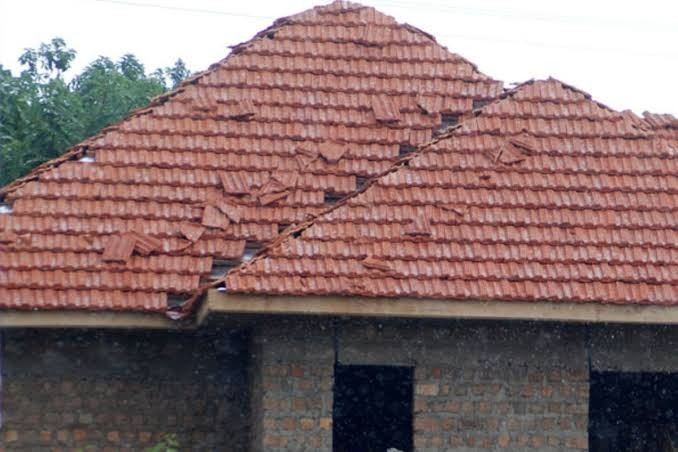
5. Damaged or Broken Roof Tiles
<AsyncImage query=”broken clay concrete roof tiles damaged tiled roof closeup” aspectRatio=”16:9″/>
Buildings with tiled roofs may develop leaks when tiles crack, shift, break or become displaced.
Broken tiles can expose the underlay and roof structure to moisture. Damaged ridge tiles and valley details may also allow water penetration.
Depending on the roof’s condition, repairs may involve replacing individual tiles, improving roof detailing or replacing a larger section of the roofing system.
6. Damaged Gutters and Poor Roof Drainage
<AsyncImage query=”damaged rusted rain gutters overflowing commercial building roof drainage” aspectRatio=”16:9″/>
Gutters and downpipes direct rainwater away from the building. When they become blocked, damaged or poorly installed, water may overflow and affect external walls, foundations and surrounding surfaces.
Common signs include:
- Overflowing gutters during rainfall.
- Leaking gutter joints.
- Rusted or broken gutters.
- Detached downpipes.
- Water stains on external walls.
- Water pooling near the foundation.
Roof repair and maintenance should include checking gutters, downpipes and rainwater discharge arrangements.
7. Deteriorating Roof Timber
<AsyncImage query=”termite damaged rotten timber roof trusses construction inspection” aspectRatio=”16:9″/>
Timber roof structures can deteriorate due to moisture, termite activity, fungal decay and poor maintenance.
Warning signs include soft or rotten timber, insect damage, weakened connections and visible deformation.
Where timber deterioration affects structural components, a qualified professional should determine whether treatment, reinforcement or replacement is required.
8. Rising Energy and Indoor Comfort Problems
A poorly designed or deteriorating roof can contribute to excessive indoor heat, inadequate ventilation and uncomfortable working or living conditions.
Depending on the building, improvements may include roof insulation, suitable ventilation, reflective roofing materials or repairs to damaged roof components.
For commercial buildings, these improvements can contribute to a more comfortable indoor environment for employees and customers.
Types of Roofing Materials Used in Uganda
Choosing suitable roofing materials is important for the durability, appearance and performance of a building.
Different materials have different installation requirements, maintenance needs, costs and structural implications.
1. Iron Sheets and Metal Roofing
<AsyncImage query=”modern Ugandan house roof prepainted corrugated iron sheets metal roofing” aspectRatio=”16:9″/>
Metal roofing sheets are widely used in Uganda for residential, commercial, agricultural and industrial buildings.
Common options include:
- Corrugated iron sheets.
- Pre-painted roofing sheets.
- Galvanised steel sheets.
- Aluminium-zinc coated steel sheets.
- Stone-coated metal roofing.
Advantages:
- Relatively lightweight.
- Available in different profiles and colours.
- Suitable for many building designs.
- Quick to install when properly specified.
- Some options offer good resistance to corrosion.
Considerations:
- Coating quality affects durability.
- Incorrect fasteners may cause leaks.
- Poor installation can allow wind-driven rain to enter.
- Some roofs may require additional insulation to improve thermal comfort.
2. Concrete Roof Tiles
<AsyncImage query=”modern residential house concrete roof tiles Uganda architectural roofing” aspectRatio=”16:9″/>
Concrete roof tiles are used on residential and selected commercial properties where a durable and distinctive appearance is desired.
Advantages:
- Available in different colours and profiles.
- Can provide long service when correctly installed.
- Individual damaged tiles can often be replaced.
- Offer a substantial architectural appearance.
Considerations:
- They are heavier than many metal roofing options.
- The supporting roof structure must be appropriately designed.
- Installation requires attention to underlay, fixing and drainage details.
3. Clay Roof Tiles
<AsyncImage query=”traditional red clay roof tiles pitched house roof architectural” aspectRatio=”16:9″/>
Clay tiles are used on properties where traditional appearance and architectural character are important.
Advantages:
- Attractive natural appearance.
- Good durability when properly manufactured and installed.
- Individual damaged tiles can often be replaced.
- Suitable for certain architectural styles.
Considerations:
- They require an adequately designed supporting structure.
- Broken tiles need timely replacement.
- Correct roof detailing is essential to prevent water penetration.
4. Aluminium Roofing
<AsyncImage query=”modern aluminium standing seam roofing sheets contemporary building” aspectRatio=”16:9″/>
Aluminium roofing is a lightweight option used in some residential and commercial projects.
Advantages:
- Naturally resistant to rust.
- Lightweight compared with many alternative roofing systems.
- Available in different finishes.
- Suitable for certain coastal and humid environments.
Considerations:
- Material and installation costs depend on the selected system.
- Correct fastening and detailing are essential.
- Thermal and acoustic performance should be considered in the design.
5. Long-Span Metal Roofing Sheets
<AsyncImage query=”long span metal roofing sheets large warehouse industrial building Uganda” aspectRatio=”16:9″/>
Long-span roofing sheets are commonly considered for warehouses, factories, commercial buildings and other structures with larger roof areas.
Advantages:
- Suitable for large roof surfaces.
- Can reduce the number of transverse sheet joints.
- Available in different profiles and specifications.
- Appropriate for many industrial and commercial applications.
Considerations:
- Sheet thickness and coating must suit the project.
- Handling and installation require care.
- Supporting purlins and roof structure must be properly designed.
- Roof drainage and wind resistance need attention.
Roof Repair vs Roof Replacement: Which Is Better?
One of the most important decisions property owners face is whether to repair the existing roof or replace it completely.
The right option depends on the extent of the damage, age of the roofing system, condition of the supporting structure and long-term maintenance requirements.
When Roof Repair Is the Better Option
Roof repair may be suitable when:
- Damage is limited to a small area.
- Only a few roofing sheets or tiles are affected.
- Roof fasteners need replacement.
- Gutters or flashing have minor defects.
- The supporting structure remains sound.
- The existing roofing material is generally in good condition.
A targeted repair can restore the roof without the expense of replacing the entire system.
When Roof Replacement Is Necessary
Roof replacement may be more appropriate when:
- Roofing materials are extensively corroded.
- Leaks occur in several areas.
- Large sections of the roof are damaged.
- Roofing materials have reached the end of their useful service life.
- The supporting structure requires substantial reconstruction.
- Previous repairs have repeatedly failed.
- The existing roofing system is unsuitable for the building’s requirements.
A professional assessment helps establish the most economical and technically appropriate solution.
How Much Do Roof Repair and Replacement Services Cost in Uganda?
The cost of roof repair and replacement services in Uganda depends on the roofing material, roof size, design complexity, extent of damage, labour requirements and accessibility of the building.
A small repair involving replacement of a few sheets will have different cost requirements from replacing the complete roof of a commercial building or warehouse.
The following factors influence roofing costs:
| Cost factor | How it affects the budget |
|---|---|
| Roof size | Larger roof areas require more materials and labour |
| Roofing material | Different materials have different purchase and installation costs |
| Roof design | Complex shapes, valleys and multiple roof levels require additional work |
| Existing roof condition | Extensive deterioration may require demolition and structural repairs |
| Timber or steel structure | Repairing or replacing supporting components increases costs |
| Fasteners and accessories | Screws, ridges, flashing and other accessories add to the budget |
| Gutters and downpipes | New or replacement drainage components affect total expenditure |
| Labour | Installation complexity and working conditions influence labour costs |
| Site accessibility | Difficult access may increase transport and installation costs |
| Waste removal | Removing and disposing of old roofing materials may add expenses |
How to Obtain an Accurate Roofing Quotation
Before starting a roofing project, request an inspection and detailed quotation.
A professional estimate should identify:
- Existing roof condition.
- Roof measurements and total area.
- Recommended roofing materials and specifications.
- Quantity of sheets, tiles and accessories.
- Required timber or steel structural repairs.
- Roofing fasteners and waterproofing materials.
- Labour and installation costs.
- Gutter and downpipe requirements.
- Removal and disposal of old materials.
- Safety equipment, access arrangements and contingency.
Do not compare roofing quotations based only on the total price. Check the sheet thickness, material coating, specifications, accessories, workmanship and items included in each quotation.
The Roof Repair and Replacement Process
Professional roofing work follows a planned process to ensure that the roof is properly assessed, repaired or replaced.
Step 1: Initial Roof Inspection
The contractor assesses the existing roofing system to identify leaks, corrosion, broken materials, damaged timber, loose fasteners and drainage problems.
Where necessary, a structural professional should inspect the supporting roof structure.
Step 2: Identify the Required Roofing Solution
Based on the inspection, the contractor determines whether the roof requires localised repair, partial replacement or complete replacement.
The recommendation should consider the current condition and the expected long-term performance of the roofing system.
Step 3: Roof Measurement and Material Selection
The roof is measured to establish the quantities of materials required.
Property owners and construction professionals select roofing sheets, tiles, accessories, fasteners and other components according to the building design and project budget.
Step 4: Prepare the Work Area
Before construction begins, establish appropriate access arrangements and safety precautions.
Protect occupants, furniture, equipment and other property from falling materials, dust and rainfall exposure.
Step 5: Remove Damaged Roofing Materials
Where replacement is required, the old roofing materials are removed carefully.
Damaged timber, metal supports, fasteners and other components are inspected before the new roofing system is installed.
Step 6: Repair or Strengthen the Supporting Structure
Any necessary repairs to trusses, rafters, purlins, connections and other supporting elements should follow an appropriate technical design.
Do not install new roofing materials over a weakened structure without first addressing the underlying defects.
Step 7: Install the New Roofing Materials
New sheets or tiles are installed according to the manufacturer’s specifications and approved roof design.
Attention should be given to:
- Correct sheet or tile alignment.
- Suitable fasteners.
- Proper overlapping.
- Roof ridges and valleys.
- Flashing and junction details.
- Waterproofing.
- Adequate roof ventilation where required.
Step 8: Install Gutters and Drainage Components
Gutters, downpipes and related drainage components are installed or repaired to ensure effective rainwater collection and discharge.
Step 9: Inspection and Final Checks
The completed roof should be inspected for alignment, fastening, flashing, drainage and workmanship quality.
The contractor should address identified defects before handing over the completed work.
Important Things to Consider Before Replacing Your Roof in Uganda
Before investing in a new roof, property owners should consider the following.
1. Roof Design and Building Structure
The roof design must suit the building’s architectural layout and structural requirements.
A roof replacement is also an opportunity to investigate whether the existing supporting structure needs repairs or improvement.
2. Rainfall and Weather Conditions
Uganda experiences seasonal rainfall, making effective roof drainage and waterproofing important.
Roof slope, gutter capacity, valleys, flashing and downpipe arrangements should be designed to manage rainwater effectively.
3. Roofing Material Quality
Select roofing materials according to their specifications, protective coatings, expected performance and suitability for the environment.
Avoid purchasing roofing materials based only on their appearance or lowest price.
4. Roof Pitch and Water Drainage
The roof slope should be suitable for the selected roofing material and roof design.
Poor roof pitch and incorrect installation can contribute to water accumulation and leakage.
5. Roof Ventilation and Thermal Comfort
Proper ventilation can help manage heat and moisture within roof spaces.
The design should consider the building’s use, roof construction and ventilation requirements.
6. Structural Safety
Roofing materials and supporting structures must be suitable for the anticipated loads and environmental conditions.
Major structural changes should be designed or assessed by qualified professionals.
7. Building Approvals and Regulatory Requirements
Where roofing works involve structural alterations, changes to building dimensions or other regulated building operations, property owners should consult the relevant local authority about applicable approvals.
Requirements may differ depending on the location and scope of the work.
8. Construction Safety
Roofing work involves risks such as falls from height, falling materials and electrical hazards.
Use appropriate access equipment, fall-protection systems, trained workers and suitable site safety procedures.
Common Roofing Mistakes Property Owners Should Avoid
Poor roofing decisions can result in repeated leaks, premature deterioration and unnecessary repair expenses.
Avoid these common mistakes.
1. Ignoring Small Roof Leaks
A small leak can damage ceilings, timber, electrical installations and internal finishes. Investigate and repair leaks before they become extensive.
2. Using Low-Quality Roofing Materials
Cheap or unsuitable materials may deteriorate quickly, especially when exposed to harsh environmental conditions.
Choose materials that meet the required specifications.
3. Poor Installation of Roofing Sheets
Incorrect overlapping, unsuitable fasteners and poor flashing details can allow water penetration even when new materials are used.
Use competent roofing installers and follow manufacturer recommendations.
4. Failing to Inspect the Roof Structure
Replacing roofing sheets without checking the supporting timber or steel structure can leave serious defects unresolved.
Inspect and repair supporting components where necessary.
5. Ignoring Gutters and Downpipes
A new roof may still experience water-related problems if the drainage system is poorly designed or blocked.
Ensure gutters and downpipes are correctly installed and maintained.
6. Choosing a Contractor Based Only on Price
The cheapest quotation may exclude important accessories, structural repairs, safety arrangements or quality materials.
Compare the complete scope and specifications before making a decision.
7. Attempting Unsafe DIY Roof Repairs
Working at height without proper equipment and training can result in serious injury.
Engage competent roofing professionals for repairs and replacement work.
Benefits of Professional Roof Repair and Replacement Services
Hiring qualified roofing professionals can help property owners achieve a more durable, functional and properly installed roofing system.
Important benefits include:
1. Improved Building Protection: Proper repairs and replacement help protect the property against rainwater, wind and other environmental exposure.
2. Reduced Recurring Maintenance: Identifying the causes of roofing problems can help prevent repeated leaks and unnecessary repairs.
3. Improved Structural Safety: Professional inspection can identify damaged roof supports and other defects requiring attention.
4. Better Building Appearance: New roofing materials can improve the overall appearance of residential and commercial properties.
5. Improved Indoor Comfort: Appropriate roofing materials, ventilation and insulation can contribute to better indoor conditions.
6. Protection of Property and Equipment: A properly maintained roof reduces the risk of water damage to furniture, stock, machinery and building finishes.
7. Long-Term Property Value: A sound, well-maintained roof contributes to the overall condition and appeal of a property.
Roof Repair and Replacement for Different Types of Buildings in Uganda
Different buildings have different roofing requirements. The appropriate roofing solution should reflect the intended use, roof design and structural requirements.
Residential Houses
Homeowners may require roof leak repairs, sheet replacement, tile repairs, gutter improvements or complete roof replacement.
The choice of roofing material should consider durability, appearance, budget and maintenance requirements.
Commercial Buildings
Offices, shopping complexes, hotels and restaurants require roofing systems that protect occupants, customers, equipment and internal facilities.
Roof maintenance is important because leaks can interrupt business operations.
Warehouses and Industrial Buildings
<AsyncImage query=”large industrial warehouse long span steel roofing installation roof construction” aspectRatio=”16:9″/>
Warehouses and industrial buildings often have large roof areas that require carefully planned roofing systems.
Important considerations include:
- Roof span and supporting structure.
- Long-span roofing sheet specifications.
- Wind resistance.
- Roof drainage capacity.
- Waterproofing.
- Roof ventilation.
- Access for inspection and maintenance.
Schools and Institutional Buildings
Schools, hospitals, churches and other institutions need dependable roofing systems that protect occupants and support uninterrupted activities.
Roofing work should be planned carefully to minimise disruption and maintain safe access.
How to Choose the Best Roof Repair and Replacement Contractor in Uganda
Choosing the right roofing contractor is essential for achieving quality results.
Before hiring a company, consider these factors:
1. Relevant Roofing Experience
Ask whether the contractor has handled roofing projects similar to yours, including the type of building and roofing material involved.
2. Professional Qualifications
For structural roof alterations, ensure the relevant engineering and architectural professionals are appropriately qualified and registered.
3. Detailed Quotation
Request a written quotation that clearly identifies materials, quantities, labour, accessories and any additional work.
4. Quality of Materials
Confirm the roofing sheet specifications, material coatings, fasteners and other components before purchasing.
5. Safety Procedures
Ask how the contractor manages working at height, scaffolding, ladders, falling materials and protection of building occupants.
6. Project Timeline
Discuss the expected work duration and how the contractor will protect the building if roofing work takes place during rainy weather.
7. Written Agreement
Use a written agreement outlining the scope of work, material specifications, payment stages, responsibilities, completion requirements and procedures for handling variations.
Why Choose Daltrev Co. Ltd for Roofing and Construction Projects in Uganda?
Choosing the right construction partner is important when repairing or replacing a roof. Property owners need a clear understanding of the work required, suitable materials and the construction process.
Daltrev Co. Ltd – Build for Legacy understands the importance of proper construction planning, durable building solutions and quality workmanship.
Whether you are planning repairs to a residential roof, replacing roofing materials on a commercial building or undertaking roofing work for a warehouse or industrial facility, Daltrev can discuss your project requirements and help you identify the appropriate next steps.
When planning your roofing project, prioritise:
- Proper inspection of the existing roof.
- Suitable roofing materials and specifications.
- Structural safety and appropriate design.
- Correct installation methods.
- Effective roof drainage and waterproofing.
- Construction quality and safety.
- Clear budgeting and project planning.
Explore Daltrev’s construction works and civil works services to learn more about the company’s construction-related work.
For enquiries about your roofing or construction requirements, visit the Daltrev Co. Ltd contact page.
Frequently Asked Questions About Roof Repair and Replacement Services in Uganda
1. How Much Does Roof Repair Cost in Uganda?
Roof repair costs depend on the type of roofing material, extent of damage, roof size, labour requirements and accessibility. A quotation should be based on an inspection and clear measurements of the affected areas.
2. How Much Does It Cost to Replace a Roof in Uganda?
The cost of roof replacement depends on the roof area, material specifications, roof design, supporting structure, labour and accessories such as ridges, valleys, flashing and gutters. A detailed site assessment is necessary to establish the actual cost.
3. How Do I Know Whether My Roof Needs Repair or Replacement?
If the damage is limited to a few roofing sheets, tiles, fasteners or gutter sections, repair may be sufficient. Extensive corrosion, widespread leaks, deteriorated materials or major structural problems may require replacement. A professional inspection can determine the appropriate option.
4. Which Roofing Materials Are Best for Houses in Uganda?
Suitable materials depend on the building design, budget, structural capacity and desired appearance. Options include pre-painted metal sheets, galvanised or aluminium-zinc coated sheets, concrete tiles, clay tiles and aluminium roofing systems.
5. How Long Does Roof Replacement Take?
The duration depends on roof size, design complexity, material availability, weather, structural repairs and site access. A contractor should provide a project-specific work programme after inspecting the property.
6. Can I Replace My Old Roof Without Rebuilding the Entire House?
Yes. Many buildings can have their roofing materials replaced while retaining the existing walls and other structural elements. However, the supporting roof structure and its connections must be inspected before replacement.
7. Why Does My New Roof Still Leak?
Leaks can result from incorrect sheet overlapping, poorly installed fasteners, damaged flashing, roof valleys, inadequate drainage or defects around roof penetrations. A proper inspection should identify the source rather than simply applying sealant to visible water entry points.
8. How Often Should a Roof Be Inspected?
Roof inspections should be carried out periodically and after significant weather events or when signs of damage appear. Gutters and downpipes should also be checked and cleaned regularly, particularly before and during rainy seasons.
9. Can Roofing Sheets Be Replaced Without Changing the Timber Structure?
Yes, where the existing timber structure is in sound condition and suitable for the proposed roofing materials. However, damaged, rotten, termite-affected or undersized structural members may need repair or replacement.
10. Why Should I Hire Professional Roofing Contractors?
Professional contractors can assess the existing roof, recommend suitable materials, plan the installation, identify structural concerns and carry out the work using appropriate construction and safety procedures.
Conclusion: Invest in Reliable Roof Repair and Replacement Services in Uganda
Your roof plays a vital role in protecting your building, occupants and property. Leaks, rusting roofing sheets, broken tiles, damaged timber, poor drainage and sagging structures are warning signs that should not be ignored.
Timely roof repairs can prevent small defects from becoming expensive problems, while complete roof replacement may be the best solution when the existing roofing system has deteriorated extensively.
Whether you own a residential house, office, warehouse, school, hotel, church or commercial property, choosing suitable roofing materials and qualified construction professionals is essential for long-term performance.
Are you planning to repair or replace your roof? Contact Daltrev Co. Ltd today to discuss your roofing and construction requirements.
Daltrev Co. Ltd – Build for Legacy.
Contact Information
- Website: https://www.daltrevco.com/
- Phone/WhatsApp: +256 744 702 773
- Email: daltrevco@gmail.com
- Contact page: https://www.daltrevco.com/contact-us/