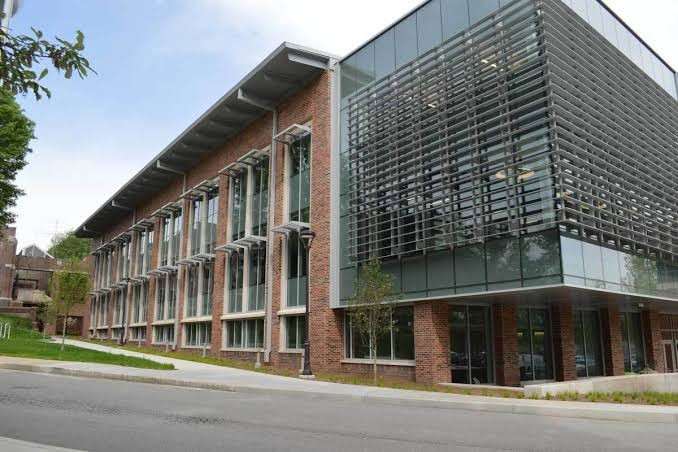
Buildings are valuable investments that require proper care to remain safe, functional and durable. Whether you own a residential house, apartment block, office building, warehouse, school, hotel, shopping complex or industrial facility, regular building inspection and maintenance are essential for protecting your property and the people who use it.
In Uganda, buildings are exposed to different weather conditions, including heavy rainfall, high humidity, intense sunshine and changing temperatures. These conditions, combined with ageing materials, plumbing problems, poor drainage and everyday use, can gradually weaken building components. Without regular inspection, small defects such as leaking roofs, blocked gutters, wall cracks and damaged electrical fittings can develop into serious and expensive problems.
Regular building inspection helps property owners identify defects early, assess the condition of important building components and plan appropriate repairs. Maintenance then ensures that the building remains safe, comfortable, efficient and suitable for its intended purpose.
At Daltrev Co. Ltd, we recognise the importance of quality construction and proper building care. This guide explains why regular building inspection and maintenance are important, what property owners should inspect, how often inspections should be conducted and how professional maintenance can protect your investment.
What Is Building Inspection and Maintenance?
Building inspection is the systematic examination of a property’s structure, materials, installations and general condition to identify defects, damage, deterioration or potential safety risks.
A building inspection may cover:
- Foundations and structural elements.
- Walls, columns, beams and floors.
- Roof structures and roof coverings.
- Ceilings, doors and windows.
- Plumbing and drainage systems.
- Electrical installations.
- Painting, plastering and finishing.
- Fire safety equipment and emergency exits.
- External walls, pavements and surrounding drainage.
Building maintenance refers to the activities carried out to preserve, repair or improve these components so that the property continues to function properly.
Maintenance can involve simple activities such as cleaning gutters and repainting walls, as well as more technical work such as repairing roof structures, replacing damaged plumbing systems or strengthening defective structural elements.
Inspection identifies problems, while maintenance helps correct them and prevent further deterioration.
1. Prevents Expensive Building Repairs
One of the biggest benefits of regular building inspection and maintenance is the ability to identify minor defects before they become major problems.
For example, a small roof leak may initially require only a limited repair. However, if it remains unnoticed, water can damage ceiling boards, timber members, electrical installations, insulation and interior finishes.
Similarly, a small plumbing leak can cause persistent dampness, mould growth, damaged plaster and deterioration of nearby materials.
When property owners ignore these warning signs, the eventual repair may require extensive work and higher expenditure.
Regular inspections help identify such problems early, allowing property owners to organise timely and more manageable repairs.
2. Improves Building Safety
The safety of occupants, visitors, employees and customers should always be a priority. A building that is not properly maintained can develop hazards that put people at risk.
Potential safety problems include:
- Cracked or deteriorating structural components.
- Loose roofing sheets and damaged roof supports.
- Exposed or faulty electrical wiring.
- Slippery floors and damaged staircases.
- Weak balconies and handrails.
- Blocked emergency exits.
- Damaged ceilings and falling plaster.
- Poorly maintained fire safety equipment.
Regular building inspections help identify these hazards so that corrective action can be taken.
Structural concerns, suspected electrical faults and other serious defects should be assessed by appropriately qualified professionals. Where a building presents an immediate danger, restrict access to the affected area and seek urgent professional advice.
3. Extends the Lifespan of a Building
Constructing a building requires significant investment in materials, labour, equipment and professional services. Regular maintenance helps protect that investment by reducing premature deterioration.
Building components naturally experience wear and tear over time. However, neglect can accelerate damage and shorten their useful service life.
For example:
- Regular roof inspections help prevent water penetration and extensive roof damage.
- Repainting protects exposed surfaces from weather-related deterioration.
- Proper drainage reduces water accumulation around foundations.
- Timely plumbing repairs prevent moisture damage.
- Maintaining doors and windows helps preserve their operation and weather resistance.
- Repairing damaged floor finishes prevents further deterioration.
By maintaining building components throughout their service life, property owners can reduce the need for premature replacement and preserve the overall condition of the property.
4. Protects the Structural Integrity of the Building
The structural integrity of a building refers to its ability to safely support the loads and forces it was designed to withstand.
Foundations, columns, beams, slabs, walls and roof structures all contribute to the stability of a building. Damage to these components can affect the safety and performance of the entire property.
Regular inspections help identify warning signs such as:
- New or widening cracks in walls and structural elements.
- Uneven or noticeably sinking floors.
- Water penetration around foundations.
- Corrosion of exposed reinforcement.
- Excessive roof or floor movement.
- Deteriorating concrete.
- Separation between building components.
Not every crack indicates a structural problem. Some cracks may be associated with plaster shrinkage, temperature changes or minor movement. However, wide, growing or recurring cracks, especially when accompanied by distortion or water penetration, should be assessed by a qualified structural engineer.
Early assessment helps property owners understand the cause of defects and determine the appropriate repair method.
5. Prevents Water Damage and Dampness
Water damage is one of the common maintenance challenges affecting buildings in Uganda, particularly during periods of heavy rainfall.
Water can enter buildings through damaged roofs, leaking pipes, defective gutters, poor waterproofing, cracked walls and inadequate drainage systems.
If moisture is not addressed, it can lead to:
- Peeling paint and damaged plaster.
- Damp walls and ceilings.
- Mould and unpleasant indoor smells.
- Rotting timber.
- Corrosion of metal components.
- Deterioration of concrete and masonry.
- Damage to electrical installations.
Regular inspections should therefore include roofs, gutters, downpipes, bathrooms, kitchens, water storage areas, external walls and drainage channels.
Property owners should also check whether rainwater flows away from the building instead of collecting around its foundation.
Addressing the source of moisture is more effective than repeatedly repainting or covering damp surfaces.
6. Maintains the Value of Your Property
A well-maintained building is generally more attractive to buyers, tenants, investors and business operators than a property with visible signs of neglect.
When a property is regularly inspected and maintained, it is easier to identify defects, plan improvements and demonstrate that reasonable care has been taken.
Good building maintenance can help preserve property value through:
- Maintaining attractive external and internal finishes.
- Keeping plumbing and electrical systems functional.
- Preventing avoidable structural deterioration.
- Maintaining clean and usable common areas.
- Reducing visible signs of neglect.
- Supporting property condition assessments during sale or leasing.
Although maintenance alone cannot guarantee a particular market value, it can help protect the condition and appeal of a property.
For landlords and property developers, this is particularly important because the condition of a building can influence tenant confidence and long-term occupancy.
7. Improves Energy Efficiency
Poorly maintained buildings may consume more energy than necessary.
For example, damaged doors and windows can allow unwanted air movement, while poorly maintained lighting systems and ventilation equipment may operate inefficiently.
Regular inspections can identify opportunities to improve energy performance, including:
- Replacing damaged window seals.
- Repairing poorly fitting doors.
- Maintaining ventilation systems.
- Replacing inefficient lighting with suitable energy-saving alternatives.
- Checking water-heating equipment.
- Maintaining air-conditioning systems.
- Improving roof and ceiling insulation where appropriate.
These improvements can support better indoor comfort and help reduce avoidable energy consumption.
For commercial buildings, offices, hotels and institutions, efficient building systems can contribute to more manageable operating costs.
8. Creates a Healthy and Comfortable Indoor Environment
A building should provide a comfortable and healthy environment for the people who use it.
Poor maintenance can contribute to dampness, mould, unpleasant smells, inadequate ventilation, leaking plumbing and accumulated dirt.
These conditions can affect indoor comfort and may contribute to health concerns, particularly for people with allergies or respiratory sensitivities.
Regular building maintenance helps ensure that:
- Roofs and walls remain free from avoidable water penetration.
- Bathrooms and kitchens have properly functioning plumbing.
- Drainage systems remove wastewater effectively.
- Ventilation systems are maintained.
- Damaged ceilings and wall finishes are repaired.
- Shared spaces remain clean and usable.
Schools, hospitals, hotels, offices and residential buildings should pay particular attention to hygiene, ventilation, sanitation and the condition of shared facilities.
9. Reduces Unexpected Building Downtime
For businesses and institutions, building defects can interrupt normal operations.
A leaking roof may force an office to close part of its workspace. Faulty plumbing can affect hotel rooms, restaurants or school facilities. Electrical problems may interrupt business activities and damage equipment.
Regular inspection and planned maintenance help reduce the likelihood of unexpected failures.
For commercial property owners, this can support:
- More reliable building operations.
- Fewer emergency repair situations.
- Better planning of maintenance budgets.
- Reduced disruption to tenants and customers.
- Improved availability of essential facilities.
A planned maintenance programme is especially valuable for warehouses, factories, shopping centres, hotels, hospitals and office buildings where interruptions can affect productivity and revenue.
10. Helps Property Owners Plan Maintenance Budgets
Without regular inspections, property owners may only discover building problems when repairs become urgent.
Emergency repairs can be difficult to plan because the scope of damage may be extensive and immediate action may be necessary.
Regular inspections provide information that helps property owners prioritise maintenance activities and prepare realistic budgets.
For example, an inspection report may identify:
- Urgent safety repairs.
- Roof repairs that should be completed before the rainy season.
- Plumbing problems requiring attention.
- Areas that need repainting.
- Damaged floor finishes.
- Systems that require servicing or replacement.
Property owners can then distinguish between urgent work, routine maintenance and longer-term improvements.
This makes it easier to allocate funds and avoid unnecessary delays.
11. Supports Compliance With Building and Safety Requirements
Buildings must be designed, used and maintained with consideration for applicable building, occupational safety, fire safety, environmental and public health requirements.
In Uganda, relevant legal and regulatory frameworks may include the Building Control Act, 2013, as amended, the National Building (Building Standards) Code, 2019, the Occupational Safety and Health Act, 2006, and applicable environmental requirements.
Depending on the building’s location, size, use and condition, property owners may need to engage relevant authorities, building professionals or specialist inspectors.
Regular inspection and maintenance can help identify issues involving:
- Building safety and structural condition.
- Fire protection systems and emergency exits.
- Electrical and mechanical installations.
- Sanitation and drainage.
- Accessibility and safe movement.
- Environmental and occupational health risks.
Maintenance does not automatically establish legal compliance. Property owners should confirm project-specific requirements with the relevant local authority and qualified professionals.
Important Areas to Inspect During Building Maintenance
A comprehensive inspection should cover the major components of a property rather than focusing only on visible finishes.
1. Roof and Ceiling
The roof protects the building from rain, sunshine and other weather conditions. It should be inspected for:
- Broken, loose or corroded roofing sheets.
- Damaged roof tiles.
- Leaking roof sections.
- Defective roof flashing.
- Blocked gutters.
- Damaged downpipes.
- Weak or deteriorating roof supports.
- Water stains on ceilings.
Ceiling boards should also be checked for sagging, dampness, cracks and signs of water penetration.
2. Foundations and Structural Components
Foundations transfer building loads to the ground, while columns, beams, slabs and structural walls support and stabilise the building.
Inspection should look for:
- Unusual settlement.
- New or widening cracks.
- Water accumulation around foundations.
- Concrete deterioration.
- Exposed reinforcement.
- Corrosion of structural steel.
- Noticeable deformation or movement.
Any suspected structural defect should be assessed by a qualified structural engineer before repair work is undertaken.
3. Walls and Partitions
Walls contribute to building enclosure, privacy and, in some cases, structural support.
Check for:
- Cracks and separation.
- Damp patches.
- Peeling paint.
- Loose or damaged plaster.
- Bulging or uneven surfaces.
- Water penetration.
- Damaged joints and finishes.
The cause of a defect should be established before applying filler, plaster or paint.
4. Floors and Staircases
Floors and staircases should remain safe and functional for everyday use.
Inspect for:
- Cracked or loose floor tiles.
- Uneven floor surfaces.
- Damaged concrete finishes.
- Slippery areas.
- Loose stair treads.
- Damaged handrails.
- Deteriorating floor joints.
- Signs of moisture beneath floor finishes.
Damaged staircases and handrails should receive prompt attention because they can create serious fall hazards.
5. Plumbing and Drainage Systems
Water supply and drainage systems are essential for sanitation and daily building operations.
Inspect:
- Water pipes and connections.
- Taps and valves.
- Toilets and flushing systems.
- Bathroom and kitchen drainage.
- Water tanks.
- Manholes and inspection chambers.
- Stormwater channels.
- Wastewater discharge points.
Look for leaks, blockages, unpleasant smells, low water pressure and signs of water damage.
6. Electrical Installations
Electrical installations should be checked by competent electrical professionals.
Inspection may cover:
- Distribution boards.
- Circuit breakers.
- Electrical sockets and switches.
- Exposed or damaged cables.
- Lighting systems.
- Earthing and bonding.
- Signs of overheating.
- Backup power installations.
Do not attempt to repair exposed wiring or electrical faults without appropriate training and authorisation.
7. Doors and Windows
Doors and windows contribute to security, ventilation, natural lighting and protection from weather.
Check for:
- Broken glass.
- Damaged frames.
- Loose hinges.
- Faulty locks.
- Poorly fitting doors.
- Damaged seals.
- Rusting metal components.
- Water penetration around window openings.
Timely repairs help maintain security and improve indoor comfort.
8. External Areas and Drainage
The condition of the area surrounding a building can affect its safety and durability.
Inspect:
- Compounds and walkways.
- Parking areas.
- Boundary walls and gates.
- Surface drainage channels.
- Retaining walls.
- External stairs and ramps.
- Landscaping near foundations.
- Areas where rainwater collects.
Proper site drainage is especially important in Uganda because heavy rainfall can cause erosion, flooding and water accumulation around buildings.
How Often Should a Building Be Inspected?
The frequency of building inspections depends on the property’s age, condition, location, construction materials, occupancy and intended use.
A useful maintenance approach is to combine routine visual checks with scheduled professional inspections.
| Inspection type | Suggested frequency | Main purpose |
|---|---|---|
| Routine visual checks | Monthly | Identify visible leaks, damage and hazards |
| General maintenance inspection | Every 3–6 months | Review major building components and services |
| Seasonal inspection | Before and after the rainy season | Check roofs, gutters and drainage |
| Professional building condition inspection | Periodically, based on risk and condition | Assess defects and recommend repairs |
| Specialist inspections | As required or recommended | Assess structural, electrical, fire and mechanical systems |
These are general planning intervals, not universal legal requirements. Buildings with heavy occupancy, specialised equipment, visible deterioration or a history of defects may require more frequent inspections.
After major storms, flooding, fire, nearby excavation, construction alterations or other unusual events, an additional inspection may be necessary.
Common Building Maintenance Problems in Uganda
Property owners in Uganda should pay attention to several maintenance challenges that can affect buildings over time.
Roof Leakage
Heavy rainfall can expose weaknesses in roof coverings, flashing, joints and drainage systems. Regular roof inspections and prompt repairs help prevent water from damaging ceilings and internal finishes.
Wall Cracks
Cracks may result from shrinkage, temperature changes, foundation movement, settlement or structural problems. Their cause should be investigated before repairs are selected.
Dampness and Mould
Poor ventilation, leaking pipes, defective waterproofing and water penetration can contribute to dampness. Repairing the moisture source is essential.
Blocked Drainage Systems
Leaves, soil, plastic waste and other debris can block gutters and drainage channels, causing water to overflow or collect around buildings.
Corrosion of Metal Components
Metal roofing, gates, railings and structural elements can corrode when protective coatings deteriorate or moisture exposure is prolonged.
Deteriorating Paint and Plaster
Peeling paint and damaged plaster may be signs of ageing finishes, poor surface preparation or underlying moisture problems. The underlying cause should be corrected before refinishing.
What Is the Difference Between Routine Maintenance and Major Building Repairs?
Not every building defect requires extensive renovation. Understanding the difference between routine maintenance and major repairs helps property owners plan the right response.
| Routine building maintenance | Major building repairs |
|---|---|
| Cleaning gutters and drainage channels | Reconstructing damaged drainage systems |
| Repainting weathered surfaces | Repairing extensive wall deterioration |
| Replacing damaged door handles | Replacing major door and window systems |
| Fixing minor plumbing leaks | Replacing extensive pipe networks |
| Replacing damaged floor tiles | Reconstructing defective floor sections |
| Repairing small roof leaks | Replacing significant sections of the roof |
| Servicing building equipment | Replacing major building services systems |
Major repairs should be based on a proper assessment, particularly where structural components, electrical installations or fire protection systems are involved.
Steps to Establish an Effective Building Maintenance Plan
A maintenance plan provides a structured way to inspect, maintain and repair a property.
Step 1: Conduct an Initial Building Inspection
Start by assessing the general condition of the building. Inspect the roof, walls, floors, foundations, plumbing, electrical installations and external areas.
For large or complex properties, engage qualified building professionals and relevant specialists.
Step 2: Prepare a Building Inspection Report
Record the condition of each inspected area. Include photographs, defect descriptions, locations and recommendations.
A useful inspection report should identify the nature of each defect, its possible consequences and the recommended next action.
Step 3: Prioritise Maintenance Activities
Not all defects have the same level of urgency.
Classify maintenance work into categories such as:
- Urgent: Immediate safety hazards, serious structural concerns and active water or electrical hazards.
- High priority: Defects likely to cause significant damage if left unattended.
- Routine: Regular cleaning, servicing and minor repairs.
- Planned improvements: Upgrades and replacements that can be scheduled over time.
Step 4: Prepare a Maintenance Budget
Estimate the labour, materials, equipment and professional services required for each activity.
Allow for urgent repairs and periodic replacement of building components. Obtain quotations for significant work rather than relying on assumptions.
Step 5: Engage Qualified Professionals
Use competent contractors and specialists for technical work.
Structural repairs, electrical installations, waterproofing, plumbing and fire protection require appropriate skills and, where applicable, professional approvals.
Step 6: Carry Out Repairs and Maintenance
Complete maintenance according to the agreed scope and appropriate technical specifications.
Use suitable materials, follow safe working practices and ensure that repairs address the cause of the problem rather than only its visible symptoms.
Step 7: Keep Maintenance Records
Maintain a record of inspections, repair dates, contractor details, materials used, costs and recommendations.
These records help track recurring defects, plan future expenditure and understand the property’s maintenance history.
Factors That Influence Building Inspection and Maintenance Costs in Uganda
The cost of building inspection and maintenance varies depending on the property and the type of work required.
Important cost factors include:
- Building size: Larger properties generally require more inspection time, labour and resources.
- Building design: Complex structures and specialised facilities may require additional technical assessments.
- Building age: Older properties may have deteriorating materials, outdated installations or concealed defects.
- Condition of the property: Poorly maintained buildings may require extensive repair work.
- Accessibility: Difficult-to-reach roofs, high ceilings and restricted areas can increase inspection and repair requirements.
- Materials required: The type and quantity of materials influence maintenance costs.
- Labour and specialist services: Structural engineers, electricians, plumbers and other specialists may be required.
- Location: Transport, access and availability of materials can affect project costs.
- Urgency: Emergency repairs may cost more than work that can be planned in advance.
For an accurate maintenance budget, property owners should begin with a building condition assessment and obtain a detailed quotation based on the actual scope of work.
Common Building Inspection and Maintenance Mistakes to Avoid
Even property owners who understand the importance of maintenance can make mistakes that increase repair costs or create safety risks.
Avoid the following:
1. Waiting Until Damage Becomes Serious
Ignoring small leaks, cracks and drainage problems allows defects to worsen. Arrange an inspection when warning signs first appear.
2. Inspecting Only Visible Finishes
A building may look attractive while hidden plumbing, electrical or structural problems remain undetected. Inspections should cover essential building systems as well as visible surfaces.
3. Using Unqualified Contractors
Technical repairs carried out incorrectly can create additional defects and safety risks. Engage appropriately qualified professionals for specialised work.
4. Covering Up Cracks Without Investigating Them
Filling and repainting cracks without understanding their cause may only provide a temporary improvement. Determine whether the crack is cosmetic or related to movement or structural distress.
5. Ignoring Roofs and Drainage Systems
Blocked gutters and damaged roof coverings can cause extensive water damage. Inspect and maintain these systems regularly.
6. Using Poor-Quality Repair Materials
Unsuitable materials may fail prematurely or be incompatible with existing building components. Select materials appropriate for the location, exposure and intended application.
7. Failing to Keep Maintenance Records
Without records, it is difficult to monitor recurring problems, compare repair costs and plan future maintenance. Keep an organised maintenance history.
8. Delaying Urgent Safety Repairs
Electrical hazards, unstable structural elements and dangerous access routes should never be treated as ordinary cosmetic defects. Arrange prompt professional assessment and restrict access where necessary.
Why Choose Professional Building Inspection and Maintenance Services?
Professional building inspection and maintenance services help property owners make informed decisions about the condition and care of their properties.
A competent service provider can help with:
- Assessing visible building defects.
- Identifying areas requiring further technical investigation.
- Recommending appropriate repair methods.
- Planning routine and preventive maintenance.
- Estimating materials and labour requirements.
- Coordinating suitable repair activities.
- Monitoring the quality of completed work.
When selecting a building maintenance contractor in Uganda, consider their relevant experience, technical competence, references, insurance arrangements where applicable, safety procedures and ability to provide a clear written scope of work.
For specialist assessments, confirm that the professional has the appropriate qualifications and authorisation for the work involved.
Building Inspection and Maintenance Services by Daltrev Co. Ltd
A well-maintained building is an important investment in safety, durability, functionality and long-term property value.
Daltrev Co. Ltd – Build for Legacy understands the importance of quality construction and proper building care. Whether you are managing a residential property, commercial building, warehouse or institutional facility, addressing defects early and planning maintenance properly can help protect your investment.
From building improvement and repair planning to construction-related works, property owners should prioritise suitable technical assessments, quality materials and proper workmanship.
If you are planning building repairs, renovation or improvement works in Uganda, contact Daltrev Co. Ltd to discuss your project requirements.
Contact Daltrev Co. Ltd
- Phone/WhatsApp: +256 744 702 773
- Email: daltrevco@gmail.com
- Website: https://www.daltrevco.com/
- Works: https://www.daltrevco.com/works/
- Civil Works: https://www.daltrevco.com/civil-works/
- Contact Us: https://www.daltrevco.com/contact-us/
Protect your property through proper inspection, timely repairs and responsible maintenance.
Frequently Asked Questions About Building Inspection and Maintenance
1. Why is regular building inspection important?
Regular building inspection helps identify defects, safety hazards and deterioration before they become more serious. It supports timely repairs, protects occupants, extends the useful life of building components and helps property owners plan maintenance budgets.
2. How often should a building be inspected?
Routine visual checks can be carried out monthly, while more detailed maintenance inspections may be scheduled every three to six months. Professional inspection frequency depends on the building’s age, condition, use and risk level.
3. What should be checked during a building inspection?
A building inspection should cover foundations, walls, columns, beams, floors, roofs, ceilings, plumbing, electrical installations, drainage, doors, windows, fire safety provisions and external areas.
4. Can regular maintenance prevent major building damage?
Regular maintenance can reduce the likelihood of major damage by identifying and correcting defects early. However, it cannot eliminate every risk, particularly where defects result from severe weather, unforeseen ground movement or other external events.
5. What are the signs that a building needs maintenance?
Common warning signs include roof leaks, wall cracks, damp patches, peeling paint, blocked drains, faulty electrical fittings, damaged floors, loose handrails, unusual structural movement and recurring plumbing problems.
6. What happens if a building is not regularly maintained?
Neglect can lead to worsening defects, water damage, structural deterioration, safety hazards, reduced comfort, operational disruptions and higher repair costs. Some problems may also affect the building’s suitability for occupation or use.
7. Is building inspection necessary for old buildings?
Yes. Older buildings may require particular attention because materials and installations can deteriorate over time. A professional assessment can help identify defects, determine repair priorities and establish an appropriate maintenance programme.
8. Who should carry out building inspections?
Routine visual checks can be carried out by responsible property managers or owners. However, detailed inspections and assessments involving structural, electrical, mechanical or fire safety concerns should be undertaken by appropriately qualified professionals.
9. Does building maintenance increase property value?
Proper maintenance helps preserve a property’s condition, appearance and functionality. These factors can make it more attractive to prospective buyers and tenants, although the actual market value depends on many other factors.
10. What is preventive building maintenance?
Preventive building maintenance involves scheduled activities intended to reduce the likelihood of defects and equipment failure. Examples include roof inspections, gutter cleaning, plumbing checks, repainting, equipment servicing and drainage maintenance.
Conclusion
Regular building inspection and maintenance are essential for protecting property investments in Uganda. They help property owners identify defects early, improve safety, prevent avoidable water damage, preserve structural integrity and reduce unexpected repair expenses.
Whether you own a residential house, commercial building, warehouse, school, hotel or industrial facility, do not wait until visible damage becomes a major problem. Establish a maintenance schedule, engage qualified professionals and address defects promptly.
With proper inspection and timely maintenance, your building can remain safer, more functional and better protected throughout its service life.
Daltrev Co. Ltd – Build for Legacy.