
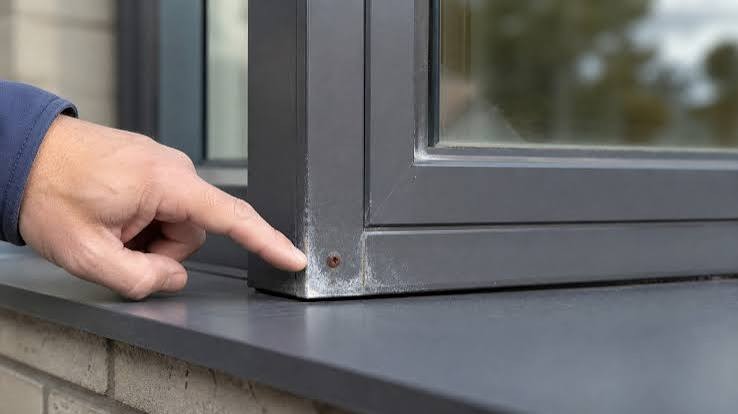
Aluminium windows are widely used in modern homes, apartments, offices, hotels and commercial buildings in Uganda. They are valued for their contemporary appearance, design flexibility, relatively low maintenance requirements and resistance to many forms of weather-related deterioration.
However, like other building components, aluminium windows can develop problems over time. Sliding panels may become difficult to operate, window frames may allow rainwater to enter, locks may stop working properly, and seals may deteriorate. In some cases, poor fabrication or incorrect installation can cause problems shortly after the windows have been fitted.
For homeowners and commercial property managers, understanding these problems is important for protecting the building, maintaining indoor comfort and avoiding unnecessary repair expenses.
Whether you have aluminium windows in Kampala, Wakiso, Mukono, Entebbe or another part of Uganda, regular maintenance and proper installation can help prevent many common faults.
This guide explores the most common aluminium window problems, explains what causes them and provides practical ways to prevent them.
1. Aluminium Windows Becoming Difficult to Open and Close
<AsyncImage query=”aluminium sliding window roller track mechanism close up maintenance” aspectRatio=”16:9″/>
One of the most common problems with aluminium windows is difficulty opening or closing them.
This is particularly noticeable in sliding windows, where panels may become stiff, get stuck or move unevenly along their tracks.
Common Causes
- Dust, sand and debris accumulating inside the tracks.
- Worn or damaged rollers.
- Misaligned window panels.
- Bent or damaged tracks.
- Loose fittings.
- Poor-quality hardware.
- Incorrect installation.
In Uganda, dust can accumulate on window tracks, particularly in busy urban environments, construction areas and buildings close to unpaved roads.
How to Prevent It
- Clean sliding window tracks regularly to remove dust and debris.
- Inspect rollers and guides for signs of wear.
- Avoid forcing panels when they become difficult to move.
- Ensure window frames are correctly aligned during installation.
- Use suitable replacement rollers when existing components become damaged.
- Follow the hardware manufacturer’s maintenance recommendations.
Professional tip: If a sliding window remains difficult to operate after cleaning, have the rollers, track and panel alignment inspected before the problem causes further damage.
2. Water Leakage Through Aluminium Windows
<AsyncImage query=”rainwater leakage around aluminium window frame seal building” aspectRatio=”16:9″/>
Water leakage is a serious problem because it can damage interior finishes, plaster, paint, flooring and nearby furniture.
During heavy rainfall, poorly sealed aluminium windows may allow water to enter through gaps around the frame, joints or drainage areas.
Common Causes
- Damaged or poorly fitted weather seals.
- Incorrect installation.
- Poor sealing between the frame and wall.
- Blocked drainage channels.
- Incorrectly assembled frame joints.
- Poorly designed window systems for the level of weather exposure.
- Water collecting around the window opening.
How to Prevent Water Leakage
Use suitable weather seals: Quality rubber or EPDM gaskets help reduce water and air infiltration when correctly fitted.
Ensure proper installation: Window frames should be positioned, fixed and sealed according to the system manufacturer’s requirements.
Keep drainage channels clear: Sliding window tracks and drainage openings should be inspected and cleaned regularly.
Check external sealing: The junction between the window frame and the surrounding wall should be properly detailed using suitable materials.
Choose appropriate systems: Windows exposed to heavy rain and wind should have specifications suitable for their location and exposure.
If water leakage occurs, identify where it is entering before applying sealant. Blocking drainage openings or sealing the wrong area can make the problem worse.
3. Damaged or Deteriorating Rubber Seals
<AsyncImage query=”aluminium window rubber gasket weather stripping seal close up” aspectRatio=”16:9″/>
Rubber seals help close gaps between aluminium frames and window panels. They contribute to protection against water, dust and air infiltration.
Over time, seals can become loose, compressed, brittle or damaged.
Common Causes
- Ageing and prolonged exposure to sunlight.
- Poor-quality sealing materials.
- Incorrect installation.
- Frequent opening and closing.
- Chemical damage from unsuitable cleaning products.
- Poor maintenance.
How to Prevent Seal Problems
- Use suitable quality seals during fabrication.
- Inspect window gaskets periodically.
- Clean seals using appropriate mild cleaning products.
- Avoid harsh chemicals that may damage rubber.
- Replace seals that have become brittle, torn or permanently compressed.
- Ensure replacement seals are compatible with the original window system.
Do not assume that applying silicone over a damaged gasket is a permanent solution. The correct replacement seal should be selected for the frame design.
4. Loose or Faulty Window Handles and Locks
<AsyncImage query=”aluminium window handle locking mechanism close up” aspectRatio=”16:9″/>
Window handles and locks are important for everyday operation and security.
A faulty handle may become loose, fail to engage the locking mechanism or make the window difficult to secure.
Common Causes
- Frequent use.
- Poor-quality hardware.
- Loose screws and fittings.
- Incorrect installation.
- Corrosion or wear in moving components.
- Misaligned locking points.
How to Prevent Handle and Lock Problems
- Choose quality handles and locking systems suitable for the window design.
- Avoid applying excessive force when operating handles.
- Check for loose fittings during routine maintenance.
- Keep locking points clean.
- Have faulty locks repaired or replaced promptly.
- Ensure the window panels are correctly aligned so the locking mechanism engages properly.
For commercial properties, inspect frequently used windows more regularly because repeated operation can increase hardware wear.
5. Broken or Cracked Window Glass
<AsyncImage query=”cracked glass pane in aluminium window frame close up” aspectRatio=”16:9″/>
Broken or cracked glass can create safety risks and expose the building interior to weather and unauthorised access.
Glass damage may occur in residential, commercial and industrial buildings for several reasons.
Common Causes
- Accidental impact.
- Poor glass selection for the opening.
- Incorrect glass installation.
- Excessive stress caused by unsuitable frame support.
- Thermal stress.
- Building movement.
- Improper handling during transportation or installation.
How to Prevent Glass Damage
Select suitable glass: Consider the window dimensions, location, safety requirements and exposure when choosing glazing.
Use safety glazing where required: Toughened or laminated glass may be appropriate in specific locations, depending on the applicable building requirements.
Ensure correct installation: Glass should be supported and fitted using suitable glazing components, clearances and methods.
Avoid impact: Protect windows from accidental damage during construction and daily activities.
Inspect damaged glazing: Small cracks should not be ignored. Arrange an assessment and replacement where necessary.
Never attempt to handle or remove large broken glass panels without appropriate equipment and trained personnel.
6. Aluminium Window Frames Becoming Misaligned
<AsyncImage query=”misaligned aluminium sliding window frame sash installation close up” aspectRatio=”16:9″/>
Misalignment occurs when window panels or frames no longer sit correctly in their intended positions.
It can cause gaps, difficulty opening and closing, poor sealing and problems with locking.
Common Causes
- Inaccurate measurements.
- Poor installation.
- Loose frame fixings.
- Damaged rollers or hinges.
- Movement in the surrounding building structure.
- Unsuitable support for large window assemblies.
- Excessive force during operation.
How to Prevent Misalignment
- Take accurate measurements before fabrication.
- Ensure openings are properly prepared.
- Use appropriate fixing methods.
- Check frame alignment during installation.
- Select profiles suitable for the window dimensions.
- Inspect hinges, rollers and fixings regularly.
- Avoid forcing misaligned panels into position.
If the surrounding wall or structure appears to be moving or cracking, obtain an assessment from a qualified building professional before adjusting the window.
7. Excessive Noise Around Aluminium Windows
<AsyncImage query=”modern aluminium window sealed closed contemporary residential interior” aspectRatio=”16:9″/>
Some property owners experience outside noise entering through aluminium windows, particularly in buildings near busy roads, markets, construction sites and commercial centres.
Although aluminium window systems can be designed to improve sound insulation, not every system provides the same acoustic performance.
Common Causes
- Poorly fitted weather seals.
- Gaps between the frame and wall.
- Single glazing where higher acoustic performance is required.
- Poorly closing window panels.
- Inadequate frame and glazing specifications.
- Incorrect installation.
How to Reduce Noise Infiltration
- Ensure window panels close properly.
- Inspect and replace damaged weather seals.
- Seal installation gaps using appropriate materials.
- Consider laminated acoustic glazing or suitable insulating glass units where required.
- Choose window systems with documented acoustic performance.
- Address other possible sound paths, including doors, roofs and ventilation openings.
For properties near noisy roads or busy commercial areas, consider acoustic performance before selecting the window system.
8. Condensation on Aluminium Windows
<AsyncImage query=”condensation droplets on interior aluminium framed window glass” aspectRatio=”16:9″/>
Condensation occurs when moisture in the air comes into contact with a surface that is sufficiently cool for water vapour to form droplets.
It may appear on glass, frames or surrounding surfaces.
Common Causes
- High indoor humidity.
- Limited ventilation.
- Moisture from cooking and bathing.
- Cool glass surfaces.
- Temperature differences between indoor and outdoor environments.
- Poorly managed indoor moisture.
How to Prevent Condensation
- Improve ventilation in kitchens, bathrooms and other moisture-producing areas.
- Use suitable extractor fans where necessary.
- Avoid allowing indoor moisture to build up.
- Maintain appropriate airflow around windows.
- Consider suitable insulating glazing where condensation is a recurring problem.
- Investigate persistent moisture that may indicate a separate dampness or water-leakage issue.
Important: Condensation on the room-facing surface of glass is not necessarily evidence of a leaking window. Identify whether the moisture is on the inside, outside or between panes of an insulating glass unit before arranging repairs.
9. Corrosion or Deterioration of Aluminium Finishes
<AsyncImage query=”aluminium window frame powder coated finish close up weather exposure” aspectRatio=”16:9″/>
Aluminium is naturally resistant to many forms of corrosion because it forms a protective oxide layer. However, it can still experience surface deterioration or corrosion under certain conditions.
Damage may affect the appearance of the window and, in severe cases, the condition of the material.
Common Causes
- Poor-quality protective finishing.
- Scratches that expose the underlying material.
- Exposure to aggressive chemicals.
- Prolonged contact with moisture and unsuitable materials.
- Harsh environmental conditions.
- Poor cleaning practices.
How to Prevent Surface Deterioration
- Select suitable powder-coated or anodised finishes.
- Clean frames using mild, compatible cleaning products.
- Avoid abrasive tools and harsh chemicals.
- Repair or assess damaged finishes promptly.
- Follow the manufacturer’s recommendations for maintenance.
- Consider environmental exposure when specifying aluminium systems.
Buildings near industrial environments or other aggressive conditions may require more careful material and finish selection.
10. Blocked Drainage Channels
<AsyncImage query=”aluminium sliding window bottom drainage weep holes track close up” aspectRatio=”16:9″/>
Many aluminium window systems include drainage channels or openings designed to direct water away from areas where it could collect.
When these openings become blocked, water may accumulate inside the frame or track and contribute to leakage.
Common Causes
- Dust and dirt accumulation.
- Insects and debris.
- Paint or sealant covering drainage openings.
- Poor maintenance.
- Incorrect installation.
- Inadequate drainage design.
How to Prevent Blocked Drainage
- Inspect drainage openings during routine cleaning.
- Remove dirt and debris carefully.
- Ensure sealant does not cover drainage points.
- Check drainage arrangements during installation.
- Have damaged or incorrectly assembled components assessed by a professional.
Do not drill additional drainage holes without confirming the manufacturer’s system requirements. Incorrectly placed holes can damage the window or affect its performance.
11. Sliding Window Rollers Wearing Out
<AsyncImage query=”aluminium sliding window roller wheel hardware close up” aspectRatio=”16:9″/>
Sliding window rollers support the moving panels and allow them to travel along the tracks.
When rollers become worn or damaged, the window may drag, make unusual noises or become difficult to open.
Common Causes
- Low-quality rollers.
- Excessive panel weight for the selected hardware.
- Dirt and debris in the tracks.
- Incorrect panel alignment.
- Frequent operation.
- Poor installation.
How to Prevent Roller Problems
- Select rollers suitable for the panel weight and window system.
- Clean tracks regularly.
- Avoid slamming sliding panels.
- Inspect rollers when movement becomes uneven.
- Replace worn components with compatible parts.
- Ensure panels are correctly aligned.
Using unsuitable replacement rollers may create further operating problems. Confirm compatibility before replacing hardware.
12. Aluminium Windows Allowing Dust to Enter
<AsyncImage query=”dust accumulation on aluminium window sill frame close up” aspectRatio=”16:9″/>
Dust entering through window gaps can affect indoor cleanliness, furniture and equipment. This can be particularly inconvenient for homes and offices located near busy roads, construction sites and unpaved areas.
Common Causes
- Worn weather seals.
- Poorly fitted window panels.
- Gaps around the frame.
- Damaged gaskets.
- Poor installation.
- Window systems with inadequate sealing for the intended environment.
How to Prevent Dust Infiltration
- Ensure window panels close firmly.
- Inspect and replace damaged seals.
- Correct gaps around the frame.
- Keep tracks and locking components clean.
- Select a suitable window system for the exposure conditions.
- Consider additional filtration or ventilation measures where necessary.
If dust continues entering despite properly closed windows, inspect the seals and other possible entry points around the building.
13. Poor Installation and Fabrication Problems
<AsyncImage query=”professional aluminium window fabrication installation construction site” aspectRatio=”16:9″/>
Some aluminium window problems begin before the windows are even used.
Poor fabrication and installation can create several faults, including:
- Uneven frame joints.
- Incorrect window dimensions.
- Loose fittings.
- Misaligned panels.
- Gaps around the frame.
- Poor glass support.
- Inadequate drainage.
- Difficult opening and closing.
How to Prevent Poor Workmanship
Choose a provider that can explain the proposed profile system, glass specification, hardware and installation process.
Before approving the work:
- Confirm the window measurements.
- Review the proposed window designs.
- Request details of the aluminium profiles.
- Confirm the glass and hardware specifications.
- Check the fabrication quality.
- Agree on installation responsibilities.
- Inspect the completed windows before handover.
Professional installation helps reduce avoidable faults and ensures that the window system is fitted according to its design requirements.
14. How to Maintain Aluminium Windows and Prevent Common Problems
Regular maintenance is one of the most effective ways to extend the useful service life of aluminium windows and identify faults before they become serious.
A simple maintenance routine can help homeowners and commercial property managers keep windows functioning properly.
Recommended Aluminium Window Maintenance Schedule
| Maintenance activity | Suggested frequency |
|---|---|
| Clean glass and aluminium frames | Monthly or as needed |
| Remove dust from sliding tracks | Monthly or more often in dusty areas |
| Inspect handles, locks and hinges | Every 3–6 months |
| Check rubber seals and gaskets | Every 6 months |
| Inspect drainage channels | Every 3–6 months and after heavy storms |
| Check frame fixings and alignment | At least annually |
| Arrange professional inspection | Annually or when problems appear |
The frequency should be adjusted according to the building’s location, window usage, exposure and manufacturer’s instructions.
General Aluminium Window Care Tips
- Use soft cloths and mild cleaning products.
- Avoid abrasive materials that can scratch finishes.
- Do not force stuck window panels.
- Keep tracks and drainage channels free from debris.
- Replace damaged seals and worn hardware.
- Avoid hanging heavy objects on window frames.
- Arrange prompt repairs when glass or locking systems become damaged.
- Follow the maintenance instructions supplied with the window system.
15. When Should You Call a Professional Aluminium Window Repairer?
Some maintenance activities, such as cleaning tracks and wiping frames, can be carried out by property owners.
However, more complicated problems should be handled by trained professionals.
Seek professional assistance when:
- Window glass is cracked or broken.
- Frames are badly misaligned.
- Water continues entering despite basic cleaning.
- Locks fail to secure the window.
- Sliding panels repeatedly come off their tracks.
- Rollers, hinges or other hardware are damaged.
- Aluminium sections are bent or cracked.
- There are signs of movement or damage in the surrounding wall.
- Large or high-level glass panels need attention.
Avoid attempting to dismantle heavy glass panels or adjust large window frames without the appropriate tools, equipment and experience.
16. How to Choose Quality Aluminium Windows to Avoid Future Problems
Preventing aluminium window problems begins with choosing a suitable system before installation.
When purchasing new windows, consider the following:
A. Quality of Aluminium Profiles
Select profiles suitable for the dimensions, glass weight and intended application of the window.
B. Glass Specification
Choose glazing according to safety, solar exposure, privacy, noise and building requirements.
C. Hardware Quality
Check the quality and compatibility of locks, handles, rollers, hinges and other accessories.
D. Surface Finishing
Choose a suitable powder-coated or anodised finish and ask about its maintenance requirements.
E. Weather Sealing and Drainage
Confirm that the system includes suitable seals and drainage arrangements for its intended exposure.
F. Fabrication and Installation
Ensure that measurements, frame assembly, glass fitting and installation are completed correctly.
G. Written Quotation
Request a clear quotation that identifies the materials, specifications, quantities, installation scope and exclusions.
Choosing quality components and professional workmanship from the beginning can help reduce the likelihood of common aluminium window faults.
17. Aluminium Window Standards and Building Considerations in Uganda
Aluminium window selection and installation should take account of applicable building standards and safety requirements.
Uganda’s National Building (Building Standards) Code, 2019 includes provisions relating to fenestration and glazing performance, including considerations for solar heat gain and shading.
The Uganda National Bureau of Standards (UNBS) lists US 1981:2020 – Alloy Aluminium Door Sets and Windows – Specification, which covers aspects of the design, construction and performance of specified aluminium window and external pedestrian door systems, including materials and glazing. The UNBS webstore lists this standard as voluntary; confirm the current status of applicable standards and any other project requirements with UNBS.
For commercial buildings, multi-storey developments and projects involving large glass panels, consult qualified architects and engineers to establish appropriate window, glazing, structural support and safety specifications.
18. Why Professional Aluminium Works and Installation Matter
The quality of aluminium windows depends on more than the material used to manufacture the frames. Accurate measurements, suitable profiles, correct glass selection, reliable hardware and proper installation all influence how the windows perform.
Working with a dependable aluminium works provider helps property owners understand the available options and select systems that suit their building requirements.
Daltrev Co. Ltd provides aluminium works and solutions for residential and commercial projects in Uganda. Whether you are installing new windows, replacing old ones or planning aluminium works as part of a building project, you can contact the team to discuss your requirements.
Visit the Daltrev Co. Ltd website to learn more about its services and building solutions.
Conclusion: Prevent Aluminium Window Problems Through Quality Selection and Maintenance
Aluminium windows are practical for many residential and commercial buildings in Uganda, but their performance depends on the quality of the materials, fabrication, installation and ongoing care.
Common problems such as water leakage, stiff sliding panels, damaged seals, faulty locks, broken glass, condensation and blocked drainage can often be reduced through proper system selection and regular maintenance.
If you already have aluminium windows, inspect them regularly and address small faults before they develop into more serious problems. If you are planning a new installation, prioritise suitable profiles, glass, hardware and professional workmanship instead of choosing windows based on price alone.
Need aluminium window installation or assistance with your building’s aluminium works in Uganda?
Contact Daltrev Co. Ltd to discuss your project and request a quotation.
- Phone/WhatsApp: +256 744 702 773 / +256 784 122 635
- Email: daltrevco@gmail.com
- Website: https://www.daltrevco.com/
- Location: Kampala, Uganda
Daltrev Co. Ltd – Build for Legacy.
Frequently Asked Questions About Aluminium Window Problems
1. What are the most common problems with aluminium windows?
Common problems include difficult opening and closing, water leakage, damaged rubber seals, faulty handles and locks, broken glass, misaligned frames, blocked drainage channels and worn sliding rollers.
2. Why is my aluminium sliding window difficult to open?
The most common causes include dirty tracks, worn rollers, misaligned panels and damaged hardware. Clean the tracks first. If the problem continues, have the rollers and alignment inspected.
3. How do I stop rainwater from entering through aluminium windows?
Inspect the weather seals, drainage channels, frame joints and perimeter sealing. Identify the actual entry point before carrying out repairs. A professional should assess persistent leakage to avoid blocking the drainage system or applying sealant incorrectly.
4. Why do aluminium windows make noise when opening?
Noise may result from dirty tracks, worn rollers, loose fittings or misaligned panels. Cleaning and inspecting the moving components can help identify the cause.
5. How often should aluminium windows be cleaned?
Frames and glass can be cleaned monthly or as required. Sliding tracks may need more frequent cleaning in dusty environments. Regular inspections should also cover seals, locks, hinges, rollers and drainage openings.
6. Do aluminium windows rust?
Aluminium does not rust like iron or steel, but it can corrode under certain environmental conditions. Suitable surface finishing, proper cleaning and appropriate material selection help reduce deterioration.
7. Why is my aluminium window leaking air or dust?
Air and dust can enter through damaged seals, poorly fitted panels, gaps around the frame or faulty locking arrangements. Inspect the gaskets and frame alignment and arrange repairs where necessary.
8. Can damaged aluminium window seals be replaced?
Yes. Damaged seals can often be replaced using compatible gaskets designed for the specific window system. The correct seal size and profile should be identified before replacement.
9. What causes condensation on aluminium windows?
Condensation usually forms when moist indoor air meets a sufficiently cool glass or frame surface. Poor ventilation, indoor humidity and temperature differences can contribute to the problem.
10. When should aluminium windows be replaced instead of repaired?
Replacement may be appropriate when frames are severely damaged, the window system is unsuitable for the opening, components are no longer available or repeated repairs are no longer economical. A professional assessment can help determine the most practical solution.
11. Are aluminium windows suitable for Uganda’s weather conditions?
Yes. Aluminium window systems can be suitable for Uganda’s climate when the profiles, finishes, glazing, seals and drainage are selected for the building’s exposure and installed correctly.
12. Where can I get professional aluminium window services in Uganda?
You can contact Daltrev Co. Ltd to discuss aluminium works for residential and commercial projects. Visit https://www.daltrevco.com/ or call +256 744 702 773 to make an enquiry.

