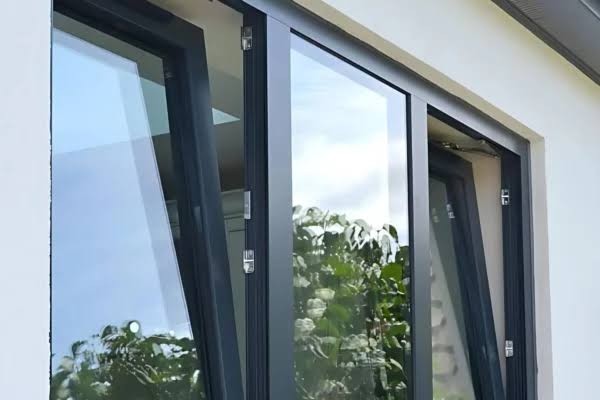
Choosing the right windows and doors is an important decision when constructing, renovating or upgrading a property. Windows and doors influence the appearance of a building, its security, natural lighting, ventilation, energy efficiency and overall comfort.
In Uganda, aluminium windows and doors have become popular choices for residential, commercial and institutional buildings because of their modern appearance, durability, design flexibility and relatively low maintenance requirements.
Whether you are building a family home in Kampala, developing apartments in Wakiso, renovating an office in Entebbe or constructing a commercial property in Mukono or Jinja, selecting the right aluminium windows and doors can improve the functionality and value of your building.
However, not all aluminium windows and doors offer the same quality. Differences in aluminium profiles, frame thickness, glass specifications, hardware, fabrication and installation can significantly affect their performance and lifespan.
Before purchasing, it is important to understand the available designs, materials, prices and installation requirements.
At Daltrev Co. Ltd – Build for Legacy, we provide aluminium works and building solutions for residential and commercial projects in Uganda. This complete buyer’s guide explains everything you need to know before choosing aluminium windows and doors, including types, benefits, costs, quality considerations, installation and maintenance.
What Are Aluminium Windows and Doors?
Aluminium windows and doors are building components made using aluminium profiles to form frames, sashes and other supporting sections. These frames hold glass panels or suitable infill materials and are fitted with hardware that allows the units to open, close, slide or remain fixed.
Aluminium is widely used in modern construction because it is lightweight relative to its strength, resistant to ordinary atmospheric corrosion when properly finished, and suitable for different architectural designs.
Aluminium window and door systems are available in several configurations, including:
- Sliding windows.
- Casement windows.
- Top-hung windows.
- Fixed glass windows.
- Louvered windows.
- Sliding doors.
- Hinged aluminium doors.
- Folding or bi-fold doors.
- Commercial entrance doors.
- Aluminium-framed glass partitions.
The appropriate design depends on the size of the opening, building layout, ventilation requirements, security needs, budget and architectural style.
Why Choose Aluminium Windows and Doors in Uganda?
Aluminium windows and doors offer several advantages for buildings in Uganda. Their suitability depends on the quality of the profiles, finishing, glazing, hardware and installation.
1. Durability and Long-Term Performance
One of the main advantages of aluminium is its ability to withstand everyday use and exposure to normal outdoor conditions when properly specified and maintained.
Unlike untreated timber, aluminium does not rot or become infested with termites. It also does not deteriorate through ordinary moisture exposure in the same way as many untreated materials.
Quality aluminium frames with suitable protective finishes can provide long-term service in residential and commercial environments.
2. Modern and Attractive Appearance
Aluminium windows and doors are available in different colours, finishes, profile designs and configurations.
They can complement contemporary, minimalist, industrial and traditional architectural styles.
Popular finishes include:
- Black.
- White.
- Silver.
- Bronze.
- Grey.
- Natural aluminium finishes.
- Wood-effect finishes.
This flexibility allows property owners to select windows and doors that complement the building’s exterior and interior design.
3. Low Maintenance Requirements
Aluminium frames generally require less maintenance than many traditional timber alternatives.
Routine maintenance usually involves cleaning the frames, checking moving components, inspecting seals and ensuring that drainage openings remain clear.
Protective finishes should also be checked periodically for damage, particularly in areas exposed to harsh environmental conditions.
4. Natural Lighting
Aluminium frames can be designed to accommodate large glass panels, allowing natural light to enter a building.
Good natural lighting can improve the appearance and usability of indoor spaces while reducing the need for artificial lighting during daylight hours.
However, the amount of glazing should be planned carefully to manage heat gain, glare and privacy.
5. Design Flexibility
Aluminium profiles can be fabricated into different shapes and configurations.
This makes them suitable for:
- Residential houses.
- Apartment buildings.
- Office blocks.
- Hotels.
- Shopping complexes.
- Schools.
- Hospitals.
- Restaurants.
- Commercial showrooms.
Custom fabrication also allows windows and doors to fit different architectural openings, subject to the capabilities of the selected system.
6. Security Options
Aluminium windows and doors can incorporate suitable locks, reinforced hardware, secure glazing and other security features.
The security level depends on the complete assembly, including the frame, glass, locking system, hinges, fixing method and installation quality.
For ground-floor windows and accessible doors, consider additional security requirements when selecting the design.
7. Resistance to Moisture and Weather Exposure
Aluminium does not absorb water like timber. Properly finished aluminium frames are therefore useful in locations exposed to rain and humidity.
However, aluminium windows and doors are not automatically waterproof. Their performance depends on suitable weather seals, drainage channels, frame joints, glazing details and correct installation.
Types of Aluminium Windows Available in Uganda
Selecting the right window design is important because different opening styles provide different levels of ventilation, accessibility, security and space efficiency.
1. Sliding Aluminium Windows
<AsyncImage query=”modern black aluminium sliding windows residential house large glass panels” aspectRatio=”16:9″ width=”100%”/>
Sliding windows operate horizontally along tracks. One or more panels move across the frame to create an opening.
Advantages:
- Easy to operate when correctly installed.
- Do not require outward or inward opening space.
- Suitable for modern residential and commercial buildings.
- Can accommodate wide window openings.
- Available in different glass configurations.
Considerations:
- Track systems require regular cleaning.
- Rollers may require adjustment or replacement.
- The opening area is limited by the sliding configuration.
- Poor-quality tracks and seals may affect operation and weather performance.
Sliding aluminium windows are suitable for bedrooms, living rooms, offices and other spaces where horizontal opening is preferred.
2. Casement Aluminium Windows
<AsyncImage query=”black aluminium side hung casement windows modern house exterior” aspectRatio=”16:9″ width=”100%”/>
Casement windows are hinged at the side and open outward or inward, depending on the design.
Advantages:
- Can provide a wide ventilation opening.
- Offer a relatively straightforward sealing arrangement when properly designed.
- Available in single or multiple panels.
- Suitable for different architectural styles.
Considerations:
- Require opening clearance.
- Hinges and locking hardware need proper specification.
- Strong wind exposure should be considered when choosing opening direction and hardware.
Casement windows are commonly used in bedrooms, offices, kitchens and living areas.
3. Top-Hung Aluminium Windows
<AsyncImage query=”modern aluminium top hung awning windows black frames” aspectRatio=”16:9″ width=”100%”/>
Top-hung windows are hinged along the upper edge and open outward from the bottom.
Advantages:
- Can allow ventilation while providing some protection from light rainfall, depending on the design and weather conditions.
- Suitable for bathrooms, kitchens and smaller openings.
- Provide a neat modern appearance.
Considerations:
- Do not provide the same full opening area as some other window types.
- Hardware must be suitable for the panel size and weight.
- Rain protection is not guaranteed during heavy or wind-driven rainfall.
4. Fixed Aluminium Windows
<AsyncImage query=”large fixed aluminium framed glass windows modern commercial building facade” aspectRatio=”16:9″ width=”100%”/>
Fixed windows are designed to remain permanently closed.
They are mainly used where natural lighting, external views or architectural appearance are required without the need for an opening section.
Advantages:
- Suitable for large glazed areas.
- Can provide a clean architectural appearance.
- Have fewer moving parts.
- Can be combined with opening windows.
Considerations:
- Do not provide ventilation.
- Require suitable glass specification.
- Cleaning and access must be considered during design.
5. Louvered Aluminium Windows
<AsyncImage query=”aluminium adjustable louvre windows residential bathroom ventilation” aspectRatio=”16:9″ width=”100%”/>
Louvered windows consist of adjustable glass or other suitable blades fitted within an aluminium frame.
They allow users to control airflow by adjusting the blade positions.
Advantages:
- Allow adjustable ventilation.
- Suitable for bathrooms, kitchens and utility spaces.
- Can be useful where continuous airflow is desirable.
Considerations:
- Security depends on the complete design and location.
- The blade arrangement may allow more air and rain entry than tightly sealed window systems.
- Hardware and seals require maintenance.
Types of Aluminium Doors Available in Uganda
Aluminium doors are available in different styles depending on the building’s entrance design, space requirements and intended use.
1. Sliding Aluminium Doors
<AsyncImage query=”modern black aluminium sliding glass patio doors residential house” aspectRatio=”16:9″ width=”100%”/>
Sliding aluminium doors operate along horizontal tracks and are commonly used for balconies, patios, living rooms, commercial spaces and building entrances.
Advantages:
- Save space because the panels slide rather than swing.
- Can accommodate large glass panels.
- Provide access to outdoor spaces.
- Complement modern architectural designs.
Considerations:
- Tracks should be kept clean.
- Rollers must support the door’s weight.
- Locking and anti-lift features should be considered.
- Drainage and weather sealing are important.
2. Hinged Aluminium Doors
<AsyncImage query=”modern aluminium framed glass hinged entrance door black frame” aspectRatio=”16:9″ width=”100%”/>
Hinged aluminium doors open around hinges fixed to the door frame.
They are suitable for main entrances, internal access points, offices and other building openings.
Advantages:
- Available in single or double-leaf designs.
- Can accommodate different glazing and panel options.
- Suitable for a wide range of buildings.
- Can incorporate several locking systems.
Considerations:
- Require sufficient opening clearance.
- Hinges and frames must support the door’s weight.
- Proper alignment is essential for smooth operation.
3. Bi-Fold Aluminium Doors
<AsyncImage query=”modern aluminium black frame bi fold folding glass doors open residential patio” aspectRatio=”16:9″ width=”100%”/>
Bi-fold doors consist of multiple panels connected by hinges that fold together when opened.
They are commonly used in modern homes, hotels, restaurants and commercial spaces where a wide opening is desirable.
Advantages:
- Create wide access openings.
- Connect indoor and outdoor spaces.
- Provide an attractive contemporary appearance.
- Can be configured with several panels.
Considerations:
- Generally require more specialised hardware.
- Installation and alignment must be accurate.
- Track and roller systems need maintenance.
- Initial purchase and installation costs may be higher than simpler door designs.
4. Aluminium French Doors
<AsyncImage query=”black aluminium french double glass doors modern house garden” aspectRatio=”16:9″ width=”100%”/>
French doors typically consist of two hinged leaves that open from the centre.
They are suitable for entrances, balconies, patios and rooms that require a wide opening.
They can be fabricated with full-height glass panels or combinations of glass and solid infill panels.
5. Aluminium Commercial Entrance Doors
<AsyncImage query=”modern commercial aluminium glass office entrance doors black frame” aspectRatio=”16:9″ width=”100%”/>
Commercial aluminium entrance doors are designed for frequent use in offices, shopping centres, hotels, banks and other business premises.
They may incorporate:
- Heavy-duty aluminium profiles.
- Commercial-grade hinges.
- Door closers.
- Multipoint or suitable commercial locking systems.
- Toughened or laminated safety glazing where appropriate.
- Access control hardware where required.
For buildings with heavy pedestrian traffic, select a system designed for the expected frequency of use and door weight.
Understanding Aluminium Window and Door Profiles
The aluminium profile is one of the most important components to consider when buying aluminium windows and doors.
Profiles are the extruded aluminium sections used to create the frames, sashes, mullions and other structural parts of the assembly.
Different systems have different profile shapes, dimensions, wall thicknesses, reinforcement arrangements and performance characteristics.
1. Profile Thickness
Profile thickness influences the strength and suitability of an aluminium frame, but it should not be considered in isolation.
The correct specification depends on:
- Window or door dimensions.
- Glass thickness and weight.
- Wind exposure.
- Panel configuration.
- Span and support arrangement.
- Hardware requirements.
- Manufacturer’s system design.
A thicker profile is not automatically better if the rest of the system is poorly designed or fabricated.
Ask the supplier to identify the profile series and provide its technical specifications rather than relying only on general descriptions such as “heavy gauge” or “premium aluminium.”
2. Profile Strength and Design
The shape and internal geometry of an aluminium profile affect its structural performance.
For larger windows and doors, the profile should be suitable for the size of the opening, glass weight and expected loads.
Wide sliding doors and large commercial windows may require stronger systems than small residential openings.
3. Surface Finishing
Aluminium profiles are available with different surface finishes.
Common options include:
- Powder coating.
- Anodising.
- Other suitable protective finishes.
The finish should be appropriate for the intended environment and should be applied to the required quality.
Check for consistent colour, smooth surfaces, scratches, poor coating and visible manufacturing defects.
4. Thermal Performance
Aluminium conducts heat more readily than some other frame materials.
For buildings where thermal comfort and energy performance are important, consider thermally improved aluminium systems, including thermal-break profiles where suitable.
A thermal break uses a lower-conductivity material between parts of the aluminium frame to reduce heat transfer through the frame.
The glazing specification, shading and overall building design also influence thermal performance.
Choosing the Right Glass for Aluminium Windows and Doors
Glass is another important consideration when purchasing aluminium windows and doors.
The correct glass improves safety, privacy, lighting, appearance, acoustic comfort and thermal performance.
1. Clear Float Glass
<AsyncImage query=”clear glass aluminium framed windows modern residential building” aspectRatio=”16:9″ width=”100%”/>
Clear glass allows natural light to pass through and provides an unobstructed view.
It is commonly used in residential and commercial windows, subject to suitable thickness and safety requirements.
2. Tinted Glass
<AsyncImage query=”grey tinted glass aluminium commercial office windows exterior” aspectRatio=”16:9″ width=”100%”/>
Tinted glass reduces the amount of visible light transmitted through the glass and can help manage glare and solar exposure.
Common shades include grey, bronze and other approved colours.
Tinting does not automatically provide complete privacy, particularly when interior lighting is brighter than exterior lighting.
3. Toughened Glass
<AsyncImage query=”toughened safety glass aluminium frameless commercial glass door” aspectRatio=”16:9″ width=”100%”/>
Toughened glass is heat-treated to improve its strength compared with ordinary annealed glass of the same thickness.
When it breaks, it generally fractures into smaller granular pieces rather than large sharp shards.
It is commonly considered for doors and other locations where safety glazing is required.
4. Laminated Glass
<AsyncImage query=”laminated safety glass aluminium window door closeup” aspectRatio=”16:9″ width=”100%”/>
Laminated glass consists of two or more glass layers bonded together using an interlayer.
When broken, the interlayer helps hold fragments together.
It can be suitable for applications where retaining broken glass is important, including selected doors, windows and overhead glazing systems.
5. Double-Glazed Glass
<AsyncImage query=”double glazed aluminium windows cross section modern residential” aspectRatio=”16:9″ width=”100%”/>
Double glazing consists of two glass panes separated by a sealed cavity.
It can improve thermal and acoustic performance compared with suitable single-glazed alternatives.
The actual performance depends on glass specifications, cavity design, seals and frame construction.
For buildings near busy roads or areas with high noise levels, suitable acoustic glazing may also be worth considering.
Important glass selection advice: The glass type and thickness should be selected according to the size of the panel, location, wind loading, impact risk and applicable safety requirements. Do not select glass based on appearance alone.
How Much Do Aluminium Windows and Doors Cost in Uganda?
The cost of aluminium windows and doors in Uganda varies depending on the design, dimensions, profile specification, glass type, hardware, finish and installation requirements.
A small sliding window will generally have different material and labour requirements from a large commercial entrance door or a multi-panel folding door.
The following factors influence the total cost.
1. Size of the Window or Door
Larger units require more aluminium, glass and supporting hardware.
They may also need stronger profiles, additional reinforcement and specialised installation arrangements.
2. Aluminium Profile Quality
Different aluminium profile systems have different specifications and costs.
Consider the profile series, dimensions, wall thickness, finish and suitability for the intended application.
3. Type of Glass
Clear, tinted, toughened, laminated, acoustic and double-glazed glass options have different prices.
Safety and performance requirements should guide the selection.
4. Opening Design
Sliding, casement, fixed, louvered, hinged and bi-fold systems require different materials and hardware.
More complex configurations may involve additional fabrication and installation work.
5. Hardware and Accessories
The quality of accessories affects both cost and performance.
These may include:
- Locks and handles.
- Hinges.
- Rollers.
- Sliding tracks.
- Door closers.
- Weather seals.
- Gaskets.
- Restrictors.
- Security fittings.
6. Colour and Surface Finish
Standard finishes and specialised colours may have different costs.
Custom finishes should be confirmed with the supplier before fabrication.
7. Installation Requirements
Installation costs depend on the number of units, building height, access, existing openings, site conditions and the amount of preparation required.
8. Transport and Location
Delivery to sites outside central Kampala may involve additional transport and handling costs.
9. Removal of Existing Windows and Doors
Replacement projects may require removal and disposal of old frames, repairs to openings, plastering, sealing and finishing.
These activities should be included in the quotation.
How to Get an Accurate Aluminium Window and Door Quotation
When requesting a quotation, provide the supplier or installer with:
- The number of windows and doors required.
- Approximate opening dimensions.
- Preferred opening styles.
- Preferred frame colour.
- Glass type and safety requirements.
- Building location.
- Whether the project involves new construction or replacement.
- Whether installation and finishing are included.
Request an itemised quotation that clearly identifies the profile system, glass specification, hardware, fabrication, transport, installation and any additional works.
Avoid choosing a supplier based only on the lowest price. An inexpensive unit may have unsuitable profiles, poor hardware or inadequate installation details.
Important Factors to Consider Before Buying Aluminium Windows and Doors
Before making a purchase, evaluate the following considerations.
1. Building Design and Architectural Style
Choose window and door designs that complement the building’s overall appearance.
Consider the frame colour, glass type, opening arrangement and proportions of each unit.
For a modern home, large sliding windows and glazed doors may be suitable. Commercial buildings may benefit from fixed glazing and strong entrance door systems.
2. Security Requirements
Security is especially important for ground-floor windows, main entrances and accessible balcony doors.
Consider:
- Quality locking mechanisms.
- Reinforced frames where appropriate.
- Secure hinges.
- Suitable safety glazing.
- Anti-lift devices for sliding systems.
- Security screens where appropriate.
Security should be considered as part of the complete window or door assembly.
3. Ventilation Requirements
Different rooms have different ventilation needs.
Bedrooms, kitchens, bathrooms and offices may require different opening arrangements.
A fixed glass panel may provide natural light but no ventilation, while a casement or louvered window can provide an opening for airflow.
4. Privacy
Glass selection should reflect the intended use of each room.
Bathrooms, meeting rooms and other private spaces may require obscure glass, suitable blinds or other privacy solutions.
5. Natural Lighting and Solar Heat
Large glass panels can improve daylight but may also increase solar heat gain and glare.
Consider:
- Building orientation.
- External shading.
- Glass solar performance.
- Window size.
- Interior layout.
- Ventilation.
Uganda’s National Building (Building Standards) Code, 2019 includes provisions relating to fenestration, glazing performance and solar heat gain. Window design should therefore consider more than appearance alone. <Cite refs={[“turn234354search35”]}/>
6. Weather Resistance
Windows and doors should be designed to manage rainfall, wind exposure and normal building movement.
Check the quality of weather seals, frame joints, sill drainage and installation detailing.
7. Ease of Operation
Before accepting completed products, test all opening panels.
They should open, close and lock smoothly without excessive force, scraping or unusual movement.
8. Future Maintenance
Select systems for which suitable rollers, locks, seals and replacement hardware can be sourced.
Consider how easily the frames and glass can be cleaned and maintained.
Understanding Aluminium Windows and Doors Standards in Uganda
Quality specifications are important when buying aluminium windows and doors.
Uganda has a relevant national standard, US 1981:2020 – Alloy aluminium door sets and windows – Specification.
According to the Uganda National Bureau of Standards (UNBS), this standard covers the design, construction and performance of alloy aluminium windows and external pedestrian door sets, including constituent materials and glazing. It addresses different window and door configurations, including sliding, hinged, pivoted, louvered and folding systems. <Cite refs={[“turn234354search1”]}/>
When evaluating a supplier, ask whether the products are manufactured in accordance with relevant specifications and request supporting technical information.
Other relevant considerations include:
- Applicable glass safety standards.
- Appropriate glazing thickness.
- Frame and hardware suitability.
- Weather resistance.
- Correct fabrication.
- Safe installation.
- Compliance with applicable building requirements.
UNBS also lists standards for toughened and laminated safety glass. Confirm the current applicable standards and their status for the specific glass product being purchased. <Cite refs={[“turn234354search7″,”turn234354search8″,”turn234354search10″,”turn234354search4”]}/>
For large commercial installations, unusual openings and high-rise projects, professional design and specification are particularly important.
The Aluminium Window and Door Installation Process
Even high-quality aluminium windows and doors can perform poorly if they are incorrectly installed.
Proper installation ensures that the frames are correctly aligned, securely fixed and adequately sealed.
The following stages describe a typical installation process.
Step 1: Site Measurement
The installer measures each opening to establish the required frame dimensions.
Measurements should account for the opening’s width, height, level, squareness and condition.
For new buildings, measurements should be coordinated with the construction programme and approved architectural drawings.
Step 2: Product Selection and Specification
Confirm the frame design, profile system, glass type, colour, opening style, hardware and accessories.
The quotation and order should clearly state the agreed specifications.
Step 3: Aluminium Fabrication
The aluminium profiles are cut, prepared and assembled into the required frame and sash configurations.
Fabrication quality should include accurate measurements, neat joints, proper corner connections and suitable drainage arrangements.
Step 4: Preparation of the Opening
The installer checks the opening for loose materials, uneven surfaces and defects.
Any necessary preparation or repairs should be completed before fixing the frame.
Step 5: Frame Installation
The frame is positioned, levelled, squared and securely fixed using suitable anchors or fixings.
Care should be taken to avoid twisting or distorting the frame.
Step 6: Glazing
The correct glass is installed using suitable gaskets, setting blocks and glazing components.
Glass should be handled safely and installed according to the system requirements.
Step 7: Sealing and Weatherproofing
Suitable sealants and weather seals are installed around relevant joints and interfaces.
The sill and drainage arrangements should allow water to discharge correctly.
Step 8: Hardware Installation
Locks, handles, rollers, hinges and other accessories are fitted and adjusted.
Step 9: Testing and Inspection
The installer checks that each window and door operates correctly.
Inspect:
- Smooth opening and closing.
- Locking performance.
- Frame alignment.
- Glass condition.
- Seal continuity.
- Drainage openings.
- Secure fixings.
- Overall finish.
Step 10: Cleaning and Handover
Remove installation debris and clean the frames and glass using suitable products.
The owner should receive relevant product information, maintenance instructions and warranty documentation where provided.
Common Mistakes to Avoid When Buying Aluminium Windows and Doors
Making the wrong purchasing decision can lead to poor performance, frequent repairs and unnecessary replacement costs.
Avoid the following mistakes:
1. Choosing Windows Based Only on Price
The cheapest option may have inferior profiles, weak hardware or unsuitable glass.
Compare complete specifications rather than prices alone.
2. Ignoring Aluminium Profile Specifications
Do not accept vague descriptions such as “strong aluminium” without asking about the profile series, dimensions and suitability for the intended opening.
3. Selecting the Wrong Glass
Glass must be suitable for the panel size, location and safety requirements.
Large doors and vulnerable glazed areas may require safety glazing.
4. Poor Measurements
Incorrect measurements can result in gaps, poor alignment, difficult installation and additional finishing work.
Always arrange accurate site measurements before fabrication.
5. Ignoring Hardware Quality
Poor-quality rollers, locks and hinges can affect daily operation and security.
Choose accessories that are compatible with the weight and intended use of the window or door.
6. Failing to Consider Weather Sealing
A well-designed frame can still leak if seals, joints and drainage arrangements are defective.
Check how the system manages rainwater.
7. Using Unqualified Installers
Incorrect fixing, poor alignment and inadequate sealing can reduce the performance of even good-quality products.
Choose installers with relevant fabrication and installation experience.
8. Failing to Check the Finished Work
Do not accept installation without testing every opening panel, lock, hinge and sliding mechanism.
9. Neglecting Maintenance
Dust, dirt and debris can affect sliding tracks and drainage openings.
Clean and inspect the windows and doors regularly.
Aluminium Windows and Doors for Different Types of Buildings
Different properties have different design, security and operational requirements.
| Building type | Recommended considerations |
|---|---|
| Residential houses | Sliding and casement windows, secure entrance doors, suitable privacy glazing |
| Apartments | Durable sliding systems, balcony doors, secure locks and easy maintenance |
| Office buildings | Commercial entrance doors, fixed glazing, ventilation and acoustic considerations |
| Hotels | Attractive glazing, secure guest-room windows, balcony doors and durable hardware |
| Shopping complexes | Commercial entrance systems, large glazed openings and high-traffic hardware |
| Schools | Safe glazing, controlled ventilation, durable hardware and secure openings |
| Hospitals | Easy-to-clean surfaces, appropriate ventilation, safety glazing and suitable access |
| Warehouses | Durable aluminium windows, suitable ventilation and secure access arrangements |
The final specification should be based on the building’s intended use, design and technical requirements.
How to Maintain Aluminium Windows and Doors
Although aluminium windows and doors generally require relatively little maintenance, routine care is important for preserving their appearance and performance.
1. Clean the Frames Regularly
Use a soft cloth, clean water and a mild cleaning solution to remove dirt and dust.
Avoid abrasive materials and harsh chemicals that may damage the protective finish.
2. Clean Sliding Tracks
Remove dust, leaves and debris from sliding tracks to help rollers operate smoothly.
3. Inspect Locks and Handles
Check that locks, handles and other accessories work correctly.
Replace damaged components promptly.
4. Check Rubber Seals and Gaskets
Inspect weather seals for cracking, shrinking, displacement or deterioration.
Replace defective seals with compatible products.
5. Inspect Drainage Openings
Keep frame drainage holes clear to allow water to discharge correctly.
Blocked drainage openings may contribute to water accumulation and leakage.
6. Lubricate Moving Components Where Recommended
Use suitable products on rollers, hinges and moving hardware according to the manufacturer’s maintenance instructions.
Avoid applying inappropriate lubricants that attract dirt or damage seals.
7. Inspect Glass and Frames
Check for cracked glass, damaged corners, loose fittings and corrosion or coating deterioration.
Arrange repairs when defects are identified.
Why Choose Daltrev Co. Ltd for Aluminium Works in Uganda?
Selecting the right supplier and installer is as important as choosing the right aluminium window or door design.
Daltrev Co. Ltd provides aluminium works and building solutions for residential and commercial projects in Uganda.
The company focuses on practical building solutions, modern designs and professional workmanship to support different construction requirements.
Whether you are planning to install new aluminium windows, replace old doors, improve an office entrance or incorporate aluminium and glass features into a new building, it is important to select products and installation methods that suit your project.
Daltrev Co. Ltd – Build for Legacy can help you discuss your aluminium works requirements and identify suitable solutions for your building.
Explore the company website:
- Website: https://www.daltrevco.com/
- Works and services: https://www.daltrevco.com/works/
- Contact Daltrev: https://www.daltrevco.com/contact-us/
Contact Daltrev Co. Ltd
- Phone/WhatsApp: +256 744 702 773 / +256 784 122 635
- Email: daltrevco@gmail.com
- Location: Kampala, Uganda
For a quotation, provide your project location, approximate measurements, preferred designs and the number of windows or doors required.
Frequently Asked Questions About Aluminium Windows and Doors in Uganda
1. Are aluminium windows and doors good for houses in Uganda?
Yes. Aluminium windows and doors can be suitable for Ugandan homes because they offer design flexibility, durability and relatively low maintenance requirements. Their performance depends on profile quality, glass selection, hardware and installation.
2. How much do aluminium windows cost in Uganda?
The cost depends on the window dimensions, profile system, glass type, opening design, colour, hardware and installation requirements. Request an itemised quotation based on accurate measurements and specifications.
3. Which is better: sliding or casement aluminium windows?
Both options have advantages. Sliding windows are useful where opening clearance is limited, while casement windows can provide a wider opening for ventilation. The better choice depends on the room layout, ventilation needs and available space.
4. Which glass is best for aluminium windows?
The best glass depends on the location and purpose of the window. Clear glass is suitable where visibility and natural light are priorities, while tinted glass can help manage glare. Toughened or laminated safety glass may be required for particular locations. Double glazing may be considered where improved thermal or acoustic performance is needed.
5. Are aluminium doors secure?
Aluminium doors can provide good security when designed with suitable profiles, strong locking systems, appropriate hinges, secure glazing and correct installation. The overall assembly matters more than the frame material alone.
6. Do aluminium windows rust?
Aluminium does not rust in the same way as iron or ordinary steel. However, it can corrode under certain environmental conditions, especially where protective finishes are damaged or unsuitable materials are in contact. Appropriate finishes and maintenance help protect the frames.
7. How long do aluminium windows and doors last?
Their service life depends on profile quality, surface finish, hardware, environmental exposure, fabrication and installation. Proper maintenance can help extend their useful service life.
8. Can aluminium windows be customised?
Yes. Aluminium windows can be fabricated in different dimensions, colours, opening configurations and glass options, subject to the available profile system and technical limitations.
9. Are aluminium windows suitable for commercial buildings?
Yes. Aluminium windows and doors are commonly used in offices, hotels, shopping complexes, schools and other commercial facilities. The selected system should be appropriate for the opening size, occupancy, security requirements and expected frequency of use.
10. What should I check before accepting aluminium window installation?
Check frame alignment, secure fixing, glass condition, opening and closing performance, locks, hinges, rollers, weather seals, drainage openings and the overall finishing quality. Confirm that the installed products match the agreed specifications.
11. Do aluminium windows require regular maintenance?
Yes, although maintenance is generally straightforward. Clean the frames and tracks, inspect seals, check hardware and keep drainage openings clear.
12. Where can I get aluminium windows and doors in Uganda?
You can contact Daltrev Co. Ltd in Kampala to discuss aluminium works and installation requirements for residential and commercial projects. Visit https://www.daltrevco.com/ or call +256 744 702 773
Conclusion
Aluminium windows and doors are an important investment in the appearance, security, comfort and functionality of any building.
However, selecting the right products requires more than choosing an attractive design. Buyers should consider aluminium profile quality, glass specifications, hardware, weather resistance, installation workmanship and long-term maintenance.
Whether you are constructing a residential house, developing apartments, renovating an office or building a commercial facility in Uganda, take time to compare specifications and work with a reliable supplier and installer.
By choosing suitable aluminium windows and doors and ensuring proper installation, you can improve your building’s appearance, natural lighting, ventilation and long-term usability.
For professional aluminium works and building solutions in Uganda, contact Daltrev Co. Ltd – Build for Legacy.