
Choosing the right windows is an important decision when constructing a new building or renovating an existing property. Windows influence the appearance, security, natural lighting, ventilation, energy efficiency and long-term maintenance of a building.
Among the available options, aluminium windows and steel windows are two popular choices for residential, commercial and industrial buildings. Both materials offer strength and practical benefits, but they differ in weight, corrosion resistance, maintenance requirements, design flexibility and overall performance.
For property owners in Uganda, understanding these differences is essential before investing in new windows. Whether you are building a modern home in Kampala, developing rental apartments in Wakiso, renovating an office in Mukono or constructing a commercial facility elsewhere in the country, the right window system should suit your building’s purpose, budget and architectural design.
So, between aluminium windows and steel windows, which is better for your building?
This guide compares both options to help you make an informed decision.
1. Understanding Aluminium Windows and Steel Windows
Before comparing their performance, it is important to understand how these two window materials differ.
What Are Aluminium Windows?
Aluminium windows are manufactured using aluminium profiles that are cut, assembled and fitted with glass and appropriate hardware to create functional window systems.
They are widely used in modern residential and commercial buildings because of their clean appearance, relatively lightweight frames and flexibility in design.
Common aluminium window designs include:
- Sliding aluminium windows.
- Casement aluminium windows.
- Top-hung aluminium windows.
- Fixed aluminium windows.
- Aluminium louvre windows.
- Large aluminium-framed glass windows.
Aluminium windows are available in different colours, finishes, glass types and opening configurations, making them suitable for contemporary architectural designs.
What Are Steel Windows?
Steel windows are manufactured using steel sections or profiles that are fabricated into window frames and fitted with suitable glazing.
They are known for their strength and ability to support certain demanding window configurations. Steel frames can also be designed with relatively narrow sightlines, depending on the profile and engineering requirements.
Common steel window designs include:
- Steel casement windows.
- Fixed steel windows.
- Steel-framed industrial windows.
- Steel louvre windows.
- Steel-framed architectural glazing systems.
Steel windows are often considered for industrial, institutional and architectural projects where strength, design requirements or particular construction specifications make them suitable.
2. Aluminium Windows vs Steel Windows: Key Differences
The best material depends on the building’s requirements. The following comparison highlights the main differences.
| Feature | Aluminium Windows | Steel Windows |
|---|---|---|
| Weight | Generally lightweight | Generally heavier |
| Strength | Strong for many residential and commercial applications | High strength and stiffness |
| Corrosion resistance | Naturally forms a protective oxide layer; finishes improve protection | Requires suitable corrosion protection |
| Maintenance | Generally low maintenance | May require more frequent coating inspections and maintenance |
| Design flexibility | Available in many modern designs and finishes | Can support distinctive and robust designs |
| Thermal performance | Standard aluminium conducts heat readily; thermal breaks can improve performance | Steel also conducts heat readily; thermal breaks and glazing are important |
| Security | Depends on frame design, glazing and locking hardware | Depends on frame design, glazing and locking hardware |
| Cost | Varies by profile, glass, hardware and installation | Varies by steel specification, fabrication, protection and installation |
| Typical applications | Homes, apartments, offices and commercial buildings | Industrial, institutional and specialist architectural applications |
Neither material is automatically better in every situation. The right choice depends on the specifications and intended use of the building.
3. Durability: Which Window Material Lasts Longer?
Durability is one of the most important factors to consider when selecting windows.
Aluminium Window Durability
Aluminium is a durable material that performs well in many building applications. It naturally develops a thin oxide layer that helps protect it from further oxidation.
When manufactured using suitable profiles and protective finishes, aluminium windows can withstand normal exposure to sunlight, rain and changing weather conditions.
They also have several practical advantages:
- They do not rot like untreated timber.
- They are not affected by termites.
- They are relatively resistant to weather-related deterioration.
- They require limited routine maintenance.
- They are available with protective surface finishes.
However, aluminium can still suffer corrosion in aggressive environments, particularly where incompatible metals, poor finishes or unsuitable cleaning products are involved.
Steel Window Durability
Steel is known for its strength and stiffness. Properly specified steel window frames can provide long-term structural performance.
However, steel is vulnerable to corrosion when exposed to moisture and oxygen without adequate protection.
To improve durability, steel windows may require:
- Appropriate primers and protective coatings.
- Galvanising where suitable.
- Proper treatment of welds and cut edges.
- Regular inspection for damaged coatings.
- Timely repainting or corrosion treatment.
Verdict: Both materials can last for many years when correctly specified and maintained. Aluminium generally offers an advantage where low-maintenance corrosion resistance is a priority, while steel is useful where its strength and stiffness are particularly important.
4. Strength and Security: Which Is Better?
Security is a major concern for homeowners, landlords, businesses and property developers.
Strength of Aluminium Windows
Aluminium offers a good strength-to-weight ratio and can be used to manufacture strong window frames for many residential and commercial applications.
Modern aluminium window systems can incorporate:
- Reinforced profiles where required.
- Quality locking mechanisms.
- Secure hinges and handles.
- Appropriate safety glazing.
- Multi-point locking systems where compatible with the design.
The frame must be correctly selected for the size and weight of the glass panels it supports.
Strength of Steel Windows
Steel has high strength and stiffness, which can make it suitable for window configurations that require robust frames.
It can also be fabricated into strong frames for industrial and specialist applications.
However, a steel frame alone does not guarantee that a window is secure. The glazing, locking mechanisms, hinges, fixing points and surrounding structure are equally important.
Verdict: Steel generally has an advantage in material strength and stiffness, but both aluminium and steel windows can provide good security when properly designed, fabricated and installed. Security should be assessed as a complete window system.
5. Corrosion Resistance: Aluminium vs Steel
Buildings in Uganda are exposed to different environmental conditions, including rainfall, humidity, dust and, in some locations, more aggressive atmospheric conditions.
The ability of window frames to resist corrosion is therefore an important consideration.
Aluminium and Corrosion
Aluminium naturally forms a protective oxide layer when exposed to air. Suitable anodised or powder-coated finishes can provide additional surface protection and improve appearance.
This makes aluminium a practical option for many residential and commercial buildings.
Nevertheless, aluminium is not completely immune to corrosion. Contact with incompatible metals, trapped moisture and aggressive chemicals can cause deterioration.
Steel and Corrosion
Steel can corrode when its protective coating is damaged or insufficient.
For steel windows, corrosion protection should be considered during fabrication and installation. Particular attention should be given to joints, welds, exposed edges and areas where water may collect.
Regular inspections help identify early signs of rust before they cause more serious damage.
Verdict: Aluminium generally has an advantage in corrosion resistance and routine maintenance. Steel can also perform well, but it requires an appropriate corrosion-protection system and ongoing inspection.
6. Maintenance Requirements
Maintenance affects the long-term cost and convenience of owning a building.
Maintaining Aluminium Windows
Aluminium windows are relatively easy to maintain.
Recommended maintenance includes:
- Cleaning frames using mild detergent and water.
- Removing dust and dirt from sliding tracks.
- Checking drainage openings.
- Inspecting window seals.
- Checking hinges, rollers and locking systems.
- Lubricating moving parts when necessary.
Regular cleaning helps maintain the appearance and performance of the window system.
Maintaining Steel Windows
Steel windows require particular attention to protective coatings.
Maintenance may include:
- Inspecting frames for rust.
- Checking paint and protective coatings.
- Treating damaged areas promptly.
- Repainting when necessary.
- Checking joints and welded connections.
- Ensuring water does not remain trapped around the frame.
Verdict: Aluminium generally requires less maintenance than conventional painted steel windows. However, both materials benefit from regular cleaning, inspection and timely repairs.
7. Appearance and Architectural Design
Windows play a significant role in defining a building’s architectural appearance.
Aluminium Window Designs
Aluminium windows are particularly popular in modern architectural designs because of their clean lines, range of finishes and compatibility with large glass panels.
They can be used in:
- Modern residential homes.
- Luxury villas.
- Apartments.
- Office buildings.
- Hotels.
- Shopping complexes.
- Contemporary commercial developments.
Popular finishes include black, white, grey, bronze and other powder-coated colours.
Steel Window Designs
Steel windows can create a distinctive architectural appearance, including traditional, industrial and modern designs.
They are suitable for buildings where designers want a particular frame appearance, strong sections or specialised architectural detailing.
Steel can also be fabricated into custom shapes and configurations, depending on the required engineering and fabrication specifications.
Verdict: Aluminium is an excellent option for homeowners seeking modern, versatile window designs with relatively low maintenance. Steel may be preferable where a particular architectural style or specialist frame specification is required.
8. Thermal Performance and Indoor Comfort
The type of window installed can affect the temperature and comfort of interior spaces.
Both aluminium and steel are metals that conduct heat readily. Therefore, neither standard aluminium nor standard steel frames should automatically be considered thermally efficient.
Aluminium Windows and Heat Transfer
Standard aluminium frames can transfer heat between the exterior and interior of a building.
Thermal performance can be improved by using:
- Thermally broken aluminium profiles.
- Suitable glazing specifications.
- Double-glazed units where appropriate.
- Effective weather seals.
- External shading.
- Proper window orientation.
Steel Windows and Heat Transfer
Steel also conducts heat readily. A steel window system may require thermal breaks and carefully selected glazing to achieve improved thermal performance.
Why Glass Selection Matters
The glass used in either window system can significantly influence indoor comfort.
Options include clear, tinted, reflective, laminated, toughened and double-glazed glass.
The appropriate option depends on sunlight exposure, safety requirements, privacy, ventilation and the intended use of the room.
Verdict: Neither material automatically provides superior thermal performance. The complete window design, frame construction, glazing and installation determine the result.
9. Noise Reduction: Which Windows Are Better?
Noise reduction is important for homes near busy roads, commercial areas, schools and other noisy environments.
Both aluminium and steel windows can provide sound insulation when properly designed.
Important factors include:
- Glass thickness and configuration.
- Laminated or acoustic glazing where appropriate.
- Double glazing with a suitable cavity.
- Effective weather seals.
- Proper installation.
- The size and design of the window opening.
A poorly sealed window may allow significant outside noise to enter, regardless of whether its frame is made from aluminium or steel.
Verdict: Neither material automatically provides better sound insulation. Glazing specification, airtightness and installation quality are more important.
10. Cost of Aluminium Windows vs Steel Windows in Uganda
The cost of aluminium and steel windows in Uganda varies according to the materials, dimensions, design, glazing and installation requirements.
It is not advisable to assume that one option is always cheaper than the other.
Factors Affecting Aluminium Window Prices
The cost of aluminium windows may depend on:
- Aluminium profile quality and dimensions.
- Window size and opening configuration.
- Glass type and thickness.
- Powder-coated or anodised finishes.
- Handles, hinges, rollers and locking systems.
- Fabrication complexity.
- Installation and transport requirements.
Factors Affecting Steel Window Prices
Steel window costs may depend on:
- Type and grade of steel.
- Profile dimensions and thickness.
- Fabrication and welding requirements.
- Corrosion-protection treatment.
- Paint or finishing specifications.
- Glass type and thickness.
- Hardware and installation requirements.
Which Is More Affordable?
The most economical option depends on the specific project.
Aluminium may offer better value where homeowners prioritise low maintenance and standard modern window designs. Steel may be suitable where its strength, stiffness or specialist fabrication characteristics justify the additional fabrication and protective-treatment requirements.
When comparing quotations, assess the complete window specification rather than comparing material prices alone.
For a reliable quotation, provide the number of windows, approximate measurements, preferred designs, glass requirements and project location.
11. Which Is Better for Different Types of Buildings?
The best window material can vary depending on the building’s function.
Modern Residential Homes
<image_placeholder/>
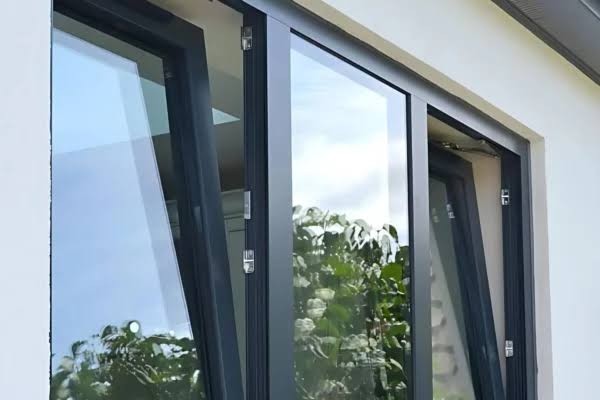
Aluminium windows are often a practical choice for modern homes because they offer attractive finishes, versatile designs and relatively low maintenance.
They are suitable for bedrooms, living rooms, kitchens and other residential spaces.
Steel may be selected where a specific architectural appearance or specialist structural requirement makes it appropriate.
Apartment Buildings
Aluminium windows are widely suited to apartments because they are available in different opening styles and can complement contemporary building designs.
Sliding windows can be particularly useful where external or internal space is limited.
Commercial Buildings
Both aluminium and steel windows can be used in commercial buildings.
Aluminium is suitable for many office, retail and mixed-use developments, while steel may be considered for specialist architectural or heavy-duty applications.
The choice should reflect the building’s appearance, security, performance and maintenance requirements.
Industrial Buildings
Steel windows may be appropriate for certain industrial buildings where robust frame construction is required.
Aluminium can also be suitable for offices, administrative areas and other spaces within industrial facilities.
The final specification should consider exposure conditions, safety, ventilation and the building’s operational requirements.
Hotels and Hospitality Facilities
Aluminium windows can complement modern hotel rooms, reception areas and hospitality buildings through their contemporary appearance and range of glazing options.
Steel can be used where a distinctive architectural design is required.
For both materials, comfort, sound insulation, security and weatherproofing should be considered carefully.
12. Environmental Considerations
Material selection also affects the environmental impact of a building.
Aluminium can be recycled repeatedly, although producing primary aluminium requires significant energy. Using recycled aluminium can reduce the environmental impact associated with new production.
Steel is also highly recyclable and has established recycling processes.
The environmental performance of either material depends on its source, recycled content, manufacturing process, transport, lifespan and end-of-life recovery.
For environmentally conscious building projects in Uganda, property owners can ask suppliers about material sourcing, recycled content, durability and responsible waste management.
13. Common Mistakes to Avoid When Choosing Window Materials
Before selecting aluminium or steel windows, avoid these common mistakes:
- Choosing based on price alone: Cheap windows may have unsuitable profiles, poor hardware or inadequate protective finishes.
- Ignoring corrosion protection: Steel frames require suitable protection, especially in areas exposed to moisture.
- Overlooking glass specifications: Glass must meet the required safety, comfort and performance needs.
- Using unsuitable window designs: The opening style should suit the room and available space.
- Ignoring security requirements: Consider the frame, glass, locks, hinges and installation together.
- Failing to check measurements: Incorrect measurements can cause fitting problems and additional expenses.
- Hiring inexperienced installers: Poor fabrication and installation can reduce the lifespan and performance of the windows.
- Ignoring maintenance: Both aluminium and steel windows require periodic inspection and cleaning.
14. How to Choose the Right Window Installer in Uganda
The quality of fabrication and installation is just as important as the material selected.
Before hiring an aluminium or steel window installer, consider the following:
Check the Supplier’s Experience and Workmanship
Ask to see examples of previous installations and assess the quality of the frames, joints, finishes and overall appearance.
Confirm Material Specifications
Request details about profile dimensions, glass specifications, surface finishes and hardware.
Ask About Installation Procedures
A professional installer should explain how the windows will be measured, fabricated, fixed, sealed and inspected.
Compare Detailed Quotations
Ensure that quotations clearly state what is included, such as frames, glass, accessories, finishing, transport and installation.
Discuss Maintenance and After-Sales Support
Ask about cleaning, maintenance, warranties where offered and procedures for addressing installation problems.
Why Consider Daltrev Co. Ltd for Aluminium Works in Uganda?
Choosing suitable window materials is an important part of achieving a well-finished building. The right aluminium window system should complement the architectural design while meeting the property’s functional requirements.
Daltrev Co. Ltd provides aluminium works and solutions for residential and commercial projects in Uganda, including aluminium fabrication and installation.
Whether you are constructing a modern home, renovating an existing property or developing a commercial building, Daltrev can discuss your aluminium works requirements and help you consider suitable designs and specifications.
You can explore the company’s aluminium and construction works or visit the Daltrev Co. Ltd website for more information.
For project enquiries and quotation requests, contact Daltrev through the official contact page.
Conclusion: Aluminium Windows vs Steel Windows – Which Is Better?
Both aluminium and steel windows offer important benefits, but the right choice depends on your building’s design, intended use, budget, security requirements and maintenance expectations.
Aluminium windows are generally a practical choice for modern residential and commercial buildings because they offer attractive designs, relatively low maintenance, corrosion resistance and flexibility in fabrication.
Steel windows are worth considering where high frame strength, stiffness or a specialist architectural specification is a priority. However, they require suitable corrosion protection and maintenance to preserve their condition.
For most modern homes in Uganda, aluminium windows are an excellent option to consider, provided the profiles, glass, hardware and installation are properly specified.
Before making your final decision, compare complete specifications and consult a professional window fabricator and installer.
Planning to install aluminium windows in your building? Contact Daltrev Co. Ltd to discuss your requirements and request a quotation.
Frequently Asked Questions
1. Are aluminium windows better than steel windows?
Aluminium windows are often better for modern homes where low maintenance, corrosion resistance and design flexibility are priorities. Steel windows may be more suitable where higher material strength or specialist fabrication is required.
2. Which is stronger, aluminium or steel windows?
Steel is generally stronger and stiffer than aluminium as a material. However, properly engineered aluminium window profiles can provide sufficient strength for many residential and commercial applications.
3. Which windows last longer, aluminium or steel?
Both can last for many years when properly manufactured and maintained. Aluminium generally has an advantage in routine corrosion resistance, while steel requires effective protective coatings and regular inspections.
4. Are aluminium windows cheaper than steel windows in Uganda?
The cost depends on profile specifications, dimensions, glass, hardware, fabrication, protective finishes and installation. A detailed quotation is necessary to compare the actual cost.
5. Do steel windows rust?
Yes. Steel can rust when exposed to moisture and oxygen without adequate corrosion protection. Appropriate coatings, galvanising where suitable and regular maintenance help reduce this risk.
6. Do aluminium windows rust?
Aluminium does not rust like iron or steel. However, it can corrode under certain conditions, so suitable surface finishes and proper installation remain important.
7. Which windows require less maintenance?
Aluminium windows generally require less maintenance because they do not need routine repainting for corrosion protection in the same way as conventional painted steel frames. Both systems still require cleaning and hardware inspections.
8. Are aluminium windows suitable for large glass panels?
Yes. Aluminium systems can be designed for large glazed openings, provided the profiles, glass, hardware and fixing methods are appropriately specified for the dimensions and loads.
9. Can steel and aluminium windows be used in the same building?
Yes. Different window materials can be used in one building where the architectural design, performance requirements and finishes are properly coordinated.
10. Which window material is best for a modern house in Uganda?
Aluminium is often a suitable choice for modern Ugandan homes because of its design flexibility, corrosion resistance and relatively low maintenance. However, the final choice should depend on the building’s requirements and the quality of the proposed window system.

