
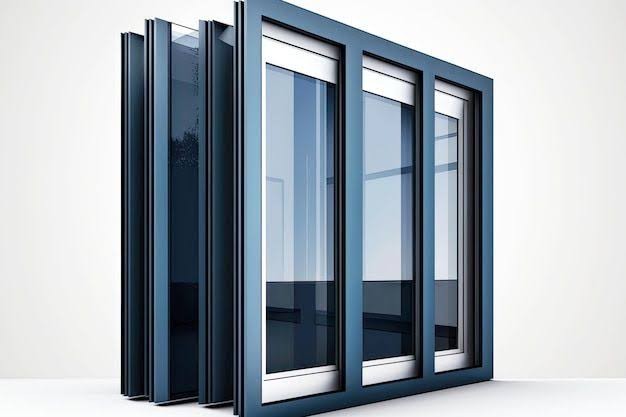
Are you planning to install aluminium windows in your home, apartment, office or commercial building in Uganda? One of the first questions you are likely to ask is: How much do aluminium windows cost in Uganda?
Aluminium windows are popular among Ugandan property owners because they offer a modern appearance, durability, design flexibility and relatively low maintenance requirements. They are available in different styles, sizes, colours and glass specifications, making them suitable for both residential and commercial construction projects.
However, aluminium window prices are not fixed. The final cost depends on the dimensions, aluminium profile quality, glass type, opening design, accessories, fabrication and installation requirements.
In Uganda, a small bathroom window will generally cost less than a large sliding window or a customised glass window for a modern living room. Similarly, standard aluminium profiles may cost less than premium systems with specialised hardware and glazing.
This guide explains the cost of aluminium windows in Uganda, the factors that influence prices, the different designs available and how to obtain an accurate quotation for your building project.
1. How Much Do Aluminium Windows Cost in Uganda?
The cost of aluminium windows in Uganda varies depending on the supplier, window dimensions, material specifications and whether the quotation includes glass, accessories and installation.
Published Ugandan construction-rate references and supplier listings show differing prices. Some construction estimates list standard aluminium windows at approximately UGX 180,000–210,000 per square metre, while other market references and supplier listings indicate prices around UGX 350,000–400,000 per square metre or more.
These figures should be treated as indicative market references, not guaranteed quotations. They may describe different window specifications and levels of supply or installation.
For initial budgeting, you should compare quotations based on the same profile, glass, hardware, finish and installation scope.
The following factors have a major influence on the final price:
- Aluminium profile type and quality.
- Window height and width.
- Sliding, casement, fixed or louvre design.
- Glass thickness and specification.
- Number of opening panels.
- Powder-coated or anodised finish.
- Handles, hinges, rollers and locking systems.
- Mosquito nets and security features.
- Fabrication and installation costs.
- Transport and site accessibility.
Important: Always request a quotation based on actual measurements and a clearly stated specification. A price quoted without these details may not represent the final cost of your windows.
2. Aluminium Window Prices According to Window Design
Different aluminium window designs require different profiles, hardware and fabrication processes. Understanding the available options helps you choose a suitable window for each room.
A. Aluminium Sliding Windows
<image_placeholder/>
Aluminium sliding windows are among the popular choices for modern residential and commercial buildings in Uganda.
They operate horizontally along tracks, allowing one or more panels to slide open. Because they do not swing into or out of a room, they are suitable for spaces where clearance is limited.
They are commonly installed in:
- Living rooms.
- Bedrooms.
- Apartments.
- Office spaces.
- Dining areas.
- Modern residential buildings.
The price depends on the dimensions, number of sliding panels, profile system, glass and quality of rollers and locks.
Larger sliding windows and multi-panel configurations generally require more materials and specialised hardware.
B. Aluminium Casement Windows
<image_placeholder/>
Casement windows are attached to hinges and open outward or inward, depending on their design.
They are useful where homeowners want controlled ventilation and convenient access for cleaning, depending on the installation.
Common applications include bedrooms, living rooms and other residential spaces.
The cost depends on the frame dimensions, hinge specifications, opening mechanism, glass and locking system.
C. Aluminium Top-Hung Windows
<image_placeholder/>
Top-hung aluminium windows are hinged at the top and open outward from the bottom.
They are suitable for spaces where ventilation is required while providing some protection against direct rain entry when correctly designed and installed.
They are commonly used in bathrooms, kitchens, staircases and selected residential spaces.
Their price depends on the opening size, profile, glass and hardware.
D. Aluminium Fixed Windows
<image_placeholder/>
Fixed aluminium windows do not open. They are designed to provide natural light and outdoor views.
They are suitable for:
- Staircases.
- Feature walls.
- Living rooms.
- Reception areas.
- Commercial buildings.
- Large glazed architectural openings.
Since fixed windows do not require opening mechanisms, their hardware requirements may be simpler. However, large fixed glass panels may require stronger profiles, specialised glazing and appropriate structural support.
E. Aluminium Louver Windows
<image_placeholder/>
Aluminium louvre windows use adjustable blades to regulate airflow.
They are commonly installed in bathrooms, kitchens, utility rooms and other areas where ventilation is important.
Their cost depends on the frame size, number of blades, glass or louvre material and operating mechanism.
F. Aluminium French Windows
<image_placeholder/>
Aluminium French windows generally feature two hinged panels that open from the centre.
They are suitable for balconies, patios, terraces and entrances connecting indoor spaces with outdoor areas.
The final cost depends on the size, profile strength, glass, hinges, handles and locking arrangements.
3. Factors That Determine Aluminium Window Prices in Uganda
If you receive different quotations from aluminium fabricators, the difference may be caused by variations in materials, design and workmanship.
Below are the most important factors that affect aluminium window costs.
3.1 Quality of Aluminium Profiles
The aluminium profile is one of the main components of a window.
Profiles are available in different designs, dimensions, wall thicknesses and quality grades. Their suitability depends on the window size, glazing weight, expected loads and intended use.
Higher-specification systems may cost more because they can require more material, specialised components or particular manufacturing processes.
Before purchasing, ask the supplier to specify the profile system and its dimensions instead of relying only on descriptions such as standard, heavy-duty or premium.
3.2 Size of the Window
Window dimensions directly affect the quantity of aluminium, glass and accessories required.
A small bathroom window will generally cost less than a large living-room window because it requires fewer materials.
For example, consider a window measuring:
- Width: 1.2 metres.
- Height: 1.5 metres.
Its approximate area is:
1.2 × 1.5 = 1.8 square metres.
If a supplier quotes by square metre, the estimated price can be calculated by multiplying the measured area by the supplier’s applicable rate.
However, the final quotation may also include minimum fabrication charges, hardware, transport and installation.
3.3 Type and Thickness of Glass
Glass selection is another important cost factor.
Aluminium windows can accommodate different glazing options depending on the window system and project requirements.
Common options include:
Clear glass: Allows natural light and visibility. It is commonly used in residential buildings.
Tinted glass: Helps reduce glare and solar transmission depending on the specification.
Reflective glass: Provides a reflective appearance and can help manage solar gain.
Toughened glass: A type of safety glass designed to withstand greater impact than ordinary annealed glass of comparable thickness. It breaks into smaller pieces when fractured.
Laminated glass: Consists of bonded glass layers with an interlayer that helps hold fragments together when the glass breaks.
Double glazing: Uses two glass panes separated by a sealed cavity. It can improve thermal and acoustic performance when properly specified.
The best glass depends on the window dimensions, safety requirements, sunlight exposure, privacy and intended use.
3.4 Window Design and Opening Mechanism
Different window designs require different fabrication processes and accessories.
For example:
- Sliding windows require tracks, rollers and appropriate locking systems.
- Casement windows require hinges, handles and suitable locks.
- Top-hung windows require appropriate hinges and opening hardware.
- Fixed windows have no opening mechanism.
- Louvre windows require blades and operating components.
The complexity of the design can influence the final quotation.
3.5 Aluminium Frame Colour and Finish
Aluminium window frames are available in different colours and surface finishes.
Common options include:
- Black.
- White.
- Grey.
- Bronze.
- Natural aluminium finishes.
- Other customised powder-coated colours.
The cost depends on the finishing process, colour availability and supplier specifications.
3.6 Accessories and Hardware
Accessories contribute to the functionality and security of aluminium windows.
These may include:
- Window handles.
- Hinges.
- Sliding rollers.
- Locking mechanisms.
- Rubber gaskets.
- Weather seals.
- Mosquito nets.
- Drainage components.
Using suitable quality hardware helps ensure smooth operation and reliable performance.
3.7 Fabrication and Installation
Aluminium windows must be accurately measured, fabricated and installed.
The installation cost may depend on:
- Number of windows.
- Window dimensions.
- Complexity of the design.
- Accessibility of the building.
- Condition of existing openings.
- Height of installation.
- Sealing and finishing requirements.
- Distance between the supplier and project site.
For this reason, a quotation for supplying window frames alone should not automatically be compared with one that includes glass, accessories and complete installation.
4. Estimated Cost of Aluminium Windows for Different Buildings
The number, size and design of windows vary depending on the type of building.
Aluminium Windows for a Three-Bedroom House
A three-bedroom house may require aluminium windows for bedrooms, a living room, kitchen, bathrooms and other spaces.
The overall budget depends on the number of openings, their dimensions and the selected specifications.
Homeowners should prepare a window schedule showing the location, width, height, design and glass requirements for each opening.
Aluminium Windows for a Four-Bedroom House
A four-bedroom house may require more windows or larger glazed openings than a smaller property.
The final cost can increase where the design includes large living-room windows, balcony doors, specialised glazing or customised finishes.
Aluminium Windows for Apartments
Apartment developments may require several similar windows across multiple units.
Using consistent designs and standardised dimensions can help simplify fabrication and installation planning.
Developers should also consider ventilation, privacy, security and maintenance access.
Aluminium Windows for Commercial Buildings
Offices, hotels, shopping complexes and other commercial buildings may require larger or more specialised aluminium window systems.
Their specifications may include larger glazed panels, particular safety-glazing requirements, improved acoustic performance or specialised façade systems.
Commercial window quotations should be prepared from approved architectural drawings and detailed specifications.
5. How to Calculate the Cost of Aluminium Windows
One practical way to estimate window costs is to calculate the area of each window.
The basic formula is:
Window area = Width × Height
For example:
A window measuring 1.5 metres wide and 1.2 metres high has an area of:
1.5 × 1.2 = 1.8 square metres.
If the supplier’s quoted rate is UGX 300,000 per square metre, the basic area-based estimate would be:
1.8 × UGX 300,000 = UGX 540,000.
This is an illustration of the calculation method, not a current Daltrev price or a guaranteed market quotation.
The final amount may differ depending on the window design, glass, profile, hardware, fabrication charges and installation.
For several windows, calculate each opening separately and add the resulting estimates.
Remember that some suppliers quote per window rather than per square metre. Always confirm the pricing method before comparing quotations.
6. Aluminium Windows vs Other Window Materials: Which Is More Cost-Effective?
When choosing windows, aluminium is not the only available option. Other materials include steel and timber.
Aluminium Windows vs Steel Windows
Aluminium windows are generally lightweight, corrosion-resistant and relatively easy to maintain.
Steel windows offer high strength and stiffness but require suitable corrosion protection to reduce rust.
For many modern residential buildings, aluminium provides a practical combination of appearance, maintenance and design flexibility.
Read more: Aluminium Windows vs Steel Windows: Which Is Better for Your Building?
Aluminium Windows vs Wooden Windows
Wooden windows offer a natural appearance and can complement traditional architectural styles.
However, timber may require more frequent treatment, painting and maintenance to protect it from moisture, termites and deterioration.
Aluminium windows do not rot or attract termites, making them an attractive option for property owners seeking lower routine maintenance.
Which Is More Cost-Effective?
The most cost-effective window material depends on the initial purchase price, expected maintenance, durability, design requirements and performance.
A lower initial price does not always mean a lower long-term cost.
Homeowners should compare the complete product specification and consider maintenance requirements over the expected service life of the building.
7. Benefits of Installing Aluminium Windows in Uganda
Aluminium windows offer several advantages that make them suitable for residential and commercial buildings.
7.1 Durability
Aluminium is a strong material that performs well in many building applications when the correct profiles and finishes are selected.
7.2 Low Maintenance
Aluminium windows generally require less intensive maintenance than conventional timber or painted steel frames.
7.3 Modern Appearance
Their clean lines and different finishes complement contemporary architectural designs.
7.4 Resistance to Termites and Rot
Aluminium does not rot like timber and is not damaged by termites.
7.5 Design Flexibility
Aluminium profiles can be fabricated into sliding, casement, fixed, top-hung and louvre window systems.
7.6 Natural Lighting
Large glazed aluminium window systems can help introduce natural light into interior spaces.
7.7 Compatibility with Different Glass Types
Aluminium windows can be designed to accommodate clear, tinted, toughened, laminated and double-glazed glass where the selected system supports the specification.
8. How to Choose Affordable but Quality Aluminium Windows
Finding affordable aluminium windows does not mean choosing the cheapest supplier.
A good purchasing decision should balance price, materials, workmanship and long-term performance.
Consider the following recommendations:
Compare Several Quotations
Request quotations from different suppliers and compare the specifications carefully.
Check Aluminium Profile Specifications
Ask about the profile system, dimensions and suitability for the size of your windows.
Select Suitable Glass
Choose glass according to the safety, privacy, lighting and comfort requirements of each room.
Inspect the Hardware
Check the quality of rollers, hinges, handles and locking mechanisms.
Confirm What the Price Includes
Find out whether the quotation includes fabrication, glass, accessories, transport, installation and sealing.
Request Examples of Previous Work
Inspect completed installations or photographs that demonstrate the supplier’s workmanship.
Ask About Warranty and After-Sales Support
Confirm what warranty is offered, which components it covers and how installation issues are handled.
9. Common Mistakes to Avoid When Buying Aluminium Windows
Property owners can avoid unnecessary expenses by watching out for the following mistakes:
- Choosing windows based only on price: Very low quotations may exclude important components or use unsuitable specifications.
- Ignoring profile quality: The frame must be suitable for the size and design of the window.
- Selecting unsuitable glass: Glass should meet the safety and performance requirements of its location.
- Using inaccurate measurements: Incorrect measurements can cause fitting problems and additional costs.
- Ignoring hardware quality: Poor rollers, hinges and locks can affect operation and security.
- Failing to consider weatherproofing: Poor sealing and drainage can allow water to enter the building.
- Hiring unqualified installers: Poor installation can affect alignment, operation and durability.
- Not checking the completed work: Windows should be tested for smooth operation, proper locking and adequate sealing.
10. The Process of Ordering and Installing Aluminium Windows
A professional aluminium window project involves several important stages.
Step 1: Initial Consultation
Discuss the number of windows, preferred designs, approximate sizes, budget and project requirements.
Step 2: Site Measurement
The window openings are measured to establish accurate dimensions. Existing walls and openings should also be inspected.
Step 3: Window Design and Specification
Select the appropriate window styles, aluminium profiles, glass types, colours and accessories.
Step 4: Quotation and Approval
The supplier prepares a quotation based on the agreed specifications. Review what is included before approving the order.
Step 5: Fabrication
The aluminium profiles are cut and assembled according to the approved measurements and designs.
Step 6: Installation
The completed window units are positioned, aligned and fixed using suitable installation methods.
Step 7: Sealing and Finishing
Appropriate seals and weatherproofing materials are applied to help prevent water and air infiltration.
Step 8: Final Inspection
Each window should be checked to confirm that it opens, closes and locks properly. The frames, glazing, seals and drainage should also be inspected.
11. Why Choose Daltrev Co. Ltd for Aluminium Works in Uganda?
The quality of aluminium windows depends on the materials used, fabrication accuracy, glass specifications and installation workmanship.
Daltrev Co. Ltd provides aluminium works and solutions for residential and commercial projects in Uganda, including aluminium fabrication and installation.
Whether you are constructing a new house, renovating an existing property, developing apartments or planning a commercial building, Daltrev can discuss your aluminium works requirements.
When requesting a quotation, prepare the following information:
- Number of windows required.
- Approximate width and height of each opening.
- Preferred window designs.
- Preferred frame colours.
- Glass specifications, if already selected.
- Project location.
- Whether installation is required.
This information helps establish the scope of work and makes it easier to prepare a quotation suited to your project.
Visit the Daltrev Co. Ltd website to learn more about the company’s services, explore its works and projects or contact the team for aluminium window enquiries.
Conclusion: Get the Right Aluminium Windows for Your Budget
The cost of aluminium windows in Uganda depends on several factors, including dimensions, profile quality, glass specifications, opening design, accessories, fabrication and installation.
Although published market references can help with initial budgeting, the most reliable way to establish your actual project cost is to obtain a detailed quotation based on accurate measurements and agreed specifications.
When choosing aluminium windows, do not focus on the purchase price alone. Consider durability, security, appearance, maintenance and the quality of installation.
If you are planning to install aluminium windows in your home, apartment or commercial building, contact Daltrev Co. Ltd to discuss your requirements and request a quotation for your project.
Frequently Asked Questions About Aluminium Window Prices in Uganda
1. How much does one aluminium window cost in Uganda?
The price depends on the window’s size, design, profile, glass and hardware. Some suppliers quote per square metre, while others quote per complete window. Request a quotation based on actual measurements for an accurate price.
2. What is the price of aluminium windows per square metre in Uganda?
Published Ugandan references show different indicative rates, ranging from approximately UGX 180,000–210,000 per square metre in some construction-rate estimates to around UGX 350,000–400,000 per square metre in other market references. These are not directly comparable quotations because specifications and included services may differ.
3. Are aluminium sliding windows expensive?
Sliding window prices depend on the dimensions, number of panels, profile system, glass and quality of rollers and locking mechanisms. Larger or customised sliding systems generally require a higher budget.
4. Which aluminium window design is cheapest?
There is no universal cheapest design. Fixed windows may have simpler hardware requirements, while sliding, casement and louvre windows require different components. The final price depends on the size, profile and glass specification.
5. Are aluminium windows suitable for houses in Uganda?
Yes. Aluminium windows are suitable for many Ugandan residential buildings because they offer durability, relatively low maintenance and different design options. Proper finishes, weather seals, drainage and installation are important.
6. Are aluminium windows better than steel windows?
Aluminium windows are generally preferred where low maintenance, corrosion resistance and modern design flexibility are priorities. Steel offers greater material strength and stiffness but requires suitable corrosion protection.
7. Do aluminium windows come with glass?
Many aluminium window quotations include glass, but this is not always the case. Confirm whether the price covers frames only or includes glass, hardware, accessories and installation.
8. Does the size of a window affect its price?
Yes. Larger windows generally require more aluminium and glass. They may also require stronger profiles, specialised hardware and additional installation work.
9. How can I reduce the cost of aluminium windows?
You can manage costs by standardising window sizes, selecting practical designs, comparing detailed quotations and choosing suitable rather than unnecessarily expensive specifications. Do not compromise on essential safety, hardware or installation requirements.
10. Where can I get aluminium windows in Uganda?
You can contact aluminium fabrication and installation companies such as Daltrev Co. Ltd to discuss your preferred designs, measurements and project requirements. Visit https://www.daltrevco.com/ for more information.
11. How do I get an accurate aluminium window quotation?
Prepare a schedule showing the number, width, height and preferred design of each window. Include your preferred glass, colour and hardware specifications, and state whether installation is required. A supplier can then assess the requirements and prepare a more accurate quotation.

