
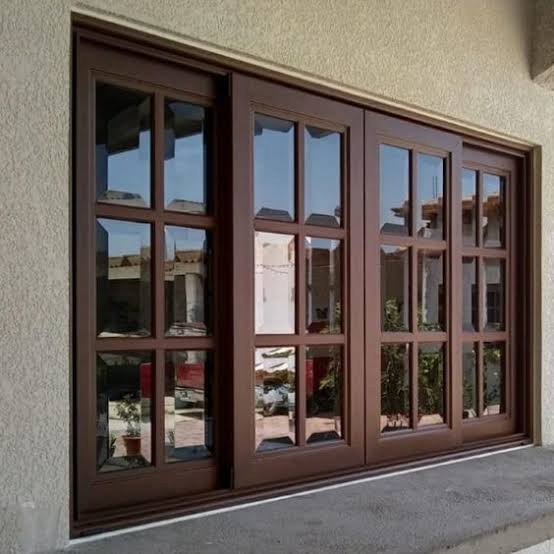
A commercial building’s entrance is one of its most important architectural features. It creates the first impression visitors have of a business while providing security, convenient access, natural lighting and protection from weather. Whether you are developing an office block, shopping mall, hotel, hospital, restaurant, showroom or retail centre, choosing the right entrance door can significantly improve the appearance and functionality of your property.
Aluminium entrance doors are among the practical choices for modern commercial buildings in Uganda. They offer a contemporary appearance, design flexibility, durability and compatibility with different glazing options. They can also be customised to suit busy entrances that experience frequent daily use.
However, not every aluminium door is suitable for every commercial property. The right choice depends on the building’s design, expected foot traffic, security requirements, accessibility, ventilation needs and budget.
This guide explores the best aluminium entrance door designs for modern commercial buildings, their benefits, available options, selection factors, installation considerations and estimated cost factors in Uganda.
1. Why Choose Aluminium Entrance Doors for Commercial Buildings?
Aluminium entrance doors combine modern architectural appearance with practical performance. They are suitable for commercial properties where doors must support regular use while maintaining an attractive finish.
Some of their key benefits include:
Durability and Long-Term Performance
Aluminium is a durable material that does not rot like timber and is not affected by termite damage. With suitable profiles, finishes, hardware and maintenance, aluminium entrance doors can provide reliable service in commercial environments.
This makes them a practical option for office buildings, shopping centres, hotels and other properties with frequent entrance activity.
Modern and Professional Appearance
Aluminium doors can be designed with slim frames, large glass panels, different finishes and contemporary configurations. These features help create an attractive entrance that complements modern commercial architecture.
Businesses can select finishes that match their corporate colours, building façade and interior design.
Natural Lighting
Aluminium-framed glass entrance doors allow daylight into reception areas, corridors and entrance lobbies. This can create a brighter and more welcoming environment.
The amount of natural light depends on the size of the glazed area, glass specification, building orientation and shading design.
Design Flexibility
Aluminium entrance doors are available in several configurations, including single-leaf hinged doors, double-leaf doors, pivot doors and sliding systems.
They can also be combined with fixed glass panels, side lights and top lights to create larger entrance arrangements.
Relatively Easy Maintenance
Aluminium frames generally require routine cleaning and inspection rather than extensive maintenance. Hinges, rollers, locks, handles, seals and other moving components should be checked regularly, especially in busy commercial buildings.
2. Best Aluminium Entrance Door Designs for Modern Commercial Buildings
Different commercial buildings require different entrance solutions. Below are some of the most suitable aluminium entrance door designs to consider.
A. Aluminium Glass Double Doors
Aluminium glass double doors feature two opening door leaves within an aluminium frame. They are suitable for buildings that require a wide entrance and an impressive architectural appearance.
<Add suitable image: Modern aluminium-framed double glass entrance doors on an office building>
Best applications:
- Corporate office buildings
- Hotels and conference facilities
- Shopping centres
- Hospitals and private clinics
- Commercial reception areas
- Educational institutions
Key advantages:
- Provide a wider entrance opening when both leaves are open.
- Create an attractive and professional appearance.
- Allow natural light into the building.
- Can accommodate suitable access-control hardware.
- Can be designed with additional fixed glass panels.
When selecting double doors, consider how frequently both leaves will be used, the available opening space and the hardware needed to secure the inactive leaf.
B. Aluminium Automatic Sliding Doors
Automatic aluminium sliding doors are an excellent option for commercial properties with high visitor traffic. They open and close using an automated mechanism, allowing people to enter and exit without manually operating the door.
<Add suitable image: Automatic aluminium sliding glass entrance doors at a modern commercial building>
Best applications:
- Shopping malls
- Hospitals
- Airports and transport facilities
- Large office buildings
- Hotels
- Supermarkets
- Banks and customer service centres
Key advantages:
- Convenient hands-free access.
- Help manage movement through busy entrances.
- Create a modern commercial appearance.
- Can be integrated with suitable access-control systems.
- Do not require the same swinging clearance as hinged doors.
Automatic sliding doors require properly specified sensors, controls, safety features, motors and emergency operating arrangements. They should be installed and maintained by qualified technicians.
C. Aluminium Single-Hinged Entrance Doors
Single-hinged aluminium doors consist of one door leaf attached to a frame using hinges. They are a practical option for smaller commercial entrances and buildings with moderate foot traffic.
<Add suitable image: Modern single-leaf aluminium glass entrance door for a professional office>
Best applications:
- Small offices
- Retail shops
- Clinics
- Restaurants
- Professional service offices
- Commercial interior entrances
Key advantages:
- Simple and functional design.
- Suitable for a variety of building layouts.
- Available in different glazing and panel options.
- Can accommodate suitable locking systems.
- Generally straightforward to operate and maintain.
The door’s opening direction, clear opening width and surrounding circulation space should be planned before installation.
D. Aluminium Pivot Entrance Doors
Pivot doors rotate around a pivot mechanism positioned at the top and bottom of the door rather than using conventional side hinges.
They are popular in contemporary architectural designs because they can accommodate large door leaves and create distinctive entrances.
<Add suitable image: Oversized aluminium and glass pivot entrance door in a modern commercial building>
Best applications:
- Luxury hotels
- Corporate headquarters
- High-end office buildings
- Architectural showrooms
- Premium retail outlets
- Commercial reception lobbies
Key advantages:
- Distinctive modern appearance.
- Can accommodate large door designs when properly engineered.
- Create an impressive entrance feature.
- Can be combined with glass and other architectural materials.
Pivot doors require careful attention to door weight, dimensions, pivot hardware, structural support and operating clearance. Their suitability should be assessed by the designer and installer.
E. Aluminium-Framed Frameless-Style Glass Doors
Frameless-style glass doors use glass as the dominant visible element, with aluminium framing or compatible hardware selected according to the design.
They provide a clean, minimalist appearance and can make commercial entrances feel open and spacious.
<Add suitable image: Minimalist glass entrance door with subtle aluminium framing in a modern office>
Best applications:
- Office reception areas
- Retail shops
- Showrooms
- Hotels
- Modern restaurants
- Interior commercial partitions
Key advantages:
- Minimalist appearance.
- Good visibility between spaces.
- Supports modern interior design.
- Allows natural light to pass through.
- Can be paired with fixed glass partitions.
The glass must be selected for its intended application. Safety glazing, suitable thickness, edge protection and compatible fittings are important considerations.
F. Aluminium Double-Action Swing Doors
Double-action doors are designed to swing in both directions, depending on the selected hardware system. They can be useful in areas where people move frequently between adjoining spaces.
Best applications:
- Restaurants
- Hotels
- Commercial kitchens where suitable systems are specified
- Internal corridors
- Service areas
- Selected institutional buildings
The design should account for visibility, safe movement, door closers and the possibility of people approaching from opposite directions. They are not automatically suitable for every external entrance.
3. Aluminium Entrance Doors for Different Commercial Buildings
The best entrance door depends on the purpose and daily operations of the building.
| Commercial building | Suitable door options |
|---|---|
| Office buildings | Double glass doors, automatic sliding doors and single-hinged doors |
| Shopping malls | Automatic sliding doors and wide double-leaf entrances |
| Hotels | Pivot doors, double glass doors and automatic sliding systems |
| Hospitals | Automatic sliding doors and suitably designed accessible entrances |
| Banks | Secure hinged or sliding doors with compatible access-control systems |
| Restaurants | Hinged glass doors and selected double-action doors |
| Showrooms | Large glass pivot doors and aluminium-framed glass entrances |
| Retail shops | Single-hinged doors and sliding glass doors |
The final selection should consider building occupancy, security, accessibility, fire safety, available space and expected traffic.
4. Important Features to Consider When Choosing Aluminium Commercial Entrance Doors
Choosing a door based only on appearance can lead to problems during daily operation. Consider the following features before purchasing or installing an aluminium entrance door.
4.1 Quality of Aluminium Profiles
The aluminium profile forms the structural frame of the door. Its suitability depends on the door size, configuration, expected use, wind exposure, hardware and design requirements.
Before approving a door system, ask about:
- Profile specifications and material quality.
- Suitability for the intended door dimensions.
- Frame strength and reinforcement requirements.
- Finish quality.
- Compatibility with the selected glass and hardware.
Avoid choosing profiles based only on their external appearance.
4.2 Glass Type and Safety
Glass is an important part of many modern aluminium entrance doors. Since commercial entrances are used by employees, customers and visitors, the glass specification should be appropriate for the location and potential impact risks.
Possible glazing options include:
- Toughened safety glass: Heat-treated glass designed to have greater resistance to impact and thermal stress than ordinary annealed glass.
- Laminated safety glass: Glass made with an interlayer that helps hold fragments together if the glass breaks.
- Insulated glazing units: Multiple panes separated by a sealed space, where improved thermal performance is required.
- Tinted or solar-control glass: Options that can help manage glare and solar heat gain when properly specified.
The correct glass depends on the building design, door location, safety requirements and applicable standards.
4.3 Security and Locking Systems
Commercial entrance doors should provide an appropriate level of security. Consider the building’s location, operating hours, type of business and security arrangements.
Useful options may include:
- Multipoint locking systems where compatible.
- High-quality deadlocks.
- Heavy-duty hinges.
- Reinforced locking areas.
- Electronic access-control systems.
- Compatible door closers and controlled entry hardware.
For banks, offices and other security-sensitive facilities, the entrance door should be coordinated with the overall security design.
4.4 Door Handles and Hardware
Handles, hinges, locks, rollers and closers affect the daily performance of a commercial entrance.
For busy entrances, choose hardware designed for the expected operating frequency and door weight. Hardware should also be compatible with the selected aluminium profile and glazing system.
4.5 Weather Resistance
External commercial doors must be designed to manage rainwater, dust and changing weather conditions.
Important details include:
- Suitable weather seals.
- Correct frame installation.
- Proper sill and threshold detailing.
- Drainage provisions where required.
- Appropriate glass and frame compatibility.
- Careful sealing around the perimeter.
Poor installation can allow water to enter even when quality aluminium materials are used.
4.6 Accessibility and Ease of Movement
Commercial buildings should provide convenient access for different users, including persons with disabilities.
Consider:
- Adequate clear opening width.
- Level entrance routes where possible.
- Suitable ramps where level changes cannot be avoided.
- Sufficient manoeuvring space.
- Easy-to-operate handles and controls.
- Thresholds that do not create unnecessary obstacles.
Automatic doors may be helpful in high-traffic buildings, but their controls, safety sensors and emergency operation must be properly designed.
4.7 Fire Safety and Emergency Exit Requirements
A commercial entrance may also form part of a building’s escape route. Door selection must therefore consider the approved fire-safety strategy.
Depending on the building and door location, requirements may include:
- Suitable escape-route door arrangements.
- Correct opening direction.
- Approved panic or emergency exit hardware.
- Appropriate fire-rated doorsets where specified.
- Clear and unobstructed exit routes.
Ordinary aluminium-framed glass doors should not be assumed to be fire-rated. Where fire resistance is required, specify a tested and approved complete doorset suitable for the required rating.
5. How Much Do Aluminium Entrance Doors Cost in Uganda?
The cost of aluminium entrance doors in Uganda varies depending on the size, design, aluminium profile, glass specification, hardware, finishing and installation requirements.
A simple single-leaf entrance door will generally have a different cost from a large automatic sliding entrance or an oversized pivot door.
The main factors affecting the cost include:
1. Door dimensions: Larger doors require more aluminium, glass and supporting hardware.
2. Aluminium profile specification: Profile design, material quality, finish and reinforcement requirements affect the overall price.
3. Glass type: Standard glazing, toughened glass, laminated safety glass and specialised glazing have different costs.
4. Door configuration: Single-hinged, double-leaf, pivot and automatic sliding systems require different components and installation methods.
5. Hardware and security: Locks, handles, hinges, rollers, closers, sensors and access-control systems influence the final quotation.
6. Installation complexity: Difficult openings, structural modifications, high-level work and site access can increase installation costs.
7. Additional features: Side lights, top lights, decorative panels, special finishes and customised designs can affect the budget.
How to Get an Accurate Aluminium Door Quotation
When requesting a quotation, provide the contractor or supplier with:
- The building location.
- Door opening measurements.
- Preferred door design.
- Glass and aluminium finish preferences.
- Security and access-control requirements.
- Any accessibility or fire-safety specifications.
- Installation requirements and project timeline.
Request an itemised quotation that separates materials, fabrication, hardware, transport and installation where applicable. This makes it easier to compare quotations on an equivalent specification.
6. Aluminium Entrance Door Installation Process
Professional installation is essential for ensuring that a commercial entrance door operates correctly and fits the building opening.
A typical installation process includes the following stages.
Step 1: Site Inspection and Measurements
The installer examines the entrance opening, checks the surrounding structure and takes accurate measurements.
The inspection should identify floor levels, wall conditions, available clearance and any special installation requirements.
Step 2: Design and Specification
The door design is selected according to the building’s architectural style, intended use, security needs and traffic levels.
The specifications should cover the aluminium profiles, glass, hardware, finish and opening arrangement.
Step 3: Fabrication
The aluminium components are measured, cut, assembled and prepared according to the approved design.
Glass and hardware should be selected to match the intended door system.
Step 4: Frame Installation
The aluminium frame is positioned, aligned and securely fixed to the building structure using suitable installation methods.
Correct alignment is essential for smooth door operation.
Step 5: Door Leaf and Glass Installation
The door leaf, glazing and required hardware are installed according to the system specifications.
Care should be taken to protect glass edges and ensure that all components are properly supported.
Step 6: Testing and Adjustments
The completed entrance is inspected and tested. Checks should include:
- Smooth opening and closing.
- Correct alignment.
- Locking performance.
- Door closer operation where fitted.
- Seal and weather protection.
- Automatic sensor and safety operation where applicable.
Step 7: Handover and Maintenance Guidance
The client should receive basic instructions on operating and maintaining the entrance door. Any special maintenance requirements for automatic systems should also be explained.
7. Common Mistakes to Avoid When Installing Commercial Aluminium Entrance Doors
Even an attractive door can become a problem if it is poorly selected or installed.
Avoid these common mistakes:
Choosing a door based only on appearance: A design that looks attractive may not be suitable for the expected traffic or security requirements.
Using unsuitable aluminium profiles: The frame must be appropriate for the door size, configuration and operating conditions.
Ignoring safety glazing: Glass used in entrance areas should be selected according to its intended application and relevant safety requirements.
Installing poor-quality hardware: Low-quality hinges, locks and rollers can wear out quickly under frequent use.
Overlooking accessibility: Entrances should provide convenient access and sufficient manoeuvring space for users.
Ignoring fire and emergency exit requirements: Entrance and escape doors must be coordinated with the building’s approved fire-safety design.
Poor measurement and alignment: Incorrect measurements can cause gaps, difficult operation and premature hardware wear.
Neglecting maintenance: Regular inspection helps identify loose fittings, damaged seals, worn rollers and locking problems before they become serious.
8. Aluminium Entrance Doors and Building Standards in Uganda
Commercial building entrance doors should be selected and installed with consideration for relevant Ugandan building requirements and applicable standards.
Important references include:
- National Building (Building Standards) Code, 2019: Provides building requirements, including provisions relevant to building openings, glazing and energy performance.
- Uganda Standard US 1981:2020 – Alloy Aluminium Door Sets and Windows – Specification: Covers the design, construction and performance of specified aluminium windows and external pedestrian door sets. The UNBS Webstore lists this standard as voluntary; confirm its current status and applicability for the project.
- Building Control Act, 2013 and applicable regulations: Provide the broader framework for building control and safe building development.
- Accessibility requirements: Commercial buildings should be planned to support access and movement for persons with disabilities.
- Fire-safety requirements: Door arrangements should comply with the approved building fire-safety and escape strategy.
Requirements can differ depending on the building’s use, size, location and design. Developers should consult their architect, building professionals and relevant local authority before finalising entrance specifications.
9. How to Choose the Right Aluminium Door Contractor in Uganda
The quality of the final entrance depends on both the materials and the installation. Before selecting a contractor, consider the following:
- Relevant technical knowledge: Choose a provider who understands aluminium door systems, glazing, hardware and installation requirements.
- Clear product specifications: Ask for details about the aluminium profiles, glass, locks, hinges and other components.
- Accurate measurements: The contractor should inspect the site and confirm dimensions before fabrication.
- Suitable installation methods: Frames should be properly aligned, fixed and sealed.
- Attention to safety: The proposed design should account for glazing safety, accessibility, security and fire requirements.
- Transparent quotations: Ensure the quotation explains the materials, fabrication, hardware and installation scope.
- Maintenance support: Ask about maintenance requirements and support for specialised systems such as automatic sliding doors.
Do not compare contractors on price alone. Consider the complete specification, workmanship, suitability and long-term performance.
10. Why Consider Daltrev Co. Ltd for Aluminium Works in Uganda?
Choosing suitable aluminium doors is an important part of creating a modern, functional and professional commercial building.
Daltrev Co. Ltd provides aluminium fabrication and installation solutions for residential and commercial projects across Uganda. The company focuses on practical aluminium solutions, modern designs and quality finishes to support different building requirements.
Whether you are planning a new commercial development, upgrading an existing entrance or improving the appearance of an office or retail property, discuss your project requirements with Daltrev Co. Ltd.
For more information, visit the Daltrev Co. Ltd website or explore its construction works and services.
Contact Daltrev Co. Ltd
- Phone: +256 744 702 773
- Email: daltrevco@gmail.com
- Location: Kampala, Uganda
- Website: https://www.daltrevco.com/
Request a quotation and provide your preferred door design, measurements, building location and installation requirements.
11. Frequently Asked Questions About Aluminium Entrance Doors for Commercial Buildings
1. Which aluminium entrance door is best for a commercial building?
The best option depends on the building’s purpose and expected traffic. Automatic sliding doors are suitable for many busy entrances, while double-leaf hinged doors, pivot doors and single-hinged doors can suit different architectural and operational requirements.
2. Are aluminium glass doors suitable for office buildings?
Yes. Aluminium-framed glass doors are suitable for many office buildings because they provide a modern appearance, allow natural light and can be configured with appropriate locking and access-control systems.
3. Are automatic aluminium sliding doors suitable for shopping malls?
Yes. Automatic sliding doors are commonly considered for shopping malls because they support convenient movement through busy entrances. The system should have suitable sensors, safety features, emergency operation and maintenance arrangements.
4. Are aluminium entrance doors secure?
They can provide suitable security when designed with appropriate profiles, glazing, locks, hinges, frames and access-control systems. Security depends on the complete door system and its installation, not just the aluminium material.
5. Can aluminium entrance doors be customised?
Yes. Aluminium entrance doors can be customised in terms of dimensions, configurations, finishes, glazing, handles and other hardware to suit the building’s architectural design and functional needs.
6. What glass is suitable for commercial aluminium entrance doors?
Toughened and laminated safety glass are among the options considered for commercial entrance applications. The correct specification depends on the door location, impact risks, safety requirements and applicable building standards.
7. How long do aluminium entrance doors last?
Their service life depends on the quality of the profiles, glass, hardware, installation, exposure conditions and maintenance. Regular inspection and timely replacement of worn components help maintain performance.
8. How much do aluminium entrance doors cost in Uganda?
There is no single price for all aluminium entrance doors. The cost depends on dimensions, door design, aluminium profiles, glass type, hardware, security features and installation complexity. A site assessment and detailed quotation provide a more reliable estimate.
9. Can aluminium entrance doors be used in hotels and hospitals?
Yes. Different aluminium door configurations can be used in hotels and hospitals. However, the design must meet the specific requirements for accessibility, visitor movement, hygiene, security and fire safety.
10. Where can I get aluminium entrance doors in Uganda?
Daltrev Co. Ltd provides aluminium fabrication and installation solutions for residential and commercial projects across Uganda. Contact the company to discuss your entrance design and project requirements.
Conclusion
Choosing the best aluminium entrance doors for modern commercial buildings requires more than selecting an attractive design. Property developers and business owners should consider durability, security, accessibility, glass safety, weather protection, daily traffic and installation quality.
Aluminium double doors, automatic sliding doors, single-hinged doors, pivot doors and minimalist glass entrance systems all offer different benefits. The right option is the one that matches the building’s purpose, architectural design and operational requirements.
For aluminium fabrication and installation solutions in Uganda, contact Daltrev Co. Ltd to discuss your commercial building entrance requirements and request a quotation.
Daltrev Co. Ltd – Build for Legacy.

