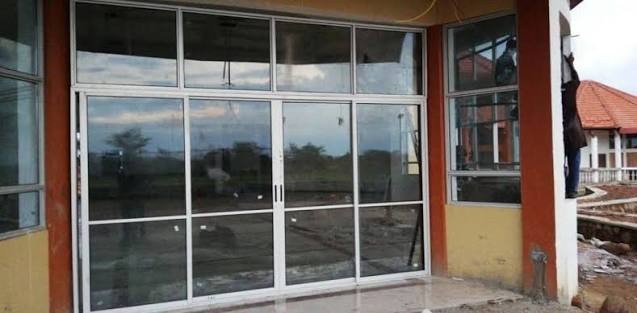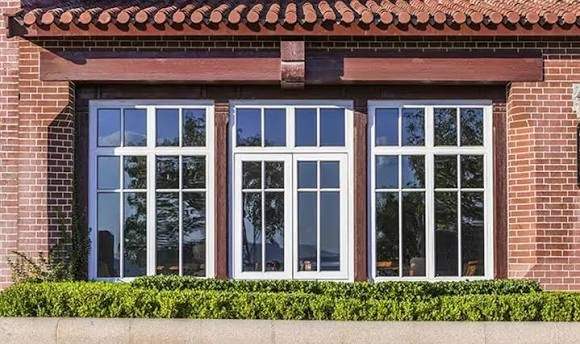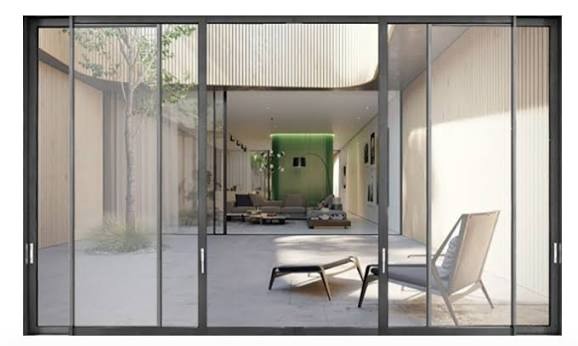
Frameless glass doors have become a popular feature in modern architecture because of their elegant appearance, natural lighting and ability to create open, sophisticated spaces. Whether installed in a contemporary home, office, hotel, restaurant, shopping centre or showroom, frameless glass doors provide a stylish alternative to traditional framed door systems.
In Uganda, homeowners and commercial property developers are increasingly incorporating glass installations into modern building designs. From frameless shower doors and interior glass partitions to commercial entrance doors and office meeting rooms, these installations offer flexibility for different architectural requirements.
Unlike conventional doors with visible frames surrounding the glass panels, frameless glass doors use specially designed glass panels supported by carefully selected hinges, handles, clamps and other hardware. This creates a clean appearance with minimal visible framing.
However, choosing the right frameless glass door involves more than selecting an attractive design. Glass thickness, safety specifications, door dimensions, hardware quality, installation techniques and the intended application all influence the final result.
This guide explores frameless glass doors for modern homes and commercial buildings in Uganda, including their benefits, types, applications, costs, installation process and maintenance requirements.
What Are Frameless Glass Doors?
Frameless glass doors are doors made primarily from glass panels without the conventional aluminium or timber frame surrounding the entire panel.
Instead of relying on a full perimeter frame, these doors use specialised hardware such as hinges, floor springs, patch fittings, handles and clamps to support and operate the glass.
The glass panels are manufactured to the required dimensions and processed to accommodate the selected fittings.
Frameless glass doors are commonly made using appropriately specified toughened or laminated safety glass, depending on the application and design requirements.
They are available in different styles, including hinged, pivot, sliding and folding configurations.
Their minimal design makes them suitable for residential and commercial environments where transparency, natural light and contemporary appearance are important.
Benefits of Installing Frameless Glass Doors
Frameless glass doors offer several advantages when correctly designed and installed.
1. Modern and Elegant Appearance
One of the biggest reasons property owners choose frameless glass doors is their contemporary appearance.
The absence of bulky surrounding frames creates clean architectural lines and a minimalist finish.
They complement modern houses, luxury apartments, hotels, office buildings, restaurants and commercial showrooms.
2. Maximum Natural Light
Frameless glass doors allow natural light to pass between spaces.
This can make rooms appear brighter, more open and more welcoming.
In offices, glass doors can help distribute daylight between reception areas, meeting rooms and workspaces.
In residential buildings, they can connect living rooms, balconies, patios and outdoor entertainment areas.
3. Creates an Open and Spacious Feeling
Traditional solid doors can visually separate rooms. Frameless glass doors maintain visibility between spaces while still providing a physical barrier.
This makes them particularly useful in smaller houses, apartments and offices where maintaining an open appearance is desirable.
4. Versatile Design Options
Frameless glass doors can be customised to suit different building layouts and architectural styles.
Available options include:
- Clear glass doors.
- Frosted glass doors.
- Tinted glass doors.
- Decorative glass doors.
- Sliding frameless glass doors.
- Hinged frameless glass doors.
- Pivot glass doors.
- Frameless folding glass doors.
This flexibility allows property owners to choose designs that match their privacy, appearance and functional requirements.
5. Relatively Low Maintenance
Glass doors are generally easy to clean using suitable glass-cleaning products and soft cloths.
Unlike some timber doors, they do not require regular repainting to maintain their appearance.
However, hinges, locks, floor springs, seals and other moving components still require inspection and maintenance.
6. Suitable for Residential and Commercial Buildings
Frameless glass doors can be installed in different types of properties.
Residential applications include bathrooms, living rooms, balconies, patios and interior spaces.
Commercial applications include offices, reception areas, meeting rooms, restaurants, hotels, retail shops and showrooms.
7. Enhances Property Presentation
A well-designed frameless glass door can improve the overall appearance of a building.
For businesses, transparent entrances and showroom doors can create a welcoming environment and improve product visibility.
For residential properties, frameless glass installations can complement contemporary interior and exterior designs.
Types of Frameless Glass Doors for Modern Buildings
Different frameless glass door systems serve different purposes. Selecting the right type depends on the available space, opening size, intended use and installation requirements.
1. Frameless Hinged Glass Doors
Frameless hinged glass doors operate using specialised glass-to-wall or glass-to-glass hinges.
They open in one or both directions, depending on the hardware selected.
These doors are commonly used in:
- Office entrances.
- Meeting rooms.
- Bathroom enclosures.
- Interior room divisions.
- Commercial premises.
- Residential interior spaces.
Hinged frameless glass doors provide a clean appearance and can be customised with different handle and lock designs.
The supporting wall or adjacent glass panel must be suitable for the selected hinge system.
2. Frameless Sliding Glass Doors
Frameless sliding glass doors operate by moving along a track instead of swinging open.
They are suitable for locations where available space makes conventional hinged doors less practical.
Common applications include:
- Residential balconies.
- Patios and terraces.
- Office partitions.
- Shower enclosures.
- Selected commercial entrances.
Sliding glass doors can help maximise usable floor space and create a smooth transition between connected areas.
The track, rollers, guides and supporting structure must be selected according to the door’s dimensions and weight.
3. Frameless Pivot Glass Doors
Pivot glass doors rotate around specially positioned pivot fittings, usually located near the top and bottom of the door.
They can create impressive entrances for modern homes, offices, hotels and commercial buildings.
Their distinctive opening mechanism allows designers to create larger architectural door features where the supporting structure and hardware are appropriately designed.
4. Frameless Folding Glass Doors
Frameless folding glass doors consist of multiple glass panels connected through specialised hardware.
The panels fold together when opened, allowing a wider opening between connected spaces.
They can be used in selected residential and commercial applications, including patios, entertainment spaces and room dividers.
The supporting tracks, panel alignment and folding hardware are particularly important for smooth operation.
5. Frameless Shower Glass Doors
Frameless shower doors are popular in modern bathrooms because they create a clean and spacious appearance.
They commonly use clear tempered safety glass supported by specialised hinges, brackets and handles.
Available designs include hinged shower doors, sliding shower doors, fixed shower screens and corner enclosures.
Proper sealing and suitable hardware are essential to help prevent water from escaping the shower area.
6. Frameless Glass Office Doors
Frameless glass office doors are used to create professional and modern workplace interiors.
They can be installed at reception areas, meeting rooms, conference rooms and private office entrances.
Clear glass supports visibility and natural light, while frosted, patterned or branded glass can provide additional privacy.
Where sound control is important, the complete door and partition system should be selected for its acoustic performance rather than relying on ordinary glass alone.
Applications of Frameless Glass Doors in Modern Homes
Frameless glass doors can improve the functionality and appearance of different residential spaces.
1. Living Room Entrances
Frameless glass doors can separate living rooms from other interior areas while maintaining visual connection.
They are suitable for contemporary houses where homeowners prefer open-plan layouts and natural lighting.
2. Bathroom and Shower Areas
Frameless shower doors provide a neat, modern finish while separating wet and dry bathroom areas.
Clear, frosted and tinted options are available depending on privacy preferences.
3. Balcony and Patio Access
Frameless glass doors can connect interior living spaces to balconies, gardens and patios.
They allow natural light into the house and provide visibility of outdoor areas.
For exterior applications, the glass and supporting system should be designed for relevant wind loads, weather exposure and safety requirements.
4. Bedroom and Dressing Areas
Frameless glass doors can be used in selected bedroom entrances, dressing rooms and walk-in wardrobes.
Frosted or decorative glass is often preferred where privacy is important.
5. Home Offices
Homeowners can use frameless glass doors to separate home offices from living areas without making the workspace feel isolated.
Frosted glass or privacy treatments can help create a more private working environment.
Applications of Frameless Glass Doors in Commercial Buildings
Businesses and commercial property developers use frameless glass doors to create attractive, functional spaces.
1. Office Buildings
Frameless glass doors are commonly installed in modern offices to create professional entrances and meeting spaces.
They can complement glass partitions, reception counters and contemporary office interiors.
2. Hotels and Hospitality Facilities
Hotels, lodges and guest accommodation facilities use frameless glass doors in selected bathrooms, shower areas, reception spaces and interior partitions.
They can contribute to an elegant appearance while maintaining a bright and welcoming atmosphere.
3. Shopping Centres and Retail Shops
Retail businesses can use frameless glass doors to create transparent entrances that allow customers to view products and displays.
The choice of glass, locks, handles and supporting hardware should account for customer traffic and security requirements.
4. Restaurants and Cafés
Frameless glass doors can be installed in selected restaurant entrances, private dining spaces and interior partitions.
They help maintain visibility and create a contemporary dining environment.
5. Showrooms
Vehicle showrooms, furniture shops, electronics retailers and other display businesses can benefit from glass entrances.
Frameless systems provide a clean presentation that allows products to remain visible from outside.
6. Corporate Reception Areas
A frameless glass entrance can create a professional first impression in corporate buildings.
It can be combined with branded glass panels, frosted designs and modern access-control systems where appropriate.
Choosing the Right Glass for Frameless Glass Doors
Glass selection is one of the most important considerations when planning a frameless glass door installation.
The glass must be suitable for the panel dimensions, location, support arrangement, expected loads and safety requirements.
1. Tempered Glass
Tempered glass, also known as toughened glass, is manufactured through a controlled heating and rapid cooling process.
This treatment improves its strength compared with ordinary annealed glass of the same thickness.
When broken, it generally fractures into smaller pieces rather than large sharp shards.
Tempered safety glass is commonly used in frameless shower doors, hinged doors and other applications where the appropriate safety glazing is required.
2. Laminated Glass
Laminated glass consists of two or more glass layers bonded using a special interlayer.
When the glass breaks, the interlayer helps hold many fragments together.
It can be useful where fragment retention, security characteristics or particular acoustic performance is important.
3. Tempered Laminated Glass
Tempered laminated glass combines tempered glass layers with a bonding interlayer.
It can offer the improved strength and breakage characteristics of tempered glass together with the fragment-retention benefits of laminated construction.
This option may be considered for selected demanding applications, subject to appropriate technical design.
4. Frosted Glass
Frosted glass provides visual privacy while allowing light to pass through.
It is suitable for bathrooms, offices, meeting rooms and other spaces where complete transparency may not be desirable.
5. Tinted Glass
Tinted glass is available in different shades and can provide a distinctive appearance.
Depending on its specifications, it can also help manage glare and solar heat entering a building.
The correct glass should always be selected according to the intended application rather than appearance alone.
What Thickness of Glass Is Best for Frameless Glass Doors?
The appropriate glass thickness depends on the door’s dimensions, weight, opening mechanism, support arrangement and intended use.
There is no single glass thickness suitable for every frameless door.
For example, a small shower door and a large commercial entrance have different structural and operational requirements.
Before ordering a frameless glass door, consider:
- Height and width of the glass panel.
- Type of opening mechanism.
- Expected frequency of use.
- Position and number of hinges or pivot fittings.
- Supporting wall or floor construction.
- Glass type and safety specification.
- Applicable building and safety requirements.
The glass supplier or installer should confirm the suitable specification before fabrication begins.
Hardware and Accessories Used in Frameless Glass Doors
Although frameless glass doors have minimal visible framing, they still depend on specialised hardware for support, security and smooth operation.
Important components include:
1. Glass Hinges
Glass hinges connect the door to a wall or another glass panel.
They must be compatible with the glass thickness, panel weight and opening configuration.
2. Handles
Handles provide a convenient way to open and close the door.
Options include pull handles, knobs and specialised commercial entrance handles.
3. Locks and Latches
Locks and latches provide controlled access and privacy.
The type selected depends on whether the door is used in a bathroom, office, commercial entrance or residential area.
4. Floor Springs
Floor springs are commonly used in selected commercial glass doors.
They control the opening and closing movement and may allow the door to close automatically.
5. Sliding Door Rollers and Tracks
Sliding systems use rollers and tracks to support and guide the glass panel.
The hardware must be suitable for the door’s weight and expected frequency of operation.
6. Glass Clamps and Patch Fittings
These fittings help secure glass panels to supporting structures or connect different sections of a frameless installation.
7. Seals and Weather Stripping
Seals help reduce gaps and, where appropriate, limit water or air movement.
Their selection depends on whether the installation is an internal or external door and the required performance.
How Much Do Frameless Glass Doors Cost in Uganda?
The cost of frameless glass doors in Uganda varies according to the design, glass specifications, dimensions, hardware and installation requirements.
A small residential shower door will generally have different material and labour requirements from a large commercial entrance.
For this reason, property owners should request project-specific quotations instead of relying on a single general price.
The main factors affecting cost include:
1. Glass type: Tempered, laminated and tempered laminated glass have different manufacturing and supply costs.
2. Glass thickness: The required thickness and panel dimensions influence material and processing costs.
3. Door dimensions: Larger glass panels may require additional handling, transportation and installation resources.
4. Opening mechanism: Hinged, sliding, pivot and folding systems use different hardware and installation methods.
5. Hardware quality: Hinges, handles, locks, floor springs, rollers and clamps influence the final price.
6. Glass finish: Clear, frosted, tinted and decorative glass options may have different costs.
7. Installation complexity: Difficult access, large openings, high-level installation and special supporting structures can increase labour requirements.
8. Location: Transportation and site conditions may affect the overall project quotation.
How to Get an Accurate Frameless Glass Door Quotation
When requesting a quotation from a glass and aluminium service provider, provide:
- The type of door required.
- Approximate opening dimensions.
- Number of doors or panels.
- Preferred glass type and finish.
- Preferred opening mechanism.
- Intended installation location.
- Any security or privacy requirements.
- Project location.
A site assessment is often necessary to confirm measurements, hardware requirements and installation conditions.
Frameless Glass Doors vs Aluminium-Framed Glass Doors
Both frameless and aluminium-framed glass doors are suitable for modern construction, but they offer different design and functional characteristics.
| Feature | Frameless Glass Doors | Aluminium-Framed Glass Doors |
|---|---|---|
| Appearance | Minimalist with fewer visible frames | Visible aluminium framing |
| Natural light | Provides extensive glass visibility | Depends on frame and glass design |
| Design | Clean and contemporary | Modern and versatile |
| Support | Relies on specialised hardware and structural support | Uses aluminium framing around the glass |
| Applications | Interiors, shower enclosures and selected entrances | Windows, doors, shopfronts and commercial entrances |
| Maintenance | Glass and specialised fittings require care | Glass, frames, tracks and fittings require care |
| Cost | Depends on glass and specialised hardware | Depends on profile, glass and system specifications |
| Privacy | Clear, frosted or tinted options | Clear, frosted or tinted options |
Which Should You Choose?
Choose frameless glass doors when you want a minimal appearance, greater visual openness and fewer visible frame elements.
Consider aluminium-framed glass doors when the installation requires a particular framing system, different panel configurations or a design that incorporates aluminium profiles.
The best choice depends on the building, opening dimensions, safety requirements, budget and intended use.
Frameless Glass Doors Installation Process
Proper installation is essential for the safety, appearance and functionality of frameless glass doors.
A typical installation project follows these stages.
Step 1: Site Assessment
The installation area is inspected to establish the opening dimensions, supporting surfaces and intended door function.
The installer also identifies any site conditions that may affect the design.
Step 2: Measurements
Accurate measurements are taken to determine the glass panel dimensions and hardware positions.
Wall alignment, floor levels, opening clearances and hinge locations should be considered.
Step 3: Design and Glass Selection
The appropriate door design, glass type, finish and opening mechanism are selected.
The hardware must be compatible with the panel dimensions and weight.
Step 4: Glass Fabrication
The glass is cut, shaped and processed according to the approved specifications.
Any required holes, notches or edge treatments must be completed using suitable methods before tempering where applicable.
Step 5: Hardware Preparation
Hinges, handles, locks, tracks, floor springs or other fittings are prepared for installation.
Step 6: Installation
The glass panel is carefully positioned and secured using the specified hardware and support system.
Correct alignment and clearances are important to prevent unnecessary stress on the glass.
Step 7: Adjustment and Finishing
The door is adjusted to ensure smooth movement, appropriate closing and proper alignment.
Seals and finishing components are installed where required.
Step 8: Final Inspection
The completed installation is checked for stability, correct operation, secure fittings and overall finishing quality.
Common Problems with Frameless Glass Doors and How to Avoid Them
Although frameless glass doors provide many advantages, poor material selection or installation can cause problems.
1. Door Misalignment
Misalignment can cause a door to rub against the floor, wall or adjacent glass panel.
How to avoid it: Ensure accurate measurements, suitable hardware selection and careful installation.
2. Poor-Quality Hinges
Unsuitable or low-quality hinges may affect door movement and stability.
How to avoid it: Select hardware designed for the glass dimensions, weight and expected usage.
3. Water Leakage from Shower Doors
Poorly positioned panels, unsuitable seals and incorrect installation can allow water to escape from shower enclosures.
How to avoid it: Use suitable shower seals and ensure correct panel positioning and installation.
4. Glass Damage
Glass can be damaged by impact, edge chips, improper handling or excessive stress during installation.
How to avoid it: Use trained installers, inspect glass before fitting and avoid direct contact between glass edges and hard surfaces.
5. Poor Locking Performance
Incorrectly selected or fitted locks can affect security and everyday operation.
How to avoid it: Use compatible locking hardware and ensure it is properly adjusted.
6. Difficult Sliding Operation
Sliding doors may become difficult to operate when tracks are dirty, rollers are damaged or the panel is incorrectly aligned.
How to avoid it: Select appropriate sliding hardware and maintain tracks and rollers regularly.
Maintenance Tips for Frameless Glass Doors
Regular maintenance helps keep frameless glass doors attractive and functional.
Follow these recommendations:
- Clean glass panels using suitable glass-cleaning products.
- Use soft cloths to avoid scratching the glass or hardware.
- Clean hinges and fittings regularly.
- Check handles and locks for looseness.
- Inspect seals for wear or damage.
- Keep sliding tracks free from dust and debris.
- Check rollers and moving components periodically.
- Avoid slamming glass doors.
- Do not place unnecessary pressure on the glass panels.
- Arrange professional inspection if the door becomes loose, misaligned or difficult to operate.
Any chipped, cracked or damaged glass should be assessed promptly by a qualified glass professional.
How to Choose the Best Frameless Glass Door Installer in Uganda
Selecting a suitable installation company is essential to achieving a safe and attractive result.
Before hiring a provider, consider the following factors.
1. Relevant Experience
Ask about previous work involving frameless glass doors similar to the installation you require.
Residential shower doors, commercial entrances and large pivot systems have different technical requirements.
2. Glass Quality
Confirm the type of glass being supplied, its thickness, safety specification and suitability for the intended application.
3. Hardware Quality
Ask about the hinges, locks, handles, rollers and other fittings included in the quotation.
4. Measurement and Fabrication Accuracy
The provider should have a clear process for measuring openings and confirming dimensions before fabrication.
5. Installation Workmanship
Review examples of completed installations where possible. Pay attention to alignment, glass edges, hardware positioning and finishing.
6. Transparent Quotations
Request a detailed quotation explaining the glass specifications, hardware, fabrication, transport and installation costs.
7. After-Installation Support
Ask whether the provider offers inspection, maintenance guidance or support if adjustments are needed after installation.
Why Consider Daltrev Co. for Glass and Aluminium Works in Uganda?
Choosing the right glass and aluminium solution requires careful consideration of building design, safety, materials and installation requirements.
Daltrev Co. can be contacted to discuss glass and aluminium requirements for residential and commercial building projects in Uganda.
Whether you are considering frameless glass doors for a modern home, office, hotel, retail space or other commercial property, it is important to establish the appropriate glass specifications, hardware and installation approach before fabrication begins.
When planning your project, share the intended application, approximate measurements, preferred design and location to help establish the most suitable requirements.
Frequently Asked Questions About Frameless Glass Doors
1. What are frameless glass doors?
Frameless glass doors are doors made primarily from glass panels without a conventional full surrounding frame. They use specialised hinges, clamps, handles, locks or sliding hardware for support and operation.
2. Are frameless glass doors safe for homes?
Yes. Frameless glass doors can be suitable for residential applications when the correct safety glazing, glass thickness, hardware and installation methods are used.
3. What type of glass is used for frameless doors?
Tempered safety glass is commonly used in many frameless door applications. Laminated or tempered laminated glass may be suitable for installations requiring additional fragment retention or specialised performance.
4. How thick should frameless glass doors be?
The appropriate thickness depends on the door dimensions, glass type, support arrangement, opening mechanism and intended application. A suitable specification should be confirmed before fabrication.
5. Are frameless glass doors suitable for commercial buildings?
Yes. They are used in offices, hotels, restaurants, showrooms, reception areas and selected retail entrances. The glass and hardware should be specified according to expected traffic, safety and security requirements.
6. Are frameless glass doors expensive in Uganda?
Their cost depends on glass type, dimensions, hardware, design, fabrication and installation complexity. A project-specific quotation is the best way to establish the actual cost.
7. Can frameless glass doors provide privacy?
Yes. Frosted, tinted, patterned or specially treated glass can provide different levels of visual privacy while allowing natural light into a space.
8. Can frameless glass doors be used in bathrooms?
Yes. Frameless glass doors are commonly used for shower enclosures and bathroom screens. Appropriate safety glass, suitable hinges and effective sealing are important.
9. Do frameless glass doors require special maintenance?
They require regular cleaning and occasional inspection of hinges, locks, seals, handles and other fittings. Sliding systems also need clean tracks and properly functioning rollers.
10. What is the difference between frameless and aluminium-framed glass doors?
Frameless glass doors use minimal visible framing and rely on specialised hardware, while aluminium-framed glass doors use aluminium profiles around the glass panels. Both have different design and functional advantages.
11. Can frameless glass doors be installed as sliding doors?
Yes. Frameless sliding glass doors use specialised tracks, rollers and guides to allow the panels to move horizontally. The supporting system must be suitable for the panel weight and dimensions.
12. Where can I get frameless glass doors in Uganda?
Contact Daltrev Co. to discuss your glass and aluminium installation requirements and explore suitable options for your residential or commercial building.
Conclusion: Transform Your Building with Frameless Glass Doors
Frameless glass doors are an excellent architectural option for modern homes and commercial buildings that require natural lighting, visual openness and a clean contemporary appearance.
From residential shower enclosures and balcony entrances to office partitions, hotel interiors, retail shops and commercial entrances, they offer flexible design possibilities for different building environments.
However, achieving a reliable installation requires the right glass specification, accurate measurements, suitable hardware and professional workmanship.
Before choosing a frameless glass door, consider the intended application, safety requirements, privacy, opening mechanism, maintenance and overall budget.
Planning to install frameless glass doors in Uganda? Contact Daltrev Co. to discuss your project and explore suitable glass and aluminium solutions for your home or commercial building.