
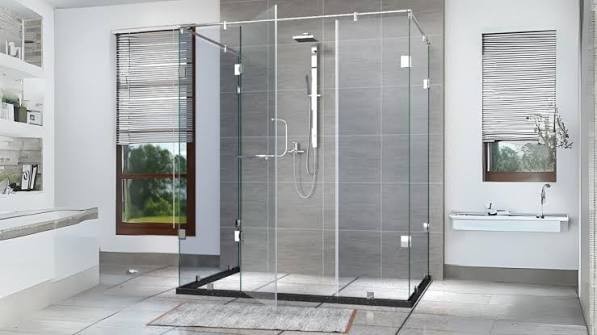
Modern bathrooms are no longer designed purely for functionality. Homeowners and property developers increasingly want bathrooms that combine comfort, style, convenience and efficient use of space. One feature that has become particularly popular in contemporary bathroom design is the glass shower enclosure.
Shower glass installations provide an elegant alternative to traditional shower curtains and bulky bathroom partitions. They create a clean, open appearance while helping contain water within the shower area. Available in frameless, semi-frameless and framed designs, glass shower enclosures can be customised to complement different bathroom layouts and interior finishes.
In Uganda, modern homes, apartments, hotels, guest houses and commercial developments are increasingly incorporating glass shower enclosures as part of their bathroom designs.
Whether you are building a new home, renovating an existing bathroom or upgrading a hospitality facility, choosing the right shower glass system can significantly improve the appearance and functionality of the space.
This guide explores shower glass installation in Uganda, including modern designs, types of glass, benefits, installation procedures, costs, maintenance and important factors to consider before choosing a shower enclosure.
What Is Shower Glass Installation?
Shower glass installation involves fitting specially selected glass panels to create an enclosed or partially enclosed shower area within a bathroom.
The glass panels are supported using suitable hinges, brackets, channels, clamps and other fittings, depending on the selected design.
A shower enclosure helps separate the wet shower area from the rest of the bathroom while maintaining a modern and visually appealing appearance.
Unlike traditional shower curtains, glass enclosures provide a more permanent and structured bathroom feature.
Shower glass installations are suitable for:
- Modern residential bathrooms
- Luxury homes and apartments
- Hotels and resorts
- Guest houses and lodges
- Serviced apartments
- Commercial accommodation facilities
- Renovated bathrooms
- Master bedroom ensuite bathrooms
The design can be customised according to the available space, shower position, plumbing arrangement and preferred architectural style.
8 Popular Shower Glass Designs for Modern Bathrooms
Choosing the right shower glass design is important because bathrooms differ in size, layout and architectural style.
Here are some popular options for residential and commercial properties in Uganda.
1. Frameless Glass Shower Enclosures
<AsyncImage query=”luxury frameless glass shower enclosure modern bathroom clear glass minimal hardware” aspectRatio=”16:9″ width=”100%”/>
Frameless glass shower enclosures use thick, suitably specified safety-glass panels with minimal visible supporting hardware.
The design creates a clean and elegant appearance, making it a popular option for contemporary bathrooms.
Benefits:
- Minimalist architectural appearance
- Creates a visually open bathroom
- Allows light to move freely
- Complements modern bathroom finishes
- Can be customised for different layouts
Best applications: Luxury homes, master bathrooms, hotels and modern apartments.
2. Sliding Glass Shower Doors
<AsyncImage query=”modern sliding glass shower enclosure chrome hardware bathroom” aspectRatio=”16:9″ width=”100%”/>
Sliding shower doors operate along a track or specialised sliding mechanism rather than swinging into the bathroom.
They are useful in bathrooms where there is limited space for a conventional hinged door.
Benefits:
- Does not require additional swing clearance
- Suitable for compact bathroom layouts
- Provides convenient access
- Available in different glass and frame finishes
Best applications: Apartments, small bathrooms, family homes and hotel bathrooms.
3. Hinged Glass Shower Doors
<AsyncImage query=”modern hinged glass shower door frameless bathroom enclosure” aspectRatio=”16:9″ width=”100%”/>
Hinged shower doors open using specialised glass-to-wall or glass-to-glass hinges.
They can be designed to open inward, outward or in another approved arrangement depending on the hardware and bathroom layout.
Benefits:
- Simple and elegant appearance
- Easy access to the shower
- Wide range of hardware finishes
- Suitable for framed and frameless systems
Best applications: Spacious bathrooms, ensuite bathrooms and hotel suites.
4. Corner Glass Shower Enclosures
<AsyncImage query=”corner glass shower enclosure modern bathroom two glass panels” aspectRatio=”16:9″ width=”100%”/>
Corner shower enclosures are installed where two bathroom walls meet.
They use glass panels and an access door to create a shower area in a corner of the bathroom.
Benefits:
- Makes efficient use of corner spaces
- Suitable for different bathroom sizes
- Creates a defined shower area
- Can be customised to fit existing layouts
Best applications: Compact bathrooms, apartments and residential renovations.
5. Walk-In Glass Shower Screens
<AsyncImage query=”modern walk in shower fixed glass screen bathroom minimalist design” aspectRatio=”16:9″ width=”100%”/>
Walk-in shower screens use one or more fixed glass panels to separate the shower area from the rest of the bathroom.
Unlike fully enclosed shower cubicles, many walk-in designs have an open entrance without a conventional door.
Benefits:
- Open and contemporary appearance
- Convenient entry and exit
- Fewer moving hardware components
- Suitable for modern bathroom layouts
Best applications: Large bathrooms, luxury residences, hotels and accessible bathroom designs.
6. Black-Framed Glass Shower Enclosures
<AsyncImage query=”black aluminium framed glass shower enclosure modern bathroom black grid” aspectRatio=”16:9″ width=”100%”/>
Black-framed shower enclosures combine glass panels with dark aluminium or other suitable metal framing.
They create a distinctive architectural appearance that complements modern industrial, minimalist and contemporary interior designs.
Benefits:
- Distinctive modern finish
- Strong visual definition
- Complements black bathroom fittings
- Available in different configurations
Best applications: Contemporary homes, apartments, hotels and designer bathrooms.
7. Frosted Glass Shower Enclosures
<AsyncImage query=”frosted glass shower enclosure modern bathroom privacy glass” aspectRatio=”16:9″ width=”100%”/>
Frosted shower glass provides greater visual privacy while still allowing light to pass through.
It is available in different finishes and patterns depending on the desired appearance.
Benefits:
- Improves visual privacy
- Maintains a modern glass appearance
- Reduces direct visibility into the shower area
- Can complement different bathroom designs
Best applications: Shared bathrooms, family homes, apartments and hospitality facilities.
8. Curved Glass Shower Enclosures
<AsyncImage query=”curved glass shower enclosure modern luxury bathroom rounded glass doors” aspectRatio=”16:9″ width=”100%”/>
Curved glass shower enclosures use specially manufactured curved panels to create rounded shower spaces.
They can be suitable for bathrooms with specific layouts or where a distinctive design is required.
Benefits:
- Unique architectural appearance
- Can fit selected compact layouts
- Softens the appearance of bathroom interiors
- Provides a customised shower enclosure solution
Best applications: Selected luxury bathrooms, hotels and specialised residential projects.
Benefits of Installing Glass Shower Enclosures
Glass shower enclosures offer several practical and aesthetic advantages that make them suitable for modern bathrooms.
1. Creates a Modern and Elegant Bathroom Appearance
Glass shower panels provide a clean and sophisticated finish that complements contemporary bathroom designs.
Frameless enclosures, in particular, create a minimalist appearance with fewer visible framing components.
They can transform an ordinary bathroom into a more attractive and professionally finished space.
2. Makes Bathrooms Feel More Spacious
Transparent glass allows the eye to see through the shower enclosure instead of being blocked by an opaque partition or shower curtain.
This can make smaller bathrooms feel more open and less crowded.
The effect is particularly useful in apartments and homes where bathroom space is limited.
3. Allows Natural and Artificial Light to Pass Through
Glass panels allow light to move between different bathroom areas.
This can improve the brightness of the space and reduce the enclosed appearance associated with solid shower partitions.
4. Helps Contain Water Within the Shower Area
A properly designed shower enclosure helps prevent water from spreading across the bathroom floor.
The effectiveness depends on the enclosure design, door arrangement, seals, shower tray or floor slope and drainage.
Correct installation is essential to minimise water escaping through openings and joints.
5. Offers Flexible Design Options
Shower glass can be customised to suit different bathroom sizes and interior designs.
Property owners can select clear, frosted or patterned finishes, as well as different door styles and hardware options.
6. Easy to Clean and Maintain
Glass shower panels can be cleaned using appropriate glass cleaners and non-abrasive materials.
Regular cleaning helps reduce soap residue, water marks and mineral deposits.
7. Suitable for Residential and Commercial Properties
Glass shower enclosures are suitable for private homes as well as hotels, apartments, guest houses, lodges and other hospitality facilities.
They provide a consistent and modern finish across different bathroom types.
8. Can Complement Other Glass and Aluminium Features
Shower glass installations can be coordinated with other glass and aluminium works, including:
- Glass bathroom partitions
- Aluminium windows
- Frameless glass doors
- Glass balustrades
- Mirrors
- Glass office partitions
This helps create a consistent design throughout the property.
Types of Glass Used for Shower Enclosures
Glass selection is one of the most important parts of shower glass installation.
Because shower enclosures are used in areas where people may come into direct contact with the panels, appropriate safety glazing is essential.
1. Toughened Glass
Toughened glass, also known as tempered glass, is processed using controlled heating and cooling to improve its strength compared with ordinary annealed glass.
When it breaks, it generally fractures into smaller pieces rather than large sharp shards.
It is commonly used in shower doors and enclosures where the selected system requires safety glazing.
2. Laminated Glass
Laminated glass consists of two or more glass layers bonded together using an interlayer.
If the glass breaks, the interlayer helps retain many of the fragments.
Its suitability for shower enclosures depends on the system design, edge exposure, hardware and moisture compatibility of the interlayer.
3. Frosted Glass
Frosted glass has a translucent finish that allows light through while reducing direct visibility.
It is useful where bathroom privacy is a priority.
Frosted finishes may be achieved through different manufacturing or surface-treatment methods.
4. Tinted Glass
Tinted glass is available in different colours and can be used to create a distinctive bathroom appearance.
The selected glass should still meet the safety and performance requirements of the shower enclosure.
5. Patterned Glass
Patterned glass incorporates decorative textures or designs that provide privacy and visual interest.
It can be considered for bathrooms where homeowners want a more decorative shower enclosure.
Important: Glass thickness and composition should be specified according to panel dimensions, support arrangements, door hardware and applicable safety requirements. There is no single thickness suitable for every shower enclosure. Glass panels should also be properly processed before toughening, as cutting or drilling toughened glass after processing can cause it to break.
Important Factors to Consider Before Installing Shower Glass
Before installing a glass shower enclosure, property owners should consider the following factors.
1. Bathroom Size and Layout
The available space determines the most suitable shower glass design.
For smaller bathrooms, sliding doors or compact corner enclosures may be practical.
Larger bathrooms can accommodate walk-in shower screens or spacious hinged-door systems.
2. Glass Type and Safety
Choose suitable safety glass designed for shower enclosure applications.
The selection should consider panel size, support arrangements, door configuration and expected use.
3. Door Opening and Accessibility
Consider how the shower door will open and whether there is enough space for convenient entry and exit.
Sliding doors can be useful where there is limited clearance, while hinged doors may suit larger bathrooms.
4. Hardware Quality
Hinges, handles, brackets, rollers and other fittings should be suitable for the glass panels and intended operating conditions.
For bathrooms, fittings should also be selected with moisture exposure and corrosion resistance in mind.
5. Water Sealing and Drainage
The shower enclosure should be designed to manage water effectively.
Important considerations include:
- Properly positioned seals
- Correct door clearances
- Suitable floor slopes
- Functional drainage
- Appropriate shower tray or threshold details
- Properly sealed wall connections
A glass enclosure cannot compensate for poor bathroom waterproofing or inadequate drainage.
6. Privacy Requirements
Clear glass provides maximum transparency, while frosted or patterned glass offers greater visual privacy.
The choice depends on the bathroom’s location and the preferences of the property owner.
7. Cleaning and Maintenance
Choose a design that allows convenient access for cleaning the glass, tracks, seals and hardware.
For hotels and other commercial facilities, maintenance requirements should be considered during the design stage.
8. Professional Measurement and Installation
Accurate measurements are essential because bathroom walls and floors are not always perfectly square or level.
Professional installation helps ensure that panels, hinges, seals and other components fit the actual site conditions.
Shower Glass Installation Process
A quality shower glass installation requires careful planning, accurate measurements and proper fitting.
The typical process includes the following stages.
Step 1: Site Assessment
The installation team assesses the bathroom layout, shower position, wall conditions and available space.
The position of plumbing fixtures, shower trays, drains and existing tiles is also considered.
Step 2: Design Selection
The preferred shower enclosure design is selected according to the bathroom dimensions and the client’s requirements.
This may be a frameless enclosure, sliding door, hinged enclosure, walk-in screen or corner shower system.
Step 3: Measurements
Accurate measurements are taken to determine the required panel dimensions, door positions and hardware locations.
Where walls or floors are uneven, the measurements and installation details must account for these conditions.
Step 4: Glass and Hardware Selection
Suitable safety glass and compatible fittings are selected.
These may include hinges, handles, brackets, rollers, channels, gaskets and seals.
Step 5: Glass Fabrication
The glass panels are cut, drilled, edged and processed according to the approved measurements before toughening where required.
All openings and hardware positions should be confirmed before final processing.
Step 6: Installation of Supporting Components
Brackets, channels, hinges or sliding mechanisms are installed in their specified positions.
The fixing method should be appropriate for the wall material and supporting structure.
Step 7: Glass Panel Installation
Glass panels are carefully positioned and secured using the selected fittings.
Suitable handling equipment and protective procedures help prevent damage during installation.
Step 8: Sealing and Finishing
Suitable seals and approved sealants are applied where specified.
The installer checks door movement, alignment, clearances and water-management details.
Step 9: Final Inspection
The completed installation is checked for stability, smooth operation, glass condition, fixing quality and overall appearance.
The shower enclosure should be allowed to cure or settle for the period recommended for the products used before being put into service.
How Much Does Shower Glass Installation Cost in Uganda?
The cost of shower glass installation in Uganda depends on the design, dimensions, glass specification, hardware and installation conditions.
A simple fixed shower screen may have different material and installation requirements from a large frameless enclosure with a hinged or sliding door.
The main factors that influence the cost include:
1. Type of shower enclosure: Frameless, semi-frameless, framed, sliding and walk-in designs have different material and hardware requirements.
2. Glass type: Clear, frosted, tinted and specially finished safety glass may have different costs.
3. Glass dimensions: Larger or specially shaped panels may require additional material, handling and fabrication.
4. Glass thickness and construction: The selected glass specification affects material requirements and hardware compatibility.
5. Hardware and fittings: Hinges, handles, rollers, brackets, channels and seals contribute to the overall price.
6. Bathroom layout: Corner installations, uneven walls, unusual angles and customised designs may require additional work.
7. Installation complexity: Site preparation, drilling, fixing and sealing requirements influence labour costs.
8. Additional work: Existing enclosure removal, wall preparation or other renovation work may affect the final quotation.
For an accurate estimate, property owners should request a quotation based on bathroom measurements, photographs and the preferred shower enclosure design.
Common Shower Glass Installation Problems and How to Avoid Them
Poorly planned or incorrectly installed shower enclosures can create inconvenience and additional maintenance costs.
Here are some common problems and ways to prevent them.
1. Water Leakage
Water may escape through poorly sealed joints, incorrect door clearances or badly designed shower layouts.
Solution: Use suitable seals, correct installation details and proper drainage arrangements.
2. Poor Door Alignment
Incorrect measurements or poorly installed hinges and rollers can cause doors to hang unevenly or operate improperly.
Solution: Take accurate measurements and use compatible hardware installed according to the manufacturer’s requirements.
3. Glass Damage
Improper handling, unsuitable support or incorrect fixing can create stress concentrations and increase the risk of breakage.
Solution: Use suitable safety glass and ensure that the panels are properly supported and handled.
4. Corrosion of Metal Fittings
Unsuitable metal components may deteriorate when exposed to moisture and bathroom cleaning products.
Solution: Select fittings suitable for wet environments and clean them using compatible products.
5. Mould and Dirt Around Seals
Poor ventilation and neglected cleaning can encourage mould and dirt accumulation around joints.
Solution: Maintain good bathroom ventilation and clean the seals regularly.
6. Difficulty Opening Shower Doors
Incorrect hardware selection, poor alignment or obstruction can affect door movement.
Solution: Select suitable hinges or sliding mechanisms and verify clearances during installation.
How to Maintain Glass Shower Enclosures
Regular maintenance helps preserve the appearance and functionality of shower glass.
Recommended maintenance practices include:
- Clean glass panels regularly using a suitable glass cleaner.
- Use a soft cloth or non-abrasive cleaning tool.
- Remove soap residue and mineral deposits before they build up.
- Dry the glass after use where practical.
- Clean sliding tracks and rollers.
- Inspect hinges, handles and brackets periodically.
- Check seals for damage or deterioration.
- Maintain proper bathroom ventilation.
- Avoid harsh chemicals that may damage metal finishes or seals.
- Arrange repairs when damaged glass or loose fittings are identified.
For hotels, guest houses and serviced apartments, regular cleaning and inspection are especially important because shower enclosures experience frequent use.
Why Choose Professional Shower Glass Installation Services in Uganda?
Installing a shower enclosure requires more than simply placing glass panels around a shower area. It involves accurate measurements, appropriate safety glazing, compatible hardware, proper fixing and effective water management.
Professional installation helps ensure that the enclosure fits the bathroom and performs as intended.
When selecting a shower glass installation provider, consider:
- Experience with glass and aluminium installations
- Understanding of different shower enclosure designs
- Knowledge of safety-glass specifications
- Accurate measurement and fabrication
- Quality of hinges, handles and fittings
- Proper installation procedures
- Attention to waterproofing and drainage
- Clear project quotations
- After-installation support
Daltrev Co. provides a point of contact for clients exploring glass and aluminium works for residential and commercial construction projects in Uganda. Contact the company to discuss your preferred shower glass design, bathroom dimensions and installation requirements.
Frequently Asked Questions About Shower Glass Installation
1. What type of glass is best for shower enclosures?
Suitable toughened safety glass is commonly used for shower enclosures. The correct specification depends on panel dimensions, support arrangements, door hardware and applicable safety requirements.
2. Are frameless glass shower enclosures better than framed designs?
Frameless enclosures provide a minimalist appearance with fewer visible framing components. Framed systems offer a more defined structure. The best option depends on bathroom layout, budget, preferred appearance and installation requirements.
3. How much does shower glass installation cost in Uganda?
The price depends on glass type, enclosure dimensions, design, fittings and installation complexity. A project-specific quotation is recommended.
4. Are glass shower doors suitable for small bathrooms?
Yes. Sliding shower doors and compact corner enclosures can be useful in smaller bathrooms because they can reduce the space needed for door movement.
5. Do glass shower enclosures prevent water from escaping?
They help contain water within the shower area when properly designed and installed. However, door gaps, seals, floor slope and drainage all affect water containment.
6. Can shower glass be customised?
Yes. Shower glass panels can be customised according to bathroom dimensions, preferred enclosure style, glass finish and hardware selection.
7. Are glass shower enclosures easy to clean?
Yes. They can be cleaned with appropriate glass cleaners and non-abrasive tools. Regular cleaning helps prevent soap residue and mineral deposits.
8. Can shower glass be installed in an existing bathroom?
Yes. Shower glass enclosures can be installed during bathroom renovations or upgrades, provided the walls, floor, fixing surfaces and drainage arrangements are suitable.
9. What is the difference between a walk-in shower and an enclosed shower?
A walk-in shower commonly uses fixed glass screens with an open entrance, while a fully enclosed shower uses doors and panels to create a more enclosed space.
10. How long does shower glass installation take?
The installation time depends on the enclosure design, glass fabrication, bathroom conditions and hardware requirements. Custom glass panels generally need to be measured and fabricated before the final installation.
Conclusion: Upgrade Your Bathroom with Modern Shower Glass Solutions
Shower glass installations offer an attractive and practical way to improve modern bathrooms. They create clean architectural finishes, maintain an open appearance, allow light to pass through and help separate wet shower areas from the rest of the bathroom.
For homeowners, property developers, hotels and commercial accommodation providers in Uganda, the right shower glass enclosure can enhance both bathroom functionality and interior design.
However, successful installation requires suitable safety glass, quality fittings, accurate measurements, proper sealing and effective drainage.
Whether you prefer a frameless shower enclosure, sliding glass door, walk-in shower screen or customised corner design, choosing the right system is essential for achieving a durable and attractive result.
Looking for professional shower glass installation in Uganda? Contact Daltrev Co. to discuss your bathroom design, glass requirements and installation project.

