
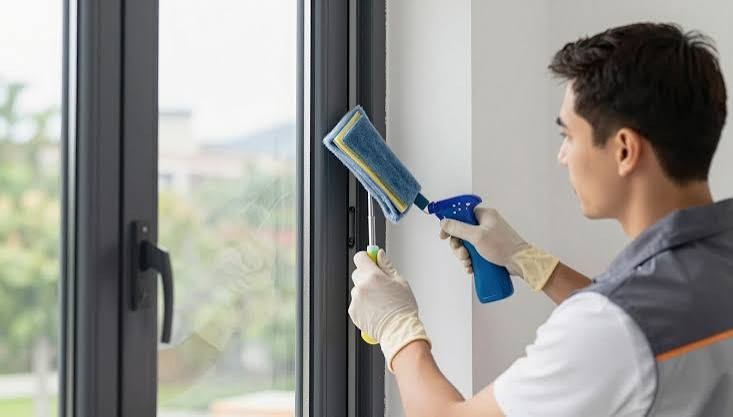
Aluminium windows and doors are popular features in modern residential and commercial buildings because of their durability, attractive appearance, lightweight construction and low maintenance requirements. They provide practical solutions for improving ventilation, natural lighting, security and the overall appearance of a property.
However, like other building components, aluminium windows and doors require proper care to maintain their appearance and functionality over time. Dust, dirt, moisture, poor cleaning practices and worn-out fittings can affect their performance if they are not addressed through regular maintenance.
For property owners in Uganda, where buildings are exposed to dust, seasonal rainfall, humidity and changing environmental conditions, maintaining aluminium windows and doors is important for ensuring long-term performance.
Whether installed in a residential home, office, hotel, apartment building or commercial property, proper maintenance can help prevent avoidable damage, maintain smooth operation and reduce repair costs.
In this guide, Daltrevco explains how to maintain aluminium windows and doors, common maintenance mistakes to avoid, how to care for different components and when to seek professional servicing.
1. Clean Aluminium Window and Door Frames Regularly
One of the simplest ways to maintain aluminium windows and doors is through regular cleaning.
Dust, airborne particles, fingerprints and environmental dirt can accumulate on aluminium frames over time. If left unattended, this buildup can affect the appearance of the frames and make them more difficult to clean.
Use the following cleaning procedure:
- Remove loose dust and dirt using a soft cloth or a clean, soft brush.
- Mix mild detergent with clean water.
- Dampen a soft cloth or sponge with the cleaning solution.
- Gently wipe the aluminium frame surfaces.
- Rinse away detergent residue using clean water.
- Dry the frames using a soft, clean cloth.
For properties located near busy roads, construction areas or dusty environments, more frequent cleaning may be necessary.
Regular cleaning helps maintain the original finish and prevents dirt from accumulating around joints and frame corners.
2. Avoid Harsh Chemicals and Abrasive Cleaning Materials
Using unsuitable cleaning products can damage aluminium window and door finishes.
Strong chemical cleaners, abrasive powders, steel wool and rough scrubbing brushes may scratch, discolour or deteriorate the protective surface coating.
To protect aluminium frames:
- Use mild, non-abrasive cleaning solutions.
- Avoid strong acidic or alkaline chemicals.
- Do not use steel wool or rough scouring pads.
- Avoid scraping dirt with sharp objects.
- Test unfamiliar cleaning products on an inconspicuous area first.
- Follow the manufacturer’s cleaning recommendations for coated or anodised finishes.
Powder-coated and anodised aluminium surfaces require appropriate cleaning methods to preserve their appearance.
Gentle cleaning is generally the safest approach for routine maintenance.
3. Inspect Aluminium Frames for Damage
Regular inspections help identify minor problems before they develop into more serious maintenance issues.
Check aluminium window and door frames for:
- Scratches and damaged surface finishes.
- Loose screws and fittings.
- Bent or distorted frame sections.
- Damaged corner joints.
- Gaps around frame edges.
- Loose glazing beads.
- Signs of water penetration.
- Deteriorating seals.
Pay particular attention to areas exposed to frequent use, moisture and direct weather conditions.
If you notice structural distortion, loose frame connections or damaged glazing components, contact a qualified aluminium technician for assessment and repairs.
4. Maintain Hinges, Handles and Locking Systems
Aluminium windows and doors rely on hardware components to operate correctly.
Hinges, handles, locks, rollers and other moving fittings can become stiff or worn through regular use.
Proper hardware maintenance helps maintain smooth operation and reliable security.
Clean Moving Components
Remove accumulated dust and dirt from hinges, locks, handles and other accessible moving components using a soft cloth or suitable brush.
Dirt buildup can interfere with the operation of mechanical fittings.
Lubricate Moving Parts
Apply a suitable lubricant to moving components when necessary and according to the hardware manufacturer’s recommendations.
Use appropriate products for hinges, rollers and locking mechanisms. Avoid excessive lubrication because it can attract dust and dirt.
Tighten Loose Fittings
Check accessible screws, handles and other fittings periodically.
Loose components should be tightened appropriately without overtightening, which can damage threads or hardware.
Check Locking Systems
Test handles and locks to ensure they engage correctly and operate smoothly.
If a lock becomes difficult to operate, investigate the cause instead of forcing it.
5. Keep Aluminium Window and Door Tracks Clean
Sliding aluminium windows and doors operate using tracks and rollers. These components require regular cleaning to maintain smooth movement.
Dust, sand, leaves and other debris can accumulate inside the tracks, especially in buildings exposed to outdoor dust.
Blocked tracks can cause:
- Difficult sliding operation.
- Increased friction.
- Unusual operating noises.
- Premature roller wear.
- Damage to moving components.
To maintain sliding window and door tracks:
- Open the window or door carefully.
- Remove loose dirt and debris using a soft brush or vacuum cleaner.
- Wipe the track using a damp cloth.
- Remove any remaining dirt from the track corners.
- Allow the track to dry before operating the system.
Do not use excessive water that could collect inside the frame or drainage areas.
Clean tracks regularly to help protect rollers and maintain smooth movement.
6. Check and Maintain Rubber Seals and Weather Stripping
Rubber seals and weather stripping are important components of aluminium windows and doors.
They help minimise the entry of rainwater, dust and unwanted air while improving the closure of the installation.
Over time, seals may become worn, brittle, compressed or detached due to exposure to sunlight, moisture and regular use.
Inspect seals for:
- Cracks and splits.
- Loose sections.
- Missing seal components.
- Hardening or deterioration.
- Gaps between the window or door and frame.
Damaged seals should be replaced with suitable components compatible with the original window or door system.
Avoid using unsuitable adhesives or makeshift sealing materials because they may interfere with proper drainage and operation.
7. Maintain Glass Panels and Glazing Components
Glass is an important part of aluminium window and door installations. Keeping it clean and inspecting its condition helps maintain both appearance and safety.
Use a soft cloth, clean water and a suitable glass cleaner to remove fingerprints, dust and other marks.
During cleaning, check for:
- Cracks and chips.
- Loose glazing beads.
- Damaged glazing seals.
- Signs of condensation between insulated glass panes.
- Unusual movement or rattling.
Never ignore cracked or damaged glass, particularly in doors and areas with frequent pedestrian movement.
Damaged glazing should be assessed and replaced by qualified professionals using the appropriate glass specification.
8. Inspect Drainage Holes and Water Outlets
Many aluminium window and door systems include drainage openings designed to direct water away from internal frame sections.
These drainage outlets are important for managing rainwater that enters designated parts of the frame during normal operation.
When drainage holes become blocked by dust, insects or debris, water may accumulate and contribute to leakage problems.
To maintain proper drainage:
- Inspect visible drainage openings periodically.
- Remove loose dirt and debris carefully.
- Avoid blocking drainage holes with sealant or paint.
- Do not drill additional holes without professional guidance.
- Check for signs of water accumulation after heavy rainfall.
Proper drainage maintenance is especially important during Uganda’s rainy seasons.
9. Protect Aluminium Frames from Corrosion and Surface Damage
Aluminium naturally forms a thin protective oxide layer that helps resist corrosion. However, certain environmental conditions and chemical exposures can damage surface finishes.
Coastal salt exposure, industrial pollutants, harsh cleaning chemicals and contact with incompatible metals may increase the risk of surface deterioration.
Although much of Uganda is inland, aluminium installations can still be affected by moisture, industrial environments and unsuitable maintenance practices.
To protect aluminium windows and doors:
- Clean frames regularly to remove contaminants.
- Avoid prolonged contact with harsh chemicals.
- Repair damaged surface coatings using appropriate professional methods.
- Prevent prolonged accumulation of moisture and dirt.
- Use compatible materials where aluminium comes into contact with other metals.
- Seek professional advice if corrosion or surface deterioration appears.
For installations in demanding environments, appropriate aluminium finishes and protective treatments should be selected during fabrication.
10. Check Window and Door Alignment
Aluminium windows and doors should open, close and lock correctly without excessive force.
Over time, frequent operation, loose hardware, building movement or worn components may affect alignment.
Common warning signs include:
- Doors rubbing against the frame.
- Windows becoming difficult to close.
- Uneven gaps around the frame.
- Locks failing to engage correctly.
- Sliding panels becoming difficult to move.
- Hinged doors dropping or sagging.
If these problems occur, have the installation inspected by a qualified technician.
Do not force misaligned windows and doors because doing so may damage hinges, rollers, locks or frame connections.
11. Maintain Aluminium Sliding Doors and Windows
Sliding aluminium systems require particular attention because they depend on tracks, rollers, guides and locking mechanisms.
Regular maintenance helps preserve their smooth operation and reduces unnecessary strain on the hardware.
Important maintenance practices include:
- Cleaning sliding tracks frequently.
- Removing sand and accumulated dirt.
- Inspecting rollers for wear.
- Checking sliding guides and stops.
- Lubricating suitable moving components as recommended.
- Checking locks and handles.
- Ensuring panels move without obstruction.
If sliding panels become unusually heavy or noisy, arrange professional inspection rather than attempting to force them along the tracks.
12. Protect Aluminium Frames During Building Renovations
Construction and renovation activities can expose aluminium windows and doors to cement, paint, dust, adhesives and other materials that may damage their finishes.
If your property is undergoing renovation, take steps to protect existing aluminium installations.
Recommended precautions include:
- Covering frames with suitable protective materials.
- Avoiding direct contact with wet cement and plaster.
- Preventing paint and adhesive spills.
- Keeping construction debris away from tracks.
- Using non-abrasive methods to remove accidental splashes.
- Avoiding strong chemical cleaning agents.
Do not leave protective coverings in place longer than recommended by the product manufacturer, as trapped moisture or adhesive residue can affect some finishes.
Proper protection during construction helps prevent unnecessary damage and costly replacement.
13. Establish a Regular Aluminium Window and Door Maintenance Schedule
A maintenance schedule makes it easier to keep aluminium installations in good condition throughout the year.
The frequency of maintenance depends on the property’s location, exposure to dust and moisture, usage levels and manufacturer’s recommendations.
The following is a practical general maintenance guide.
| Maintenance task | Suggested frequency |
|---|---|
| Clean aluminium frames | Monthly or as needed |
| Clean glass panels | Monthly or as needed |
| Clean sliding tracks | Monthly or more frequently in dusty areas |
| Inspect handles and locks | Every 3 months |
| Check hinges and rollers | Every 3–6 months |
| Inspect rubber seals | Every 6 months |
| Check drainage outlets | Every 3–6 months and after heavy rainfall |
| Arrange professional inspection | Annually or when problems arise |
These intervals are general recommendations rather than fixed requirements. Manufacturer guidance and actual environmental conditions should take priority.
14. Common Aluminium Window and Door Maintenance Mistakes to Avoid
Even though aluminium windows and doors are relatively easy to maintain, incorrect care can reduce their performance and appearance.
Here are some common mistakes property owners should avoid.
Using Harsh Cleaning Chemicals
Strong chemicals can damage protective finishes and cause discolouration.
Always use suitable cleaning products.
Ignoring Sliding Track Dirt
Allowing dirt and sand to accumulate inside sliding tracks increases friction and can accelerate roller wear.
Forcing Stiff Doors and Windows
Forcing a difficult window or door can damage its hinges, locks, rollers and frame connections.
Identify and address the underlying problem.
Ignoring Damaged Rubber Seals
Worn seals can allow rainwater, dust and unwanted air to enter the building.
Replace deteriorated seals promptly.
Blocking Drainage Openings
Covering drainage outlets with paint, sealant or other materials can interfere with water management.
Keep drainage openings clear.
Delaying Repairs
Small issues such as loose handles, damaged seals and misaligned panels can become more expensive problems if ignored.
Address maintenance concerns early.
15. When Should You Seek Professional Aluminium Window and Door Repairs?
Routine cleaning and basic inspections can be handled by property owners, but certain problems require professional attention.
Contact an experienced aluminium technician when you notice:
- Cracked or broken glass.
- Bent or distorted aluminium frames.
- Damaged hinges or rollers.
- Faulty locking mechanisms.
- Persistent water leakage.
- Serious alignment problems.
- Loose glazing components.
- Damaged aluminium surface finishes.
- Sliding doors that no longer operate correctly.
Professional repairs help identify the underlying cause of the problem and ensure that suitable replacement components are used.
Why Choose Daltrevco for Aluminium Windows and Doors in Uganda?
The durability of aluminium windows and doors depends not only on maintenance but also on the quality of the original fabrication, materials and installation.
Daltrevco provides aluminium fabrication and installation solutions for residential and commercial building projects in Uganda.
We understand the importance of selecting suitable aluminium profiles, quality fittings and appropriate installation methods to achieve functional and attractive results.
Whether you are installing aluminium windows in a new home, upgrading commercial doors or renovating an existing building, Daltrevco can assist with practical aluminium solutions tailored to your project requirements.
Our aluminium works support different applications, including:
- Aluminium window fabrication and installation.
- Aluminium door fabrication and installation.
- Sliding aluminium windows and doors.
- Aluminium-framed glass installations.
- Custom aluminium fabrication.
- Residential and commercial aluminium works.
We aim to help clients achieve durable, attractive and functional aluminium installations through careful material selection, fabrication and finishing.
Contact Daltrevco to discuss your aluminium window and door requirements in Uganda.
Frequently Asked Questions About Aluminium Window and Door Maintenance
1. How often should aluminium windows and doors be cleaned?
Aluminium windows and doors should generally be cleaned monthly or whenever dirt becomes noticeable. Buildings located in dusty areas may require more frequent cleaning.
2. What is the best way to clean aluminium window frames?
Use a soft cloth or sponge, clean water and mild detergent. Avoid abrasive materials and harsh chemicals that can damage the aluminium finish.
3. Do aluminium windows require regular maintenance?
Yes. Although aluminium windows require relatively little maintenance, regular cleaning, hardware inspections, track cleaning and seal checks help maintain their performance.
4. How do I prevent aluminium windows from corroding?
Clean frames regularly, avoid harsh chemicals, protect damaged surface coatings and prevent prolonged accumulation of moisture and contaminants.
5. Why is my aluminium sliding door difficult to open?
Common causes include dirty tracks, worn rollers, misalignment or damaged hardware. Clean the tracks first and arrange professional inspection if the problem continues.
6. How do I maintain aluminium window rubber seals?
Inspect seals for cracks, hardening, gaps and detachment. Clean them gently and replace damaged seals with compatible components when necessary.
7. Can aluminium windows and doors be repaired?
Yes. Depending on the damage, technicians can replace handles, hinges, rollers, locks, seals and glass panels, as well as address certain alignment and frame problems.
8. How long do aluminium windows and doors last?
Their lifespan depends on aluminium quality, surface finish, glass specification, hardware, installation quality, environmental exposure and maintenance. Properly fabricated and installed systems can provide many years of service.
9. Can I use oil to lubricate aluminium sliding doors?
Use a lubricant suitable for the specific rollers, hinges or locking components and follow the manufacturer’s instructions. Avoid applying excessive oil to tracks because it may attract dust and dirt.
Conclusion
Maintaining aluminium windows and doors is essential for preserving their appearance, functionality and long-term durability. Although aluminium is a durable and relatively low-maintenance building material, regular cleaning, hardware inspections, track maintenance, seal replacement and proper drainage care help prevent avoidable problems.
For homeowners, commercial property owners and facility managers in Uganda, establishing a simple maintenance routine can reduce repair expenses and help aluminium installations remain attractive and functional for many years.
The most effective approach is to combine proper everyday care with professional servicing whenever repairs or adjustments are necessary.
Daltrevco provides professional aluminium fabrication and installation solutions in Uganda. Contact us today for quality aluminium windows, doors and customised aluminium works for your residential or commercial building project.

