Energy efficiency is an important consideration when designing, constructing or renovating modern buildings. Property owners are increasingly looking for ways to reduce indoor heat, improve ventilation, minimise energy consumption and create comfortable indoor environments. One effective way to achieve these goals is by choosing and installing energy-efficient aluminium windows.
Aluminium windows are widely used in residential, commercial and industrial buildings because of their strength, durability, modern appearance and versatility. With the right aluminium profiles, glazing options, insulation features and professional installation, aluminium windows can help improve a building’s energy performance.
In Uganda, where temperatures, sunlight and seasonal rainfall can affect indoor comfort, selecting suitable aluminium windows is particularly important. Properly designed windows can help control unwanted heat transfer, reduce air leakage and make indoor spaces more comfortable throughout the year.
Whether you are constructing a new house, upgrading an office or renovating a commercial property, understanding how to improve energy efficiency with aluminium windows can help you make better investment decisions.
In this guide, Daltrevco explains how aluminium windows contribute to energy efficiency, the features to consider and practical ways to improve the thermal performance of your building.
1. Choose Aluminium Windows with Thermal Break Technology
One of the most effective ways to improve energy efficiency with aluminium windows is by selecting frames with thermal break technology.
Aluminium is naturally a good conductor of heat. This means that untreated aluminium frames can transfer outdoor heat into indoor spaces more easily than some other materials.
Thermal break aluminium windows are designed with an insulating material positioned between the inner and outer sections of the aluminium frame. This reduces direct heat transfer through the frame.
The benefits include:
- Reduced transfer of outdoor heat into indoor spaces.
- Improved indoor temperature stability.
- Better thermal comfort.
- Reduced unwanted heat gain and heat loss.
- Improved performance when combined with suitable glazing.
For buildings where thermal performance is a priority, thermal break aluminium windows are worth considering.
2. Use Double-Glazed Aluminium Windows
The type of glass used in aluminium windows has a significant impact on energy efficiency.
Traditional single-glazed windows consist of one glass panel, which provides less resistance to heat transfer than appropriately designed double-glazed systems.
Double-glazed aluminium windows contain two glass panes separated by a sealed insulating space. This space may contain air or an appropriate insulating gas, depending on the system.
Benefits of double glazing include:
- Reduced heat transfer through window glass.
- Improved indoor temperature control.
- Better sound insulation.
- Reduced temperature differences near windows.
- Improved comfort in air-conditioned spaces.
For modern homes, hotels, offices and commercial buildings, double glazing can be a useful option where the additional investment is justified by the building’s performance requirements.
3. Select the Right Glass for Solar Heat Control
The amount of sunlight entering a building affects its indoor temperature and energy requirements.
In buildings with large windows, direct sunlight can contribute to excessive indoor heat, especially when glass is installed on elevations exposed to strong afternoon sunshine.
Choosing suitable glass can help control solar heat gain while maintaining natural lighting.
Some suitable glazing options include:
Solar control glass: Designed to reduce the amount of solar heat entering through windows while allowing useful natural light.
Low-E glass: Features a special low-emissivity coating that helps control heat transfer through the glass.
Tinted glass: Can reduce glare and solar transmission depending on its specifications, colour and performance characteristics.
Reflective glass: Uses a reflective surface to reduce some solar radiation entering the building, depending on its specification.
When selecting glass, consider its visible light transmission, solar heat gain coefficient and thermal performance rather than choosing based on appearance alone.
4. Ensure Proper Aluminium Window Installation
Even high-quality aluminium windows may perform poorly if they are incorrectly installed.
Poor installation can create gaps between the window frame and surrounding wall, allowing unwanted air and moisture to enter the building.
These gaps can reduce insulation performance and affect indoor comfort.
To improve energy efficiency, ensure that:
- Window openings are accurately measured before fabrication.
- Frames are correctly aligned and secured.
- Appropriate weatherproofing materials are used.
- Gaps around the frames are properly sealed.
- Window joints are finished correctly.
- Drainage and water management features are properly installed.
Professional aluminium window installation helps ensure that the entire window system performs as intended.
5. Use Quality Weatherstripping and Sealing Systems
Weatherstripping is an important component of energy-efficient aluminium windows.
It helps seal the spaces between movable window sections and the main frame, reducing unwanted air movement when windows are closed.
Damaged or poorly fitted seals can allow outside air to enter and conditioned indoor air to escape.
Quality weatherstripping can help:
- Reduce air leakage.
- Improve indoor temperature stability.
- Prevent dust from entering through gaps.
- Reduce water infiltration.
- Improve overall window performance.
Inspect window seals regularly and replace worn or damaged weatherstripping when necessary.
For new installations, choose aluminium windows with suitable sealing systems designed for the specific window configuration.
6. Choose Appropriate Aluminium Window Designs
Different aluminium window designs offer different ventilation and operational advantages.
Choosing the right style can improve natural ventilation and help reduce dependence on mechanical cooling systems.
Popular options include:
Sliding aluminium windows
Sliding windows move horizontally along tracks and are suitable for buildings where space-saving operation is important. They are commonly used in homes, apartments and offices.
Casement aluminium windows
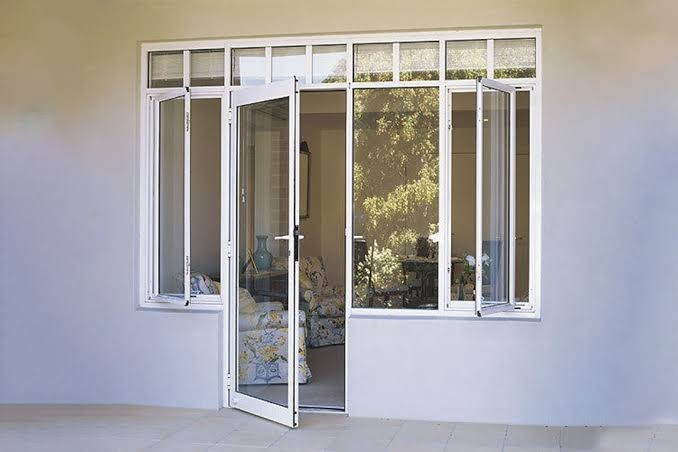
Casement windows open outward or inward using hinges. Depending on their design and installation, they can provide effective ventilation and allow good control of airflow.
Top-hung aluminium windows
These windows are hinged at the top and open outward. They can provide ventilation while offering some protection from light rainfall when appropriately designed.
Fixed aluminium windows
Fixed windows do not open but can provide natural lighting and views. They are useful in locations where ventilation is provided through other openings.
When selecting a window design, consider the building’s orientation, ventilation requirements, room function and weather exposure.
7. Maximise Natural Lighting Without Excessive Heat Gain
Natural lighting reduces the need to use artificial lighting during daylight hours.
Aluminium windows allow architects and property owners to incorporate different glass sizes and configurations into building designs.
However, larger glass areas should be planned carefully to avoid excessive solar heat gain.
To achieve a good balance:
- Position windows to take advantage of useful natural daylight.
- Consider the direction in which windows face.
- Use suitable solar-control glazing where necessary.
- Incorporate roof overhangs and external shading.
- Avoid unnecessary exposure of large glass surfaces to intense direct sunlight.
These measures can improve daylight availability while maintaining comfortable indoor conditions.
8. Incorporate External Shading Systems
External shading is another effective way to improve energy efficiency in buildings with aluminium windows.
Shading systems reduce direct sunlight reaching the glass, helping to minimise solar heat gain.
Some useful options include:
- Roof overhangs.
- Window canopies.
- External louvres.
- Vertical shading fins.
- Outdoor blinds and shutters.
- Carefully positioned trees and landscaping.
External shading is particularly useful for windows exposed to strong afternoon sunshine.
When planned alongside suitable aluminium window systems, shading can help reduce cooling requirements and improve indoor comfort.
9. Maintain Aluminium Windows Regularly
Regular maintenance helps aluminium windows retain their performance over time.
Dust, dirt, damaged seals, blocked drainage channels and worn hardware can affect how efficiently windows operate.
Important maintenance practices include:
Clean aluminium frames: Use appropriate cleaning materials to remove dust and dirt without damaging the protective finish.
Inspect window seals: Check weatherstripping for cracks, looseness and deterioration.
Check locking systems: Ensure windows close tightly and locking mechanisms operate correctly.
Clean drainage channels: Remove dirt and debris that may block water drainage.
Inspect glass panels: Look for cracks, damaged glazing seals and other defects.
Lubricate moving components: Maintain rollers, hinges and other hardware using suitable products.
Well-maintained windows are more likely to provide effective sealing, smooth operation and reliable performance.
10. Consider Low-E Coatings and Advanced Glazing Technologies
For buildings where thermal performance is particularly important, advanced glazing technologies can provide additional benefits.
Low-emissivity glass, commonly known as Low-E glass, has a special coating that helps control the movement of radiant heat through the glass.
Depending on the coating type and installation, Low-E glazing can help reduce unwanted heat transfer while maintaining good natural lighting.
It can be particularly useful in:
- Modern residential houses.
- Office buildings.
- Hotels and hospitality facilities.
- Commercial developments.
- Buildings with large glazed surfaces.
When choosing Low-E glass, consider the local climate, building orientation and whether solar heat gain or heat retention is the main concern.
11. Select the Right Aluminium Profile Quality
The quality and design of aluminium profiles influence the overall performance of aluminium windows.
Although aluminium is strong and durable, not all profiles offer the same structural and thermal characteristics.
When selecting aluminium windows, consider:
- Profile dimensions and structural strength.
- Compatibility with the selected glass.
- Thermal break availability.
- Quality of surface finishing.
- Design of frame joints.
- Compatibility with weatherstripping.
- Overall fabrication quality.
Using appropriate aluminium profiles ensures that windows are structurally suitable and can accommodate the glazing and sealing systems required for the project.
12. Combine Aluminium Windows with Good Building Design
Energy efficiency is not determined by windows alone. The overall building design also influences how much heat enters and leaves indoor spaces.
Aluminium windows should therefore be considered as part of a wider building energy-efficiency strategy.
Other useful measures include:
- Installing suitable roof insulation.
- Using reflective roofing materials where appropriate.
- Providing adequate natural ventilation.
- Incorporating external shading.
- Choosing suitable wall construction materials.
- Positioning windows strategically.
- Avoiding unnecessary air leakage around doors and windows.
Combining these measures with energy-efficient aluminium windows can improve overall building performance and indoor comfort.
Benefits of Energy-Efficient Aluminium Windows
Installing appropriately designed aluminium windows offers several advantages for residential and commercial buildings.
Reduced Cooling Requirements
Windows with suitable glazing, thermal breaks and effective seals can help reduce unwanted heat entering indoor spaces. This may reduce reliance on fans and air conditioning, depending on the building design and operating conditions.
Improved Indoor Comfort
Energy-efficient aluminium windows help control unwanted heat transfer and air leakage, contributing to more comfortable indoor environments.
Better Natural Lighting
Modern aluminium window designs allow larger glass openings that can maximise daylight and reduce the need for artificial lighting during the day.
Improved Noise Reduction
Double-glazed aluminium windows can help reduce outside noise, making them suitable for homes, offices and commercial buildings in busy environments.
Long-Term Value
Quality aluminium windows are durable and require relatively little maintenance. Choosing suitable energy-efficient systems can provide long-term value through improved functionality and comfort.
Enhanced Building Appearance
Modern aluminium window designs complement contemporary architecture and can improve the appearance of residential and commercial properties.
Common Mistakes to Avoid When Choosing Energy-Efficient Aluminium Windows
When purchasing aluminium windows, some decisions can reduce their expected energy-efficiency benefits.
Avoid the following mistakes:
- Choosing windows based on price alone: Low-cost systems may compromise on profile quality, glazing or hardware.
- Ignoring glass specifications: The wrong glass can allow excessive solar heat into the building.
- Overlooking thermal breaks: Standard aluminium profiles may not provide the same thermal performance as thermally broken systems.
- Poor installation: Incorrect measurements and inadequate sealing can reduce window efficiency.
- Ignoring building orientation: Window placement affects exposure to direct sunlight.
- Using unsuitable window designs: Different opening styles provide different levels of ventilation and sealing performance.
- Neglecting maintenance: Damaged seals and faulty hardware can affect long-term performance.
Working with an experienced aluminium fabrication and installation company helps you avoid these mistakes.
Choosing Energy-Efficient Aluminium Windows in Uganda
When selecting aluminium windows for buildings in Uganda, it is important to consider local weather conditions, building orientation, intended use and budget.
For properties exposed to strong sunlight, suitable solar-control glazing and external shading can help reduce unwanted indoor heat.
For air-conditioned offices, hotels and commercial buildings, thermal break frames, double glazing and effective weather seals may be worth considering.
For residential buildings, the right combination of window design, glass specifications, ventilation and professional installation can improve indoor comfort.
Before purchasing, request clear specifications covering aluminium profile quality, glass type, sealing systems, hardware and installation.
This makes it easier to compare quotations and select a window system that meets your property’s requirements.
Professional Aluminium Windows and Installation Services in Uganda – Daltrevco
At Daltrevco, we understand the importance of quality aluminium windows in modern building construction and renovation projects.
We provide aluminium works and installation solutions for residential, commercial and other building developments in Uganda.
Whether you are constructing a new home, upgrading an office or renovating an existing property, choosing the right aluminium window system is essential for achieving durability, functionality and an attractive finish.
Our aluminium window solutions focus on:
- Quality aluminium window fabrication.
- Modern sliding and casement window designs.
- Suitable glass options for different applications.
- Accurate measurements and professional workmanship.
- Aluminium window installation.
- Solutions for residential and commercial buildings.
We help property owners and developers select aluminium window solutions that suit their architectural designs, functional requirements and project budgets.
If you are planning to improve the energy efficiency and appearance of your property, contact Daltrevco to discuss your aluminium window requirements.
Choose quality aluminium windows and professional installation for a more comfortable and functional building.
Visit our website: https://www.daltrevco.com/
Frequently Asked Questions About Energy-Efficient Aluminium Windows
1. Are aluminium windows energy efficient?
Yes. Aluminium windows can be energy efficient when designed with suitable glazing, thermal breaks, quality weatherstripping and proper installation. Standard aluminium frames conduct heat readily, so the specifications of the complete window system matter.
2. How can I make my aluminium windows more energy efficient?
You can improve their energy performance by installing suitable double glazing or Low-E glass, using thermal break aluminium frames, sealing gaps, maintaining weatherstripping and incorporating external shading.
3. Do double-glazed aluminium windows reduce heat?
Yes. Double glazing creates an insulating space between two glass panes, which reduces heat transfer compared with conventional single glazing. The actual performance depends on the glass specifications and the complete window design.
4. What is a thermal break in aluminium windows?
A thermal break is an insulating material placed between the inner and outer sections of an aluminium frame. It reduces heat transfer through the frame and improves thermal performance.
5. Are aluminium windows suitable for Uganda’s climate?
Yes. Aluminium windows are suitable for many buildings in Uganda because of their strength, durability and versatility. Choosing appropriate glazing, finishes, sealing systems and installation methods is important for achieving good performance.
6. Can aluminium windows reduce electricity bills?
Energy-efficient aluminium windows can help reduce unwanted heat gain and improve indoor temperature control. In buildings that use air conditioning, this may reduce cooling requirements and electricity consumption. Actual savings depend on the building, climate, window specifications and usage patterns.
7. Which aluminium window design is best for energy efficiency?
There is no single best design for every building. Casement windows can provide effective sealing when properly fitted, while sliding windows offer convenient space-saving operation. Thermal breaks, glazing specifications and installation quality are also important.
8. Is Low-E glass better than ordinary glass?
Low-E glass has a special coating that helps control heat transfer. It can offer better thermal performance than ordinary clear glass, although the most suitable option depends on the building’s orientation and solar-control requirements.
Conclusion
Improving energy efficiency with aluminium windows requires more than simply choosing attractive window designs. It involves selecting suitable aluminium profiles, quality glazing, thermal break technology, effective sealing systems and professional installation.
Double glazing, Low-E glass, solar-control glazing, external shading and regular maintenance can all contribute to better window performance.
For homeowners, property developers and commercial building owners in Uganda, investing in appropriately designed aluminium windows can improve indoor comfort, support lower cooling requirements and enhance the overall appearance of a property.
Looking for quality aluminium windows and professional installation in Uganda? Contact Daltrevco today for reliable aluminium works and installation solutions.