
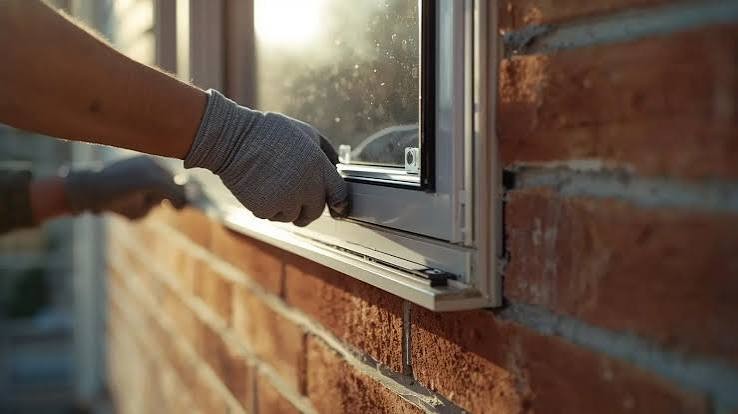
Proper sealing is one of the most important factors to consider when installing aluminium windows and doors. Although aluminium is strong, durable and suitable for modern residential and commercial buildings, the overall performance of aluminium window and door systems depends heavily on how well they are sealed.
Poorly sealed aluminium windows and doors can allow rainwater, dust, insects and unwanted air to enter a building. They can also contribute to water damage, uncomfortable indoor temperatures, excessive outside noise and reduced energy efficiency.
In Uganda, where buildings experience seasonal rainfall, dust, humidity and varying temperatures, proper sealing is essential for maintaining comfortable, secure and well-protected indoor spaces.
Whether you are constructing a new home, renovating an existing property or installing aluminium doors and windows in a commercial building, choosing quality sealing materials and professional installation can make a significant difference in long-term performance.
In this guide, Daltrevco explains the importance of proper sealing in aluminium windows and doors, the different sealing materials available, common problems caused by poor sealing and how to ensure your aluminium installations provide lasting protection.
What Is Sealing in Aluminium Windows and Doors?
Sealing in aluminium windows and doors refers to the use of suitable materials and installation techniques to close gaps between glass panels, aluminium frames, movable window sections and surrounding building structures.
These seals help prevent unwanted water, air, dust and noise from passing through openings in the window or door system.
Common sealing components include:
- Rubber gaskets: Flexible materials positioned between glass panels and aluminium frames to provide a secure fit.
- Weatherstripping: Sealing strips installed around movable window and door sections to reduce air and water infiltration.
- Silicone sealants: Flexible materials used to seal joints and gaps around frames and glass installations.
- EPDM seals: Durable synthetic rubber seals commonly used in aluminium window and door systems.
- Brush seals: Components often used in sliding doors and windows to reduce dust and air infiltration.
- Glazing seals: Materials that hold glass securely within aluminium frames while helping prevent water penetration.
The correct sealing method depends on the window or door design, installation location, glass specifications and expected exposure to weather conditions.
1. Prevents Rainwater and Water Leakage
One of the most important benefits of proper sealing in aluminium windows and doors is protection against rainwater infiltration.
During heavy rainfall, poorly sealed window and door systems may allow water to enter through gaps around the frames, joints and glass panels.
Water leakage can cause several problems, including:
- Damp patches around window and door openings.
- Peeling paint and damaged wall finishes.
- Water accumulation on floors and window sills.
- Deterioration of surrounding building materials.
- Moisture-related mould growth.
Properly installed weatherstripping, glazing gaskets and suitable sealants help prevent water from entering through vulnerable joints.
For buildings in Uganda, effective water sealing is particularly important during rainy seasons when prolonged exposure to moisture can affect interior finishes and building components.
2. Improves Energy Efficiency
Proper sealing plays an important role in improving the energy efficiency of aluminium windows and doors.
Gaps around poorly sealed windows and doors allow unwanted air to enter and conditioned indoor air to escape. This can make it more difficult to maintain comfortable indoor temperatures.
In air-conditioned buildings, air leakage may increase the workload of cooling systems and contribute to higher electricity consumption.
Effective sealing helps:
- Reduce unwanted air infiltration.
- Maintain more stable indoor temperatures.
- Improve the performance of air-conditioned spaces.
- Reduce unnecessary cooling requirements.
- Support better overall building energy performance.
For improved thermal performance, sealing should be combined with suitable aluminium profiles, appropriate glazing and, where necessary, thermal break technology.
3. Reduces Dust and Insect Entry
Dust and insects can easily enter buildings through gaps around poorly sealed aluminium windows and doors.
This can affect indoor cleanliness, hygiene and general comfort, particularly in residential properties, offices, hotels and commercial premises.
Proper sealing helps minimise the entry of:
- Road dust and airborne particles.
- Small insects and mosquitoes.
- Outdoor debris.
- Unwanted air currents.
Weatherstripping, rubber gaskets and suitable brush seals can help close gaps while allowing windows and doors to operate normally.
This is especially useful for buildings located near busy roads, construction sites and dusty environments.
4. Improves Sound Insulation
Properly sealed aluminium windows and doors can help reduce the amount of outside noise entering a building.
Gaps around frames and movable sections allow sound waves to pass through more easily, reducing indoor acoustic comfort.
This can be a problem for properties located near:
- Busy roads and highways.
- Commercial centres.
- Construction sites.
- Industrial facilities.
- Entertainment venues.
Effective weatherstripping and properly fitted glazing help minimise sound leakage through joints.
For better noise reduction, sealing should be combined with appropriate glass specifications, such as suitable double-glazed systems.
This can make homes, offices, hotels and other buildings more comfortable and private.
5. Protects Aluminium Frames and Surrounding Building Materials
Although aluminium is resistant to rust, moisture entering through poorly sealed joints can damage other components of a window or door installation.
Persistent water infiltration may affect surrounding plaster, paint, wooden fittings, flooring and other building materials.
It may also contribute to deterioration of certain fittings and hardware.
Proper sealing helps protect:
- Aluminium frame connections.
- Window and door installation joints.
- Interior wall finishes.
- Wooden window surrounds and fittings.
- Flooring and adjacent surfaces.
- Other moisture-sensitive building materials.
Preventing water penetration helps maintain the condition and appearance of the building over time.
6. Improves the Durability of Aluminium Windows and Doors
The long-term performance of aluminium windows and doors depends on several factors, including material quality, fabrication standards, installation and maintenance.
Proper sealing helps reduce exposure to water, dust and other external elements that can affect the condition of the complete installation.
Quality seals also help reduce unnecessary movement and friction between certain window and door components.
When suitable sealing materials are used correctly, they contribute to the durability and reliable operation of aluminium systems.
Property owners should therefore consider sealing quality when purchasing new aluminium windows and doors rather than focusing only on frame design and appearance.
7. Enhances Indoor Comfort
A properly sealed building provides a more comfortable indoor environment.
Poorly sealed aluminium windows and doors can create unwanted draughts, allow rainwater to enter and increase the amount of outside noise reaching interior spaces.
These problems can affect everyday activities in homes, offices and commercial buildings.
Proper sealing helps create:
- More comfortable indoor temperatures.
- Cleaner interior spaces.
- Reduced outside noise.
- Better protection against rainfall.
- Improved privacy.
- A more pleasant indoor environment.
For hotels, offices, apartments and residential houses, these benefits can significantly improve the experience of occupants and visitors.
8. Improves Security and Privacy
Although sealing is not a replacement for proper locks and security hardware, correctly fitted aluminium windows and doors help ensure that frames and movable sections close properly.
Poorly aligned frames and damaged seals can create gaps that affect the overall fitting and operation of the system.
Proper installation and sealing help ensure that:
- Window and door panels fit correctly.
- Movable sections close properly.
- Locking points align as intended.
- Unwanted gaps around frames are minimised.
For enhanced security, combine proper sealing with strong aluminium profiles, suitable glazing and reliable locking mechanisms.
9. Reduces Maintenance and Repair Costs
Poor sealing can result in recurring problems that require frequent repairs.
For example, water leaks may damage wall finishes, while worn-out weatherstripping may allow dust and unwanted air to enter a building.
If these problems are ignored, they can lead to additional maintenance expenses.
Proper sealing helps reduce the risk of:
- Repeated water leakage.
- Damaged interior finishes.
- Deteriorating window and door joints.
- Dust accumulation around openings.
- Frequent sealant replacement due to poor installation.
Investing in quality sealing materials and professional installation from the beginning can help reduce avoidable maintenance costs.
Types of Sealing Materials Used in Aluminium Windows and Doors
Choosing the right sealing material is essential for achieving reliable performance.
Different materials are designed for different applications, and the most appropriate option depends on the window or door system.
1. Silicone Sealants
Silicone sealants are commonly used to seal joints around aluminium frames and glass installations.
They provide flexibility and can accommodate some movement caused by temperature changes and normal building movement.
Benefits include:
- Good flexibility.
- Resistance to moisture.
- Suitable adhesion to compatible surfaces.
- Availability in different colours.
- Use in various window and door applications.
The correct silicone formulation should be selected according to the intended application and compatibility with the surrounding materials.
2. EPDM Rubber Gaskets
EPDM is a synthetic rubber material commonly used in aluminium glazing and sealing systems.
It is valued for its flexibility and resistance to weather exposure.
Common applications include:
- Glass-to-frame sealing.
- Window frame joints.
- Door sealing systems.
- Weatherproofing applications.
EPDM gaskets help maintain a secure fit between different window and door components.
3. Weatherstripping
Weatherstripping is installed around movable sections of aluminium windows and doors.
It helps close gaps when panels are shut, reducing unwanted air movement and water penetration.
Common types include rubber, foam and other purpose-designed sealing strips.
4. Brush Seals
Brush seals are commonly used in sliding aluminium windows and doors.
They consist of fine bristles attached to a backing material and are designed to reduce dust and air infiltration through moving joints.
They are particularly useful for sliding systems where continuous flexible contact is required.
5. Glazing Gaskets
Glazing gaskets are used to secure glass panels within aluminium frames.
They provide cushioning and help create a proper seal between the glass and aluminium profile.
Correct gasket selection is important for preventing water leakage, reducing unwanted movement and maintaining glass stability.
Common Signs of Poor Sealing in Aluminium Windows and Doors
Property owners should regularly inspect aluminium windows and doors for signs that their sealing systems are no longer functioning properly.
Some common warning signs include:
- Water entering during rainfall: This may indicate damaged seals, blocked drainage channels or poor installation.
- Dust entering through closed windows: Worn weatherstripping or gaps may be allowing outdoor particles inside.
- Noticeable air movement: Draughts around closed windows and doors may indicate inadequate sealing.
- Increased outside noise: Damaged or poorly fitted seals can allow more sound to pass through gaps.
- Loose rubber gaskets: Displaced or deteriorated gaskets may no longer provide effective protection.
- Cracked silicone sealant: Damaged sealant around frames can create openings for water penetration.
- Condensation between glass panes: In double-glazed windows, this can indicate failure of the sealed glazing unit rather than simply a problem with the external frame seal.
When these signs appear, have the window or door system inspected to determine whether resealing, component replacement or more extensive repairs are necessary.
How to Ensure Proper Sealing During Aluminium Window and Door Installation
Proper sealing begins during the design, fabrication and installation stages.
The following practices help achieve reliable results.
1. Take Accurate Measurements
Accurate measurements ensure that aluminium frames fit correctly within the building openings.
Incorrect measurements can create oversized gaps that are difficult to seal effectively.
2. Use Quality Sealing Materials
Select suitable gaskets, weatherstripping and sealants designed for aluminium window and door applications.
Materials should be compatible with the aluminium finish, glass and surrounding construction surfaces.
3. Prepare Surfaces Before Applying Sealants
Surfaces should be clean, dry and free from dust, grease and loose materials before applying silicone or other sealants.
Proper preparation improves adhesion and helps create a reliable seal.
4. Install Frames Correctly
Aluminium frames should be correctly positioned, aligned and secured before the final sealing process.
Poor frame alignment can affect both sealing performance and the smooth operation of windows and doors.
5. Seal Joints and Connection Points
Pay attention to joints between frames, glass panels and surrounding walls.
Appropriate sealing materials should be applied according to the window or door system’s specifications.
6. Maintain Proper Drainage
Aluminium windows are often designed with drainage channels and weep holes that allow collected water to escape.
These drainage openings should not be blocked with silicone or other sealing materials.
Proper drainage and effective sealing must work together to prevent water infiltration.
7. Test the Installation
After installation, inspect the window or door system to confirm that panels operate correctly, seals are properly positioned and there are no visible gaps or water-entry points.
How Often Should Aluminium Window and Door Seals Be Checked?
Aluminium window and door seals should be inspected periodically to identify wear and deterioration before they cause more serious problems.
The inspection frequency depends on environmental exposure, frequency of use, installation quality and the type of sealing materials used.
During inspections, check:
- Rubber gaskets for cracks and displacement.
- Silicone joints for separation or deterioration.
- Weatherstripping for wear.
- Sliding door brush seals for damage.
- Window and door alignment.
- Drainage channels for blockages.
If seals become damaged, replace them with compatible materials rather than applying additional sealant over deteriorated components.
Why Professional Aluminium Window and Door Installation Matters
Proper sealing requires more than simply applying silicone around a window or door frame.
It involves understanding aluminium profiles, glazing systems, frame alignment, drainage, weatherstripping and the correct application of sealing materials.
Professional installation helps ensure that all components work together to provide reliable protection and performance.
An experienced aluminium fabrication and installation company can help you:
- Select appropriate aluminium profiles.
- Choose suitable glass and glazing systems.
- Use compatible sealing materials.
- Achieve accurate frame measurements.
- Ensure proper installation and alignment.
- Minimise water and air infiltration.
- Maintain the intended functionality of windows and doors.
Choosing professional installation is therefore an important step towards achieving durable and properly sealed aluminium window and door systems.
Professional Aluminium Windows and Doors in Uganda – Daltrevco
At Daltrevco, we understand that quality aluminium windows and doors require proper fabrication, suitable materials and professional installation.
We provide aluminium works and installation solutions for residential, commercial and other building projects in Uganda.
Whether you are constructing a new property, renovating an existing building or replacing old aluminium windows and doors, we focus on quality workmanship and solutions suited to your project requirements.
Our aluminium works and installation solutions include:
- Aluminium window fabrication and installation.
- Aluminium door fabrication and installation.
- Sliding aluminium windows and doors.
- Casement aluminium windows.
- Glass and aluminium installations.
- Aluminium partitions.
- Custom aluminium designs for residential and commercial properties.
We understand the importance of accurate measurements, suitable hardware, quality glazing and proper sealing in achieving reliable aluminium installations.
Looking for professionally installed aluminium windows and doors in Uganda? Contact Daltrevco today to discuss your project requirements.
Website: https://www.daltrevco.com/
Frequently Asked Questions About Sealing Aluminium Windows and Doors
1. Why is sealing important in aluminium windows and doors?
Sealing prevents unwanted water, dust and air from entering through gaps around window and door frames. It also helps improve indoor comfort, reduce noise infiltration and protect surrounding building materials.
2. What is the best sealant for aluminium windows?
The most suitable sealant depends on the application, surface compatibility and exposure conditions. Suitable neutral-cure silicone sealants are commonly used for many aluminium-to-glass and frame-to-wall joints. Purpose-designed EPDM gaskets and weatherstripping are also important parts of the sealing system.
3. Can poorly sealed aluminium windows cause water leakage?
Yes. Damaged gaskets, deteriorated sealant, incorrect installation and blocked drainage channels can allow water to enter through aluminium window systems.
4. How do I stop air from entering through aluminium windows?
Inspect the window for damaged weatherstripping, loose gaskets and gaps around the frame. Replace worn seals and have installation joints professionally inspected where necessary.
5. Does proper sealing improve energy efficiency?
Yes. Proper sealing reduces unwanted air leakage, helping maintain more stable indoor temperatures. When combined with suitable glazing and thermally efficient frames, it can improve the overall thermal performance of aluminium windows and doors.
6. How long do aluminium window seals last?
The lifespan depends on the sealing material, quality, installation, weather exposure and maintenance. Regular inspections help identify deterioration early so damaged seals can be replaced before they cause further problems.
7. Can I reseal aluminium windows without replacing them?
Yes. If the aluminium frame and glass are still in good condition, damaged silicone, gaskets or weatherstripping can often be replaced without changing the entire window. A professional inspection can establish the most appropriate solution.
8. Are aluminium sliding doors difficult to seal?
Sliding aluminium doors require purpose-designed sealing components, such as brush seals, interlocking profiles and suitable weatherstripping. Correct fabrication and installation are important because sliding panels must move smoothly while maintaining effective sealing.
Conclusion
Proper sealing in aluminium windows and doors is essential for protecting buildings against rainwater, dust, unwanted air and excessive outside noise. It also contributes to energy efficiency, indoor comfort, security and the long-term durability of window and door installations.
Using quality silicone sealants, EPDM gaskets, weatherstripping and glazing seals, together with accurate measurements and professional installation, helps ensure that aluminium windows and doors perform effectively.
For homeowners, contractors, property developers and commercial building owners in Uganda, paying attention to sealing quality can prevent avoidable maintenance problems and improve the overall performance of a building.
Choose quality aluminium works and professional installation from Daltrevco for durable, functional and properly sealed aluminium windows and doors in Uganda.

