
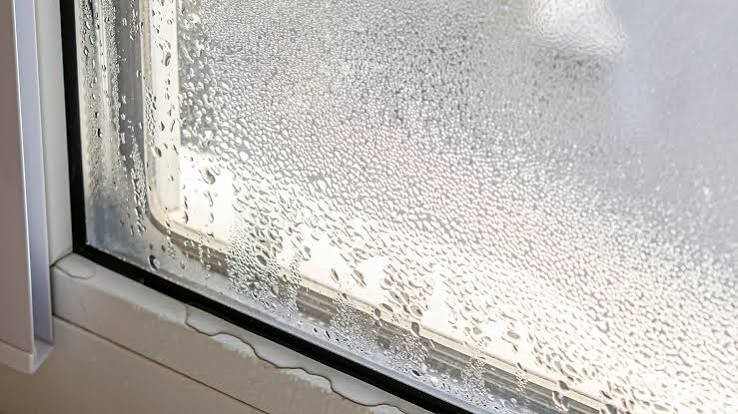
Water leakage around aluminium windows is a common problem that can affect residential, commercial and industrial buildings. Although aluminium windows are known for their strength, durability and resistance to corrosion, poor installation, damaged seals, blocked drainage channels and deteriorating joints can allow rainwater to enter a building.
In Uganda, where buildings are exposed to seasonal rainfall, humidity and changing weather conditions, properly installed and sealed aluminium windows are essential for protecting indoor spaces.
Water entering through aluminium window frames can cause damp walls, peeling paint, damaged window sills, mould growth and deterioration of interior finishes. If the problem is not addressed early, it may result in expensive repairs and affect the overall condition of the building.
Fortunately, water leakage around aluminium windows can often be prevented through proper fabrication, quality sealing materials, correct installation and regular maintenance.
In this guide, Daltrevco explains the common causes of aluminium window water leakage, practical ways to prevent it and the importance of professional aluminium window installation in Uganda.
What Causes Water Leakage Around Aluminium Windows?
Before understanding how to prevent water leakage, it is important to identify the factors that allow rainwater to pass through aluminium window systems.
Some of the most common causes include:
- Poor aluminium window installation.
- Damaged or worn-out rubber gaskets.
- Cracked or deteriorated silicone sealant.
- Blocked window drainage channels.
- Incorrectly fitted glass panels.
- Poorly sealed joints between frames and walls.
- Damaged weatherstripping.
- Incorrect window design for the exposure conditions.
- Structural cracks around window openings.
Identifying the exact source of leakage is essential because water may enter through the glass, frame joints, drainage system or surrounding wall rather than through the same point where it becomes visible indoors.
1. Ensure Proper Aluminium Window Installation
One of the most effective ways to prevent water leakage around aluminium windows is to ensure that the windows are professionally installed.
Poor installation can create gaps between the aluminium frame and the surrounding wall, allowing rainwater to penetrate the building.
Common installation problems include incorrect measurements, poorly aligned frames, inadequate fixing and improperly sealed joints.
To prevent these problems:
- Ensure window openings are accurately measured.
- Use appropriately sized aluminium frames.
- Position frames correctly within the openings.
- Secure frames using suitable fixing methods.
- Seal installation joints properly.
- Ensure the window system is installed according to the manufacturer’s specifications.
Professional installation helps create a secure fit and reduces the possibility of water entering through vulnerable areas.
2. Use Quality Silicone Sealants Around Window Frames
Silicone sealant is commonly used to close gaps between aluminium window frames and surrounding building surfaces.
When correctly selected and applied, it creates a flexible, water-resistant joint that helps prevent rainwater from entering through installation gaps.
However, not all sealants are suitable for every application.
For effective sealing:
- Choose a sealant compatible with aluminium and the adjoining surface.
- Use a suitable exterior-grade product for exposed joints.
- Ensure surfaces are clean and dry before application.
- Apply sealant evenly without leaving gaps.
- Follow the manufacturer’s recommended curing time.
- Inspect sealant joints regularly for cracks or separation.
Avoid applying new silicone over loose, dirty or deteriorated sealant. The damaged material should first be removed and the joint properly prepared.
3. Inspect and Replace Damaged Rubber Gaskets
Rubber gaskets are important components of aluminium window systems because they help create a tight seal between glass panels and aluminium frames.
Over time, exposure to sunlight, weather conditions and repeated use can cause some gaskets to deteriorate.
Damaged gaskets may become:
- Cracked.
- Loose.
- Brittle.
- Compressed.
- Displaced from their original position.
When this happens, gaps may develop around the glass, allowing rainwater to enter the window system.
Inspect rubber gaskets regularly and replace damaged ones with compatible materials recommended for the particular aluminium profile.
Using correctly sized, quality gaskets helps maintain effective glazing seals and improves the overall performance of aluminium windows.
4. Keep Aluminium Window Drainage Channels Clean
Most properly designed aluminium window systems include drainage channels that collect and direct water away from the frame.
These channels are particularly important in sliding and other window systems exposed to rainfall.
When drainage channels or weep holes become blocked, collected water may overflow into the building.
Common causes of blockages include:
- Dust and dirt.
- Leaves and small debris.
- Insects.
- Paint and construction materials.
- Accumulated mud.
To prevent water leakage:
- Inspect drainage openings regularly.
- Remove visible dirt and debris.
- Clean the channels using suitable tools.
- Ensure drainage outlets remain open.
- Check that water can flow out of the frame correctly.
Important: Never seal drainage holes with silicone or other materials. These openings are designed to allow water to escape and must remain functional.
5. Ensure Proper Glass Installation
Incorrectly installed glass panels can create gaps through which rainwater enters aluminium windows.
Glass panels should be correctly positioned and secured using the appropriate glazing gaskets, beads and fixing components.
Common glass installation problems include:
- Incorrect glass dimensions.
- Poorly fitted glazing gaskets.
- Loose glazing beads.
- Uneven glass positioning.
- Damaged glazing seals.
To prevent these problems, ensure that glass panels are fabricated and installed according to the aluminium profile manufacturer’s specifications.
The correct glazing system helps maintain a secure fit and reduces the risk of water penetration.
6. Install Quality Weatherstripping
Weatherstripping helps seal the spaces between movable aluminium window sections and the main frame.
It is particularly important for sliding and casement window systems because these windows contain moving joints that may allow water and air to enter if they are poorly sealed.
Common weatherstripping materials include:
- EPDM rubber seals.
- Flexible rubber strips.
- Brush seals.
- Purpose-designed compression seals.
Quality weatherstripping helps minimise unwanted water and air infiltration while allowing windows to open and close properly.
Inspect these components regularly and replace worn or damaged strips.
7. Check the Joints Between Aluminium Frames and Walls
Water leakage does not always originate from the aluminium window itself. Sometimes rainwater enters through gaps between the window frame and the surrounding wall.
This may happen when installation joints are poorly sealed or when the surrounding plaster and construction materials develop cracks.
Look for:
- Cracks around window openings.
- Gaps between frames and walls.
- Damaged external plaster.
- Deteriorated sealant joints.
- Damp patches near window corners.
To prevent water penetration, inspect the surrounding wall and repair cracks using appropriate materials before applying a compatible exterior-grade sealant where required.
Proper coordination between aluminium installation and building finishing is essential for effective waterproofing.
8. Choose the Right Aluminium Window Design
Different aluminium window designs have different drainage, sealing and weather-resistance characteristics.
Choosing a suitable design for the building’s location and exposure conditions helps reduce the risk of water leakage.
Sliding Aluminium Windows
Sliding windows move horizontally along tracks and are commonly used in residential and commercial buildings.
They require properly designed drainage channels, suitable weatherstripping and correctly fitted tracks to manage water effectively.
Casement Aluminium Windows
Casement windows are hinged and open outward or inward, depending on the design.
When properly installed, their closing mechanisms can provide effective compression against suitable weather seals.
Top-Hung Aluminium Windows
Top-hung windows open outward from the bottom and can provide ventilation while offering some protection against light rainfall, depending on their design and exposure.
Fixed Aluminium Windows
Fixed windows do not open and can provide effective weather protection when correctly glazed and sealed.
The best window design depends on building orientation, rainfall exposure, ventilation requirements and architectural preferences.
9. Ensure Proper Window Alignment
Correct alignment is important for the effective operation and water resistance of aluminium windows.
If a window frame is incorrectly positioned or movable panels are misaligned, the sealing components may not make proper contact.
This can create gaps that allow rainwater to enter.
Common alignment problems include:
- Uneven window frames.
- Sliding panels that do not sit correctly in their tracks.
- Casement windows that do not close tightly.
- Uneven gaps around movable sections.
- Faulty locking mechanisms.
Professional adjustment and installation help ensure that the window closes correctly and that sealing components function as intended.
10. Maintain External Window Sills and Surrounding Surfaces
The condition of the external window sill and surrounding wall can also affect water management.
Window sills should be designed and installed to direct rainwater away from the building rather than allowing it to collect around the window frame.
Useful preventive measures include:
- Ensuring external sills have an appropriate outward slope.
- Maintaining effective drainage at the sill.
- Repairing cracks in surrounding masonry.
- Checking joints between sills and window frames.
- Avoiding water accumulation near window openings.
These measures help reduce the amount of water reaching vulnerable joints around aluminium windows.
11. Inspect Aluminium Windows Regularly
Regular inspection helps identify minor sealing problems before they develop into serious water leakage issues.
Property owners should check aluminium windows periodically, particularly before and during rainy seasons.
Important inspection points include:
- Silicone sealant around the frames.
- Rubber gaskets around glass panels.
- Weatherstripping around movable sections.
- Window drainage channels.
- Frame-to-wall joints.
- Glass panels and glazing beads.
- External window sills.
If you notice water entering the building, investigate the source rather than simply applying sealant to the visible wet area.
Water can travel through concealed joints before appearing inside, so identifying the actual entry point is important.
12. Use Professional Aluminium Window Repair and Maintenance Services
Some water leakage problems require professional assessment because their source may not be immediately visible.
For example, water entering through blocked drainage channels may appear similar to leakage caused by damaged frame-to-wall joints.
An experienced aluminium technician can inspect the complete window system and determine whether the solution involves:
- Replacing damaged rubber gaskets.
- Applying new silicone sealant.
- Repairing installation joints.
- Cleaning drainage channels.
- Adjusting window panels.
- Replacing damaged glazing components.
- Reinstalling severely defective windows.
Professional assessment helps avoid unnecessary repairs and ensures that the correct solution is applied.
Common Mistakes to Avoid When Preventing Aluminium Window Water Leakage
Although sealing is important, incorrect repair methods can make water leakage worse.
Avoid these common mistakes:
1. Applying silicone over old sealant: New sealant may not bond properly to dirty, loose or deteriorated material. Remove failed sealant and prepare the joint first.
2. Blocking drainage holes: Drainage openings must remain clear so that water collected inside the window frame can escape.
3. Using unsuitable sealants: Some products may not adhere properly to aluminium, glass or masonry. Always select compatible materials.
4. Ignoring damaged rubber gaskets: Cracked or displaced gaskets can allow water to enter even when the outer frame appears properly sealed.
5. Overlooking the surrounding wall: Cracks in plaster and masonry can allow water to enter around the window opening.
6. Delaying repairs: Small leaks can gradually damage interior finishes and surrounding building materials.
7. Choosing inexperienced installers: Incorrect measurements, poor fabrication and improper installation can create recurring leakage problems.
How to Fix Aluminium Windows That Are Already Leaking
If your aluminium windows are already leaking, the first step is to identify where the water is entering.
Use the following guide to understand possible solutions.
| Common Problem | Recommended Solution |
|---|---|
| Cracked silicone around frames | Remove failed sealant and apply compatible new sealant |
| Damaged rubber gaskets | Replace with suitable glazing gaskets |
| Blocked drainage channels | Clean drainage channels and outlets |
| Water entering through frame-to-wall gaps | Repair joints and apply suitable exterior sealant |
| Loose or incorrectly fitted glass | Have glazing professionally refitted |
| Sliding window leakage | Inspect tracks, drainage and weatherstripping |
| Misaligned window panels | Professionally adjust the frame and hardware |
| Severely damaged frames | Consider window replacement |
The appropriate solution depends on the actual source of leakage. If water continues entering after basic maintenance, arrange a professional inspection.
Benefits of Properly Sealed Aluminium Windows
Investing in proper sealing provides several benefits for residential and commercial properties.
Better Protection Against Rainwater
Proper sealing helps prevent rainwater from entering through vulnerable joints, protecting walls, floors and interior finishes.
Improved Energy Efficiency
Reducing unwanted air infiltration helps maintain more stable indoor temperatures and may reduce cooling requirements in air-conditioned buildings.
Reduced Dust and Insect Entry
Quality seals help minimise the entry of dust, insects and outdoor debris.
Improved Indoor Comfort
Properly sealed windows help create cleaner, quieter and more comfortable indoor environments.
Longer Window Lifespan
Maintaining effective seals helps protect window components and surrounding building materials from avoidable moisture damage.
Lower Maintenance Expenses
Preventing recurring water leakage can reduce repair requirements and protect interior finishes from deterioration.
Why Professional Aluminium Window Installation Is Important in Uganda
The quality of aluminium window installation has a direct influence on how effectively windows resist rainwater.
In Uganda, property owners should pay particular attention to sealing quality, drainage systems, weatherstripping and the condition of installation joints.
Professional installation ensures that:
- Window openings are accurately measured.
- Suitable aluminium profiles are selected.
- Glass panels are correctly fitted.
- Drainage channels function properly.
- Appropriate sealants and gaskets are used.
- Frames are correctly aligned and secured.
- Window joints are properly finished.
Working with an experienced aluminium fabrication and installation company helps ensure that your windows are designed and installed to meet your building’s requirements.
Professional Aluminium Window and Door Installation Services in Uganda – Daltrevco
At Daltrevco, we understand the importance of properly fabricated and installed aluminium windows in protecting buildings against water leakage and other environmental conditions.
We provide aluminium works and installation solutions for residential, commercial and other building projects in Uganda.
Whether you are constructing a new home, renovating an existing property or replacing old aluminium windows, we focus on quality workmanship, suitable materials and professional installation.
Our aluminium works and installation solutions include:
- Aluminium window fabrication and installation.
- Aluminium door fabrication and installation.
- Sliding aluminium windows and doors.
- Casement aluminium windows.
- Glass and aluminium installations.
- Aluminium partitions.
- Custom aluminium designs for residential and commercial properties.
We understand that proper measurements, quality gaskets, suitable sealants, functional drainage and professional installation are essential for reliable aluminium window performance.
Are you experiencing water leakage around your aluminium windows? Contact Daltrevco to discuss suitable aluminium window installation, repair and replacement solutions.
Visit our website: https://www.daltrevco.com/
Frequently Asked Questions About Preventing Water Leakage Around Aluminium Windows
1. Why do aluminium windows leak when it rains?
Aluminium windows may leak because of damaged rubber gaskets, cracked silicone sealant, blocked drainage channels, poor installation, loose glass panels or gaps between frames and surrounding walls.
2. How can I stop rainwater from entering through aluminium windows?
Identify the source of the leak, inspect the seals and drainage channels, replace damaged gaskets, repair defective joints and ensure the frame is correctly aligned. Persistent leakage should be assessed by a professional.
3. What is the best sealant for aluminium windows?
A suitable exterior-grade neutral-cure silicone sealant is commonly used for many aluminium window joints. The correct product depends on the surfaces being joined, exposure conditions and manufacturer’s recommendations.
4. Should I seal the drainage holes in aluminium windows?
No. Drainage holes and weep openings should remain clear because they allow collected water to escape from the window frame. Blocking them can cause water accumulation and leakage.
5. Can damaged aluminium window seals cause water leakage?
Yes. Damaged, loose or deteriorated rubber gaskets and weatherstripping can allow rainwater to enter through gaps around glass panels and movable window sections.
6. How often should aluminium window seals be checked?
Inspect window seals periodically and pay particular attention before rainy seasons. The frequency depends on weather exposure, material quality, window usage and maintenance conditions.
7. Can leaking aluminium windows be repaired without replacing them?
Yes. Many leaks can be corrected by replacing damaged gaskets, renewing failed sealant, cleaning drainage channels or adjusting window panels. Complete replacement may be necessary when frames are severely damaged or defective.
8. Are sliding aluminium windows more likely to leak?
Sliding windows have tracks and drainage channels that require proper design and maintenance. If these components are blocked or their seals are damaged, leakage may occur. Proper fabrication, installation and maintenance help prevent these problems.
Conclusion
Preventing water leakage around aluminium windows requires quality materials, proper fabrication, professional installation and regular maintenance.
Damaged rubber gaskets, deteriorated silicone sealant, blocked drainage channels and poorly installed frames are some of the most common causes of water infiltration.
By using suitable sealing materials, maintaining functional drainage systems and ensuring correct window installation, property owners can protect their buildings against rainwater damage and improve the long-term performance of aluminium windows.
For homeowners, contractors and commercial building owners in Uganda, investing in quality aluminium window fabrication and installation is an important step towards achieving durable, weather-resistant buildings.
Contact Daltrevco today for professional aluminium works and installation solutions in Uganda.

