Introduction
Technology is transforming the way people live, work, and interact with their homes. What was once considered a luxury is now becoming an essential part of modern residential living. From intelligent lighting and automated security systems to smart thermostats and voice-controlled appliances, smart home technology is making homes more comfortable, secure, energy-efficient, and convenient.
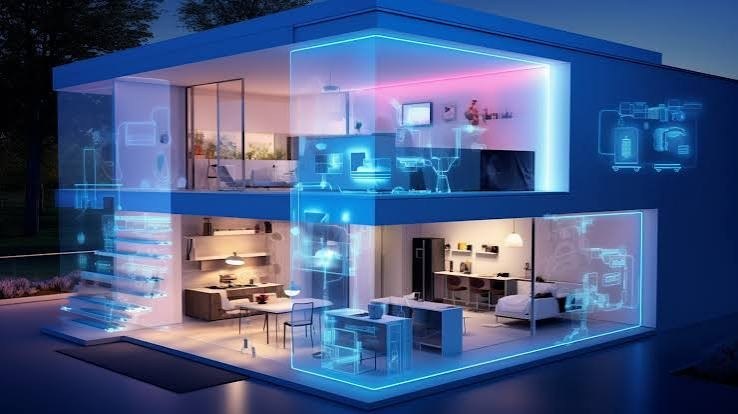
A modern smart home is more than a house equipped with electronic gadgets. It is an intelligently connected living environment where different devices and systems communicate with one another to automate everyday activities, improve energy management, enhance security, and provide homeowners with greater control over their properties.
With the rapid development of the Internet of Things (IoT), artificial intelligence (AI), wireless communication, and home automation systems, homeowners can now manage lighting, temperature, entertainment, security, and household appliances through smartphones, voice assistants, and centralised control platforms.
Whether you are constructing a new house, renovating an existing property, or planning to upgrade your home, investing in the right smart home technologies can significantly improve your living experience.
In this article, we explore the essential technologies every modern smart home should have, their benefits, how they work, and why they are becoming increasingly important in contemporary residential buildings.
1. Smart Lighting Systems
Smart lighting is one of the most important technologies every modern smart home should have. Unlike traditional lighting systems that require manual switching, smart lighting allows homeowners to control lights remotely, automate lighting schedules, and adjust brightness according to their preferences.
Smart lighting systems use connected bulbs, switches, sensors, and centralised controllers to provide intelligent lighting management.
Homeowners can operate their lighting systems through smartphone applications, voice commands, or automated schedules.
Key Features of Smart Lighting
- Remote lighting control through mobile applications.
- Automatic switching using motion and occupancy sensors.
- Adjustable brightness and colour temperature.
- Scheduled lighting based on daily routines.
- Integration with security and home automation systems.
- Energy-efficient LED lighting technology.
Benefits of Smart Lighting
Smart lighting improves convenience by allowing homeowners to control lights from virtually anywhere. It also helps reduce unnecessary electricity consumption by automatically switching off lights when rooms are unoccupied.
For example, motion sensors can activate corridor lights when someone enters an area and switch them off after the space becomes vacant.
Smart lighting can also improve home security by simulating occupancy when residents are away.
2. Smart Home Security and Surveillance Systems
Home security is a major consideration in modern residential design. Smart security technologies provide homeowners with advanced monitoring, real-time notifications, and remote access to security systems.
A modern smart home should incorporate intelligent surveillance cameras, smart door locks, motion detectors, alarm systems, and video doorbells.
These technologies work together to monitor the property, detect unusual activities, and alert homeowners when potential security threats arise.
Essential Smart Security Technologies
Smart CCTV Cameras: These cameras provide live video monitoring, motion detection, night vision, and remote viewing through smartphones.
Smart Door Locks: Electronic door locks allow homeowners to unlock and secure doors using PIN codes, biometric authentication, smartphone applications, or access cards.
Video Doorbells: These devices allow residents to see and communicate with visitors without physically opening the door.
Motion Sensors: Motion detectors identify movement within designated areas and can trigger alarms, lights, or notifications.
Smart Alarm Systems: Connected alarm systems provide instant alerts when unauthorised access or suspicious activity is detected.
Why Smart Security Matters
Smart security systems provide greater visibility and control over residential properties. Homeowners can monitor their houses while travelling, receive notifications when someone approaches the entrance, and review recorded footage when necessary.
Integrating security systems with smart lighting and access control can create a more comprehensive home protection solution.
3. Smart Thermostats and Intelligent Climate Control
Temperature regulation plays an important role in maintaining indoor comfort and energy efficiency. Smart thermostats and intelligent climate control systems allow homeowners to manage indoor temperatures automatically.
These systems can monitor environmental conditions, follow programmed schedules, and adjust heating, ventilation, and air conditioning (HVAC) equipment according to occupants’ preferences.
Some advanced systems also use artificial intelligence and occupancy detection to optimise temperature settings.
Features of Smart Climate Control
- Remote temperature adjustment.
- Automated heating and cooling schedules.
- Temperature and humidity monitoring.
- Integration with HVAC systems.
- Occupancy-based temperature control.
- Energy consumption monitoring.
Benefits of Smart Climate Control
Smart climate control systems help maintain comfortable indoor environments while reducing unnecessary energy consumption.
For instance, an intelligent thermostat can automatically adjust cooling settings when residents leave the house and restore preferred temperatures before they return.
In warm climates, smart air conditioning controls, ventilation systems, and temperature sensors can improve indoor comfort and support efficient building operation.
4. Smart Home Automation Hubs and Centralised Control Systems
A smart home automation hub is one of the most important components of an integrated smart home. It connects different smart devices and allows them to communicate through a centralised platform.
Without proper integration, homeowners may need to use separate applications to operate lighting, security cameras, entertainment systems, and other connected devices.
A centralised automation hub simplifies this process by bringing compatible technologies together.
Functions of Smart Home Hubs
- Connect and coordinate smart home devices.
- Automate daily household activities.
- Integrate lighting, security, and climate control.
- Enable voice and smartphone control.
- Create customised automation routines.
- Support communication between compatible devices.
Popular smart home platforms include Apple Home, Google Home, Amazon Alexa, and Samsung SmartThings.
When selecting a smart home hub, homeowners should consider device compatibility, communication protocols, privacy, reliability, and local or cloud-based control capabilities.
Standards such as Matter are also improving interoperability between compatible smart home devices.
5. Voice-Controlled Smart Assistants
Voice-controlled assistants are becoming an increasingly popular feature in modern smart homes. They allow homeowners to operate connected devices using simple spoken commands.
Instead of manually switching on lights, adjusting thermostats, or searching for entertainment content, residents can use voice commands to perform these activities.
Popular voice assistant technologies include Amazon Alexa, Google Assistant, and Apple Siri.
What Can Voice Assistants Do?
- Switch lights on and off.
- Control compatible smart appliances.
- Adjust temperature settings.
- Play music and entertainment.
- Provide weather updates and reminders.
- Operate compatible security systems.
- Activate predefined home automation routines.
Voice assistants make smart home technology more accessible, particularly for elderly residents and individuals who prefer hands-free control.
For privacy and security, homeowners should review microphone settings, recording controls, and device permissions.
6. Smart Energy Management Systems
Energy efficiency is a major priority in modern building design. Smart energy management systems help homeowners monitor, control, and optimise electricity consumption.
These systems use smart meters, energy monitoring devices, intelligent switches, and automated controllers to provide information about how electricity is being consumed.
Some advanced solutions can identify energy-intensive appliances and recommend ways to reduce unnecessary electricity usage.
Essential Energy Management Technologies
- Smart electricity meters.
- Real-time energy monitoring devices.
- Intelligent power switches.
- Automated appliance scheduling.
- Solar energy monitoring systems.
- Battery storage management systems.
Benefits of Smart Energy Management
Smart energy management helps homeowners understand their electricity consumption and make informed decisions about energy use.
For example, smart plugs can schedule selected appliances to operate during preferred hours, while energy monitoring systems can help identify devices that consume excessive electricity.
When integrated with solar panels and battery storage, smart energy management systems can also help optimise the use of renewable energy.
7. Smart Plugs and Connected Home Appliances
Smart plugs are affordable and practical devices that can transform selected conventional electrical appliances into remotely controlled devices.
They connect to a power outlet and allow compatible appliances to be switched on or off through a smartphone application or automation platform.
Smart plugs are particularly useful for homeowners who want to introduce automation without replacing all their existing appliances.
Common Applications of Smart Plugs
- Controlling lamps and decorative lighting.
- Scheduling selected electrical appliances.
- Monitoring electricity consumption on supported models.
- Switching compatible appliances remotely.
- Integrating conventional devices into automation routines.
Modern smart homes can also incorporate connected refrigerators, washing machines, ovens, robotic vacuum cleaners, and other intelligent household appliances.
These devices provide improved convenience and can communicate with other compatible smart home systems.
However, smart plugs should only be used with appliances within their rated electrical capacity and according to manufacturer safety instructions.
8. Smart Doorbells and Automated Access Control Systems
Access control is another essential technology for modern residential buildings. Smart doorbells and electronic access systems help homeowners manage who enters their properties.
These systems combine digital identification, remote communication, and automated locking mechanisms to improve residential security.
Key Access Control Technologies
- Video intercom systems.
- Biometric fingerprint scanners.
- Smart electronic door locks.
- Keypad entry systems.
- RFID access cards.
- Remote visitor management systems.
For example, a homeowner can receive a notification when a visitor presses the video doorbell, communicate with the visitor remotely, and unlock the entrance if appropriate.
In larger residential properties, access control systems can be integrated with CCTV surveillance and building management systems to provide coordinated security management.
9. Smart Smoke, Gas, and Water Leak Detection Systems
Safety should always be a priority when designing a smart home. Intelligent environmental monitoring systems help identify potential hazards before they develop into serious emergencies.
These technologies use connected sensors to monitor indoor environmental conditions and provide alerts when abnormal situations are detected.
Essential Smart Safety Sensors
Smart Smoke Detectors: Detect smoke and provide audible alarms and compatible remote notifications.
Gas Leak Detectors: Identify potentially dangerous gas concentrations and alert occupants.
Water Leak Sensors: Detect water leakage around plumbing systems, washing machines, water heaters, and other vulnerable areas.
Temperature Sensors: Monitor abnormal temperature changes that may indicate overheating or equipment problems.
Indoor Air Quality Sensors: Monitor selected air quality indicators, such as carbon dioxide, particulate matter, and volatile organic compounds, depending on the device.
Benefits of Intelligent Safety Monitoring
These systems provide early warnings that can help homeowners respond quickly to potential hazards.
For example, a water leak sensor installed near a washing machine can alert residents when leakage is detected. When integrated with a compatible automatic shut-off valve, the system may also stop the water supply.
Smart safety devices should complement, not replace, certified smoke alarms, proper ventilation, and other required safety measures.
10. High-Speed Internet and Reliable Home Networking
A reliable internet connection is the foundation of almost every modern smart home. Connected devices depend on communication networks to exchange information, receive commands, and provide remote access.
Without a stable network, smart cameras, voice assistants, security systems, and other connected technologies may experience interruptions.
Essential Home Networking Technologies
- High-speed broadband internet.
- Modern Wi-Fi routers.
- Mesh Wi-Fi systems.
- Network switches.
- Ethernet connections for suitable devices.
- Secure network configurations.
Wi-Fi 6 and newer wireless technologies can improve network performance, particularly in homes with multiple connected devices.
Mesh Wi-Fi systems are particularly useful in larger houses where a single router may not provide sufficient coverage.
For greater reliability, homeowners can connect devices such as network video recorders, desktop computers, and selected smart home hubs through Ethernet.
A separate network for smart home devices can also improve security and network management.
11. Smart Entertainment Systems
Entertainment technology is another important feature of modern smart homes. Smart entertainment systems allow residents to enjoy music, television, streaming services, and multimedia content through connected devices.
These systems can be integrated with voice assistants and centralised automation platforms to provide convenient control.
Popular Smart Entertainment Technologies
- Smart televisions.
- Wireless smart speakers.
- Multi-room audio systems.
- Streaming media devices.
- Home theatre systems.
- Intelligent soundbars.
For example, homeowners can create different entertainment environments by playing music in the living room, adjusting television settings, or controlling compatible speakers using voice commands.
Multi-room entertainment systems also allow residents to enjoy synchronised music across different areas of the house.
12. Solar Power Systems and Smart Battery Storage
Reliable electricity is essential for modern smart homes. Solar energy systems and intelligent battery storage technologies provide homeowners with additional energy options and can improve resilience during power interruptions.
A modern solar power installation may include photovoltaic panels, an inverter, battery storage, and an intelligent energy management controller.
These components work together to generate, convert, store, and distribute electricity.
Key Features of Smart Solar Energy Systems
- Real-time solar generation monitoring.
- Intelligent battery charging.
- Automated energy distribution.
- Remote system monitoring.
- Backup power management.
- Integration with smart energy management platforms.
Solar power and battery storage are particularly useful in locations where electricity supply may be inconsistent or where homeowners want to reduce dependence on grid electricity.
In Uganda and other markets where power reliability and energy costs are important considerations, solar integration can be a valuable part of a modern smart home design.
Homeowners should ensure that solar installations are properly designed, installed, and protected by qualified professionals.
13. Smart Curtains and Automated Window Blinds
Automated curtains and blinds are increasingly becoming part of modern smart home installations.
These systems use electric motors, wireless controllers, and scheduling features to open and close window coverings automatically.
Homeowners can control their curtains through smartphone applications, remote controls, voice commands, or predefined schedules.
Benefits of Smart Curtains
- Improved convenience.
- Better control of natural lighting.
- Enhanced indoor privacy.
- Reduced direct sunlight when required.
- Integration with lighting and climate control.
- Automated daily routines.
For example, smart curtains can automatically open in the morning and close in the evening.
When integrated with sunlight sensors, they can also adjust according to changing outdoor lighting conditions.
14. Smart Water Management Systems
Water management is an important consideration in modern residential buildings. Smart water management technologies help homeowners monitor water consumption, identify leaks, and manage selected water-related equipment.
These systems use connected water meters, flow sensors, leak detectors, and automated valves.
Applications of Smart Water Management
- Monitoring household water consumption.
- Detecting unusual water flow.
- Identifying plumbing leaks.
- Controlling irrigation systems.
- Automating water shut-off valves.
- Scheduling garden watering.
Smart irrigation systems are particularly beneficial for homes with gardens and landscaped outdoor spaces.
They can use soil moisture sensors and weather information to determine when irrigation is necessary, helping reduce unnecessary water consumption.
15. Artificial Intelligence and Predictive Home Automation
Artificial intelligence is increasingly influencing the development of smart home technology.
Traditional automation systems usually operate according to predefined schedules or conditions. AI-powered systems can go further by analysing information, identifying patterns, and adapting certain operations to changing household requirements.
Applications of AI in Smart Homes
- Learning preferred lighting schedules.
- Optimising temperature settings.
- Identifying unusual energy consumption.
- Supporting intelligent security monitoring.
- Automating household routines.
- Providing personalised device recommendations.
For example, an intelligent automation system may recognise that residents regularly adjust the living room lighting in the evening and offer to automate that routine.
AI-powered security systems may also help distinguish between different types of movement, depending on the capabilities of the equipment.
However, homeowners should understand how their systems collect, process, and store personal information before enabling advanced AI features.
16. Smart Building Management Systems (BMS)
For larger residential properties, apartments, and luxury homes, a Building Management System (BMS) can provide a more comprehensive approach to managing building services.
A BMS integrates selected building systems into a centralised monitoring and control platform.
These systems are commonly used in commercial buildings, hotels, hospitals, and large residential developments, but their principles are also relevant to advanced smart homes.
Functions of a Smart Building Management System
- Monitoring electrical systems.
- Managing HVAC equipment.
- Integrating lighting controls.
- Monitoring water systems.
- Coordinating security technologies.
- Monitoring environmental conditions.
- Providing operational reports.
A properly designed BMS improves visibility and coordination between different building services.
For large smart homes, it can help homeowners and facility managers monitor multiple systems from a centralised interface.
How to Choose the Right Smart Home Technologies
Selecting the right technologies requires careful consideration of the property’s design, budget, lifestyle, and future requirements.
Not every home needs every available smart device. The best approach is to prioritise technologies that provide meaningful improvements in security, convenience, energy efficiency, and reliability.
Consider the following factors when planning a smart home installation:
1. Identify Your Priorities
Determine which areas require improvement. Security, lighting, energy management, entertainment, and climate control are good starting points.
2. Choose Compatible Devices
Ensure that the devices you purchase can communicate with your preferred smart home platform. Look for supported standards such as Matter, where appropriate.
3. Consider Network Reliability
Evaluate internet coverage and wireless network capacity before installing multiple connected devices.
4. Prioritise Cybersecurity
Use strong passwords, enable multi-factor authentication where available, update device software, and purchase products from reputable manufacturers.
5. Plan for Future Expansion
Choose systems that allow additional devices and technologies to be integrated as your requirements change.
6. Consider Power Backup
Smart home devices depend on electricity. Consider backup power solutions for essential equipment such as routers, security cameras, automation hubs, and access control systems.
7. Work With Qualified Professionals
Electrical installations, security systems, HVAC integration, and complex automation projects should be designed and installed by qualified professionals.
Conclusion
The modern smart home is built around intelligent technologies that make residential living safer, more convenient, energy-efficient, and comfortable.
From smart lighting and automated security systems to intelligent energy management, voice assistants, and AI-powered automation, these technologies are changing the way homeowners interact with their living environments.
The most effective smart home is not necessarily the one with the greatest number of connected devices. It is one in which different technologies work together reliably to meet the needs of the people living in the property.
As the Internet of Things, artificial intelligence, wireless communication, and renewable energy technologies continue to develop, smart homes will become increasingly intelligent and integrated.
Whether you are building a new property or upgrading an existing house, investing in the right smart home technologies today can create a more secure, efficient, and future-ready living environment.
The future of residential living is intelligent, connected, and automated.
Frequently Asked Questions (FAQs)
1. What technologies are essential for a modern smart home?
Essential smart home technologies include smart lighting, security cameras, smart locks, home automation hubs, voice assistants, smart thermostats, energy management systems, reliable Wi-Fi networks, and connected safety sensors.
2. How does smart home technology work?
Smart home technology uses connected devices, sensors, wireless communication, and automation platforms to monitor and control household systems. Homeowners can manage compatible devices through smartphones, voice commands, and automated routines.
3. Is smart home technology expensive?
The cost depends on the number of devices, the level of automation, and the complexity of installation. Homeowners can begin with affordable smart plugs, lighting, and security devices before expanding to more advanced systems.
4. Can smart home systems operate without the internet?
Some smart home systems can operate locally without an internet connection, depending on their communication protocols and configuration. However, remote access, cloud-based services, and certain voice assistant features generally require internet connectivity.
5. What is the role of IoT in smart homes?
The Internet of Things (IoT) connects physical devices to communication networks, allowing them to collect and exchange information. In smart homes, IoT enables devices such as sensors, cameras, lighting systems, and appliances to communicate and automate everyday activities.
6. Are smart homes energy-efficient?
Smart homes can improve energy efficiency through automated lighting, intelligent temperature control, energy monitoring, smart appliances, and renewable energy integration. Actual savings depend on device efficiency, system configuration, and household usage.
7. What is the difference between a smart home and a traditional home?
A traditional home generally relies on manually operated systems, while a smart home uses connected technologies and automation to monitor and control selected household functions.
8. Can existing houses be converted into smart homes?
Yes. Many existing houses can be upgraded using wireless smart switches, connected bulbs, smart plugs, security cameras, smart locks, and automation hubs without requiring major structural modifications.
9. What are the disadvantages of smart home technology?
Potential disadvantages include installation costs, dependence on electricity and network connectivity, cybersecurity risks, privacy concerns, and compatibility issues between different manufacturers.
10. What is the future of smart home technology?
The future of smart homes will involve greater artificial intelligence integration, predictive automation, improved energy management, renewable energy integration, advanced security systems, and better communication between connected devices.