Introduction
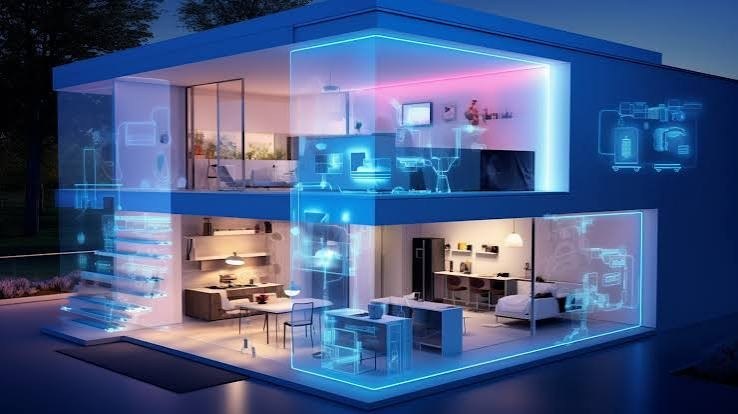
Modern buildings are becoming increasingly intelligent, connected and technology-driven. From heating, ventilation and air conditioning (HVAC) to lighting, security, fire detection, electrical distribution and energy management, today’s buildings depend on multiple systems working together to provide safe, comfortable and efficient environments.
However, when these systems operate independently, managing a building can become complicated. Facility managers may need to use different software platforms, monitor separate control panels and coordinate maintenance across several departments. This can result in inefficient operations, delayed responses to faults, unnecessary energy consumption and increased operating costs.
Integrating multiple building systems through centralised management platforms provides a more effective approach.
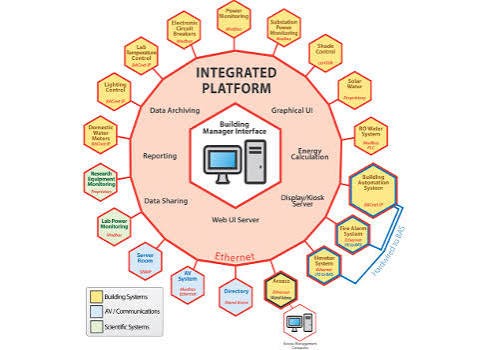
A centralised Building Management System (BMS) or Building Automation System (BAS) brings information from different building technologies into a unified management environment. It allows authorised personnel to monitor equipment, coordinate selected operations, receive alerts and analyse building performance from a central interface.
For commercial buildings, hotels, hospitals, shopping centres, office complexes, educational institutions and modern residential developments, this integration can significantly improve building management.
In this article, we explore how centralised management platforms integrate multiple building systems, the technologies involved, the benefits of integration, common challenges and the key considerations for implementing an effective solution.
1. What Is a Centralised Building Management Platform?
A centralised building management platform is a technology solution that connects and coordinates different building services through a common monitoring and management interface.
Instead of managing every building system separately, facility managers can access information from compatible systems through one platform.
Depending on the building’s design, a centralised platform may integrate:
- Heating, ventilation and air conditioning systems.
- Lighting control systems.
- Electrical power monitoring and distribution.
- Access control and security systems.
- Fire detection and alarm system interfaces.
- Water supply and pump monitoring.
- Elevators and selected vertical transportation systems.
- Energy management systems.
- Solar photovoltaic and battery monitoring.
- Indoor environmental monitoring.
- Generator and backup power monitoring.
The objective is not necessarily to make every system dependent on one controller. Rather, it is to enable compatible systems to exchange information and provide coordinated management while retaining the specialised functions and safety requirements of individual systems.
For example, a facility manager in a commercial office building may use one central dashboard to monitor air conditioning performance, lighting status, electricity consumption and selected security events.
This provides a clearer understanding of how the entire building is operating.
2. Why Integrating Multiple Building Systems Is Important
Traditionally, building services were installed and managed as separate systems. HVAC contractors installed cooling equipment, electrical contractors handled power distribution, security specialists installed access control and lighting contractors provided lighting controls.
Although these systems perform important individual functions, operating them independently can create management difficulties.
Fragmented building management
Separate platforms make it difficult to obtain a complete picture of building performance. Facility managers may have to move between several interfaces to identify the source of an operational problem.
Inefficient energy consumption
When lighting, HVAC and occupancy systems do not communicate, equipment may continue operating unnecessarily.
For example, an air conditioning unit may continue cooling an empty conference room because it does not receive occupancy information.
Delayed fault detection
Without centralised monitoring, equipment problems may only become apparent after occupants report them or a maintenance inspection identifies the issue.
Increased operational workload
Facility teams may spend considerable time checking equipment manually, recording readings and coordinating maintenance activities.
Limited performance reporting
Separate systems often store operational data in different formats. This makes it harder to compare energy use, identify trends and prepare comprehensive building performance reports.
Centralised management addresses these challenges by improving system visibility, information sharing and operational coordination.
3. Key Building Systems That Can Be Integrated Through a Centralised Platform
A modern centralised management platform can connect several building technologies, depending on system compatibility and project requirements.
3.1 HVAC Systems Integration
<AsyncImage query=”commercial building HVAC automation control system air handling unit chiller mechanical plant room” aspectRatio=”16:9″ width=”100%”/>
Heating, ventilation and air conditioning are among the most important systems in many commercial buildings.
Integrating HVAC with a centralised management platform allows facility managers to monitor and control compatible equipment through a common interface.
The platform may collect information such as:
- Indoor and outdoor temperatures.
- Equipment operating status.
- Air handling unit performance.
- Chilled-water temperatures.
- Pump operating conditions.
- Ventilation and airflow readings.
- Equipment alarms.
Integration also allows HVAC operation to be coordinated with occupancy schedules, indoor air quality measurements and other relevant building information.
For example, cooling can be scheduled around office operating hours, while ventilation can respond to suitable indoor environmental measurements.
3.2 Lighting Control Integration
<AsyncImage query=”modern smart commercial office automated lighting control occupancy daylight sensors” aspectRatio=”16:9″ width=”100%”/>
Lighting systems can be integrated into the central management platform to improve energy efficiency and operational control.
Using occupancy sensors, daylight sensors and programmed schedules, lighting can be adjusted according to actual requirements.
Centralised lighting management can support:
- Automatic switching.
- Dimming controls.
- Daylight harvesting.
- Occupancy-based lighting.
- Scheduled lighting operation.
- Monitoring of selected lighting circuits.
For example, lighting in an office meeting room can be switched off automatically after the space becomes unoccupied, subject to the configured control strategy.
3.3 Security and Access Control Integration
<AsyncImage query=”modern commercial building security control room access control CCTV monitoring screens” aspectRatio=”16:9″ width=”100%”/>
Security integration can provide facility managers with a coordinated view of selected building security functions.
Depending on the platform and system compatibility, integration may include:
- Electronic access control.
- Door monitoring.
- CCTV management interfaces.
- Intrusion detection alarms.
- Visitor management.
- Security event notifications.
For instance, a security event may be displayed on the central management dashboard alongside relevant equipment information.
Security integration should be designed with appropriate permissions, privacy safeguards and network protection. CCTV footage and access records should only be available to authorised personnel.
3.4 Fire Detection and Life-Safety System Integration
Fire detection and life-safety systems are critical components of modern buildings.
A centralised platform may receive selected status information from compatible fire alarm systems, allowing facility managers to view system conditions and receive notifications.
However, fire detection, alarm signalling and emergency control functions must retain their required independent operation and comply with applicable standards and regulations.
The BMS should not replace certified fire alarm panels or interfere with life-safety functions.
Where interfaces are required, they should be designed, approved, tested and commissioned by qualified specialists.
3.5 Electrical Power and Energy Monitoring Integration
<AsyncImage query=”building electrical energy management dashboard smart power meters electrical distribution monitoring commercial facility” aspectRatio=”16:9″ width=”100%”/>
Electrical monitoring provides information about how energy is being consumed throughout a building.
A centralised platform can collect information from compatible energy meters, power monitoring equipment and selected electrical distribution devices.
This allows facility managers to:
- Monitor electricity consumption.
- Compare energy use between floors.
- Identify unusual consumption patterns.
- Track demand levels.
- Monitor selected power quality parameters.
- Evaluate energy-saving initiatives.
For buildings with solar photovoltaic installations, battery storage and standby generators, appropriate integration can also provide a more complete view of energy generation, storage and backup power availability.
3.6 Water Management and Pumping Systems Integration
Water management is another important area of building operations.
Centralised monitoring can connect water tanks, booster pumps, transfer pumps, flow meters and compatible leak detection devices.
The platform may help facility managers monitor:
- Water tank levels.
- Pump operating status.
- Water pressure.
- Flow rates.
- Abnormal pump operation.
- Water consumption patterns.
- Leak detection alarms.
For hotels, hospitals, residential complexes and large commercial buildings, this information can improve water system management and help identify problems before they cause significant disruption.
4. How Centralised Management Platforms Connect Different Building Systems
Integrating multiple building systems requires more than connecting equipment to a computer. It involves a combination of hardware, software, communication protocols and carefully designed control architecture.
4.1 Sensors and Field Devices
Sensors collect information about the physical conditions of a building.
Examples include:
- Temperature sensors.
- Humidity sensors.
- Occupancy detectors.
- Pressure sensors.
- Flow meters.
- Energy meters.
- Water level sensors.
- Indoor air quality sensors.
These devices provide the information required for monitoring and automated control.
4.2 Controllers and Automation Panels
Controllers receive information from sensors and connected equipment, process the data and execute programmed control sequences.
They may operate HVAC equipment, lighting circuits, pumps, fans and other building services.
Controllers are typically distributed throughout a building and connected to the wider automation network.
4.3 Communication Networks and Protocols
Different manufacturers use different communication technologies. For successful integration, the central management platform must be able to exchange information with the connected equipment.
Common building automation communication protocols include:
BACnet: A widely used communication protocol for building automation and control networks.
Modbus: Commonly used for communication with meters, controllers, industrial equipment and other devices.
KNX: A standard used in building control applications, including lighting, shading and room automation.
LonWorks: A control networking technology used in some building automation installations.
MQTT: A lightweight messaging protocol frequently used in IoT-based applications and connected systems.
The appropriate protocol depends on the equipment, integration requirements, network architecture and project specifications.
Gateways and protocol converters may be required when different systems use incompatible communication technologies.
4.4 Centralised Management Software
The management software provides the interface through which facility managers monitor and manage the building.
Typical functions include:
- Real-time equipment monitoring.
- Alarm management.
- Equipment scheduling.
- Energy reporting.
- Historical data analysis.
- System status visualisation.
- User access management.
- Remote monitoring where supported.
A well-designed interface should present information clearly and make important operational conditions easy to identify.
4.5 Cloud-Based and Remote Management
Some modern management platforms support cloud-based services and secure remote access.
This allows authorised facility managers and technical teams to review building performance from outside the premises.
Remote management can be useful for property owners operating multiple buildings or maintenance providers responsible for several facilities.
However, cloud connectivity should be implemented with appropriate cybersecurity controls, including secure authentication, encryption, access restrictions and network segmentation.
5. Major Benefits of Integrating Building Systems Through Centralised Management
Integrating multiple building services offers several operational and financial benefits.
5.1 Improved Operational Efficiency
Centralised management reduces the need to operate each building system through a separate interface.
Facility managers can access important information from one platform, identify operational problems more quickly and coordinate appropriate responses.
This can reduce administrative work and improve the efficiency of building management teams.
5.2 Reduced Energy Consumption
Integrated building systems can share information to improve how equipment operates.
For example:
- Occupancy information can influence lighting and HVAC schedules.
- Daylight sensors can adjust artificial lighting.
- Energy meters can identify abnormal electricity consumption.
- HVAC systems can respond to actual environmental conditions.
- Renewable energy information can support selected load management strategies.
The result can be more efficient use of electricity and other building resources.
Actual savings depend on the building, existing equipment, operating practices and quality of implementation.
5.3 Faster Fault Detection and Response
When building systems are connected to a central platform, alarms and abnormal operating conditions can be displayed in one location.
This helps facility teams identify issues without checking multiple control panels.
For example, an abnormal pump condition may generate an alert that allows maintenance personnel to investigate the problem before it causes a major water supply interruption.
5.4 Better Maintenance Planning
Centralised monitoring can provide useful information about equipment operating hours, performance trends and system faults.
Maintenance teams can use this information to prioritise inspections and plan servicing activities.
Where suitable sensors and analytics are available, historical data can also support predictive maintenance strategies.
5.5 Improved Occupant Comfort
Integration allows systems to respond more intelligently to the needs of building occupants.
For example, HVAC, ventilation and lighting can be coordinated according to occupancy and environmental conditions.
This helps maintain comfortable and functional indoor environments.
5.6 Improved Building Security Management
Centralised security interfaces can help authorised personnel review selected access events, security alarms and equipment status.
This improves visibility and supports more coordinated security management.
5.7 Better Decision-Making Through Data
A centralised platform collects information from different building systems and makes it easier to review building performance.
Facility managers can use reports and historical data to identify inefficiencies, monitor operational targets and plan improvements.
6. Practical Examples of Centralised Building System Integration
Understanding how integration works in real buildings helps demonstrate its value.
Example 1: Integrated Office Building Management
Consider a multi-storey office building with several independent HVAC units, lighting systems, access control and electricity meters.
Without centralised management, facility managers may need to monitor each system separately.
With a centralised platform:
- Access control and occupancy information can help identify when different areas are in use.
- Lighting controls can adjust operation according to occupancy and daylight.
- HVAC schedules can respond to building usage patterns.
- Energy meters can provide information about electricity consumption.
- Equipment alarms can be displayed through one management interface.
This creates a more coordinated approach to managing office operations.
Example 2: Centralised Management in a Hotel
Hotels must maintain guest comfort while controlling energy and maintenance costs.
A centralised management platform can integrate selected guestroom controls, HVAC monitoring, lighting, water systems and common-area equipment.
For example, compatible room occupancy information can support energy-saving settings when a guestroom is unoccupied.
Facility managers can also monitor central plant equipment, water pumps and selected building alarms from one interface.
Guest privacy, comfort and system safety must remain priorities in the design.
Example 3: Integrated Energy Management in a Commercial Facility
A commercial building may use electricity from the national grid, solar panels, battery storage and a standby generator.
An integrated platform can display information from compatible energy equipment.
Facility managers can review:
- Grid power availability.
- Solar generation.
- Battery state of charge.
- Generator operating status.
- Building electricity consumption.
Where the equipment supports it, energy management controls can coordinate selected loads with available energy resources.
This can be especially valuable in buildings operating in environments where power reliability and energy costs influence operational planning.
7. Challenges of Integrating Multiple Building Systems
Although centralised management offers important benefits, integration projects can face technical and operational challenges.
7.1 Compatibility Between Different Manufacturers
Building systems may use different protocols, communication standards and data formats.
Some equipment may not support open communication or may require proprietary integration tools.
A proper compatibility assessment is therefore essential before selecting a centralised platform.
7.2 Legacy Building Equipment
Older buildings may contain equipment that was not designed for modern building automation.
Integration may require additional controllers, communication gateways, replacement sensors or equipment upgrades.
A phased approach can help reduce disruption and manage project costs.
7.3 Cybersecurity Risks
Connecting more building systems to a shared network increases the importance of cybersecurity.
Poorly secured remote access, outdated software and inadequate network separation can expose building systems to cyber threats.
Important security measures include:
- Network segmentation.
- Strong authentication.
- Role-based access permissions.
- Secure remote connections.
- Regular software updates.
- Backup and recovery procedures.
- Monitoring of network activity.
7.4 High Initial Investment
The cost of integration depends on building size, equipment compatibility, the number of systems involved, software requirements, installation work and commissioning.
Although integration may require significant initial investment, a carefully designed system can support long-term operational improvements.
7.5 Lack of Skilled Technical Personnel
Building automation requires knowledge of mechanical systems, electrical installations, networking, software and controls engineering.
Facility management teams may need specialist training to operate and maintain integrated systems effectively.
7.6 Poor System Design and Commissioning
A system may contain modern equipment and advanced software but still perform poorly if the integration architecture is not properly designed.
Incorrect sensor placement, poor control sequences, inadequate testing and insufficient operator training can reduce the value of the installation.
Professional commissioning and ongoing performance reviews are essential.
8. Best Practices for Successfully Integrating Multiple Building Systems
To achieve the best results, building owners and developers should approach integration as a complete engineering and operational project.
8.1 Conduct a Building Systems Assessment
Start by reviewing all existing building systems and identifying which ones need monitoring, control or integration.
Consider:
- Building size and usage.
- Existing HVAC equipment.
- Lighting infrastructure.
- Electrical distribution.
- Security systems.
- Water management equipment.
- Energy sources.
- Existing communication networks.
This assessment helps establish the project scope.
8.2 Define Clear Integration Objectives
Determine what the centralised platform should achieve.
Objectives may include:
- Reducing electricity consumption.
- Improving equipment monitoring.
- Centralising alarm management.
- Improving maintenance planning.
- Monitoring indoor environmental conditions.
- Coordinating selected building services.
- Supporting energy reporting.
Clear objectives make it easier to select the right technology.
8.3 Choose an Interoperable Platform
Select a platform that supports the communication requirements of the building’s equipment.
Where practical, open standards such as BACnet, Modbus and KNX can help improve interoperability.
However, protocol support alone does not guarantee compatibility. Device profiles, supported functions, licensing and integration testing must also be considered.
8.4 Develop a Secure Network Architecture
Building automation networks should be designed with security and reliability in mind.
Separate critical operational technology networks from ordinary office IT networks where appropriate.
Use secure access methods, controlled permissions and appropriate monitoring.
8.5 Implement Integration in Phases
Large projects do not always need to integrate every building system at once.
A phased implementation may begin with energy monitoring and HVAC, followed by lighting, water systems and selected security interfaces.
This approach allows organisations to evaluate performance and manage investment over time.
8.6 Commission and Test the Integrated System
Commissioning confirms that connected devices communicate correctly and that programmed control sequences work as intended.
Testing should cover:
- Sensor accuracy.
- Equipment communication.
- Alarm notifications.
- Control sequences.
- System fail-safe behaviour.
- Network performance.
- Operator interfaces.
- Backup and recovery arrangements.
Life-safety interfaces require specialist testing and approval.
8.7 Train Facility Management Personnel
Staff responsible for operating the building should understand the platform’s functions, alarm procedures, control permissions and maintenance requirements.
Training improves system use and helps prevent avoidable operational problems.
9. Centralised Building Management in Uganda and East Africa
Building automation is becoming increasingly relevant as commercial properties, hotels, hospitals, office developments and modern residential projects expand across Uganda and the wider East African region.
In cities such as Kampala, developers and building owners are increasingly considering technologies that can improve energy efficiency, operational reliability and long-term property management.
Centralised building management can provide several practical advantages in this environment.
Managing electricity consumption
Energy monitoring and intelligent HVAC controls can help identify unnecessary consumption and support better electricity management.
Coordinating solar and backup power systems
Buildings using solar photovoltaic installations, battery storage and standby generators can benefit from integrated monitoring of compatible equipment.
Improving water management
Centralised monitoring of pumps, water tanks and selected leak detection devices can help improve water system reliability.
Supporting multi-building developments
Property developers and facility managers responsible for several facilities can benefit from standardised monitoring and reporting across compatible building management platforms.
Improving maintenance planning
Access to equipment operating information and system alerts can help maintenance teams respond more effectively, especially where specialist technical support must be scheduled.
Successful implementation should take account of local equipment availability, internet connectivity, power conditions, technical support and long-term maintenance requirements.
10. The Future of Centralised Building Management Platforms
The future of building management is moving towards greater connectivity, intelligence and automation.
Emerging technologies are expanding the capabilities of centralised platforms.
Artificial Intelligence and Building Analytics
AI-based tools can analyse building data to identify unusual patterns, detect inefficiencies and support predictive maintenance.
For example, analytics may help identify an HVAC system that is consuming more energy than expected under similar operating conditions.
Internet of Things (IoT)
IoT technology allows more sensors and connected devices to exchange information.
This can improve monitoring of occupancy, temperature, air quality, equipment performance and energy use.
Digital Twins
Digital twins create digital representations of physical buildings and their systems.
When connected to operational data, they can support performance analysis, maintenance planning and selected simulation activities.
Cloud-Based Building Management
Cloud-based platforms can support centralised monitoring across multiple buildings.
Authorised users may be able to review system performance remotely, generate reports and coordinate maintenance activities.
Smart Energy Integration
As buildings adopt solar generation, battery storage, smart meters and other energy technologies, centralised management platforms can play a greater role in coordinating building energy use.
These developments are helping transform buildings from collections of separate systems into more integrated and intelligent environments.
Conclusion
Integrating multiple building systems through centralised management platforms is an important step towards more efficient, reliable and intelligent building operations.
By connecting HVAC, lighting, security interfaces, electrical monitoring, water systems and other compatible technologies, a centralised Building Management System provides facility managers with better visibility and greater control over building performance.
The benefits include improved operational efficiency, reduced energy waste, faster fault detection, better maintenance planning, enhanced occupant comfort and more informed decision-making.
For property developers, commercial building owners and facility managers in Uganda and across East Africa, investing in a properly designed centralised management platform can support long-term building performance and more sustainable facility operations.
As smart building technologies continue to advance, integration will become increasingly important in creating buildings that are connected, adaptable and ready for future operational demands.
Frequently Asked Questions (FAQs)
1. What is a centralised building management platform?
A centralised building management platform is a software and control environment that connects compatible building systems through a common interface. It allows authorised personnel to monitor equipment, review alarms, analyse performance and coordinate selected building operations.
2. Which building systems can be integrated into a centralised platform?
Common integrations include HVAC, lighting, energy monitoring, electrical systems, water pumps, access control and selected security interfaces. Other systems may be integrated depending on compatibility and project requirements.
3. What is the role of a Building Management System in system integration?
A Building Management System connects and monitors compatible building technologies. It provides centralised visibility, supports automated control and helps facility managers coordinate building services.
4. What communication protocols are used in building automation?
Common protocols include BACnet, Modbus, KNX, LonWorks and MQTT. The appropriate choice depends on the connected equipment, application and system architecture.
5. Can different manufacturers’ building systems work together?
Yes, provided their communication interfaces and supported functions are compatible. Gateways, protocol converters and integration software may be required. Compatibility should be confirmed before installation.
6. What are the benefits of centralised building management?
Benefits include improved operational visibility, reduced energy waste, faster fault detection, simplified monitoring, better maintenance planning and more informed facility management decisions.
7. Is centralised building management suitable for existing buildings?
Yes. Existing buildings can often be upgraded through phased integration. Older equipment may require additional controllers, gateways, sensors or replacement components.
8. Does a centralised building management system improve energy efficiency?
Yes. It can coordinate HVAC, lighting and other compatible systems according to occupancy, schedules and actual operating conditions. Energy monitoring also helps identify unnecessary consumption.
9. Is building system integration secure?
It can be secure when designed with appropriate network segmentation, authentication, encryption, access permissions, software updates and cybersecurity monitoring.
10. Are centralised building management platforms suitable for Uganda?
Yes. They can support commercial buildings, hotels, hospitals, offices and residential developments in Uganda. System selection should consider power conditions, equipment compatibility, connectivity, technical support and maintenance requirements.
11. What is the difference between a Building Automation System and a Building Management System?
The terms BAS and BMS are often used interchangeably. BAS commonly refers to automated control of building services, while BMS may describe the broader platform used to monitor and manage those services.
12. How much does it cost to integrate multiple building systems?
The cost depends on the number of systems, building size, existing infrastructure, communication compatibility, software, equipment upgrades, installation and commissioning. A professional site assessment is recommended to establish an accurate project budget.
Final Thoughts
The integration of building technologies is changing the way modern properties are operated and maintained. Centralised management platforms provide a foundation for more connected, efficient and intelligent buildings, helping property owners protect their investments while improving the experience of building occupants.