
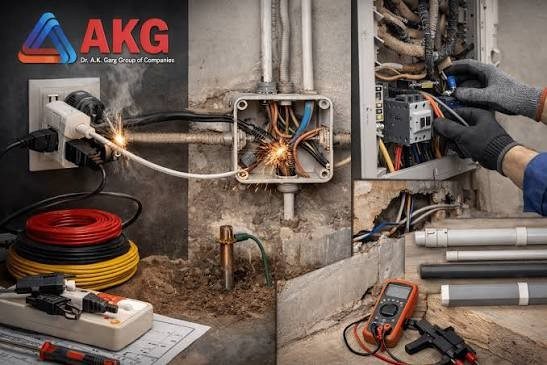
Electrical wiring is one of the most important parts of any residential, commercial or industrial building. A properly installed electrical system provides reliable power for lighting, appliances, machinery and other equipment while protecting occupants and property from electrical hazards.
However, mistakes during electrical wiring can result in frequent power interruptions, damaged appliances, overheating, electric shocks and even electrical fires. Some problems may not become noticeable immediately but can develop into serious safety risks over time.
In Uganda, where buildings vary significantly in design, size and electrical requirements, choosing the right wiring materials and ensuring professional installation are essential. Whether you are constructing a new house, renovating an existing property or developing a commercial building, understanding common electrical wiring mistakes can help you make better decisions.
This guide explores the most common electrical wiring mistakes, their consequences and how to avoid them through proper planning, quality materials and professional workmanship.
1. Choosing the Wrong Electrical Cable Size
One of the most common electrical wiring mistakes is using cables that are too small for the electrical load they are expected to carry.
Different electrical appliances and equipment require different amounts of current. Cables must therefore be selected according to the expected load, installation method, cable length and applicable electrical standards.
Using undersized cables can cause:
- Excessive heat during operation.
- Damage to cable insulation.
- Frequent circuit breaker trips.
- Voltage drop and poor equipment performance.
- Increased risk of electrical fires.
How to avoid this mistake
A qualified electrician should calculate the expected electrical load before selecting cable sizes. The correct cable should be chosen based on the circuit requirements, protective devices, installation conditions and applicable standards.
Avoid selecting electrical cables based on price alone. Quality and suitability are more important than simply choosing the cheapest available option.
2. Overloading Electrical Circuits
Overloading occurs when too many appliances or electrical devices draw more current from a circuit than it is designed to handle.
This is particularly common in homes and offices where additional sockets, air conditioners, heaters, computers and other equipment are connected without reviewing the existing electrical capacity.
Signs of overloaded circuits may include:
- Circuit breakers tripping repeatedly.
- Sockets or switches becoming unusually warm.
- Flickering lights when appliances operate.
- Burning smells around electrical accessories.
- Frequent interruptions to the electricity supply.
How to avoid this mistake
Electrical circuits should be planned according to the expected demand of the building. High-power appliances should have appropriately designed circuits, while additional equipment should be considered before the electrical installation is completed.
For existing buildings, an electrician should assess the electrical load before more appliances or sockets are added.
3. Poor Earthing and Grounding
Earthing is an essential electrical safety measure that provides a path for fault current to flow safely to earth, helping protective devices disconnect the supply when a fault occurs.
Poor earthing can increase the risk of electric shock, particularly when electrical equipment develops an insulation fault.
Common earthing mistakes include:
- Failing to install an appropriate earthing system.
- Using unsuitable earthing conductors.
- Making loose or poorly secured earth connections.
- Failing to test earth continuity.
- Incorrectly connecting earthing conductors.
How to avoid this mistake
A properly designed earthing system should be included in every electrical installation. Qualified electricians should select suitable earthing conductors, install secure connections and carry out the required tests.
Earthing should never be treated as an optional feature or removed to reduce installation costs.
4. Incorrect Installation of Circuit Breakers
Circuit breakers protect electrical circuits against certain fault conditions, including overloads and short circuits. However, installing the wrong type or rating can reduce the effectiveness of the protection system.
For example, a circuit breaker with an unsuitable rating may fail to provide the intended protection for the connected cables and equipment.
Other mistakes include:
- Using incorrectly rated circuit breakers.
- Installing poor-quality protective devices.
- Failing to provide appropriate protection for individual circuits.
- Poor connections inside the distribution board.
- Incorrect labelling of circuit breakers.
How to avoid this mistake
Circuit breakers should be selected according to the circuit design, cable capacity and expected electrical load. The distribution board should be properly arranged, securely connected and clearly labelled.
A qualified electrician should also verify that the protective devices are suitable for the installation and operate correctly during testing.
5. Making Loose Electrical Connections
Loose electrical connections are a common cause of overheating and electrical faults. They may occur at sockets, switches, junction boxes, distribution boards and other connection points.
When electrical connections are not properly secured, resistance can increase and generate heat. Over time, this may damage electrical accessories and surrounding materials.
Possible warning signs include:
- Buzzing or crackling sounds.
- Burning smells near switches or sockets.
- Discoloured electrical accessories.
- Intermittent power supply.
- Unusually warm sockets or switches.
How to avoid this mistake
Electrical connections should be made using suitable terminals and approved accessories. Conductors must be properly prepared and secured according to the manufacturer’s instructions.
All connections should be inspected and tested before the electrical system is put into service.
Never ignore signs of overheating or attempt to repair electrical connections while the circuit is energised.
6. Poor Electrical Wiring Planning
Electrical wiring should be planned before construction or major renovation work begins. Poor planning can result in insufficient sockets, inconvenient switch positions, exposed cables and unnecessary modifications.
For example, a house may have too few socket outlets in the living room or bedrooms. A commercial building may lack sufficient power points for computers, printers and other office equipment.
Poor planning can also make future maintenance and expansion more difficult.
How to avoid this mistake
Prepare an electrical layout before installation begins. The plan should consider:
- Lighting points and switching arrangements.
- Socket outlet locations.
- Kitchen and bathroom electrical requirements.
- Air conditioning and other major appliances.
- Data, communication and security systems.
- Distribution board location.
- Future electrical requirements.
For commercial and industrial buildings, electrical planning should also account for machinery, specialised equipment and operational demands.
7. Incorrect Placement of Switches and Socket Outlets
Incorrectly positioned switches and sockets can make a building inconvenient and potentially unsafe.
Sockets installed too far from appliances may encourage the excessive use of extension cables. Switches placed in awkward locations can also affect accessibility and daily use.
In wet or damp areas, unsuitable electrical accessories or incorrect positioning can create additional safety risks.
How to avoid this mistake
Switches and sockets should be positioned according to the building layout, intended use and applicable electrical requirements.
Before installation, consider furniture arrangements, appliance locations, door positions and accessibility.
Bathrooms, kitchens, outdoor areas and other locations with moisture exposure require particular attention to the suitability and protection of electrical accessories.
8. Mixing Different Wire Types or Using Poor-Quality Materials
Using substandard or unsuitable electrical materials is another serious wiring mistake. Some property owners choose cheaper cables, switches, sockets and protective devices to reduce construction costs.
However, poor-quality materials may have inadequate insulation, unsuitable current ratings or unreliable connections.
Mixing incompatible accessories and conductors can also create installation problems.
How to avoid this mistake
Purchase electrical materials from reputable suppliers and select products that meet the required technical specifications and applicable standards.
Before purchasing, consider:
- Cable conductor material and size.
- Insulation quality and voltage rating.
- Suitability of switches and socket outlets.
- Quality of circuit breakers and distribution boards.
- Compatibility of electrical accessories.
- Environmental conditions where materials will be installed.
A qualified electrician should review material specifications before installation.
9. Poor Cable Routing and Protection
Electrical cables must be routed and protected appropriately to prevent physical damage and deterioration.
Poor cable routing can expose wiring to moisture, heat, sharp edges, construction damage and accidental interference.
Common mistakes include:
- Leaving cables exposed in vulnerable locations.
- Using unsuitable conduits or trunking.
- Routing cables close to excessive heat sources.
- Failing to protect cables where they pass through walls.
- Crowding cables into unsuitable enclosures.
How to avoid this mistake
Cable routes should be planned before walls, floors and ceilings are completed. Suitable conduits, trunking and protective enclosures should be used where required.
Electrical wiring should also be coordinated with plumbing, structural and interior finishing works to reduce the risk of accidental damage.
10. Failing to Separate Electrical Circuits Properly
Different electrical loads may require separate circuits to improve safety, reliability and ease of maintenance.
Combining too many appliances or different electrical requirements on one circuit can create unnecessary loading and make troubleshooting more difficult.
For example, a building with several high-power appliances may experience repeated interruptions if the electrical circuits have not been designed to accommodate the demand.
How to avoid this mistake
An electrical installation should be divided into appropriately designed circuits according to the building’s requirements.
Lighting, socket outlets and high-demand equipment should be considered during the electrical design process. The final arrangement should be clearly documented and labelled at the distribution board.
11. Incorrect Wiring of Switches and Socket Outlets
Incorrect connections at switches and socket outlets can result in malfunctioning equipment and dangerous electrical conditions.
Errors involving live, neutral and protective conductors can compromise electrical safety, especially when accessories are installed without proper testing.
How to avoid this mistake
Switches and socket outlets should be installed by qualified electricians who understand the required wiring arrangements and manufacturer’s instructions.
The installation should be inspected and tested to confirm correct connections, polarity and protective conductor continuity where applicable.
Property owners should not attempt to correct wiring faults themselves.
12. Failing to Provide Adequate Protection Against Moisture
Electrical installations in kitchens, bathrooms, outdoor spaces and other damp environments require appropriate protection.
Moisture can damage electrical insulation and accessories, increasing the possibility of electrical faults and electric shock.
Common mistakes include installing unsuitable outdoor sockets, using unprotected connections and failing to consider water exposure during electrical planning.
How to avoid this mistake
Use electrical accessories and enclosures with suitable protection ratings for their intended environment. Outdoor installations should be designed to withstand the expected weather conditions.
Wet areas should receive particular attention during electrical design and installation. Appropriate protective devices, including residual current protection where required, should be incorporated into the system.
13. Ignoring Voltage Drop
Voltage drop occurs when the voltage available at the end of an electrical circuit is lower than the voltage supplied at its origin.
Excessive voltage drop can affect the performance of appliances, lighting systems and electrical equipment.
It may result from long cable runs, unsuitable conductor sizes or high electrical loads.
How to avoid this mistake
Cable selection should account for circuit length, current demand and permissible voltage drop under the applicable standards.
Long electrical runs in large residential, commercial and industrial properties should receive particular attention during the design stage.
14. Failing to Test the Electrical Installation
Completing electrical wiring does not automatically mean that an installation is safe and ready for use.
Testing is necessary to identify faults that may not be visible during a normal visual inspection.
Important verification activities may include:
- Continuity testing.
- Insulation resistance testing.
- Polarity verification.
- Earthing and protective conductor checks.
- Verification of protective devices.
- Functional testing of electrical circuits.
How to avoid this mistake
Electrical testing should be carried out by a qualified and appropriately permitted electrician using suitable testing equipment.
Any faults identified during testing should be corrected before the installation is commissioned.
Property owners should request appropriate inspection and test documentation when electrical work is completed.
15. Making Unauthorised Electrical Modifications
Some property owners make electrical changes without consulting a qualified electrician. These changes may include adding sockets, extending circuits, relocating switches or connecting additional equipment.
Although some modifications may appear straightforward, they can affect the overall safety and capacity of the electrical system.
How to avoid this mistake
Any significant electrical modification should be assessed and completed by a qualified professional.
Before adding new appliances or extending existing circuits, the electrician should establish whether the distribution board, cables and protective devices can accommodate the additional demand.
Keep records of electrical modifications to make future maintenance and troubleshooting easier.
16. Failing to Consider Future Electrical Needs
An electrical installation designed only for a building’s immediate requirements may become inadequate as the property develops.
For example, a homeowner may later install air conditioning, additional kitchen appliances, electric water heating or security systems. Commercial buildings may also require additional computers, machinery and specialised equipment.
How to avoid this mistake
Consider likely future electrical requirements during the initial design stage. Allow for appropriate distribution capacity, circuit arrangements and suitable cable routes.
Future expansion should still be assessed by a qualified electrician rather than achieved by simply adding more loads to existing circuits.
Why Professional Electrical Installation Matters
Electrical wiring requires technical knowledge, proper planning and compliance with applicable safety requirements. A professional installation helps reduce the likelihood of wiring faults while improving the reliability and functionality of a building.
Working with qualified electrical professionals offers several important benefits:
Improved Electrical Safety
Correct cable selection, earthing, protective devices and testing help reduce the risks associated with electrical faults.
Reliable Power Supply
A properly designed electrical system can support the building’s expected electrical demand and reduce avoidable interruptions.
Protection of Appliances and Equipment
Appropriate circuit design and protection help minimise the risk of damage caused by electrical faults and unsuitable connections.
Easier Maintenance
Clearly labelled distribution boards, organised cable routes and proper documentation make future inspections and repairs easier.
Better Long-Term Value
Using suitable materials and professional workmanship can help prevent costly repairs and unnecessary modifications.
Electrical Wiring Mistakes to Avoid During Building Construction in Uganda
Electrical installation should be coordinated with other construction activities to achieve a safe and practical result.
For property developers and building owners in Uganda, the following considerations are particularly important:
- Plan before construction progresses: Develop the electrical layout before walls, ceilings and other finishes are completed.
- Use suitable materials: Select electrical cables, conduits, switches and protective devices that meet the installation requirements.
- Work with qualified professionals: Confirm that the people undertaking electrical installation work hold the appropriate current permits and qualifications.
- Coordinate with other contractors: Ensure electrical routes are properly coordinated with plumbing, structural elements and interior finishes.
- Consider the building’s electrical demand: Residential, commercial and industrial properties have different power requirements.
- Inspect and test completed work: Do not rely on appearance alone to determine whether an electrical installation is safe.
- Keep installation records: Maintain electrical drawings, test results and relevant completion documentation.
Uganda’s Electricity (Installation Permits) Regulations, 2025 provide a framework for electrical installation permits and related requirements. Property owners should ensure that electrical work is undertaken by appropriately permitted installers and that applicable inspection, testing and certification requirements are followed.
Frequently Asked Questions About Electrical Wiring Mistakes
1. What are the most common electrical wiring mistakes?
Common electrical wiring mistakes include using incorrect cable sizes, overloading circuits, poor earthing, loose connections, incorrect circuit breaker selection, poor cable routing and failing to test completed installations.
2. What happens if electrical cables are undersized?
Undersized cables can overheat when carrying more current than they are designed to handle. This may damage insulation, cause circuit interruptions and increase the risk of electrical fires.
3. Why is proper earthing important in electrical wiring?
Proper earthing helps provide a safe path for fault current and allows protective devices to operate under fault conditions. It is an important part of reducing electric shock risks.
4. How can I tell if my electrical wiring is faulty?
Warning signs include frequently tripping circuit breakers, flickering lights, burning smells, buzzing sounds, warm sockets and unexplained power interruptions. These signs should be investigated by a qualified electrician.
5. Can poor electrical wiring cause a fire?
Yes. Faulty connections, overloaded circuits, damaged insulation and unsuitable electrical materials can cause overheating and potentially start electrical fires.
6. How often should electrical wiring be inspected?
Inspection frequency depends on the type, condition and use of the building, as well as applicable regulations. Domestic, commercial and industrial installations may have different inspection requirements. A qualified electrician can advise on an appropriate inspection schedule.
7. Should I use an electrician when renovating an existing building?
Yes. Renovation work can affect existing wiring, circuits and protective devices. A qualified electrician should assess the existing installation before electrical changes are made.
8. Is it safe to add more sockets to an existing electrical circuit?
Not without first assessing the circuit. Additional sockets increase the potential electrical demand, and the existing cables and protective devices may not be suitable for the extra load.
9. Why should electrical wiring be tested after installation?
Testing helps identify hidden faults, incorrect connections and insulation problems. It provides important verification that the installation meets the required safety and performance criteria before use.
10. How can I prevent electrical wiring problems in a new building?
Start with a properly planned electrical design, use suitable materials, employ qualified and appropriately permitted installers, coordinate electrical work with other construction activities and ensure the completed installation is inspected and tested.
Conclusion
Electrical wiring mistakes can compromise the safety, reliability and long-term performance of residential, commercial and industrial buildings. Problems such as undersized cables, overloaded circuits, poor earthing, loose connections and inadequate testing can lead to expensive repairs and serious safety hazards.
The best way to avoid these problems is to plan the electrical installation carefully, use suitable materials and ensure that all electrical work is carried out and tested by qualified professionals.
Whether you are constructing a new property, renovating an existing building or upgrading an electrical system, paying attention to wiring quality from the beginning can help protect your investment and provide a safer environment for occupants.
Planning a construction or building improvement project in Uganda? Contact Daltrevco to discuss your building and construction requirements and how electrical works can be properly coordinated with the wider project.

