
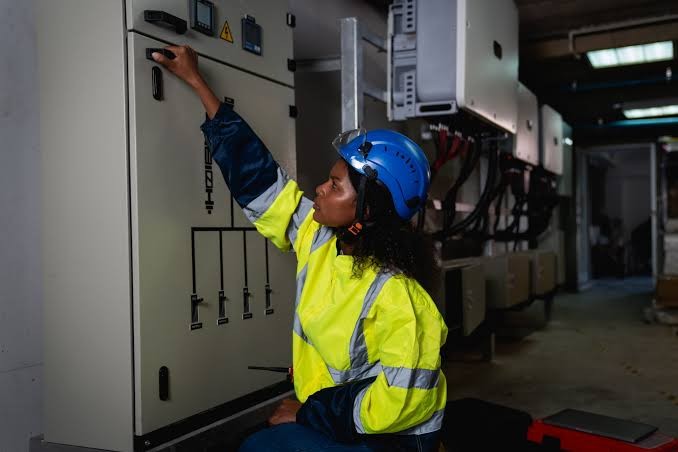
Choosing the right electrical installation company is one of the most important decisions when constructing, renovating or upgrading a building. Whether you are building a residential house, apartment block, office, hotel, shopping complex, factory or warehouse, a properly installed electrical system is essential for safety, reliable power supply and long-term building performance.
Electrical installation involves much more than connecting cables, switches and socket outlets. It requires professional electrical planning, load calculations, suitable materials, correct installation procedures, protective systems and thorough testing. Hiring an inexperienced or unqualified contractor can result in poor workmanship, electrical faults, frequent power interruptions, damaged appliances and serious safety risks.
With different electrical contractors operating in Uganda, property owners and developers need to know what to look for before making a hiring decision.
This guide explains how to choose the best electrical installation company in Uganda, including the qualifications to verify, questions to ask, services to consider, cost factors, warning signs and important regulatory requirements.
Why Choosing the Right Electrical Installation Company Matters
Electrical systems are essential to almost every modern building. They power lighting, appliances, machinery, security equipment, communication systems and other building services.
A professional electrical installation company helps ensure that these systems are properly designed, installed and tested.
Here are some reasons why choosing the right contractor matters.
1. Improved Electrical Safety
Incorrect wiring, poor connections, overloaded circuits and unsuitable protective devices can create dangerous electrical conditions.
A competent electrical contractor follows appropriate installation standards and safety procedures to reduce the risk of electric shock, overheating and electrical fires.
2. Reliable Electrical Performance
A properly designed electrical system distributes power efficiently to different parts of a building.
Professional installation helps reduce avoidable faults, nuisance tripping and interruptions caused by poor workmanship.
3. Protection of Electrical Appliances and Equipment
Modern buildings depend on expensive appliances, computers, machinery, pumps and other electrical equipment.
Suitable circuit protection, earthing and correctly designed power distribution help protect these assets against electrical faults.
4. Compliance with Uganda’s Electrical Requirements
Electrical installation work in Uganda is regulated by the Electricity Regulatory Authority (ERA).
Engaging appropriately permitted electrical professionals helps ensure that the work follows applicable regulatory requirements and that the necessary inspection, testing and completion documentation are provided.
5. Long-Term Cost Savings
Cheap installation work may appear attractive initially, but poor-quality materials and workmanship can lead to repeated repairs and expensive alterations.
A professional installation can reduce avoidable maintenance costs and support the long-term performance of the building.
10 Important Factors to Consider When Choosing an Electrical Installation Company in Uganda
Before hiring an electrical contractor, evaluate the following factors carefully.
1. Verify ERA Electrical Installation Permits
One of the first things to check is whether the company and the individuals who will undertake the electrical work hold the appropriate permits from the Electricity Regulatory Authority.
ERA regulates persons and entities undertaking electrical installation work in Uganda.
Under the Electricity (Installation Permits) Regulations, 2025, electrical installation work must be undertaken by individuals with valid permits appropriate to the work being performed.
The current framework also provides for company electrical installation permits. The company permit category should match the scope and technical requirements of the project.
Ask the contractor to provide:
- Its applicable company installation permit, where required.
- Individual permits for the electricians undertaking the work.
- Permit categories relevant to the project.
- Permit validity and expiry information.
- Evidence of the technical personnel assigned to the project.
Importantly, a company’s permit does not replace the individual permit required by each installation person.
ERA’s published framework distinguishes between residential, commercial, industrial and specialised electrical work. For example, Class D covers specified domestic installations up to 240 volts, while other individual and company categories cover broader installation scopes.
Do not assume that a contractor authorised for basic domestic wiring is automatically qualified to undertake every commercial or industrial installation.
You can verify permit information through the official ERA website.
2. Look for Relevant Electrical Installation Experience
Experience is another important consideration.
A contractor may have experience installing domestic wiring but limited experience with large commercial buildings or industrial electrical systems.
Choose a company whose experience matches the requirements of your project.
For example:
Residential electrical installation: Experience with house wiring, lighting, socket outlets, distribution boards, earthing and household appliance connections.
Commercial electrical installation: Experience with offices, retail buildings, hotels, schools, hospitals and multi-storey developments.
Industrial electrical installation: Experience with machinery connections, motor control centres, industrial power distribution, switchgear and specialised protection systems.
Ask how many similar projects the company has completed and whether it can demonstrate relevant technical experience.
3. Review Previous Projects and Workmanship
A reliable electrical installation company should be able to demonstrate the quality of its previous work.
Ask to see photographs, project references or examples of completed installations.
Where possible, inspect completed projects or speak to previous clients.
Pay attention to:
- Neatness of electrical installations.
- Quality of distribution board arrangements.
- Cable routing and management.
- Labelling of electrical circuits.
- Positioning of switches and socket outlets.
- Quality of installed accessories.
- General safety and finishing standards.
A well-organised electrical installation is easier to inspect, maintain and upgrade.
4. Evaluate the Company’s Technical Knowledge
Electrical installation requires technical planning and accurate calculations.
The contractor should understand how to assess electrical demand and select suitable materials and equipment.
A competent company should be able to explain:
- Electrical load calculations.
- Cable sizing and voltage drop.
- Distribution board capacity.
- Circuit breaker selection.
- Earthing and bonding arrangements.
- Surge and residual current protection.
- Backup power requirements.
- Electrical testing procedures.
For larger projects, the contractor should also understand single-line diagrams, cable schedules, power distribution layouts and coordination with other building services.
Avoid companies that cannot explain the proposed installation design or simply recommend materials without assessing the building’s requirements.
5. Check the Quality of Electrical Materials
Electrical materials have a direct impact on the safety and durability of an installation.
A reliable contractor should use products that meet the approved design specifications and applicable standards.
Common materials include:
- Electrical cables.
- PVC and metal conduits.
- Distribution boards.
- Circuit breakers.
- Switches and socket outlets.
- Junction boxes.
- Earthing materials.
- Lighting fixtures.
- Industrial switchgear.
- Protective devices.
Ask the company which brands and specifications it proposes to use.
You should also request a detailed materials schedule for larger projects.
Do not choose a contractor solely because it offers the cheapest materials. Substandard electrical components may fail prematurely or create safety risks.
6. Request a Detailed and Transparent Quotation
Before signing an agreement, request a written quotation explaining the work to be completed.
A professional electrical installation quotation should clearly identify:
- Scope of work.
- Labour charges.
- Electrical materials and specifications.
- Number of lighting and socket points.
- Distribution board requirements.
- Cable installation work.
- Earthing and protection systems.
- Testing and commissioning.
- Completion documentation.
- Project duration.
- Payment terms.
- Exclusions and possible additional costs.
For larger projects, ask for a bill of quantities or detailed materials schedule where appropriate.
Compare quotations based on the work included, technical specifications and quality of materials rather than selecting the lowest price automatically.
7. Assess Safety Procedures and Workmanship
Electrical installation involves risks that must be controlled throughout the project.
A professional contractor should demonstrate suitable safety procedures for the type of work being undertaken.
These may include:
- Electrical isolation and lockout procedures.
- Appropriate personal protective equipment.
- Safe handling of electrical equipment.
- Working-at-height precautions.
- Restricted access to electrical work areas.
- Proper cable termination procedures.
- Safe testing and commissioning practices.
- Emergency response arrangements.
For commercial and industrial projects, safety planning should also be coordinated with the client’s workplace health and safety requirements.
8. Confirm Testing, Inspection and Completion Certification
Electrical installation should not be considered complete simply because all cables, switches and sockets have been installed.
The system must undergo appropriate inspection and testing before being put into service.
Ask the contractor whether its quotation includes:
- Inspection of completed wiring.
- Continuity testing.
- Insulation resistance testing.
- Polarity checks.
- Earthing verification.
- Protective device testing.
- Functional testing.
- Testing and commissioning records.
- Required completion certification.
Under Regulation 16 of Uganda’s Electricity (Installation Permits) Regulations, 2025, a permitted installation person must inspect and test completed electrical work.
After successful testing, the installer issues a completion certificate confirming that the installation is complete, safe and ready for testing and connection. The original certificate is submitted to the relevant distribution licensee, and the property owner receives a duplicate.
The contractor should explain how the required inspection and connection process will be handled for your project.
9. Consider Communication and Project Management
Good communication helps prevent misunderstandings and delays.
A professional electrical installation company should provide a clear point of contact and keep the client informed about project progress.
Consider whether the company:
- Responds to questions clearly.
- Explains technical recommendations.
- Provides realistic project timelines.
- Coordinates with architects and other contractors.
- Communicates changes before carrying out additional work.
- Provides progress updates.
- Documents agreed variations.
For large construction projects, good coordination between electrical contractors, plumbers, builders, ceiling installers and mechanical contractors is particularly important.
10. Check After-Sales Support and Maintenance Services
Electrical systems require maintenance throughout their service life.
Before hiring a contractor, ask whether it provides support after project completion.
Useful services may include:
- Electrical inspections.
- Fault diagnosis.
- Circuit repairs.
- Distribution board maintenance.
- Lighting repairs and upgrades.
- Electrical rewiring.
- Generator connections.
- Solar integration.
- Electrical system upgrades.
Ask whether the company provides a workmanship warranty, what it covers and how faults reported after handover will be handled.
The terms should be included in the written agreement.
Electrical Installation Services a Professional Company Should Offer
The services required depend on the type of building and the electrical systems involved.
When comparing electrical installation companies in Uganda, consider whether they can provide the services relevant to your project.
1. Residential Electrical Installation
Residential electrical installation includes wiring and electrical connections for houses, apartments and residential estates.
Services may cover:
- New house wiring.
- Lighting installation.
- Socket outlet installation.
- Distribution board installation.
- Earthing and bonding.
- Water heater connections.
- Cooker connections.
- Outdoor and security lighting.
- Electrical repairs and upgrades.
2. Commercial Electrical Installation
Commercial buildings require electrical systems designed to support business operations.
Services may include:
- Office electrical wiring.
- Retail shop installations.
- Hotel electrical systems.
- School and hospital installations.
- Commercial lighting.
- Power distribution.
- Emergency lighting.
- Backup power connections.
- Electrical maintenance.
3. Industrial Electrical Installation
Industrial facilities often require more complex electrical infrastructure.
Services may include:
- Industrial power distribution.
- Machinery connections.
- Motor control systems.
- Switchgear installation.
- Industrial lighting.
- Cable tray installation.
- Earthing and protection systems.
- Generator integration.
- Electrical testing and commissioning.
4. Electrical Rewiring and Upgrades
Older buildings may require electrical upgrades to support modern appliances and equipment.
A professional contractor should be able to assess existing wiring, identify unsafe or outdated components and recommend suitable improvements.
5. Lighting and Electrical Accessories
Electrical contractors may also provide installation of:
- LED lighting systems.
- Indoor and outdoor lighting.
- Switches and sockets.
- Security lighting.
- Motion sensors.
- Emergency lighting.
- Specialised lighting controls.
6. Backup Power and Solar Electrical Integration
Depending on its permits and technical capabilities, an electrical installation company may also provide connections for generators, solar power systems, battery storage and UPS equipment.
These systems should be designed to integrate safely with the existing electrical installation.
Questions to Ask Before Hiring an Electrical Installation Company
Before signing a contract, ask the following questions to understand the contractor’s qualifications and working methods.
- Do you have a valid ERA company electrical installation permit where required?
- Do the electricians assigned to the project have the appropriate individual permits?
- Have you completed projects similar to mine?
- Can you provide references or examples of previous work?
- Who will prepare or review the electrical installation design?
- Which cable brands, protective devices and accessories will you use?
- Does the quotation include testing and commissioning?
- Will you provide the required completion certificate and test records?
- How long will the installation take?
- What happens if additional work becomes necessary?
- Do you provide a workmanship warranty?
- Can you provide maintenance and after-sales support?
A reliable contractor should answer these questions clearly and provide supporting documents where appropriate.
Red Flags to Watch Out for When Hiring an Electrical Contractor
Some warning signs may indicate that an electrical installation company is not suitable for your project.
1. No Verifiable ERA Permits
A contractor who cannot provide evidence of the appropriate permits should not be trusted with regulated electrical installation work.
2. Extremely Cheap Quotations
A quotation that is significantly lower than others may exclude important work or specify unsuitable materials.
Always compare the scope and specifications before making a decision.
3. No Written Agreement
Avoid relying entirely on verbal promises.
A written agreement should explain the work, materials, costs, timeline, payment terms and responsibilities of each party.
4. Poor Technical Explanations
A contractor should be able to explain the proposed installation and why particular materials and protective devices are required.
5. No Testing or Certification Plan
Avoid companies that intend to energise the installation without appropriate inspection and testing.
6. No Evidence of Previous Work
For larger projects, the absence of references, technical experience or project examples should be treated as a reason for further verification.
7. Demanding Full Payment Before Work Begins
Payment arrangements should be reasonable and linked to agreed project stages. Large advance payments without clear contractual protection can expose property owners to unnecessary risk.
8. Poor Communication
A contractor who repeatedly avoids questions, changes specifications without approval or fails to provide progress updates may create problems during construction.
How Much Does It Cost to Hire an Electrical Installation Company in Uganda?
The cost of hiring an electrical installation company in Uganda varies according to the type of building, installation complexity, materials and scope of work.
Residential wiring, commercial installations and industrial electrical projects have different technical and material requirements.
The following factors influence the overall cost.
1. Size of the Building
Larger properties generally require more electrical cables, lighting points, socket outlets, distribution boards and labour.
2. Type of Installation
Basic residential wiring is different from the installation requirements of an office block, hotel, shopping centre or manufacturing facility.
3. Electrical Load Requirements
Buildings with electric cookers, air conditioners, lifts, pumps, industrial machinery or specialised equipment may require more extensive electrical infrastructure.
4. Quality of Materials
The cost of cables, circuit breakers, switches, sockets, distribution boards and lighting equipment depends on their specifications and quality.
5. Installation Complexity
Long cable routes, multiple floors, difficult access and coordination with other building services may increase labour and installation costs.
6. Testing and Certification
Inspection, testing, commissioning and completion documentation should be considered when preparing the project budget.
7. Backup Power and Specialised Systems
Solar installations, generators, UPS systems, battery storage and automation equipment may add to the overall cost.
How to obtain an accurate quotation: Provide the electrical contractor with building drawings, a description of the intended use, major appliance or machinery requirements and the preferred materials. Request an itemised quotation showing what is included and excluded.
Choosing an Electrical Installation Company for Different Types of Projects
The right contractor should have experience that matches the building and its electrical requirements.
Choosing a Company for a Residential House
For a new house or renovation, prioritise a contractor with residential wiring experience, appropriate permits, knowledge of cable sizing, good workmanship and reliable testing procedures.
The company should understand lighting layouts, socket positioning, kitchen appliance connections, earthing and household distribution boards.
Choosing a Company for an Apartment Building
Apartment developments require careful planning for individual units and shared electrical services.
Look for experience with multi-storey wiring, sub-distribution, common-area lighting, lifts, pumps and coordinated building services.
Choosing a Company for an Office Building
Office electrical systems must support computers, networking equipment, lighting, air conditioning and other business operations.
A suitable contractor should understand commercial power distribution, circuit planning and future office expansion.
Choosing a Company for a Hotel or Hospital
Hotels and hospitals may have critical electrical loads and specialised systems.
The contractor should demonstrate relevant experience in power distribution, backup power, emergency lighting, specialised equipment connections and coordination with other building services.
Choosing a Company for a Factory or Warehouse
Industrial projects require more specialised technical capabilities.
Look for experience in industrial electrical design, machinery connections, motor controls, switchgear, high-capacity distribution and industrial safety procedures.
Benefits of Working with a Professional Electrical Installation Company
Hiring a competent electrical contractor provides benefits that extend beyond the installation stage.
- Better safety: Proper installation and protection reduce the risk of electrical hazards.
- Technical accuracy: Electrical loads, cable sizes and protective devices are selected according to the design.
- Reliable power distribution: Properly installed systems support the building’s intended electrical demand.
- Quality workmanship: Correct cable routing, connections and equipment installation improve system performance.
- Regulatory compliance: Appropriate permits, testing and documentation support compliance with Uganda’s electrical requirements.
- Long-term maintenance: Well-documented installations are easier to inspect, repair and upgrade.
- Better project coordination: Experienced contractors can coordinate electrical work with other construction activities.
A Practical Checklist Before Hiring an Electrical Installation Company
Use this checklist when comparing potential contractors.
- Verify the company’s relevant ERA permit.
- Verify individual permits for the electricians assigned to the work.
- Confirm experience with similar projects.
- Request examples of previous installations.
- Review the proposed electrical design and scope.
- Confirm the quality and specifications of materials.
- Obtain an itemised written quotation.
- Agree on the project timeline and payment stages.
- Confirm safety procedures.
- Confirm inspection, testing and commissioning arrangements.
- Agree on completion documentation and certification.
- Confirm warranty and maintenance arrangements.
Completing these checks can help property owners make a more informed decision and avoid preventable problems.
Frequently Asked Questions About Electrical Installation Companies in Uganda
1. How do I choose the best electrical installation company in Uganda?
Choose a company with the appropriate ERA permits, relevant project experience, qualified technical personnel, quality materials, transparent quotations, proper safety procedures and a clear testing and certification process.
2. Are electrical installation companies required to have ERA permits in Uganda?
Yes. Uganda’s Electricity (Installation Permits) Regulations, 2025 provide for company electrical installation permits and individual permits for persons undertaking installation work. The applicable permit category must match the work being performed.
3. Can a company with an ERA permit use electricians without individual permits?
The company’s permit does not replace the individual permit requirement. ERA states that persons undertaking electrical installation work must possess valid individual permits, even when employed by a company that holds its own permit.
4. What is the difference between a residential and industrial electrical installation company?
Residential contractors focus on domestic wiring, lighting, sockets and household distribution systems. Industrial electrical contractors handle more complex systems, which may include machinery connections, motor controls, industrial switchgear and higher-capacity power distribution.
5. How much does an electrical installation company charge in Uganda?
Charges depend on the building size, electrical load, materials, number of electrical points, installation complexity and testing requirements. Request an itemised quotation based on the actual project scope.
6. Should electrical installation be included in a building construction contract?
It can be included as part of a wider construction contract or handled through a separate electrical installation contract. In either case, the scope, technical specifications, responsibilities and certification requirements should be clearly documented.
7. What documents should an electrical contractor provide after completing a project?
Depending on the project, the owner should receive relevant electrical drawings, circuit schedules, testing and commissioning records, equipment information and the required completion certificate.
8. How often should electrical installations be inspected in Uganda?
Under the Electricity (Installation Permits) Regulations, 2025, periodic testing and inspection intervals must not exceed ten years for domestic or residential installations and five years for commercial, industrial or public installations. Earlier inspections may be necessary depending on the condition and use of the installation.
9. Can an electrical installation company handle solar and generator connections?
Some companies provide these services, but property owners should confirm that the company and personnel hold the relevant permits and specialised technical authorisations for the work involved.
10. Why should I avoid choosing an electrical contractor based only on price?
A low quotation may exclude important materials, testing, protective equipment or other essential work. Comparing technical specifications, workmanship, permits and the full scope of work provides a better basis for choosing a contractor.
Find Professional Building and Electrical Installation Solutions with Daltrevco
Choosing the right electrical installation contractor is an important step towards developing a safe, reliable and functional property.
Whether you are constructing a new house, developing an office building, renovating commercial premises or planning an industrial facility, electrical work should be properly coordinated with the wider construction process.
Daltrevco provides building and construction solutions for residential, commercial and industrial developments in Uganda. If you are planning a construction project or require professional guidance on coordinating building and electrical works, contact Daltrevco to discuss your requirements.
A well-planned project, suitable technical professionals and quality workmanship provide a stronger foundation for long-term building performance.
Conclusion
The best electrical installation company in Uganda is not necessarily the one offering the lowest quotation. It is the company that demonstrates the appropriate ERA permits, relevant technical experience, quality materials, professional workmanship, strong safety procedures and a commitment to proper testing and documentation.
Before hiring an electrical contractor, verify the permits of both the company and the individuals undertaking the work. Review previous projects, compare detailed quotations, ask technical questions and confirm how the completed installation will be inspected and certified.
Taking these steps helps homeowners, developers and businesses make informed decisions and invest in electrical systems that support safety, reliability and long-term value.

