
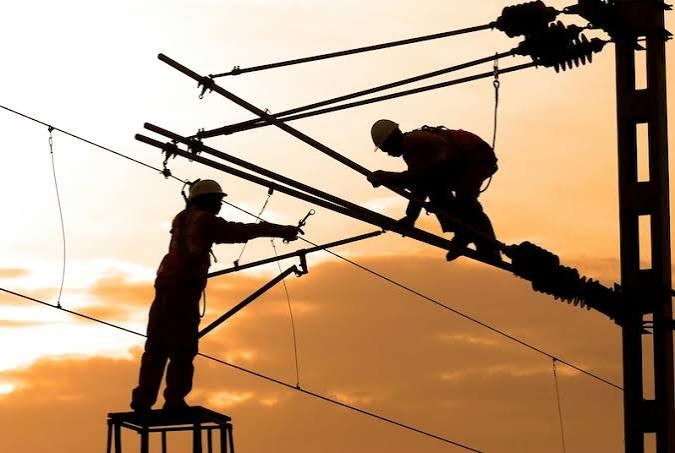
Electrical systems are essential to the safety, comfort and daily operation of residential and commercial buildings. From lighting and socket outlets in homes to power distribution systems, air conditioning connections and specialised electrical equipment in offices, every building depends on a properly functioning electrical installation.
However, electrical systems can deteriorate over time due to continuous use, ageing components, environmental conditions, poor installation practices and inadequate maintenance. Without regular inspection and servicing, minor electrical faults can develop into serious problems, including power interruptions, equipment damage, overheating and electrical fires.
This is why professional electrical maintenance services are important for homeowners, landlords, property developers, office managers and commercial property owners in Uganda.
Whether you manage a residential apartment, office building, hotel, shopping complex, school, warehouse or industrial facility, regular electrical maintenance helps keep your electrical systems safe, reliable and efficient.
In this guide, we explore electrical maintenance services for residential and commercial buildings, common electrical problems, maintenance procedures, benefits, costs and how to choose the right electrical maintenance professionals in Uganda.
What Are Electrical Maintenance Services?
Electrical maintenance services involve the inspection, testing, servicing, repair and upgrading of electrical installations to ensure they operate safely and reliably.
These services help identify potential problems before they cause equipment failure, electrical accidents or interruptions to normal building operations.
Electrical maintenance may include:
- Inspection of electrical wiring and connections.
- Testing of distribution boards and circuit breakers.
- Repairing faulty switches and socket outlets.
- Replacing damaged electrical cables.
- Checking lighting systems and fittings.
- Inspecting earthing and protective systems.
- Identifying overloaded electrical circuits.
- Testing electrical safety devices.
- Maintaining backup power systems.
- Upgrading outdated electrical installations.
The exact maintenance requirements depend on the building’s age, electrical design, usage, equipment and operating conditions.
Why Electrical Maintenance Is Important for Buildings in Uganda
Electrical maintenance should be treated as an essential part of property management rather than an activity undertaken only when something stops working.
Regular servicing offers several important benefits.
1. Improves Electrical Safety
Faulty wiring, loose connections, damaged insulation and defective protective devices can create serious safety risks.
Electrical maintenance helps identify these problems before they result in electric shocks, overheating or electrical fires.
Inspections also help confirm that important safety components, including earthing systems and circuit protection devices, remain in suitable working condition.
2. Reduces Unexpected Power Interruptions
Electrical faults can interrupt lighting, appliances, office equipment, machinery and other essential systems.
For businesses, unexpected interruptions can affect productivity, customer service and daily operations.
Regular maintenance helps identify deteriorating components and potential faults before they cause unnecessary downtime.
3. Extends the Lifespan of Electrical Equipment
Electrical equipment and accessories can deteriorate through continuous use, poor operating conditions and inadequate servicing.
Routine inspections and timely repairs help maintain equipment in good working condition and reduce avoidable replacement costs.
4. Reduces Repair and Replacement Expenses
Small electrical problems can become expensive when ignored.
For example, a loose connection may initially cause intermittent power interruptions but can eventually result in overheating and damage to connected equipment.
Preventive maintenance helps identify such problems early, allowing property owners to address them before more extensive repairs become necessary.
5. Improves Energy Efficiency
Faulty electrical equipment, inefficient lighting and poorly maintained systems can contribute to unnecessary electricity consumption.
Electrical maintenance can identify opportunities to improve efficiency, such as replacing unsuitable lighting, correcting electrical faults and upgrading outdated equipment.
6. Supports Business Continuity
Commercial properties depend on reliable electricity for lighting, computers, communication systems, security equipment, machinery and customer services.
Regular maintenance reduces the likelihood of avoidable electrical failures that could disrupt business operations.
Electrical Maintenance Services for Residential Buildings
Residential electrical maintenance focuses on keeping household electrical installations safe, convenient and reliable.
Homes have different electrical requirements depending on their size, number of occupants, appliances and electrical equipment.
Common residential electrical maintenance services include the following.
1. Electrical Wiring Inspection
Electrical cables and connections should be inspected periodically to identify damage, deterioration and unsafe installation conditions.
Maintenance professionals may check for:
- Damaged cable insulation.
- Exposed electrical conductors.
- Loose connections.
- Signs of overheating.
- Poorly protected wiring.
- Incorrect or unsuitable electrical modifications.
Damaged wiring should be repaired or replaced by a qualified electrician.
2. Distribution Board Maintenance
The distribution board controls the supply of electricity to different circuits within a home.
Maintenance involves inspecting the board, checking circuit connections and assessing the condition and suitability of protective devices.
Common problems include loose connections, damaged circuit breakers, overheating and poorly labelled circuits.
A properly maintained distribution board supports safer and more reliable electricity distribution.
3. Socket and Switch Repairs
Faulty switches and socket outlets can affect the operation of household appliances and create electrical safety hazards.
Common issues include:
- Loose sockets.
- Cracked or damaged switches.
- Burn marks around electrical accessories.
- Intermittent connections.
- Unusual buzzing sounds.
- Overheating.
Damaged accessories should be replaced with suitable quality products.
4. Lighting System Maintenance
Lighting is essential for comfort, visibility and security in residential properties.
Electrical maintenance may involve replacing faulty lamps, repairing lighting circuits, checking switches and inspecting outdoor security lighting.
Property owners may also consider upgrading to energy-efficient LED lighting to reduce electricity consumption.
5. Earthing and Electrical Protection Checks
An appropriate earthing system is an important part of residential electrical safety.
Maintenance professionals should check relevant earthing connections and protective devices to confirm that they remain in suitable working condition.
Where required, testing should be carried out using appropriate electrical testing equipment.
6. Maintenance of Water Heaters and Other Appliances
Electrical appliances such as water heaters, cookers, pumps and air conditioners may require inspection of their electrical connections and associated circuits.
Maintenance should include checking for damaged cables, unsuitable connections and signs of overheating.
Appliance servicing should also follow the manufacturer’s requirements and may require a specialist technician.
Electrical Maintenance Services for Commercial Buildings
Commercial buildings often have more extensive electrical installations than residential properties.
Offices, hotels, shopping centres, restaurants, hospitals, schools and retail premises depend on reliable electrical systems to support daily operations.
Commercial electrical maintenance helps prevent disruptions while maintaining the safety and functionality of the building.
1. Commercial Electrical Wiring Inspection
Commercial properties may contain extensive wiring networks supplying multiple rooms, departments, equipment and specialised systems.
Maintenance inspections help identify damaged cables, deteriorating insulation, loose connections and unsuitable electrical modifications.
Special attention should be given to circuits supplying high-demand equipment.
2. Distribution Board and Power Distribution Maintenance
Commercial buildings may have several distribution boards serving different sections of the property.
Maintenance may include:
- Visual inspection of distribution boards.
- Checking connections and identifying overheating.
- Assessing circuit breaker condition.
- Verifying circuit labelling.
- Inspecting protective devices.
- Identifying potential circuit overloading.
Electrical testing and any necessary corrective work should be carried out by appropriately qualified professionals.
3. Office Lighting Maintenance
Offices require effective lighting to support employee comfort, visibility and productivity.
Electrical maintenance services may include repairing lighting faults, replacing damaged fittings, checking lighting controls and upgrading inefficient lighting systems.
Commercial lighting may include:
- General office lighting.
- Reception and waiting area lighting.
- Conference room lighting.
- Corridor and staircase lighting.
- Outdoor security lighting.
- Emergency lighting.
4. Maintenance of Air Conditioning Electrical Connections
Air conditioning systems are common in many modern commercial buildings.
Their electrical connections should be inspected to identify damaged cables, loose terminals, unsuitable protection and other electrical faults.
Mechanical servicing of air conditioning equipment should be handled by appropriately qualified HVAC technicians.
5. Emergency and Security Lighting Maintenance
Commercial buildings may require emergency lighting and security lighting to support occupant safety and building operations.
Maintenance should include checking the operation of lighting units, battery-backed systems where installed, switches, controls and associated electrical circuits.
Emergency lighting should be tested in accordance with applicable requirements and manufacturer instructions.
6. Generator and Backup Power Maintenance
Some commercial properties rely on generators and other backup power arrangements to maintain operations during electricity interruptions.
Electrical maintenance may involve inspecting generator connections, changeover arrangements, protective devices and distribution equipment.
Generator engine servicing should be carried out by an appropriately qualified generator technician.
7. Electrical Maintenance for Commercial Equipment
Businesses may use specialised electrical equipment, including:
- Computers and office equipment.
- Commercial kitchen appliances.
- Refrigeration systems.
- Water pumps.
- Elevators and escalators.
- Workshop equipment.
- Security and access control systems.
The electrical connections supplying these systems should be inspected according to their technical requirements.
Common Electrical Problems That Require Professional Maintenance
Electrical faults can occur in both residential and commercial buildings. Recognising early warning signs helps property owners arrange timely inspections and repairs.
1. Frequent Circuit Breaker Tripping
Circuit breakers may trip when a circuit experiences an overload, short circuit or other fault.
Repeated tripping should not be ignored or addressed by simply replacing the breaker with one of a higher rating.
A qualified electrician should investigate the underlying cause.
2. Flickering or Dimming Lights
Flickering lights may result from loose connections, defective fittings, circuit problems or changes in electrical load.
Persistent flickering should be investigated, particularly when it occurs alongside buzzing sounds or burning smells.
3. Burning Smells Around Electrical Accessories
A burning smell near a socket, switch or distribution board may indicate overheating or damaged electrical components.
If this occurs, stop using the affected equipment and arrange an urgent inspection. If there is smoke or fire, keep clear and contact emergency services.
4. Overheating Sockets and Switches
Electrical accessories should not become unusually hot during normal operation.
Overheating may indicate loose connections, excessive loading or defective components.
The affected circuit should be assessed by a qualified electrician.
5. Electrical Shocks or Tingling Sensations
A tingling sensation when touching an electrical appliance or metal surface may indicate an electrical fault or earthing problem.
Stop using the affected equipment, keep others away and arrange urgent professional assistance.
6. Repeated Electrical Equipment Failure
Frequent failure of electrical equipment may be associated with electrical supply problems, unsuitable connections or other installation faults.
A professional assessment can help identify whether the problem originates from the equipment or the building’s electrical system.
Common Types of Electrical Maintenance
Electrical maintenance can be organised into different approaches depending on the condition of the installation and the building’s operating requirements.
1. Preventive Electrical Maintenance
Preventive maintenance involves carrying out scheduled inspections and servicing to reduce the likelihood of electrical failures.
Activities may include:
- Routine inspection of electrical installations.
- Testing of selected circuits.
- Checking electrical accessories.
- Inspecting protective devices.
- Reviewing equipment condition.
- Replacing deteriorating components.
This approach is particularly useful for commercial properties that depend on continuous electrical supply.
2. Corrective Electrical Maintenance
Corrective maintenance involves repairing faults identified during inspections or after electrical equipment stops functioning properly.
Examples include replacing damaged cables, repairing faulty socket outlets, correcting loose connections and replacing defective circuit breakers.
Corrective work should address the underlying cause rather than only the visible symptom.
3. Emergency Electrical Maintenance
Emergency maintenance is required when an electrical fault presents an immediate safety risk or significantly disrupts building operations.
Examples include:
- Burning smells from electrical equipment.
- Smoke from distribution boards.
- Exposed live conductors.
- Serious electrical faults.
- Repeated interruptions affecting essential operations.
Emergency electrical work should be handled by appropriately qualified professionals. Building occupants should stay away from dangerous equipment and avoid attempting repairs themselves.
4. Predictive Electrical Maintenance
Predictive maintenance uses inspection findings, equipment monitoring and appropriate diagnostic techniques to identify signs of deterioration before failure occurs.
Depending on the installation, this may involve temperature monitoring, power quality measurements and other specialist testing.
It can be particularly useful in larger commercial and industrial facilities.
How Often Should Electrical Maintenance Be Carried Out?
The maintenance frequency depends on the building’s electrical design, age, usage, equipment and operating conditions.
A small residential property may require different maintenance arrangements from a hotel, office building or industrial facility.
The following is a practical maintenance planning guide. It is not a substitute for statutory inspection intervals or equipment manufacturers’ requirements.
| Maintenance activity | Suggested planning approach |
|---|---|
| Visual checks for obvious damage | Regularly by responsible occupants or facility staff |
| Inspection of switches and sockets | During routine electrical maintenance |
| Distribution board inspection | At intervals determined by risk and operating conditions |
| Electrical testing | According to applicable standards and inspection requirements |
| Generator and backup power checks | According to manufacturer instructions and usage |
| Emergency lighting checks | According to applicable requirements |
| Full electrical installation inspection | According to building type, regulations and professional assessment |
Uganda’s Electricity (Installation Permits) Regulations, 2025 provide for periodic inspections, with maximum intervals that differ by premises type. The regulations specify up to 10 years for domestic installations and up to 5 years for commercial, industrial and public installations. Shorter intervals may be appropriate depending on risk, equipment condition and operating requirements.
Property owners should consult the applicable regulations and appropriately permitted electrical professionals when establishing an inspection programme.
What Does Electrical Maintenance Cost in Uganda?
Electrical maintenance costs in Uganda vary according to the type of building, size of the installation, nature of the fault and scope of work required.
A simple repair involving a faulty switch or socket will generally require fewer resources than a complete inspection and upgrade of a large commercial electrical distribution system.
Important cost factors include:
1. Size of the Building
Larger buildings generally have more electrical circuits, accessories, distribution boards and equipment requiring inspection.
2. Condition of the Existing Electrical Installation
Older installations or buildings with a history of electrical faults may require more extensive repairs and upgrades.
3. Type of Maintenance Required
Routine inspections, corrective repairs, emergency maintenance and major electrical upgrades involve different levels of labour and materials.
4. Quality of Replacement Materials
The cost of cables, switches, circuit breakers, distribution boards and other accessories varies according to specifications, quality and manufacturer.
5. Labour and Technical Expertise
Complex electrical installations may require specialised technicians, additional supervision and more extensive testing.
6. Accessibility of Electrical Equipment
Electrical systems located in difficult-to-access areas may require additional time, equipment and labour.
7. Testing and Documentation
Some projects require detailed testing, inspection records and completion documentation, which should be included in the maintenance quotation.
How to Obtain an Accurate Electrical Maintenance Quotation
To obtain a reliable estimate, provide the maintenance contractor with information about the property, existing electrical problems and the services required.
A detailed quotation should identify:
- Inspection and maintenance scope.
- Labour charges.
- Materials and replacement accessories.
- Testing requirements.
- Repair and replacement costs.
- Expected completion time.
- Exclusions and additional charges.
Avoid choosing a maintenance contractor based solely on the lowest quotation. The quality of materials, professional qualifications and scope of work are equally important.
Electrical Maintenance Requirements for Different Types of Buildings
Different buildings have different electrical maintenance needs.
Residential Houses and Apartments
Residential maintenance focuses on household wiring, socket outlets, lighting, distribution boards, earthing and electrical appliances.
Apartment buildings may also require maintenance of shared electrical systems, common-area lighting, pumps and other shared equipment.
Offices and Corporate Buildings
Office buildings require reliable lighting, power distribution, computer connections, air conditioning supplies and backup systems.
Maintenance planning should minimise disruption to employees and business operations.
Hotels and Hospitality Facilities
Hotels depend on electricity for guest rooms, kitchens, lighting, lifts, laundry facilities, water heating and security systems.
Electrical maintenance should be coordinated carefully to minimise inconvenience to guests.
Schools and Educational Institutions
Schools require reliable electrical installations for classrooms, laboratories, offices, computer rooms, lighting and security.
Maintenance should prioritise the safety of learners, staff and visitors.
Hospitals and Healthcare Facilities
Healthcare facilities may rely on specialised electrical equipment and critical power arrangements.
Maintenance must be coordinated with facility management and appropriately qualified specialists, taking account of the critical nature of the equipment and relevant healthcare requirements.
Shopping Complexes and Retail Buildings
Retail properties require reliable lighting, display systems, power outlets, refrigeration and security equipment.
Electrical maintenance helps reduce interruptions that could affect customers and business operations.
Warehouses and Industrial Buildings
Warehouses and industrial facilities may have high-capacity electrical distribution systems, machinery connections, pumps, motors and specialised control equipment.
Their maintenance requirements should be based on equipment specifications, operating conditions and electrical risk assessments.
How to Choose the Best Electrical Maintenance Company in Uganda
Choosing the right electrical maintenance company is important for ensuring that work is carried out safely and professionally.
Before engaging a contractor, consider the following factors.
1. Verify Electrical Installation Permits
Confirm that the individuals undertaking electrical installation work hold valid permits appropriate to the work involved.
Uganda’s Electricity (Installation Permits) Regulations, 2025 establish the applicable permit framework. A company permit does not automatically replace the individual permits required for the electrical personnel carrying out the work.
2. Check Experience
Choose professionals with relevant experience in the type of building being maintained.
Residential wiring maintenance may differ significantly from maintaining a commercial distribution system or industrial electrical installation.
3. Assess Technical Capabilities
Ask whether the contractor has the necessary tools and testing equipment for the work required.
For larger projects, confirm whether specialist technicians are available for backup power systems, control equipment and other specialised installations.
4. Request a Detailed Quotation
A professional contractor should provide a clear quotation explaining the scope of work, materials, labour and any additional charges.
5. Ask About Safety Procedures
Electrical maintenance should follow appropriate isolation, testing and safety procedures.
Confirm that the contractor understands how to manage risks to occupants, workers and property.
6. Check References and Previous Work
Where possible, review previous projects and ask for references from clients with similar buildings or electrical maintenance requirements.
7. Confirm Testing and Documentation
Ask whether the maintenance work includes relevant test results, inspection records and completion documentation.
Keeping these records makes future electrical maintenance and property management easier.
Practical Electrical Maintenance Tips for Property Owners
Although technical electrical maintenance should be handled by qualified professionals, property owners and facility managers can take several steps to support electrical safety.
- Avoid connecting too many high-power appliances to one socket or circuit.
- Do not use damaged electrical cables, plugs or accessories.
- Keep electrical equipment away from water and damp areas unless suitably designed for that environment.
- Do not ignore repeatedly tripping circuit breakers.
- Arrange professional inspections when electrical problems occur.
- Keep distribution boards accessible and clearly labelled.
- Maintain records of electrical repairs and inspections.
- Ensure that electrical modifications are undertaken by qualified professionals.
- Avoid using extension cables as permanent substitutes for properly installed socket outlets.
- Report unusual smells, sparks, overheating or electrical shocks immediately.
Important: Property owners and unqualified staff should not open distribution boards, touch exposed conductors or attempt electrical repairs. Electrical work should be carried out by appropriately qualified professionals using safe isolation procedures.
Why Choose Professional Electrical Maintenance for Your Property?
Electrical maintenance is an investment in the safety and reliability of a building.
Working with competent professionals helps property owners identify problems early, maintain electrical equipment and reduce avoidable disruptions.
For residential properties, proper maintenance supports household safety and reliable electricity supply.
For commercial properties, it helps protect equipment, support business continuity and maintain a functional working environment.
A well-planned maintenance programme also makes it easier to manage repair budgets and identify electrical systems that require upgrading.
Frequently Asked Questions About Electrical Maintenance Services in Uganda
1. What are electrical maintenance services?
Electrical maintenance services involve inspecting, testing, repairing and servicing electrical installations to keep them safe and operational. They may include wiring inspections, distribution board maintenance, socket repairs, lighting maintenance and electrical safety testing.
2. Why is electrical maintenance important in residential buildings?
Electrical maintenance helps identify damaged cables, loose connections, faulty switches, overloaded circuits and other problems that may create safety risks or interrupt household electricity supply.
3. What does commercial electrical maintenance involve?
Commercial electrical maintenance may include inspecting electrical wiring, distribution boards, lighting systems, socket outlets, backup power connections, protective devices and equipment supplies.
4. How much does electrical maintenance cost in Uganda?
The cost depends on the building size, electrical system condition, type of maintenance, replacement materials and labour required. A site assessment and detailed quotation provide a more accurate estimate.
5. How often should electrical installations be inspected?
Inspection frequency depends on the building type, installation condition and applicable regulations. Uganda’s 2025 installation permit regulations provide maximum periodic inspection intervals of 10 years for domestic installations and 5 years for commercial, industrial and public installations. More frequent maintenance may be necessary based on risk and operating conditions.
6. What are the warning signs of electrical faults?
Common warning signs include flickering lights, frequently tripping circuit breakers, burning smells, buzzing sounds, warm socket outlets, damaged cables and unexplained power interruptions.
7. Can regular electrical maintenance reduce electricity bills?
It can help identify inefficient equipment, faulty connections and opportunities to improve energy efficiency. However, the actual savings depend on the condition of the electrical system and the improvements made.
8. Is electrical maintenance necessary for new buildings?
Yes. Even new electrical installations require appropriate inspection, testing and ongoing maintenance. Regular checks help identify problems arising from use, damage or component deterioration.
9. What is the difference between preventive and corrective electrical maintenance?
Preventive maintenance involves scheduled inspections and servicing to reduce the likelihood of faults. Corrective maintenance involves repairing problems after they have been identified or after equipment has failed.
10. How do I choose a reliable electrical maintenance contractor in Uganda?
Check the contractor’s experience, individual installer permits, technical capabilities, safety procedures, references, quotations and ability to provide relevant testing and completion documentation.
Conclusion
Electrical maintenance services are essential for protecting residential and commercial buildings against electrical faults, equipment damage and unnecessary interruptions.
From household wiring and socket repairs to commercial distribution boards, backup power connections and specialised electrical equipment, regular maintenance helps keep building electrical systems safe and reliable.
Property owners in Uganda should prioritise preventive maintenance, use suitable replacement materials and engage qualified, appropriately permitted electrical professionals.
Whether you own a home, manage an apartment building or operate a commercial property, investing in proper electrical maintenance can help protect your property, occupants and business operations over the long term.
Planning electrical maintenance or a building improvement project in Uganda? Contact Daltrevco to discuss your building and construction requirements and how electrical works can be properly coordinated with your project.

