
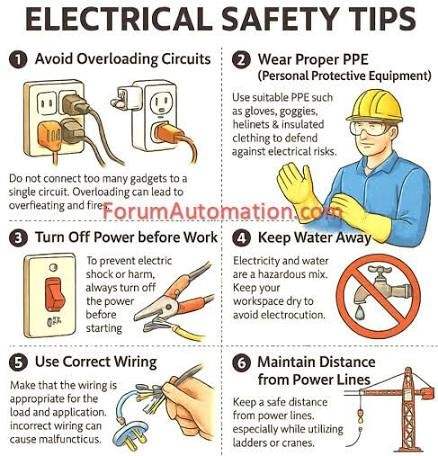
Electrical safety in buildings is essential for protecting lives, preventing electrical fires, safeguarding valuable equipment and ensuring reliable electricity supply. Whether you own a residential house, apartment block, office, shopping centre, hotel, school, hospital or industrial facility, maintaining a safe electrical system should be a top priority.
Poor electrical installations, damaged wiring, overloaded sockets, faulty circuit breakers and inadequate electrical maintenance can expose occupants to serious risks, including electric shocks, electrocution, electrical fires and costly property damage.
In Uganda, where buildings increasingly depend on electrical appliances, air conditioning systems, lighting, computers, security systems and other electrical equipment, proper electrical safety measures are more important than ever.
Property owners should therefore ensure that electrical installations are professionally designed, correctly installed, regularly inspected and properly maintained. Understanding common electrical hazards and knowing how to prevent them can significantly improve the safety and reliability of any building.
This guide explores the essential electrical safety measures every property owner should know and implement to protect their buildings and occupants.
1. Hire Qualified and Licensed Electrical Installation Professionals
One of the most important electrical safety measures is ensuring that all electrical installation, repair and maintenance work is undertaken by qualified and appropriately permitted professionals.
Poor electrical workmanship can result in loose connections, incorrect wiring, inadequate earthing, overloaded circuits and improperly installed protective devices.
When choosing an electrical installation company or electrician, property owners should:
- Verify that the electrician holds an appropriate valid installation permit issued by the Electricity Regulatory Authority (ERA).
- Choose professionals with experience in residential, commercial or industrial electrical installations, depending on the project.
- Ensure that electrical work complies with Uganda’s applicable electrical installation standards.
- Request proper documentation for completed electrical works.
- Avoid unqualified individuals offering unusually cheap electrical installation services.
Uganda’s Electricity (Installation Permits) Regulations, 2025 establish requirements for individuals and companies undertaking electrical installation work. Property owners should verify that the professionals they engage have the appropriate authorisation for the work involved.
Working with qualified professionals reduces electrical hazards and helps ensure that installations meet the required safety standards.
2. Install Proper Circuit Breakers and Electrical Protection Devices
Circuit breakers are essential components of a building’s electrical safety system. They protect electrical circuits by automatically interrupting electricity when dangerous conditions, such as excessive current or short circuits, occur.
Without appropriate protective devices, electrical faults can damage appliances, overheat wiring and potentially cause fires.
Property owners should ensure that electrical distribution boards contain correctly selected and installed protective devices.
Important electrical protection devices include:
Miniature Circuit Breakers (MCBs): These protect individual electrical circuits against overloads and short circuits.
Residual Current Devices (RCDs): These detect certain electrical leakage conditions and disconnect the supply to help protect people against electric shock.
Residual Current Circuit Breakers with Overcurrent Protection (RCBOs): These combine residual-current protection and overcurrent protection in one device.
Surge Protection Devices (SPDs): These help protect electrical equipment against transient voltage surges, including certain lightning-related surges.
The type, rating and arrangement of protective devices should be determined by a qualified electrical professional according to the building’s electrical design and applicable standards.
3. Ensure Proper Electrical Earthing and Bonding
Electrical earthing is a fundamental requirement for building electrical safety. It provides a protective path for fault currents, helping ensure that protective devices operate correctly when an electrical fault occurs.
Without proper earthing, exposed metal parts of electrical equipment can become dangerous if an insulation fault causes them to become live.
Electrical bonding also helps reduce dangerous voltage differences between conductive parts of a building.
Property owners should ensure that:
- The building has a properly designed and installed earthing system.
- Electrical distribution boards are correctly connected to the earthing arrangement.
- Metal enclosures and other exposed conductive parts are appropriately earthed.
- Bonding is provided where required.
- Earthing connections are inspected and tested by qualified professionals.
Proper earthing is particularly important in commercial buildings, industrial facilities, apartment blocks and buildings with extensive electrical equipment.
4. Avoid Overloading Electrical Sockets and Circuits
Overloading occurs when electrical equipment draws more current than a socket, extension lead or circuit is designed to carry.
This can cause excessive heat, damaged insulation, electrical faults and potentially electrical fires.
Overloading is common in homes, offices, shops and commercial premises where several appliances are connected to a single socket or extension cable.
To prevent electrical overloading:
- Avoid connecting too many appliances to one socket.
- Do not use multiple extension cables connected to one another.
- Install sufficient electrical outlets for the building’s intended use.
- Distribute electrical loads across appropriately designed circuits.
- Avoid using damaged or low-quality extension leads.
- Have an electrician assess circuits when adding heavy electrical equipment.
High-power appliances such as electric cookers, water heaters, air conditioners and industrial machinery may require dedicated circuits.
A professional electrical load assessment can help determine whether the existing electrical installation can safely support additional equipment.
5. Use High-Quality Electrical Wiring and Materials
The quality of electrical cables, switches, sockets, distribution boards and other installation materials directly affects the safety and reliability of a building’s electrical system.
Substandard or incorrectly rated electrical materials can deteriorate quickly, overheat or fail under normal operating conditions.
Property owners should ensure that:
- Electrical cables have the correct current-carrying capacity.
- Wiring materials comply with applicable standards.
- Switches and sockets are suitable for their intended applications.
- Cable joints and terminations are properly installed.
- Electrical accessories are suitable for the environmental conditions in which they will operate.
- Damaged, exposed or deteriorated cables are replaced promptly.
For new buildings, selecting appropriate electrical materials during the planning and construction stages helps prevent expensive repairs and safety problems later.
It is also important to use suitable weather-resistant electrical accessories in outdoor installations and areas exposed to moisture.
6. Protect Electrical Installations from Water and Moisture
Water and electricity create a dangerous combination. Moisture entering electrical installations can cause short circuits, electric shocks, corrosion and equipment failure.
Bathrooms, kitchens, laundry rooms, balconies, rooftops, outdoor areas and industrial washing facilities require particular attention.
Essential precautions include:
- Installing suitable electrical fittings in wet and damp locations.
- Ensuring outdoor sockets and lighting have appropriate weather protection.
- Keeping electrical distribution boards away from water exposure.
- Repairing leaking roofs and plumbing systems that could affect electrical installations.
- Ensuring cables and connections are adequately protected.
- Installing appropriate residual-current protection.
Property owners should never touch electrical switches, appliances or exposed wiring with wet hands.
If water enters an electrical distribution board or another electrical installation, keep people away and arrange for a qualified electrician to assess the situation. Do not attempt to operate or repair wet electrical equipment yourself.
7. Schedule Regular Electrical Inspections and Maintenance
Electrical systems deteriorate over time due to ageing, environmental conditions, heavy usage and physical damage.
Regular electrical inspections help identify developing problems before they become serious hazards.
Property owners should arrange professional inspections to assess:
- The condition of electrical cables and insulation.
- Distribution boards and circuit breakers.
- Socket outlets and switches.
- Earthing and bonding systems.
- Electrical connections and terminations.
- Protective devices.
- Signs of overheating or electrical damage.
- The condition of outdoor electrical installations.
Uganda’s Electricity (Installation Permits) Regulations, 2025 provide for periodic inspection and testing of electrical installations at intervals not exceeding:
- 10 years: Domestic and residential installations.
- 5 years: Commercial, industrial and public installations.
Property owners and managers should cooperate with the relevant distribution licensee in carrying out the required inspections and testing.
These statutory intervals should not be treated as a reason to delay inspections when warning signs or electrical faults appear. Damaged or unsafe installations require prompt attention.
Regular maintenance also helps extend the lifespan of electrical equipment and reduce unexpected interruptions.
8. Install Adequate Lighting and Emergency Lighting Systems
Proper lighting contributes to the safety and functionality of residential and commercial buildings.
Poorly illuminated staircases, corridors, parking areas, entrances and emergency exits can increase the risk of accidents, particularly during power interruptions.
Property owners should consider installing:
- Adequate lighting in staircases and corridors.
- Security lighting around building entrances.
- Outdoor lighting for parking areas and walkways.
- Emergency lighting in designated escape routes.
- Illuminated exit signs where required.
- Backup lighting for critical operational areas.
Commercial buildings, hotels, hospitals, schools and office complexes should pay particular attention to emergency lighting arrangements.
Emergency lighting should be tested and maintained to ensure it operates when normal electricity supply fails.
9. Protect Electrical Systems Against Lightning and Power Surges
Lightning strikes and electrical switching events can cause voltage surges that damage sensitive electronic equipment and electrical installations.
Buildings in Uganda should consider appropriate protection measures based on their location, design, exposure and electrical risk assessment.
Important protective measures include:
Surge protection devices: These help limit transient overvoltages reaching electrical equipment.
Lightning protection systems: Properly designed systems can intercept lightning strikes and safely conduct the current towards the earth.
Proper earthing and bonding: These support the safe operation of protective systems.
Protection of sensitive equipment: Computers, networking equipment, CCTV systems and other sensitive electronics may require additional surge protection.
Property owners should engage qualified professionals to assess whether a building requires an external lightning protection system and to determine the appropriate protection arrangements.
10. Keep Electrical Distribution Boards Accessible and Safe
Electrical distribution boards control and distribute electricity to different circuits within a building.
If they are poorly installed, obstructed or inadequately maintained, they can become a serious safety concern.
To maintain safe distribution boards:
- Keep distribution boards accessible to authorised personnel.
- Avoid storing materials directly in front of electrical panels.
- Ensure all circuit breakers are correctly labelled.
- Keep panel covers and protective enclosures in good condition.
- Prevent unauthorised access.
- Avoid using incorrect replacement circuit breakers.
- Arrange professional inspections and maintenance.
Distribution boards should be installed in suitable locations with adequate working clearance and protection against environmental hazards.
Any unusual noise, burning smell, excessive heat or visible damage around a distribution board should be treated as a warning sign requiring urgent professional attention.
11. Educate Building Occupants About Electrical Safety
Electrical safety is not only the responsibility of electricians and property managers. Everyone using a building should understand basic electrical safety practices.
In residential properties, landlords and homeowners should educate family members, tenants and domestic workers about safe electricity use.
In commercial buildings, facility managers should provide appropriate electrical safety guidance to employees, cleaners, security personnel and other occupants.
Important safety practices include:
- Never touching exposed electrical wires.
- Avoiding the use of damaged electrical appliances.
- Keeping children away from electrical distribution boards.
- Never inserting objects into electrical sockets.
- Switching off appliances when they are not required.
- Reporting electrical faults immediately.
- Avoiding unauthorised electrical repairs.
Clear safety instructions can help reduce accidents caused by misuse of electrical equipment.
12. Keep Electrical Equipment and Appliances in Good Condition
Electrical appliances and equipment can develop faults due to ageing, poor maintenance, physical damage or incorrect use.
Damaged appliances may expose users to electric shocks, overheating and fire hazards.
Property owners and facility managers should regularly check:
- Air conditioning units.
- Water heaters.
- Electric cookers.
- Refrigerators.
- Washing machines.
- Computers and office equipment.
- Industrial machinery.
- Extension leads and portable electrical tools.
Appliances with damaged plugs, exposed wires, burning smells or unusual overheating should be disconnected safely and assessed by a qualified professional.
Do not continue using faulty equipment simply because it appears to be working.
13. Implement Electrical Fire Prevention Measures
Electrical fires can result from overloaded circuits, damaged cables, loose connections, faulty appliances and improperly installed electrical equipment.
Preventing electrical fires requires a combination of proper electrical design, quality materials, professional installation and ongoing maintenance.
Property owners should:
- Ensure electrical installations are correctly designed.
- Install suitable circuit protection.
- Avoid overloading electrical circuits.
- Replace damaged cables and electrical accessories.
- Keep electrical rooms and distribution boards free from combustible storage.
- Maintain appropriate fire detection and alarm systems.
- Provide suitable fire extinguishers and ensure occupants know how to raise an alarm.
- Arrange periodic fire safety assessments.
Where an electrical fire occurs, occupants should raise the alarm, evacuate and contact emergency responders.
Never use water on an energised electrical fire. Only trained persons should use a suitable fire extinguisher when it is safe to do so.
Electrical power should be isolated only where this can be done safely without exposing anyone to danger.
14. Ensure Electrical Safety During Building Construction and Renovation
Electrical safety should be considered from the earliest stages of building design and construction.
Poor coordination between electrical contractors, architects, engineers and other construction professionals can lead to unsafe installations and expensive modifications.
During construction and renovation, property owners should ensure that:
- Electrical designs are prepared by competent professionals.
- Electrical installations are coordinated with architectural and structural designs.
- Appropriate cable routes are provided.
- Electrical materials are selected according to the project requirements.
- Temporary electrical supplies are installed safely.
- Electrical cables are protected against construction damage.
- Installation work is inspected and tested before being put into service.
For renovation projects, existing wiring should be assessed before additional electrical loads are introduced.
Adding air conditioning units, machinery, additional lighting or other electrical equipment without assessing the existing installation can create dangerous conditions.
15. Install Backup Power Systems Correctly
Backup power systems such as generators, solar installations, inverters and battery storage systems are increasingly used in Ugandan homes and commercial buildings.
Although these systems improve electricity reliability, incorrect installation can create serious safety hazards.
Common risks include improper changeover arrangements, incorrect earthing, overloaded backup circuits and unsafe battery connections.
Property owners should ensure that:
- Generators are installed in suitable, well-ventilated locations.
- Generator connections include appropriate transfer or changeover equipment.
- Solar systems are designed and installed by qualified professionals with the appropriate authorisation.
- Batteries are installed according to manufacturer requirements.
- Electrical protection is provided for backup circuits.
- All power sources are properly coordinated to prevent dangerous back-feeding.
- Backup installations are inspected and maintained regularly.
Generators should never be operated indoors or in enclosed spaces where exhaust gases can accumulate.
16. Maintain Electrical Safety in Commercial and Industrial Buildings
Commercial and industrial properties often have more complex electrical installations than ordinary residential buildings.
Offices, factories, warehouses, hotels, hospitals, shopping centres and schools may operate high-load electrical equipment, air conditioning systems, lifts, pumps and specialised machinery.
These facilities require structured electrical safety management.
Important measures include:
Professional electrical system design: Ensure that installations are designed to accommodate the building’s actual electrical demand.
Load management: Monitor electrical loads and avoid exceeding the capacity of circuits and distribution equipment.
Preventive maintenance: Develop maintenance schedules for electrical panels, equipment, wiring and protective devices.
Access control: Restrict access to electrical rooms and high-voltage installations to authorised personnel.
Emergency preparedness: Provide appropriate emergency procedures, alarms and evacuation arrangements.
Documentation: Maintain electrical drawings, inspection records, maintenance reports and equipment information.
Effective electrical safety management protects employees, customers, visitors, equipment and business operations.
17. Recognise Common Warning Signs of Electrical Problems
Property owners should never ignore signs that an electrical installation may be developing a fault.
Some warning signs include:
| Warning sign | Possible electrical problem |
|---|---|
| Frequently tripping circuit breakers | Overloads, short circuits or faulty equipment |
| Burning smell near sockets | Overheating or loose electrical connections |
| Flickering lights | Loose connections, supply problems or circuit faults |
| Warm electrical sockets | Overloaded circuits or poor connections |
| Sparks from switches or sockets | Damaged accessories or electrical faults |
| Buzzing distribution boards | Faulty components or loose connections |
| Repeated appliance failures | Possible supply or electrical installation problems |
| Exposed or damaged cables | Physical damage and electric shock risk |
These warning signs require professional assessment.
Do not attempt to open distribution boards, replace internal wiring or investigate live electrical faults yourself.
If there is smoke, fire, sparking or an immediate danger, keep people away, evacuate where necessary and contact emergency services.
18. Understand Uganda’s Electrical Safety Standards and Requirements
Property owners in Uganda should understand that electrical safety is supported by national laws, regulations and technical standards.
The National Building (Standards for Electrical Installations in Buildings) Code, 2019 establishes requirements relating to the design, installation and safety of electrical systems in buildings.
The Electricity Act and Electricity (Installation Permits) Regulations, 2025 also establish requirements governing electrical installation work and the professionals authorised to undertake it.
Important considerations include:
- Electrical installation work must be undertaken by persons holding the appropriate installation permits.
- Electrical installations should comply with applicable national electrical installation standards.
- New installations should be inspected and tested as required before being put into service.
- Periodic inspection and testing should be undertaken according to the applicable regulatory requirements.
- Identified electrical defects should be addressed within the required time.
- Property owners should retain relevant electrical inspection and installation documentation.
For reliable compliance, property owners should consult the Electricity Regulatory Authority (ERA), the relevant electricity distribution licensee and qualified electrical professionals.
Why Electrical Safety Is Important for Property Owners
Investing in electrical safety provides several long-term benefits.
1. Protects Lives and Occupants
Proper electrical installations reduce the risk of electric shocks, electrocution and other electrical accidents.
2. Prevents Electrical Fires
Correct wiring, appropriate circuit protection and regular maintenance help minimise the risk of electrical fires.
3. Protects Valuable Equipment
Surge protection, proper earthing and correctly designed electrical circuits help safeguard appliances, computers, machinery and other electrical equipment.
4. Reduces Repair and Maintenance Costs
Identifying electrical faults early can prevent extensive damage and expensive emergency repairs.
5. Improves Building Reliability
Well-maintained electrical systems support reliable lighting, communication, security and other essential building services.
6. Supports Legal and Safety Compliance
Professional installation and periodic inspection help property owners meet applicable electrical safety requirements in Uganda.
7. Increases Property Value and Marketability
A building with properly installed and maintained electrical systems is more attractive to potential buyers, tenants and investors.
Electrical Safety Checklist for Property Owners
Property owners and facility managers can use the following checklist to assess basic electrical safety management within their buildings.
- Electrical installation work is carried out by appropriately permitted professionals.
- Electrical wiring is correctly installed and adequately protected.
- Circuit breakers and other protective devices are properly selected.
- Residual-current protection is provided where required.
- Earthing and bonding systems are installed and tested.
- Electrical sockets and switches are in good condition.
- Electrical circuits are not overloaded.
- Outdoor electrical installations have suitable weather protection.
- Distribution boards are accessible, labelled and properly maintained.
- Electrical installations undergo the required periodic inspections.
- Emergency lighting and fire safety systems are maintained.
- Backup power systems are professionally installed.
- Building occupants understand basic electrical safety procedures.
- Electrical faults are reported and repaired promptly.
A qualified electrical professional should carry out a detailed inspection to confirm that the building meets applicable safety requirements.
Choosing a Professional Electrical Installation and Maintenance Company in Uganda
Selecting the right electrical installation company is essential for achieving safe, reliable and durable electrical systems.
Whether you are constructing a new building, renovating an existing property or maintaining a commercial facility, working with experienced electrical professionals can help prevent costly mistakes.
Before engaging an electrical contractor, consider the following:
- Licensing and qualifications: Confirm that the company and the personnel undertaking the work hold the appropriate ERA permits.
- Technical experience: Choose a contractor with relevant experience in your type of building.
- Quality of materials: Ensure that the contractor uses suitable, compliant electrical materials.
- Safety procedures: Check whether the company follows appropriate electrical safety practices.
- Inspection and testing: Ensure that the contractor provides the necessary testing and documentation.
- Maintenance support: Consider a company capable of providing ongoing electrical maintenance and troubleshooting.
A professional electrical installation company should prioritise safety, quality workmanship, regulatory compliance and long-term system reliability.
Conclusion
Electrical safety in buildings should never be overlooked. From proper wiring and circuit protection to earthing, regular inspections, fire prevention and professional maintenance, every safety measure contributes to protecting occupants and property.
For homeowners, landlords, property developers and commercial facility managers in Uganda, investing in professional electrical installation and maintenance is an important step towards creating safer and more reliable buildings.
At Daltrevco, we recognise the importance of properly planned building services and quality electrical installations. Whether you are developing a new property, upgrading an existing electrical system or improving the safety of a commercial facility, choosing professional solutions is essential for long-term performance and peace of mind.
Contact Daltrevco for professional building, electrical installation and maintenance solutions in Uganda. Make electrical safety a priority in every building project.
Frequently Asked Questions About Electrical Safety in Buildings
1. What is electrical safety in buildings?
Electrical safety in buildings refers to the measures, equipment, standards and practices used to prevent electrical accidents, fires, electric shocks and damage to electrical installations. It includes proper wiring, earthing, circuit protection, regular inspections and safe use of electrical appliances.
2. What are the most common electrical hazards in buildings?
Common electrical hazards include overloaded sockets, damaged wiring, exposed cables, faulty circuit breakers, poor earthing, loose connections, water exposure and improperly installed electrical appliances.
3. How often should electrical installations be inspected in Uganda?
Under Uganda’s Electricity (Installation Permits) Regulations, 2025, periodic inspection and testing intervals should not exceed ten years for domestic and residential installations and five years for commercial, industrial and public installations. Additional inspections may be necessary whenever faults, damage or other safety concerns arise.
4. Why is earthing important in electrical installations?
Earthing provides a protective path for fault currents and helps protective devices operate correctly. It reduces the risk of dangerous electric shocks from exposed conductive parts of electrical equipment.
5. What causes electrical fires in buildings?
Electrical fires may result from overloaded circuits, faulty wiring, loose connections, damaged cables, defective electrical appliances and improperly installed electrical equipment.
6. What is the importance of circuit breakers?
Circuit breakers protect electrical circuits by automatically disconnecting the supply when excessive current or short-circuit conditions occur. They help prevent overheating, electrical damage and fire hazards.
7. Can electrical wiring become unsafe over time?
Yes. Electrical wiring can deteriorate due to ageing, moisture, physical damage, excessive loading and poor installation. Regular professional inspections help identify wiring problems before they become dangerous.
8. Who should carry out electrical installation work in Uganda?
Electrical installation work should be carried out by professionals holding the appropriate valid electrical installation permits issued under the Electricity Regulatory Authority’s applicable regulations.
9. How can property owners improve electrical safety?
Property owners can improve electrical safety by hiring qualified electricians, installing appropriate protection devices, avoiding overloaded circuits, maintaining proper earthing, replacing damaged wiring and arranging regular professional inspections.
10. Why is professional electrical maintenance important?
Professional electrical maintenance helps identify faults, improve system reliability, prevent electrical accidents, protect equipment and reduce unexpected repair costs.

