
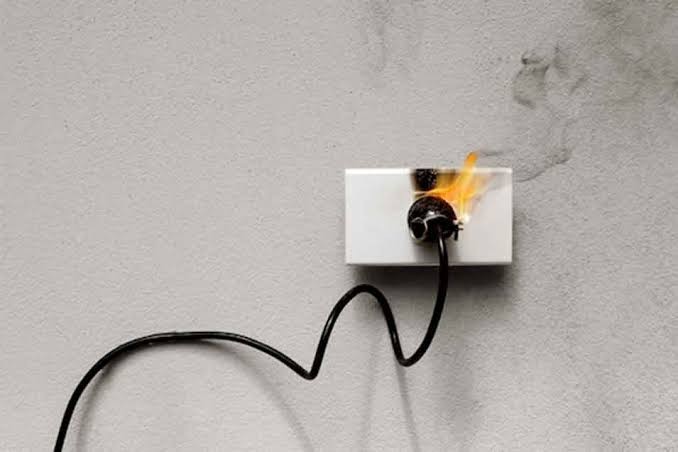
Electrical systems are an essential part of every modern home. From lighting and kitchen appliances to water heaters, air conditioners, entertainment systems and security equipment, reliable electricity makes everyday life more convenient and comfortable. However, when electrical installations are poorly designed, improperly installed or inadequately maintained, they can develop problems that affect safety, comfort and household expenses.
Common electrical problems in homes include frequent power trips, flickering lights, faulty sockets, overloaded circuits, damaged wiring, burning smells and malfunctioning switches. Although some electrical issues may appear minor, they can indicate serious underlying faults that increase the risk of electric shocks, electrical fires and damage to household appliances.
For homeowners in Uganda, understanding common electrical problems and knowing how to prevent them is important for maintaining safe and reliable residential properties. Regular electrical inspections, quality installation materials, proper circuit protection and professional maintenance can help prevent many electrical faults.
In this guide, we explore the most common electrical problems in homes, their causes, warning signs and practical prevention measures to help homeowners maintain safe electrical installations.
1. Frequent Tripping of Circuit Breakers
Frequent circuit breaker tripping is one of the most common electrical problems experienced in residential buildings. Circuit breakers are designed to interrupt electricity when they detect excessive current or certain electrical faults.
Although an occasional trip may occur when a circuit is overloaded, repeated tripping usually indicates an underlying electrical problem that requires investigation.
Common causes of circuit breaker tripping
- Overloading electrical circuits with too many appliances.
- Short circuits caused by damaged wiring.
- Faulty electrical appliances.
- Incorrectly rated circuit breakers.
- Electrical insulation deterioration.
- Faults in electrical connections.
How to prevent circuit breaker problems
- Avoid connecting too many high-power appliances to one circuit.
- Ensure electrical circuits are correctly designed for their intended loads.
- Install appropriately rated circuit breakers.
- Replace damaged electrical appliances.
- Arrange professional inspections when breakers trip repeatedly.
- Avoid replacing circuit breakers with higher-rated devices without an electrical assessment.
A qualified electrician should investigate repeated tripping instead of repeatedly resetting the breaker.
2. Flickering or Dimming Lights
Flickering lights can be frustrating and may indicate problems with electrical connections, lighting accessories or the electricity supply.
In some homes, lights may briefly dim when high-power appliances such as refrigerators, pumps or air conditioners start operating. However, persistent or widespread flickering should not be ignored.
Common causes
- Loose electrical connections.
- Faulty switches or lighting fittings.
- Damaged wiring.
- Overloaded electrical circuits.
- Voltage fluctuations.
- Problems with the electricity supply.
How to prevent flickering lights
- Use quality lighting accessories and electrical fittings.
- Ensure electrical connections are properly installed.
- Avoid overloading lighting circuits.
- Have persistent flickering investigated by a qualified electrician.
- Arrange an electrical assessment if lights dim significantly when appliances start.
If flickering occurs throughout the house or is accompanied by burning smells, buzzing or unusual heating, seek professional assistance promptly.
3. Overloaded Electrical Sockets
Overloaded sockets occur when too many electrical appliances draw power from a single outlet or circuit beyond its safe capacity.
This problem is common in homes where multiple appliances, chargers, televisions, refrigerators and extension cables are connected to limited electrical outlets.
Overloading can cause overheating, damage electrical accessories and increase the risk of fire.
Warning signs of overloaded sockets
- Warm or hot socket outlets.
- Discoloured socket covers.
- Burning smells.
- Sparks or unusual sounds.
- Frequently tripping circuit breakers.
How to prevent socket overloading
- Install sufficient sockets throughout the home.
- Avoid connecting multiple extension leads together.
- Do not exceed the rated capacity of sockets and extension cables.
- Use dedicated circuits for high-power appliances where required.
- Distribute electrical loads appropriately.
- Replace damaged or overheated socket outlets.
Homeowners should consider their electrical requirements during construction or renovation to ensure that enough outlets are provided in bedrooms, kitchens, living rooms and other areas.
4. Faulty Electrical Sockets and Switches
Faulty sockets and switches can affect the normal operation of electrical appliances and lighting systems.
They may develop problems due to ageing, poor-quality materials, loose connections, physical damage or improper installation.
Common symptoms
- Sockets that do not supply electricity.
- Switches that operate intermittently.
- Sparks when plugging in appliances.
- Loose socket outlets.
- Cracked or broken switch covers.
- Burning smells around electrical accessories.
Prevention measures
- Purchase quality electrical switches and socket outlets.
- Ensure accessories are installed correctly.
- Avoid pulling appliance plugs out by their cables.
- Replace damaged sockets and switches promptly.
- Arrange periodic electrical inspections.
- Keep electrical accessories away from water exposure.
Never attempt to repair faulty sockets or switches while they are energised. Electrical repairs should be undertaken by qualified professionals.
5. Electrical Short Circuits
A short circuit occurs when electricity takes an unintended path with very low resistance, potentially causing excessive current flow.
Short circuits can cause circuit breakers to trip, damage electrical equipment and create dangerous overheating conditions.
Common causes of short circuits
- Damaged cable insulation.
- Loose or improperly connected wires.
- Water entering electrical installations.
- Faulty appliances.
- Incorrect electrical installation.
- Deteriorated electrical accessories.
How to prevent short circuits
- Use correctly rated electrical cables.
- Protect wiring against physical damage.
- Keep electrical installations away from water exposure.
- Ensure all connections are properly insulated and enclosed.
- Replace damaged cables and electrical accessories.
- Arrange professional inspection when circuit breakers repeatedly trip.
Proper electrical design and quality installation materials are essential for preventing short circuits in residential properties.
6. Electric Shocks from Appliances or Electrical Accessories
Experiencing an electric shock when touching an appliance, switch or metallic surface is a serious warning sign.
It may indicate poor earthing, damaged insulation, faulty appliances or problems with electrical protection devices.
Even a mild electric shock should never be considered normal.
Common causes
- Improper electrical earthing.
- Damaged appliance cables.
- Faulty water heaters.
- Defective electrical equipment.
- Incorrect wiring connections.
- Missing or defective residual-current protection.
How to prevent electric shocks
- Ensure the house has a properly designed earthing system.
- Install appropriate residual-current protection, such as RCDs or RCBOs.
- Use electrical appliances in accordance with manufacturer instructions.
- Replace damaged appliance cables.
- Arrange professional testing of electrical installations.
- Avoid touching electrical equipment with wet hands.
If someone receives an electric shock, do not touch them while they remain in contact with a live electrical source. Isolate the supply if it is safe to do so, call emergency services and seek medical assistance.
7. Burning Smells Around Electrical Installations
A burning smell coming from sockets, switches, electrical appliances or distribution boards may indicate overheating or an electrical fault.
This is one of the most serious warning signs homeowners should never ignore.
Possible causes
- Loose electrical connections.
- Overloaded circuits.
- Damaged wiring insulation.
- Faulty appliances.
- Overheated circuit breakers.
- Poor-quality electrical accessories.
Prevention measures
- Avoid overloading electrical outlets.
- Use quality electrical installation materials.
- Ensure electrical connections are correctly installed.
- Arrange regular electrical inspections.
- Replace damaged electrical accessories immediately.
If you notice smoke, burning smells or signs of overheating, keep people away from the affected area. Isolate the electricity only if it is safe to do so, and contact a qualified electrician. If a fire develops, evacuate and contact emergency responders.
8. Poor Electrical Earthing
Electrical earthing is an important safety feature in residential electrical installations. It provides a protective path for fault currents, helping protective devices disconnect electricity when dangerous faults occur.
Poor earthing can increase the risk of electric shock and may prevent protective devices from operating correctly.
Common causes of poor earthing
- Incorrectly installed earthing systems.
- Corroded or loose earthing connections.
- Damaged protective conductors.
- Inadequate bonding.
- Poor electrical installation workmanship.
How to prevent earthing problems
- Ensure the house has an appropriately designed earthing system.
- Use qualified electrical installation professionals.
- Arrange periodic earthing inspections and testing.
- Repair damaged earthing conductors.
- Ensure exposed conductive parts are properly connected where required.
Earthing effectiveness should be verified through appropriate professional testing rather than visual inspection alone.
9. Voltage Fluctuations in Residential Buildings
Voltage fluctuations occur when the electrical supply voltage rises or falls beyond the expected operating range.
These fluctuations can affect lighting, refrigerators, televisions, computers, air conditioners and other household appliances.
Common causes
- Variations in the electricity supply.
- Loose electrical connections.
- Overloaded electrical circuits.
- Faulty wiring.
- Problems with the electrical distribution system.
How to prevent voltage-related problems
- Arrange an electrical assessment if voltage problems persist.
- Use suitable voltage protection for sensitive appliances where appropriate.
- Install properly selected surge protection devices.
- Ensure electrical connections are secure.
- Have the incoming electrical supply checked by the relevant distribution licensee when necessary.
A surge protection device and a voltage regulator serve different purposes. A qualified electrician can recommend the appropriate protection based on the actual problem.
10. Damaged or Exposed Electrical Wiring
Electrical cables can become damaged through ageing, moisture, rodents, construction activities and physical impact.
Exposed conductors create serious risks of electric shock, short circuits and electrical fires.
Common causes
- Poor cable installation.
- Rodent damage.
- Drilling or renovation activities.
- Exposure to water and moisture.
- Ageing electrical insulation.
- Unprotected surface wiring.
How to prevent wiring damage
- Install cables using suitable conduits and protective systems.
- Avoid running cables where they can easily be damaged.
- Inspect wiring during building renovations.
- Replace deteriorated or damaged electrical cables.
- Protect wiring from rodents and moisture.
- Use qualified electricians for all wiring repairs.
Homeowners should never touch exposed wires or attempt to cover damaged live cables with ordinary adhesive tape.
11. Faulty Lighting Fixtures and Bulbs
Lighting problems are another common issue in residential properties. Bulbs may burn out frequently, fixtures may stop working or lights may produce inconsistent illumination.
Common causes
- Poor-quality lighting products.
- Incorrect bulb ratings.
- Faulty switches.
- Loose connections.
- Excessive heat around lighting fixtures.
- Voltage fluctuations.
Prevention measures
- Purchase quality lighting products.
- Use bulbs compatible with the installed fixtures.
- Ensure lighting fittings are correctly installed.
- Replace damaged switches and accessories.
- Arrange professional assessment when bulbs fail repeatedly.
LED lighting can help reduce energy consumption and replacement frequency when suitable products are selected and installed correctly.
12. Electrical Problems Caused by Water and Moisture
Water exposure can damage electrical wiring, switches, sockets and appliances.
This problem is particularly important in kitchens, bathrooms, laundry areas, outdoor spaces and homes with leaking roofs or plumbing systems.
Common causes
- Water leaking through roofs.
- Plumbing leaks near electrical installations.
- Flooding.
- Poorly protected outdoor electrical accessories.
- Condensation in electrical enclosures.
How to prevent moisture-related electrical problems
- Install appropriate electrical fittings in wet locations.
- Protect outdoor sockets against rain and moisture.
- Repair plumbing and roof leaks promptly.
- Keep electrical distribution boards dry.
- Use appropriate residual-current protection.
- Arrange professional inspection after flooding or water exposure.
Never operate wet switches or touch electrical equipment in flooded areas. Keep away and arrange safe isolation by a qualified professional.
13. Insufficient Electrical Outlets in the Home
A shortage of electrical outlets may seem like a minor inconvenience, but it often encourages unsafe practices.
Homeowners may rely on extension leads, adaptors and multiple plugs to power several appliances from a limited number of sockets.
This can contribute to overloaded circuits and overheating.
How to prevent this problem
- Plan socket locations before building construction.
- Install sufficient outlets in bedrooms and living areas.
- Provide dedicated outlets for appliances where necessary.
- Consider furniture layouts when planning electrical installations.
- Ensure additional circuits are designed according to the expected electrical load.
Proper electrical planning makes homes safer, more convenient and easier to maintain.
14. Faulty Electrical Distribution Boards
The electrical distribution board is responsible for distributing electricity to different circuits throughout a house.
Problems within the distribution board can affect the entire electrical installation.
Common warning signs
- Repeatedly tripping breakers.
- Buzzing sounds.
- Burning smells.
- Visible overheating.
- Loose or damaged panel covers.
- Breakers that fail to operate correctly.
Prevention measures
- Install a correctly designed distribution board.
- Ensure all circuits are clearly labelled.
- Use appropriate circuit protection devices.
- Keep the distribution board accessible.
- Arrange periodic professional inspections.
- Replace damaged components with correctly rated equipment.
Only qualified professionals should open, inspect or repair electrical distribution boards.
15. Power Surges and Damage to Household Appliances
Power surges are sudden increases in electrical voltage that can damage sensitive household equipment.
They may occur due to lightning-related events, electrical switching operations or certain faults within electrical systems.
Commonly affected appliances
- Televisions.
- Computers and laptops.
- Refrigerators.
- Air conditioning systems.
- Routers and networking equipment.
- Home entertainment systems.
How to prevent surge damage
- Install suitable surge protection devices.
- Ensure proper earthing and bonding.
- Consider additional protection for sensitive equipment.
- Use suitable protection for solar and backup power installations.
- Have electrical protection systems inspected periodically.
The right surge protection arrangement should be selected according to the building’s electrical installation and risk exposure.
16. Problems with Generators, Solar Systems and Inverters
Many Ugandan homeowners use generators, solar panels, inverters and batteries to improve electricity reliability.
However, incorrectly installed backup power systems can introduce additional electrical hazards.
Common problems include
- Incorrect generator changeover connections.
- Inadequate circuit protection.
- Poor battery connections.
- Improper earthing.
- Overloaded inverter circuits.
- Unsafe solar cable connections.
How to prevent backup power problems
- Use appropriately qualified and authorised installation professionals.
- Select equipment suitable for the household’s electrical requirements.
- Install suitable changeover and isolation equipment.
- Provide appropriate overcurrent and surge protection.
- Follow battery and inverter manufacturer instructions.
- Schedule regular system inspections.
Generators should always be operated outdoors in suitable locations away from windows, doors and air intakes because carbon monoxide from exhaust fumes can be fatal.
17. Electrical Problems Caused by Poor Installation Workmanship
Poor electrical workmanship is a major contributor to recurring electrical faults in residential buildings.
Incorrect cable sizing, poor connections, inadequate earthing and inappropriate protective devices can create problems that may remain unnoticed until a serious fault occurs.
How to prevent poor installation workmanship
- Engage professionals holding the appropriate electrical installation permits.
- Use quality, standards-compliant electrical materials.
- Ensure installations follow approved electrical designs.
- Request inspection and testing documentation.
- Avoid making unauthorised modifications to electrical systems.
- Arrange professional assessments before purchasing older properties.
Investing in proper electrical installation from the beginning is generally more cost-effective than repeatedly repairing poorly installed systems.
Essential Electrical Maintenance Tips for Homeowners
Preventive maintenance is one of the most effective ways to reduce electrical problems in residential properties.
Homeowners should establish a routine that includes the following measures:
- Inspect visible electrical accessories: Look for cracked sockets, damaged switches and exposed cables.
- Check for unusual heating: Report warm sockets and electrical panels to a qualified electrician.
- Avoid overloading circuits: Distribute electrical loads appropriately.
- Test protective devices: Arrange appropriate testing of RCDs and other protective equipment according to manufacturer instructions.
- Maintain electrical appliances: Replace damaged plugs, cables and faulty equipment.
- Protect electrical installations from moisture: Repair roof and plumbing leaks.
- Arrange professional inspections: Have electrical installations inspected and tested at the required intervals.
- Keep electrical records: Retain inspection reports, electrical drawings and maintenance documentation.
In Uganda, periodic inspection and testing intervals under the Electricity (Installation Permits) Regulations, 2025 should not exceed ten years for domestic and residential installations. However, homeowners should arrange earlier inspections whenever electrical faults, renovations or safety concerns arise.
When Should You Call a Professional Electrician?
Not every electrical problem can be identified through a visual check. Some faults occur inside walls, electrical distribution boards or concealed cable connections.
Homeowners should seek professional assistance when they notice:
- Repeatedly tripping circuit breakers.
- Persistent flickering lights.
- Burning smells around electrical accessories.
- Sparks from sockets or switches.
- Electric shocks from appliances.
- Warm electrical cables or distribution boards.
- Repeated appliance failures.
- Damaged or exposed wiring.
- Problems with earthing or electrical protection devices.
Electrical faults should never be ignored or repaired by unqualified individuals.
If there is immediate danger, smoke or fire, keep occupants away, evacuate when necessary and contact emergency services.
Benefits of Professional Residential Electrical Maintenance
Engaging a professional electrical installation and maintenance company offers several important benefits.
1. Improved Household Safety
Professional inspections help identify electrical faults and reduce the risk of electric shocks and electrical fires.
2. Reduced Repair Costs
Early detection of electrical problems can prevent extensive damage and expensive emergency repairs.
3. Better Appliance Protection
Proper electrical protection helps safeguard refrigerators, televisions, computers and other household equipment.
4. Improved Electrical Reliability
A properly maintained electrical system supports consistent lighting, appliance operation and household convenience.
5. Longer Equipment Lifespan
Correct installation, suitable operating conditions and preventive maintenance help extend the service life of electrical components.
6. Peace of Mind
Knowing that your home’s electrical installation has been professionally assessed provides greater confidence in its safety and performance.
Choosing the Right Residential Electrical Installation Company in Uganda
Choosing a reliable electrical installation company is essential when constructing, renovating or maintaining a home.
A professional contractor should understand residential electrical requirements and provide solutions that prioritise safety, reliability and long-term performance.
Before hiring an electrical contractor, consider the following:
- Professional qualifications: Confirm that the individuals undertaking electrical installation work hold appropriate valid ERA installation permits.
- Residential experience: Choose professionals experienced in domestic wiring, lighting, distribution boards and electrical protection.
- Quality materials: Ensure that suitable electrical cables, sockets, switches and circuit breakers are used.
- Safety compliance: Confirm that the installation follows applicable Ugandan electrical safety standards.
- Inspection and testing: Request appropriate electrical testing and documentation.
- Maintenance services: Consider contractors who can support future inspections, repairs and upgrades.
Whether you are constructing a new house, renovating an existing property or upgrading an electrical installation, professional workmanship is essential.
Conclusion
Common electrical problems in homes can range from minor inconveniences, such as faulty switches and flickering lights, to serious hazards involving damaged wiring, overloaded circuits and electric shocks.
Understanding the causes and warning signs of these problems allows homeowners to take preventive action before minor faults develop into expensive or dangerous situations.
The most effective way to maintain a safe residential electrical system is to invest in professional installation, quality electrical materials, appropriate circuit protection, proper earthing and regular maintenance.
For homeowners, landlords and property developers in Uganda, electrical safety should be a priority throughout the life of every building.
At Daltrevco, we understand the importance of quality building services and properly planned electrical installations. Whether you are developing a new residential property, upgrading existing electrical systems or seeking professional building maintenance solutions, prioritising quality and safety helps protect your investment.
Contact Daltrevco for professional building, electrical installation and maintenance solutions in Uganda.
Frequently Asked Questions About Common Electrical Problems in Homes
1. What are the most common electrical problems in homes?
The most common electrical problems include flickering lights, frequently tripping circuit breakers, overloaded sockets, faulty switches, damaged wiring, short circuits, poor earthing and voltage fluctuations.
2. Why does my circuit breaker keep tripping?
A circuit breaker may trip because of overloaded circuits, short circuits, faulty appliances or electrical leakage. Repeated tripping should be investigated by a qualified electrician.
3. What causes lights to flicker in a house?
Flickering lights can result from loose connections, faulty switches, damaged wiring, voltage fluctuations or overloaded circuits. Persistent flickering requires professional assessment.
4. How can I prevent electrical fires in my home?
Prevent electrical fires by avoiding overloaded sockets, using quality electrical materials, maintaining proper wiring, installing suitable circuit protection and arranging regular electrical inspections.
5. Why do electrical sockets become hot?
Hot sockets may indicate overloaded circuits, loose connections, damaged accessories or poor installation. Stop using the affected socket and arrange professional inspection.
6. How often should home electrical systems be inspected in Uganda?
Under Uganda’s Electricity (Installation Permits) Regulations, 2025, domestic and residential electrical installations should undergo periodic inspection and testing at intervals not exceeding ten years. Earlier inspections are advisable whenever faults or safety concerns arise.
7. What causes electric shocks when touching household appliances?
Electric shocks may result from damaged insulation, poor earthing, faulty appliances or defective electrical protection. Stop using the affected equipment and have it inspected by a qualified professional.
8. How do I know if my home needs electrical rewiring?
Warning signs include frequent electrical faults, deteriorated cable insulation, exposed wiring, inadequate electrical capacity and repeated circuit problems. A professional electrical inspection can determine whether repairs or complete rewiring are necessary.
9. Can overloaded sockets damage electrical appliances?
Yes. Overloaded circuits and poor electrical connections can cause overheating and unstable operating conditions, potentially damaging appliances and electrical accessories.
10. Why should I hire a professional electrician?
A qualified and appropriately permitted electrician can identify electrical faults, install suitable protection devices, carry out safe repairs and ensure that residential electrical installations comply with applicable safety requirements.

