
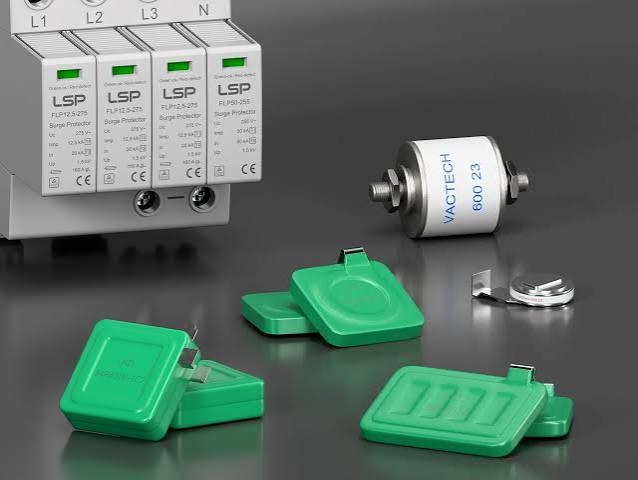
Electrical equipment is a major investment for homeowners, businesses, commercial buildings, factories and industrial facilities. From computers and televisions to air conditioning systems, security equipment, industrial machinery and sensitive electronic devices, modern properties depend on reliable electrical installations to operate efficiently. However, unexpected power surges can damage these valuable assets, interrupt business operations and create expensive electrical problems.
Installing reliable surge protection systems in Uganda is an important step towards protecting electrical installations and preventing damage caused by sudden increases in voltage. Power surges can occur due to lightning activity, electrical grid disturbances, switching operations, faulty electrical installations and the operation of large electrical equipment. Without appropriate protection, even a brief voltage spike can damage sensitive electronic components.
For property owners, developers and businesses, investing in professionally designed surge protection is not simply an additional electrical expense. It is a practical way of reducing equipment damage, improving electrical safety and protecting long-term investments.
At Daltrevco, we recognise the importance of dependable electrical installations and effective protection systems. This guide explains how surge protection systems work, what causes power surges, the different types of surge protection devices, where they should be installed and why professional installation is essential.
What Is a Surge Protection System?
A surge protection system is an electrical protection arrangement designed to protect electrical installations and connected equipment against temporary increases in voltage.
It uses specialised devices known as Surge Protective Devices (SPDs) to limit transient overvoltages and divert the associated surge current safely towards the earthing system, depending on the protection arrangement.
Under normal operating conditions, a surge protective device allows electrical current to flow through the installation without interfering with the supply. When a dangerous voltage surge occurs, the device responds by limiting the transient voltage and directing surge energy through an appropriate protective path.
Once the surge has passed, the device returns to its normal operating condition if it remains serviceable.
Surge protection systems are particularly important in properties that contain:
- Computers, servers and networking equipment.
- Televisions and entertainment systems.
- Refrigerators, freezers and other household appliances.
- Air conditioning and ventilation systems.
- CCTV cameras, access control and alarm systems.
- Solar power systems and inverters.
- Industrial machinery and automated production equipment.
- Medical equipment and electronic control systems.
- Commercial lighting and building management systems.
A properly designed surge protection system helps reduce the risk of equipment failure, unexpected repair costs and operational interruptions.
What Causes Power Surges in Buildings?
Understanding the causes of power surges helps property owners appreciate why surge protection is necessary. Voltage disturbances can originate from external electrical networks or within the building itself.
1. Lightning Strikes and Thunderstorms
Lightning is one of the most significant sources of transient overvoltage. During thunderstorms, a direct lightning strike or nearby lightning activity can introduce extremely high electrical energy into power distribution systems.
Lightning-induced surges can travel through incoming electrical supply lines, communication cables and other connected services. These disturbances may affect electrical equipment even when lightning does not directly strike the building.
Properties in areas exposed to frequent thunderstorms should consider coordinated lightning and surge protection measures.
2. Electricity Supply Fluctuations
Disturbances within the electricity distribution network can produce sudden voltage changes. Switching operations, faults and the restoration of power following an outage may contribute to transient overvoltages.
Sensitive electronic equipment can be particularly vulnerable to repeated electrical disturbances.
3. Switching of Electrical Equipment
Large electrical loads such as motors, pumps, compressors, transformers and industrial machinery can generate switching transients when they are switched on or off.
These disturbances can travel through a building’s electrical installation and affect other connected equipment, particularly where electrical systems lack appropriate protection.
4. Generator and Power Backup Systems
Generators, automatic transfer switches, inverters and other backup power arrangements involve electrical switching and changes in supply conditions.
Poorly designed installations, unsuitable switching equipment and inadequate electrical protection can expose connected equipment to damaging voltage disturbances.
5. Internal Electrical Faults
Electrical faults, loose connections, defective equipment and improperly configured installations can contribute to unstable electrical conditions.
Although not every voltage fluctuation is a transient surge, a professional electrical assessment can help identify the appropriate protective measures.
Why Are Surge Protection Systems Important?
Surge protection plays an important role in protecting electrical equipment, maintaining reliable operations and reducing the financial consequences of electrical damage.
The following are the main benefits of installing a properly designed surge protection system.
1. Protects Expensive Electrical Equipment
Modern electrical equipment contains sensitive electronic components that can be damaged by transient overvoltages.
A single electrical surge can damage circuit boards, power supplies, communication ports and control systems. Replacing these components can be expensive, especially in commercial and industrial environments.
Surge protection devices help limit damaging voltage spikes before they reach connected equipment, reducing the likelihood of costly equipment failure.
2. Reduces Electrical Repair and Replacement Costs
Electrical equipment damage can result in unexpected repair expenses and replacement costs.
For businesses operating computers, servers, machinery, refrigeration equipment and electronic control systems, repeated surge-related failures can become a significant financial burden.
Installing suitable surge protection helps reduce exposure to these risks and supports better long-term management of electrical maintenance costs.
3. Minimises Business Downtime
Unexpected electrical equipment failure can interrupt business activities, delay production and affect customer service.
For example, a voltage surge that damages a server, production control panel or commercial refrigeration system can disrupt operations until repairs are completed.
Surge protection helps improve the resilience of electrical installations and reduces the potential for downtime caused by transient overvoltages.
4. Protects Sensitive Electronic Systems
Modern buildings depend on electronic systems for communication, security, automation and daily operations.
These include:
- Computer networks and internet equipment.
- CCTV and surveillance systems.
- Fire detection and alarm systems.
- Electronic access control systems.
- Building management systems.
- Smart home automation equipment.
- Communication and telecommunications equipment.
Appropriate surge protection helps safeguard these systems against damaging transient voltage disturbances.
5. Supports Reliable Solar Power Installations
Solar installations contain sensitive components such as solar inverters, monitoring equipment and electronic control systems.
Lightning-induced surges and other transient overvoltages can enter through DC solar circuits or AC electrical connections.
Installing appropriately selected DC and AC surge protection devices, together with suitable earthing and bonding arrangements, helps protect solar equipment and improve system reliability.
6. Improves the Protection of Commercial and Industrial Facilities
Factories, offices, warehouses, shopping centres, hotels and other commercial properties often contain extensive electrical installations.
Damage to a single control system or important electrical component can affect multiple operations.
A coordinated surge protection arrangement helps protect critical equipment and supports the dependable operation of commercial and industrial facilities.
Types of Surge Protection Devices (SPDs)
Surge protection devices are classified according to their intended application, installation position and ability to handle different surge conditions.
The main categories used in modern electrical installations are Type 1, Type 2 and Type 3 surge protective devices.
1. Type 1 Surge Protection Devices
Type 1 SPDs are designed to handle high-energy surge currents associated with partial lightning currents.
They are generally installed at the origin of an electrical installation, particularly where the building requires protection against lightning-related surge currents.
Type 1 devices are commonly considered where:
- A building has an external lightning protection system.
- The electrical installation is exposed to lightning-related surge currents.
- The incoming electrical supply requires high-energy surge protection.
- The electrical protection design identifies a need for Type 1 protection.
They form an important part of the overall protection strategy for buildings exposed to significant lightning risks.
2. Type 2 Surge Protection Devices
Type 2 SPDs are commonly installed in main distribution boards and sub-distribution boards.
They protect electrical installations against transient overvoltages caused by switching operations and induced lightning surges.
Type 2 protection is widely used in:
- Residential buildings.
- Office blocks.
- Commercial properties.
- Hotels and hospitality facilities.
- Shopping centres.
- Industrial buildings.
- Educational institutions.
For many buildings, Type 2 devices provide an essential layer of protection within the electrical distribution system.
3. Type 3 Surge Protection Devices
Type 3 SPDs provide additional protection close to sensitive electrical equipment.
They are typically installed near the equipment they protect and are used as part of a coordinated surge protection arrangement.
Examples include protection for:
- Computers and workstations.
- Television and entertainment systems.
- Networking equipment.
- Electronic control devices.
- Sensitive office equipment.
- Selected communication systems.
Type 3 devices should be selected and installed in coordination with upstream surge protection. They are not intended to replace the main protection devices in the electrical distribution system.
Understanding Coordinated Surge Protection
For many properties, the most effective approach is to combine different SPD types to create multiple levels of protection.
For example, a commercial building may use Type 1 protection at the incoming electrical supply where required, Type 2 protection in distribution boards and Type 3 protection near particularly sensitive equipment.
The correct combination depends on the building’s electrical design, lightning risk, installation arrangement and equipment requirements.
Where Should Surge Protection Devices Be Installed?
Correct placement is essential for achieving effective surge protection. Installing an SPD in an unsuitable location or using incorrect connections can reduce its protective performance.
Common installation locations include:
1. Main Electrical Distribution Board
The main distribution board is an important location for surge protection because it supplies electricity to different sections of a building.
A suitable SPD installed at this point helps limit transient overvoltages entering the building’s electrical distribution system.
2. Sub-Distribution Boards
Large commercial and industrial buildings often have multiple distribution boards serving different floors, departments or operational areas.
Additional surge protection may be installed at sub-distribution boards to provide protection closer to the equipment and circuits being served.
3. Solar Power Systems
Solar installations may require surge protection on both DC and AC sides, depending on the system design and exposure risks.
DC SPDs protect appropriate sections of the solar array and DC wiring, while AC SPDs protect the inverter’s AC connection and associated electrical installation.
The devices must be specifically rated for their intended DC or AC application.
4. Communication and Data Lines
Electrical power is not the only pathway through which damaging surges can enter a building.
Telephone lines, network cables, data connections and other external communication services may also require suitable surge protection.
This is particularly important for buildings with extensive IT infrastructure, CCTV installations and communication networks.
5. Sensitive Equipment Locations
Additional point-of-use protection may be necessary for particularly sensitive or valuable equipment.
Examples include server rooms, computer laboratories, security control rooms, medical equipment areas and industrial automation facilities.
Surge Protection Installation Process
Professional surge protection installation involves more than simply fitting a device into an electrical distribution board. The system must be selected, installed and tested according to the building’s electrical requirements.
At Daltrevco, a professional approach to electrical protection should consider the following essential stages.
Step 1: Electrical System Assessment
The first stage involves assessing the existing electrical installation to understand its configuration and protection requirements.
The assessment should consider:
- The building’s electrical supply arrangement.
- Main and sub-distribution boards.
- Existing protective devices.
- Earthing and bonding arrangements.
- Connected electrical equipment.
- Lightning exposure and external protection systems.
- Solar installations and backup power systems.
This assessment helps determine the appropriate surge protection strategy.
Step 2: Identifying the Appropriate Surge Protection Device
Different buildings require different types of surge protection.
The selected SPD should match the electrical supply configuration, voltage rating, expected surge conditions and required protection level.
Important selection considerations include:
- SPD type: Type 1, Type 2 or Type 3.
- Maximum continuous operating voltage (Uc).
- Voltage protection level (Up).
- Nominal discharge current (In).
- Impulse discharge current (Iimp), where applicable.
- Maximum discharge current (Imax), where applicable.
- Short-circuit current rating and associated backup protection.
- Compatibility with the earthing system.
Selecting the correct device is essential for ensuring that the protection system performs as intended.
Step 3: Checking the Earthing and Bonding System
Effective surge protection depends on a properly designed earthing and bonding arrangement.
The electrical contractor should inspect the existing earthing system, protective conductors, main bonding connections and relevant installation requirements.
Poor earthing, unsuitable conductor arrangements or inadequate bonding can compromise the performance of surge protection devices.
It is important to understand that an SPD does not replace the building’s earthing system. Both must work together as part of the overall electrical protection design.
Step 4: Installing the Surge Protection Device
The selected SPD is installed at the appropriate location within the electrical installation.
Installation requires attention to:
- Correct connection configuration.
- Appropriate conductor sizing.
- Short and properly routed connecting conductors.
- Suitable overcurrent protection where required.
- Manufacturer installation instructions.
- Safe isolation and electrical safety procedures.
- Proper coordination with existing protective devices.
Incorrect installation can reduce the effectiveness of the SPD and may create additional electrical risks.
Step 5: Testing and Verification
After installation, the electrical contractor should carry out the required inspections and tests to confirm that the device is correctly connected and that the installation complies with applicable electrical requirements.
Testing and verification should include checking the SPD’s status indicators, connections, protective arrangements and associated earthing and bonding provisions.
Any defects identified during inspection should be corrected before the installation is returned to normal operation.
Step 6: Documentation and Maintenance Recommendations
The final stage involves documenting the installed protection devices and providing recommendations for future inspection and maintenance.
Property owners should understand how to identify an SPD that has reached the end of its service life and when replacement is necessary.
Surge Protection Systems for Residential Buildings
Homes contain many electrical appliances and electronic devices that are vulnerable to transient overvoltages.
These include televisions, refrigerators, washing machines, computers, routers, home security systems and air conditioning units.
A suitable residential surge protection system may include:
- Surge protection at the main distribution board.
- Additional protection at selected sub-distribution boards.
- Point-of-use protection for sensitive electronic equipment.
- Suitable protection for solar power systems.
- Appropriate protection for external communication lines.
- Proper earthing and bonding arrangements.
Homeowners should consider surge protection when constructing a new house, upgrading an electrical installation or installing expensive electrical appliances.
Surge Protection for Commercial Buildings
Commercial buildings often have complex electrical installations and depend on electronic systems to support everyday business operations.
Offices, hotels, shopping centres, banks, hospitals, schools and restaurants may contain computers, servers, security systems, air conditioning equipment, lifts and automated control systems.
A surge protection strategy for commercial buildings should consider:
Office buildings: Protection for computers, servers, printers, communication equipment and networking systems.
Hotels: Protection for guest-room electronics, refrigeration equipment, lifts, kitchen appliances and building management systems.
Hospitals and healthcare facilities: Protection for sensitive electronic equipment and supporting electrical systems, with particular attention to the continuity and safety requirements of critical installations.
Shopping centres: Protection for lighting controls, security systems, payment infrastructure, escalators and air conditioning systems.
Schools and universities: Protection for computer laboratories, networking equipment, electronic teaching systems and administrative equipment.
Commercial surge protection should be designed around the building’s electrical distribution arrangement and the importance of the equipment being protected.
Surge Protection for Industrial Facilities and Factories
Industrial facilities face additional electrical protection challenges because they frequently operate large machinery, motors, pumps, compressors, automation systems and production equipment.
Switching operations involving large electrical loads can generate transient disturbances that affect other equipment connected to the same electrical network.
A suitable industrial surge protection system may include:
- Protection at the main incoming electrical supply.
- SPDs at secondary distribution boards.
- Protection for motor control centres where required.
- Protection for programmable logic controllers (PLCs).
- Protection for industrial automation equipment.
- Protection for instrumentation and control circuits.
- Suitable protection for communication and monitoring systems.
- Additional protection for sensitive production equipment.
Industrial installations may require a more detailed surge protection study because of their electrical complexity and the potential financial consequences of production interruptions.
Surge Protection for Solar Power Systems in Uganda
Solar energy is increasingly used in residential, commercial and industrial properties to support electricity supply and reduce dependence on the conventional grid.
However, solar systems contain electronic components that can be affected by lightning-induced surges and other transient overvoltages.
A complete solar surge protection arrangement should consider:
DC surge protection: Protects appropriate DC circuits between the solar panels and inverter.
AC surge protection: Protects the inverter’s AC connection and the building’s electrical distribution system.
Communication surge protection: Protects compatible monitoring and communication connections where required.
Earthing and bonding: Ensures that the solar installation’s protective arrangements are properly integrated with the building’s electrical protection system.
The correct protection arrangement depends on the solar installation’s design, cable routes, inverter specifications and lightning exposure.
Difference Between Surge Protection and Lightning Protection
Surge protection and lightning protection are closely related, but they perform different functions.
Lightning protection systems are designed to protect buildings and structures against the physical effects of lightning strikes. They may include air terminals, down conductors and an earthing arrangement.
Surge protection systems are designed to protect electrical and electronic installations against transient overvoltages.
A building can have an external lightning protection system and still require surge protection for its electrical and communication systems.
For buildings exposed to lightning risks, both systems should be considered together as part of a coordinated protection strategy.
How Much Does Surge Protection Installation Cost in Uganda?
The cost of installing a surge protection system in Uganda depends on several technical and project-specific factors. There is no single installation price that applies to every building.
The most important factors include:
1. Type of Surge Protection Device
Type 1, Type 2 and Type 3 SPDs have different technical capabilities and applications.
The required device type and ratings influence the overall material cost.
2. Size and Complexity of the Electrical Installation
A small residential property may require a relatively straightforward protection arrangement, while a large commercial building or factory may need several coordinated SPDs across multiple distribution boards.
More complex installations generally require additional materials, labour and testing.
3. Existing Earthing System
If the existing earthing and bonding arrangement requires improvement, additional electrical work may be necessary before the surge protection devices can be installed effectively.
4. Number of Distribution Boards
Buildings with multiple distribution boards may require protection at several locations.
The number and positioning of the devices influence the final project cost.
5. Solar and Backup Power Systems
Properties with solar installations, generators, inverters and external communication systems may require additional protection devices and specialised installation arrangements.
6. Installation Labour and Testing
The cost of professional installation also depends on the complexity of the work, accessibility of electrical equipment and testing requirements.
For an accurate quotation, property owners should arrange an assessment of their existing electrical installation. This helps identify the required devices, installation locations and any additional work needed.
Common Surge Protection Installation Mistakes to Avoid
Even high-quality surge protection devices may not provide the expected level of protection when incorrectly selected or installed.
The following mistakes should be avoided:
1. Installing the Wrong SPD Type
Using a device that is unsuitable for the electrical installation or expected surge conditions can leave equipment inadequately protected.
2. Ignoring the Earthing System
A surge protection device must be integrated into an appropriate protective arrangement. Poor earthing and bonding can compromise the overall system.
3. Using Long Connecting Conductors
Excessive conductor length and poor routing can increase the effective voltage appearing at the protected equipment during a surge.
4. Protecting Only the Main Power Supply
Surges can also enter through communication and data lines. Sensitive equipment may require coordinated protection across multiple connected services.
5. Ignoring Solar DC Circuits
Solar installations may require appropriately rated DC surge protection in addition to AC protection.
6. Failing to Coordinate Different SPD Types
Using several SPDs without considering their coordination can result in poor protection performance.
7. Neglecting Inspection and Replacement
Many surge protection devices have status indicators and may require replacement after operating under severe surge conditions or reaching the end of their service life.
Regular inspection is important to confirm that the devices remain operational.
How to Choose the Best Surge Protection System for Your Building
Selecting the right surge protection system requires understanding the building’s electrical installation, equipment requirements and exposure to transient overvoltages.
Before purchasing or installing surge protection devices, consider the following:
- Assess the electrical installation: Identify the supply arrangement, distribution boards, earthing system and connected loads.
- Determine the surge risks: Consider lightning exposure, incoming supply conditions and internal switching disturbances.
- Choose correctly rated SPDs: Ensure the devices are suitable for the electrical system and intended application.
- Consider all entry points: Assess electrical power, solar DC circuits and external communication connections.
- Prioritise sensitive equipment: Identify critical electronic systems that require additional protection.
- Ensure proper coordination: Select devices that work together as a complete protection arrangement.
- Use qualified electrical professionals: Ensure installation, inspection and testing are completed by competent personnel.
- Plan for maintenance: Establish a routine for checking SPD status indicators and replacing devices when necessary.
Working with an experienced electrical installation company helps ensure that the selected protection system is suitable for the property.
Surge Protection Systems and Electrical Safety Standards
Surge protection installations should be designed and installed in accordance with applicable electrical regulations, recognised engineering standards and manufacturer requirements.
Relevant international standards include:
- IEC 61643-11: Requirements and testing for surge protective devices connected to low-voltage power systems.
- IEC 61643-12: Selection and application principles for surge protective devices in low-voltage power systems.
- IEC 60364 series: Requirements for low-voltage electrical installations, including protection against transient overvoltages.
- IEC 62305 series: Protection against lightning.
The applicable requirements should be determined by a qualified electrical professional based on the building’s design and installation conditions.
Using compliant equipment and following recognised installation practices helps improve the reliability and effectiveness of the protection system.
Why Choose Daltrevco for Electrical Protection Solutions in Uganda?
Choosing the right electrical installation company is important when protecting a building against power surges and other electrical risks.
Daltrevco understands the importance of dependable building electrical systems and professionally executed electrical works.
Whether you are constructing a residential property, developing a commercial building, upgrading an existing electrical installation or improving protection in an industrial facility, the electrical protection strategy should be appropriate for the property’s requirements.
When planning surge protection works, important considerations include:
- Assessing the existing electrical installation.
- Identifying suitable surge protection devices.
- Selecting equipment according to electrical system requirements.
- Integrating surge protection with earthing and bonding systems.
- Coordinating protection across distribution boards.
- Considering solar, backup power and communication systems.
- Providing appropriate inspection and testing.
For reliable electrical installations and building utility solutions, Daltrevco can help you plan the appropriate protection requirements for your project.
Frequently Asked Questions About Surge Protection Systems
1. What is the main purpose of a surge protection system?
The main purpose of a surge protection system is to limit transient overvoltages and reduce the risk of damage to electrical and electronic equipment. It helps protect appliances, computers, machinery, communication systems and other connected equipment.
2. What causes power surges in Uganda?
Power surges may result from lightning activity, disturbances in the electricity distribution network, switching operations, generator and inverter systems, and internal electrical disturbances.
3. Is surge protection necessary for residential buildings?
Yes. Residential properties contain sensitive electronic equipment and expensive appliances that can be damaged by transient overvoltages. Suitable surge protection helps reduce this risk.
4. What is the difference between Type 1, Type 2 and Type 3 surge protection devices?
Type 1 devices are designed to handle partial lightning currents where required. Type 2 devices protect electrical distribution systems against transient overvoltages, while Type 3 devices provide additional protection near sensitive equipment.
5. Does surge protection protect against lightning strikes?
Surge protection devices help protect electrical installations against lightning-induced surges. However, they do not replace an external lightning protection system designed to protect the physical building against direct lightning strikes.
6. Can surge protection devices be installed in existing buildings?
Yes. Surge protection devices can be installed in existing residential, commercial and industrial properties after an assessment of the electrical installation, distribution boards and earthing arrangements.
7. Do solar power systems need surge protection?
Solar installations may require DC and AC surge protection devices to protect their panels, inverters and connected electrical equipment against transient overvoltages. The required arrangement depends on the system design and installation conditions.
8. How long do surge protection devices last?
The service life of an SPD depends on its design, quality, operating conditions and exposure to surge events. Some devices provide status indicators that show when their protective element needs replacement. Regular inspection is recommended.
9. Can a surge protector prevent all electrical damage?
No. Surge protection reduces the risk of damage from transient overvoltages, but it cannot prevent every electrical fault, sustained overvoltage, overload or direct lightning-related consequence. It should be combined with appropriate circuit protection, earthing and lightning protection measures.
10. How much does surge protection installation cost in Uganda?
The cost depends on the SPD type, equipment ratings, number of distribution boards, building size, existing earthing arrangement and installation complexity. A professional site assessment is the best way to obtain an accurate quotation.
Conclusion: Invest in Reliable Surge Protection for Your Property
Power surges can damage expensive electrical equipment, interrupt business operations and result in unexpected repair and replacement costs. As residential, commercial and industrial buildings become increasingly dependent on electronic systems, effective surge protection is an essential consideration in modern electrical installation planning.
Installing the right combination of Type 1, Type 2 and Type 3 surge protection devices, where required, helps reduce the risk of transient overvoltage damage. However, the effectiveness of the system depends on proper device selection, correct installation, coordinated protection and a suitable earthing and bonding arrangement.
Whether you own a home, manage a commercial building, operate a factory or are developing a new property, do not overlook the importance of protecting your electrical installation.
Contact Daltrevco for professional electrical installation and building utility solutions in Uganda. Make surge protection part of your electrical safety strategy and take a proactive step towards protecting your equipment, property and business operations.

