
How to Prevent Electrical Fires in Residential and Commercial Buildings
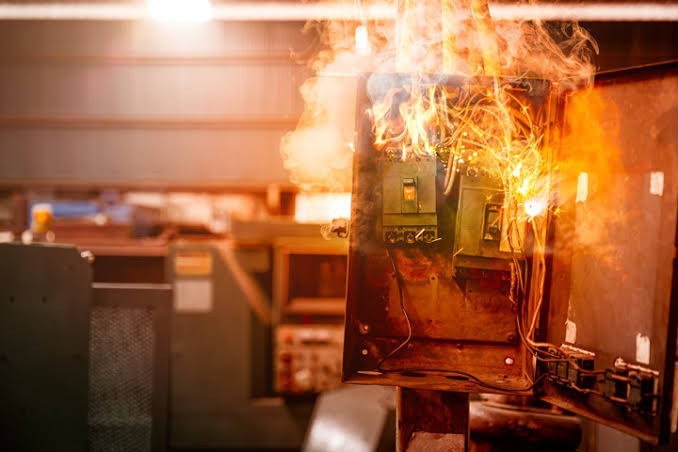
Electrical fires are a serious safety risk in residential homes, offices, shopping centres, hotels, factories, warehouses and other commercial buildings. Faulty electrical wiring, overloaded circuits, damaged electrical accessories and poorly maintained electrical equipment can cause overheating, sparks and fires that result in injuries, property damage and costly business interruptions.
For homeowners, property developers, business owners and facility managers in Uganda, preventing electrical fires should be a priority from the building design and construction stages through to everyday building operations.
The good news is that many electrical fires can be prevented through proper electrical installation, appropriate circuit protection, regular electrical inspections and responsible use of electrical equipment.
Whether you are constructing a new house, managing a commercial property or maintaining an existing building, understanding how to prevent electrical fires helps protect occupants, electrical equipment and valuable property.
In this guide, we explain the common causes of electrical fires, essential electrical safety measures and practical ways to reduce fire risks in residential and commercial buildings.
1. Understand the Common Causes of Electrical Fires
Preventing electrical fires starts with identifying the electrical hazards that can cause them. Most electrical fires are associated with faulty installations, damaged equipment, excessive electrical loads or inadequate maintenance.
Common causes include:
Faulty electrical wiring: Damaged insulation, exposed conductors, deteriorated cables and incorrect wiring connections can cause short circuits, overheating and electrical sparks.
Overloaded electrical circuits: Connecting too many appliances to a circuit beyond its designed capacity can cause cables, sockets and connections to overheat.
Loose electrical connections: Poorly secured connections in distribution boards, sockets, switches and junction boxes can generate excessive heat and potentially ignite surrounding materials.
Defective electrical appliances: Damaged plugs, faulty extension cables and malfunctioning appliances can create electrical faults and dangerous temperatures.
Poor electrical installation: Using incorrectly rated cables, unsuitable protective devices and substandard electrical accessories increases the risk of electrical faults.
Lack of electrical maintenance: Neglected electrical installations may develop hidden defects that remain undetected until they cause serious damage.
Understanding these causes allows property owners to identify potential hazards and take appropriate preventive measures.
2. Ensure Professional Electrical Installation
Professional electrical installation is one of the most effective ways to prevent electrical fires in buildings.
Every building requires an electrical system designed according to its size, intended use, expected power demand and electrical equipment requirements.
Poor installation practices can result in overloaded circuits, overheating cables, inadequate protection and dangerous electrical connections.
To improve electrical safety:
- Engage qualified and appropriately authorised electrical professionals.
- Ensure electrical installations comply with applicable regulations and recognised safety standards.
- Use correctly rated electrical cables, switches, sockets and accessories.
- Design electrical circuits according to anticipated power requirements.
- Install suitable circuit breakers and protective devices.
- Provide proper electrical earthing and bonding.
- Ensure electrical connections are properly secured and enclosed.
- Arrange professional inspection and testing before commissioning the installation.
For new residential and commercial developments, electrical safety should be incorporated into the original building design rather than addressed after construction.
3. Avoid Overloading Electrical Circuits
Overloaded electrical circuits are a common source of electrical hazards in residential and commercial buildings.
When too many electrical appliances operate on a circuit beyond its designed capacity, excessive current can cause cables and connections to overheat. Prolonged overheating can damage insulation and increase the possibility of fire.
Circuit overloading commonly occurs in:
- Residential kitchens and living rooms.
- Office workstations and computer laboratories.
- Hotels and hospitality facilities.
- Retail shops and supermarkets.
- Factories and production facilities.
- Commercial kitchens and workshops.
How to prevent electrical circuit overloading
- Distribute electrical loads across appropriately designed circuits.
- Avoid connecting multiple high-power appliances to one socket.
- Do not use extension leads as permanent replacements for fixed wiring.
- Ensure cables and protective devices are correctly rated.
- Have additional electrical requirements assessed by a qualified electrician.
- Investigate circuit breakers that repeatedly trip instead of continually resetting them.
Commercial buildings with significant electrical demands should undergo professional electrical load assessments to determine whether their existing installations can safely accommodate connected equipment.
4. Install Appropriate Circuit Breakers and Protective Devices
Circuit breakers are essential components of electrical fire prevention. They protect electrical installations by automatically disconnecting power when certain abnormal electrical conditions occur.
Different protective devices perform different functions.
Miniature Circuit Breakers (MCBs)
MCBs protect electrical circuits against overloads and short circuits by automatically interrupting the electrical supply when current exceeds their designed operating limits.
Moulded Case Circuit Breakers (MCCBs)
MCCBs are commonly used in larger commercial and industrial electrical installations where higher current ratings and adjustable protection may be required.
Residual Current Devices (RCDs)
RCDs detect certain electrical leakage conditions and disconnect the supply to help reduce the risk of electric shock and some electrically initiated fires.
Residual Current Circuit Breakers with Overcurrent Protection (RCBOs)
RCBOs combine residual-current protection with overload and short-circuit protection for individual circuits.
Surge Protection Devices (SPDs)
SPDs help protect electrical equipment against transient overvoltages that may damage electrical components and insulation.
It is important to select protective devices according to the electrical installation design. No single device can prevent every type of electrical fire.
5. Inspect Electrical Wiring Regularly
Electrical wiring can deteriorate over time due to ageing, environmental conditions, mechanical damage and excessive electrical loading.
Regular professional inspections help identify potential problems before they develop into serious fire hazards.
During electrical inspections, attention should be given to:
- Exposed or damaged electrical cables.
- Discoloured or overheated sockets.
- Loose electrical connections.
- Cracked switches and socket covers.
- Incorrectly installed extension cables.
- Overloaded distribution boards.
- Burning smells and unusual electrical sounds.
- Damaged cable insulation.
- Inadequate earthing and bonding.
- Incorrectly rated protective devices.
Thermal imaging can also help identify abnormal heating in electrical connections and distribution equipment.
Inspection frequency should depend on the building’s age, condition, electrical loading, usage and applicable safety requirements.
6. Maintain Electrical Distribution Boards
Electrical distribution boards control and distribute electricity to different circuits throughout a building. They also house important protective devices that help prevent electrical faults from causing extensive damage.
Poorly maintained distribution boards can become serious fire hazards.
Common problems include loose terminals, overloaded circuits, damaged circuit breakers, poor cable termination and excessive heat accumulation.
To maintain electrical distribution boards safely:
- Ensure distribution boards are correctly rated.
- Keep electrical panels accessible and clearly labelled.
- Avoid storing combustible materials near electrical panels.
- Ensure protective covers and enclosures remain intact.
- Arrange professional inspection of terminals and connections.
- Replace defective protective devices.
- Investigate signs of overheating immediately.
- Ensure cables are properly arranged and terminated.
Any signs of burning, unusual heat, buzzing or repeated circuit breaker tripping should be investigated by a qualified electrical professional.
7. Use Quality Electrical Cables and Accessories
The quality of electrical materials used in a building directly affects the safety and reliability of its electrical installation.
Substandard cables, counterfeit accessories and incorrectly rated electrical components can deteriorate quickly, resulting in overheating, electrical faults and potential fires.
When selecting electrical materials, consider:
- Cable conductor material and cross-sectional area.
- Correct current-carrying capacity.
- Suitable insulation and voltage ratings.
- Environmental conditions where cables will be installed.
- Quality and compliance of electrical switches and sockets.
- Correctly rated plugs and connectors.
- Suitable electrical enclosures and accessories.
Electrical cables must be selected according to load calculations, installation methods, ambient temperature and other relevant design conditions.
Property developers and construction companies should avoid selecting electrical materials based on price alone. Quality components and proper installation help reduce long-term electrical risks.
8. Install Proper Electrical Earthing and Grounding Systems
Electrical earthing is an essential safety measure in residential and commercial buildings.
A properly designed earthing system provides a path for fault current and helps protective devices disconnect the electrical supply when an earth fault occurs.
Without effective earthing and bonding, electrical faults can create dangerous conditions, increasing the risk of electric shock and equipment damage.
Important earthing measures include:
- Installing correctly designed earth electrodes.
- Connecting exposed conductive parts to protective conductors.
- Providing appropriate bonding of relevant metallic services.
- Testing earth continuity and earth fault loop conditions.
- Verifying that protective devices operate correctly.
- Inspecting earthing connections periodically.
Earthing systems should be incorporated into the original electrical design and tested by competent electrical professionals.
9. Replace Damaged Electrical Sockets, Switches and Plugs
Damaged electrical accessories can create dangerous conditions, especially when connections become loose or electrical conductors are exposed.
Warning signs include:
- Burn marks around sockets.
- Cracked switches and socket covers.
- Loose-fitting plugs.
- Sparks when connecting appliances.
- Unusual heat around electrical outlets.
- Buzzing or crackling sounds.
- Burning smells near electrical accessories.
Damaged electrical accessories should be taken out of service and assessed by a qualified electrician.
Avoid temporary repairs using adhesive tape or makeshift connections. Replace defective components with correctly rated, quality electrical accessories.
10. Keep Electrical Equipment Away from Combustible Materials
Electrical equipment can generate heat during normal operation. When installed or used near combustible materials, an electrical fault or excessive temperature can quickly start a fire.
Common combustible materials include paper, cardboard, fabrics, packaging materials and certain building materials.
In residential buildings, keep electrical heaters and other heat-producing equipment away from curtains, bedding and upholstered furniture.
In commercial and industrial buildings:
- Keep distribution boards clear of combustible storage.
- Maintain appropriate clearances around electrical equipment.
- Avoid placing materials against transformers and switchgear.
- Do not use electrical rooms as general storage spaces.
- Follow equipment manufacturers’ ventilation and clearance requirements.
- Store flammable materials in designated areas.
Good housekeeping is an important part of electrical fire prevention.
11. Ensure Proper Ventilation Around Electrical Equipment
Electrical equipment produces heat during operation. Without adequate ventilation, temperatures can rise beyond safe operating limits.
Poor ventilation can affect:
- Electrical transformers.
- Distribution boards.
- Inverters and battery systems.
- UPS equipment.
- Generators and control panels.
- Industrial motors and machinery.
- Server rooms and computer equipment.
To reduce overheating risks, ensure electrical rooms have appropriate ventilation, equipment is installed according to manufacturer recommendations and cooling systems are maintained.
Where necessary, install suitable mechanical ventilation or cooling systems to maintain safe operating temperatures.
12. Carry Out Regular Electrical Maintenance
Regular electrical maintenance is essential for identifying potential fire hazards before they cause serious damage.
Residential and commercial property owners should establish preventive electrical maintenance programmes rather than waiting for equipment to fail.
A professional electrical maintenance programme should include:
- Inspecting electrical wiring and accessories.
- Checking distribution boards and circuit breakers.
- Testing protective devices.
- Examining electrical connections for overheating.
- Inspecting earthing and bonding systems.
- Identifying overloaded electrical circuits.
- Checking generators, inverters and backup power installations.
- Inspecting electrical equipment and control panels.
- Replacing damaged cables and defective accessories.
- Documenting inspection findings and corrective actions.
Commercial facilities with complex electrical installations should maintain inspection records and address identified defects promptly.
13. Install Lightning and Surge Protection Systems
Lightning strikes and electrical switching events can introduce dangerous transient overvoltages into building electrical systems.
These events can damage electrical equipment, insulation and electronic systems, potentially creating conditions that contribute to electrical fires.
Buildings should be assessed to determine whether they require external lightning protection and internal surge protection.
Effective protection may include:
- Properly designed lightning protection systems.
- Suitable surge protection devices.
- Correct bonding of relevant metallic services.
- Properly designed earthing arrangements.
- Protection for sensitive electronic equipment.
- Regular inspection and maintenance of installed protection systems.
Lightning protection and surge protection serve different but complementary purposes. Their design should consider the building’s location, electrical installation and exposure to lightning risks.
14. Use Electrical Appliances Responsibly
Electrical fire prevention also depends on how occupants use electrical equipment.
In residential buildings, occupants should avoid using damaged appliances and should follow manufacturers’ instructions.
In offices and commercial facilities, employees should be trained to recognise unsafe electrical conditions.
Important precautions include:
- Switch off equipment when it is not required, where appropriate.
- Avoid using appliances with damaged power cables.
- Use appliances within their specified ratings.
- Keep electrical appliances away from water.
- Avoid running cables under carpets where they may be damaged.
- Do not use damaged extension leads.
- Avoid connecting incompatible electrical accessories.
- Report unusual smells, sounds, sparks or overheating immediately.
Electrical equipment that repeatedly trips a circuit breaker should be inspected instead of continuously reconnected.
15. Install Fire Detection Systems and Establish Emergency Procedures
Preventing electrical fires requires both technical protection and effective emergency preparedness.
Residential and commercial buildings should have appropriate fire safety arrangements to help occupants respond quickly when a fire occurs.
Install suitable smoke detectors and fire alarms
Smoke detectors and fire alarm systems provide early warning, allowing occupants to evacuate before conditions become dangerous.
Provide appropriate fire extinguishers
Select and position fire extinguishers according to a professional fire risk assessment and applicable requirements. Suitable equipment for electrical fires should be readily accessible.
Maintain clear emergency exits
Emergency escape routes should remain unobstructed and clearly identified.
Train building occupants
Employees, tenants and household members should understand how to respond to fire alarms, report emergencies and evacuate safely.
Display emergency contact information
Emergency procedures and relevant emergency contact details should be displayed in accessible locations.
Inspect fire safety equipment
Fire alarms, extinguishers, emergency lighting and other safety equipment should be inspected and maintained according to applicable requirements.
What Should You Do When an Electrical Fire Occurs?
Electrical fires require special care because water can conduct electricity and create a serious risk of electric shock.
If an electrical fire occurs:
- Raise the alarm and evacuate everyone from the affected area.
- Contact the appropriate emergency services.
- If it is safe to do so, isolate the electrical supply without approaching the fire or exposed live equipment.
- Never pour water onto energised electrical equipment.
- Only attempt to use a suitable fire extinguisher if trained, the fire is small and a safe escape route is available.
- Do not re-enter the building until authorised by emergency personnel.
Personal safety should always take priority over protecting property or electrical equipment.
16. How to Prevent Electrical Fires in Residential Buildings
Residential buildings require particular attention because household electrical appliances are used throughout the day.
Electrical fires in homes may originate from kitchens, bedrooms, living rooms, utility areas and electrical distribution points.
Homeowners can reduce electrical fire risks by:
- Having electrical installations inspected by qualified professionals.
- Avoiding overloaded sockets and extension leads.
- Replacing damaged electrical cables and accessories.
- Installing suitable circuit breakers and RCD protection.
- Maintaining proper earthing systems.
- Using quality electrical appliances.
- Keeping electrical heaters away from combustible materials.
- Installing suitable smoke alarms.
- Avoiding unauthorised electrical modifications.
- Switching off appliances when appropriate.
For newly constructed houses, electrical safety should be incorporated into the building design, wiring layout and installation process.
17. How to Prevent Electrical Fires in Commercial Buildings
Commercial buildings often have more complex electrical installations than residential properties. Offices, hotels, shopping centres, hospitals, schools, factories and warehouses may operate multiple electrical systems simultaneously.
High electrical demand, continuous equipment operation and poor maintenance can increase fire risks.
Commercial property owners and facility managers should prioritise the following measures:
Professional electrical load assessment: Ensure electrical infrastructure can accommodate actual and anticipated power requirements.
Routine electrical inspections: Identify deteriorating cables, loose connections, overloaded circuits and defective electrical equipment.
Distribution board maintenance: Ensure electrical panels are correctly rated, accessible, labelled and maintained.
Fire detection and alarm systems: Install suitable systems to provide early warning of fire incidents.
Emergency power management: Ensure generators, UPS systems, inverters and battery installations are correctly installed and maintained.
Electrical room management: Restrict unauthorised access and keep electrical rooms clean, ventilated and free from combustible storage.
Employee training: Train staff to recognise electrical hazards and follow emergency evacuation procedures.
Maintenance documentation: Keep records of inspections, electrical repairs, testing and equipment servicing.
Commercial facilities should also conduct periodic fire risk assessments to identify hazards associated with their specific operations.
18. Conduct Professional Electrical Fire Risk Assessments
A professional electrical fire risk assessment helps identify weaknesses within a building’s electrical installation and recommends appropriate corrective measures.
This is particularly important for older buildings, commercial facilities, factories, warehouses and properties undergoing renovation or expansion.
An assessment may examine:
- The condition of existing electrical wiring.
- Electrical load distribution and circuit capacity.
- Distribution boards and protective devices.
- Earthing and bonding arrangements.
- Electrical equipment and machinery.
- Cable routing and protection.
- Potential overheating points.
- Electrical room ventilation.
- Fire detection and emergency arrangements.
- Compliance with applicable electrical and fire safety requirements.
The assessment should produce practical recommendations prioritised according to the severity of identified risks.
Property owners should address serious electrical defects promptly instead of waiting for visible damage or equipment failure.
19. Common Electrical Fire Prevention Mistakes to Avoid
Even buildings with modern electrical installations can experience fires when basic safety precautions are ignored.
| Common mistake | Why it is dangerous |
|---|---|
| Overloading sockets | Can cause overheating and damage |
| Using undersized cables | May result in excessive cable temperatures |
| Ignoring burning smells | Allows dangerous faults to worsen |
| Using damaged extension leads | Can expose conductors and create sparks |
| Poor electrical connections | Can cause localised overheating |
| Using incorrect circuit breakers | May leave circuits inadequately protected |
| Ignoring repeated tripping | Can conceal unresolved electrical faults |
| Neglecting maintenance | Allows defects to remain undetected |
| Storing materials near electrical panels | Increases the potential for fire spread |
| Unqualified electrical repairs | Can introduce additional electrical hazards |
Avoiding these mistakes significantly improves the safety and reliability of building electrical installations.
20. Electrical Fire Prevention Checklist for Property Owners
Property owners, developers and facility managers can use this checklist to improve electrical safety.
- Electrical installations have been completed by qualified professionals.
- Electrical wiring is correctly rated and properly installed.
- Electrical circuits are not overloaded.
- Circuit breakers and protective devices are correctly selected.
- RCD protection is provided where required.
- Earthing and bonding systems have been tested.
- Distribution boards are properly maintained.
- Damaged sockets, switches and cables have been replaced.
- Electrical equipment has adequate ventilation.
- Combustible materials are kept away from electrical equipment.
- Electrical inspections and preventive maintenance are scheduled.
- Suitable smoke detection and fire alarm systems are installed.
- Appropriate fire extinguishers are provided.
- Emergency exits and evacuation procedures are in place.
- Employees and building occupants understand electrical fire safety procedures.
This checklist provides a starting point for electrical fire prevention. It does not replace a professional electrical inspection or fire risk assessment.
21. Why Professional Electrical Services Are Important for Preventing Electrical Fires
Preventing electrical fires requires a combination of proper electrical design, quality installation materials, correctly selected protection devices and regular maintenance.
Professional electrical contractors help property owners establish safe electrical installations that meet the requirements of their buildings.
For residential developments, commercial properties and industrial facilities, professional electrical services can include:
- Electrical system design and installation.
- Electrical wiring and power distribution.
- Electrical distribution board installation.
- Circuit breaker and protection device installation.
- Earthing and grounding systems.
- Lightning and surge protection.
- Electrical inspections and testing.
- Preventive electrical maintenance.
- Electrical fault diagnosis and repairs.
- Electrical system upgrades and improvements.
Engaging experienced electrical professionals during construction and throughout the building’s operational life helps reduce avoidable electrical risks and improves the reliability of electrical infrastructure.
Frequently Asked Questions About Preventing Electrical Fires
1. What is the most common cause of electrical fires in buildings?
Common causes include faulty wiring, overloaded electrical circuits, loose electrical connections, damaged electrical equipment and poorly maintained electrical installations. Incorrectly selected protective devices can also increase fire risks.
2. How can I prevent electrical fires in my home?
Have your electrical installation inspected by a qualified electrician, avoid overloading sockets, replace damaged cables, use quality electrical accessories, install appropriate circuit protection and maintain electrical appliances properly.
3. Can overloaded sockets cause electrical fires?
Yes. Overloaded sockets and extension leads can overheat, particularly when supplying several high-power appliances. Always ensure electrical loads remain within the ratings of the socket, wiring and protective devices.
4. Which circuit breakers help prevent electrical fires?
MCBs and MCCBs provide overload and short-circuit protection. RCDs and RCBOs provide additional protection against certain earth leakage faults. The appropriate devices depend on the electrical installation and its protection requirements.
5. How often should electrical installations be inspected?
Inspection frequency depends on the building type, age, electrical loading, usage and applicable regulations. Commercial and industrial buildings may require more frequent inspections because of their operating conditions.
6. Can poor earthing cause electrical fires?
Poor earthing can prevent fault currents from being safely conducted and may interfere with the operation of protective devices. A properly designed and tested earthing system is essential for electrical safety.
7. What should I do if an electrical socket starts smoking?
Stop using the socket, keep people away and isolate the electrical supply if it is safe to do so. If there is a fire, raise the alarm, evacuate and contact emergency services. Have the installation inspected before restoring power.
8. Are electrical fires preventable?
Many electrical fires can be prevented through proper electrical installation, suitable circuit protection, regular inspections, preventive maintenance and responsible use of electrical equipment. However, no electrical system is completely free from risk.
Conclusion: Protect Your Building Through Proper Electrical Fire Prevention
Electrical fire prevention should be a priority in every residential and commercial building. Faulty wiring, overloaded circuits, poor electrical connections, defective equipment and neglected maintenance can create dangerous conditions that threaten lives, property and business operations.
The most effective approach combines professional electrical installation, appropriate circuit breakers, reliable earthing systems, quality electrical materials, regular inspections and proper fire safety arrangements.
For homeowners, property developers, commercial building owners and facility managers in Uganda, investing in electrical safety from the beginning is far more effective than dealing with the consequences of an electrical fire.
Daltrevco is committed to delivering professional building and construction solutions that support safe, functional and reliable properties. When planning a new building, upgrading an existing property or improving electrical safety, work with competent electrical professionals to ensure installations are properly designed, installed, inspected and maintained.
Do not wait for an electrical fault to become a fire emergency. Make electrical safety an essential part of protecting your building and everyone who uses it.

