
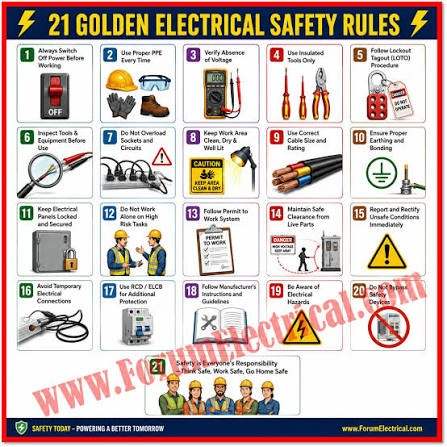
Electrical safety is one of the most important considerations when designing, constructing, operating or renovating commercial and industrial buildings in Uganda. Offices, shopping centres, hotels, factories, warehouses, hospitals and other business facilities depend on reliable electrical systems to support daily operations. However, poorly designed installations, defective wiring, overloaded circuits and inadequate maintenance can expose people and property to serious risks.
For businesses and property owners, understanding electrical safety standards for commercial and industrial buildings in Uganda is essential for reducing electrical accidents, preventing fires, protecting equipment and maintaining dependable power distribution.
A safe electrical installation requires more than connecting cables, sockets, lighting fixtures and distribution boards. It involves proper electrical design, suitable materials, correct installation practices, effective earthing, circuit protection, inspection, testing and ongoing maintenance.
This guide explains the key electrical safety requirements, recognised standards, installation practices and maintenance measures that commercial and industrial property owners should understand when developing or managing buildings in Uganda.
1. What Are Electrical Safety Standards?
Electrical safety standards are technical requirements and recognised practices designed to ensure that electrical systems are properly designed, installed, inspected, tested and maintained.
They establish how electrical equipment and installations should be selected and used to minimise risks such as:
- Electric shocks and electrocution.
- Electrical fires caused by faulty wiring or overheating.
- Short circuits and electrical faults.
- Overloaded circuits and distribution boards.
- Equipment damage caused by voltage fluctuations and power surges.
- Poor earthing and inadequate fault protection.
- Electrical accidents during maintenance and repair.
In commercial and industrial buildings, electrical safety standards are particularly important because these facilities often have complex installations, high electrical loads, specialised machinery and large numbers of occupants.
Following applicable standards helps building owners, developers, contractors and facility managers establish safer and more reliable electrical systems.
2. Why Electrical Safety Is Important in Commercial and Industrial Buildings
Commercial and industrial buildings have electrical requirements that are often more demanding than those of ordinary residential properties.
A factory may operate heavy machinery, motors, compressors and production equipment. A shopping centre may have extensive lighting, lifts, air-conditioning systems, refrigeration equipment and multiple tenant installations. An office building may depend on computers, communication systems, servers and security equipment.
Electrical faults in these environments can disrupt operations and create significant safety risks.
Preventing Electrical Fires
Defective wiring, loose electrical connections, overloaded circuits and unsuitable electrical equipment can generate excessive heat and cause fires.
Proper cable sizing, circuit protection, equipment selection and regular inspections help reduce these risks.
Protecting Employees, Customers and Visitors
Commercial buildings accommodate employees, customers, contractors and members of the public. Safe electrical installations reduce the risk of electric shock, burns and other electrical injuries.
Protecting Machinery and Electrical Equipment
Industrial equipment and sensitive electronic systems require stable and appropriately protected electrical supplies.
Correct circuit breakers, surge protection, earthing and other protective devices help reduce the likelihood of equipment damage.
Reducing Operational Downtime
Electrical failures can interrupt manufacturing, business transactions, refrigeration, communication and other essential activities.
A properly designed and maintained electrical installation improves reliability and helps businesses avoid unnecessary interruptions.
Supporting Building Safety and Compliance
Electrical installations should be designed and maintained in accordance with applicable Ugandan requirements, relevant standards and the conditions governing the particular project.
Proper documentation, inspection and testing help demonstrate that electrical safety has been considered throughout the building’s life cycle.
3. Electrical Safety Standards and Regulations Relevant to Uganda
Electrical installations in Uganda should comply with applicable national laws, regulations, technical requirements and relevant standards.
The specific requirements depend on the building type, installation design, electrical supply arrangement, equipment and intended use.
The following are important regulatory and standards frameworks to consider.
Uganda National Bureau of Standards (UNBS)
The Uganda National Bureau of Standards is responsible for developing and administering national standards and supporting standardisation in Uganda.
Electrical products and materials used in commercial and industrial installations should meet the applicable quality and safety requirements.
These may include requirements relating to:
- Electrical cables and conductors.
- Switchgear and circuit protection devices.
- Distribution boards and electrical enclosures.
- Plugs, sockets and accessories.
- Lighting equipment.
- Electrical installation materials.
Contractors and developers should verify the relevant Uganda Standards and applicable product conformity requirements before purchasing or installing electrical equipment.
Electricity Regulatory Authority (ERA)
The Electricity Regulatory Authority regulates Uganda’s electricity supply industry under the applicable legal framework.
Its regulatory responsibilities are relevant to electricity supply, distribution and licensing within the sector.
Building developers and property owners should establish whether their electrical project requires engagement with ERA-regulated entities or appropriately authorised electrical service providers.
Applicable Electricity Laws and Regulations
Electrical installations must be considered in the context of applicable Ugandan electricity legislation, regulations and technical requirements.
Project teams should confirm the current legal obligations that apply to the particular installation, including requirements relating to electrical works, supply connections, safety and the use of qualified or authorised personnel.
IEC International Standards
The International Electrotechnical Commission (IEC) publishes widely recognised standards for electrical equipment, installations and safety.
Important IEC standards and standard families include:
IEC 60364 – Low-Voltage Electrical Installations
This standard series provides requirements and guidance for the design, erection and verification of low-voltage electrical installations. It addresses subjects such as protection against electric shock, overcurrent protection, wiring systems, earthing and inspection.
IEC 61439 – Low-Voltage Switchgear and Controlgear Assemblies
This standard series covers requirements for low-voltage switchgear and controlgear assemblies, including distribution boards and related equipment.
IEC 60529 – Degrees of Protection Provided by Enclosures (IP Code)
This standard classifies the protection provided by electrical equipment enclosures against access to hazardous parts and the ingress of solid objects and water.
IEC 60947 – Low-Voltage Switchgear and Controlgear
This standard series covers important low-voltage switching and control equipment, including circuit breakers and related devices.
IEC 62305 – Protection Against Lightning
This standard series provides principles for lightning protection, including risk assessment and protection measures for structures and electrical systems.
The applicable edition, national adoption and project-specific requirements should always be confirmed by the responsible electrical design professional.
Important Compliance Consideration
Referencing an international standard does not automatically establish that every provision is legally mandatory in Uganda. The project team must identify the applicable Ugandan requirements, adopted standards, approvals and technical conditions for the installation.
4. Electrical Design Requirements for Commercial and Industrial Buildings
Electrical safety begins during the building design stage.
An installation that has not been properly planned may experience overloaded circuits, inadequate power distribution, difficult maintenance access and expensive modifications.
A professional electrical design should consider the building’s intended use, occupancy, equipment requirements and future expansion.
Electrical Load Assessment
Before installation begins, the electrical designer should calculate the expected demand of the building.
The assessment should consider:
- Lighting systems.
- General-purpose sockets.
- Air-conditioning and ventilation equipment.
- Lifts and escalators.
- Water pumps.
- Computers and communication equipment.
- Industrial machinery.
- Refrigeration and cold storage systems.
- Emergency and standby power systems.
For industrial facilities, the assessment should also consider motor starting currents, equipment duty cycles, power factor, harmonics and other relevant load characteristics.
Correct load assessment helps determine suitable cables, protective devices, distribution boards and supply arrangements.
Proper Circuit Distribution
Electrical circuits should be arranged logically according to the building’s layout and electrical requirements.
For example, lighting, general sockets, air-conditioning, machinery and other major equipment may require separate circuits.
Good circuit distribution makes it easier to isolate faults, carry out maintenance and prevent one electrical problem from affecting an entire building.
Future Expansion Planning
Commercial and industrial buildings may require additional machinery, office equipment, lighting or air-conditioning as operations grow.
Electrical designs should consider realistic future demand and provide suitable capacity where practical.
However, spare capacity should be established through proper calculations rather than assumptions.
5. Electrical Wiring Safety Requirements
Electrical wiring is a fundamental part of every commercial and industrial installation.
Poor cable selection, incorrect connections, damaged insulation and improper routing can cause serious electrical hazards.
Professional electrical installation should address the following requirements.
Correct Cable Sizing
Electrical cables must be selected according to the expected load current, installation method, conductor material, insulation type, ambient temperature, grouping, voltage drop and applicable protective device.
Undersized cables can overheat when carrying excessive current.
Oversized cables may increase installation costs unnecessarily if they are not properly specified.
Correct cable sizing requires professional electrical calculations.
Quality Electrical Cables
Use cables that meet the applicable product standards and are suitable for the installation environment.
Cable selection should consider:
- Current-carrying capacity.
- Insulation rating.
- Operating temperature.
- Mechanical protection.
- Moisture exposure.
- Chemical exposure.
- Fire performance where required.
- Indoor or outdoor installation conditions.
Industrial environments may require specialised cables designed for heat, vibration, oils, chemicals or mechanical stress.
Proper Cable Routing and Protection
Electrical cables should be installed using suitable containment systems, such as conduits, trunking, cable trays and other approved methods.
Installations should protect cables against mechanical damage, excessive heat, moisture and other environmental hazards.
Cables should also be clearly identified where required to support safe maintenance and fault identification.
Avoiding Poor Electrical Connections
Loose or improperly terminated connections can create resistance, overheating, arcing and fire hazards.
All electrical connections should be properly made using suitable terminals, connectors and installation techniques.
Connections should be inspected and tested by competent personnel before the installation is commissioned.
6. Circuit Breakers and Overcurrent Protection
Circuit protection is essential in commercial and industrial buildings.
Electrical circuits need suitable protection against overloads and short circuits to reduce the risk of cable overheating, equipment damage and fire.
Miniature Circuit Breakers (MCBs)
MCBs are commonly used to protect lower-current circuits against overloads and short circuits.
They are frequently installed in distribution boards serving lighting, socket outlets and other appropriately rated circuits.
Moulded Case Circuit Breakers (MCCBs)
MCCBs are commonly used for higher-current applications, including larger distribution systems and industrial electrical installations.
Their selection should consider rated current, breaking capacity, operating characteristics and coordination with other protective devices.
Residual Current Devices (RCDs)
RCDs are designed to detect certain leakage currents and disconnect a circuit when the specified operating conditions are reached.
They provide important protection against electric shock and earth leakage hazards when correctly selected and installed.
Earth Leakage Protection
Earth leakage protection helps detect unintended current flowing to earth.
The appropriate protective device and sensitivity should be determined according to the installation, circuit type and applicable requirements.
Protection Coordination
Protective devices should be properly selected and coordinated so that electrical faults are isolated as effectively as possible.
Incorrectly selected protection can result in unnecessary power interruptions or inadequate fault protection.
7. Electrical Earthing and Grounding Requirements
Earthing is a critical safety measure in commercial and industrial electrical installations.
A properly designed earthing system provides a controlled path for fault current and supports the operation of protective devices under applicable fault conditions.
Poor earthing can increase the risk of electric shock, equipment damage and electrical fire.
Important earthing considerations include:
Main Earthing Terminal
The electrical installation should have an appropriately designed main earthing arrangement that connects the relevant protective conductors and bonding systems.
Protective Earthing Conductors
Exposed conductive parts of electrical equipment that require protective earthing should be connected to the earthing system.
This helps reduce dangerous touch voltages during electrical faults.
Equipotential Bonding
Bonding connects relevant conductive parts to help reduce dangerous potential differences.
Depending on the installation, this may include metallic service pipes, structural metalwork and other extraneous conductive parts.
Earth Electrode Systems
Where required by the electrical supply arrangement and installation design, earth electrodes may form part of the earthing system.
The electrode arrangement and measured resistance should be assessed against the design requirements and applicable standards.
Earthing Inspection and Testing
Earthing systems should be inspected and tested using suitable methods and calibrated instruments.
Testing should verify the effectiveness and continuity of the relevant protective arrangements.
8. Distribution Board and Switchgear Safety
Distribution boards and switchgear control how electricity is distributed throughout commercial and industrial buildings.
Because they contain live electrical components, they require proper design, installation, protection and maintenance.
A safe distribution board installation should include:
- Correctly rated circuit breakers.
- Suitable enclosure and ingress protection.
- Proper cable termination.
- Adequate clearance and working access.
- Clear circuit identification.
- Appropriate earthing and bonding.
- Protection against accidental contact with live parts.
- Suitable fault-rated equipment.
- Proper ventilation where required by the equipment design.
Industrial facilities may require larger switchgear assemblies, motor control centres and specialised control panels.
These should be selected and installed according to the expected electrical loads, fault levels and operating environment.
Distribution boards should not be used as storage areas or obstructed by materials and equipment.
Only authorised and competent personnel should access electrical compartments where hazardous live parts may be present.
9. Electrical Safety in Industrial Machinery and Equipment
Industrial buildings often contain equipment that places significant demands on electrical systems.
Examples include:
- Manufacturing machinery.
- Electric motors.
- Compressors.
- Welding equipment.
- Pumps.
- Conveyors.
- Industrial ovens.
- Refrigeration systems.
- Production lines.
These installations require careful electrical design and protection.
Motor Protection
Electric motors should have suitable protection against conditions such as overload, short circuit, phase loss where relevant and other faults identified by the design.
Motor protection should be matched to the motor rating, starting method and operating requirements.
Emergency Stop Systems
Machinery should have appropriate emergency stopping arrangements based on the equipment risk assessment and relevant machinery safety requirements.
Emergency stop devices should be accessible, clearly identified and maintained.
Isolation and Lockout Procedures
Before electrical maintenance or repair, equipment should be safely isolated from its energy sources.
Suitable lockout and tagging procedures help prevent accidental re-energisation while workers are carrying out maintenance.
Isolation arrangements should be established by competent personnel and supported by the organisation’s safety procedures.
Electrical Enclosures in Industrial Environments
Electrical panels and control equipment should have enclosures suitable for the surrounding environment.
Factories with dust, moisture, chemicals, heat or vibration may require additional protection.
The appropriate enclosure rating should be established according to the actual environmental conditions.
10. Lightning and Surge Protection Systems
Commercial and industrial buildings may contain valuable equipment that can be damaged by lightning-related events and transient overvoltages.
A suitable protection strategy should consider both external lightning protection and internal surge protection.
Lightning Protection Systems
External lightning protection systems may include air-termination components, down conductors and earth-termination arrangements.
The design should consider the building’s characteristics, exposure, risk assessment and applicable standards.
Surge Protection Devices (SPDs)
Surge protection devices help limit transient overvoltages and divert surge currents through an appropriate protective arrangement.
They may be installed at the main distribution board and at selected downstream distribution points or sensitive equipment locations, depending on the design.
Protecting Sensitive Equipment
Surge protection is particularly important where buildings contain:
- Computers and servers.
- Communication equipment.
- Industrial control systems.
- Security and surveillance systems.
- Medical or laboratory equipment.
- Automated production equipment.
The selection and coordination of surge protection devices should be based on the installation’s risk assessment and protection requirements.
11. Electrical Safety Requirements for Wet and High-Risk Areas
Some commercial and industrial environments present additional electrical hazards because of moisture, conductive surfaces, heat, chemicals or restricted working conditions.
Examples include:
- Commercial kitchens.
- Bathrooms and changing rooms.
- Swimming pool facilities.
- Industrial wash areas.
- Food processing plants.
- Cold rooms.
- Outdoor installations.
- Boiler rooms and plant rooms.
Electrical equipment in these environments should be selected according to the relevant environmental conditions.
Important considerations include:
- Suitable equipment enclosure ratings.
- Appropriate protection against electric shock.
- Correct earthing and bonding.
- Suitable cable insulation.
- Protection against water and chemical exposure.
- Safe equipment positioning.
- Appropriate circuit isolation.
Electrical installations in hazardous or potentially explosive atmospheres require specialist assessment and equipment designed for the identified zone and risk.
Ordinary electrical equipment should not be installed in such areas without confirming its suitability.
12. Emergency Lighting and Electrical Fire Safety
Electrical safety planning should include systems that help protect occupants during emergencies.
Emergency lighting and exit signage can support safe evacuation when normal lighting fails.
Commercial and industrial buildings should assess the need for:
- Emergency escape lighting.
- Illuminated exit signs.
- Suitable emergency power supplies.
- Fire detection and alarm systems.
- Emergency electrical isolation arrangements.
- Appropriate fire stopping around cable penetrations.
- Safe access to electrical equipment.
Emergency lighting should be designed, installed, commissioned and maintained according to applicable building requirements and recognised standards.
Electrical installations should also be arranged to reduce the spread of fire through cable routes, service penetrations and electrical compartments.
The design should consider the fire performance of relevant cables and building materials where required.
13. Electrical Safety Requirements for Backup Generators and UPS Systems
Many commercial and industrial buildings in Uganda use standby generators and uninterruptible power supply systems to maintain operations during power interruptions.
These systems introduce additional electrical safety considerations.
Generator Installation
Generators should be properly sized and installed in accordance with manufacturer instructions and relevant technical requirements.
The installation should consider:
- Correct electrical ratings.
- Suitable ventilation.
- Safe fuel storage and handling.
- Exhaust discharge.
- Noise and vibration control.
- Earthing and bonding.
- Safe maintenance access.
- Appropriate protection devices.
Changeover Switches
A suitable transfer arrangement should prevent unsafe interconnection between the generator and the utility supply.
The changeover system should be properly rated, installed and configured to avoid dangerous backfeeding.
Uninterruptible Power Supply Systems
UPS systems provide temporary backup power for sensitive equipment.
They are commonly used for computers, servers, communication systems, security systems and selected industrial control equipment.
Their installation should consider battery safety, ventilation, load capacity, isolation and maintenance.
Generator and UPS Maintenance
Backup power systems should be inspected and tested according to the manufacturer’s instructions and the facility’s maintenance programme.
14. Electrical Inspection and Testing Requirements
Electrical inspection and testing help confirm that an installation has been correctly installed and remains safe for operation.
Testing should be conducted by competent electrical professionals using suitable instruments and procedures.
Important inspection and testing activities may include:
Visual Inspection
Visual inspection checks the condition and suitability of electrical components, wiring, enclosures, connections and protective arrangements.
Continuity Testing
Continuity testing verifies that relevant protective conductors and bonding connections are electrically continuous.
Insulation Resistance Testing
Insulation resistance testing assesses the condition of electrical insulation between conductors and between conductors and earth, using an appropriate test method.
Polarity Verification
Polarity checks confirm that electrical connections are correctly arranged.
Earth Fault Loop Impedance Testing
Where applicable, this testing helps establish whether the fault path has suitable characteristics for the operation of protective devices.
RCD Testing
RCD testing checks the operation of residual current protective devices under the relevant test conditions.
Functional Testing
Functional tests verify that electrical equipment and control systems operate as intended.
Documentation
Inspection and testing should be recorded in appropriate reports.
These records should identify the installation or equipment inspected, test results, observed defects and recommended corrective actions.
15. Electrical Safety Maintenance for Commercial and Industrial Buildings
Electrical systems require ongoing maintenance to remain safe and reliable.
Even properly installed electrical systems can deteriorate because of ageing, heat, vibration, moisture, corrosion, mechanical damage and changing operating conditions.
A structured maintenance programme should include:
Routine visual inspections: Check for damaged cables, exposed conductors, loose covers, unusual discolouration, water ingress and other visible defects.
Distribution board inspections: Check enclosure condition, circuit labelling, signs of overheating and access restrictions.
Protective device testing: Test relevant protective devices according to the manufacturer’s guidance and applicable maintenance requirements.
Earthing system checks: Verify the condition and effectiveness of earthing and bonding arrangements.
Cable and connection inspections: Investigate signs of deterioration, overheating and mechanical damage.
Generator and UPS servicing: Maintain standby power systems according to manufacturer recommendations.
Thermal inspections: Where justified by the risk and operating conditions, thermal imaging can help identify abnormal heating in electrical equipment.
Maintenance records: Keep reports of inspections, tests, repairs, replacements and identified defects.
Maintenance frequency should be determined by the installation’s risk, environment, equipment requirements, manufacturer guidance and applicable standards.
16. Common Electrical Safety Mistakes in Commercial and Industrial Buildings
Electrical accidents and failures are often linked to avoidable installation and maintenance problems.
Common mistakes include:
Overloading Electrical Circuits
Connecting more equipment to a circuit than it is designed to support can cause overheating and repeated tripping.
Using Poor-Quality Electrical Materials
Substandard cables, breakers, sockets and accessories may fail under normal operating conditions.
Poor Earthing Arrangements
Inadequate protective earthing and bonding can create dangerous touch voltages during faults.
Incorrect Circuit Breaker Selection
Protective devices that are incorrectly rated or poorly coordinated may fail to provide appropriate protection.
Ignoring Electrical Warning Signs
Burning smells, buzzing sounds, overheating sockets, flickering lights and repeated breaker trips should be investigated promptly.
Poor Cable Management
Unprotected cables and unsuitable routing can expose installations to mechanical damage, heat and moisture.
Allowing Unqualified Personnel to Perform Electrical Work
Electrical installation, inspection and repairs should be carried out by appropriately qualified and authorised personnel as required by the applicable framework.
Neglecting Electrical Maintenance
Failing to inspect and maintain electrical systems can allow defects to develop into serious hazards.
Poor Electrical Documentation
Missing circuit schedules, test records and electrical drawings make safe maintenance and troubleshooting more difficult.
Avoiding these mistakes helps improve electrical safety and the long-term performance of a building.
17. Electrical Safety Requirements for Different Types of Commercial Buildings
Electrical requirements vary according to the purpose and operating conditions of a building.
Office Buildings
Office buildings require safe and reliable electrical installations for lighting, computers, communication systems, air-conditioning, lifts and other equipment.
Key considerations include properly distributed socket circuits, surge protection where required, emergency lighting and safe distribution boards.
Shopping Centres and Retail Buildings
Shopping centres often have large electrical loads from lighting, escalators, lifts, refrigeration, signage, restaurants and tenant spaces.
Their installations require careful load management, distribution planning, emergency systems and regular maintenance.
Hotels and Hospitality Buildings
Hotels require reliable electrical supplies for guest rooms, kitchens, laundry facilities, lifts, air-conditioning, water heating and emergency systems.
Electrical safety is especially important in bathrooms, kitchens, plant rooms and other areas exposed to moisture or heat.
Hospitals and Healthcare Facilities
Healthcare buildings may require specialised electrical arrangements to support critical medical equipment and essential services.
The design should consider applicable healthcare electrical requirements, essential power supplies, backup systems and appropriate protection measures.
Warehouses
Warehouses require electrical installations suitable for storage operations, lighting, loading areas, ventilation, charging equipment and machinery.
Cable protection, appropriate lighting, equipment positioning and safe access to electrical panels are important considerations.
Manufacturing and Industrial Facilities
Factories require robust electrical systems that support machinery, motors, production lines, control systems and heavy equipment.
The design should address load calculations, motor protection, emergency isolation, earthing, surge protection and maintenance access.
18. Who Should Be Responsible for Electrical Safety?
Electrical safety is a shared responsibility involving different professionals and building stakeholders.
Property owners and developers should ensure that electrical installations are properly planned, funded, inspected and maintained.
Electrical engineers and designers should develop suitable electrical designs based on building requirements, applicable standards and technical calculations.
Electrical contractors should carry out installation work using suitable materials, correct methods and appropriately qualified personnel.
Facility managers should coordinate inspections, maintenance, fault reporting and electrical safety procedures.
Employers and building operators should provide appropriate training, safe operating procedures and controlled access to electrical equipment.
Equipment suppliers and manufacturers should provide suitable products, technical documentation and installation instructions.
Clear responsibilities help ensure that electrical safety is maintained from project planning through building operation.
19. Electrical Safety Checklist for Commercial and Industrial Buildings
Before commissioning or operating a commercial or industrial electrical installation, property owners and project managers should review the following checklist.
- Electrical design prepared by a competent professional.
- Electrical load assessment completed.
- Appropriate cables selected and correctly sized.
- Suitable circuit breakers and protective devices installed.
- Earthing and bonding arrangements completed.
- Distribution boards properly installed and labelled.
- Electrical equipment suitable for its operating environment.
- Lightning and surge protection assessed where necessary.
- Emergency lighting and relevant safety systems installed.
- Generator and UPS systems safely integrated where applicable.
- Electrical inspection and testing completed.
- Test reports and relevant installation records available.
- Electrical defects corrected before handover.
- Maintenance programme established.
- Electrical access and isolation procedures documented.
This checklist is a practical starting point, not a substitute for a formal inspection, technical assessment or statutory approval.
20. How to Choose an Electrical Installation Company in Uganda
Choosing the right electrical installation company is essential for achieving a safe, reliable and maintainable electrical system.
Before appointing a contractor, consider the following factors.
Technical Experience
Choose a company with relevant experience in commercial and industrial electrical installations.
The contractor should understand the electrical requirements of the specific building type.
Qualified and Authorised Personnel
Confirm that the professionals undertaking the work have the qualifications, authorisations and experience required for the project.
Quality of Materials
Ask about the proposed cables, circuit breakers, distribution boards, switchgear and other electrical components.
Materials should meet the applicable product standards and be suitable for their intended applications.
Electrical Design and Planning
A professional contractor should work from appropriate electrical drawings, load calculations and installation specifications.
Inspection and Testing
Confirm that the contractor provides suitable inspection, testing and commissioning documentation.
Maintenance Support
Electrical systems require ongoing attention after installation.
A contractor that can support maintenance, troubleshooting and system upgrades can help building owners manage electrical safety over time.
Clear Project Documentation
Ensure that the contractor provides relevant drawings, equipment schedules, test reports and handover documents.
A well-documented installation is easier to inspect, maintain and expand.
21. Why Professional Electrical Installation Matters for Businesses in Uganda
Commercial and industrial electrical installations require careful planning and technical expertise.
Choosing a competent electrical service provider helps property owners reduce installation errors, improve system reliability and address safety risks before they become major problems.
Professional electrical work can support:
- Safe electrical distribution.
- Correct cable sizing and installation.
- Reliable circuit protection.
- Effective earthing and bonding.
- Suitable distribution boards and switchgear.
- Appropriate lighting and power systems.
- Electrical inspection and testing.
- Maintenance and system upgrades.
For businesses investing in new buildings, expanding existing facilities or improving ageing electrical systems, professional electrical planning is an important part of protecting people, property and operations.
22. Frequently Asked Questions About Electrical Safety Standards in Uganda
1. What electrical safety standards apply to commercial buildings in Uganda?
Commercial buildings should comply with applicable Ugandan laws, regulations, national standards and relevant technical requirements. IEC standards, including the IEC 60364 series for low-voltage electrical installations, provide widely recognised technical guidance. The applicable requirements should be confirmed for each project.
2. Are industrial electrical installations different from residential installations?
Yes. Industrial installations often involve higher electrical loads, heavy machinery, motors, specialised control systems and more demanding operating environments. They may require additional protection, specialised equipment, detailed load assessments and more extensive maintenance arrangements.
3. Why is earthing important in commercial buildings?
Earthing provides an important protective arrangement for managing electrical fault conditions. It helps reduce dangerous touch voltages and supports the operation of protective devices when correctly designed, installed and maintained.
4. How often should commercial electrical installations be inspected?
Inspection frequency depends on the installation’s condition, operating environment, risk assessment, equipment requirements and applicable standards. Building owners should establish a documented inspection and maintenance programme with competent electrical professionals.
5. What causes electrical fires in commercial buildings?
Common causes include overloaded circuits, defective wiring, loose connections, damaged insulation, unsuitable electrical equipment and inadequate maintenance. Proper design, installation, protection and inspection help reduce these risks.
6. What type of circuit breakers are used in industrial buildings?
Industrial buildings may use MCBs, MCCBs and other specialised protective devices depending on the circuit rating, fault level, equipment and protection requirements. Selection should be based on professional electrical calculations.
7. Is surge protection necessary for commercial buildings?
Surge protection should be assessed according to the building’s exposure, electrical system characteristics and the sensitivity and value of connected equipment. It is particularly relevant for facilities with computers, servers, automation and electronic control systems.
8. Why should electrical installations be tested before a building is occupied?
Testing helps identify installation defects and verify that relevant electrical safety measures operate as intended. It can reveal problems involving insulation, continuity, polarity, earthing and protective devices before normal operation begins.
9. Who should carry out electrical installation and maintenance in Uganda?
Electrical installation, inspection, testing and repair should be undertaken by appropriately qualified and authorised professionals in accordance with applicable Ugandan requirements.
10. What electrical safety measures are important in factories?
Important measures include correct load calculations, suitable cable sizing, motor protection, effective earthing, safe distribution boards, emergency isolation, machinery protection, surge protection where required and scheduled electrical maintenance.
11. Do commercial buildings need emergency lighting?
Emergency lighting requirements depend on the building’s use, occupancy, layout and applicable building and fire safety requirements. Where required, emergency lighting should be professionally designed, installed, tested and maintained.
12. Can an existing commercial building be upgraded to improve electrical safety?
Yes. Existing installations can be assessed and upgraded through electrical inspections, replacement of defective wiring, improved circuit protection, earthing improvements, distribution board upgrades and installation of suitable safety systems.
Conclusion: Building Safer Commercial and Industrial Electrical Systems in Uganda
Electrical safety standards are essential for protecting employees, customers, visitors, property and equipment in commercial and industrial buildings.
From electrical design and cable installation to circuit protection, earthing, lightning protection, inspection and maintenance, every part of an electrical system must be properly considered.
For property owners, developers, contractors and facility managers in Uganda, the best approach is to prioritise electrical safety from the earliest design stage and maintain it throughout the building’s operational life.
Working with competent electrical professionals, selecting suitable materials, following applicable standards and conducting regular inspections can help prevent electrical hazards and improve the reliability of commercial and industrial facilities.
Planning a new commercial building, factory, warehouse or electrical system upgrade? Contact Daltrevco to discuss professional building and electrical solutions for your project in Uganda. A properly planned installation is an important investment in safety, efficiency and long-term building performance.

