
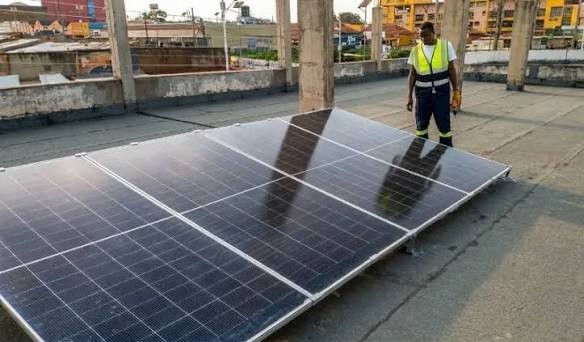
Solar power installation in Uganda is becoming an increasingly practical solution for homeowners, businesses, institutions and industrial property owners seeking reliable, cost-effective and sustainable electricity. With abundant sunshine throughout much of the year, solar energy offers an opportunity to generate electricity, reduce dependence on grid power and maintain essential operations during power interruptions.
Whether you are planning to install solar panels on a residential house, office building, hotel, school, hospital, factory or commercial property, choosing the right solar power system requires careful planning. The performance of a solar installation depends on more than the number of panels fitted to a roof. It also depends on electricity consumption, system design, battery capacity, inverter selection, installation quality, site conditions and ongoing maintenance.
A properly designed solar power system can provide electricity for lighting, appliances, computers, refrigeration, water pumps, air-conditioning and selected industrial equipment. However, an incorrectly sized system may fail to meet energy needs, experience frequent battery discharge or deliver disappointing savings.
This complete guide to solar power installation in Uganda explains how solar systems work, the available system types, installation procedures, equipment requirements, cost factors, maintenance practices and how to choose the right solar installation company.
If you are considering investing in solar energy, this guide will help you understand the important decisions involved before starting your project.
1. What Is Solar Power Installation?
Solar power installation is the process of designing, supplying, fitting, connecting, testing and commissioning equipment that converts sunlight into usable electrical energy.
A typical solar photovoltaic (PV) installation uses solar panels to capture sunlight and convert it into direct current (DC) electricity. An inverter converts this electricity into alternating current (AC), which can operate many appliances and electrical systems used in buildings.
Depending on the system design, batteries may store excess electricity for use at night or during periods when sunlight is insufficient.
A complete solar installation may include:
- Solar photovoltaic panels.
- Solar inverters.
- Solar batteries.
- Mounting structures and roof brackets.
- DC and AC electrical cables.
- Combiner boxes and distribution equipment.
- Circuit breakers and isolators.
- Surge protection devices.
- Earthing and bonding components.
- Monitoring and control equipment.
The equipment required depends on the building’s electricity demand, the available energy source, backup requirements and the intended use of the system.
2. Why Solar Power Is a Good Investment in Uganda
Uganda receives substantial solar energy throughout the year, making solar photovoltaic technology suitable for many residential, commercial and institutional applications.
Solar power can support properties in urban areas such as Kampala, Entebbe, Wakiso, Mukono, Jinja, Mbarara and other parts of the country. It can also provide electricity in rural and remote locations where grid access may be limited or unreliable.
The main benefits include the following.
Reduced Electricity Bills
A properly designed solar installation can reduce the amount of electricity a property purchases from the grid.
Solar panels generate electricity during daylight hours, allowing buildings to use solar energy directly when it is available. Depending on the system configuration and consumption patterns, this can lower electricity costs.
The actual savings depend on system size, electricity tariffs, daytime consumption, installation costs and whether excess energy can be used or exported under an applicable arrangement.
Reliable Backup Power
Solar systems with suitable battery storage can provide electricity when grid power is unavailable.
This is particularly useful for businesses that depend on computers, communication equipment, refrigeration, security systems and other essential electrical equipment.
Lower Dependence on Grid Electricity
Solar energy gives property owners another source of electricity.
A grid-connected solar system, hybrid installation or off-grid system can be designed to meet different energy requirements.
Long-Term Energy Investment
Solar panels are designed for long-term operation, although their output gradually decreases over time. Other system components, particularly batteries and inverters, may require replacement sooner depending on their technology, usage and operating conditions.
With suitable equipment and maintenance, solar installations can provide long-term energy benefits.
Environmental Benefits
Solar power generates electricity without directly burning fossil fuels during normal operation.
Using solar energy can help reduce the emissions associated with electricity consumption, particularly where it replaces electricity generated from fossil-fuel sources or diesel generators.
Suitable for Remote Locations
Solar power can be especially useful for rural homes, farms, lodges, schools, health facilities and businesses located far from reliable grid infrastructure.
An appropriately designed off-grid installation can provide electricity without requiring a conventional grid connection.
3. Types of Solar Power Systems Used in Uganda
Before installing solar panels, it is important to understand the main types of solar power systems available.
The right option depends on whether the property has grid electricity, needs battery backup or requires a completely independent electricity supply.
3.1 Grid-Tied Solar Systems
A grid-tied solar system is connected to the public electricity network.
Solar panels generate electricity during daylight hours, and the building uses the generated power to meet its electrical demand. Depending on the system design and applicable arrangements, electricity may also be drawn from the grid when solar generation is insufficient.
Main features:
- Connected to the electricity grid.
- Can reduce grid electricity consumption.
- Usually does not provide backup during a grid outage unless specifically designed with additional backup functionality.
- May operate without batteries.
- Requires suitable grid-interconnection arrangements and approvals where applicable.
Grid-tied systems are often considered by offices, retail premises, commercial buildings and other properties with reliable grid connections and significant daytime electricity consumption.
3.2 Off-Grid Solar Systems
An off-grid solar system operates independently of the public electricity network.
It normally uses solar panels, batteries and an inverter to provide electricity.
The batteries store energy generated during the day for use at night and during periods of limited sunlight.
Main features:
- Operates independently of the electricity grid.
- Requires suitable energy storage for continuous supply.
- Needs careful system sizing.
- Can serve remote properties without grid access.
- May require a generator or another backup source for demanding applications.
Off-grid solar systems are suitable for remote homes, farms, rural businesses, lodges and facilities where grid electricity is unavailable or unsuitable.
3.3 Hybrid Solar Systems
A hybrid solar system combines solar panels, battery storage and a grid connection. Some hybrid configurations may also incorporate a generator.
The system can use solar energy during the day, charge batteries when conditions allow and draw electricity from the grid or another configured source when required.
Main features:
- Combines solar power and grid electricity.
- Supports battery backup.
- Can improve energy independence.
- Allows flexible energy management.
- Requires appropriate inverter and control settings.
Hybrid systems are popular options for properties that want to reduce electricity bills while maintaining backup power.
3.4 Solar Systems with Generator Backup
Some commercial and industrial properties require additional backup beyond solar panels and batteries.
A suitably designed system can integrate solar generation, battery storage and a generator.
The generator may support the property during extended periods of poor solar generation or when electrical demand exceeds the available solar and battery capacity.
The integration must be professionally designed to ensure safe operation and correct control of the different power sources.
4. Main Components of a Solar Power Installation
Understanding the components of a solar system helps property owners make informed decisions when selecting equipment.
Solar Panels
Solar panels capture sunlight and convert it into DC electricity through photovoltaic cells.
Their output depends on factors such as panel capacity, sunlight availability, orientation, shading, temperature and installation conditions.
When selecting solar panels, consider:
- Rated power output.
- Product quality and certification.
- Efficiency.
- Physical dimensions.
- Warranty conditions.
- Manufacturer support.
- Suitability for the installation environment.
Solar Inverter
The inverter converts DC electricity from solar panels or batteries into AC electricity for compatible building loads.
Inverters also manage important functions such as energy conversion, system protection, battery charging and grid interaction, depending on their design.
Common inverter categories include:
- Grid-tied inverters.
- Off-grid inverters.
- Hybrid inverters.
The inverter must be appropriately selected for the system voltage, expected loads, starting requirements and battery configuration where applicable.
Solar Batteries
Batteries store electricity for later use.
They are particularly important in off-grid and hybrid systems that require backup power at night or during grid interruptions.
Common battery technologies include:
Lithium-ion batteries: These are widely used in modern solar installations because of their energy density, efficiency and suitability for repeated charging and discharging. Lithium iron phosphate (LiFePO4) is a common chemistry in stationary storage applications.
Lead-acid batteries: These include flooded and sealed battery types. They may have lower initial purchase costs in some applications but require careful consideration of usable capacity, maintenance, ventilation and service life.
Battery selection should consider usable energy capacity, charging requirements, operating temperature, expected daily cycling, warranty and compatibility with the inverter.
Solar Mounting Structures
Mounting structures secure panels to roofs or ground-mounted foundations.
They should be designed to withstand expected wind forces and environmental conditions while maintaining the correct panel orientation and inclination.
Electrical Cables and Connectors
Solar cables and connectors transfer electricity between the panels, inverter, batteries and distribution equipment.
They must be suitable for the electrical ratings, installation environment and applicable standards.
Charge Controllers
Charge controllers regulate electricity flowing from solar panels to batteries.
They are commonly used in systems where a separate solar charge controller is required.
Maximum Power Point Tracking (MPPT) controllers help optimise energy harvesting from solar panels under changing operating conditions.
Some hybrid and off-grid inverters have integrated charge controllers.
Protection Devices
Solar systems require suitable protection to reduce electrical risks and protect equipment.
Depending on the system design, protection may include:
- DC isolators.
- AC isolators.
- DC and AC circuit breakers.
- Fuses.
- Surge protection devices.
- Earthing and bonding systems.
- Battery protection equipment.
Protection devices must be selected and installed according to the system design and applicable electrical requirements.
5. How to Determine the Right Solar System Size
One of the most important stages of solar power installation in Uganda is determining the correct system size.
A system that is too small may not supply enough electricity, while an unnecessarily large system can increase installation costs without delivering proportionate benefits.
Solar sizing should begin with an assessment of electricity consumption.
Step 1: List All Electrical Appliances
Prepare a list of the equipment that will use solar electricity.
For a home, this may include:
- Lighting.
- Television.
- Refrigerators.
- Fans.
- Computers.
- Phone chargers.
- Water pumps.
- Washing machines.
- Other household appliances.
For a commercial building, the list may also include:
- Office computers.
- Printers.
- Servers.
- Air-conditioning units.
- Security systems.
- Refrigeration equipment.
- Commercial lighting.
- Water pumps.
Industrial facilities may require detailed assessments of motors, production machinery, compressors, refrigeration systems and other heavy electrical loads.
Step 2: Determine Appliance Power Ratings
Check the rated power of each appliance in watts (W) or kilowatts (kW).
Where actual operating consumption is available from energy meters or equipment monitoring, it may provide a more accurate basis for system design.
Step 3: Estimate Daily Energy Consumption
Daily energy use is calculated by multiplying the power rating of an appliance by the number of hours it operates.
For example:
A 100-watt appliance operating for 5 hours consumes:
100 W × 5 hours = 500 Wh, or 0.5 kWh.
Repeat this calculation for the equipment that will be supplied by the solar system.
Step 4: Consider Simultaneous Loads
The inverter must be able to handle the power required by appliances operating at the same time.
Some equipment, particularly electric motors, pumps and compressors, may require higher starting power than their normal running power.
This should be considered during inverter selection.
Step 5: Determine Battery Capacity
Battery sizing depends on:
- Required backup duration.
- Daily energy consumption.
- Battery chemistry.
- Allowable depth of discharge.
- Inverter efficiency.
- Battery operating conditions.
- Expected charging opportunities.
For example, a building that needs electricity overnight may require more battery storage than one that mainly uses solar power during daylight hours.
Step 6: Determine Solar Panel Capacity
The solar array should be sized according to daily energy demand, expected solar resource, system losses, panel orientation, shading and battery charging requirements.
Professional design should use suitable solar resource information and system modelling rather than relying only on a general rule of thumb.
Important: Solar system sizing should be completed by a competent solar or electrical professional. A simple appliance calculation is useful for initial planning but does not replace a full technical assessment.
6. Solar Power Installation Process in Uganda
A professional solar power installation follows a series of stages to ensure the system is suitable for the building and operates safely.
Stage 1: Site Assessment
The installation company evaluates the property to determine whether the proposed location is suitable for solar panels and related equipment.
The assessment should consider:
- Available roof or ground space.
- Roof condition and structural capacity.
- Orientation and inclination.
- Shading from trees and nearby buildings.
- Cable routes.
- Equipment installation locations.
- Ventilation and battery placement.
- Access for inspection and maintenance.
For commercial and industrial projects, the assessment should also consider existing electrical infrastructure and the building’s operating requirements.
Stage 2: Electricity Consumption Assessment
The installer reviews electricity bills, meter readings, equipment schedules and the customer’s energy requirements.
This helps establish the expected energy demand and identify which loads should be supplied by solar power.
For larger facilities, energy monitoring may provide a clearer picture of daily, weekly and seasonal consumption patterns.
Stage 3: Solar System Design
After assessing the site and energy requirements, the installation company develops a suitable system design.
The design should identify:
- Solar panel capacity and configuration.
- Inverter type and rating.
- Battery capacity where required.
- Electrical protection devices.
- Cable sizes and routes.
- Mounting arrangements.
- Earthing and bonding.
- Grid or generator integration where applicable.
- Monitoring and control arrangements.
Stage 4: Equipment Selection and Procurement
The installer selects suitable solar panels, inverters, batteries and accessories.
Equipment should be compatible with the system design and sourced from reputable suppliers.
Before purchase, confirm product specifications, warranties, certifications, availability of replacement components and after-sales support.
Stage 5: Mounting Structure Installation
The mounting structure is installed on the roof or ground according to the approved design.
For rooftop installations, the roof should be inspected to confirm that it can support the additional loads.
The installation should also protect the roof against water leakage and avoid compromising its structural integrity.
Stage 6: Solar Panel Installation
The solar panels are mounted and secured using the appropriate brackets and fixing systems.
The installation team should follow manufacturer instructions and the approved design to ensure suitable spacing, orientation, cable management and mechanical stability.
Stage 7: Inverter and Battery Installation
The inverter and battery systems are installed in appropriate locations.
The equipment location should provide suitable access, environmental conditions, ventilation where required and protection against unauthorised access.
Battery installation should follow the manufacturer’s safety and operating instructions.
Stage 8: Electrical Wiring and Protection
The installer connects the panels, inverter, batteries and building distribution system using suitable electrical cables and protective equipment.
DC and AC circuits should be correctly identified, isolated and protected.
Earthing, bonding and surge protection should be implemented according to the system design and applicable requirements.
Stage 9: Inspection, Testing and Commissioning
Before the system is placed into normal operation, the installation should undergo appropriate inspection and testing.
Commissioning may include:
- Visual inspection.
- Cable and connection verification.
- Polarity checks.
- Insulation and continuity tests where applicable.
- Earthing verification.
- Protective device checks.
- Inverter configuration.
- Battery configuration.
- Grid interaction checks for grid-connected systems.
- Functional performance checks.
- Monitoring system setup.
The installer should provide commissioning records and explain the system’s operating procedures.
Stage 10: Handover and User Training
After commissioning, the property owner or facility manager should receive relevant system documentation.
This may include equipment manuals, warranty information, system drawings, test reports, operating instructions and maintenance recommendations.
Users should understand how to monitor the system, identify warning indicators and report faults.
7. How Much Does Solar Power Installation Cost in Uganda?
The cost of solar power installation in Uganda varies depending on the size, design, equipment quality and intended use of the system.
There is no single price that applies to every property. A small home solar system may require a relatively modest investment, while a commercial or industrial installation can involve a much larger budget.
The most important factors affecting the total cost include the following.
Solar Panel Capacity
Larger solar arrays require more panels, mounting materials, cabling and installation work.
The total capacity should be based on the building’s energy requirements and expected solar generation.
Battery Storage Capacity
Battery storage can significantly affect the total installation cost.
A system designed to provide several hours of backup or supply electricity overnight will generally require more battery capacity than a system intended mainly to reduce daytime grid consumption.
Inverter Type and Capacity
Inverter prices vary depending on power rating, technology, operating voltage, functionality and manufacturer.
Hybrid and advanced commercial inverters may have additional features for battery management, monitoring and integration with other power sources.
Quality of Equipment
Reputable solar panels, batteries, inverters and protection devices may have higher initial purchase prices but can offer better performance, reliability, warranties and technical support.
Installation Complexity
Installation costs may increase when a project involves:
- Difficult roof access.
- Long cable routes.
- Specialised mounting structures.
- Structural roof improvements.
- Complex electrical distribution.
- Generator integration.
- Large battery installations.
- Industrial control requirements.
Electrical Protection and Accessories
Proper protection equipment, cables, enclosures, earthing materials and monitoring equipment are necessary parts of a complete solar installation.
A quotation that excludes essential safety components may not represent the actual cost of a properly designed system.
Transport and Location
Projects located far from major supply centres may incur additional transportation and logistical costs.
How to Get an Accurate Solar Installation Quotation
To receive a reliable quotation, provide the installer with:
- Your location and property type.
- Recent electricity bills or energy consumption information.
- A list of important electrical appliances or equipment.
- Required backup duration, if applicable.
- Roof photographs or site drawings where available.
- Information about existing grid and generator connections.
- Any plans for future expansion.
Request an itemised quotation showing equipment specifications, installation costs, protection devices, warranties, testing and commissioning.
Do not select a solar installation company based on the lowest price alone. Compare the technical specifications and what is included in each quotation.
8. Solar Power Solutions for Residential Buildings in Uganda
Solar power can support many residential electricity requirements.
Homeowners may install solar systems to reduce electricity consumption, provide backup power or supply electricity in locations without grid connections.
Common residential solar applications include:
- Indoor and outdoor lighting.
- Television and entertainment systems.
- Refrigerators and freezers.
- Computers and internet equipment.
- Phone charging.
- Water pumping.
- Security systems.
- Selected kitchen appliances.
A suitable residential solar system should be designed around the household’s actual electricity consumption.
High-power appliances such as electric cookers, water heaters, irons and air-conditioning systems may require larger inverters and solar arrays.
Where battery storage is included, the required backup duration should be clearly established before selecting the battery capacity.
9. Solar Power Installation for Commercial Buildings
Businesses need reliable electricity to maintain productivity, protect equipment and provide services to customers.
Solar power can support commercial properties such as:
- Office buildings.
- Shopping centres.
- Hotels and lodges.
- Restaurants.
- Schools.
- Hospitals and clinics.
- Supermarkets.
- Banks.
- Retail premises.
- Warehouses.
Commercial solar systems can be designed to supply selected electrical loads or a larger portion of a building’s energy consumption.
For businesses that operate mainly during daylight hours, solar generation may align well with their energy demand.
Facilities that operate at night may benefit from battery storage, grid support or another backup arrangement.
Before installing a commercial solar system, the project team should review electricity consumption patterns, available roof space, electrical infrastructure and future expansion plans.
10. Solar Power Installation for Industrial Facilities
Industrial properties often have more complex energy requirements than residential and smaller commercial buildings.
Factories and production facilities may operate motors, compressors, conveyors, pumps, refrigeration systems and other heavy equipment.
Solar installations for industrial facilities require detailed electrical and energy assessments.
Important considerations include:
Industrial Load Assessment
The designer should assess operating loads, starting currents, production schedules, peak demand and energy consumption patterns.
Three-Phase Electrical Systems
Many industrial facilities use three-phase electrical supplies.
Solar inverters and associated equipment must be selected to suit the electrical supply arrangement and the intended loads.
Motor and Machinery Compatibility
The system design should consider the starting and operating characteristics of motors and machinery.
Not every industrial load can be supplied directly by a standard solar installation without additional design measures.
Power Quality
Industrial equipment may be sensitive to voltage variation, harmonics and other power quality issues.
The solar system should be designed to operate appropriately alongside the existing electrical infrastructure.
Battery and Backup Requirements
Some factories may need battery storage for essential equipment, while others may prioritise reducing daytime grid consumption.
The backup strategy should be based on the operational importance of each load and the cost of interruptions.
Future Production Expansion
Solar designs should consider expected changes in production capacity and electricity demand.
A professionally designed installation can help businesses plan for future energy requirements.
11. Solar Water Heating and Solar Water Pumping in Uganda
Solar energy can support more than conventional electricity generation.
Two important applications are solar water heating and solar water pumping.
Solar Water Heating
Solar water heating systems use solar collectors to heat water for domestic or commercial use.
They can support:
- Residential bathrooms.
- Hotels and lodges.
- Hospitals.
- Schools.
- Staff accommodation.
- Commercial kitchens.
- Other facilities with substantial hot-water demand.
Solar water heating is different from solar photovoltaic electricity generation, although both use solar energy.
A property owner should assess hot-water consumption, installation space, plumbing requirements and the expected operating conditions before selecting a system.
Solar Water Pumping
Solar-powered water pumps use electricity generated from solar panels to move water.
They can support:
- Farms.
- Irrigation systems.
- Livestock watering.
- Rural homes.
- Schools.
- Community water projects.
- Commercial water supply systems.
Pump selection should consider water demand, pumping head, distance, water source, daily operating requirements and seasonal conditions.
A properly designed solar pumping system can reduce dependence on grid electricity or diesel-powered pumps.
12. Factors That Affect Solar System Performance in Uganda
Solar panels can generate electricity throughout the year, but their actual output varies according to site and operating conditions.
Understanding these factors helps property owners achieve better performance.
Sunlight Availability
Solar generation depends on the amount of sunlight received by the panels.
Cloud cover, rainfall and seasonal weather patterns can affect daily energy production.
Panel Orientation and Inclination
Panel orientation and tilt influence how much sunlight the array receives.
The installation should be designed according to the property’s location, roof configuration and expected energy generation.
Shading
Shading from trees, buildings, water tanks and other obstacles can reduce solar generation.
Even partial shading may affect the output of some panel configurations.
A site assessment should identify shading problems before installation.
Dust and Dirt
Dust, leaves, bird droppings and other debris can accumulate on solar panels and reduce their performance.
Appropriate cleaning and inspection help maintain output.
High Temperatures
Solar panel output is affected by operating temperature.
Mounting arrangements should allow suitable ventilation and follow manufacturer installation requirements.
Equipment Quality
Low-quality panels, batteries, inverters and electrical accessories can reduce system performance and reliability.
Selecting equipment from reputable manufacturers and suppliers is important.
Correct System Design
A system that is poorly sized or incorrectly configured may fail to meet the property’s energy requirements.
Professional design is therefore essential.
13. Solar Power System Maintenance and Servicing
Solar power systems require regular inspection and maintenance to maintain performance and identify potential problems.
Although solar panels have no moving parts, other system components can deteriorate because of heat, moisture, dust, vibration and electrical wear.
A suitable maintenance programme should include:
Cleaning Solar Panels
Remove dust, leaves and other debris using appropriate cleaning methods recommended by the manufacturer.
Avoid abrasive materials and unsafe cleaning practices.
Inspecting Mounting Structures
Check mounting brackets, fasteners and support structures for corrosion, loosening or physical damage.
Checking Electrical Connections
Inspect accessible electrical connections for signs of overheating, corrosion or deterioration.
Only competent personnel should open electrical enclosures or work on electrical connections.
Monitoring Inverter Performance
Review inverter indicators, monitoring data and fault notifications to identify unusual performance or system errors.
Battery Maintenance
Battery maintenance requirements depend on the battery technology.
Follow manufacturer instructions for charging, ventilation, temperature, inspection and replacement.
Checking Protection Devices
Inspect relevant isolators, circuit breakers, fuses and surge protection devices according to the maintenance programme.
Reviewing System Output
Compare actual energy production with expected performance, taking account of weather and seasonal changes.
A sudden or sustained decline may indicate shading, equipment faults, dirt accumulation or other system problems.
Maintaining Documentation
Keep installation drawings, equipment manuals, warranty documents, commissioning reports and maintenance records.
Maintenance should be conducted by competent professionals, particularly where electrical testing or repairs are involved.
14. Common Solar Installation Mistakes to Avoid
Poor planning and incorrect installation can reduce the performance and reliability of solar systems.
Property owners should avoid the following mistakes.
Installing an Undersized Solar System
A system that is too small may fail to meet the property’s energy requirements.
Always assess actual electricity consumption before selecting panel, inverter and battery capacities.
Buying Equipment Based Only on Price
Cheap equipment may have limited performance, unsuitable specifications or poor after-sales support.
Compare equipment quality, warranties, compatibility and technical specifications.
Ignoring Battery Requirements
Battery capacity should match the required backup duration and expected energy consumption.
An undersized battery may discharge too quickly, while an unsuitable battery configuration can affect system operation and service life.
Poor Panel Positioning
Incorrect panel orientation, excessive shading and unsuitable mounting arrangements can reduce energy generation.
Using Incorrect Cables and Protection Devices
Solar systems operate with specific electrical ratings and safety requirements.
Incorrect cable sizing, unsuitable connectors and inadequate protection can create serious hazards.
Poor Earthing and Surge Protection
Inadequate earthing and protection arrangements may increase the risk of electrical damage and unsafe fault conditions.
Ignoring Roof Condition
Installing panels on a weak or damaged roof can create structural and water leakage problems.
The roof should be assessed before installation.
Neglecting Maintenance
Solar systems should not be assumed to operate indefinitely without inspection.
Regular maintenance helps identify defects and maintain system performance.
Hiring Inexperienced Installers
Poor installation practices can result in unsafe wiring, incorrect system configuration and unnecessary equipment failures.
Choose a contractor with relevant experience and suitable technical competence.
15. Safety Considerations During Solar Power Installation
Solar power systems involve electrical equipment, rooftop work and stored electrical energy.
Installation should be undertaken by competent personnel following appropriate safety procedures.
Important safety considerations include:
- Safe working practices when accessing roofs.
- Suitable fall protection for elevated work.
- Correct handling of solar panels and batteries.
- Proper DC and AC isolation.
- Suitable circuit protection.
- Correct cable routing and termination.
- Earthing and bonding.
- Surge protection where required.
- Safe battery installation and ventilation where applicable.
- Clear equipment labelling.
- Appropriate testing before commissioning.
Solar panels can generate electricity whenever exposed to light. Therefore, DC circuits must be treated as potentially energised unless safely isolated and verified using suitable procedures.
Battery systems can also store significant amounts of energy and should be handled according to the manufacturer’s safety instructions.
Never attempt to repair live solar equipment without the necessary training, equipment and authorisation.
16. How to Choose the Best Solar Installation Company in Uganda
Selecting the right solar installation company is one of the most important decisions in a solar project.
A reliable provider should understand system design, electrical safety, equipment selection, installation practices and after-sales support.
Consider the following factors before making a decision.
Technical Experience
Choose a company with experience in the type of solar installation you need.
Residential, commercial and industrial systems have different technical requirements.
Qualified and Competent Personnel
Confirm that the people responsible for design and installation have appropriate technical qualifications and authorisations under applicable Ugandan requirements.
Quality of Solar Equipment
Ask for the manufacturer, model and specifications of the proposed panels, batteries, inverters and protection equipment.
Proper System Design
The company should assess your energy requirements and prepare a system design rather than recommending equipment based only on general estimates.
Transparent Quotation
A professional quotation should clearly show equipment specifications, quantities, installation costs, protection devices and other project expenses.
Warranty and After-Sales Support
Confirm the warranty conditions for panels, inverters, batteries and workmanship.
Ask how technical support, repairs and replacement parts will be handled.
Inspection and Commissioning
The company should carry out appropriate inspections, tests and commissioning before handing over the system.
Maintenance Services
A provider that can offer ongoing inspection and maintenance can help protect the long-term performance of your investment.
17. Is Solar Power Worth Installing in Uganda?
Solar power can be a worthwhile investment in Uganda when the system is correctly designed for the property’s electricity needs.
However, the financial and practical benefits differ from one property to another.
Before investing, consider:
- Your current electricity consumption.
- Your electricity bills and tariff structure.
- How much electricity is used during daylight hours.
- Whether you need battery backup.
- The cost of the proposed system.
- The expected system output.
- Battery replacement and maintenance costs.
- Available roof or ground space.
- The expected operating life of the equipment.
- Any applicable grid-interconnection requirements.
A grid-connected system may be attractive for a property with high daytime electricity consumption, while a hybrid or off-grid installation may be more suitable where backup power or energy independence is a priority.
The best decision comes from comparing the total system cost with realistic expected savings and operational benefits.
18. Frequently Asked Questions About Solar Power Installation in Uganda
1. How much does solar power installation cost in Uganda?
The cost depends on solar panel capacity, battery storage, inverter specifications, equipment quality, installation complexity and the building’s electricity requirements. A site assessment and energy audit are needed to prepare an accurate quotation.
2. Is solar power suitable for homes in Uganda?
Yes. Solar power can supply electricity for lighting, televisions, refrigerators, computers, security systems, water pumps and other suitable household loads. The system must be correctly sized according to household consumption.
3. Can solar panels power a commercial building?
Yes. Solar installations can support offices, hotels, shopping centres, schools, hospitals, warehouses and other commercial properties. System size and configuration should be based on the building’s electricity demand and operating schedule.
4. Can solar power run industrial machinery?
Solar power can support selected industrial equipment and, with appropriate design, larger industrial loads. The installation must account for machinery ratings, starting currents, three-phase requirements, operating schedules and power quality.
5. What is the difference between grid-tied, off-grid and hybrid solar systems?
A grid-tied system operates in connection with the public electricity network. An off-grid system operates independently and generally requires battery storage. A hybrid system combines solar generation, battery storage and a grid connection.
6. Do solar panels work during cloudy weather?
Yes. Solar panels can generate electricity under cloudy conditions, but their output is generally lower than under strong sunlight. System design should account for variations in solar generation.
7. How long do solar panels last?
Solar panels are designed for long-term operation, and many manufacturers provide performance warranties extending for decades. Actual performance depends on product quality, installation conditions, maintenance and environmental exposure. Inverters and batteries may have different service lives.
8. Do I need batteries for a solar power system?
Not necessarily. Some grid-tied solar systems operate without batteries. However, battery storage is required when the system is designed to provide stored energy during the night or power interruptions.
9. Can solar power reduce electricity bills?
Yes. A properly designed solar installation can reduce the amount of electricity purchased from the grid. The actual savings depend on system size, daytime consumption, electricity tariffs, energy generation and the system’s operating arrangement.
10. How many solar panels does a house need?
The number depends on the household’s daily energy consumption, panel capacity, available sunlight, roof space and system design. A professional assessment is needed to determine the correct number.
11. Does solar power require maintenance?
Yes. Solar panels, mounting structures, cables, inverters, batteries and protection devices should be inspected and maintained according to manufacturer recommendations and the installation’s operating conditions.
12. Can solar power work with a generator?
Yes. Solar systems can be designed to integrate with generators. The arrangement requires compatible equipment, suitable control systems and professionally designed electrical connections.
13. Can I install solar panels on an existing building?
Yes, provided the roof or proposed mounting location is structurally suitable and has adequate space and sunlight exposure. The existing electrical installation should also be assessed before connection.
14. Is solar power suitable for rural properties in Uganda?
Yes. Off-grid solar systems can supply electricity to rural homes, farms, schools, lodges, health facilities and businesses where grid electricity is unavailable or unreliable.
15. What should I check before hiring a solar installation company?
Check the company’s experience, technical competence, equipment specifications, system design, quotation details, warranty conditions, commissioning process and after-sales support.
Conclusion: Invest in Reliable Solar Power Installation in Uganda
Solar power installation in Uganda offers homeowners, businesses, institutions and industrial property owners an opportunity to improve energy reliability, reduce dependence on grid electricity and make better use of the country’s solar resource.
However, achieving good results requires more than purchasing solar panels and an inverter. Every installation should begin with an assessment of electricity consumption, followed by proper system sizing, equipment selection, electrical design, professional installation and thorough commissioning.
Whether you need a residential solar system, a commercial rooftop installation, an off-grid solution for a remote property or a larger system for an industrial facility, selecting the right configuration is essential.
A professionally designed solar installation can help protect your investment, support daily operations and provide dependable energy over the long term.
Looking for professional solar power installation and electrical solutions in Uganda? Contact Daltrevco to discuss your project requirements. Whether you are planning a new installation, upgrading an existing electrical system or exploring solar energy for your property, proper technical planning is the first step towards a safe and effective solution.

