
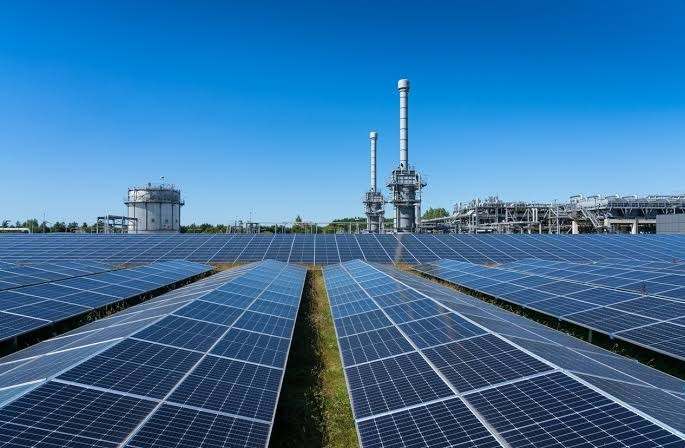
Commercial solar power systems are becoming an important energy solution for offices, factories, warehouses, hotels, shopping centres and businesses across Uganda. As organisations seek to manage electricity expenses, improve power reliability and reduce dependence on conventional energy sources, solar energy offers a practical opportunity to generate electricity from sunlight.
For businesses operating in Uganda, electricity is essential for lighting, computers, air conditioning, refrigeration, machinery, communication systems, security equipment and daily operations. Unexpected power interruptions and high energy consumption can affect productivity, increase operating expenses and disrupt service delivery.
A professionally designed commercial solar power system can help businesses reduce grid electricity consumption, support essential equipment and improve energy management. Depending on the system configuration, solar installations can operate alongside the national electricity grid, provide battery backup or supply electricity independently in locations without reliable grid access.
However, installing solar panels on a commercial building is not simply a matter of choosing equipment and connecting it to the electrical system. Commercial solar projects require detailed energy assessments, electrical load calculations, suitable inverter selection, battery planning, structural evaluation, protection systems and professional commissioning.
This guide explains everything businesses should understand about commercial solar power systems in Uganda, including how they work, available system types, installation requirements, costs, benefits, maintenance and how to select the right solar solution for an office, factory or commercial property.
Whether you manage a small business, operate a large industrial facility or are planning a new commercial development, understanding these considerations will help you make informed decisions about investing in solar energy.
1. What Are Commercial Solar Power Systems?
Commercial solar power systems are photovoltaic (PV) installations designed to generate electricity for businesses, institutions and other non-residential properties.
They use solar panels to convert sunlight into direct current (DC) electricity. An inverter converts the generated electricity into alternating current (AC), which can supply compatible electrical equipment and building systems.
Depending on the installation design, electricity can be used immediately, stored in batteries or supplied alongside electricity from the national grid.
A commercial solar installation may include:
- High-capacity solar photovoltaic panels.
- Commercial or industrial solar inverters.
- Battery energy storage systems where required.
- Solar mounting structures.
- DC and AC electrical cables.
- Distribution boards and switchgear.
- Circuit breakers and isolators.
- Surge protection devices.
- Earthing and bonding systems.
- Energy monitoring and management equipment.
- Generator integration equipment where required.
Commercial solar systems are generally larger and more technically demanding than ordinary residential installations because businesses often have higher energy consumption, more complex electrical distribution systems and specialised equipment.
The correct system must be designed around the building’s electricity demand, operating schedule, available installation space and backup requirements.
2. Why Businesses in Uganda Are Investing in Commercial Solar Power
Electricity supports almost every aspect of modern business operations. Offices depend on computers and communication equipment, factories require machinery and production systems, while hotels and shopping centres need lighting, refrigeration, lifts and air conditioning.
Solar power offers businesses another way to meet these electricity requirements.
2.1 Reducing Electricity Expenses
One of the main reasons businesses consider commercial solar installations is the opportunity to reduce electricity purchased from the grid.
Solar panels generate electricity during daylight hours, allowing businesses to use solar energy directly when it is available.
This can be particularly beneficial for businesses with significant daytime electricity consumption.
Actual savings depend on:
- The size of the solar installation.
- The building’s electricity consumption.
- Daytime operating hours.
- Electricity tariff structure.
- Solar generation at the installation site.
- Battery storage requirements.
- Installation and maintenance costs.
A professional energy assessment helps establish whether the expected savings justify the investment.
2.2 Improving Electricity Reliability
Power interruptions can affect business operations, especially where electricity is required continuously.
A commercial solar system with appropriately sized battery storage can support selected equipment when grid electricity is unavailable.
This may help maintain essential operations such as computer systems, security equipment, communication networks, refrigeration and selected production processes.
The backup capability depends on the inverter, battery capacity, electrical load and system configuration.
2.3 Supporting Industrial and Commercial Operations
Factories, warehouses, offices and other facilities can use solar power to support suitable electrical loads.
Solar installations can be designed around daytime production schedules, office hours and other consumption patterns.
Businesses can also identify essential and non-essential loads to determine which equipment should receive battery backup.
2.4 Reducing Dependence on Conventional Electricity Sources
Commercial solar systems provide an additional source of electricity.
Businesses can combine solar generation with grid electricity, battery storage or standby generators according to their operational requirements.
This flexibility can improve energy management and reduce reliance on a single electricity source.
2.5 Supporting Environmental Sustainability
Solar photovoltaic systems generate electricity without directly burning fuel during normal operation.
Businesses that use solar energy can reduce the emissions associated with their electricity consumption, depending on the energy sources being displaced.
This can support environmental management objectives and sustainability commitments.
2.6 Improving Long-Term Energy Planning
Solar installations allow businesses to assess and manage part of their future electricity supply through a planned investment.
With appropriate monitoring, organisations can review solar generation, electricity consumption and system performance to support better energy decisions.
3. Types of Commercial Solar Power Systems
The most suitable solar system depends on whether a business is connected to the electricity grid, requires backup power or operates in a location where grid electricity is unavailable.
The three main configurations are grid-tied, off-grid and hybrid solar systems.
3.1 Grid-Tied Commercial Solar Systems
A grid-tied solar system is connected to the public electricity network.
During daylight hours, solar panels generate electricity that can be used by the building. When solar generation is insufficient, the building can draw electricity from the grid.
Depending on the approved system arrangement, surplus electricity may be exported to the grid where an applicable connection and compensation arrangement exists.
Main features:
- Connected to the electricity grid.
- Can reduce grid electricity consumption.
- Often operates without batteries.
- Suitable for businesses with substantial daytime electricity use.
- Requires appropriate grid-interconnection arrangements.
- Standard grid-tied inverters generally shut down during a grid outage unless the system has specifically designed backup functionality.
Suitable applications:
- Office buildings.
- Retail shops.
- Shopping centres.
- Commercial warehouses.
- Schools.
- Hotels.
- Daytime manufacturing facilities.
Grid-tied systems can be attractive for businesses whose electricity consumption closely matches solar generation during working hours.
3.2 Off-Grid Commercial Solar Systems
An off-grid system operates independently of the public electricity network.
It uses solar panels, battery storage and suitable inverters to provide electricity.
Because there is no grid connection to provide additional electricity when solar generation is insufficient, the system must be carefully designed around energy consumption, storage requirements and available solar resources.
Main features:
- Independent of the public electricity network.
- Requires appropriate battery storage.
- Needs detailed energy planning.
- May require a generator for additional backup.
- Suitable for remote commercial properties.
Suitable applications:
- Rural businesses.
- Remote warehouses.
- Farms and agricultural facilities.
- Lodges and tourism properties.
- Remote telecommunications installations.
- Facilities without suitable grid access.
3.3 Hybrid Commercial Solar Systems
Hybrid solar systems combine solar panels, battery storage and grid electricity.
Some installations may also integrate a standby generator.
A hybrid system can use solar energy when available, store excess electricity in batteries and draw power from the grid when required.
Main features:
- Combines solar generation and grid electricity.
- Supports battery backup.
- Allows flexible energy management.
- Can be configured to supply essential loads.
- Requires appropriate inverter and control equipment.
Hybrid systems are particularly useful for businesses that want to reduce grid electricity consumption while maintaining backup power.
3.4 Commercial Solar Systems with Generator Integration
Some factories and large commercial buildings require additional backup arrangements.
A professionally designed system can integrate solar panels, battery storage, the public grid and a standby generator.
The generator can support operations when solar generation and battery storage are insufficient.
The installation must use suitable transfer and control arrangements to ensure safe operation and prevent unintended interconnection between power sources.
4. Commercial Solar Power Systems for Office Buildings
Office buildings consume electricity through lighting, computers, printers, servers, air conditioning, lifts, communication equipment and security systems.
Many offices operate mainly during daylight hours, making them potential candidates for grid-tied or hybrid solar installations.
A commercial solar system for an office can be designed to support:
- General office lighting.
- Computers and workstations.
- Printers and office equipment.
- Internet and communication systems.
- Server rooms and network equipment.
- Security cameras and access control.
- Air-conditioning systems.
- Water pumps.
- Selected common-area electrical loads.
Important Considerations for Office Solar Installations
Daytime electricity consumption: Assess how much electricity the office uses while solar panels are generating power.
Air-conditioning demand: Air-conditioning can account for a significant portion of office electricity consumption. Its operating requirements should be included in the load assessment.
Server and communication equipment: Critical information technology equipment may require UPS systems or dedicated backup arrangements in addition to solar generation.
Roof space: The building should have sufficient suitable space for the proposed solar panels.
Future expansion: Allow for realistic changes in office occupancy, equipment and operating requirements.
A properly designed office solar system can help reduce grid consumption while supporting essential electrical operations.
5. Commercial Solar Power Systems for Factories and Industrial Facilities
Factories and industrial facilities often have more demanding electricity requirements than ordinary commercial buildings.
Their electrical systems may supply motors, compressors, conveyors, pumps, refrigeration units, welding equipment, production lines and automated machinery.
A commercial solar installation for an industrial facility requires careful engineering and detailed energy analysis.
Industrial Load Assessment
The design team should assess:
- Total electricity consumption.
- Maximum demand.
- Daily and seasonal operating schedules.
- Motor ratings.
- Starting currents.
- Three-phase supply requirements.
- Power factor.
- Harmonic distortion where relevant.
- Critical and non-critical loads.
- Expected future production expansion.
Three-Phase Solar Inverters
Many industrial facilities use three-phase electricity.
The solar installation should therefore use compatible inverters and electrical equipment designed for the facility’s supply arrangement.
Motor and Machinery Compatibility
Industrial motors and machinery can have high starting-current requirements.
The solar system must be designed to accommodate the operating characteristics of the connected equipment.
Some machinery may require specialised control arrangements or may be better supported through grid and generator power rather than a standalone solar installation.
Power Quality Management
Industrial equipment may be affected by voltage variation, harmonics and other power quality issues.
The solar system should be integrated with the existing electrical installation in a way that supports the facility’s power quality requirements.
Production Continuity
Not all factory equipment needs battery backup.
A load-priority assessment can identify machinery and systems that must remain operational during power interruptions.
This helps determine whether battery storage is financially and technically justified.
6. Commercial Solar Systems for Warehouses and Storage Facilities
Warehouses often have large roof areas that may provide suitable space for solar panel installation.
Their electricity consumption may include:
- Warehouse lighting.
- Office equipment.
- Refrigeration and cold storage.
- Ventilation systems.
- Loading equipment.
- Water pumps.
- Security and access systems.
- Forklift and battery charging facilities.
A solar system can be designed to supply suitable daytime loads or work alongside the grid and battery storage.
Key Warehouse Installation Considerations
Before installing solar panels, assess the structural condition and load capacity of the roof.
Consider the roof’s orientation, shading, drainage, waterproofing and access for maintenance.
For refrigerated warehouses, assess the importance of maintaining continuous power to cooling equipment.
Battery storage or generator integration may be necessary where uninterrupted refrigeration is essential.
7. Commercial Solar Systems for Hotels, Restaurants and Shopping Centres
Hospitality and retail properties have diverse electricity requirements that may change throughout the day.
Hotels may use electricity for guest rooms, lighting, lifts, kitchens, laundry equipment, water heating and air conditioning.
Restaurants require electricity for refrigeration, food preparation, lighting and ventilation.
Shopping centres may have large common-area loads from escalators, lifts, air conditioning, lighting and tenant facilities.
Commercial solar installations can support selected electrical loads or a substantial portion of a property’s daytime demand.
The design should consider operating hours, occupancy patterns, seasonal demand and the need for backup electricity.
For hotels and other hospitality facilities, reliable electricity is important for guest comfort, refrigeration, communication and security.
8. Main Components of a Commercial Solar Power System
A commercial solar installation consists of several components that must work together safely and efficiently.
8.1 Solar Photovoltaic Panels
Solar panels capture sunlight and convert it into DC electricity.
Commercial installations often use multiple high-capacity panels connected into suitable strings and arrays.
Panel selection should consider:
- Rated power output.
- Efficiency.
- Product quality.
- Certification and conformity.
- Temperature performance.
- Physical dimensions.
- Warranty conditions.
- Manufacturer support.
8.2 Commercial Solar Inverters
Inverters convert DC electricity from the solar array into AC electricity suitable for the building’s electrical system.
They may also manage battery charging, energy monitoring and grid interaction depending on their design.
The inverter should be selected according to:
- Required power rating.
- Single-phase or three-phase supply.
- Maximum demand.
- Starting requirements of connected equipment.
- Battery compatibility where applicable.
- Grid-interconnection requirements.
- Environmental operating conditions.
8.3 Battery Energy Storage Systems
Commercial battery systems store electricity for later use.
They can support selected loads during power interruptions and allow businesses to use stored solar energy outside daylight hours.
Battery selection should consider usable capacity, power rating, charging and discharging limits, battery chemistry, operating temperature, safety features, warranty and expected usage.
Lithium iron phosphate (LiFePO4) batteries are widely used in modern stationary energy storage installations. Other technologies may be suitable depending on the project.
8.4 Mounting Structures
Mounting structures secure solar panels to rooftops or ground-mounted foundations.
They should be designed for the site’s structural and environmental conditions, including expected wind loads and corrosion exposure.
8.5 Electrical Distribution Equipment
Commercial systems may require dedicated distribution boards, switchgear, circuit breakers, fuses, isolators and other electrical components.
These must be appropriately rated for the installation.
8.6 Surge Protection and Earthing
Surge protection devices help limit transient overvoltages that could damage sensitive electrical equipment.
Earthing and bonding provide important protection against electrical fault conditions.
Both should be included according to the system design and applicable electrical requirements.
8.7 Monitoring and Energy Management Systems
Monitoring systems allow building operators to review solar generation, electricity consumption, battery status and system faults.
Larger commercial installations may benefit from energy management systems that help control how electricity is generated, stored and consumed.
9. How to Size a Commercial Solar Power System
Correct system sizing is essential for achieving the expected performance and financial benefits.
Commercial systems should not be sized simply by estimating the number of panels that can fit on a roof.
The process should begin with a detailed energy assessment.
Step 1: Review Electricity Bills
Collect recent electricity bills to understand the property’s electricity consumption, billing pattern and tariff structure.
Where possible, use interval meter data to identify when the building consumes the most electricity.
Step 2: Conduct an Energy Audit
An energy audit identifies the equipment and processes responsible for electricity consumption.
For offices, this may include lighting, air conditioning, computers and server equipment.
For factories, it may include motors, compressors, production machinery and refrigeration.
Step 3: Identify Daytime Energy Demand
Solar panels generate electricity during daylight hours.
A business that consumes a large amount of electricity during the day may use a greater proportion of its solar generation directly.
This can influence the economic attractiveness of a grid-tied system.
Step 4: Calculate the Required Solar Capacity
The solar array should be sized using expected energy consumption, solar resource data, equipment performance, shading, panel orientation and system losses.
Professional design software and appropriate technical calculations can help estimate the expected energy output.
Step 5: Determine Battery Requirements
Battery storage should be sized according to the required backup power and duration.
The design should identify which equipment needs backup and how much energy it consumes.
It should also consider battery usable capacity, inverter efficiency and expected operating conditions.
Step 6: Select the Appropriate Inverter
The inverter must handle the expected operating load and any relevant starting requirements.
For industrial facilities, three-phase operation, motor loads and power quality requirements may be especially important.
Step 7: Plan for Future Expansion
Businesses may add machinery, office equipment, refrigeration or additional building space.
The solar system design should consider realistic future energy requirements where practical.
Important: Commercial solar system sizing should be completed by competent solar and electrical professionals. An accurate design requires actual site and consumption information.
10. Commercial Solar Power Installation Process in Uganda
A successful commercial solar installation requires planning, engineering, procurement, installation, inspection and commissioning.
The following stages describe a professional project approach.
Stage 1: Initial Consultation
The installation company discusses the business’s energy requirements, objectives, electricity expenses and backup needs.
Stage 2: Site Assessment
The team visits the property to assess roof space, structural conditions, shading, electrical infrastructure, equipment locations and cable routes.
Stage 3: Energy Audit and Load Assessment
Electricity bills, equipment schedules and consumption data are reviewed to establish the system requirements.
Stage 4: Technical System Design
The design identifies the solar array, inverter, battery storage, electrical protection, mounting arrangement and integration with existing power sources.
Stage 5: Cost Estimation and Quotation
The contractor prepares an itemised quotation outlining equipment, installation, testing, commissioning and other project expenses.
Stage 6: Equipment Procurement
Solar panels, inverters, batteries, mounting structures and electrical accessories are selected and procured according to the approved design.
Stage 7: Mounting Structure Installation
The roof or ground-mounted support system is installed.
For rooftop systems, structural capacity, roof condition, waterproofing and safe access should be considered.
Stage 8: Solar Panel Installation
The panels are mounted and connected according to the approved electrical and mechanical design.
Stage 9: Inverter and Battery Installation
The inverter, battery storage and associated equipment are installed in suitable locations.
The equipment should have the environmental conditions and clearances required by the manufacturer.
Stage 10: Electrical Connection and Protection
DC and AC connections are completed using suitable cables, connectors, isolation equipment and protective devices.
The system is integrated with the building’s electrical installation according to the approved design.
Stage 11: Inspection and Commissioning
The system undergoes appropriate visual inspections, electrical testing, configuration and functional checks.
For grid-connected installations, the required grid-interconnection checks and approvals should be completed before operation.
Stage 12: Handover and Training
The client receives system documentation, operating instructions, warranty details, commissioning records and maintenance recommendations.
Building operators should understand how to monitor the system and respond to fault notifications.
11. How Much Do Commercial Solar Power Systems Cost in Uganda?
The cost of a commercial solar power system in Uganda depends on its capacity, configuration, equipment quality and installation requirements.
A small office installation will generally have different requirements from a large factory solar project.
The main cost factors include the following.
Solar Panel Capacity
The number and rating of panels influence equipment and installation costs.
Larger systems generally require more panels, mounting structures, cabling and electrical accessories.
Inverter Capacity and Technology
Commercial and industrial inverters vary according to their power ratings, phase configuration, functionality and manufacturer.
Hybrid inverters may cost more than simpler grid-tied equipment because of their additional capabilities.
Battery Storage
Battery storage can be a significant part of the project budget.
The cost depends on the required energy capacity, power rating, battery chemistry and installation requirements.
Roof or Ground-Mounting Requirements
Some properties require specialised mounting structures, structural improvements or additional roof preparation.
Ground-mounted installations may require foundations, land preparation and security arrangements.
Electrical Infrastructure Upgrades
Existing electrical systems may need improvements before solar integration.
These could include distribution board upgrades, cable replacement, protection devices, earthing improvements and other electrical modifications.
System Monitoring and Control
Larger installations may require advanced monitoring, energy management and control equipment.
Installation Complexity
Labour and project costs may increase where there are difficult access conditions, long cable routes, complex electrical connections or industrial integration requirements.
Transport and Logistics
Equipment transportation and site logistics can influence the final project cost, particularly for installations outside major urban centres.
How to Obtain an Accurate Commercial Solar Quotation
To obtain a realistic quotation, prepare the following information:
- Business location.
- Type and size of the building.
- Recent electricity bills.
- Daily operating hours.
- Major electrical equipment.
- Existing grid and generator arrangements.
- Required backup duration.
- Roof photographs or building drawings.
- Plans for future expansion.
Ask for an itemised proposal that identifies the equipment models, technical specifications, installation scope, protection devices, warranties and commissioning requirements.
Compare quotations based on technical quality and total project value rather than price alone.
12. Financial Benefits and Return on Investment
Commercial solar installations should be evaluated as long-term business investments.
The financial benefits depend on how much grid electricity the system displaces, the installation cost, operating expenses and the useful life of the equipment.
Electricity Bill Savings
Solar energy used directly by a business can reduce the electricity purchased from the grid.
The greatest benefit may occur when solar generation closely matches the building’s daytime consumption.
Reduced Generator Fuel Consumption
Where solar energy is integrated with a generator, it may reduce the amount of generator electricity required under suitable operating conditions.
The actual fuel savings depend on the system configuration, generator operating strategy and energy demand.
Improved Business Continuity
Battery-backed solar systems can support selected critical equipment during power interruptions.
This may reduce losses associated with interrupted operations, depending on the importance and duration of the supported loads.
Calculating Solar Investment Payback
A basic financial assessment compares the initial investment with the expected annual financial benefits.
A simplified payback calculation is:
Simple Payback Period = Initial Solar System Investment ÷ Estimated Annual Net Savings
For example, if a project costs UGX 60 million and is expected to generate UGX 15 million in annual net savings, the simple payback period would be four years.
This is an illustrative calculation, not a quotation or a forecast for a typical Ugandan installation.
A more complete financial assessment should account for:
- Electricity tariff changes.
- Solar generation degradation.
- Maintenance expenses.
- Battery replacement.
- Inverter replacement.
- Financing costs.
- Insurance.
- Equipment warranties.
- Changes in business consumption.
- Any applicable grid-export arrangements.
A professional feasibility study provides a more reliable basis for investment decisions.
13. Solar Power Systems for Businesses with High Electricity Consumption
Businesses with high electricity consumption may have significant opportunities to benefit from solar generation.
However, their energy requirements must be properly assessed.
Manufacturing Companies
Factories can use solar power to support suitable daytime production loads, lighting, ventilation, pumps and other equipment.
Hotels and Lodges
Hotels may use solar power to support lighting, refrigeration, water pumping, laundry facilities and selected air-conditioning loads.
Supermarkets and Retail Businesses
Solar installations can support lighting, point-of-sale equipment, refrigeration and other electrical loads.
Hospitals and Healthcare Facilities
Solar energy can support selected building services and essential equipment, subject to appropriate healthcare electrical requirements and backup arrangements.
Critical medical equipment may require dedicated backup power systems and carefully designed electrical distribution.
Schools and Universities
Educational institutions can use solar power for lighting, computers, administration offices, laboratories and other suitable loads.
Agricultural Businesses
Commercial farms can use solar energy for irrigation pumps, water supply, cold storage, processing equipment and farm buildings.
The appropriate system depends on the operating schedule and energy demand of each application.
14. Commercial Solar Power and Battery Storage: What Businesses Should Know
Battery storage is an important consideration for businesses that need electricity outside daylight hours or during grid interruptions.
However, not every commercial solar system needs batteries.
A grid-tied installation designed mainly to reduce daytime electricity consumption may operate without storage.
A hybrid system may use batteries to support essential loads when grid power fails.
Battery Capacity
Battery capacity is usually expressed in kilowatt-hours (kWh).
It represents the amount of energy the battery can store, subject to its usable capacity and operating limits.
Battery Power Rating
Battery power rating determines how much power can be delivered at a given time.
A battery may have sufficient energy capacity but still be unable to supply a large simultaneous electrical load.
Battery Chemistry
Different battery technologies have different characteristics, including energy density, efficiency, cycle life, operating conditions and maintenance requirements.
Battery Safety
Commercial battery systems require appropriate protection, installation arrangements and monitoring.
The location should meet manufacturer requirements for ventilation, temperature, access and fire safety.
Critical Load Selection
Businesses should identify the equipment that must remain operational during a power interruption.
This helps prevent unnecessary battery oversizing and improves investment planning.
15. Electrical Safety Requirements for Commercial Solar Installations
Commercial solar installations involve DC electricity, AC distribution, batteries and equipment connected to building electrical systems.
Safety must therefore be considered throughout design, installation and operation.
Important requirements include:
Correct Cable Selection
Cables must be suitable for the electrical ratings, environmental conditions, installation method and expected operating temperature.
Suitable Isolation Devices
DC and AC circuits should have suitable isolation arrangements to support safe operation and maintenance.
Overcurrent Protection
Protective devices should be selected according to the circuit design and relevant equipment requirements.
Earthing and Bonding
Appropriate earthing and bonding arrangements help manage electrical fault conditions and reduce the risk of electric shock.
Surge Protection
Surge protection should be assessed according to the site’s exposure, electrical system design and connected equipment.
Safe Battery Installation
Battery systems should be installed according to manufacturer instructions and applicable safety requirements.
Roof Work Safety
Rooftop installations require appropriate access arrangements, fall protection and safe working procedures.
Testing and Commissioning
Before operation, the system should undergo suitable inspection, electrical testing and functional verification.
Commercial solar installation work should be undertaken by competent professionals in accordance with applicable Ugandan requirements and relevant technical standards.
16. Solar Power System Maintenance for Offices, Factories and Businesses
Commercial solar installations need regular maintenance to maintain performance and identify faults before they lead to serious failures.
A suitable maintenance programme should cover the following areas.
Solar Panel Cleaning and Inspection
Inspect panels for dust, leaves, bird droppings, cracks and physical damage.
Clean them using suitable methods recommended by the manufacturer.
Inverter Inspection
Check inverter operation, fault indicators, monitoring information and ventilation requirements.
Battery System Maintenance
Review battery status, charging performance, temperature information and system alerts.
Follow the battery manufacturer’s maintenance and replacement guidance.
Mounting Structure Inspection
Inspect support structures, fasteners and roof attachment points for corrosion, loosening or damage.
Electrical Connection Inspection
Check accessible cables, connectors and enclosures for signs of overheating, corrosion or deterioration.
Electrical enclosures should only be opened by competent personnel.
Protection Device Checks
Inspect relevant isolators, circuit breakers, fuses and surge protection devices.
Energy Performance Monitoring
Compare actual generation with expected output, taking account of weather, shading and seasonal conditions.
Investigate unexplained drops in production.
Maintenance Documentation
Maintain records of inspections, repairs, testing, equipment replacement and system performance.
Maintenance intervals should be determined by equipment manufacturer recommendations, installation conditions, risk and applicable requirements.
17. Common Mistakes Businesses Should Avoid When Installing Solar Power
Commercial solar projects can become expensive when important technical and financial considerations are overlooked.
Avoid the following mistakes.
Choosing a system based only on price: A low-cost quotation may exclude essential protection equipment, suitable batteries or important installation work.
Ignoring actual electricity consumption: Solar capacity should be based on real energy demand and operating patterns.
Installing too many or too few batteries: Battery capacity should reflect the required backup duration and load.
Failing to assess roof structure: Solar panels add weight and wind loading to a building. The mounting arrangement must be suitable for the roof.
Ignoring industrial motor requirements: Motors and compressors may have high starting-current requirements that influence inverter selection.
Using unsuitable electrical protection: Incorrect cables, isolators and circuit breakers can create serious hazards.
Overlooking grid-interconnection requirements: Grid-connected systems must be designed and approved according to the applicable requirements.
Neglecting maintenance: Solar installations need ongoing inspection and performance monitoring.
Failing to plan for expansion: Future changes in production, occupancy and equipment can affect the system’s suitability.
Hiring inexperienced installers: Poor installation practices can compromise safety, reliability and expected energy output.
18. How to Choose the Best Commercial Solar Installation Company in Uganda
Choosing an experienced solar installation company is essential for achieving a safe and effective commercial system.
Before selecting a contractor, consider the following factors.
Commercial Project Experience
Look for a company that understands the technical requirements of commercial and industrial solar installations.
Technical Qualifications and Authorisations
Confirm that the professionals undertaking the work have appropriate qualifications, experience and authorisations under the applicable Ugandan framework.
Energy Assessment and System Design
The company should evaluate electricity consumption and prepare a system design suitable for the property.
Equipment Quality
Request the manufacturer names, model numbers, technical specifications and warranty information for the proposed solar panels, inverters and batteries.
Electrical Safety
Confirm that the design includes appropriate cables, isolation, overcurrent protection, earthing, bonding and surge protection where required.
Transparent Quotation
The proposal should clearly identify equipment, installation work, testing, commissioning and exclusions.
Warranty and After-Sales Support
Ask how equipment faults, repairs, replacement parts and warranty claims will be handled.
Monitoring and Maintenance
A reliable contractor should explain how the business can monitor performance and arrange maintenance.
Project Documentation
Ensure that the handover includes relevant drawings, manuals, commissioning records, equipment schedules and operating instructions.
19. Is Commercial Solar Power Worth the Investment in Uganda?
Commercial solar power can be a worthwhile investment when the system is correctly designed and the financial benefits justify the initial cost.
However, the decision should be based on a detailed assessment rather than assumptions about solar savings.
A business should evaluate:
- Annual electricity consumption.
- Daytime energy use.
- Electricity tariffs.
- Solar resource at the site.
- Available roof or ground space.
- Required battery backup.
- Installation and maintenance costs.
- Equipment replacement costs.
- Business operating hours.
- Expected system performance.
- Future electricity demand.
Businesses with substantial daytime electricity consumption may be particularly well positioned to use solar generation directly.
Facilities that operate overnight or require continuous electricity may need a hybrid arrangement with suitable battery storage or generator support.
The best system is the one that meets the business’s technical requirements and provides a reasonable long-term financial return.
20. Frequently Asked Questions About Commercial Solar Power Systems in Uganda
1. What is a commercial solar power system?
A commercial solar power system is a photovoltaic installation designed to generate electricity for businesses, offices, factories, warehouses, hotels and other non-residential properties.
2. How much does a commercial solar power system cost in Uganda?
The cost depends on system capacity, solar panel specifications, inverter type, battery storage, installation complexity and electrical infrastructure requirements. A site assessment and energy audit are necessary to prepare an accurate quotation.
3. Can solar power run an entire office building?
Yes, a properly designed commercial solar system can supply a large portion or, in suitable circumstances, all of an office building’s electricity requirements. The required capacity depends on the building’s energy consumption, available solar resource and operating schedule.
4. Can solar panels power a factory?
Solar panels can support suitable factory loads, including lighting, pumps, motors and selected production equipment. Industrial systems require detailed engineering to address three-phase supply, starting currents, power quality and operating requirements.
5. Are commercial solar systems suitable for warehouses?
Yes. Warehouses may have large roof areas suitable for solar panels. Systems can support lighting, office equipment, refrigeration and other suitable loads, subject to roof assessment and electrical design.
6. What is the difference between commercial grid-tied and hybrid solar systems?
A grid-tied system operates alongside the public electricity network and may not provide backup during a grid outage. A hybrid system includes battery storage and can be configured to supply selected loads when grid power is unavailable.
7. Do commercial solar systems require batteries?
Not always. Grid-tied systems can operate without batteries. Battery storage is required when the business needs stored electricity for backup or operation outside solar generation hours.
8. How many solar panels does a commercial building need?
The number depends on the building’s electricity consumption, required solar capacity, panel rating, roof space, shading and system design. A professional energy assessment is needed to establish the correct number.
9. Can solar power reduce factory electricity costs?
Yes. A properly designed system can reduce electricity purchased from the grid by supplying suitable loads with solar-generated electricity. Savings depend on the factory’s consumption pattern, system capacity, tariffs and operating conditions.
10. How long do commercial solar panels last?
Solar panels are designed for long-term use, and many manufacturers provide performance warranties extending for decades. Actual performance depends on equipment quality, installation conditions, maintenance and environmental exposure. Inverters and batteries may require replacement sooner.
11. Can commercial solar systems work with generators?
Yes. Solar installations can be integrated with generators through suitable control, transfer and protection arrangements. The integration should be professionally designed to ensure safe and reliable operation.
12. Do businesses need approval before connecting solar systems to the grid?
Grid-connected installations must comply with applicable electricity supply, technical and interconnection requirements. Businesses should confirm the necessary approvals and connection arrangements with the relevant electricity utility and regulatory authorities before commissioning.
13. How often should commercial solar systems be maintained?
Maintenance frequency depends on the equipment, installation environment, operating conditions and manufacturer recommendations. Businesses should establish a documented inspection and maintenance programme.
14. Can an existing commercial building be fitted with solar panels?
Yes. Existing buildings can be fitted with solar systems after assessing roof capacity, shading, electrical infrastructure, cable routes and the suitability of the proposed equipment.
15. What is the best solar system for a factory in Uganda?
There is no single best system for every factory. A grid-tied, hybrid or off-grid configuration may be suitable depending on electricity consumption, production schedules, backup requirements, grid availability and financial objectives.
Conclusion: Invest in Commercial Solar Power Systems for Long-Term Business Energy Solutions
Commercial solar power systems offer offices, factories and businesses in Uganda an opportunity to generate electricity, reduce dependence on grid power and improve energy management.
From office buildings and shopping centres to manufacturing plants, warehouses, hotels and agricultural facilities, solar technology can be adapted to a wide range of commercial applications.
However, a successful installation requires more than purchasing solar panels. It depends on accurate energy assessments, appropriate system sizing, reliable equipment, safe electrical integration, professional installation and regular maintenance.
Businesses should evaluate their electricity consumption, operating schedules, backup requirements and long-term energy objectives before selecting a solar solution.
Whether you are planning a new commercial solar installation, upgrading an existing electrical system or exploring solar energy for an industrial facility, professional technical planning is essential.
Looking for professional commercial solar power and electrical solutions in Uganda? Contact Daltrevco to discuss your office, factory or business energy requirements. Daltrevco can help you explore suitable building and electrical solutions for your project, with careful attention to safety, functionality and long-term performance.

